From Benedictine monastery to the sixth generation of the family
The roots of Maximin Grünhaus reach back to the year 633, when the Frankish King Dagobert I gifted properties on the Grüneberg to the Benedictine monastery of St. Maximin in Trier. Emperor Otto I confirmed this ownership in 966, and the abbey managed the estate continuously until 1802. Following secularization under Napoleon, the property passed into secular hands for the first time in 1810. In 1882, the steel industrialist Carl Ferdinand Freiherr von Stumm-Halberg acquired the entire ensemble of lands, buildings, and vineyards as a dowry for his daughter Ida Louise on the occasion of her marriage to General Conrad von Schubert — and thus Grünhaus came into the family that holds it to this day.
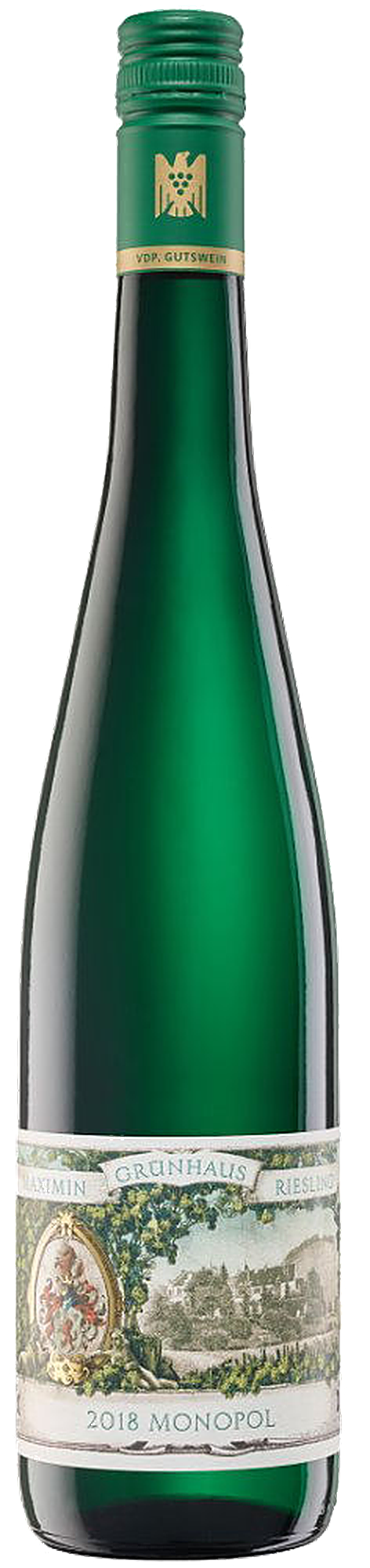
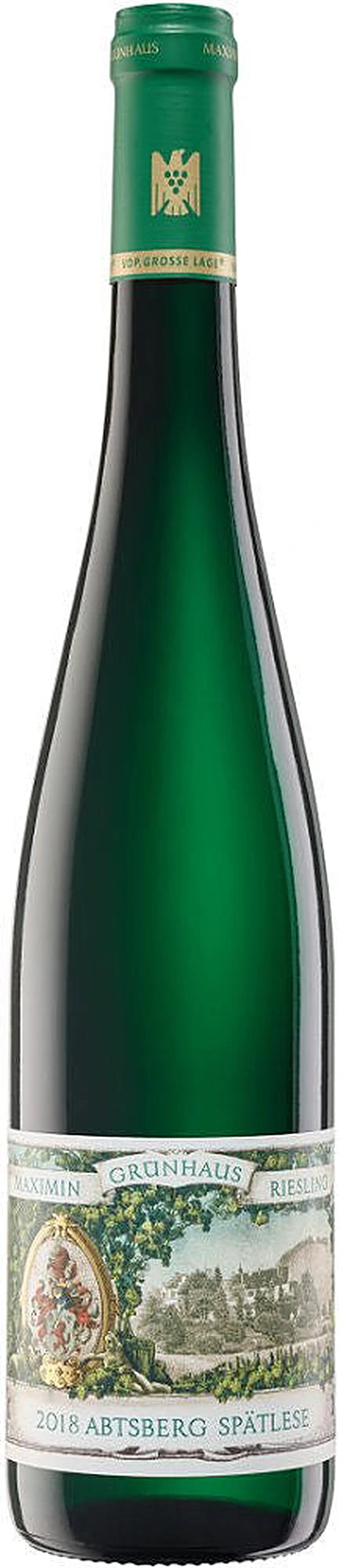
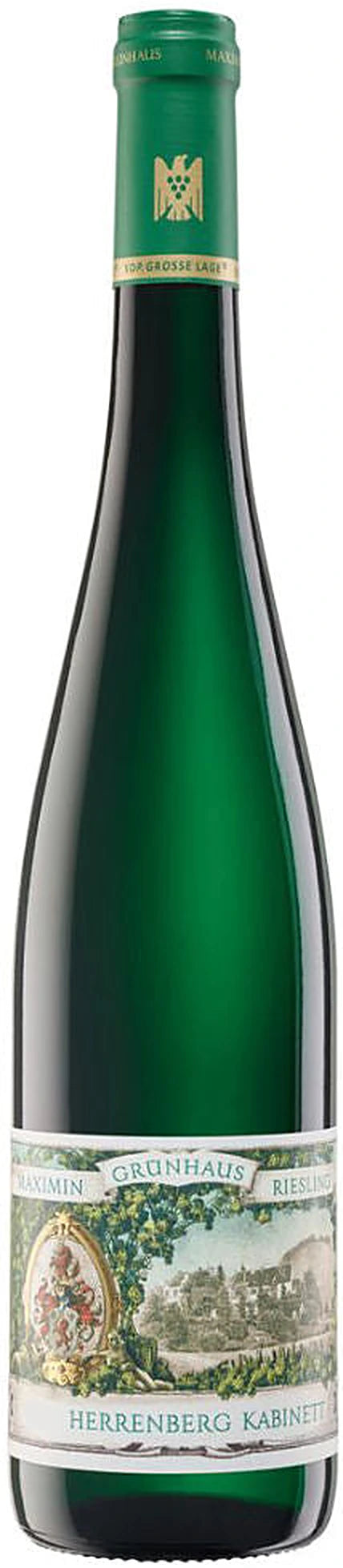
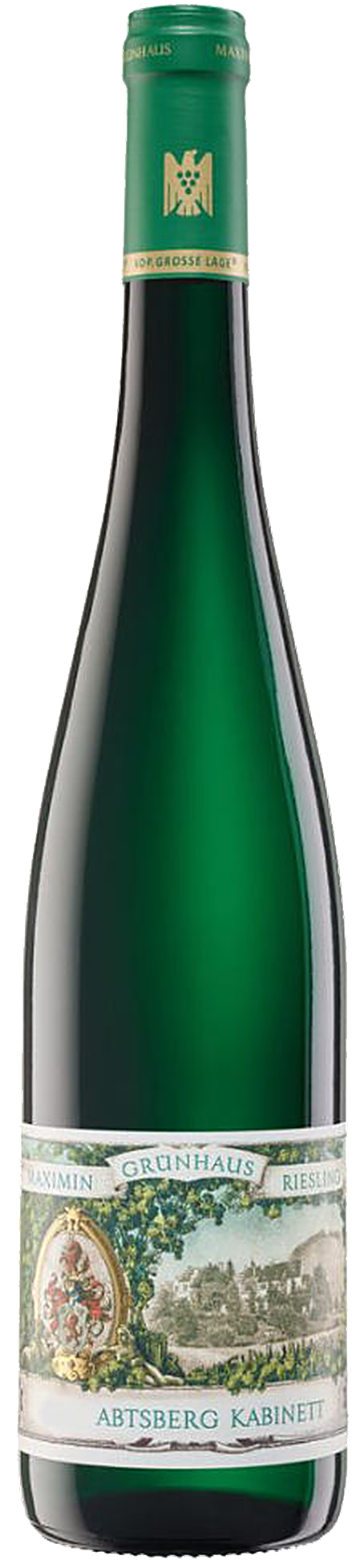
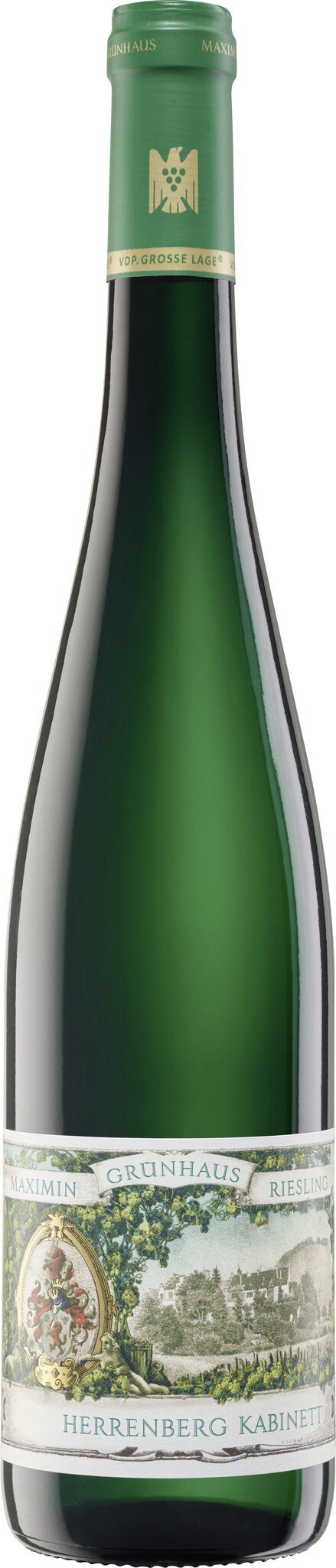
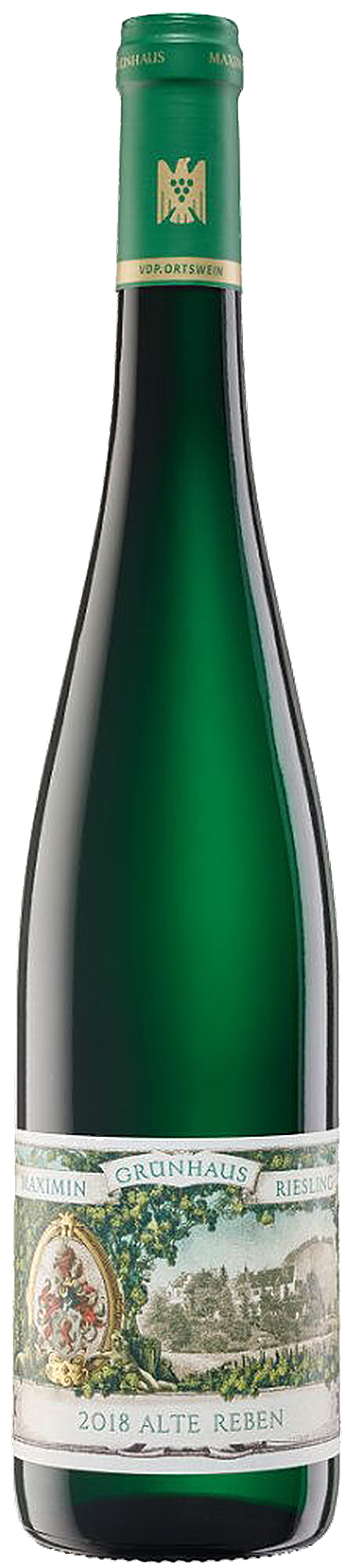
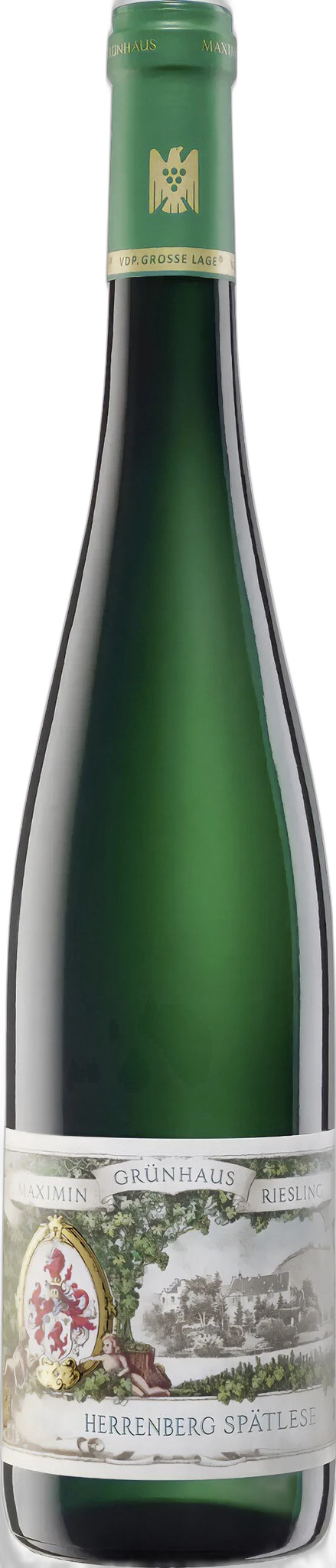
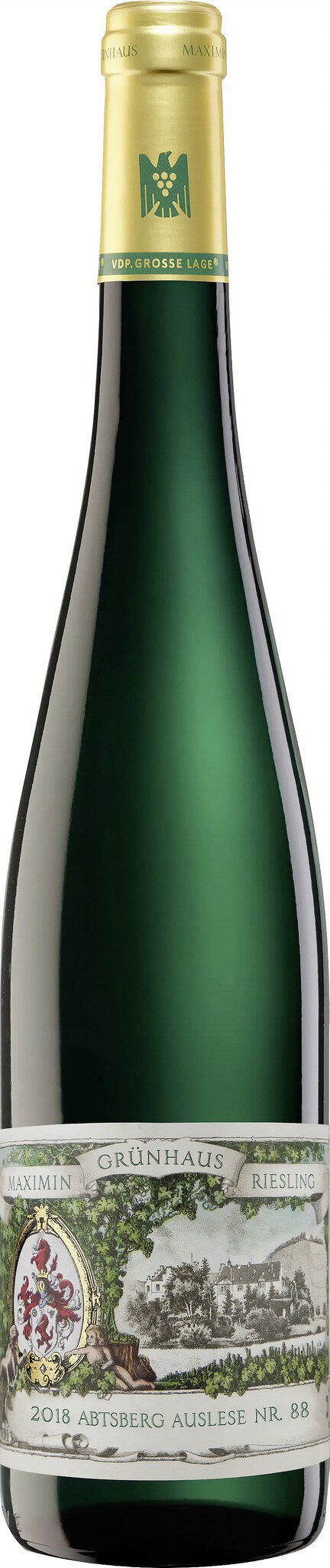
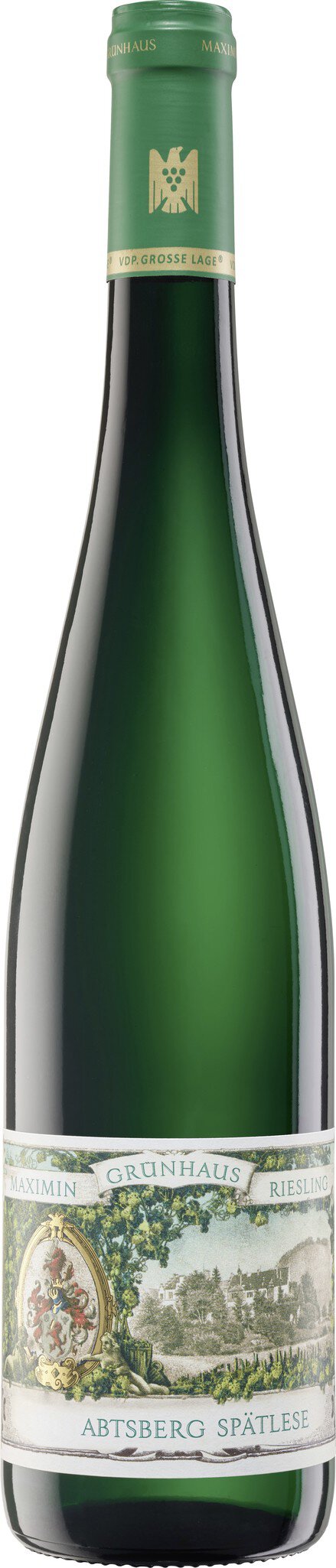
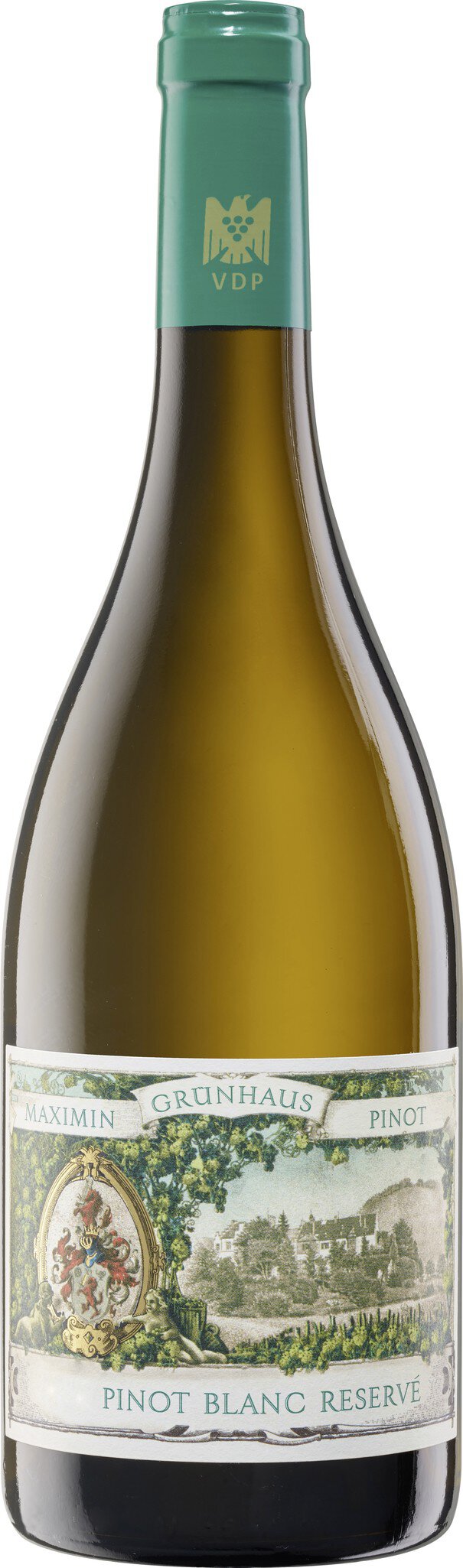
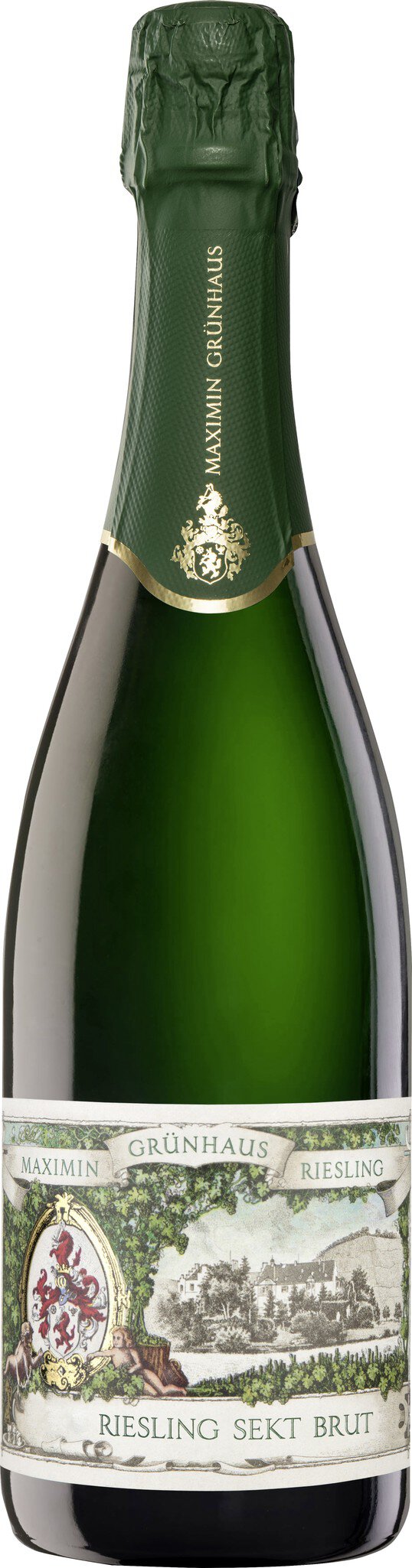
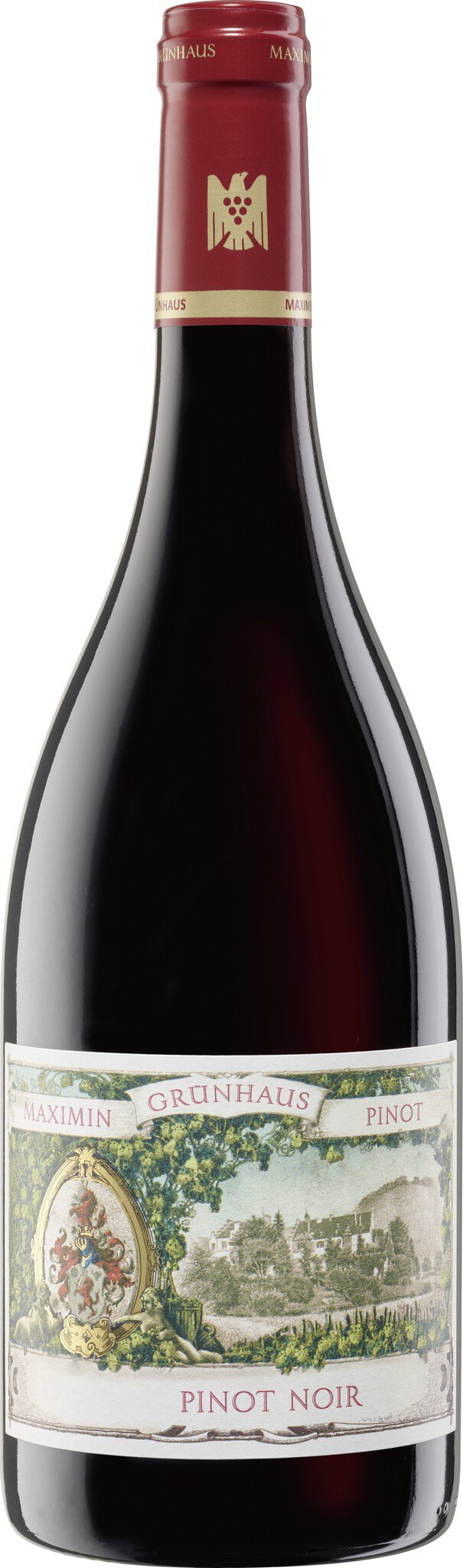
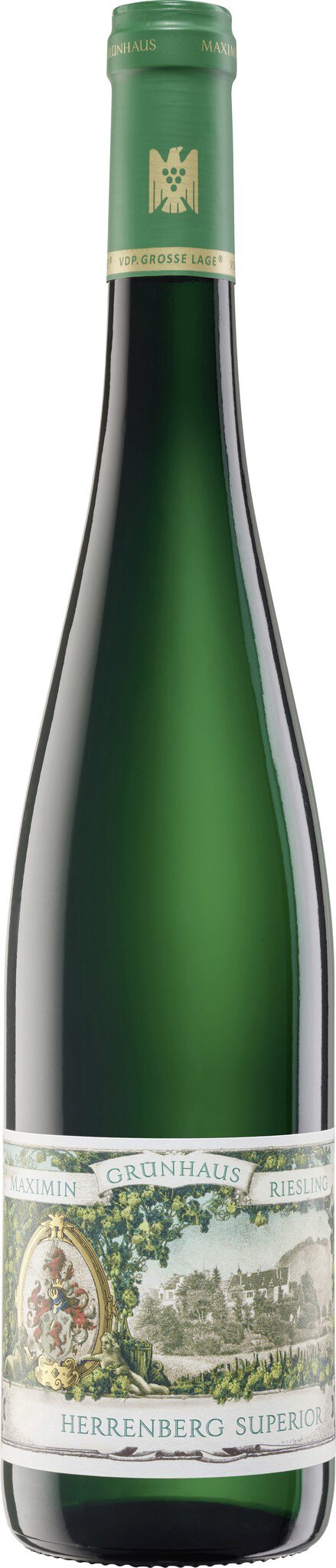
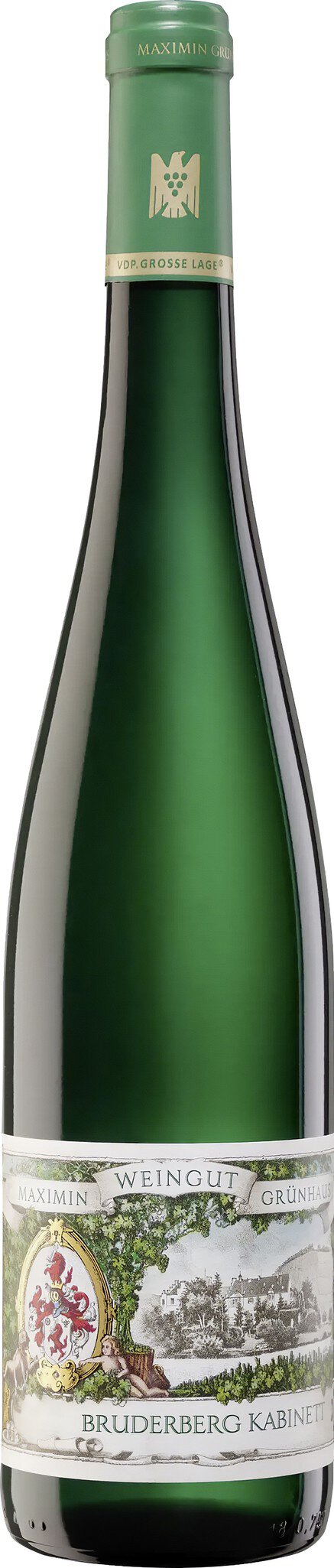
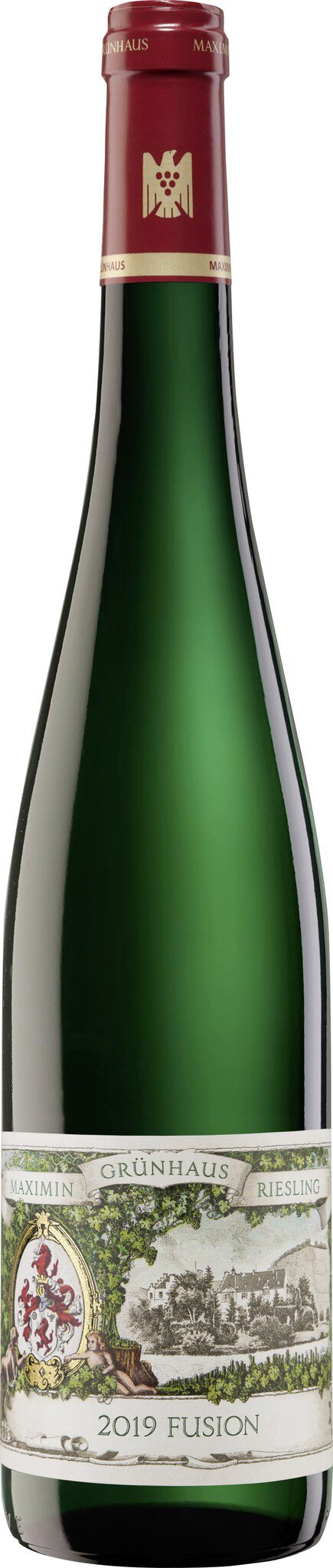
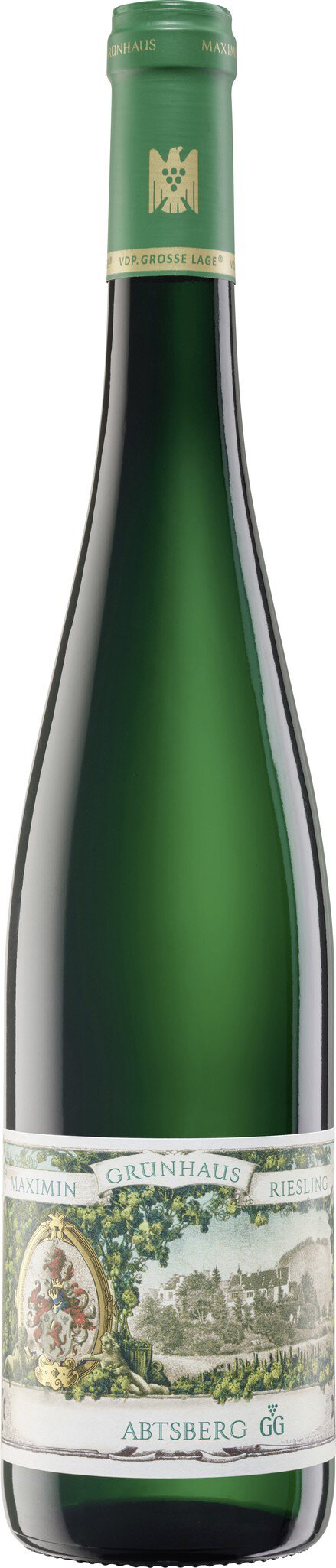
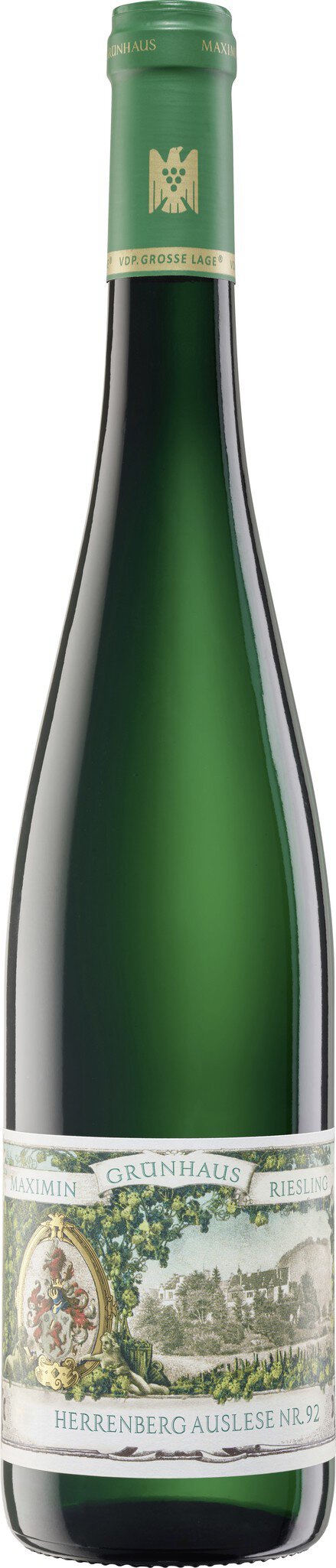
Today, Maximin von Schubert manages the winery in the sixth generation; he took over management from his father, Carl-Ferdinand, in 2014. In 2015, the estate rejoined the Verband Deutscher Prädikatsweingüter (VDP). The iconic Art Nouveau label — a view of the manor estate, flanked by the family coat of arms — has accompanied the wines since the late 19th century and was gently given a facelift in 2016 without abandoning its historical character.
Three monopoly sites, spontaneously fermented
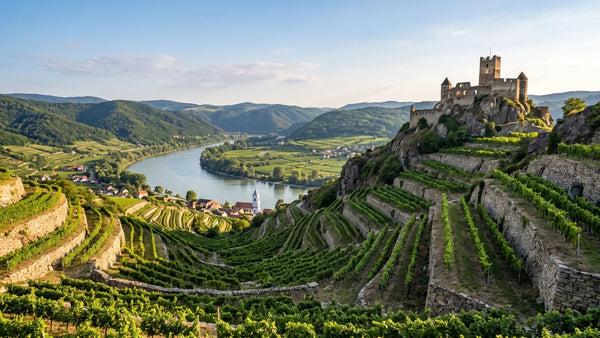
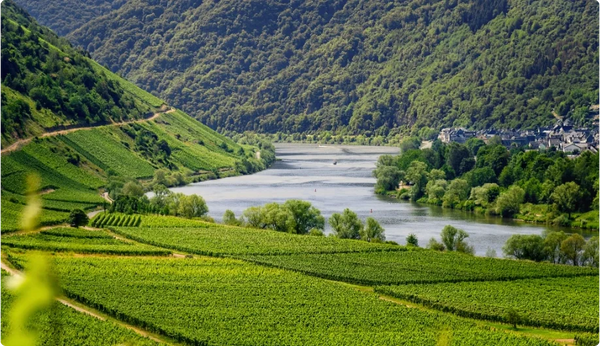
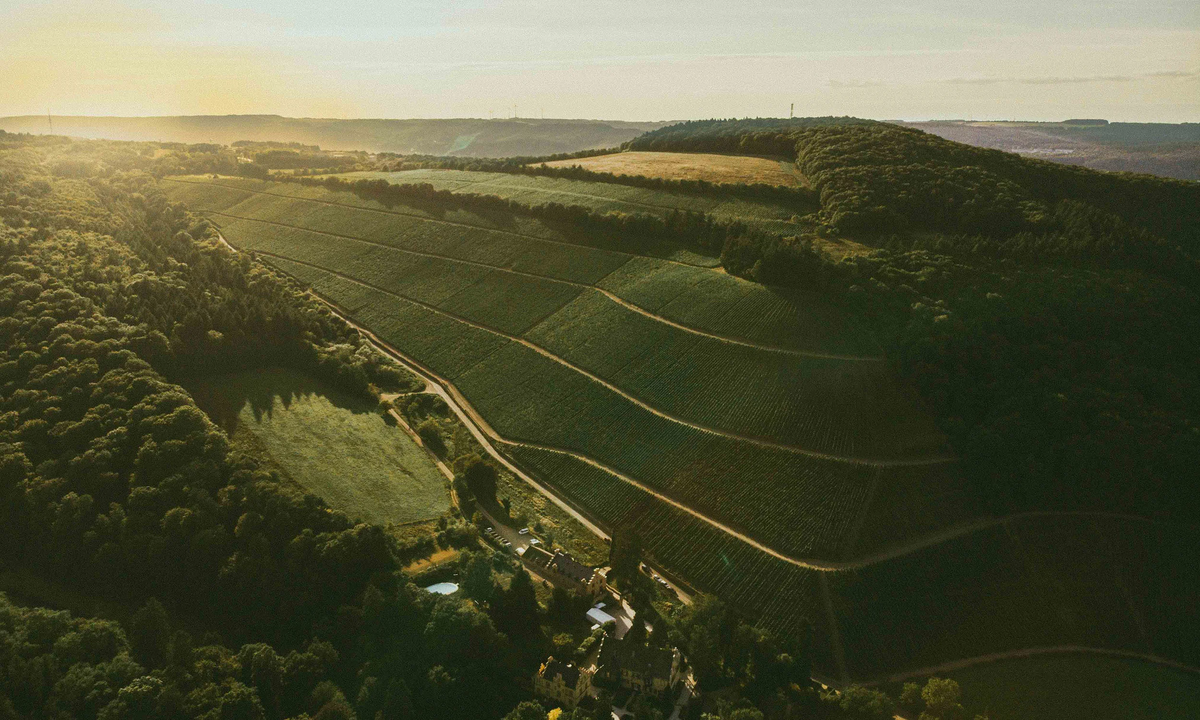
What distinguishes Maximin Grünhaus structurally from most other wineries: All three vineyard sites — Abtsberg, Herrenberg, and Bruderberg — are monopoly sites owned exclusively by the family. On a total of 34 hectares on a steep southern slope of the Grüneberg, just two kilometers before the Ruwer flows into the Mosel, almost exclusively Riesling grows on red and blue slate weathering soils. The soils are planted with wild herbs, herbicides are not used, and intensive canopy management ensures grape health and aeration. Harvesting is done exclusively by hand.
In the cellar, they work consistently with vineyard- and cellar-native yeasts: Spontaneous fermentation takes place in the traditional Mosel-Fuder of 1,000 liters — barrels that the estate now crafts from oak from its own forests. Each site, each vintage, and each barrel is considered and vinified individually. Interventions are reduced to a minimum. The result is wines that precisely depict their terroir while carrying the natural imprint of place, year, and yeast.
Filigree slate Rieslings with extraordinary aging potential
The Grünhaus style is characterized by cool minerality, inner tension, and long aging potential — qualities favored by the cooler microclimate of the wooded Ruwer valley. The Abtsberg is considered the most elegant and mineral-driven of the three sites, predestined for long aging. The Herrenberg appears somewhat more full-bodied and complex, without losing the filigree nature of the Ruwer. The Bruderberg provides more accessible, fruit-forward wines that unfold their full depth after a few years of bottle aging.
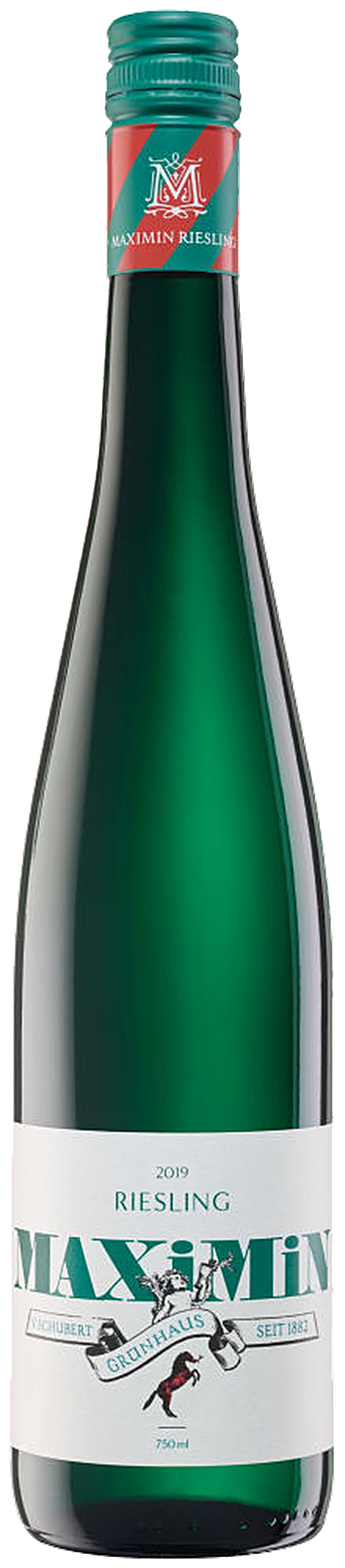
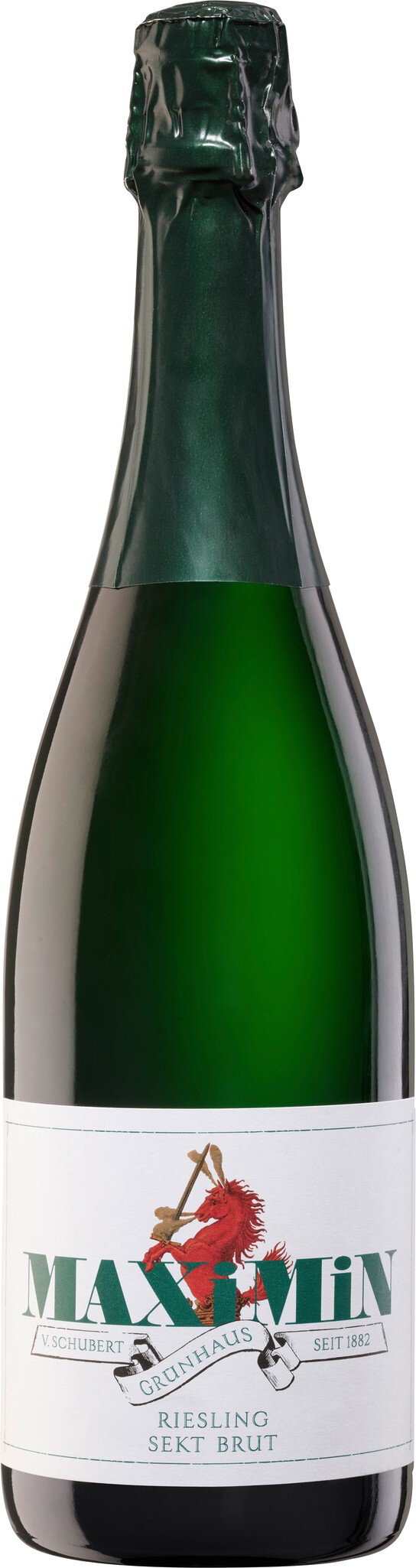
The assortment reflects the entire spectrum of classic Ruwer stylistics: from light Kabinett to Spätlese and Auslese to the Große Gewächs. Ethereal herbal spice, dense slate minerality, and a lively acid structure run through all Prädikat classes. Those looking for dry Rieslings will find them in the Abtsberg GG and in the more accessible lines like Fusion and Superior; those who prefer the classic Prädikat range should look to the Kabinetts and Spätleses from Herrenberg and Bruderberg. For mature vintages, a drinking window of ten to twenty years is worthwhile — proof of the longevity of these wines is the still-unbroken auction record: A Fuder of 1921 Herrenberg Trockenbeerenauslese was auctioned in 1923 for 100,000 Goldmarks to the Waldorf Astoria in New York.