Moselle · Germany
Van Volxem
Read more Read less
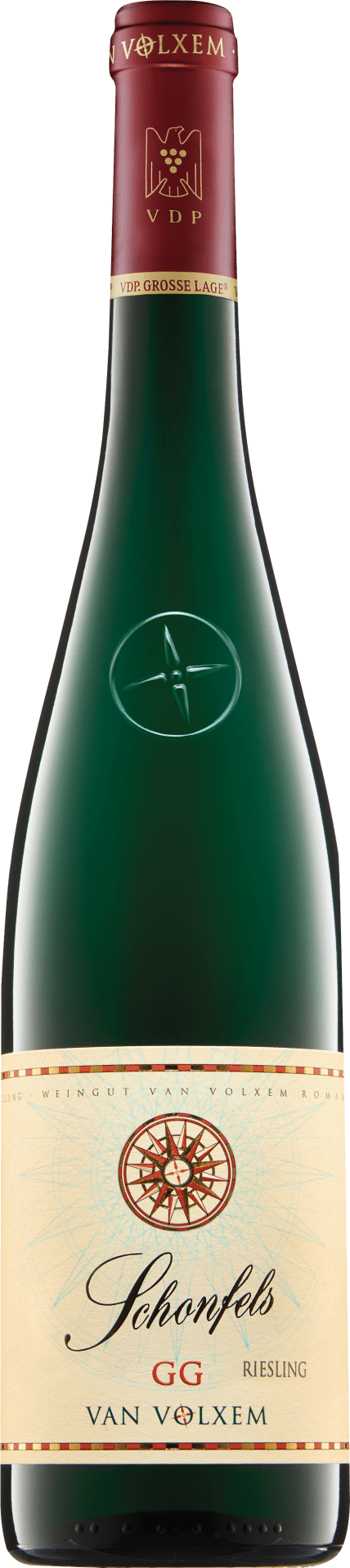
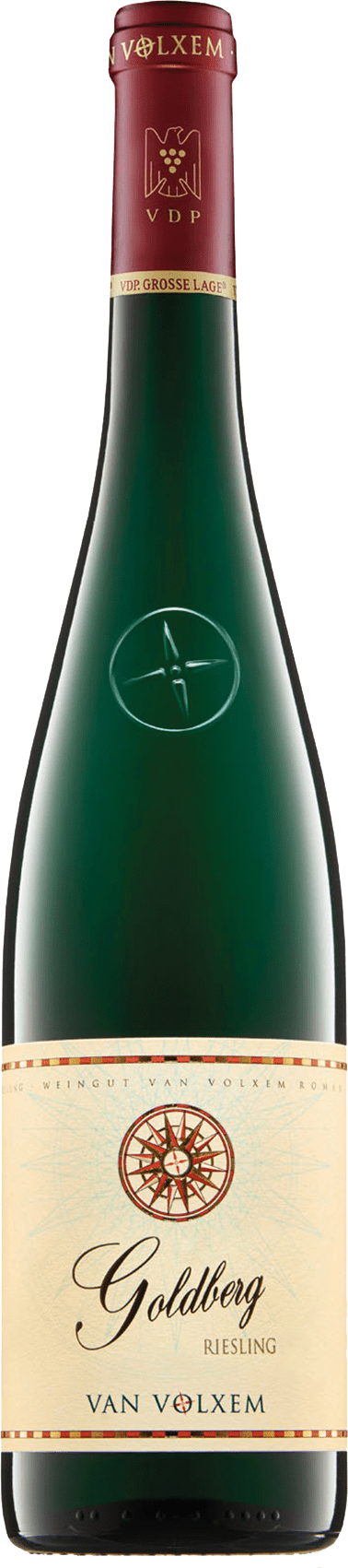
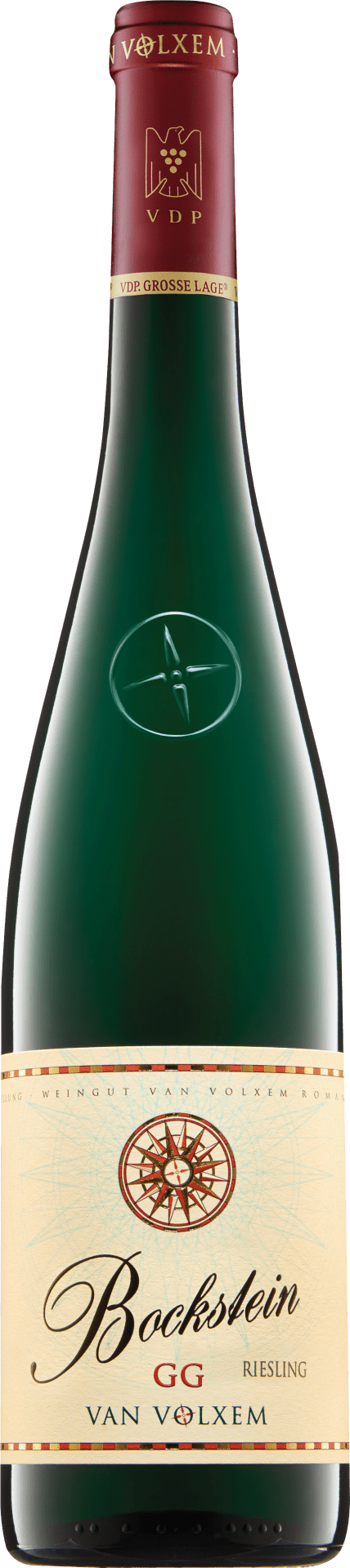
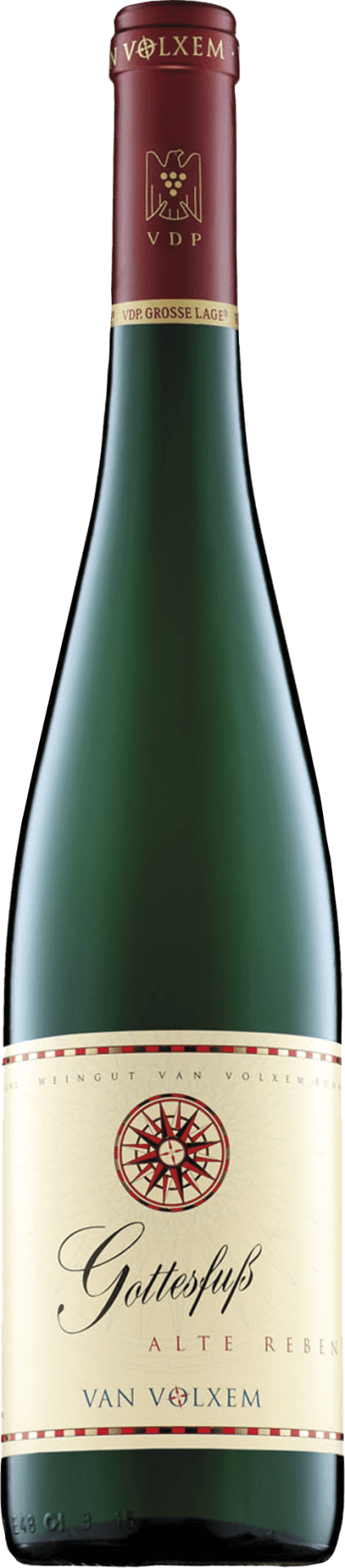
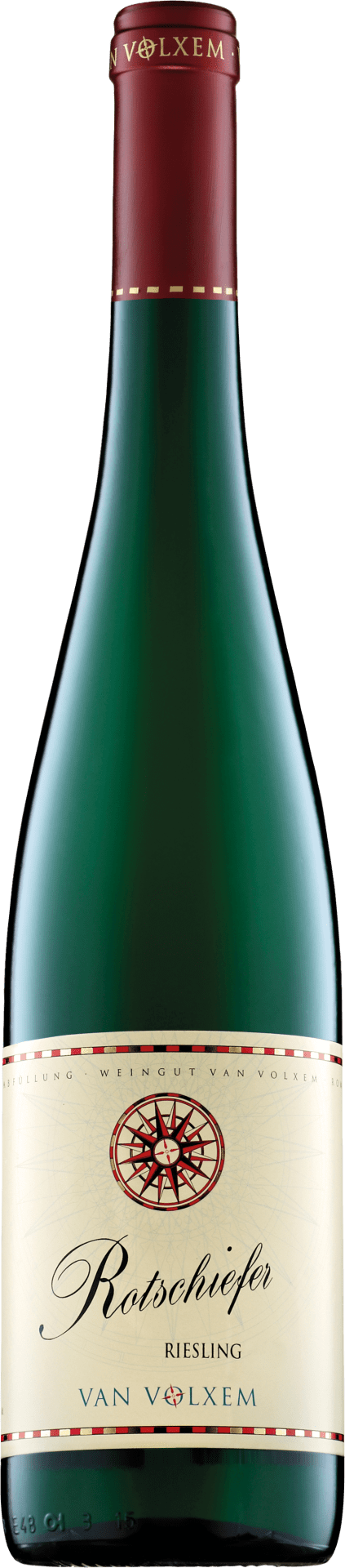
The Van Volxem winery is located in Wiltingen on the Saar, south of the city of Trier. The history of the winery dates back to the 3rd century and has been owned by Roman Niewodniczanski since 2000. The winery has a total vineyard area of 42 ha, which is divided into nine sites. The best sites include Wiltinger Gottesfuß, Scharzhofberger and Bockstein. The soils consist mainly of Devonian slate. For the production of Van Volxem wines, 96% Riesling grapes and four percent Pinot Blanc grapes are grown. Approximately 280,000 bottles of wine are produced annually.

Filters
13 products


Falstaff Bewertung 2024
Awarded by Falstaff
Falstaff 2023
Awarded by Falstaff
VertdeVin Bewertung 2022
Awarded by VertdeVin
James Suckling 2023
Awarded by James Suckling
Falstaff Weinguide 2024
Awarded by Falstaff

Falstaff Wine Guide Germany 2024
Awarded by Falstaff

James Suckling Punkte 2023
Awarded by James Suckling
Vinous Bewertung 2023
Awarded by Vinous Media
Falstaff Bewertung 2023
Awarded by Falstaff
James Suckling 2021
Awarded by James Suckling

About Van Volxem
From monastery estate to the figurehead of the Saar
The main house of Van Volxem stands in the historic center of Wiltingen — built on the foundations of a Roman estate, cultivated since the early 18th century initially by the Luxembourg Jesuits. After secularization, the estate came into the possession of the Belgian merchant Gustav van Volxem, whose family managed it for four generations and brought it to the world top: Around 1900, Van Volxem wines achieved prices that even surpassed great Bordeaux. After decades of decline and a short interlude under the name “Jordan & Jordan”, the estate was on the verge of bankruptcy at the end of the 1990s. At the end of 1999, Roman Niewodniczanski — scion of the Bitburger brewery dynasty and economic geographer — took over the dilapidated property, restored it in accordance with monument protection, and marketed the wines again under their historic name. In 2007, Van Volxem became a member of the Association of German Prädikat Wine Estates (VDP).
Organic viticulture, gravity cellar, no compromises
In the vineyard, natural, purely organic soil management is the focus: from the accurate manual harvest in several selection passes to the careful post-harvest on the conveyor belt in the cellar. In order to harvest concentrated, aromatically ripe fruits, Van Volxem limits the yield to an average of around 40 hl/ha — in the top sites, the harvest usually does not take place until November. In 2019, after a three-year construction period, the estate opened a new wine manufactory on the Wiltinger Schlossberg: grapes and must are moved there exclusively by gravity, without pumps. The centerpiece is a natural stone cellar in which the wines mature in wooden barrels made from the estate's own oaks. In the cellar, spontaneous fermentation is consistently carried out with wild yeasts, and fining agents are dispensed with — the terroir should speak, not the winemaker's intervention.
Since 2022, Roman Niewodniczanski has been supported by cellar master Christoph Friedrich and manager Lukas Becker. The Vinum Wine Guide named Niewodniczanski Winemaker of the Year in 2019.
Riesling pure — from the estate wine level to 130-year-old own-rooted vines
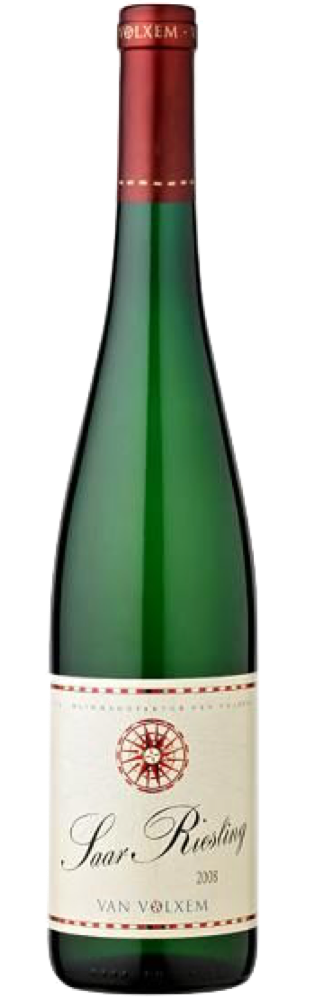
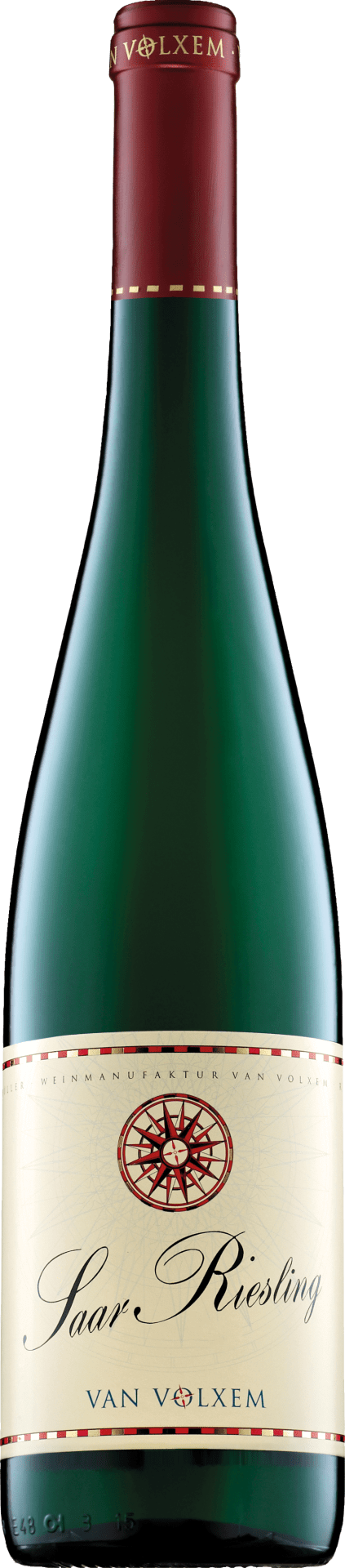
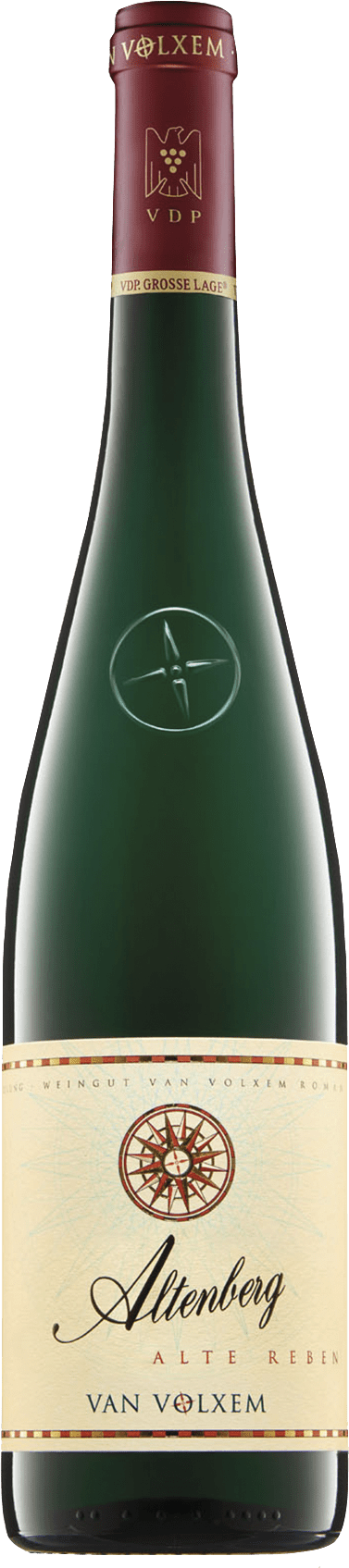
Van Volxem cultivates around 80 hectares of steep slopes along the Saar, over 90% of which are planted with Riesling. The average age of the vines is about 35 years; in the Wiltinger Gottesfuß site, vines grow that are around 130 years old and own-rooted — a rarity that is almost unparalleled in Germany. Depending on the site, the soils alternate between Devonian slate, red slate, grey slate, quartzite, and diabase; they store heat during the day and release it slowly at night, which enables even ripening even in cool years. The VDP.Grosse Lagen include Scharzhofberger, Wiltinger Gottesfuß, Bockstein, and Altenberg. The resulting Grosse Gewächse show what the Saar can do in its best form: precise acidity structure, salty finish, yellow fruit, and slate minerality that still gains even after a decade in the cellar. Those who start with the Saar Riesling QbA dry already get a clear impression of the house — mineral, lean, with a graphite note and a long finish — before the site-specific Rieslings unfold the full depth of the Saar.
Wiltingenvanvolxem.com
Award-winning wines
Falstaff Bewertung 2024
Awarded by Falstaff
Falstaff 2023
Awarded by Falstaff
VertdeVin Bewertung 2022
Awarded by VertdeVin
James Suckling 2023
Awarded by James Suckling
Falstaff Weinguide 2024
Awarded by Falstaff
Falstaff Wine Guide Germany 2024
Awarded by Falstaff
James Suckling Punkte 2023
Awarded by James Suckling
Vinous Bewertung 2023
Awarded by Vinous Media