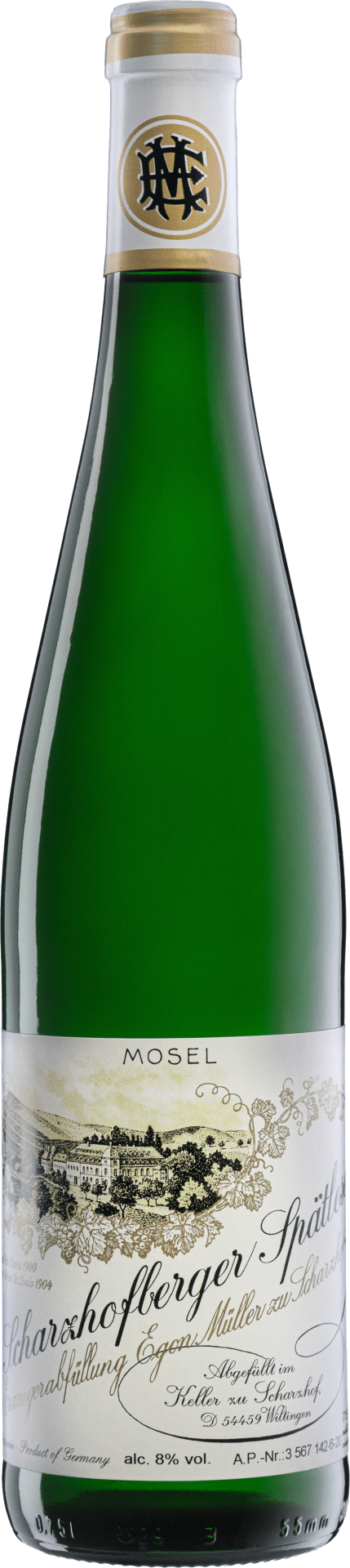
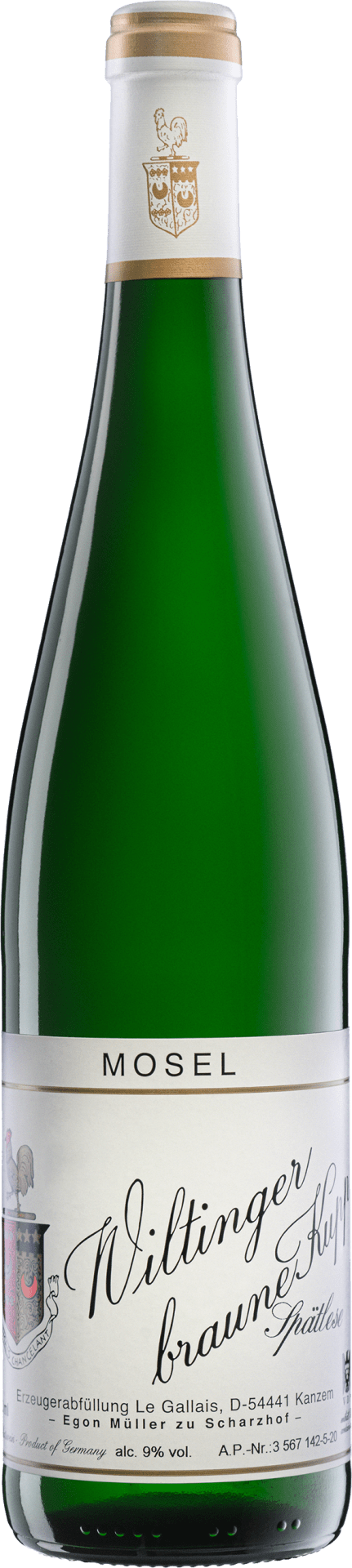
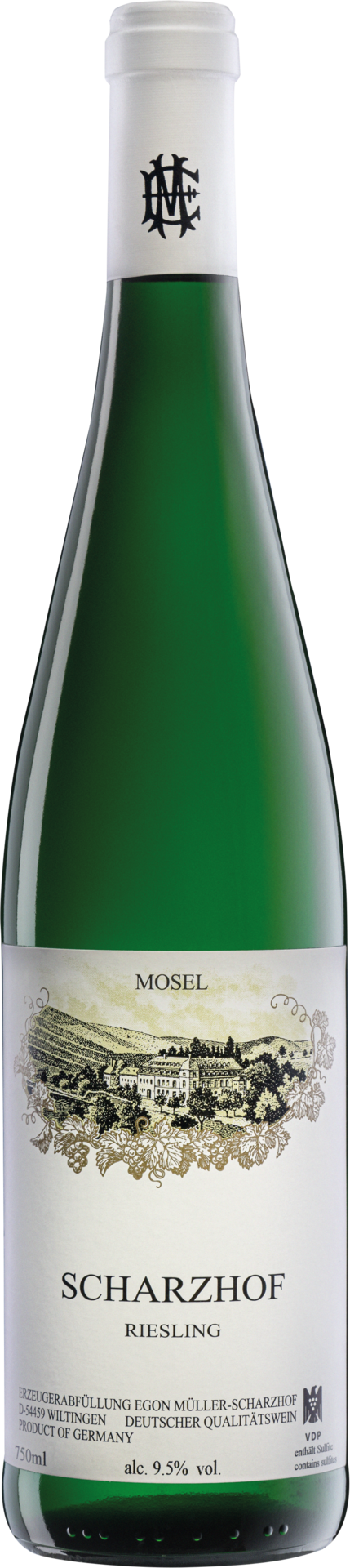
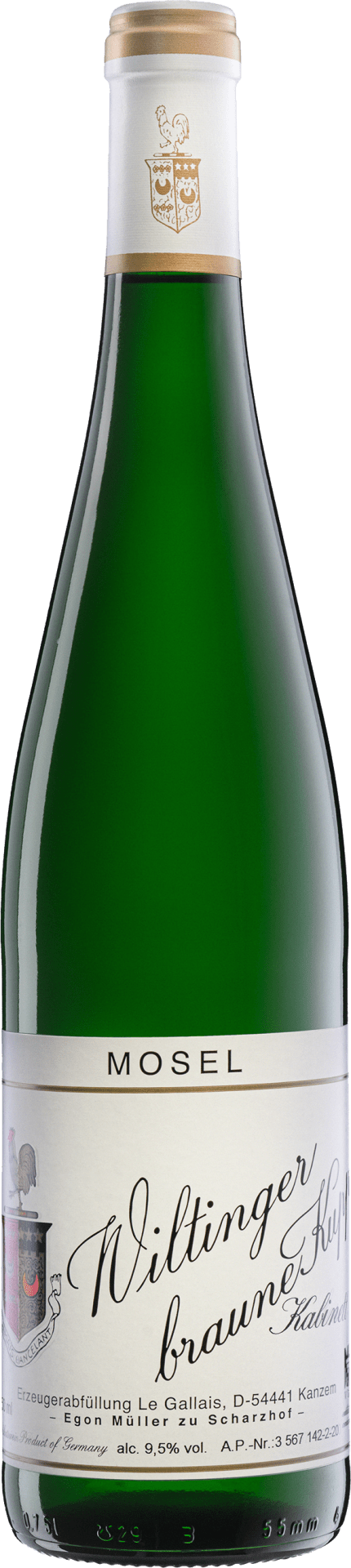
From monastery estate to the benchmark of Saar Riesling
The history of the Scharzhof begins in 1797, when Jean-Jacques Koch acquired the estate from the French Republic in the course of Napoleonic secularization — the estate had previously been owned by the Trier monastery of St. Marien ad Martyres for centuries. After Koch's death in 1829, the property passed into the hands of the Müller family through marriage: Koch's daughter Elisabeth married Felix Müller, who had moved to the Saar from the Black Forest. The foundation for the house's global reputation was laid from 1887 onwards by Egon Müller I, who, together with his wife Therese, worked purposefully to establish Scharzhofberger Riesling in the eyes of international wine connoisseurs. Egon Müller III consistently expanded the winery after 1945 and acquired additional sites — including shares in the neighboring Le Gallais winery with the single vineyards Kupp and Braune Kupp in Wiltingen. Since 1991, Egon Müller IV has been managing the family business; he is the only German representative in the Primum Familiae Vini, the global association of leading family-owned wineries.
Strict craftsmanship: hand-harvesting, wild yeasts, old barrels
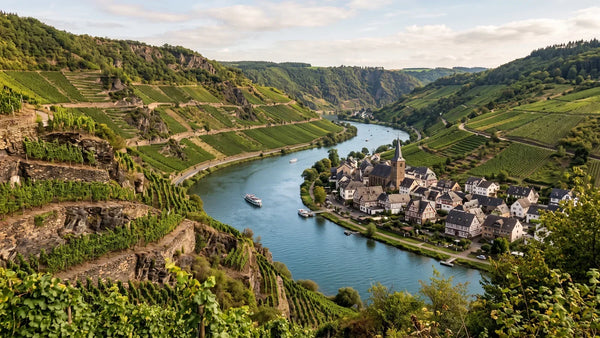
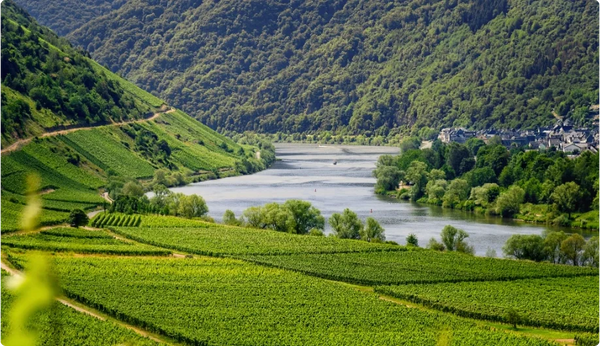
At the heart of the winery are around seven hectares in the Grosse Lage Scharzhofberg as well as another 6.5 hectares in Kupp and Braune Kupp — also classified as VDP-Grosse Lagen. The Scharzhofberg lies on a south-facing Devonian slate slope about two kilometers outside of Wiltingen. The slate stores the day's heat and releases it slowly; the cool Saar climate ensures distinct temperature fluctuations, which favor the development of fine fruit and lively acidity.
In the vineyard, harvesting is done exclusively by hand, with higher predicates in several selective passes. In the cellar, the team around Egon Müller IV consciously works in a non-interventionist manner: fermentation takes place in large, old oak barrels (so-called Fuder) with spontaneously present wild yeasts, and temperatures are not actively regulated during the process. After fermentation, the wines mature on the fine lees — interventions are kept to a minimum. The philosophy is: the wine should reflect its place of origin, not the cellar.
Delicate acidity arc from Kabinett to Trockenbeerenauslese
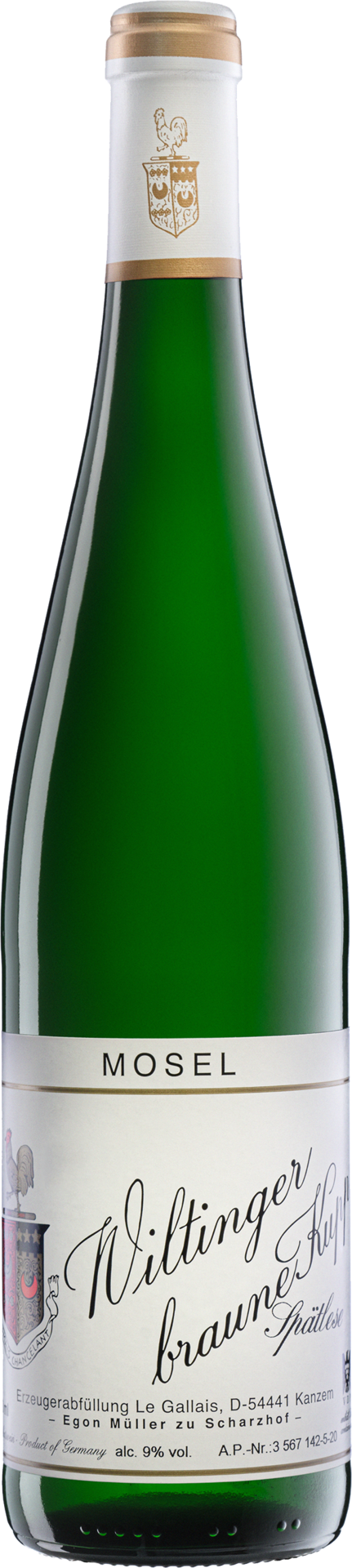
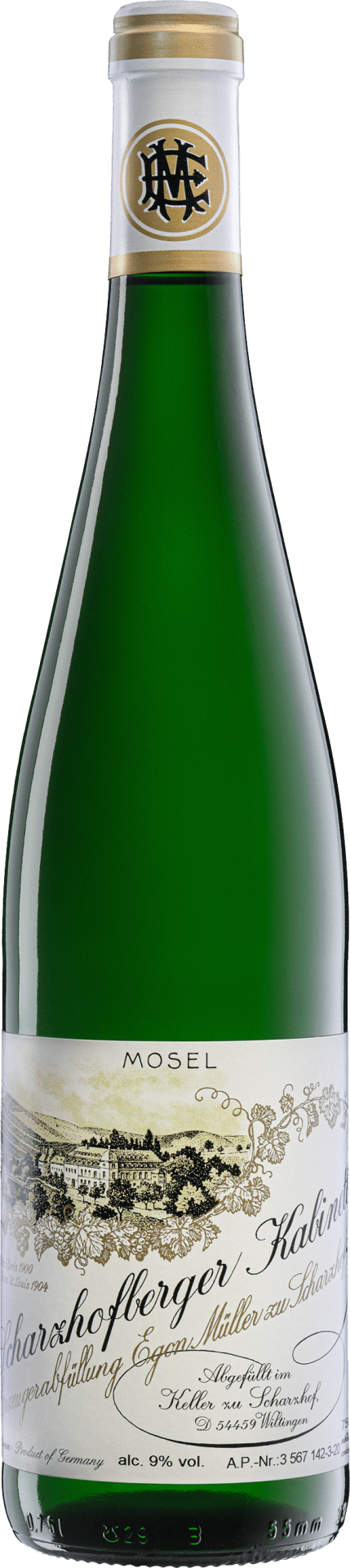
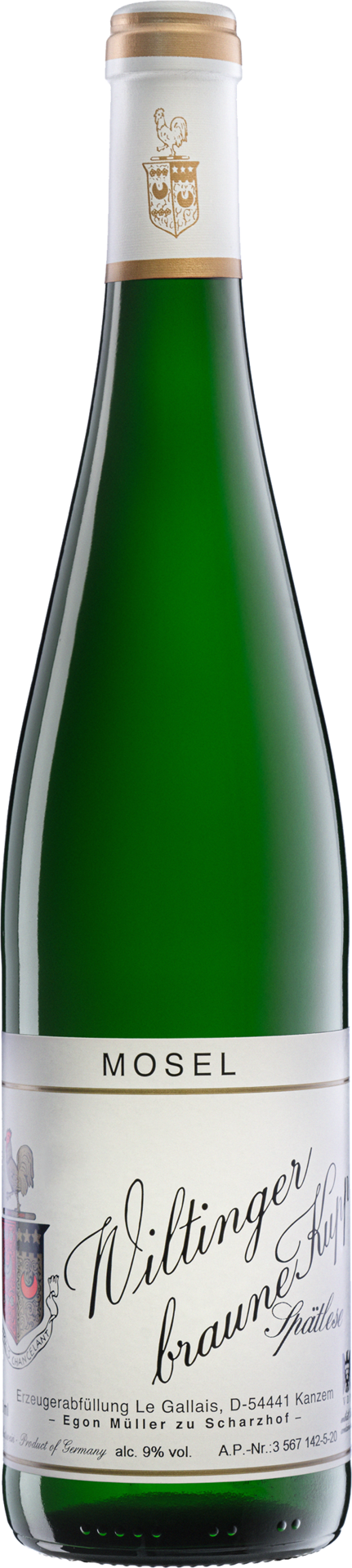
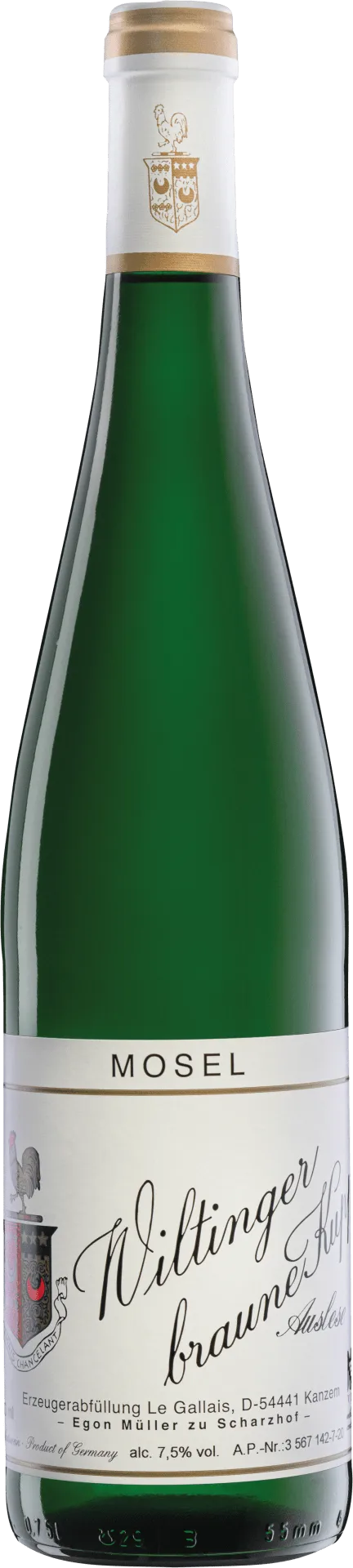
The range extends from the lean Scharzhofberger Kabinett to Spätlese and Auslese, as well as the rare Beerenauslesen, Trockenbeerenauslesen, and Eisweine, which attract international collectors at the annual auctions of the Großer Ring Mosel-Saar-Ruwer. In addition, there are the wines from Le Gallais — above all the Wiltinger Braune Kupp Riesling in various predicates. What all the house's wines have in common is the tension between concentrated fruit and a vibrant, almost salty acidity structure that gives even high-predicate, sweet wines lightness. The estate does not produce dry wines; the focus is consistently on off-dry styles, whose aging potential is measured in decades. Only a small part of each vintage — around five percent — ever reaches auctions; the vast majority is offered as a rarity after sufficient bottle aging. Anyone who opens a Scharzhofberger Kabinett gets a lean, mineral introduction to the topic of Saar Riesling; anyone who waits for a Spätlese or Auslese experiences how the terroir speaks more and more clearly with increasing concentration.