Umbria · Italy
Lungarotti
Read more Read less
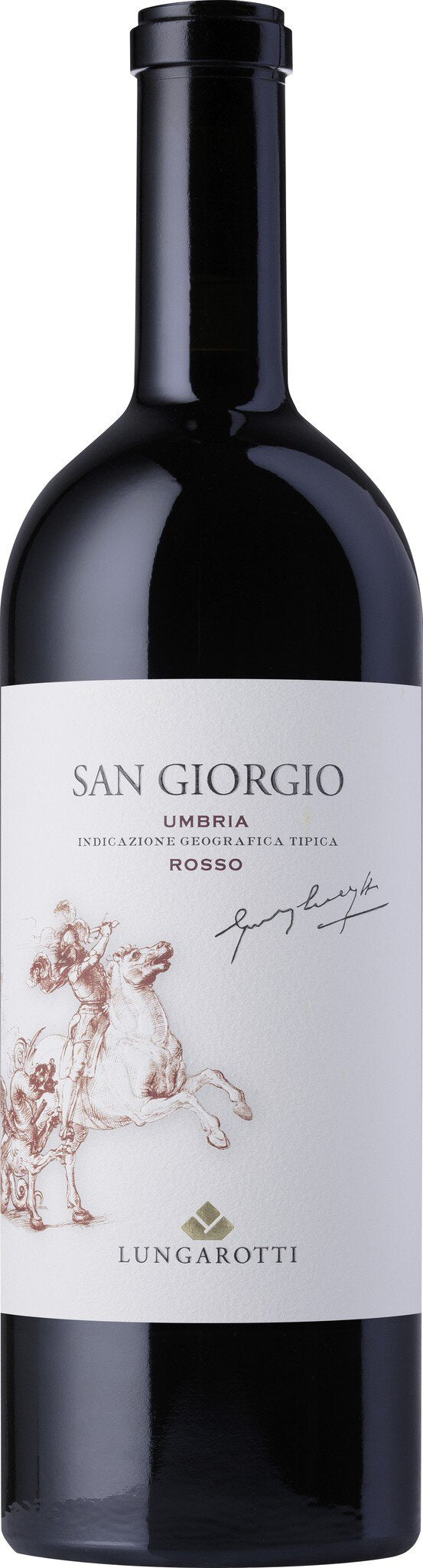
Lungarotti – your gateway to the soul of Umbria. In the 1960s, Giorgio Lungarotti revolutionized the Umbrian wine world, making Torgiano the region's first quality appellation. Today, his daughters Chiara and Teresa carry on the legacy with passion and vision. What makes Lungarotti so special? Wine and culture are inextricably linked here: a wine museum, a luxury hotel, and sustainable projects. On over 300 hectares, they produce wines that reflect the terroir of Umbria. The legendary Rubesco Vigna Monticchio – a single-varietal Sangiovese. With San Giorgio, they created the first "Superumbrian" in 1977. And they were the first winery in Umbria to receive the VIVA sustainability certification. Umbria, as it tastes.

Filters
16 products


Falstaff 91
Awarded by Falstaff
Falstaff Wine Guide Italia 2026
Awarded by Falstaff
Falstaff Wine Guide Italia 2024
Awarded by Falstaff
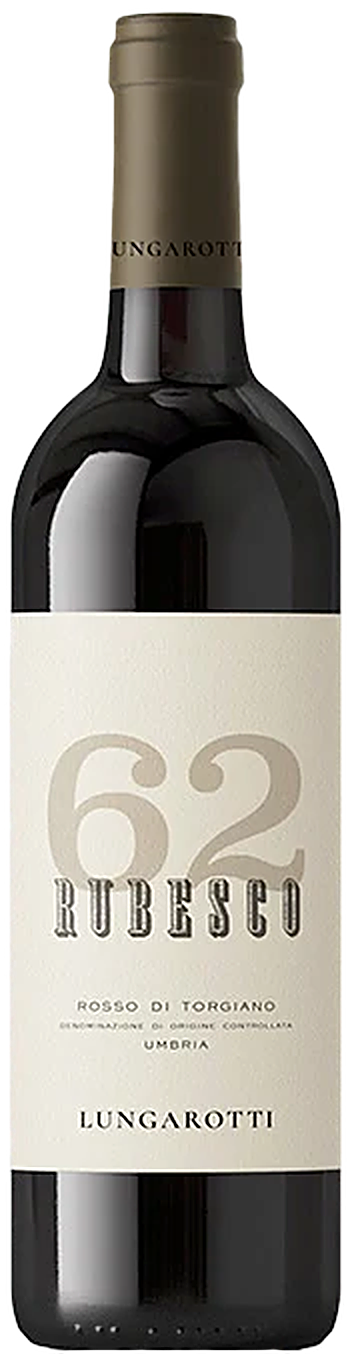
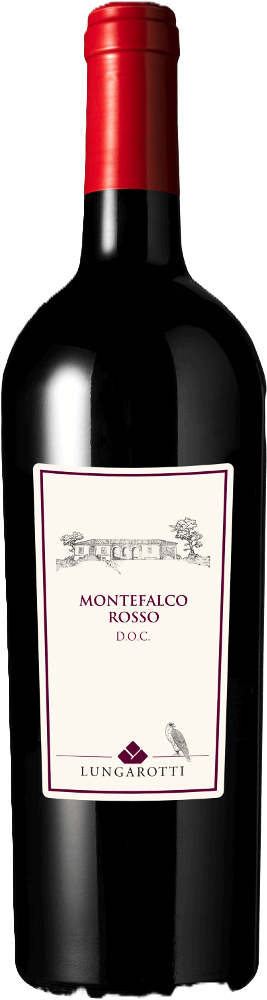
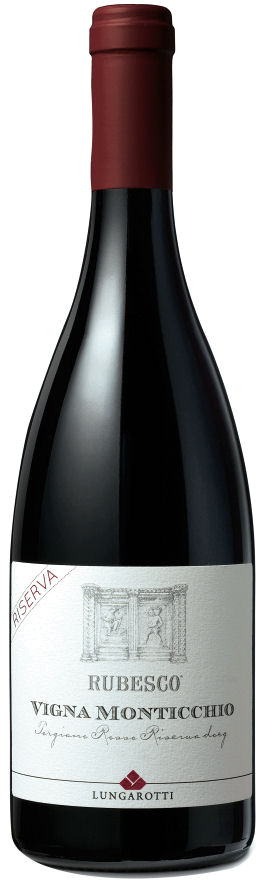
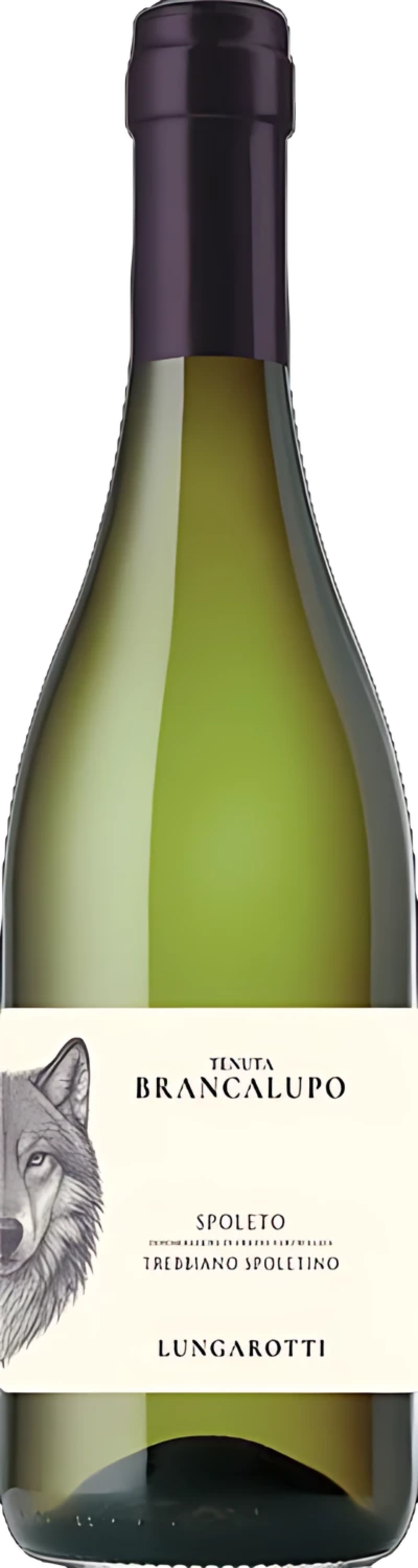
About Lungarotti
From agriculture to legend: Giorgio Lungarotti's pioneering work in Torgiano
The Lungarotti family had been cultivating vineyards and olive groves in the middle Tiber Valley for generations. Giorgio Lungarotti made the decisive leap: after the Second World War, he transformed the family business in Torgiano — south of Perugia, between Assisi and the Tiber — into a modern winery. 1962, he founded Cantina Lungarotti as an independent company. Two years later, in 1964, he bottled the Rubesco Riserva Vigna Monticchio for the first time — a single-varietal Sangiovese from the Monticchio cru vineyard, whose clay-sand soils and ideal hillside location Giorgio had recognized early on as a special terroir. This wine is still considered one of the best Italian reds today. His commitment was instrumental in Torgiano receiving the first DOC appellation in Umbria; in 1990, it was elevated to DOCG status for the Torgiano Rosso Riserva. After Giorgio's death in 1999, his daughters Chiara Lungarotti and Teresa Severini took over the management of the winery — supported by their mother Maria Grazia Marchetti Lungarotti, who leads the Lungarotti Foundation. Today, the third generation of the family is already active in the business.
Since 1974, the winery has included the Museo del Vino in Torgiano with over 3,000 exhibits, which attracts more than 10,000 visitors annually, as well as a museum dedicated to olive oil and olive cultivation. The five-star Relais Le Tre Vaselle with its gourmet restaurant and spa rounds off the cultural offerings at the headquarters.
Sustainability as a documented program, not a promise
Lungarotti currently manages a total of 250 hectares of vineyards: 230 hectares in Torgiano and 20 hectares in Montefalco. Both operations consistently pursue a philosophy of sustainability and biodiversity. In Torgiano, they avoid chemical fertilizers, opting instead for green manure and maintaining small wooded areas between the vine rows to promote biodiversity. In the cellar, the water used during fermentation and cooling is collected, purified, and reused. 2018, the winery became the first in Umbria and the ninth in all of Italy to receive the VIVA certificate from the Italian Ministry of the Environment, which covers all four sustainability indicators: carbon footprint, water footprint, vineyard, and territory. The estate in Montefalco has been farmed organically since 2010 and has been certified organic since 2014. Furthermore, Lungarotti has been part of the University of Perugia's MeteoWine project since 2013, which analyzes climate data for viticulture.
Sangiovese, Sagrantino, Grechetto: the terroir of Umbria in the glass
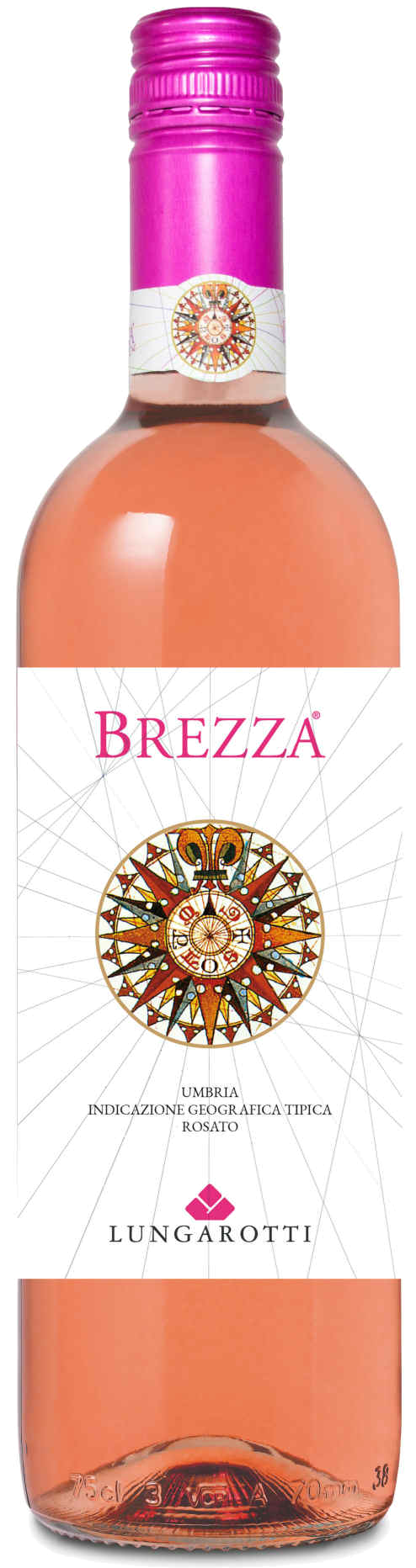
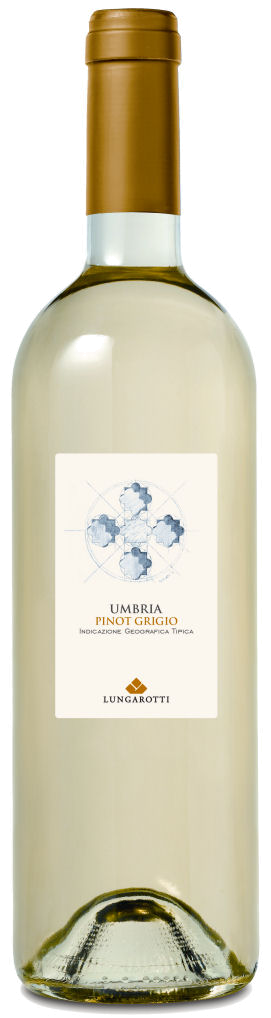
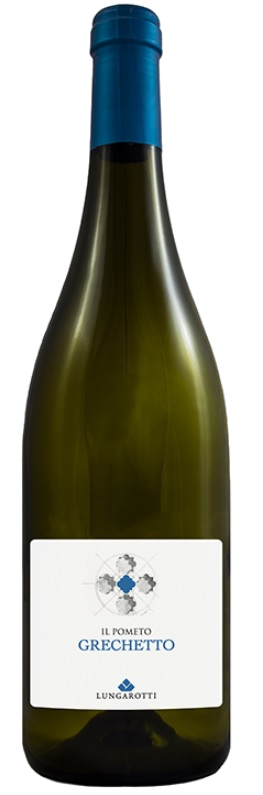
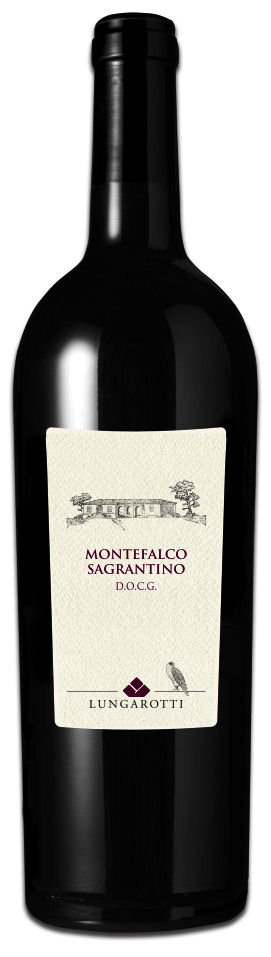
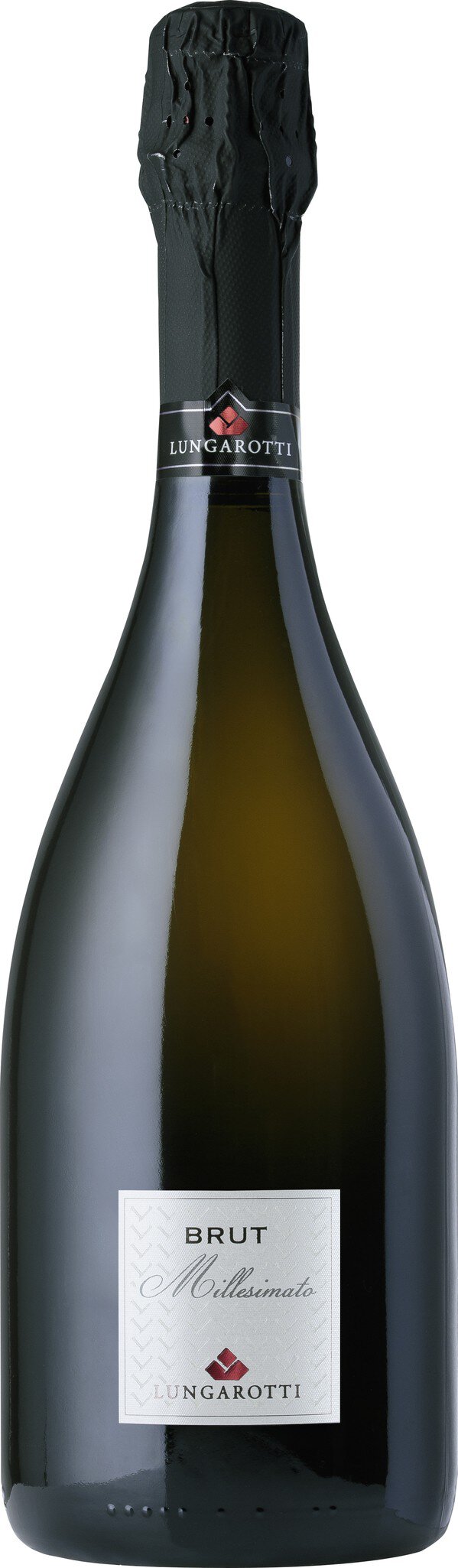
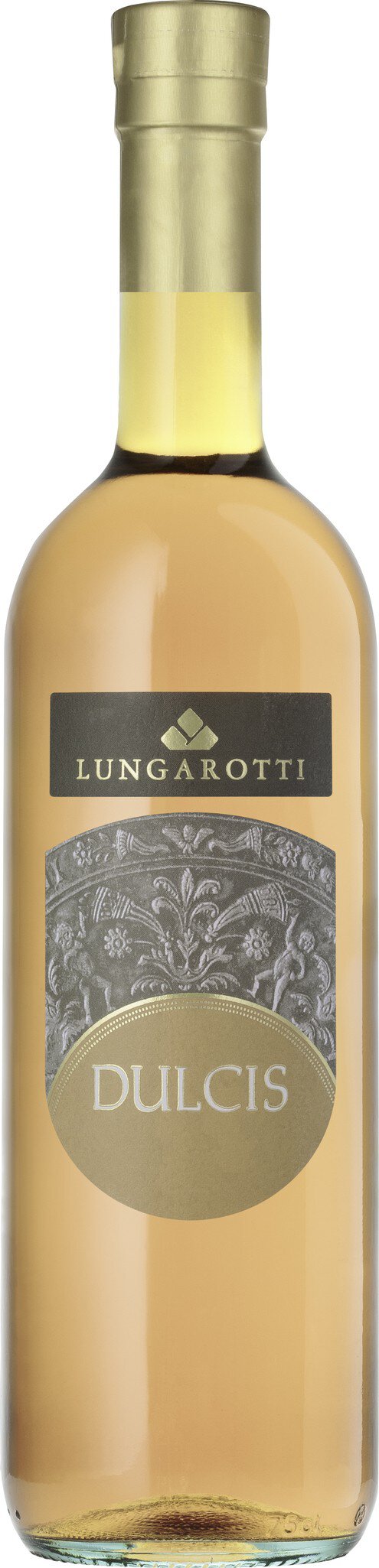
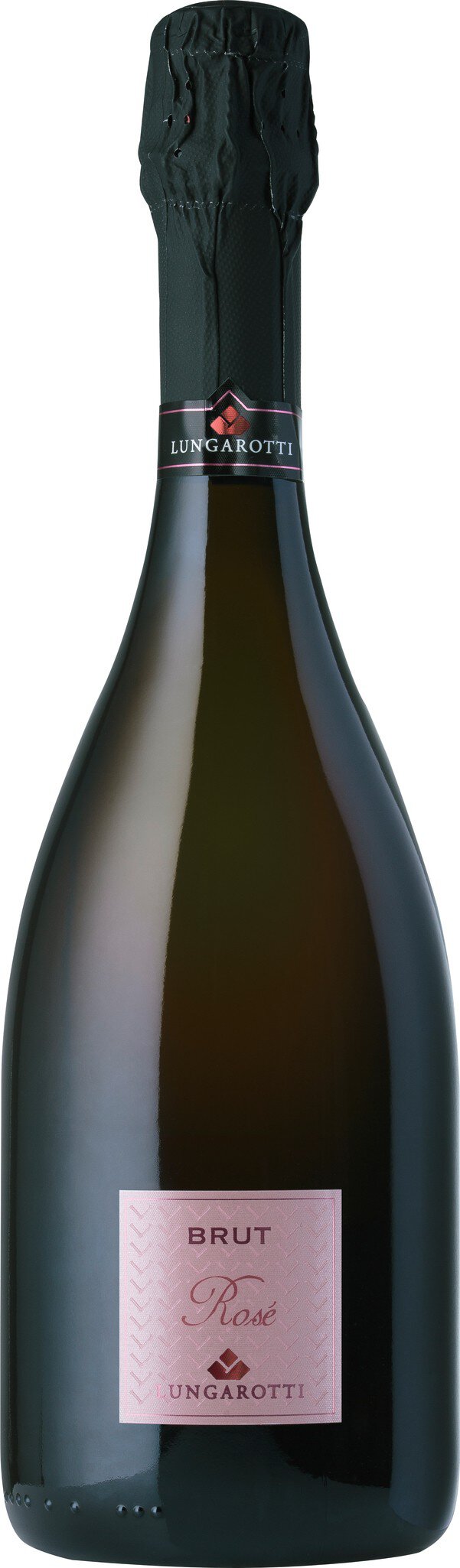
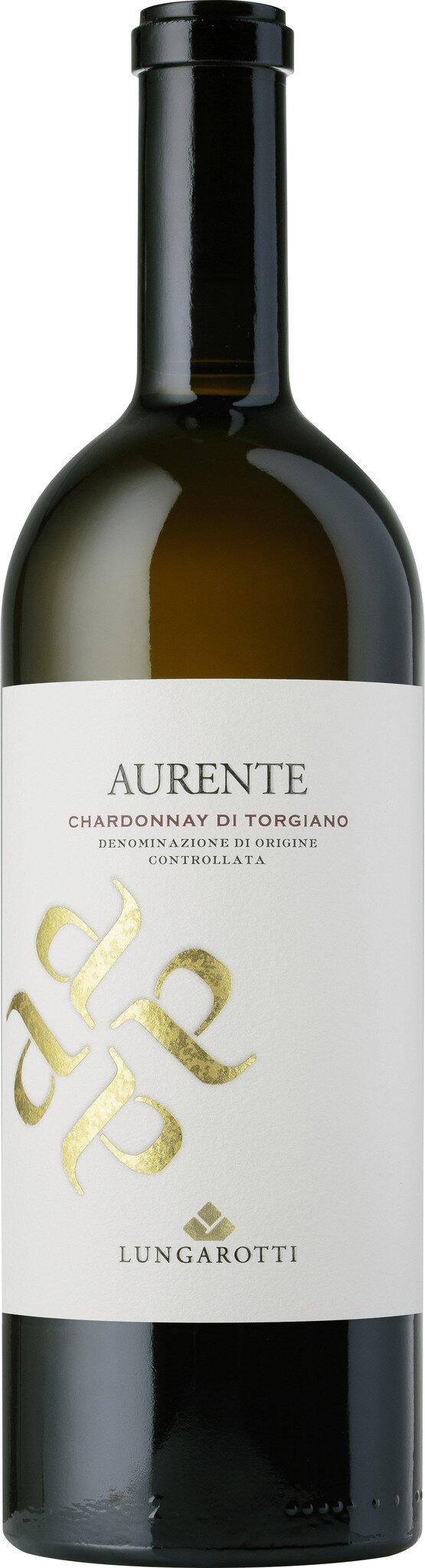
The range reflects the breadth of Umbria. The focus is on indigenous grape varieties: Sangiovese for the red wines from Torgiano, Sagrantino for the wines from Montefalco, and Grechetto and Trebbiano for the whites. In addition, Giorgio Lungarotti began introducing international varieties such as Chardonnay, Cabernet Sauvignon, and Merlot to Umbria as early as the 1960s and 1970s — today a fixed part of the program. The Lungarotti Brut Rosé Spumante is created using traditional bottle fermentation (Metodo Classico); the Aurente Chardonnay matures in wooden barrels to become one of the most complex white wines in the region. With the Dulcis, there is a Vino Liquoroso on offer that shows the sweet side of Umbria. The consulting oenologist is Lorenzo Landi, who shapes the technical line of the house. Only grapes from their own vineyards are processed — this guarantees continuous control from pruning to bottling.
Torgiano (Pg)lungarotti.it
Award-winning wines
Falstaff 91
Awarded by Falstaff
Falstaff Wine Guide Italia 2026
Awarded by Falstaff
Falstaff Wine Guide Italia 2024
Awarded by Falstaff