From mixed farming to a model winery on the Isonzo
The Pecorari family has been farming their land in San Lorenzo Isontino for generations — initially as a mixed agricultural operation where wine played, at best, a minor role. This changed fundamentally when Pierpaolo Pecorari took the helm in the 1970s and consistently realigned the vineyards: a clear focus on quality instead of self-sufficiency, selective hand-harvesting instead of mass yields. In the first years of his tenure, he restored the estate's oldest vineyard sites — Olivers, Soris, and Kolaus — and thus laid the foundation for today's winery. Since the mid-1980s, Pecorari has been considered proof that the Isonzo plain is in no way inferior to the renowned sites in Collio and the Colli Orientali. Today, his son Alessandro continues to run the winery together with his father.
Certified organic since 2007 — precision in the cellar
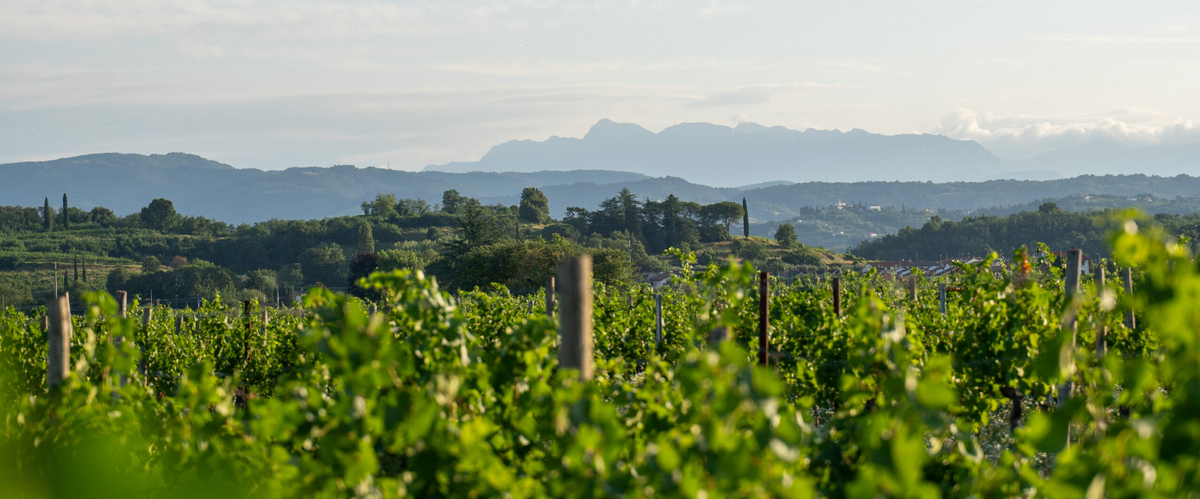
30 hectares of vineyards are spread across the Isonzo plateau between Gorizia and Cormons, less than five kilometers from the Slovenian border. The soils are barren, stony, and poor — exactly what forces the vines to root deeply and produce concentrated fruit. Added to this is a microclimate shaped by cool winds from the Slovenian mountains and the Adriatic Sea: freshness and minerality are the result of this geographical intermediate position. Since 2007, the Azienda Agricola Pierpaolo Pecorari has been officially certified as an organic farm — a step that consistently makes the house's philosophy visible to the outside world. In the cellar, Pecorari works with fermentation without skin contact and relies on aging on fine lees (bâtonnage) to create texture and depth without masking the grape variety's character.
Varietal loyalty with depth: Friulano, Sauvignon, Pinot Grigio, and more
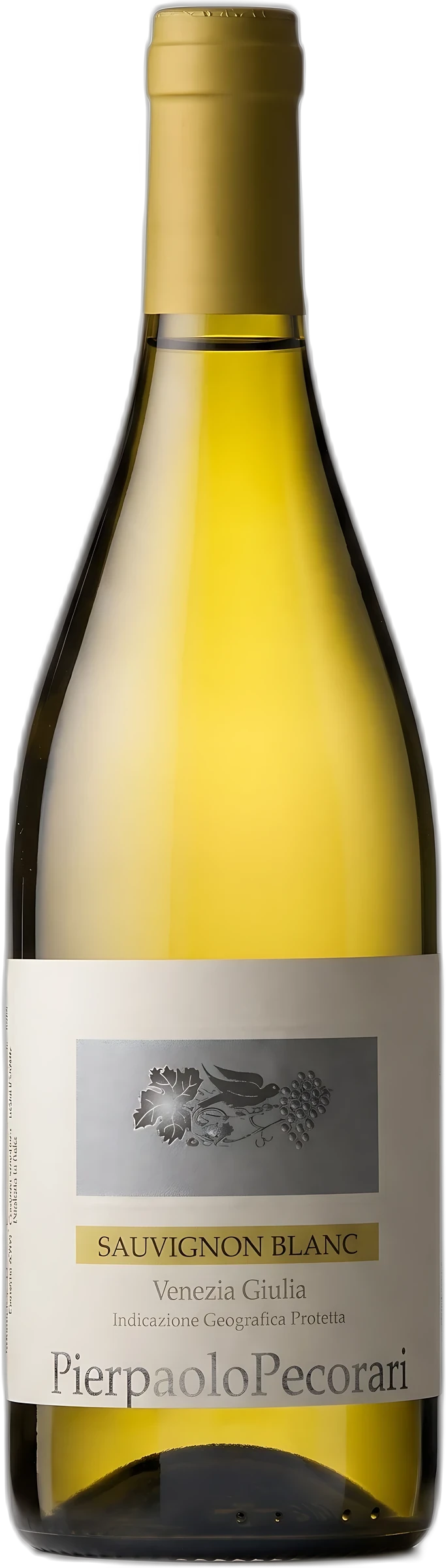
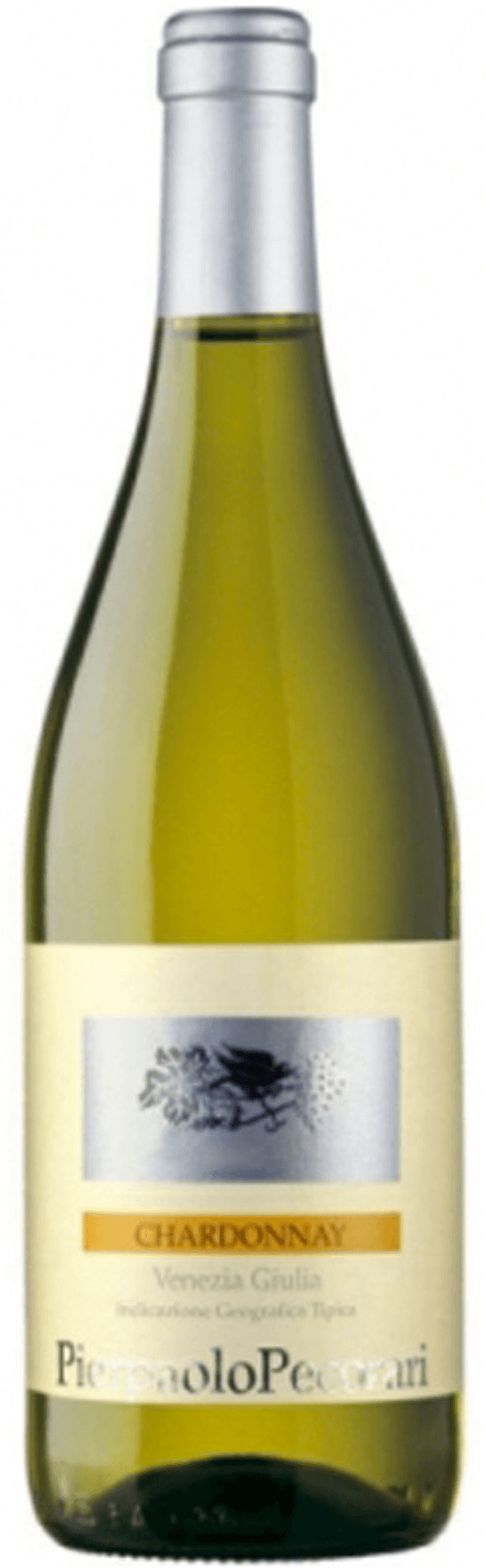
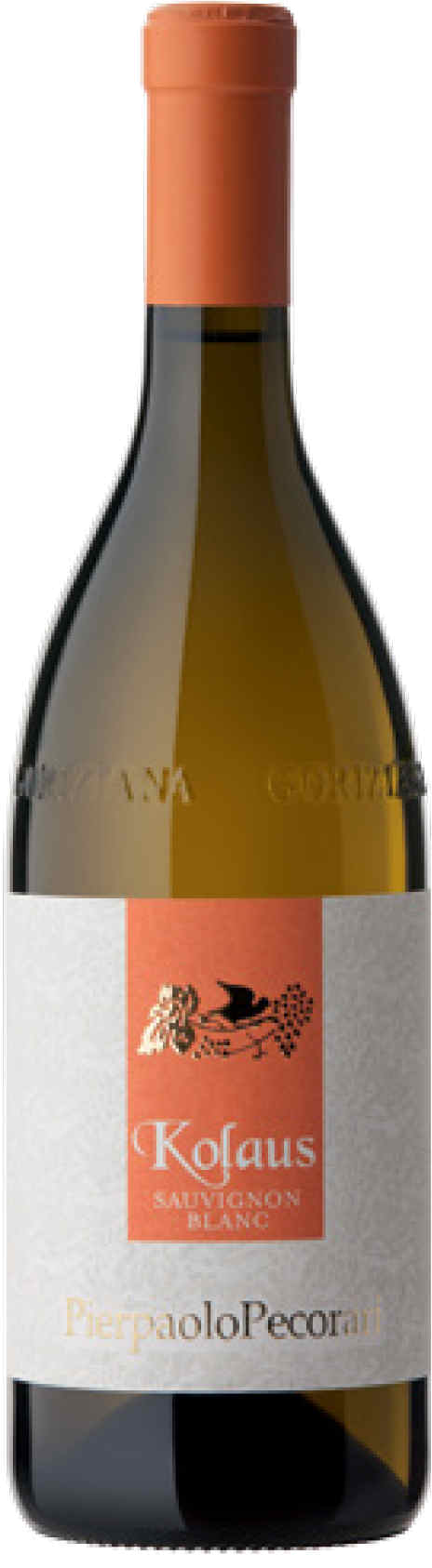
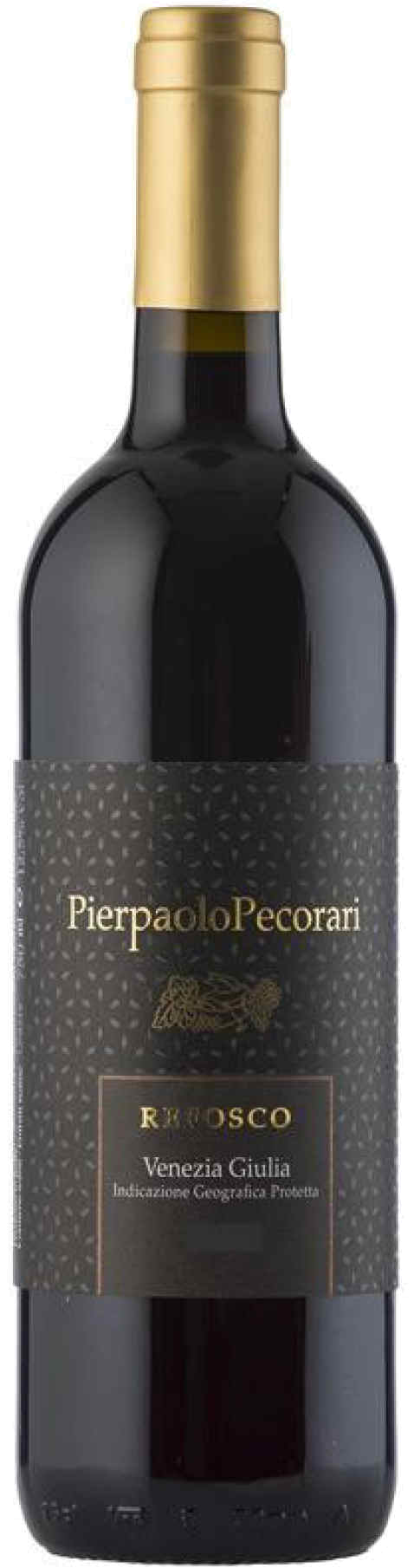
The range is divided into three lines: the accessible Varietale line, the site-focused Altis line, and the Riserve — including the Kolaus Sauvignon Blanc as the flagship of the top class. The sites are planted with Friulano, Sauvignon Blanc, Pinot Grigio, Chardonnay, Refosco dal Peduncolo Rosso, and Merlot. What all wines have in common: clear varietal expression, lively acidity, and a mineral vein that is owed to the stony Isonzo soil. The white wines — above all Sauvignon and Friulano — show a precision that is typical for the region: no heavy oak notes, but instead herbal freshness and a salty finish. The Refosco dal Peduncolo Rosso stands for the autochthonous side of the house: tannin-rich, tart and spicy, with dark fruit and an earthy note that clearly distinguishes it from international red wine styles.