From the ruins of a cooperative: the restart at Vulture
Basilicata is one of the most sparsely populated regions in Italy — and one of the oldest in terms of wine history. As early as the 7th century BC, Greek settlers planted Aglianico vines here on the slopes of Monte Vulture, a volcano that has been extinct for millennia in the north of the region. On this soil, Vigneti del Vulture was created in 2009: the Fantini Group — founded in 1994 by three partners in Ortona, Abruzzo — took over the structures of an insolvent local winegrowers' cooperative called Basilium. Despite outstanding grape material, the cooperative had never found the economic know-how and market access. The new winery in Acerenza, in the heart of the Aglianico del Vulture growing area, was restored from the ground up and realigned.
Organic certified vineyards on cooled lava, up to 800 meters high
The foundation of all wines from Vigneti del Vulture is the soil: Monte Vulture left behind a mineral-rich substrate of lava rock and tuff layers, which still shapes the complexity and structure of the grapes today. The tuff rock acts like a sponge — it stores winter moisture and releases it in a controlled manner to the vines during the dry summer months. The vineyards are located at an altitude of up to 800 meters; the continental climate with cool nights ensures slow ripening and distinct aromatics, especially with the white wine varieties. All vineyards carry an organic certification. Responsible for vinification is cellar master Dennis Verdecchia, supported by consultant Alberto Antonini, who has already accompanied the team in the Fantini Group's wineries in Abruzzo and Campania.
Aglianico in the center — supplemented by Greco, Fiano, and Nero di Troia
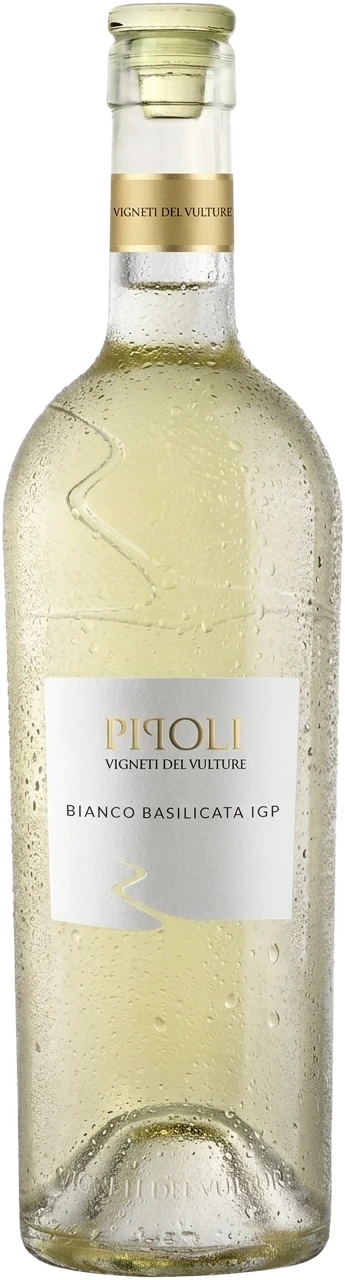
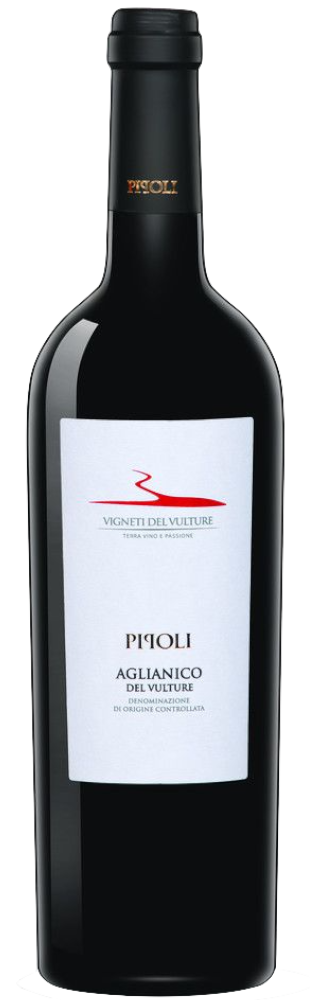
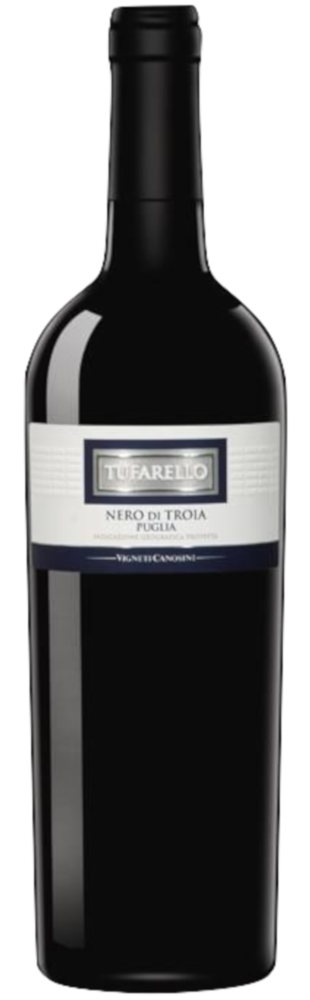
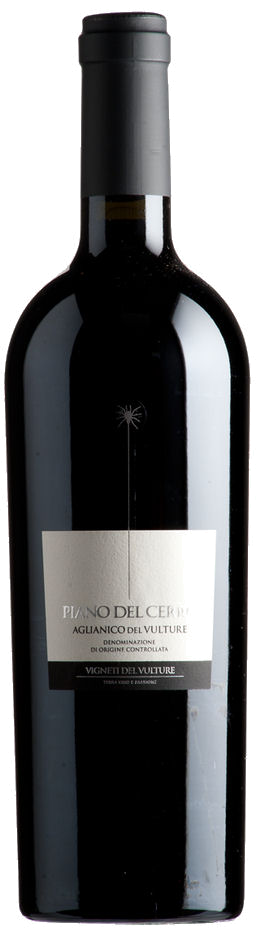
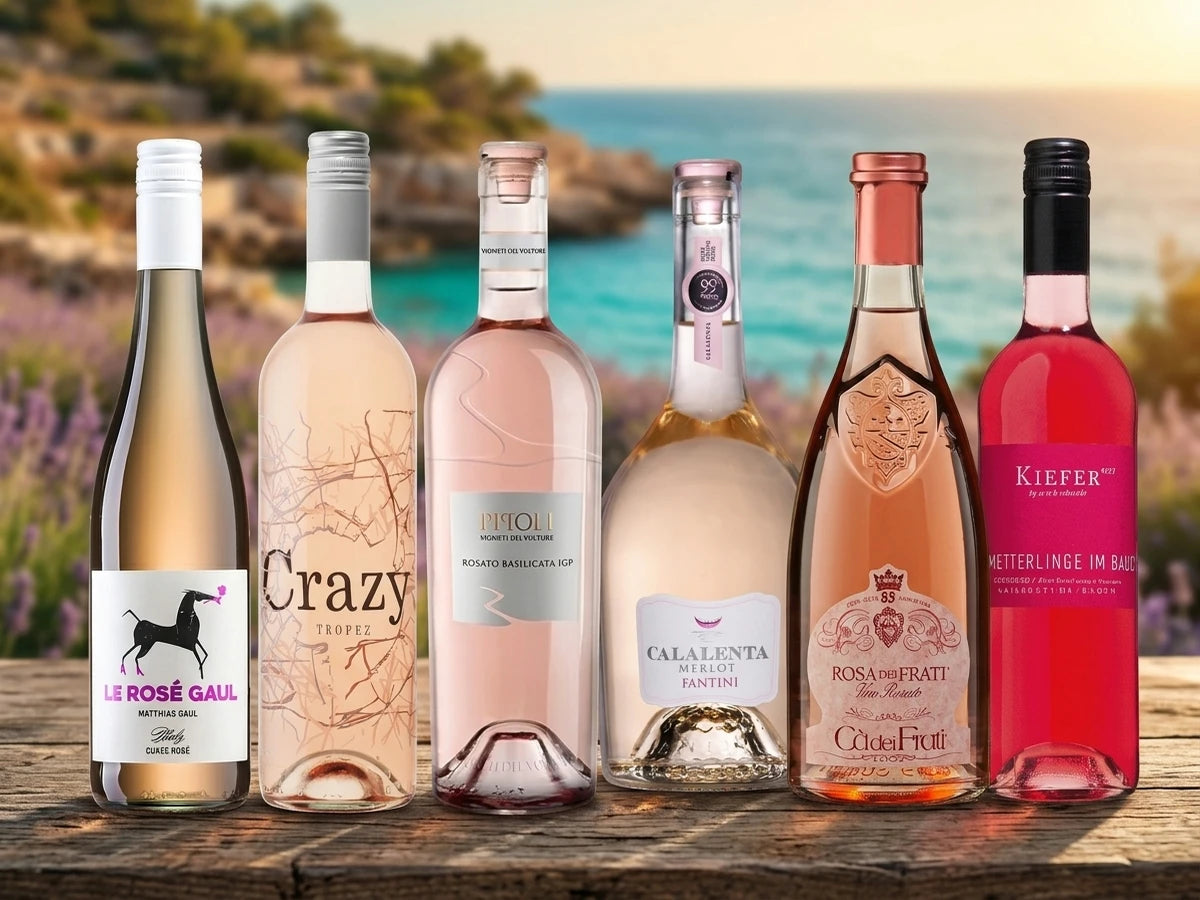
The declared goal of Vigneti del Vulture is to make the autochthonous varieties of Basilicata accessible to an international audience without smoothing out the character of the terroir. The Aglianico del Vulture DOC — in two lines as Pipoli and as Piano del Cerro — is at the center: dark ruby red, firm tannins, lively acidity, aromas of dark cherries, spices, and the typical mineral undertone of volcanic soil. The white wine line Pipoli Bianco combines Greco and Fiano into an aromatically dense, fresh style that benefits from the high-altitude climate. The Pipoli Rosato shows the fruity, floral side of Aglianico. With the Tufarello Nero di Troia, a cuvée from the adjacent Puglia IGP, the house expands its range to include another southern Italian red wine variety — powerful, spicy, with an independent character. All wines are united by a clear signature: international accessibility without compromises in varietal expression.