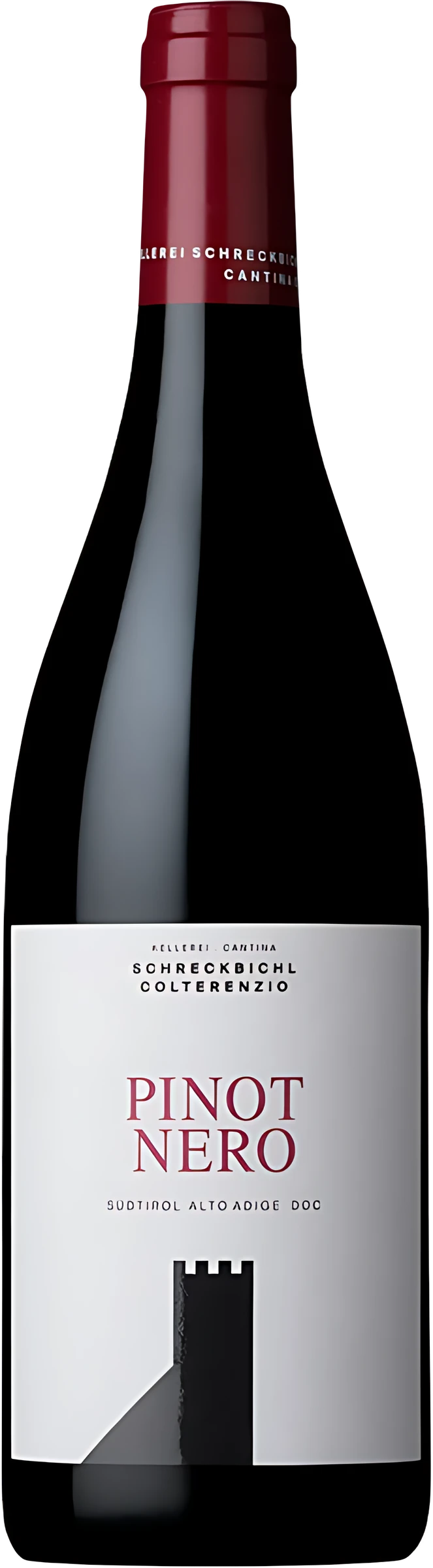
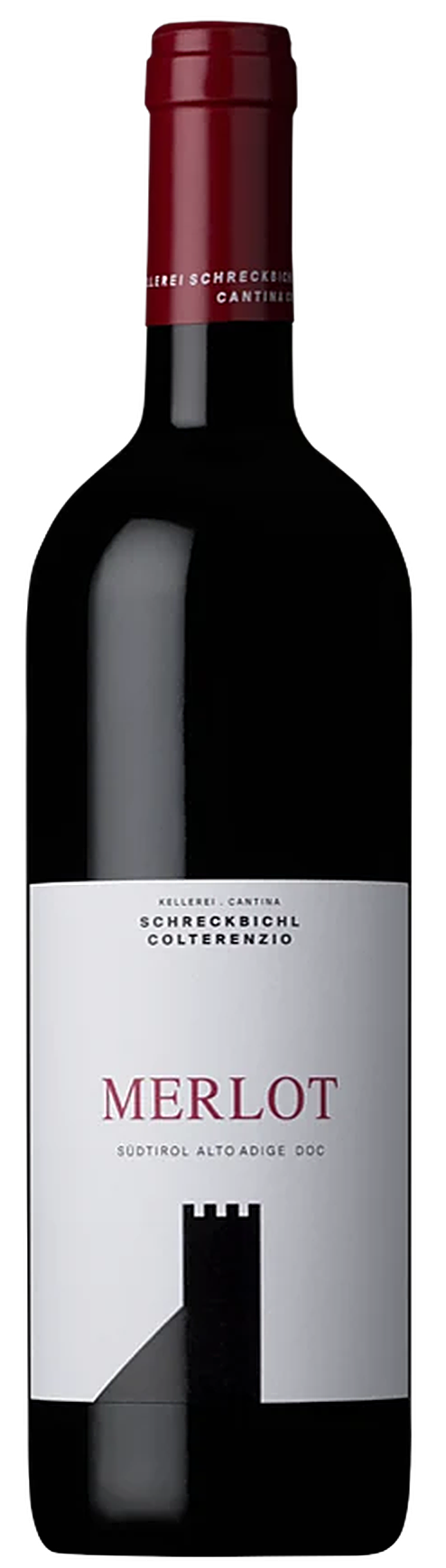
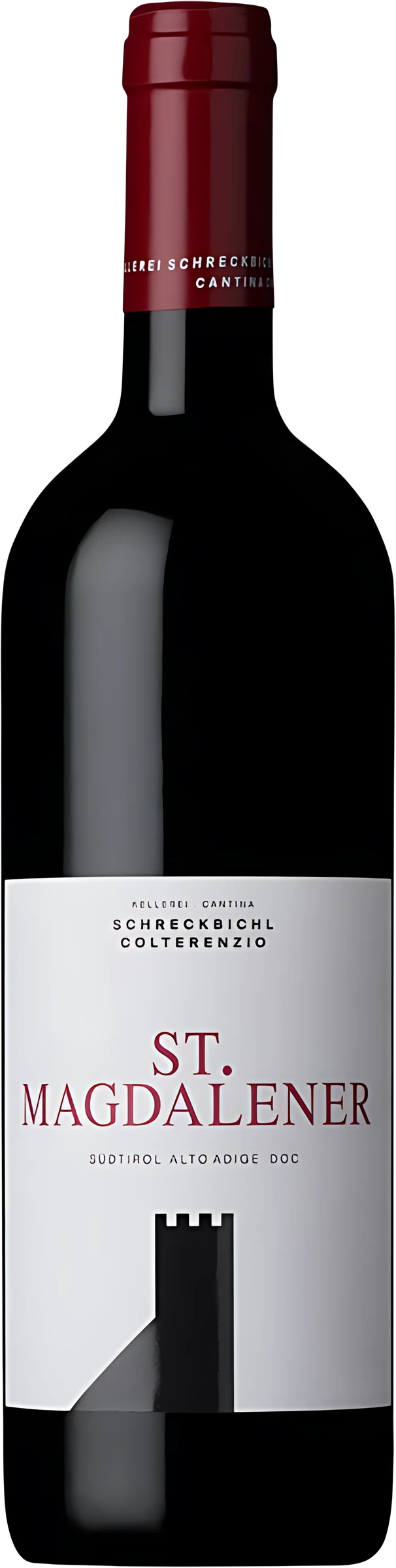
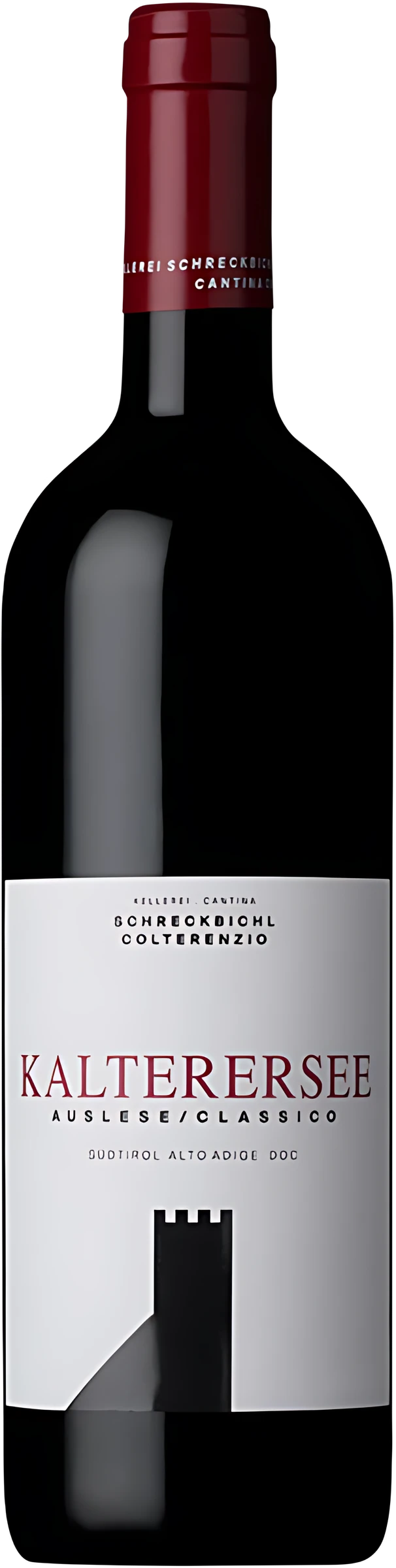
Rebellion as a founding moment: how a cooperative changed South Tyrol in 1960
It was not a gentle departure, but a break: in 1960, 26 winegrowers from the hamlet of Schreckbichl near Girlan left the existing cellar cooperative, founded their own, and named it after their home – in Italian Colterenzio. Their motivation was independence from the then-dominant wine merchants. That this would become one of the most influential cooperative wineries in South Tyrol was not foreseeable in 1960.
The decisive boost came in the early 1980s, when managing director Luis Raifer led the winery into a comprehensive quality offensive. In the winery's own Lafóa vineyard, he replaced the then-dominant Vernatsch vines with Cabernet Sauvignon and Sauvignon Blanc – a step that was considered a provocation in South Tyrol at the time and would prove to be groundbreaking. The other members followed step by step, yields were reduced, and grape quality increased. Today, around 300 member families support the cooperative together: they manage a total of 300 hectares of vineyards in locations between 230 and 650 meters above sea level.
Hand-picking, pressing tower, and 70 percent self-sufficiency: the craft behind the wines
All grapes are picked exclusively by hand – at Schreckbichl, this is not a marketing formula, but a basic requirement of their quality standards. In the vineyard, the member farms work as gently as possible, with a focus on soil health and plant protection. Since 2009, the winery has been implementing a formally anchored sustainability concept that covers both the vineyard and the cellar.
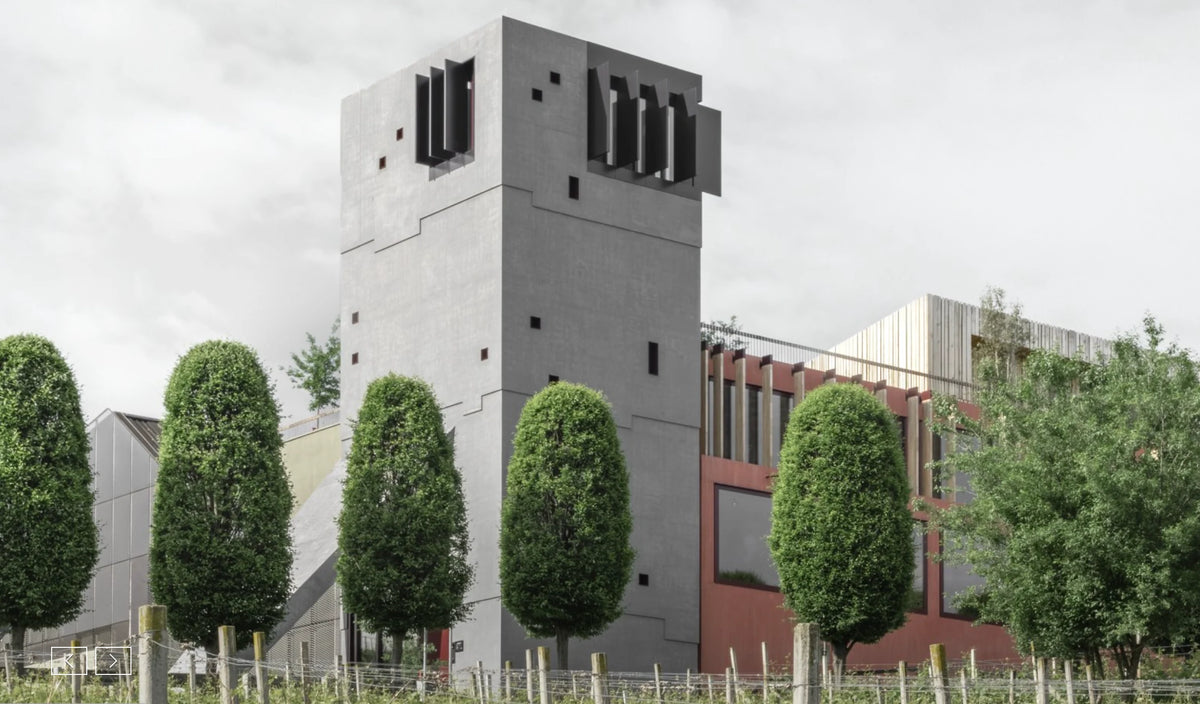
In the cellar, a specially built pressing tower serves as the heart of the operation: it uses gravity for a gentle flow of grapes without unnecessary pump stress. The photovoltaic system on the winery premises covers more than half of the electricity demand, and a heat recovery system ensures that 70 percent of the hot water demand is covered autonomously. Under cellar master Martin Lemayr, these technical resources flow into a vinification process that brings the character of the individual sites to the fore.
Four lines, twelve grape varieties, a clear claim to the expression of the terroir
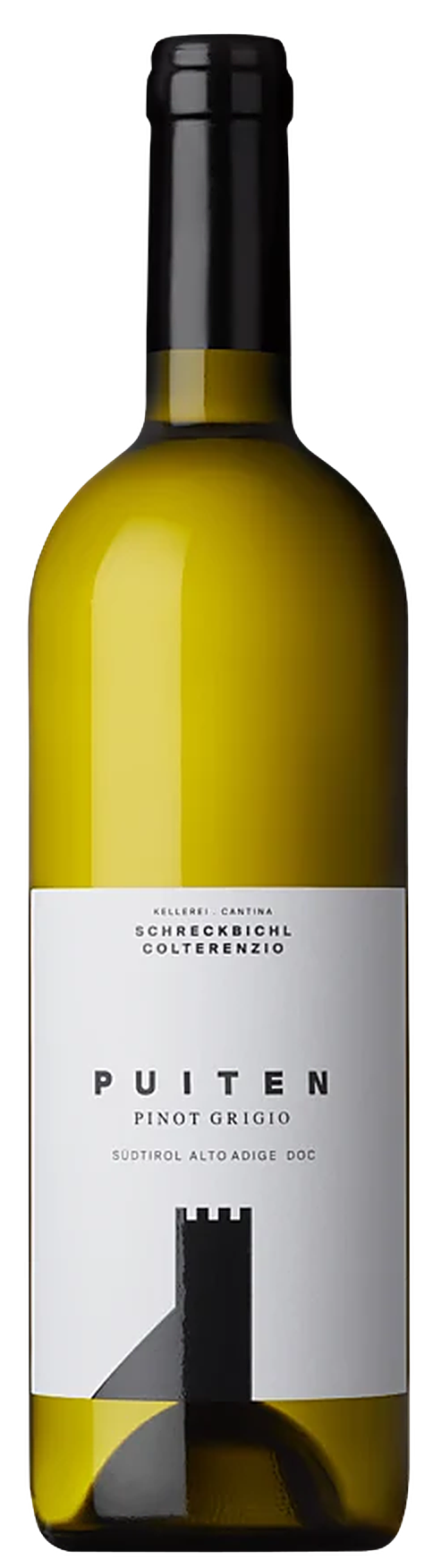
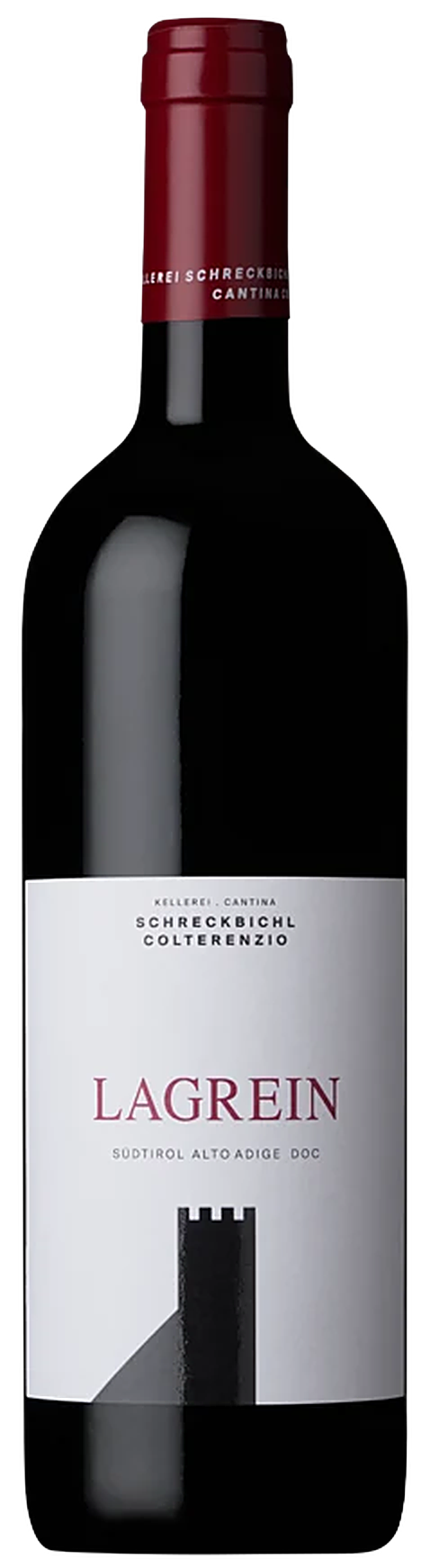
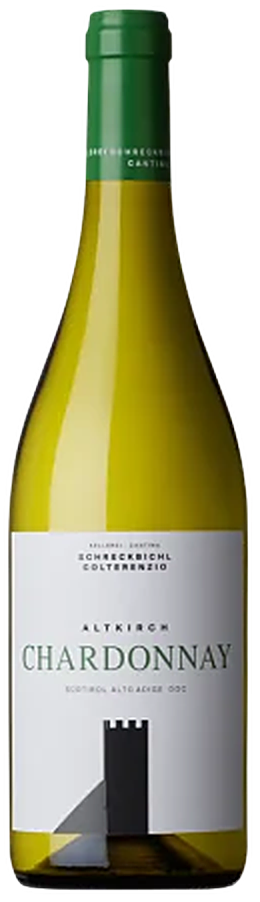
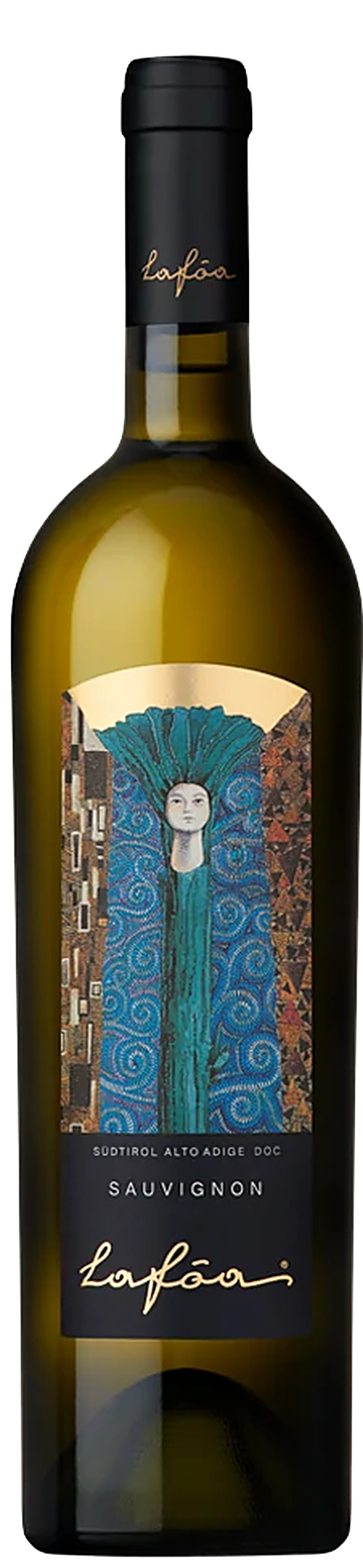
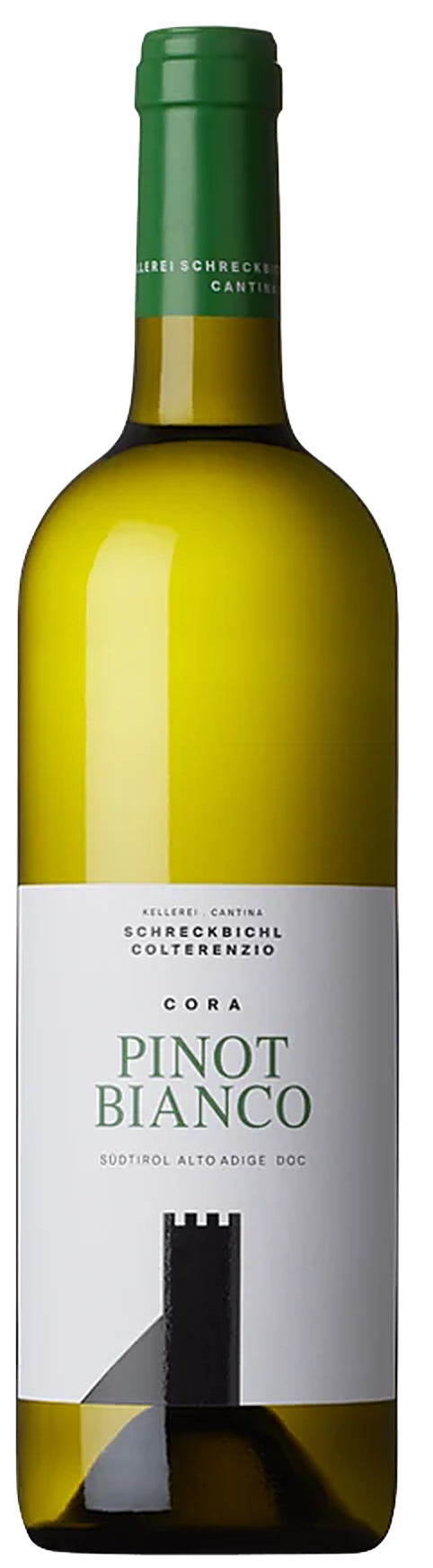
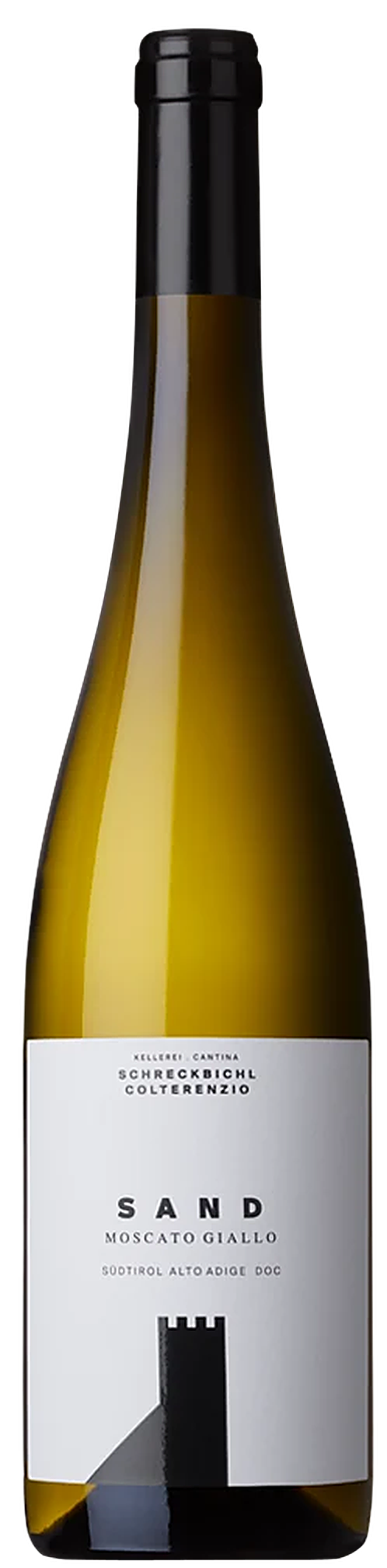
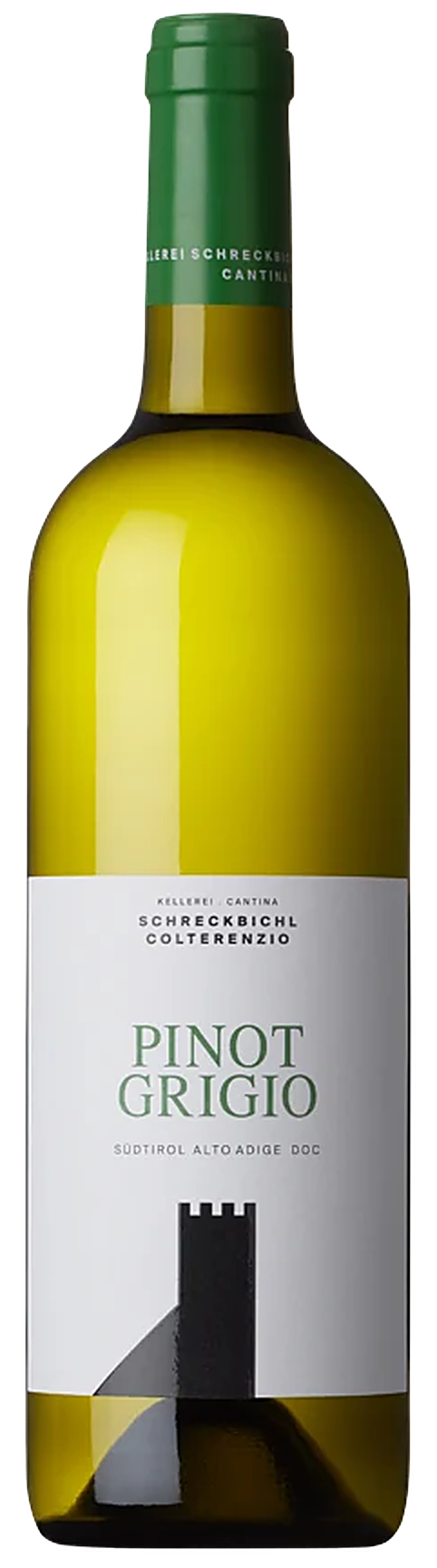
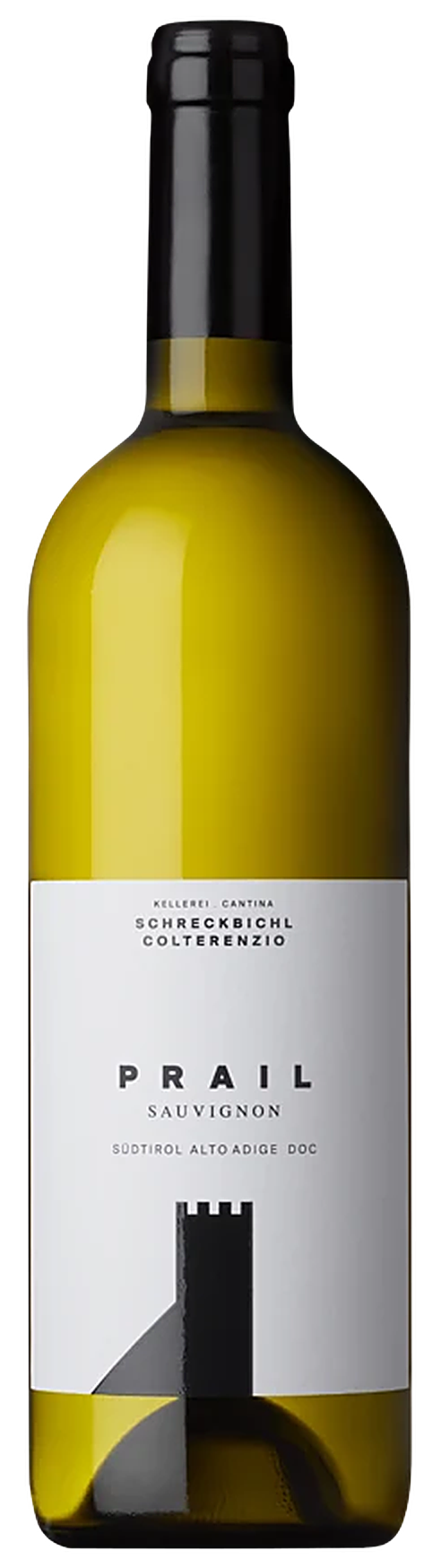
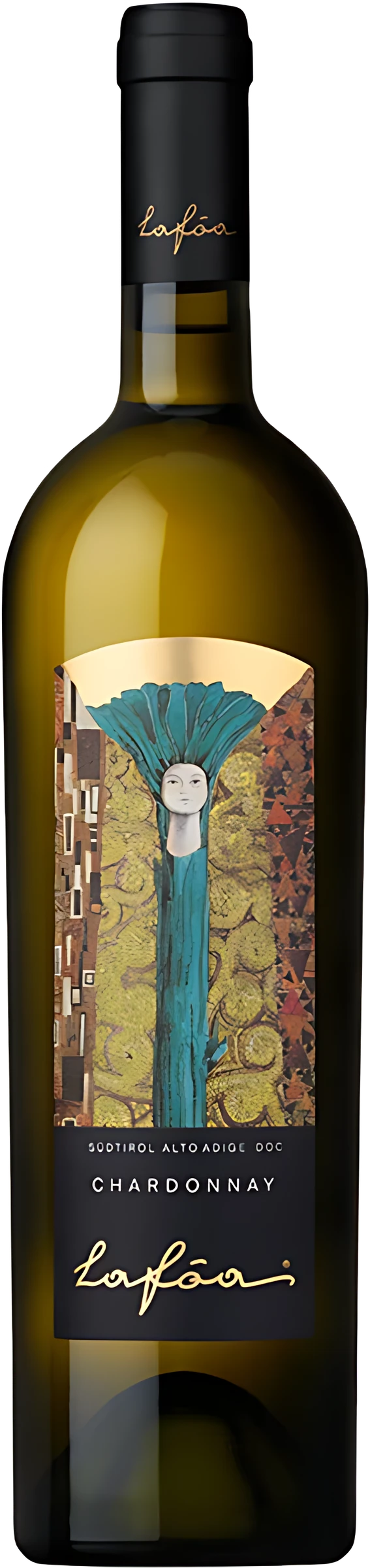
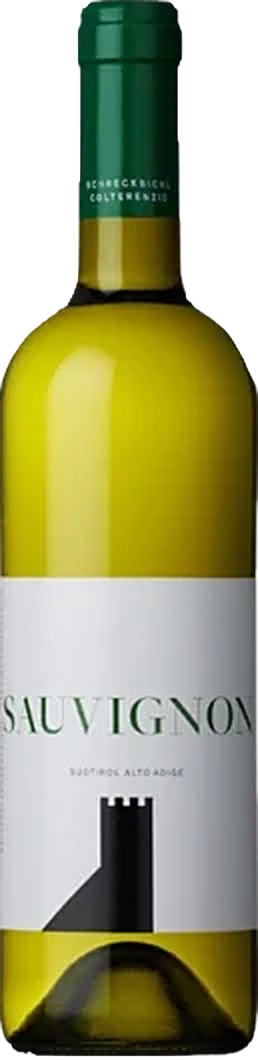
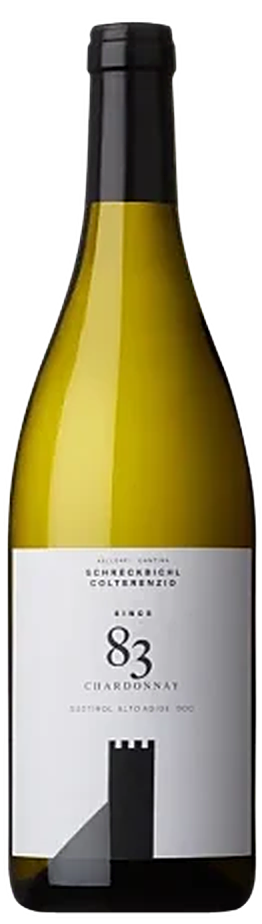
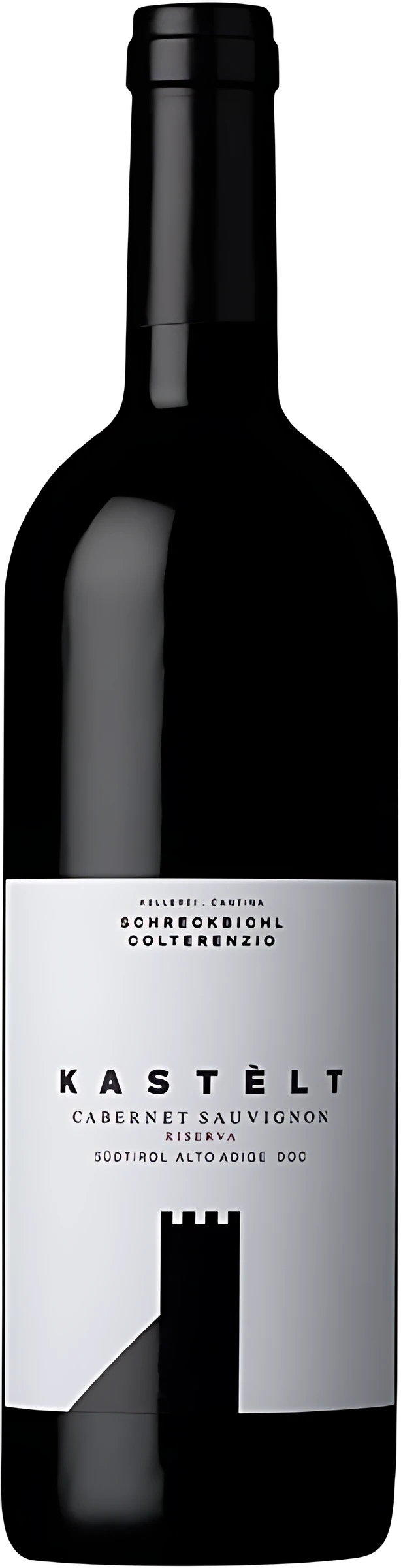
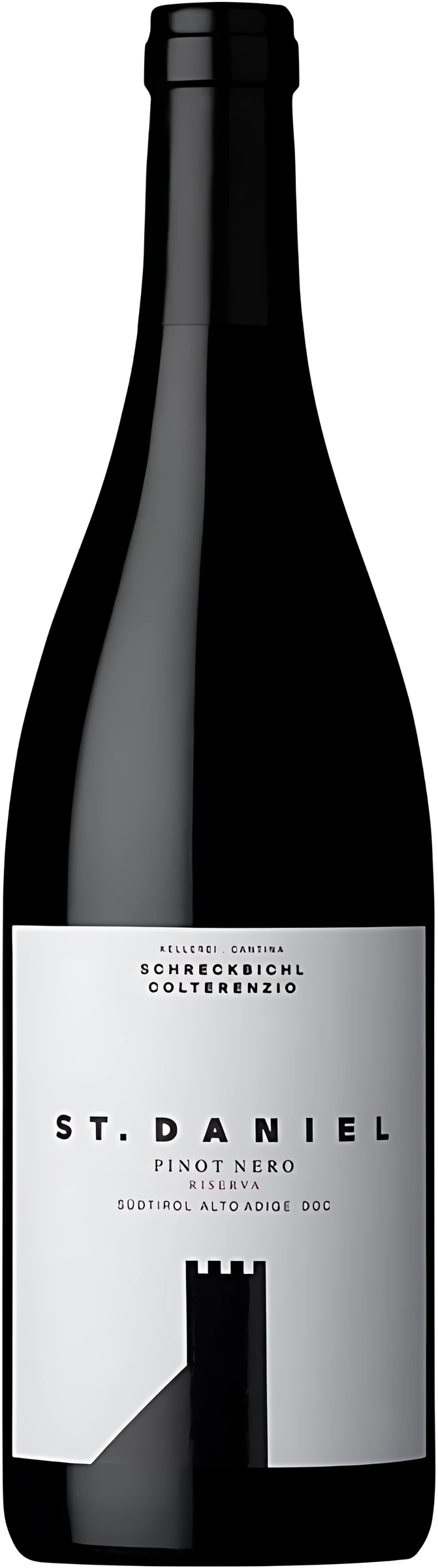
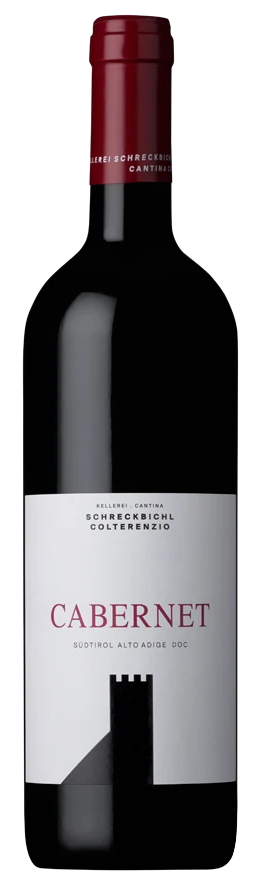
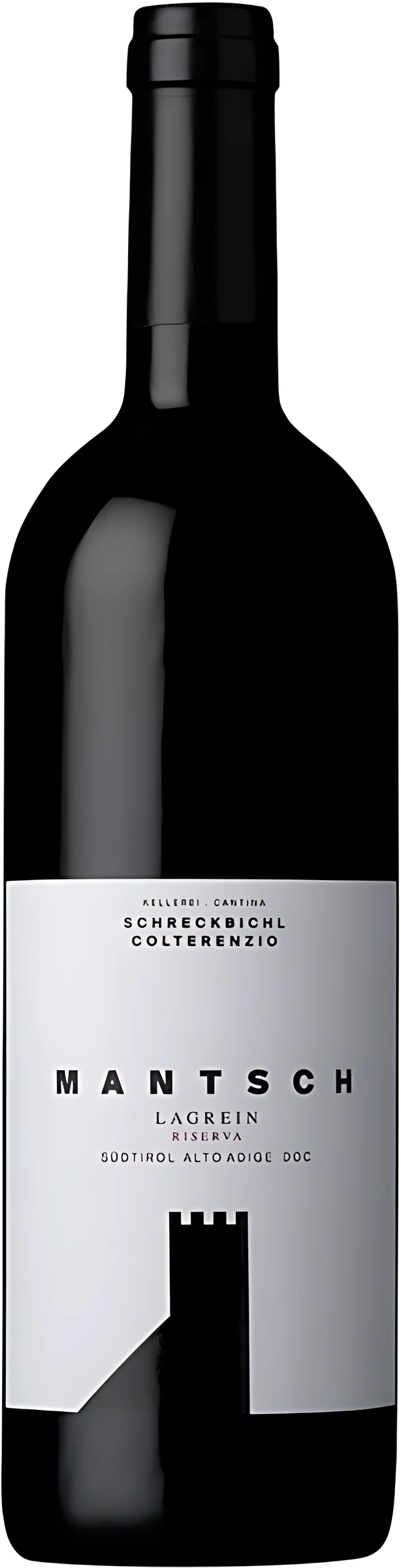
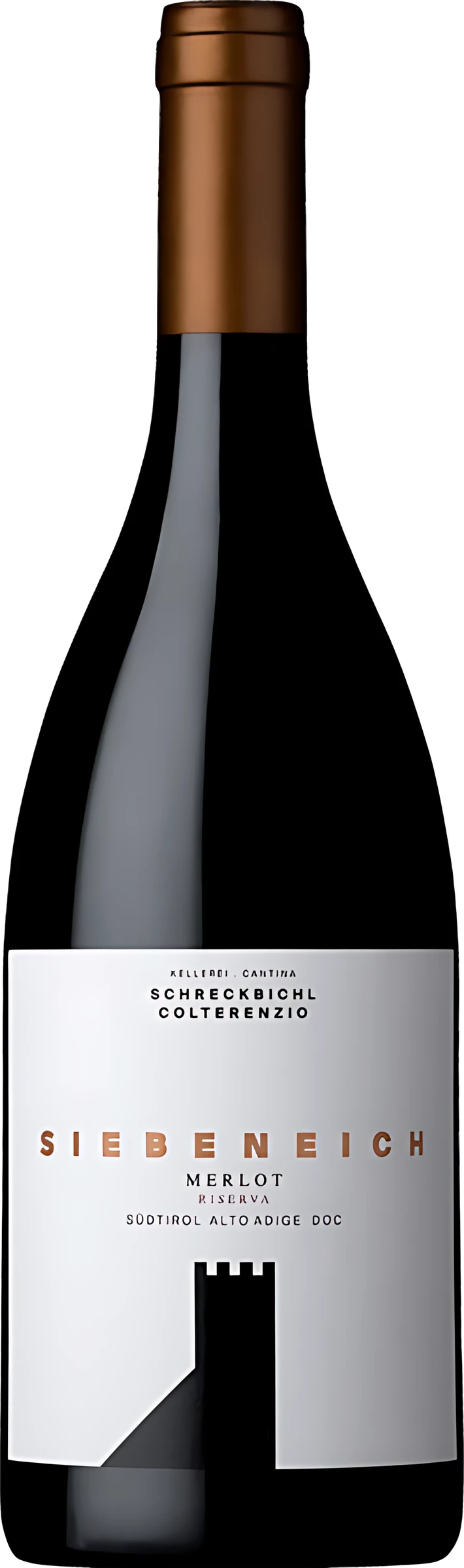
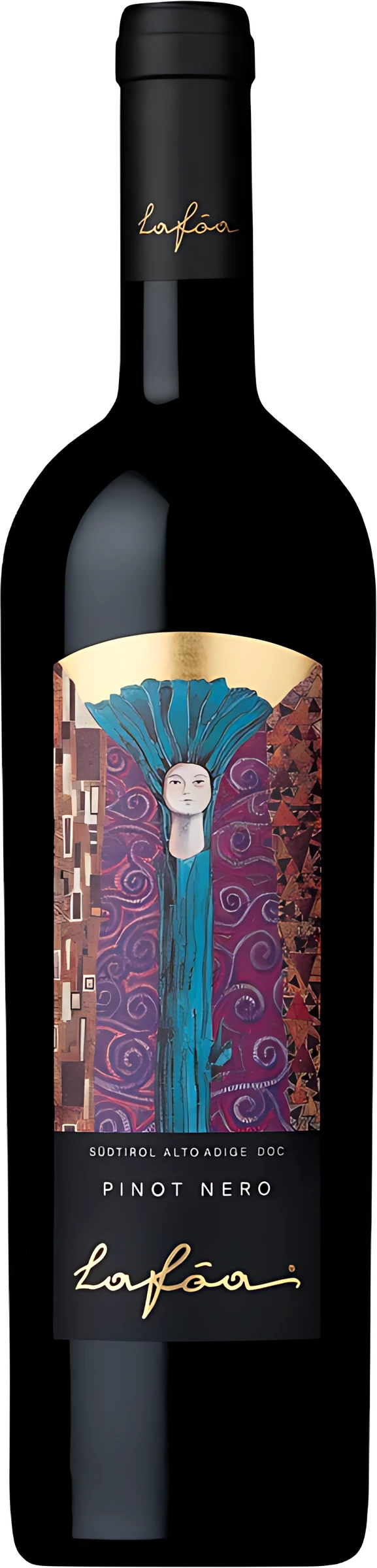
The range is divided into four lines that serve different demands and occasions. The Classic series offers varietal wines with clear typicity – including the Pinot Grigio Puiten, the Lagrein, and the Chardonnay. The Selections come from selected vineyards with low yields and show correspondingly more depth and maturity; this includes cuvées such as the Prail Sauvignon Blanc or the Chardonnay Altkirch. The Lafóa line – named after the vineyard where the quality offensive began – includes a small selection of white and red wines with distinctly high aging potential, including the Lafóa Sauvignon Blanc and the Lafóa Cabernet Sauvignon. Finally, the LR line produces so-called artist wines: annually changing interpretations that combine artisanal precision and conceptual ambition.
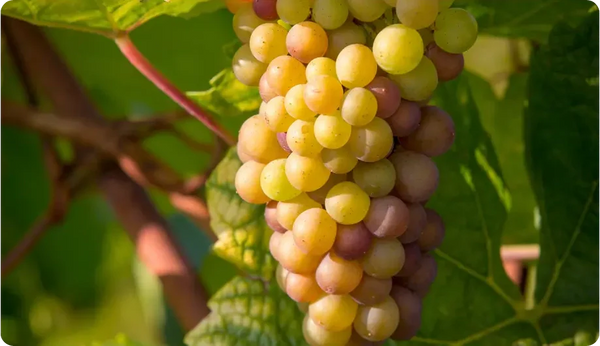
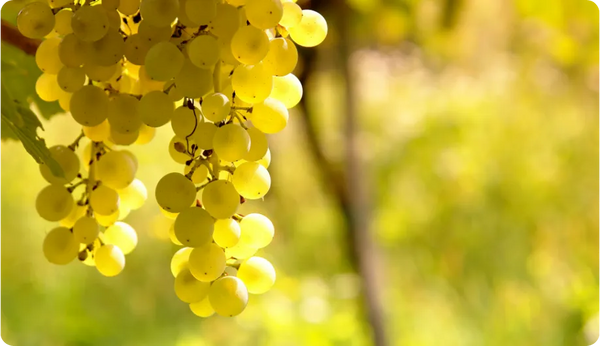
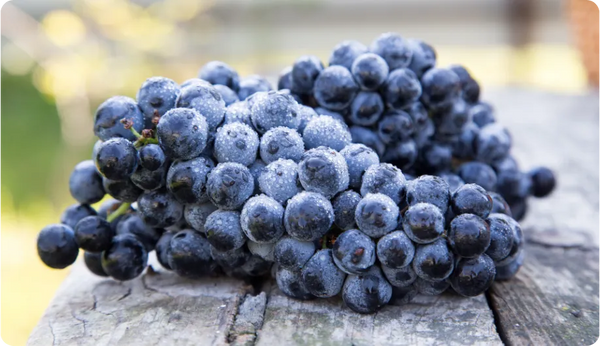
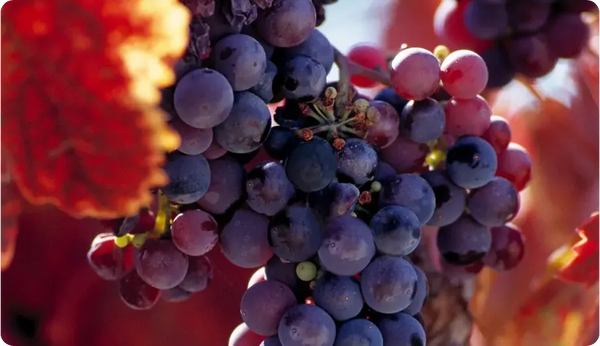
In total, twelve grape varieties are cultivated on the 300 hectares – 65 percent white wines, 35 percent red wines. The altitude range of the sites between the valley floor and the mountain zone ensures a broad spectrum of aromas: from the freshness of the high-altitude Chardonnay parcels to the warmth of the lower-lying red wine sites, where Lagrein and Cabernet Sauvignon play to their strengths.