From 24 winegrowers to a reference address for alpine viticulture
In 1893, 24 winegrowers from the village of Terlan on the left bank of the Adige joined together to stand up to the large companies in the region. From this emergency community, one of the oldest winegrowers' cooperatives in South Tyrol emerged — and one that still understands its cooperative character as a strength today. The current approximately 143 members are often descendants of those founding families and together cultivate around 190 hectares of vineyards. Each family contributes their parcels and their generation-tested knowledge; the cellar bundles the result into a uniform, style-defining signature. What distinguished the house from other South Tyrolean wineries from the beginning: Terlan focused on white wine as early as the 19th century, at a time when the ratio of red to white in the rest of South Tyrol was still 80 to 20.
Porphyry soil, time, and the philosophy of the cellar master
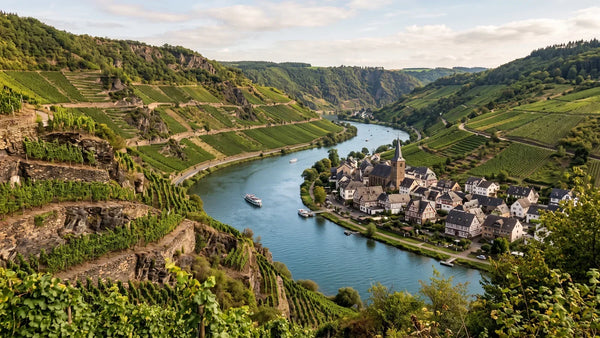
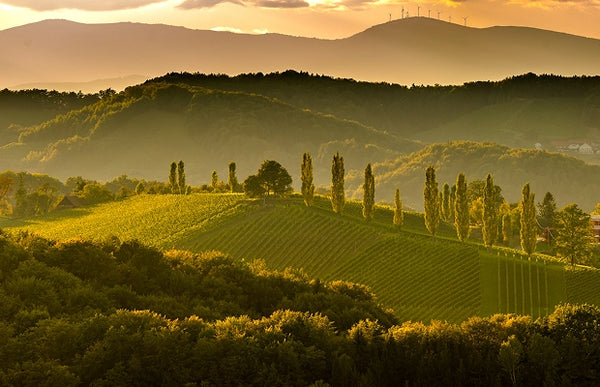
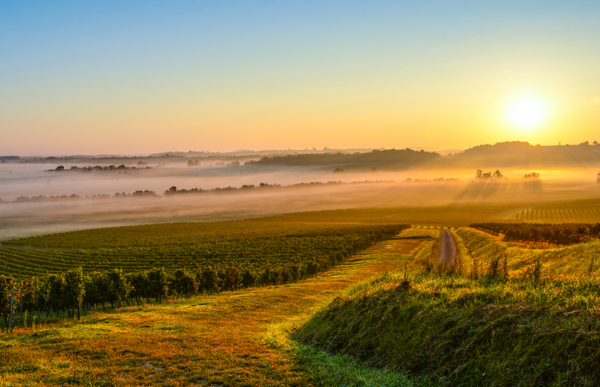
The foundation of the Terlan wines lies literally in the soil: volcanic porphyry, interspersed with high clay mineral proportions, barren and sandy, with a distinct mineral content. The vines grow in sites between 250 and 900 meters in altitude, on terraces with strong sunlight and large daily temperature differences. This natural micro-stress limits yields and concentrates the aromatics. Cellar master Rudi Kofler, who has shaped the house since 2002, continues a philosophy that his predecessor Sebastian Stocker established in the 1970s: long sur-lie aging, restrained use of wood, and consistent quality instead of quantity. In the historic barrel cellar, the white wines mature exclusively in large, decades-old wooden barrels; new barriques are not used for the whites. The top wines are partly aged for up to ten years on the fine lees — a period that is unparalleled in the wine world. This is complemented by a legendary wine archive: around 100,000 bottles from almost all vintages since 1955 prove that the longevity of Terlan wines is not a claim, but a measurable fact.
Quality assurance begins in the vineyard: manual labor in the steep slopes, care with the goal of a lively soil structure, and close coordination between the member farms and the cellar. All wines carry the DOC designation — not a single bottled product leaves Terlan without a controlled designation of origin.
White wine depth, Lagrein power, and an assortment with a clear line
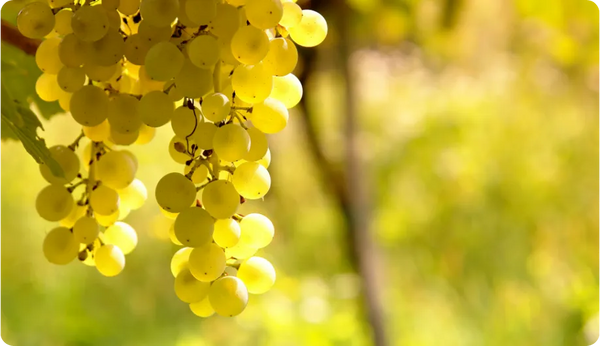
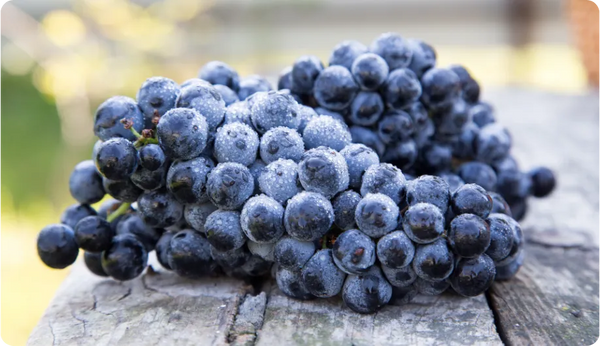
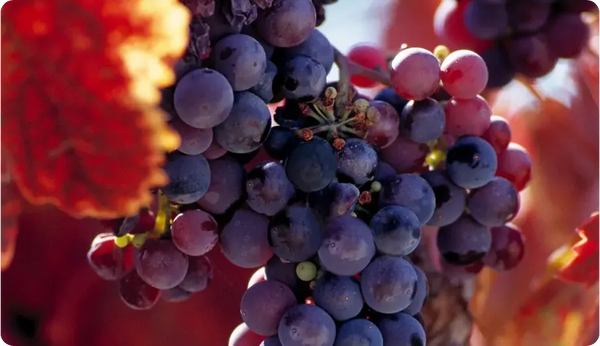
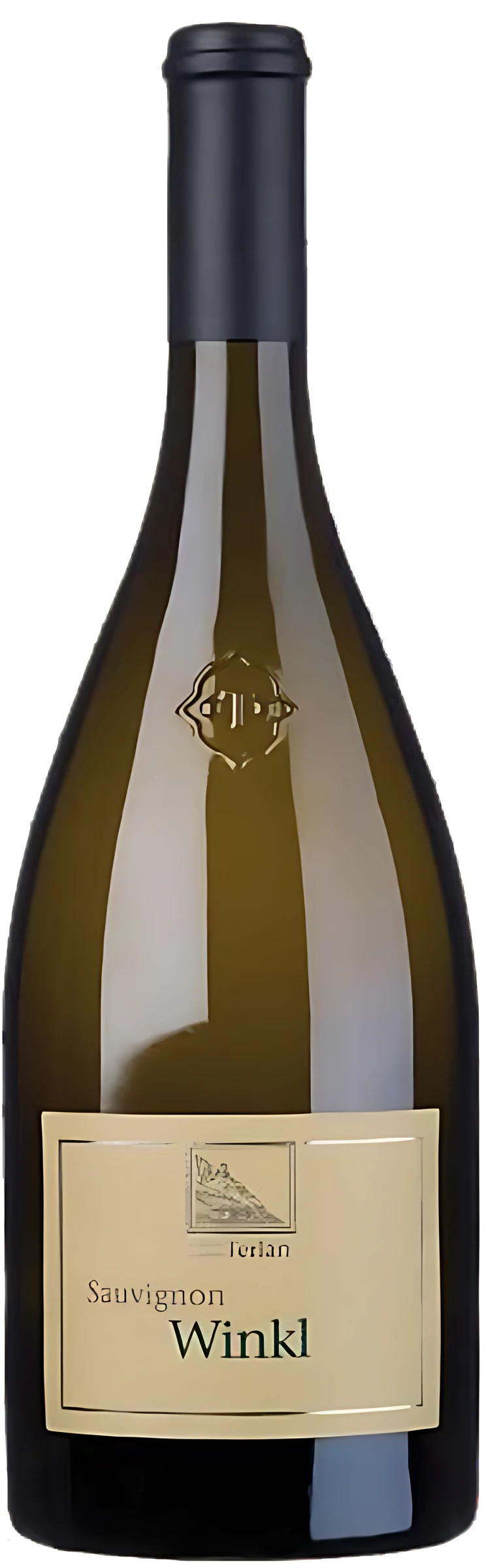
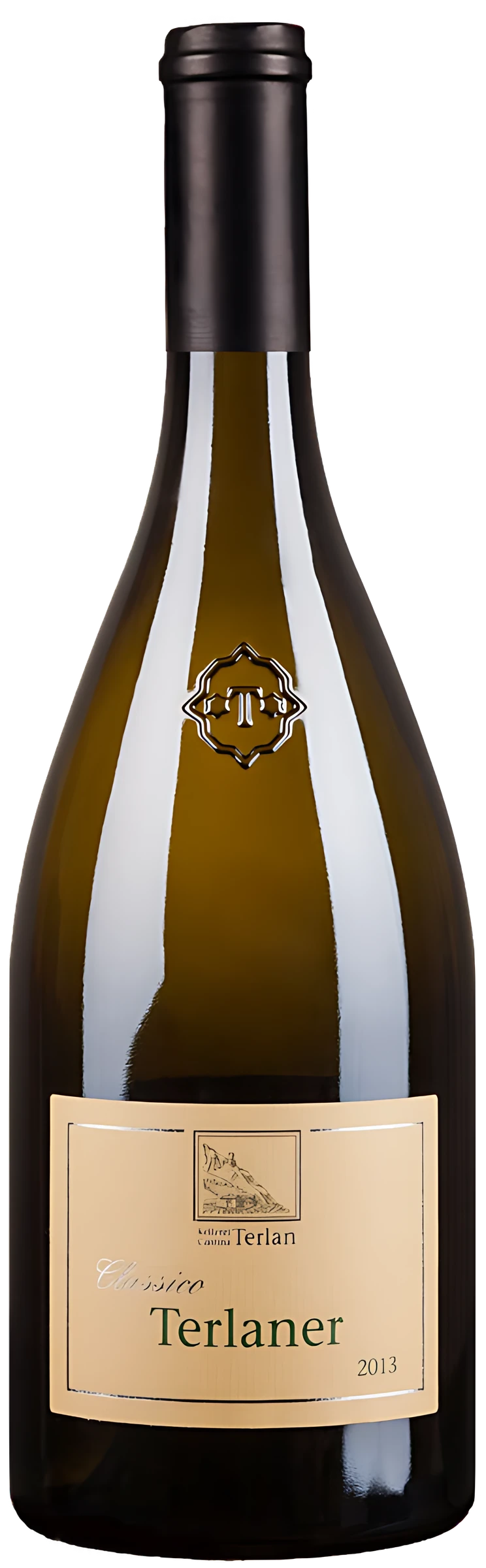
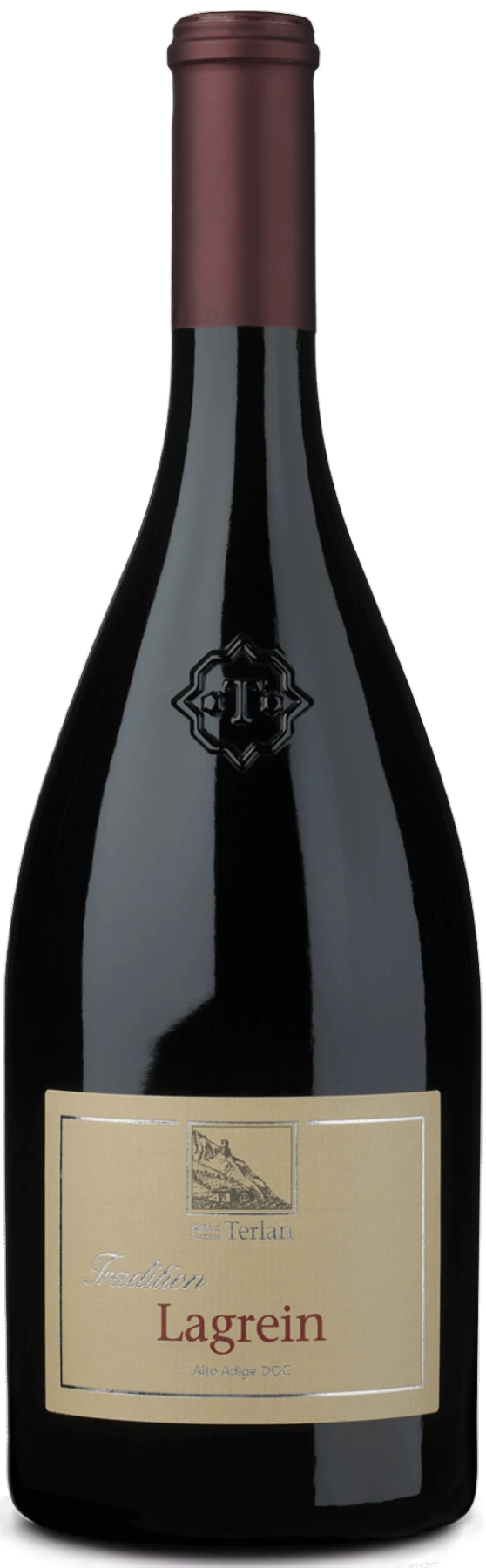
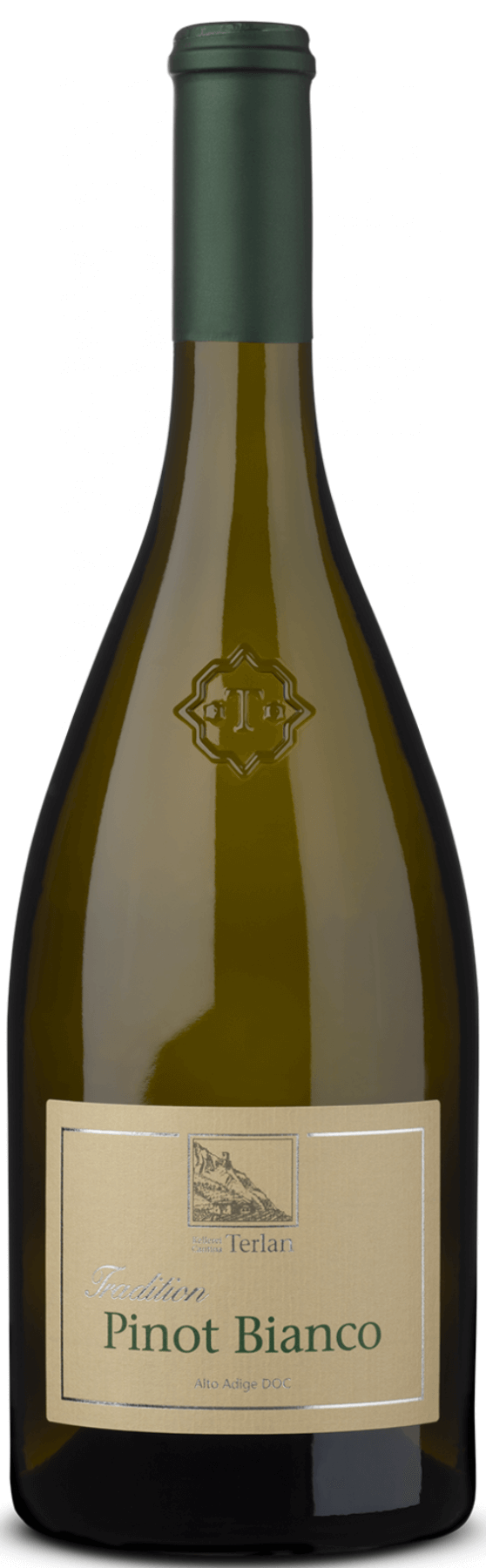
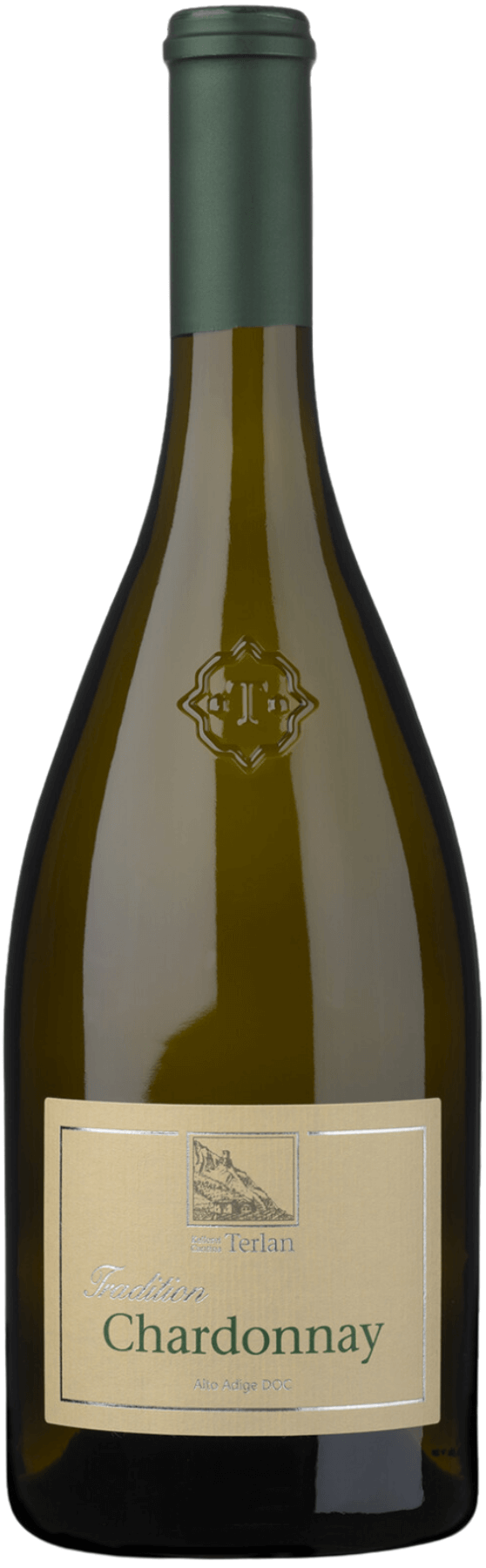
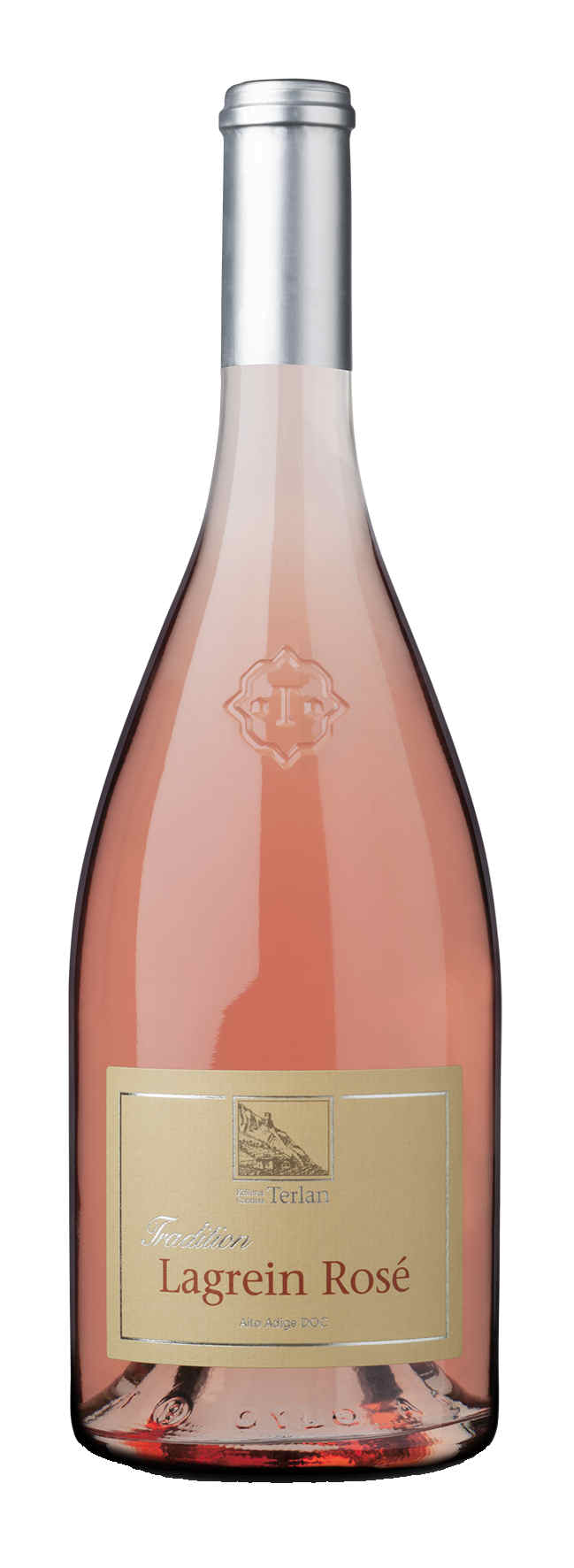
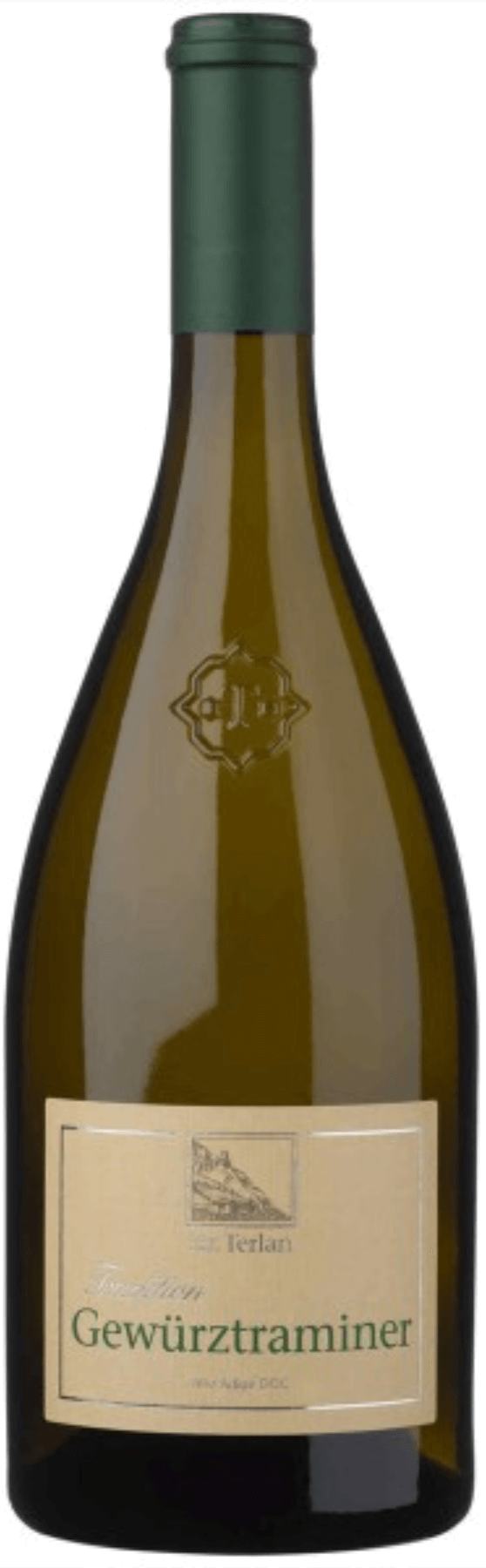
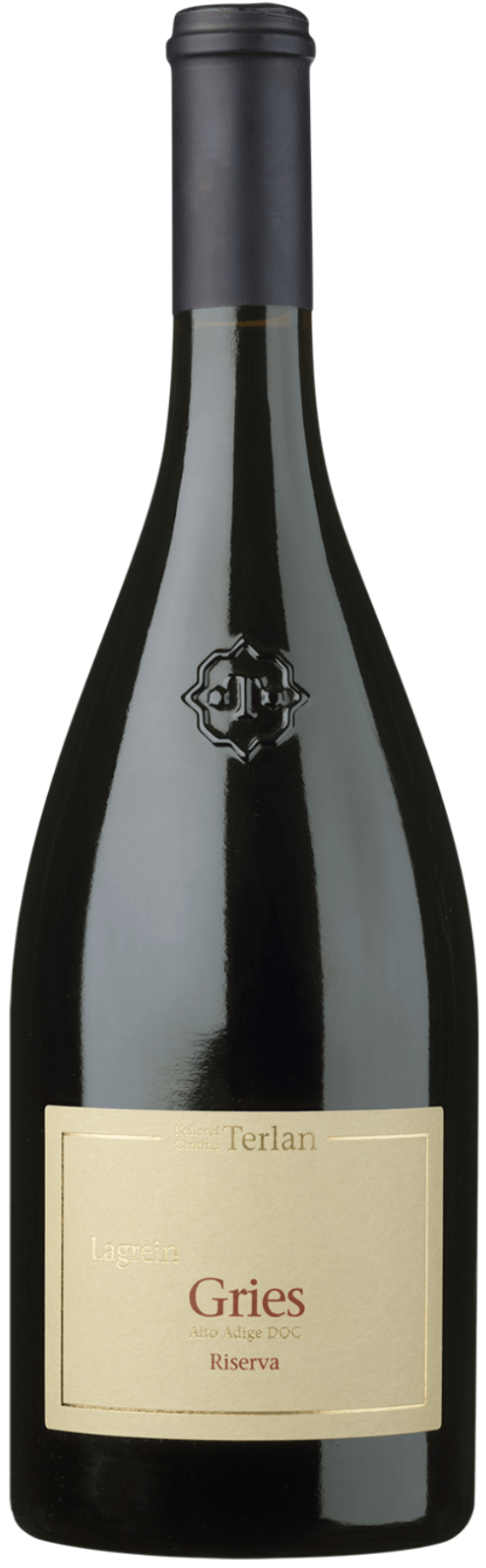
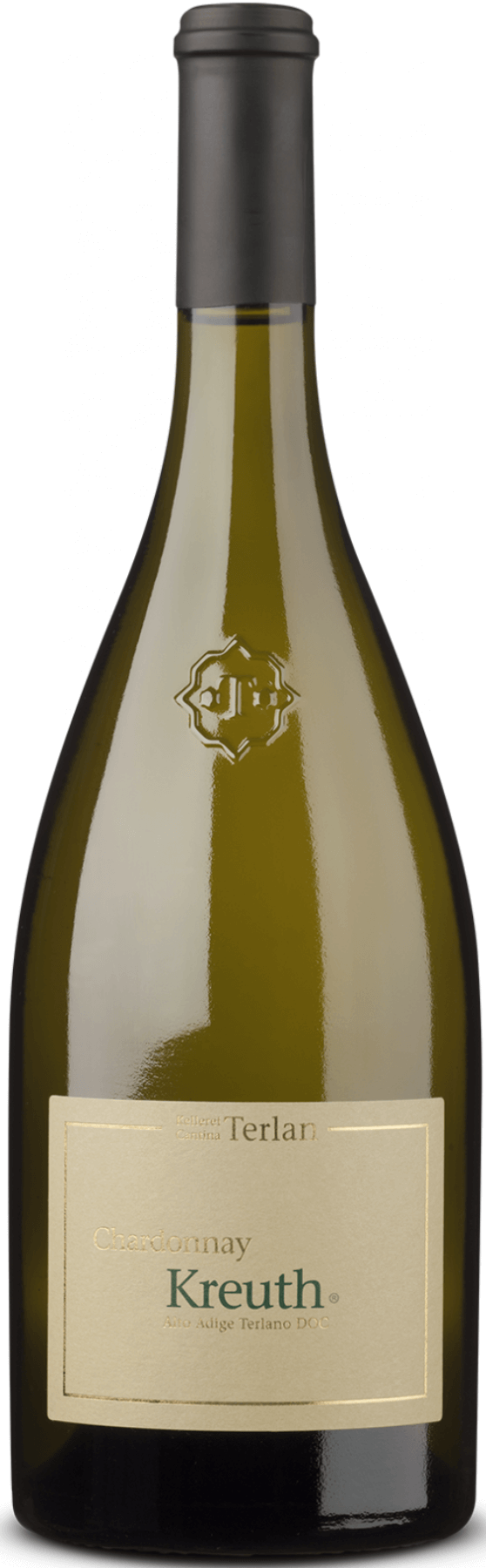
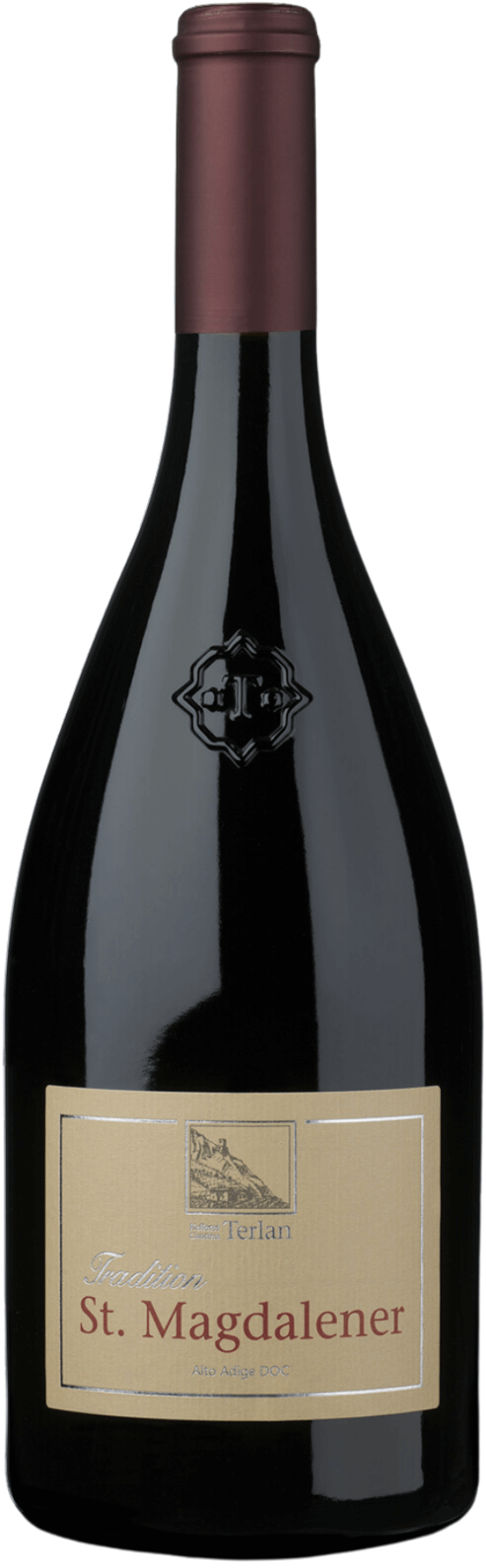
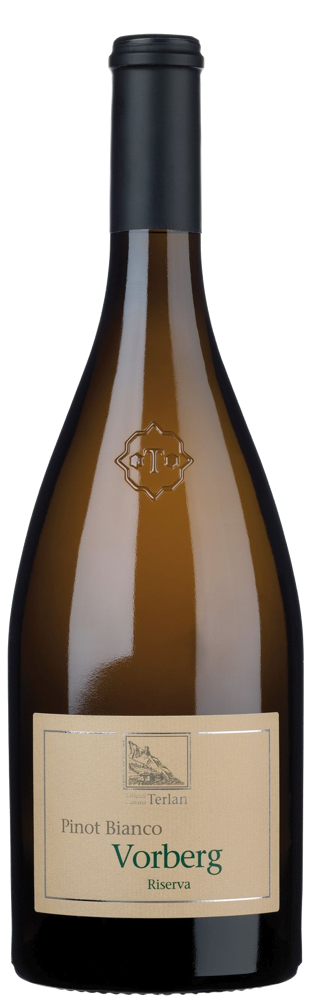
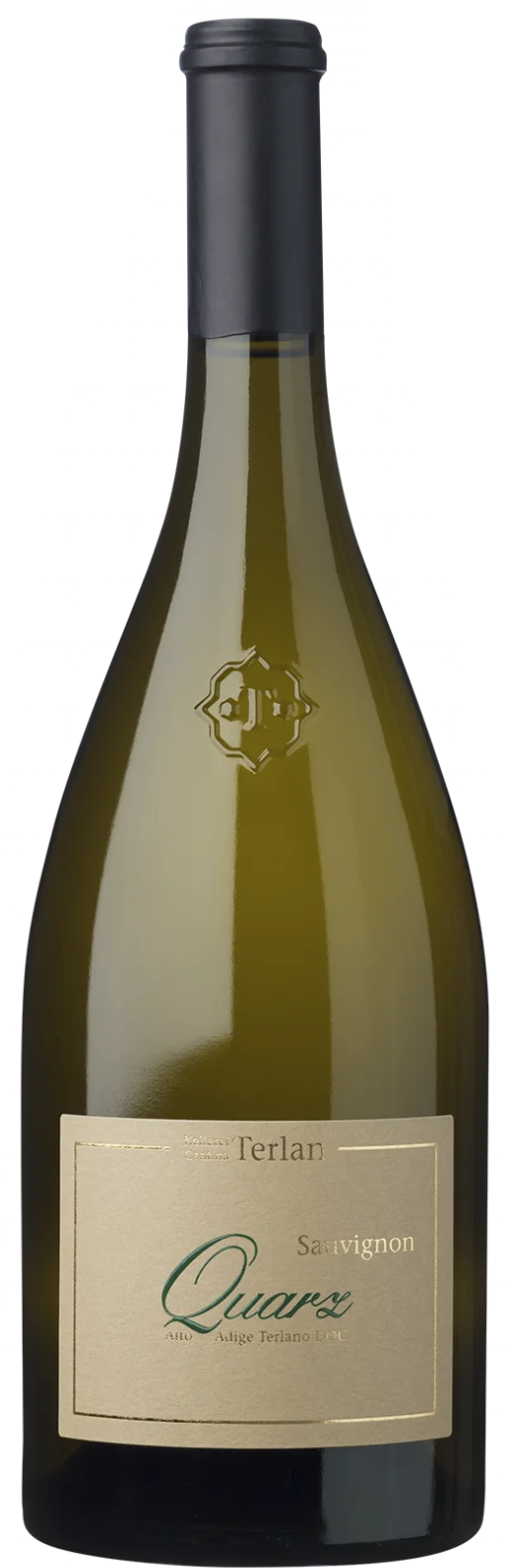
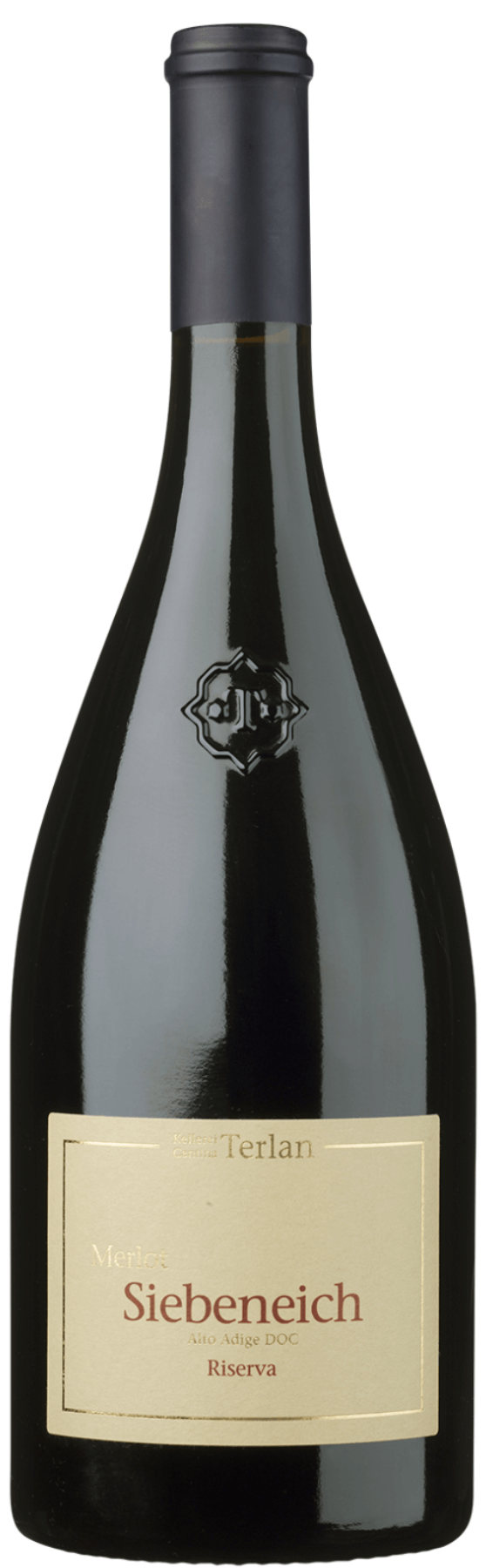
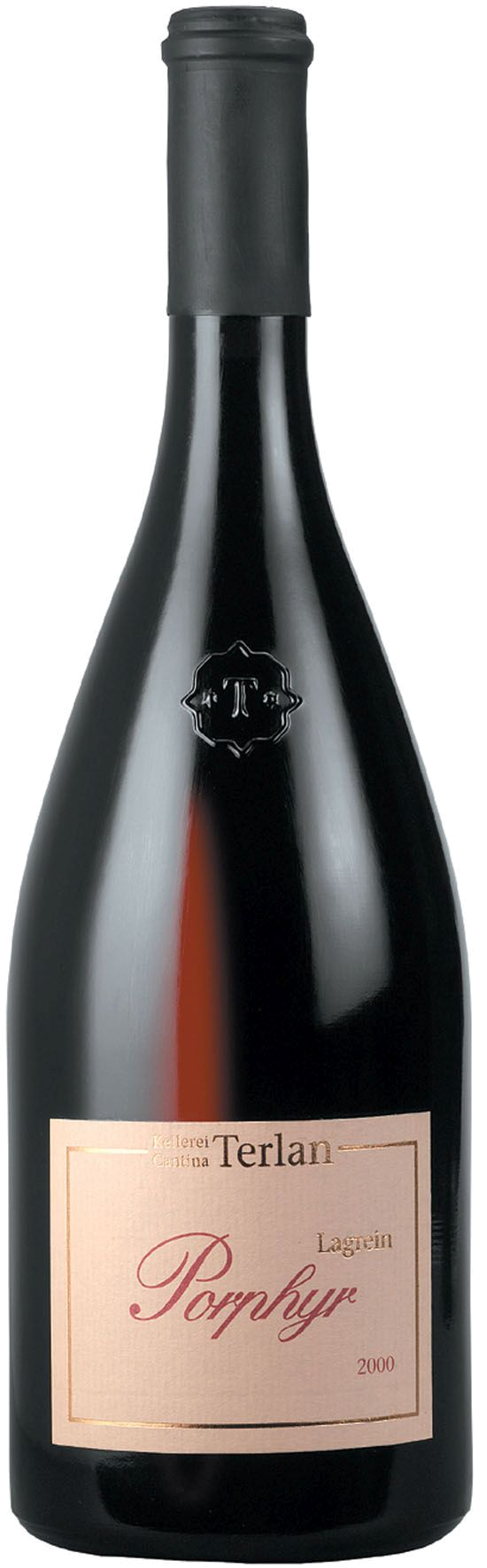
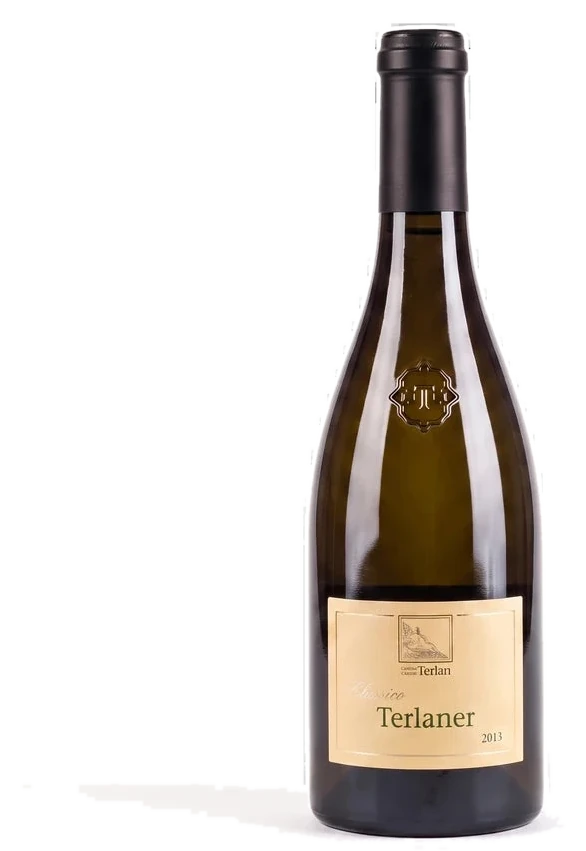
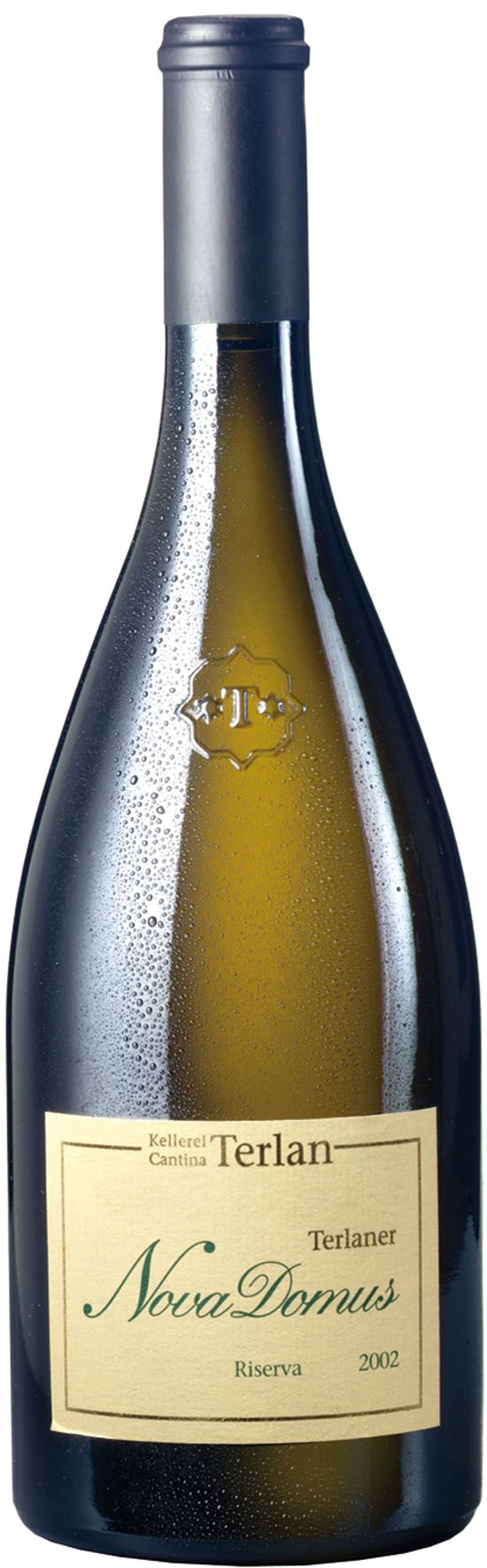
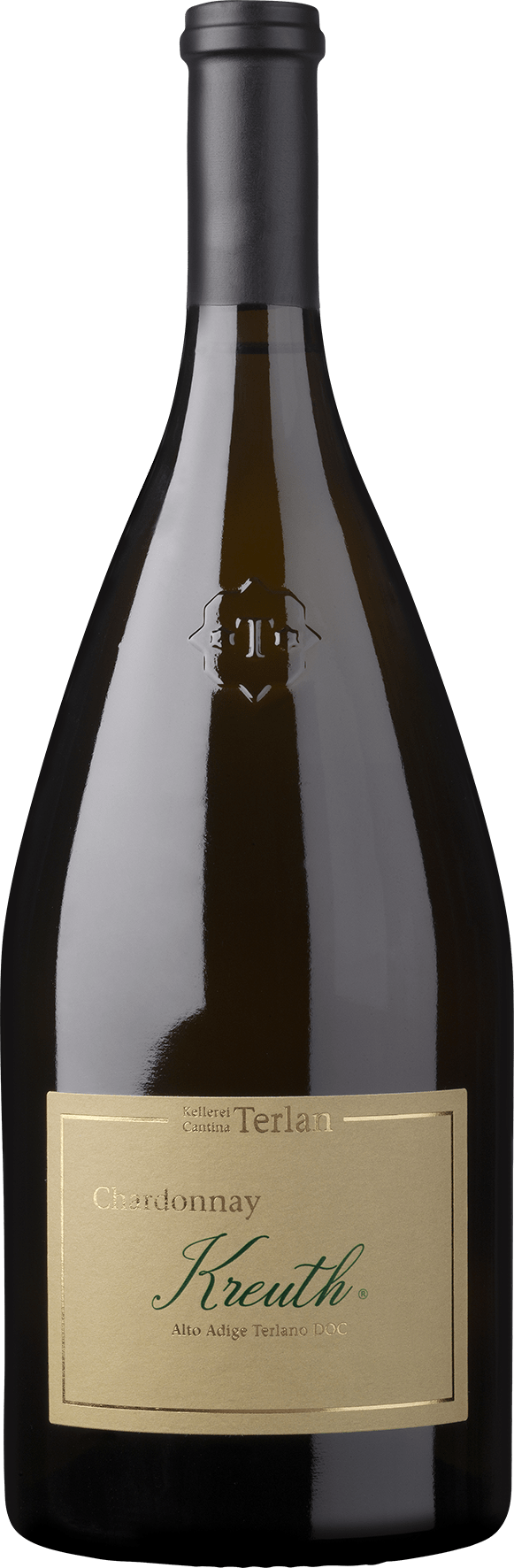
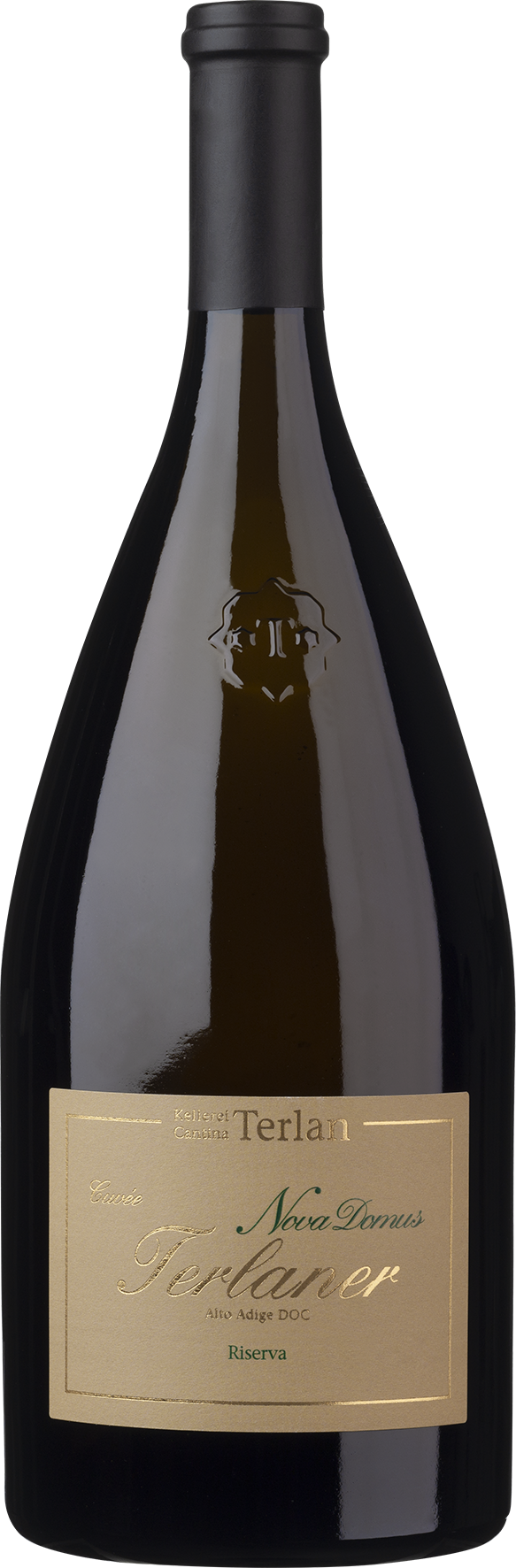
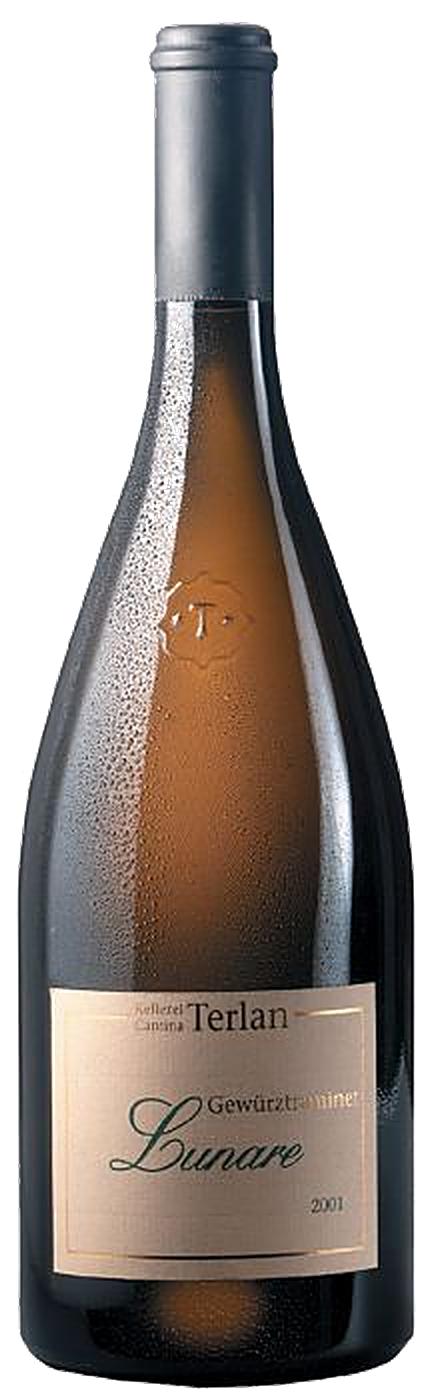
Around 70 percent of production is accounted for by white wines — Pinot Blanc, Chardonnay, Sauvignon Blanc, and Gewürztraminer form the backbone. The red wines, above all the autochthonous Lagrein, make up around 30 percent. The assortment is divided into clear quality levels: from the classic Terlaner Cuvée made from Pinot Blanc, Chardonnay, and Sauvignon Blanc — a wine that already existed at the time the cooperative was founded — to the parcel-focused reserves such as the Kreuth Chardonnay or the Gries Lagrein Riserva. What connects all wines is a cool minerality that comes directly from the porphyry soil, plus a fresh acid structure without sharpness and a finish that lasts significantly longer than comparable wines from a warmer climate. Those who know Terlan wines know: They often need more patience in the glass than one initially grants them — and they regularly reward this patience.