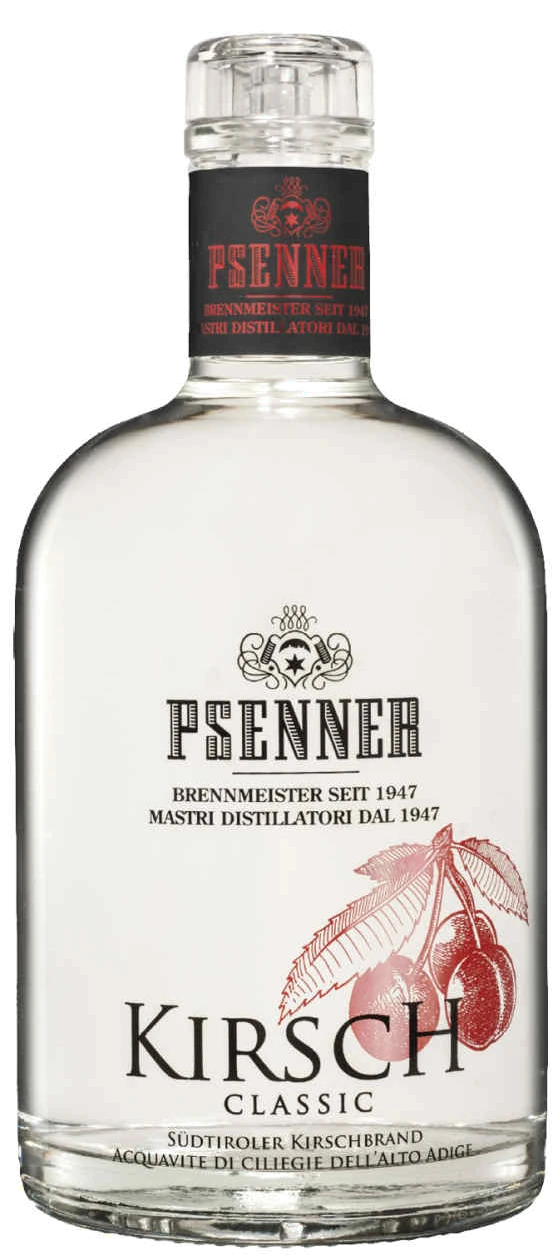
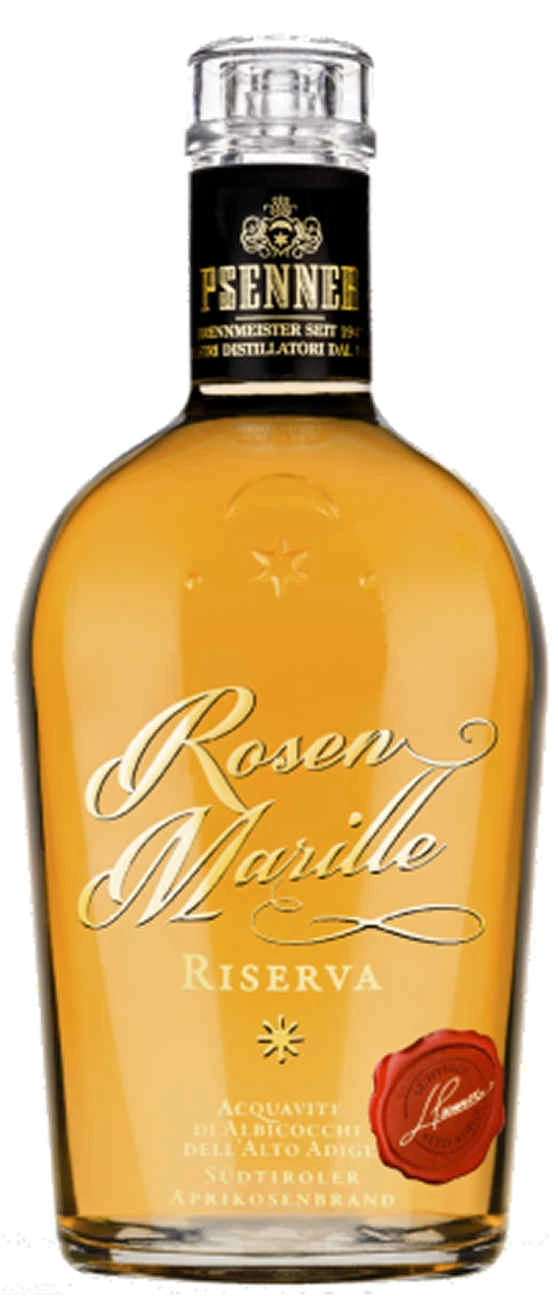
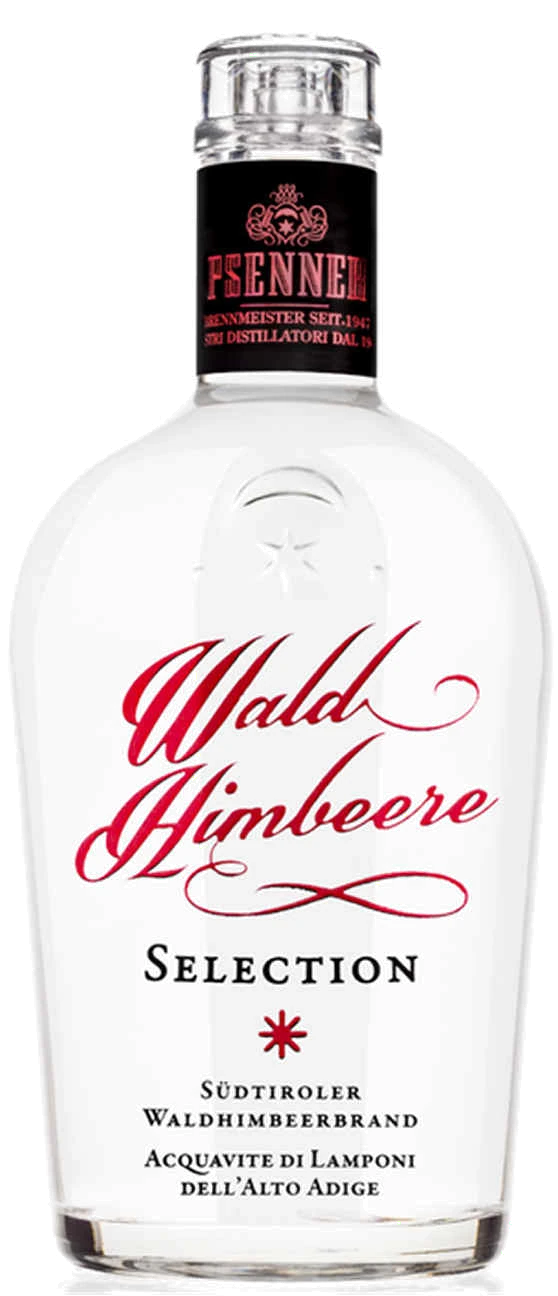
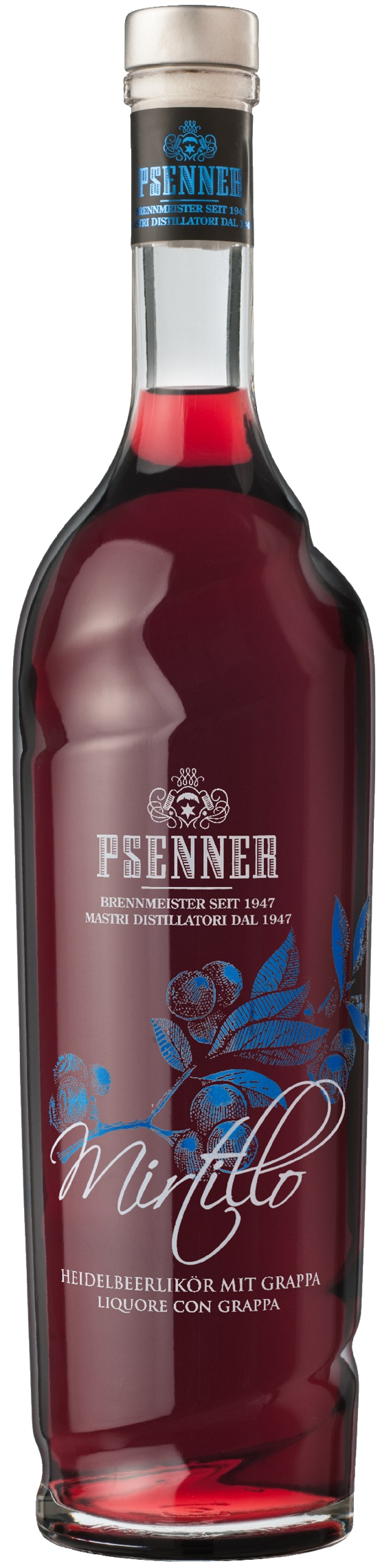
From the first still to a pioneering role in South Tyrol
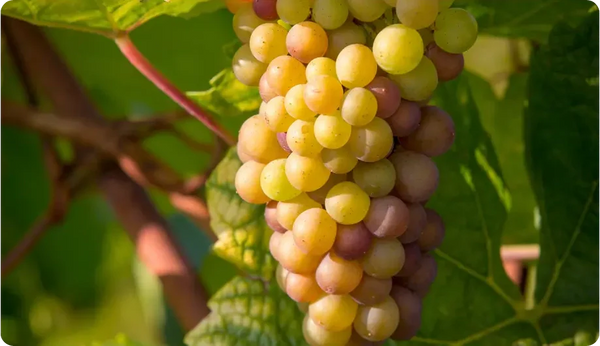
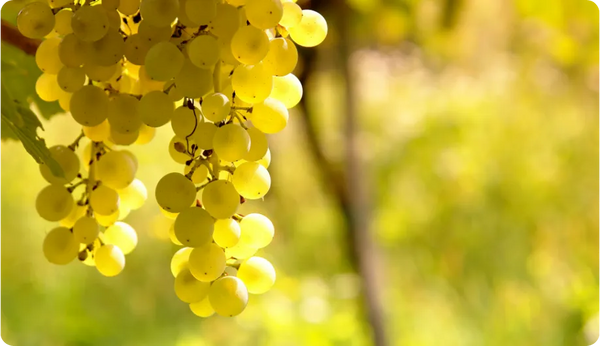
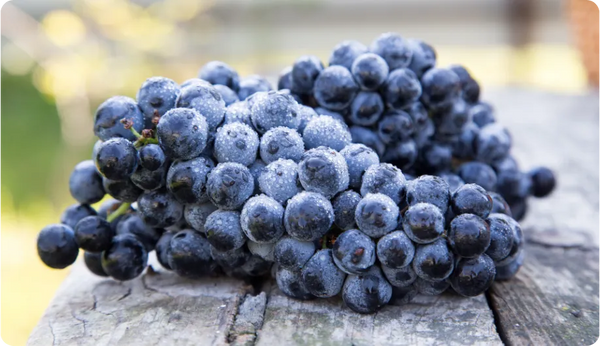
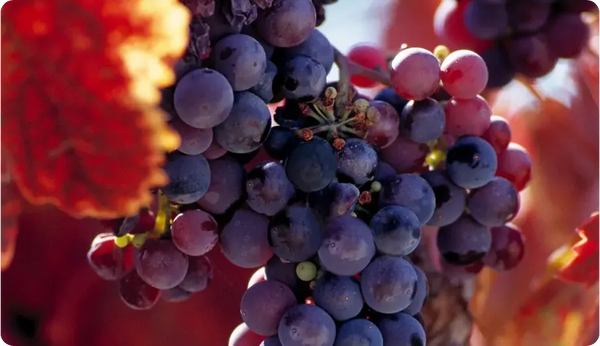
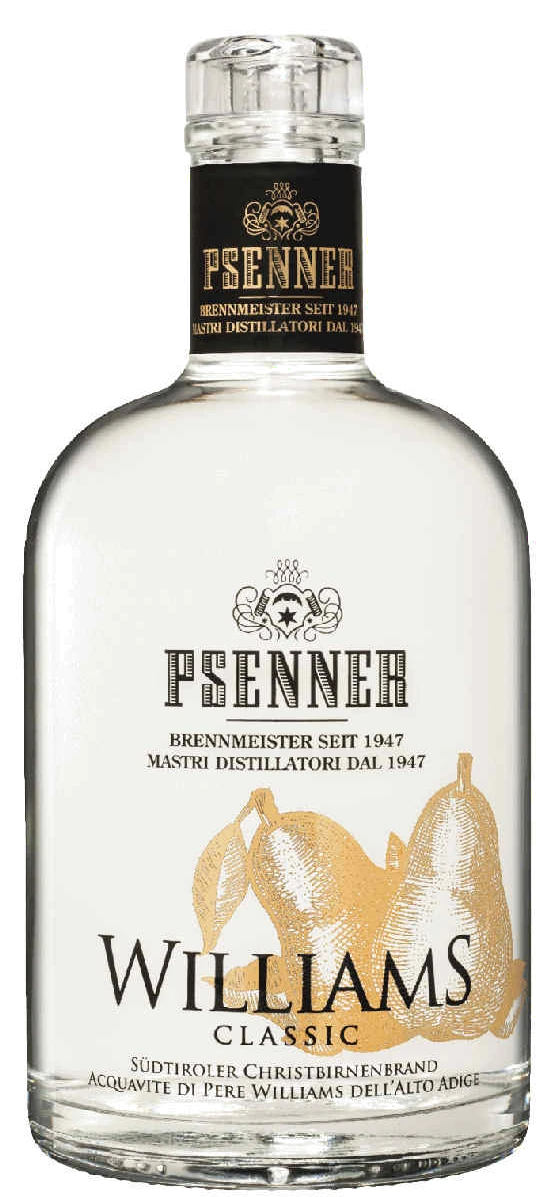
The Psenner distillery goes back to a single man: Ludwig Psenner, born in 1920 in Tramin an der Weinstraße, the village at the foot of the South Tyrolean Alps that gave the Gewürztraminer grape variety its name. As an autodidact, he taught himself the art of distilling early on. In 1947, at the age of 27, he put his first still into operation and distilled his first grappa from the grape pomace of the surrounding area. What began as a one-man operation quickly grew beyond the region: in 1952, Ludwig Psenner expanded production to fruit brandies, and Psenner was thus one of the first distilleries in Italy to produce a Williams pear brandy — a milestone that generated international attention. His reputation as a grappa expert was so great that he was the only South Tyrolean representative in Rome to participate in the development of the regulations for Italian grappa. Today, Werner Psenner continues to run the family business in the second generation.
Craftsmanship, wood, and the patience of the barrel
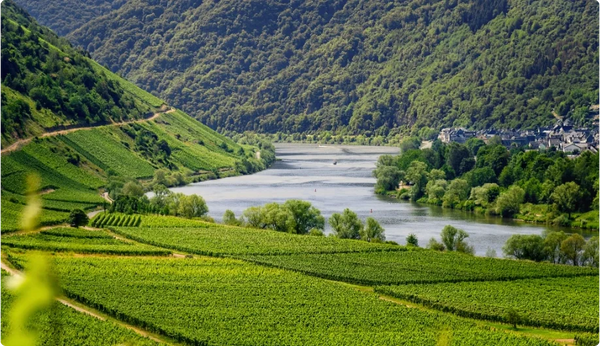
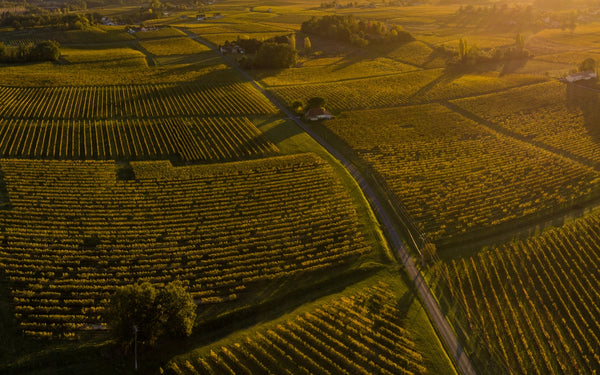
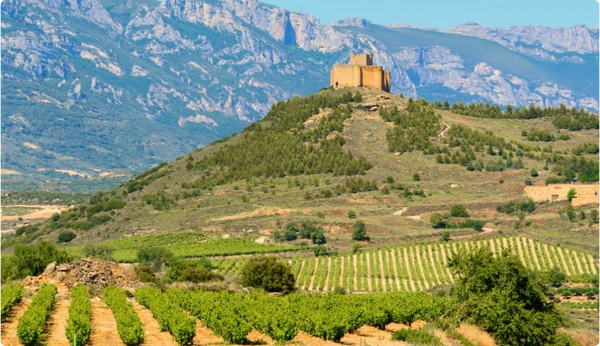
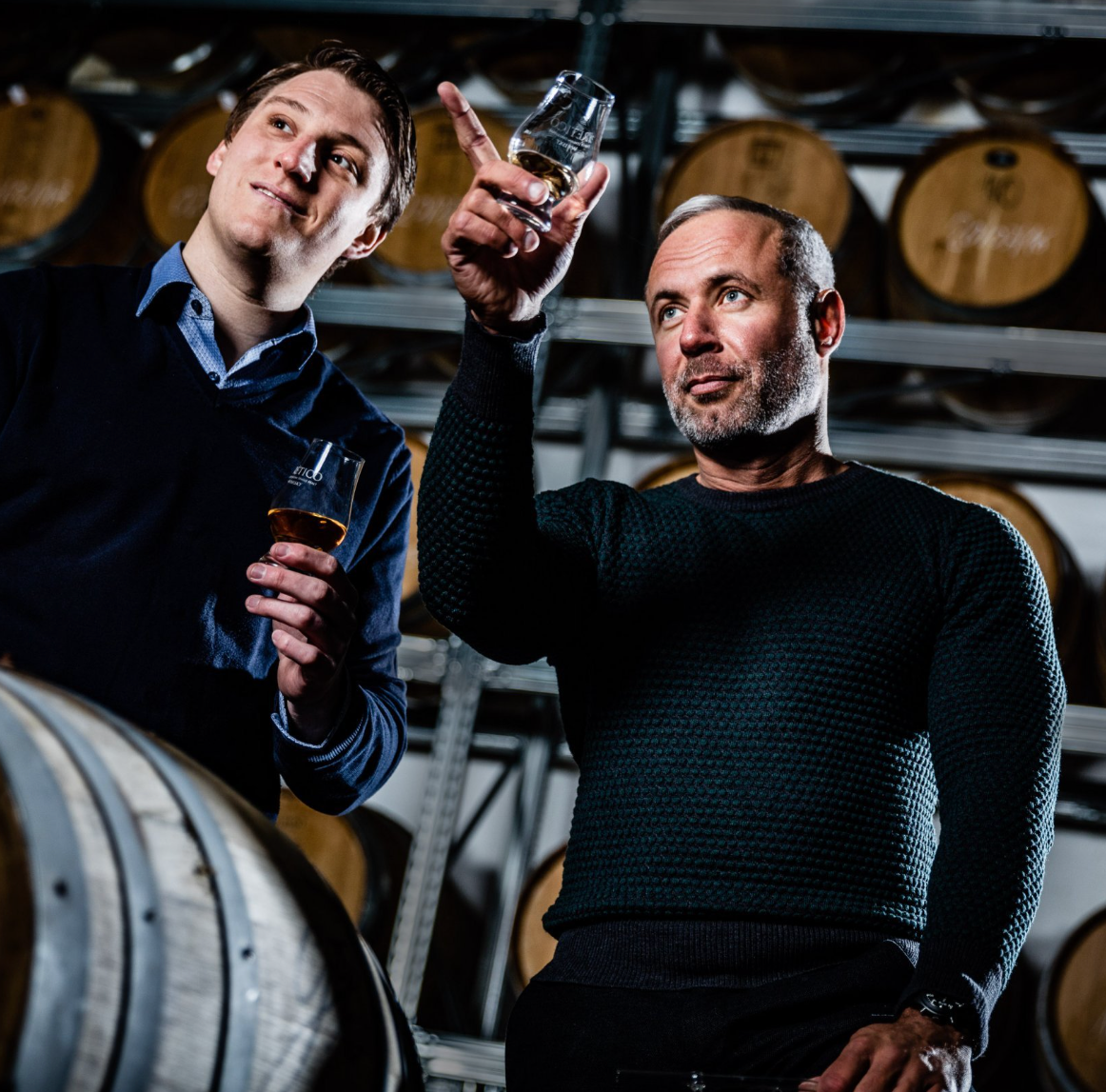
Tramin is nestled between orchards and vineyards south of Bolzano — a location that provides the raw material for Psenner's distillates right on the doorstep. The distillery's self-image is based on a clear principle: to get as close as possible to the natural aroma of the fruit and to capture it through precise distillation. Technological advancement and traditional craftsmanship are not mutually exclusive at Psenner, but rather depend on each other. A central element of production is barrel aging: selected barrique barrels give the distillates depth and their own aromatic notes, and more than 800 barrels are currently maturing in the cellar. Werner Psenner puts it this way himself — a barrel is finished when it is finished, not when a deadline demands it. This attitude shapes the entire range, from barrel-aged fruit brandies to single malt whisky.
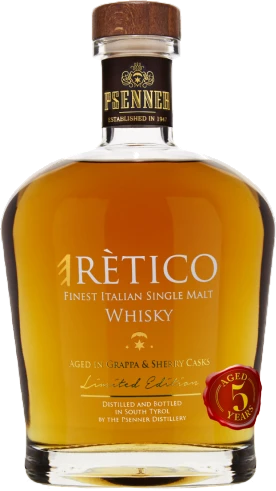
The knowledge of three generations flows into every production — from the selection of raw materials to the decision of when a brandy has reached its optimum. The distillery attaches importance to understanding regional identity not as a marketing promise, but as an artisanal foundation: the fruit comes from the immediate vicinity, the water from the region, and the eRètico Single Malt Whisky also carries a reference to the Raeti, the ancient people of South Tyrol, in its name — an explicitly alpine origin story.
Grappa, fruit brandy, whisky — a range with attitude
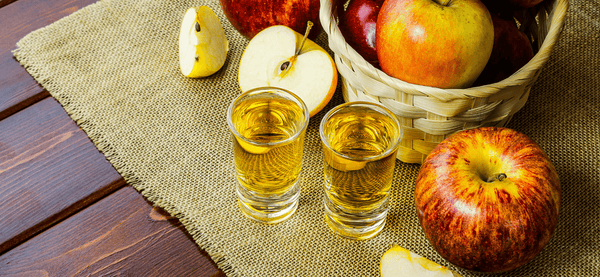
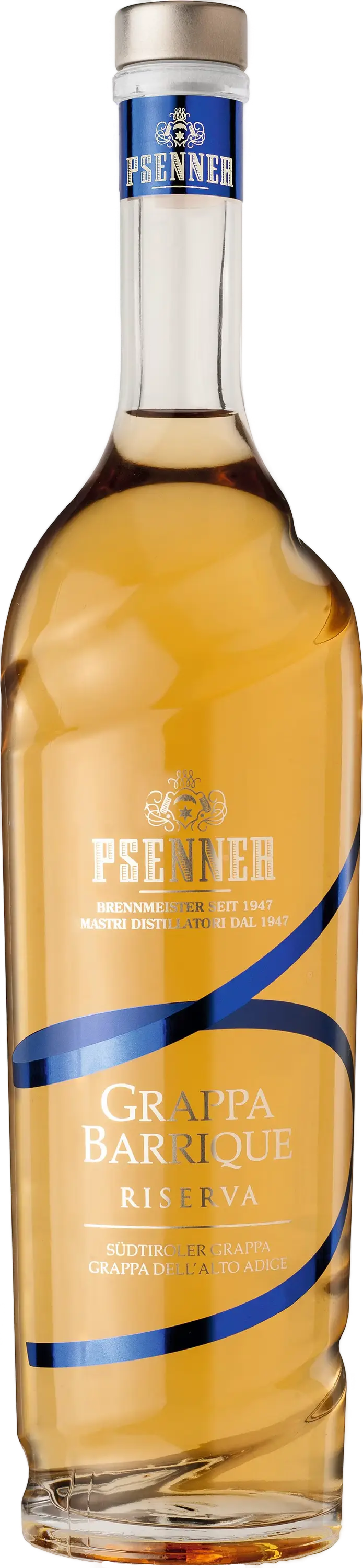
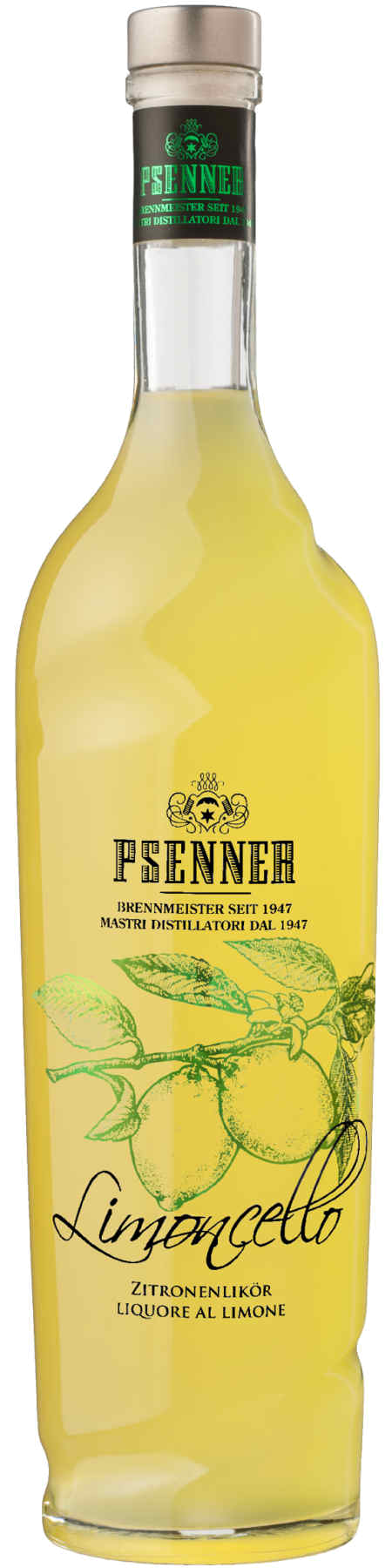
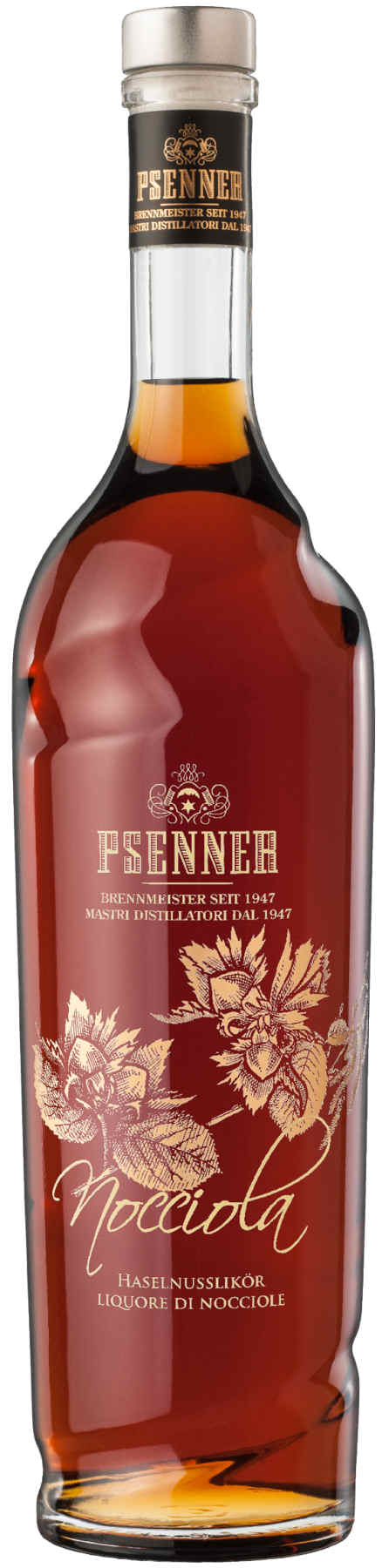
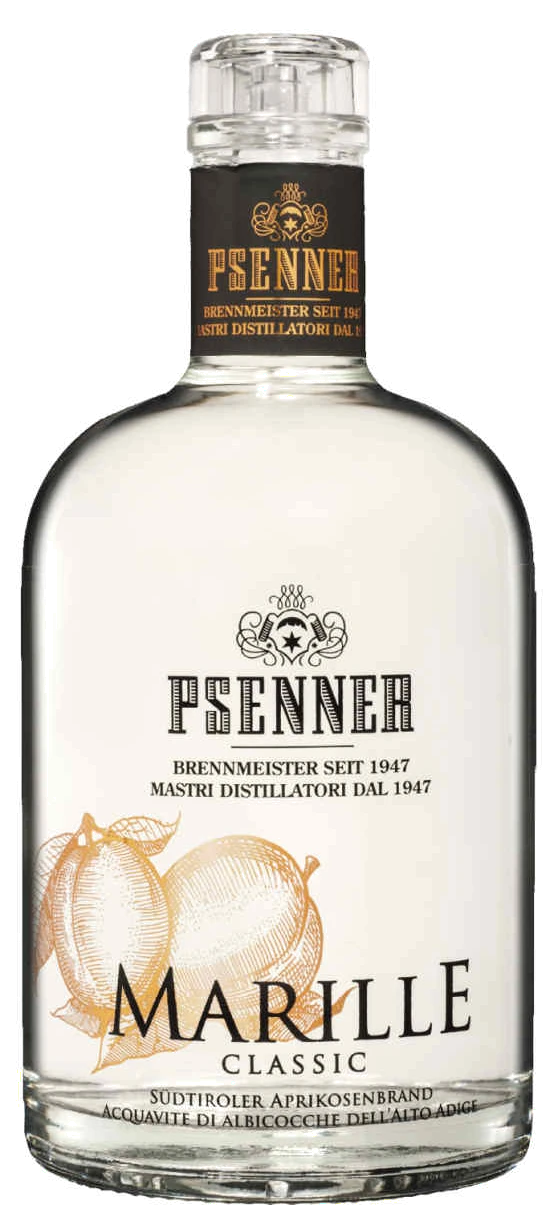
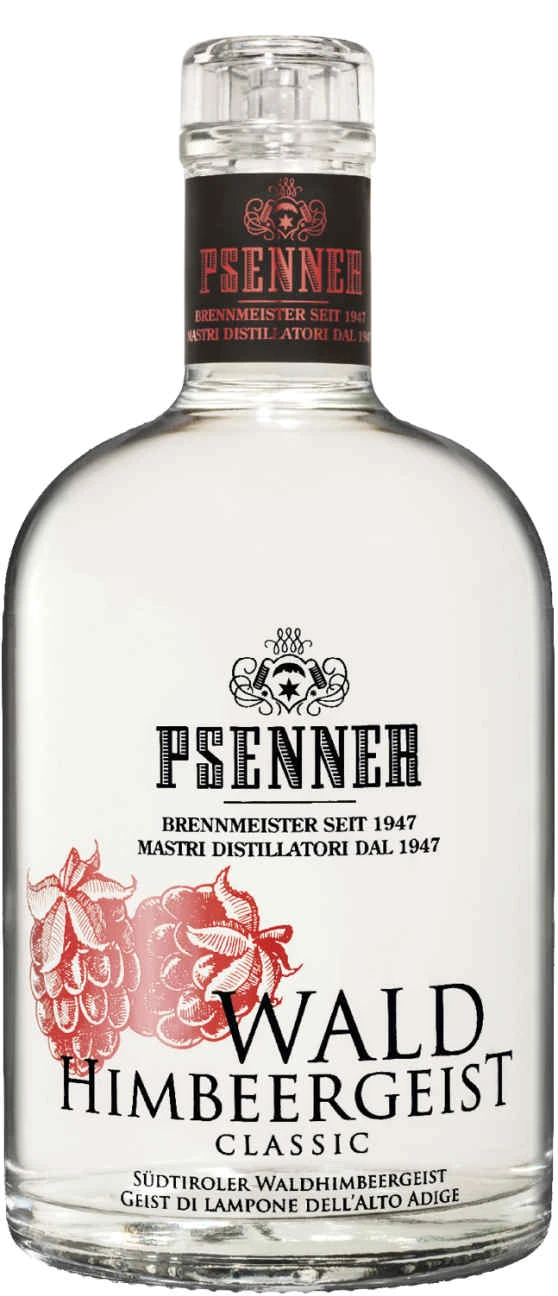
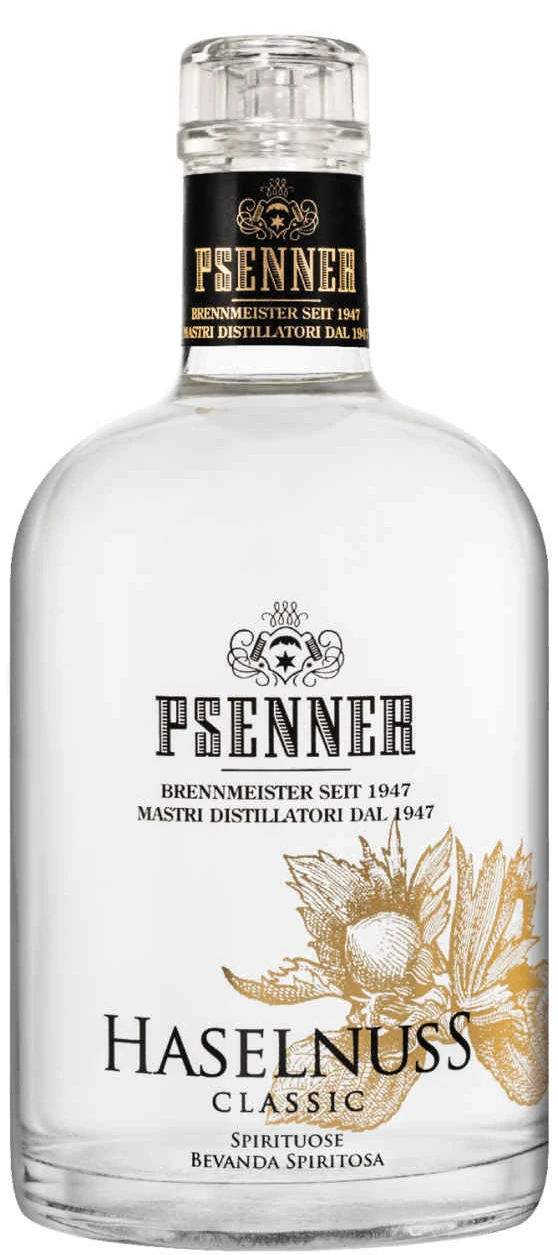
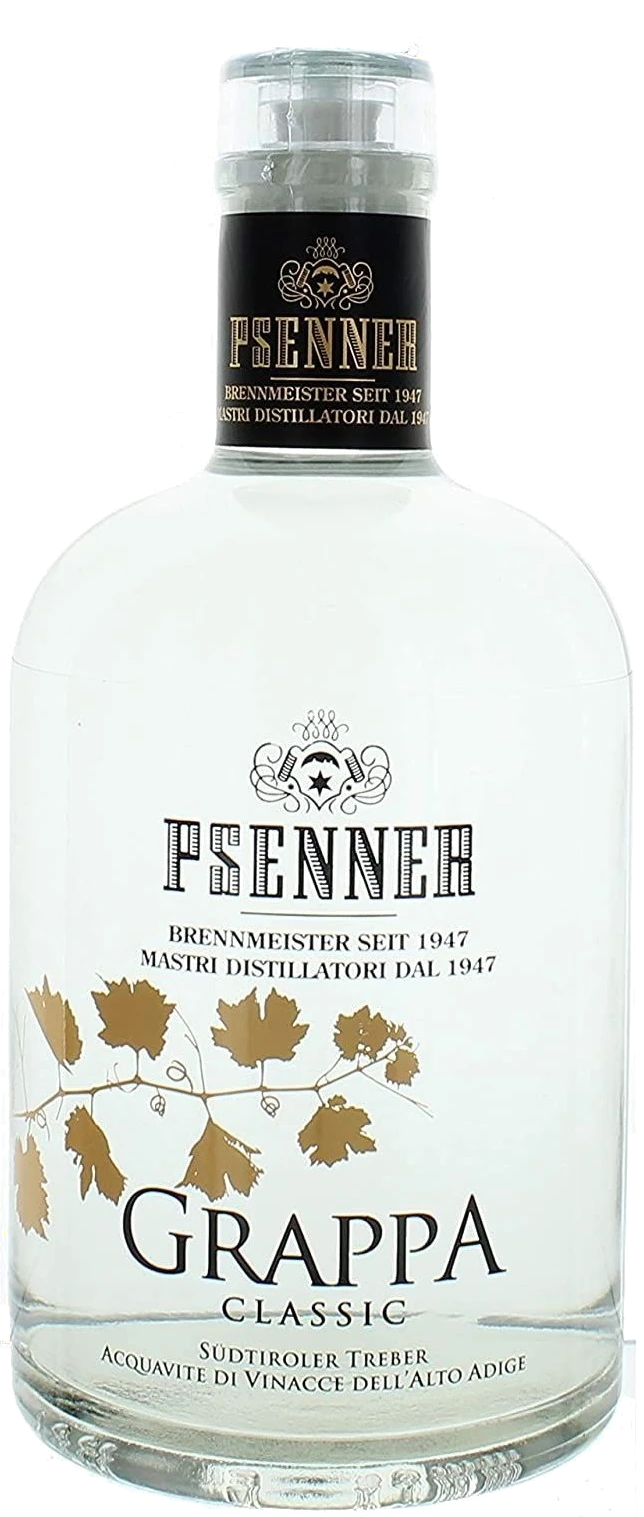
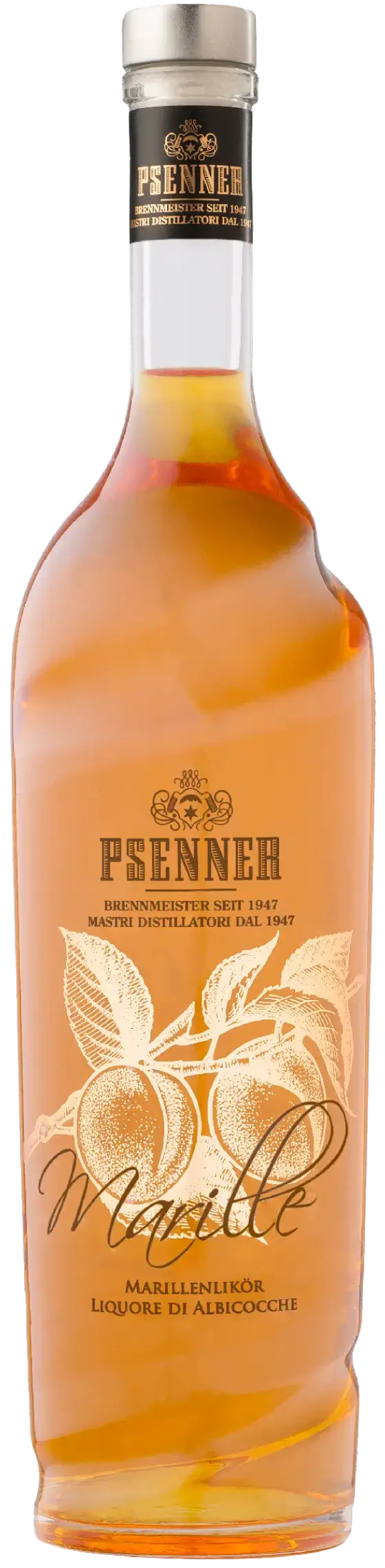
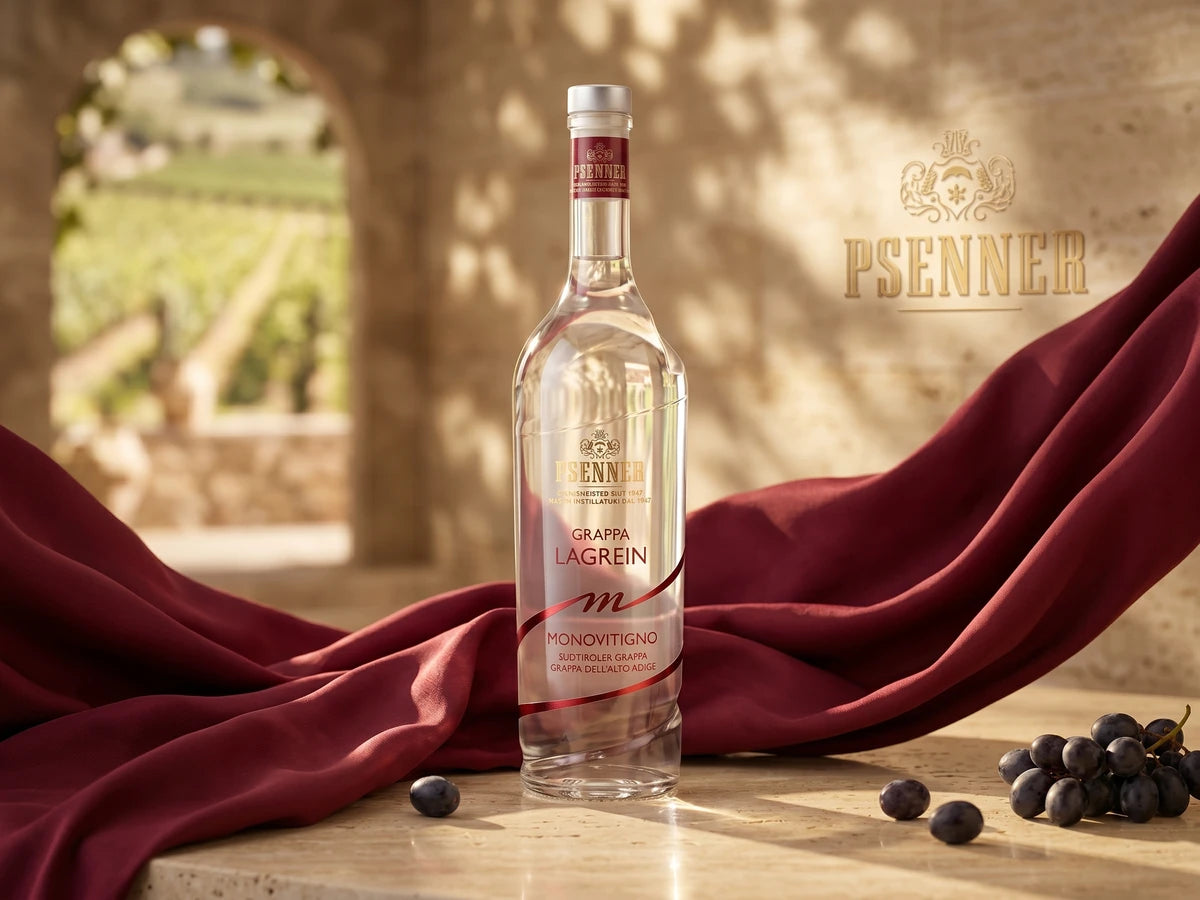
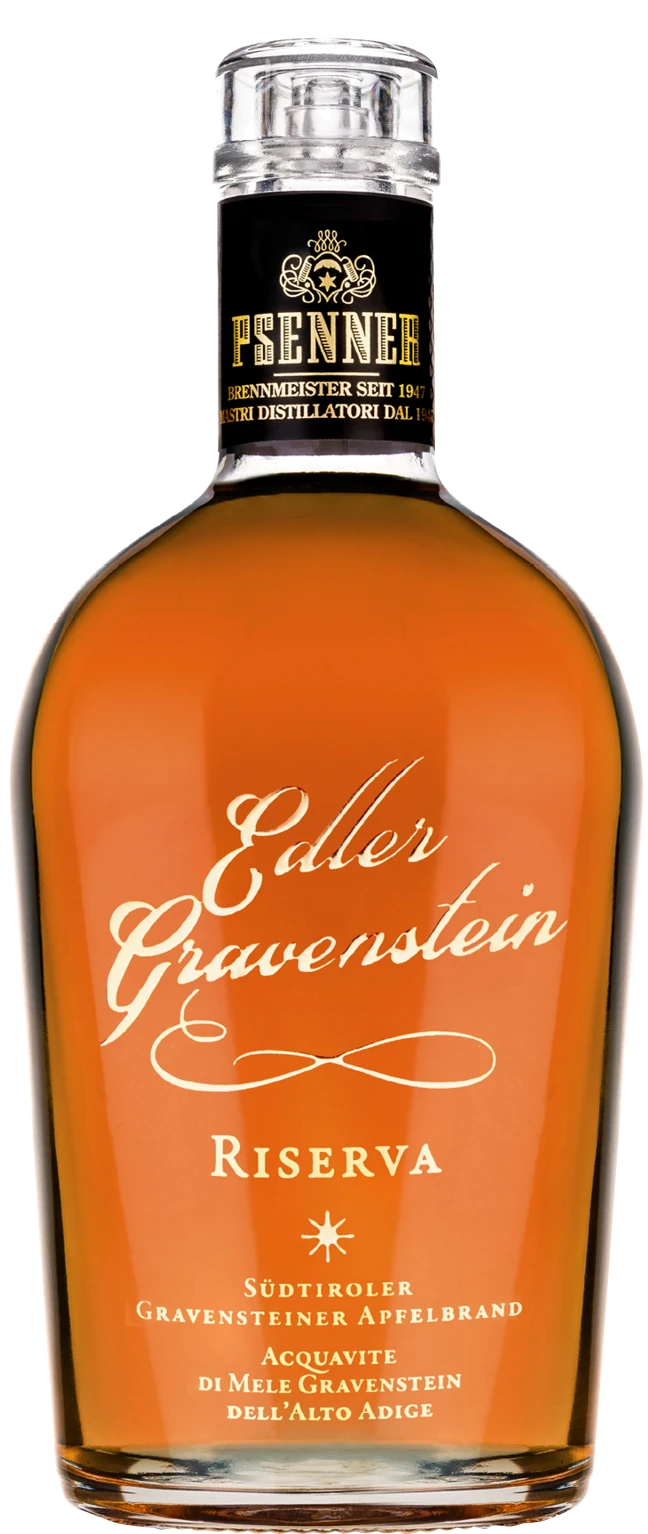
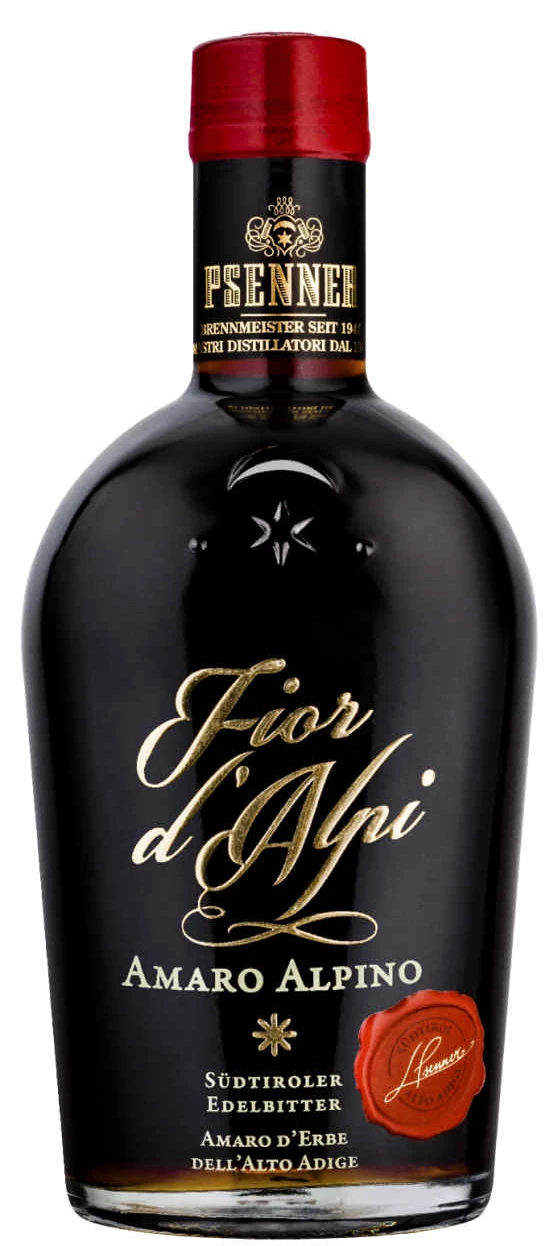
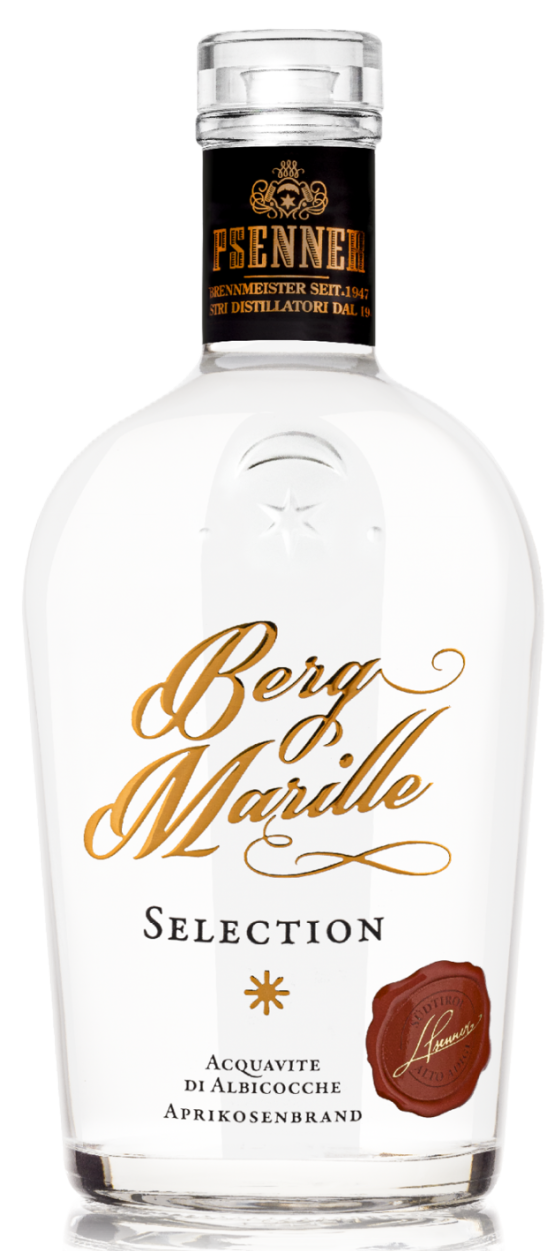
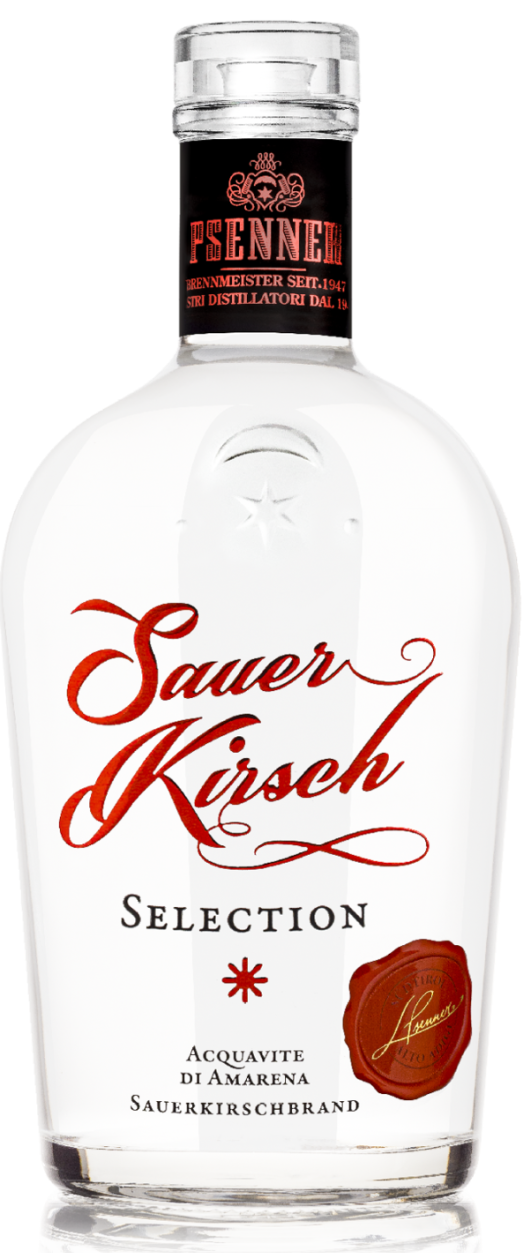
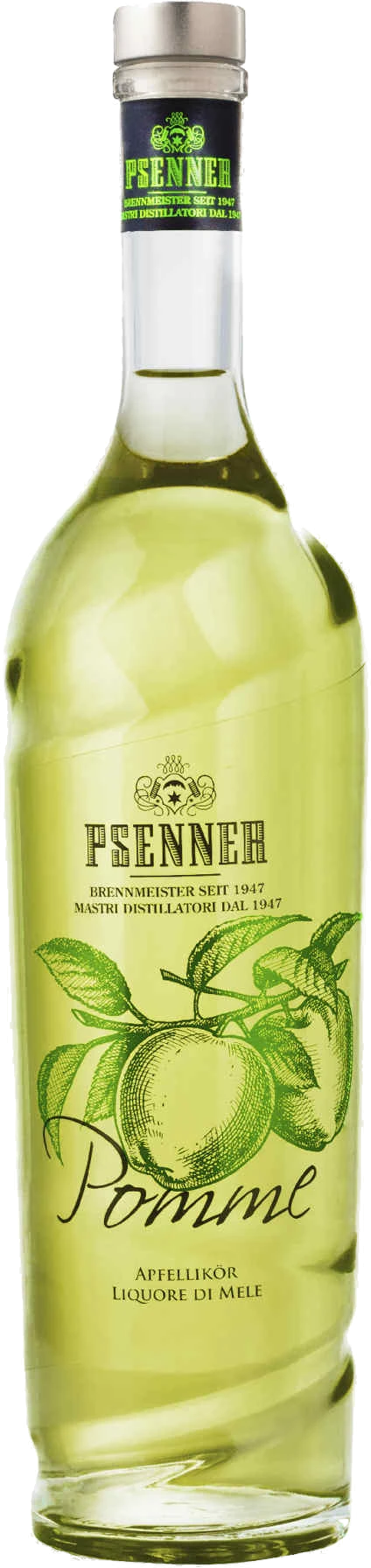
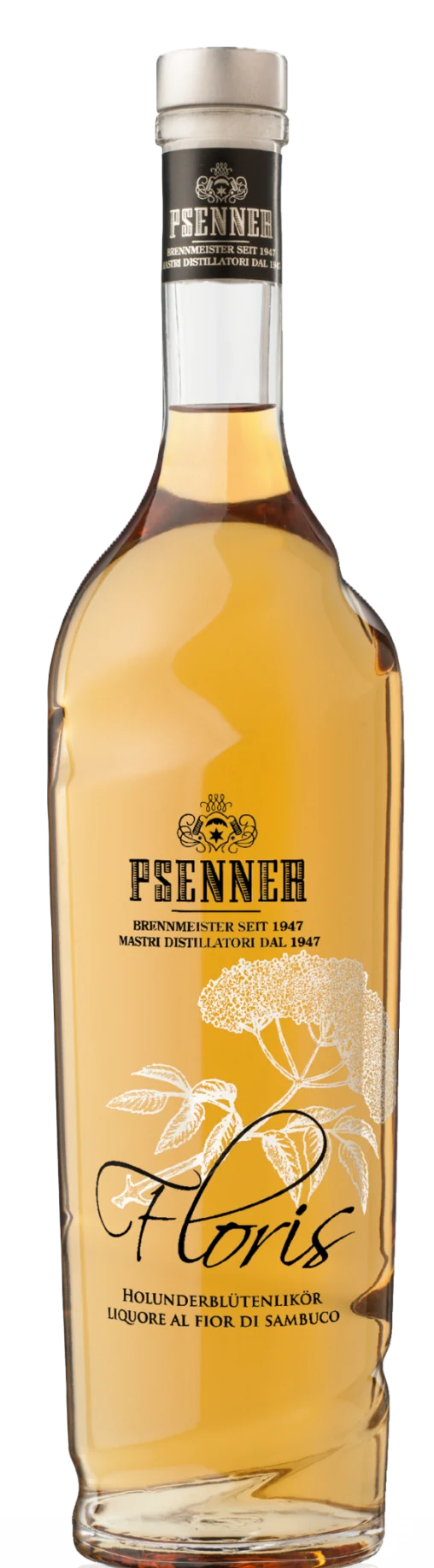
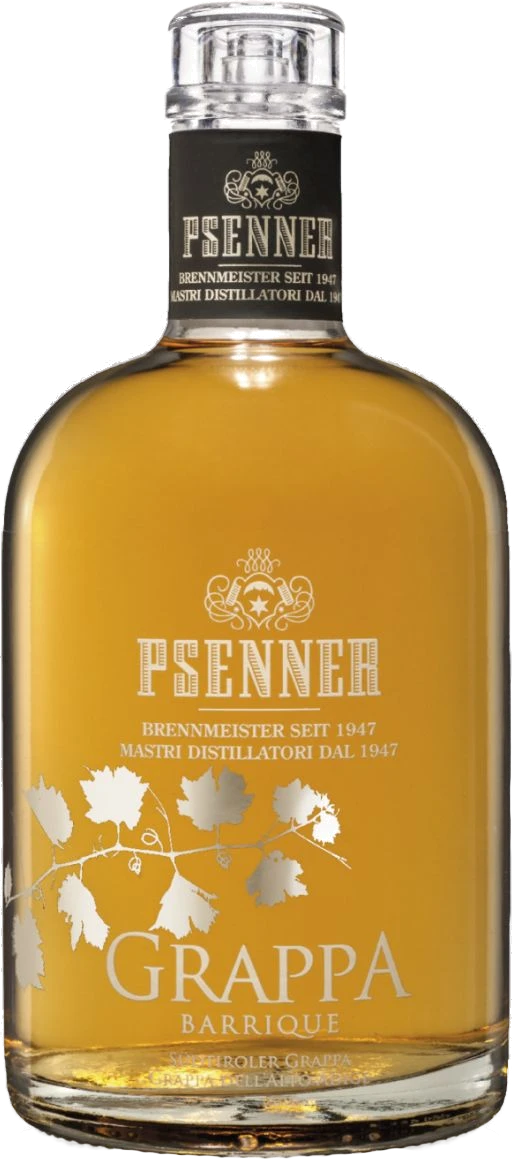
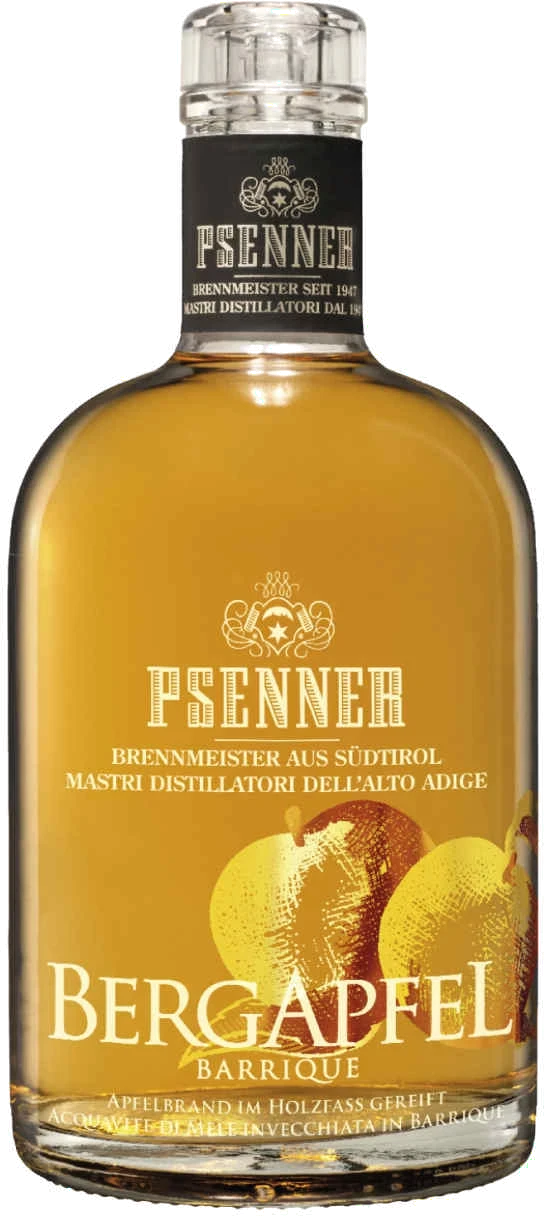
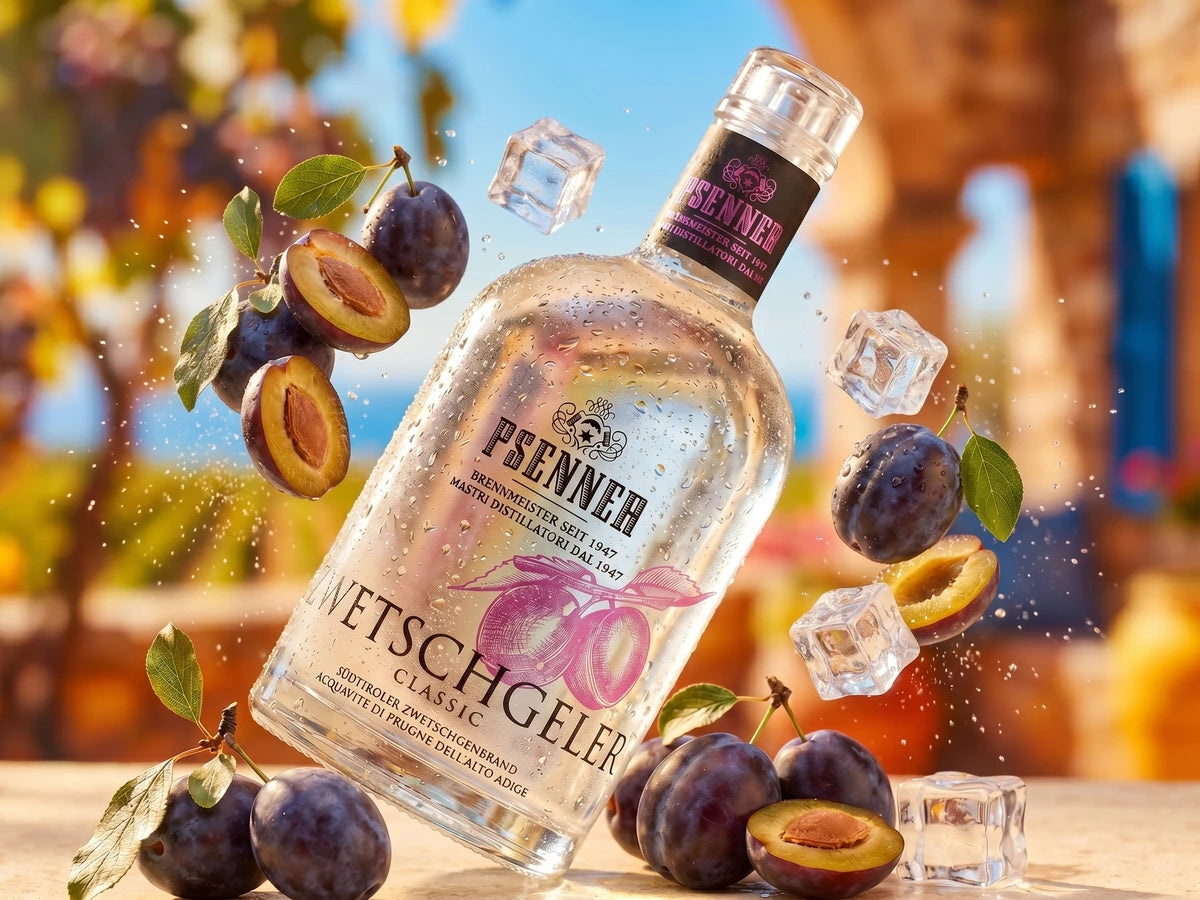
The spectrum at Psenner ranges from classic grappas made from South Tyrolean grapes to varietal fruit brandies — including Williams pear, Gravenstein apple, and mountain apricot — to barrel-aged Riserva bottlings that spend significantly more time in wood than the market standard. The Gold Riserva line stands for maximum maturation time and concentration. With the eRètico, Psenner has also brought Italy's first single malt whisky to the market — proof that the distillery knows traditional expectations but does not serve them slavishly. The core program is supplemented by alpine liqueurs such as the Fior d'Alpi and the elderflower liqueur Floris, which are based on traditional recipes and interpreted in a contemporary way. What all products have in common: they are created in a single place, in Tramin, in a distillery that derives its claim from the origin of the raw material — not the other way around.