From seven rows of vines to a Sardinian wine icon
When Antonio Argiolas took over his father's first vineyards in 1938 in Serdiana — a small town about 20 kilometers north of Cagliari — there were just seven acres of vines. At a time when Sardinian wine was sent to the mainland almost exclusively as blending wine, Antonio focused on quality instead of quantity: he persistently expanded his property, carefully selected grape varieties, and was thus the first producer on the island to take the step toward modern winemaking. Antonio Argiolas, born in 1906 and died in 2009 at the age of 102, fundamentally helped shape Sardinian wine culture.
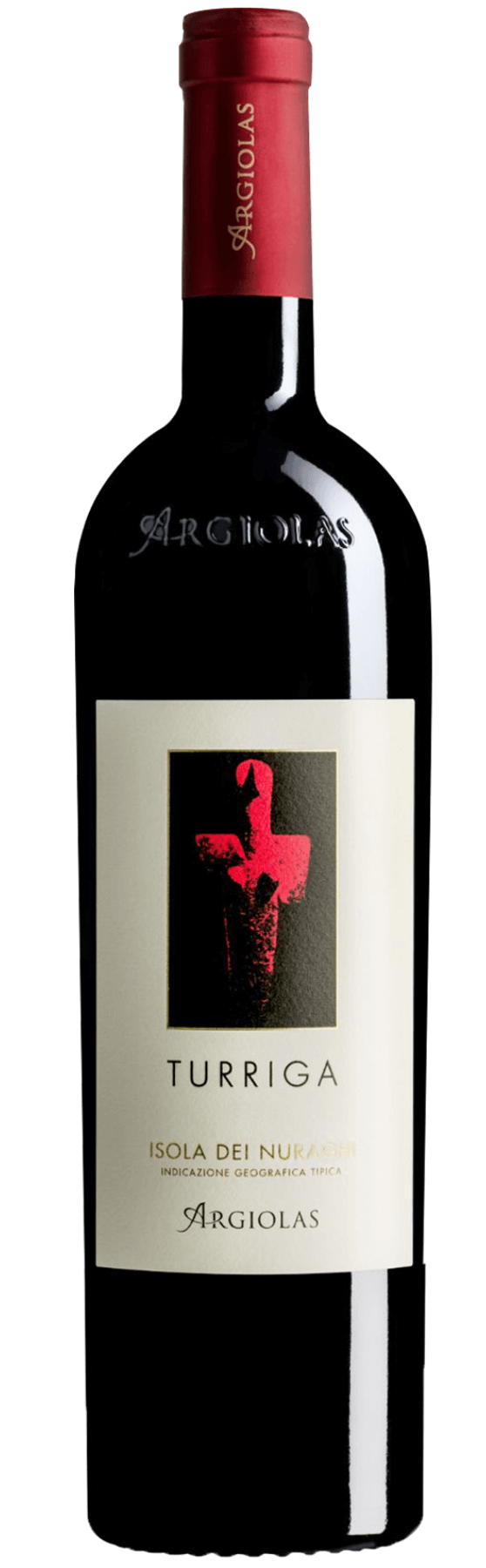
His sons Franco and Giuseppe continued to run the winery in the second generation and laid the foundation for its international breakthrough: together with the legendary oenologist Giacomo Tachis, they developed the winery's prestige line in the 1980s — including the Turriga, whose first vintage was harvested in 1988 and bottled for the first time in 1991. Today, Antonio's grandchildren Valentina, Francesca, and Antonio are responsible for the estate — with the same ambition that the patriarch had once formulated.
Indigenous grape varieties, integrated cultivation, two terroirs
The Argiolas vineyards are spread over around 250 hectares in two clearly distinct locations: in the Trexenta hills east of Cagliari and in the Sulcis on the southwest coast near Porto Pino. The soils alternate between calcareous clay and sand, the sites are located between 250 and 350 meters above sea level — Mediterranean climate, constant wind, intense sunlight. Only native Sardinian grape varieties are grown: Cannonau, Vermentino, Carignano, Monica, Bovale Sardo, Nuragus, and Nasco, including many that have almost disappeared elsewhere. A dedicated experimental vineyard serves to preserve and research these indigenous varieties.
In the cellar, Mariano Murru works as the winery's technical director, once a student of Giacomo Tachis. The prestige wines mature in French barriques and are classified under the IGT Isola dei Nuraghi — a conscious decision that allows more freedom in grape variety composition and aging than the strict DOC rules would allow. In the vineyard, Argiolas has been committed to integrated cultivation for more than two decades: minimized use of synthetic chemical agents, targeted water management, and the gradual transition to renewable energy.
Two lines, one ambition — from fresh to age-worthy
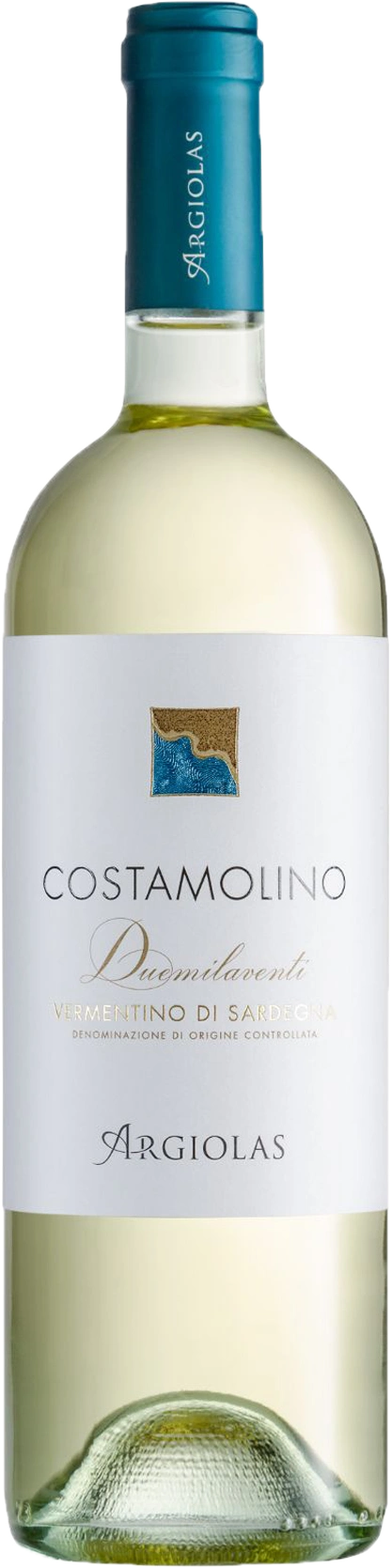
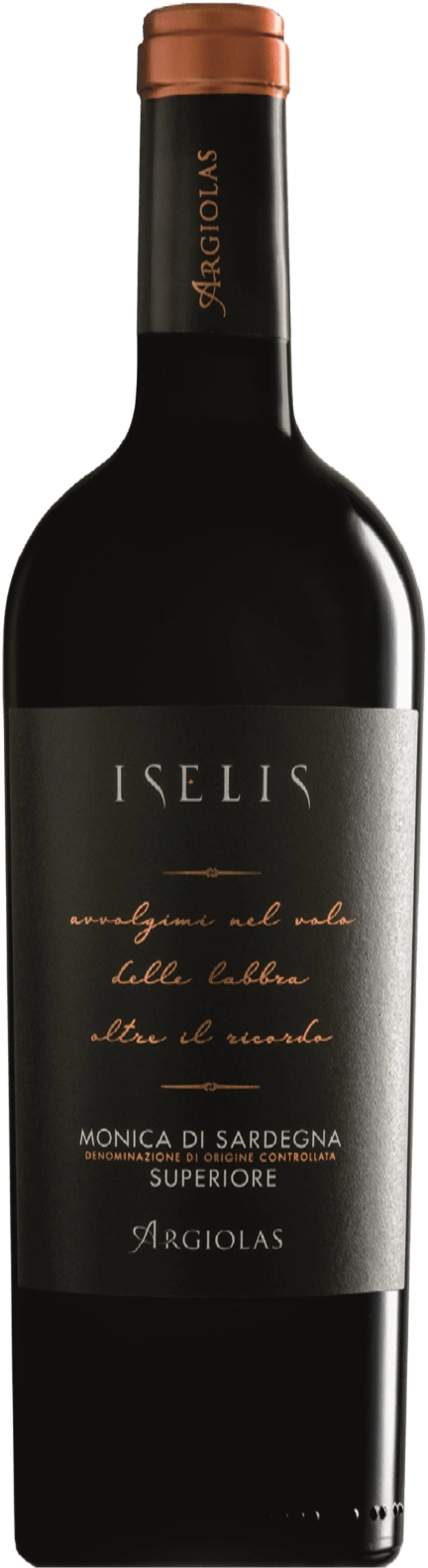
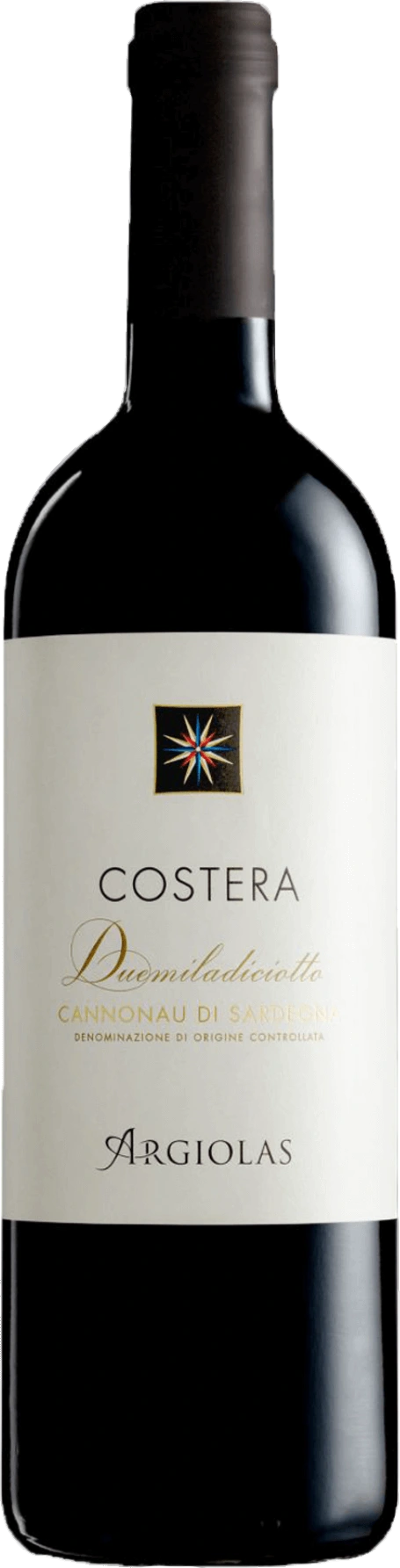
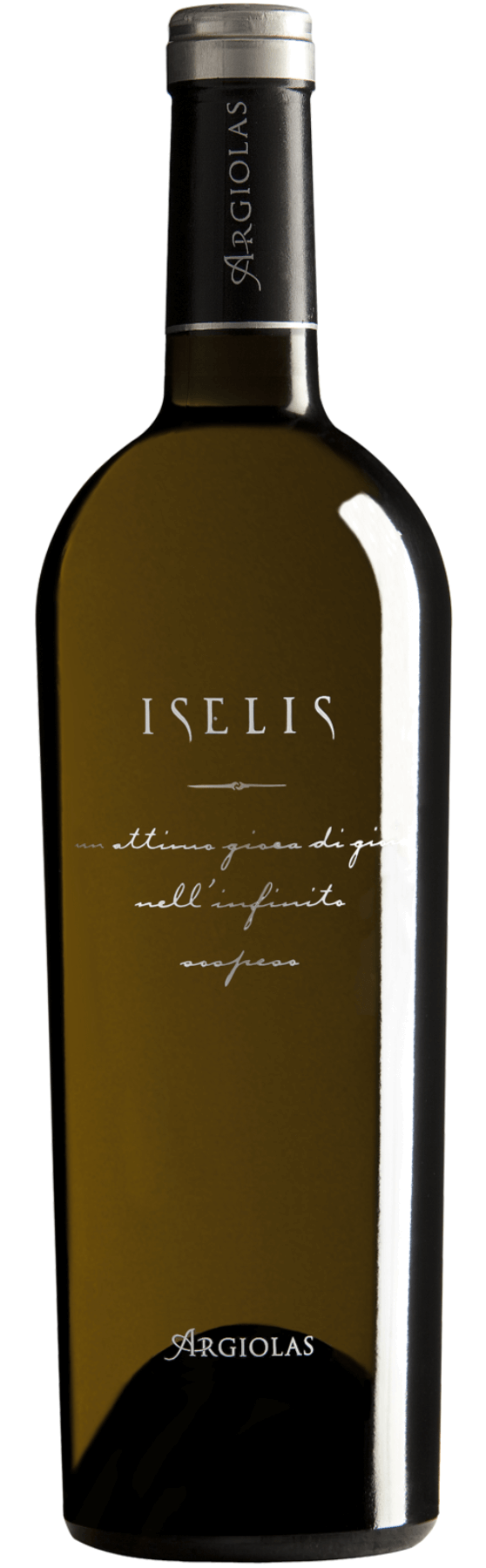
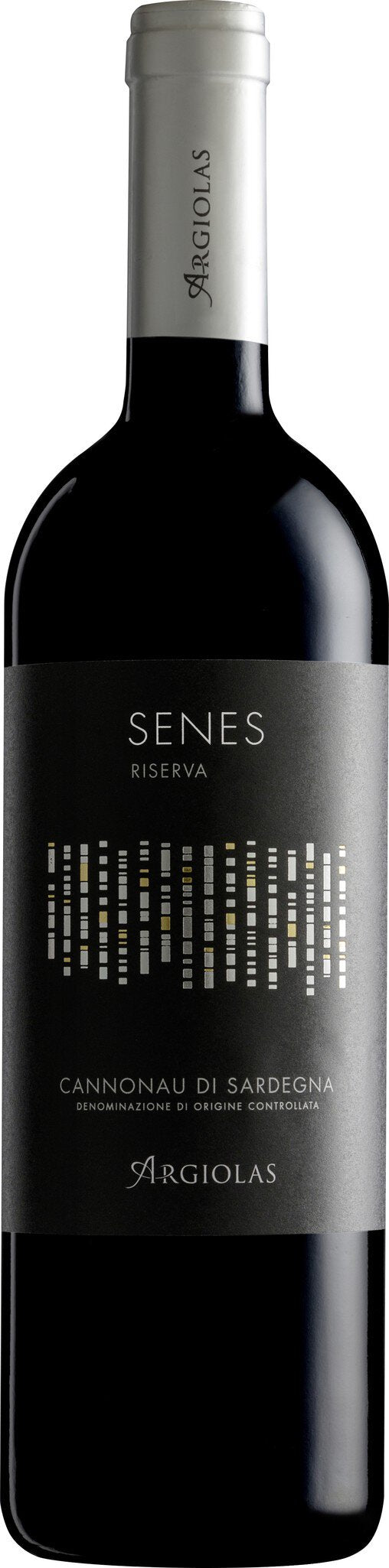
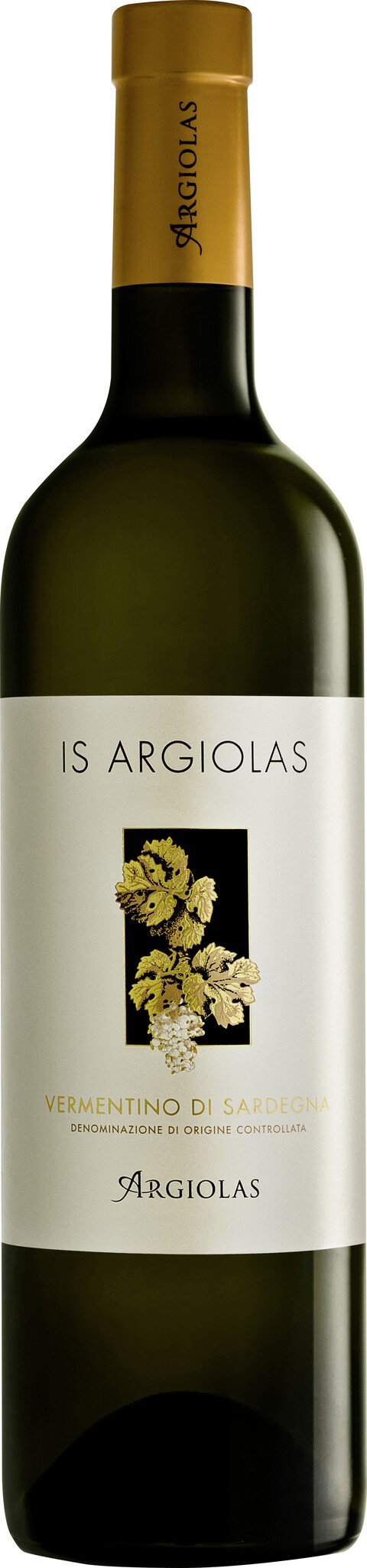
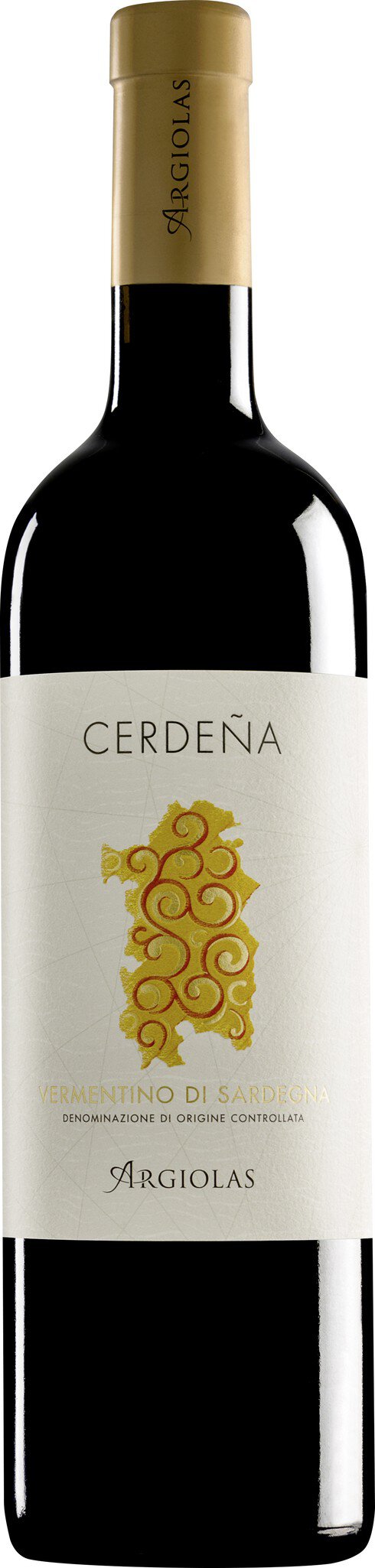
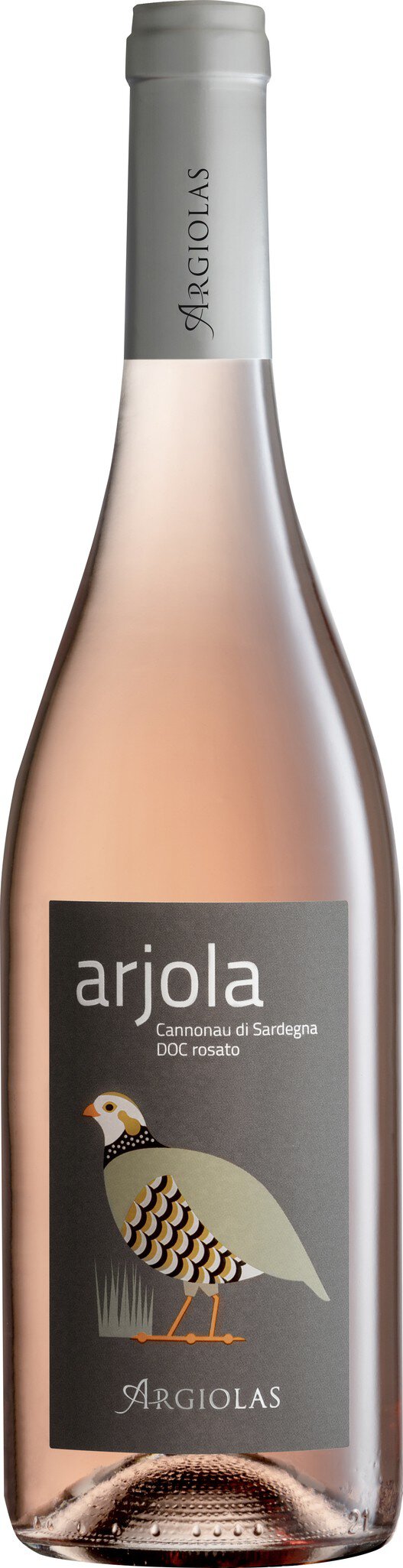
The range is divided into a classic and a prestige line. The classic wines under various DOC designations — Cannonau di Sardegna, Vermentino di Sardegna, Monica di Sardegna, Nuragus di Cagliari, Carignano del Sulcis — stand for easy-drinking, characterful everyday wines with a Mediterranean profile: sun-ripened fruit, fresh acidity, spicy herbal notes. The prestige line under the IGT Isola dei Nuraghi sets different standards: the Turriga — a Cannonau-dominated cuvée with Malvasia Nera, Carignano, and Bovale Sardo, aged for 18 to 24 months in French barriques — is regularly awarded three glasses in the Gambero Rosso and is one of Italy's most famous red wines. Alongside it, the Korem made from Bovale Sardo stands as another representative of the prestige line. The goal that Valentina Argiolas formulated for her winery has remained unchanged: to showcase Sardinian grape varieties that had almost been forgotten, with a style that fits at tables worldwide.