From land reform to cooperative: the roots in the Nurra land
The history of Cantina Santa Maria la Palma does not begin in a winery office, but on barren ground. After the land reform of 1946, which accompanied the end of the Second World War, farm workers in the northwest Sardinian Nurra area — the plains between the Gulf of Alghero and the Bay of Porto Conte — received their own land for the first time. In 1959, about a hundred of these farming families joined together and founded the Cantina Santa Maria la Palma cooperative. Starting capital: none. What they had was land, experience, and the knowledge that more is possible together than alone. From this sense of community, one of Sardinia's best-known wine producers has grown over the following decades. Today, the Cantina has around 300 members who together cultivate over 700 hectares of vineyards and bottle over five million bottles annually, which are sold throughout Italy and worldwide.
Limestone soil, sea breeze, and professional agronomy
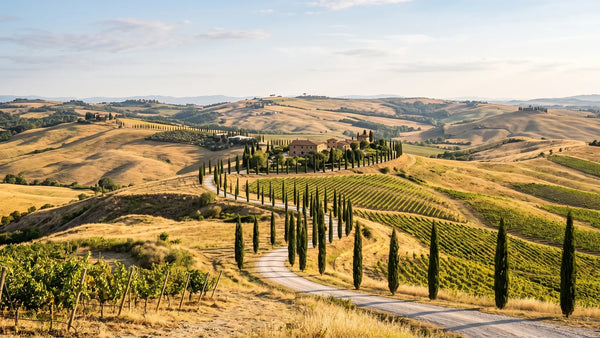
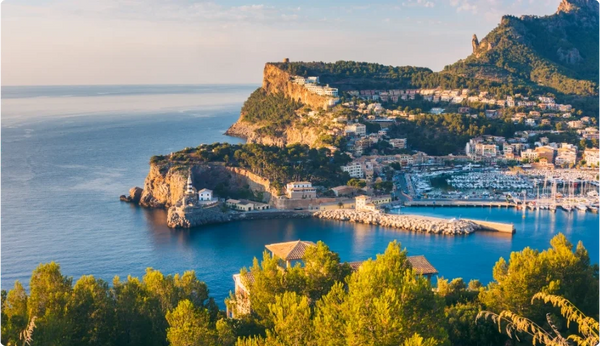
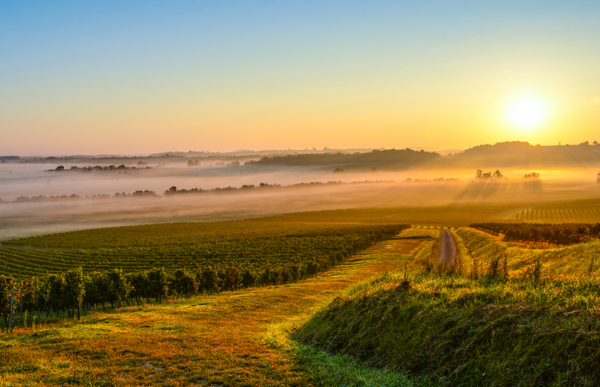
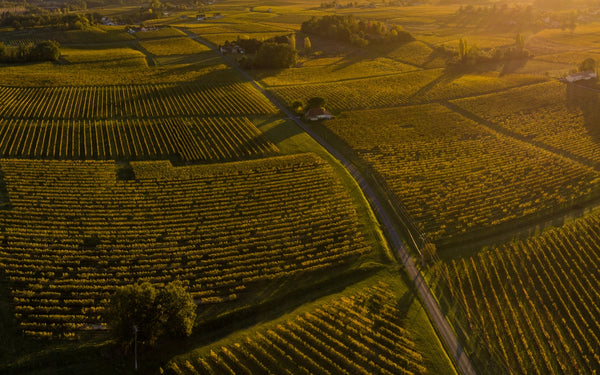
The vineyards are located near the coast on mineral-rich limestone soils and are constantly exposed to the maritime breezes that blow up from the Mediterranean. This terroir — warm, dry summers, mild winters, the cooling proximity of the sea — shapes the style of the wines more than any cellar intervention. To ensure that the respective soils and microclimates are combined with the appropriate grape varieties, professional agronomists accompany the work in the vineyards of all cooperative members. In the cellar, the Cantina combines modern technical know-how with the inherited knowledge of the Sardinian viticultural tradition. The winery is working on converting its energy supply entirely to renewable sources.
Native grape varieties, clear signature: the range
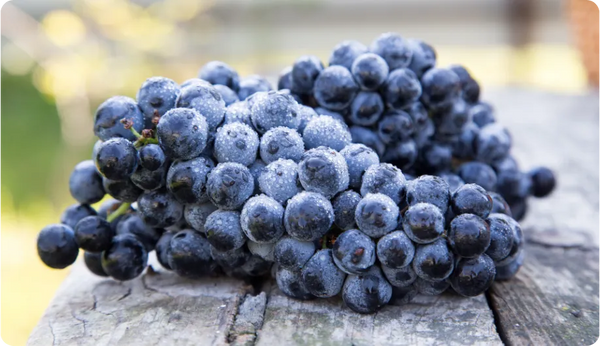
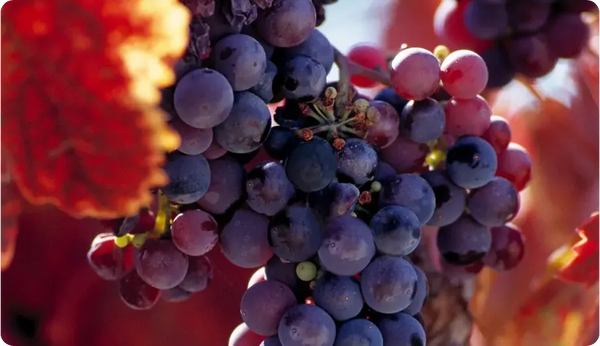
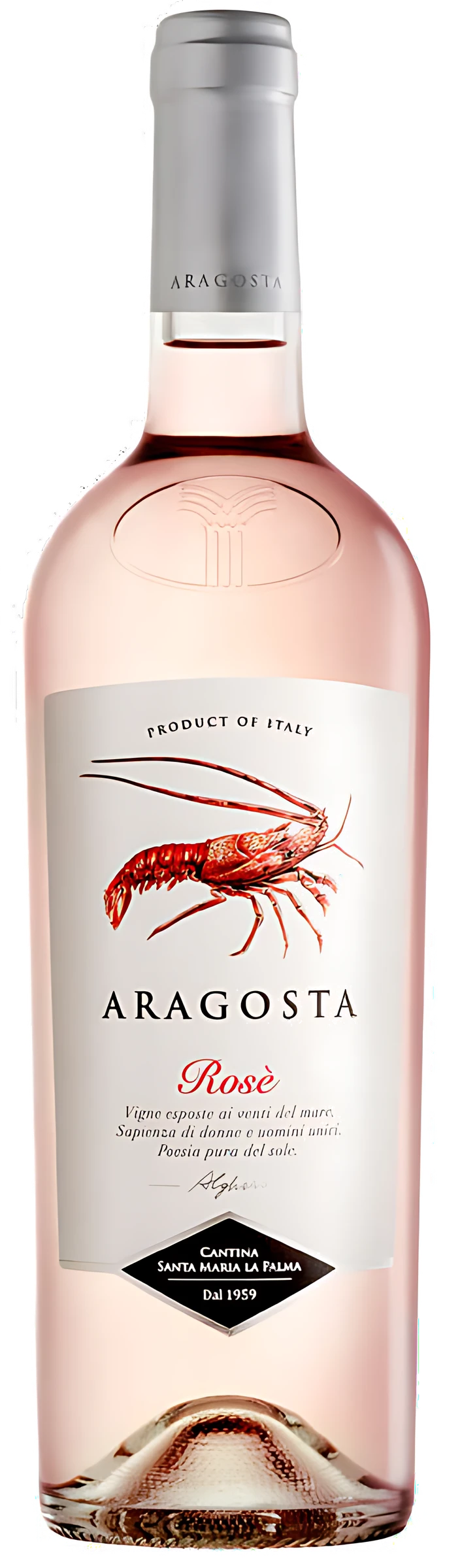
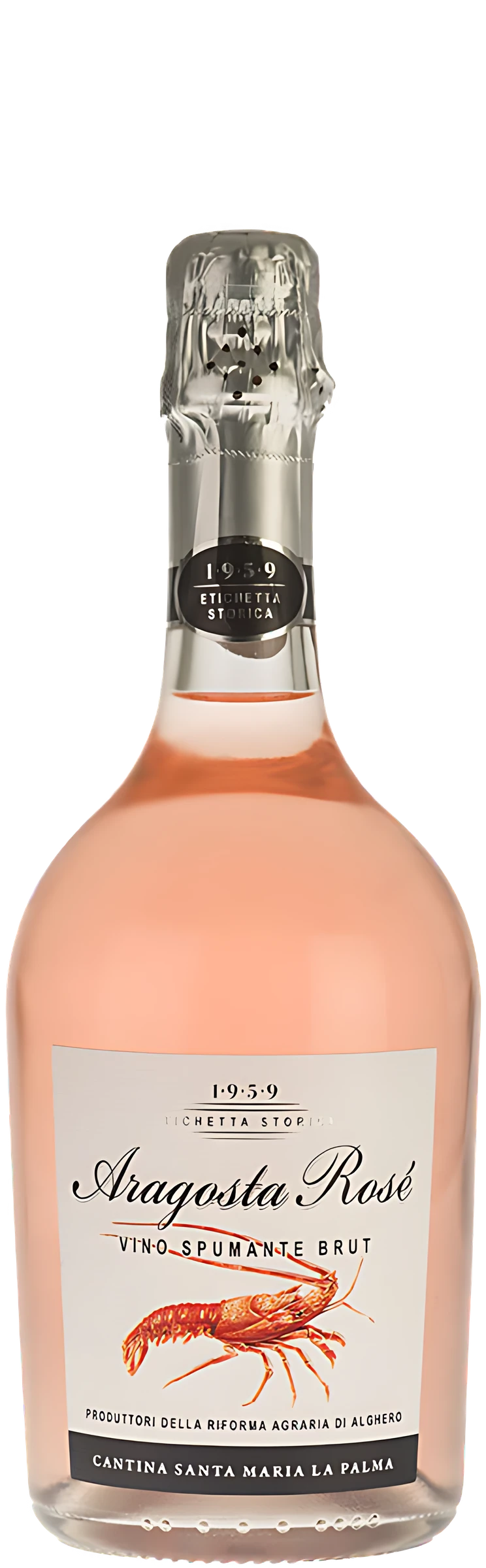
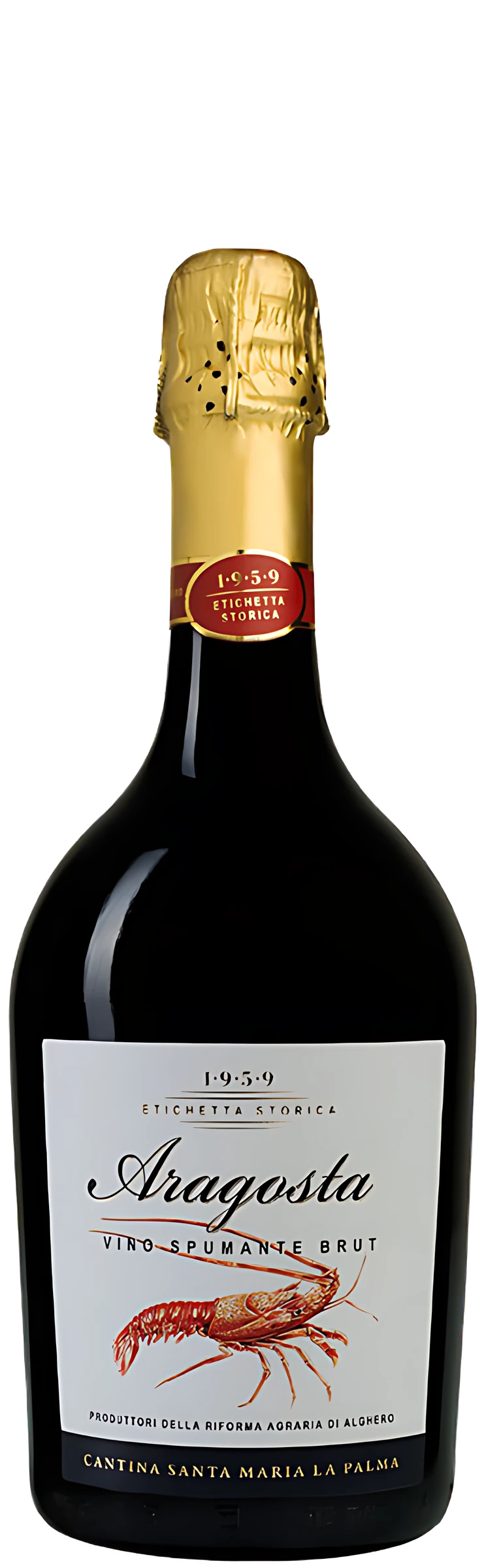
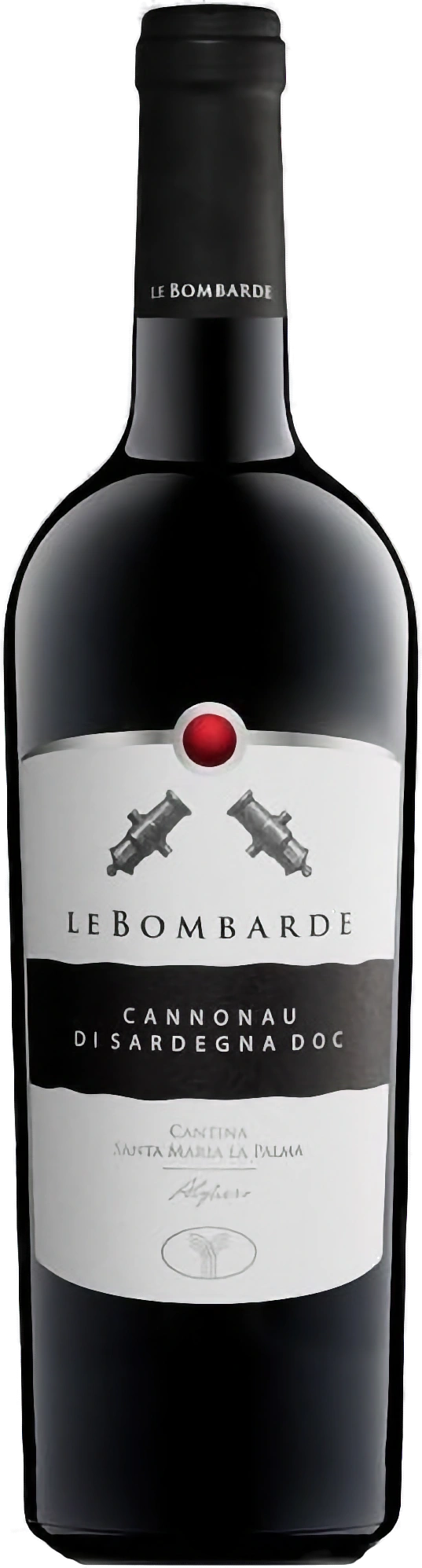
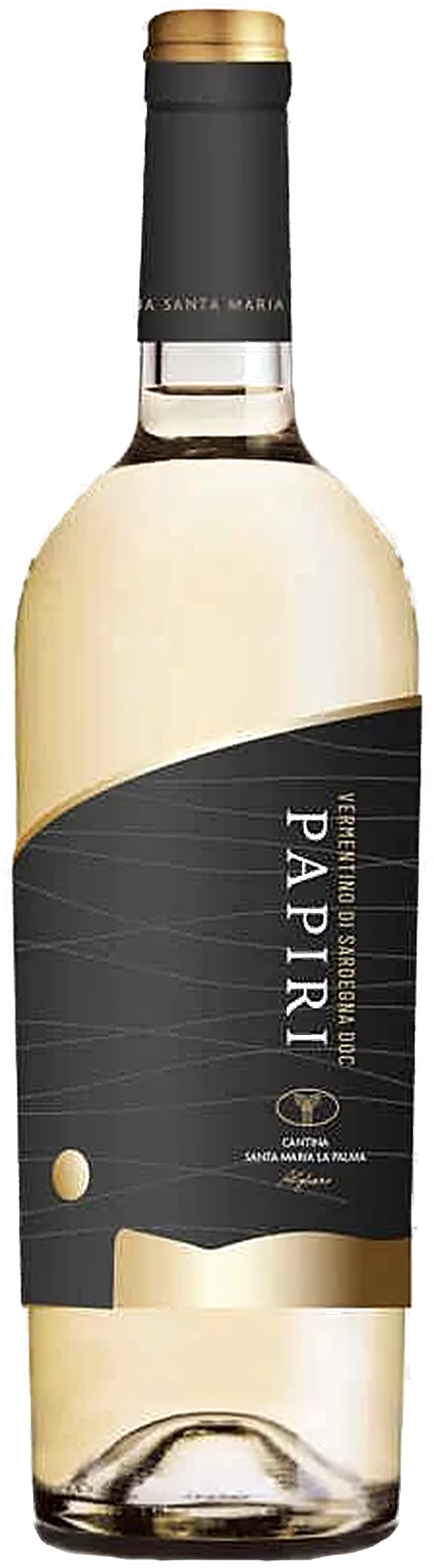
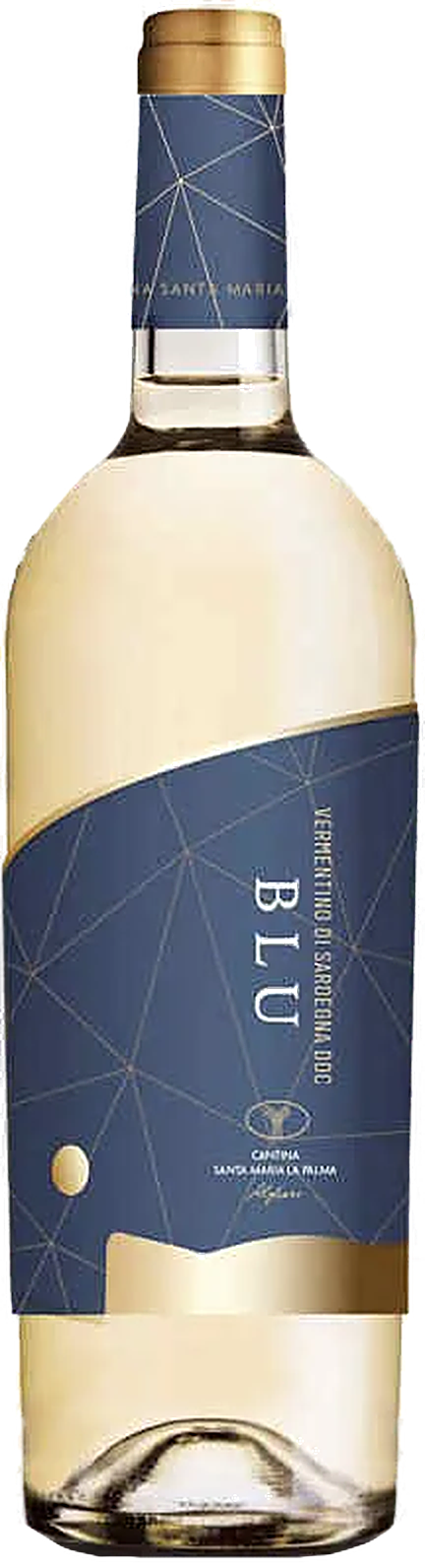
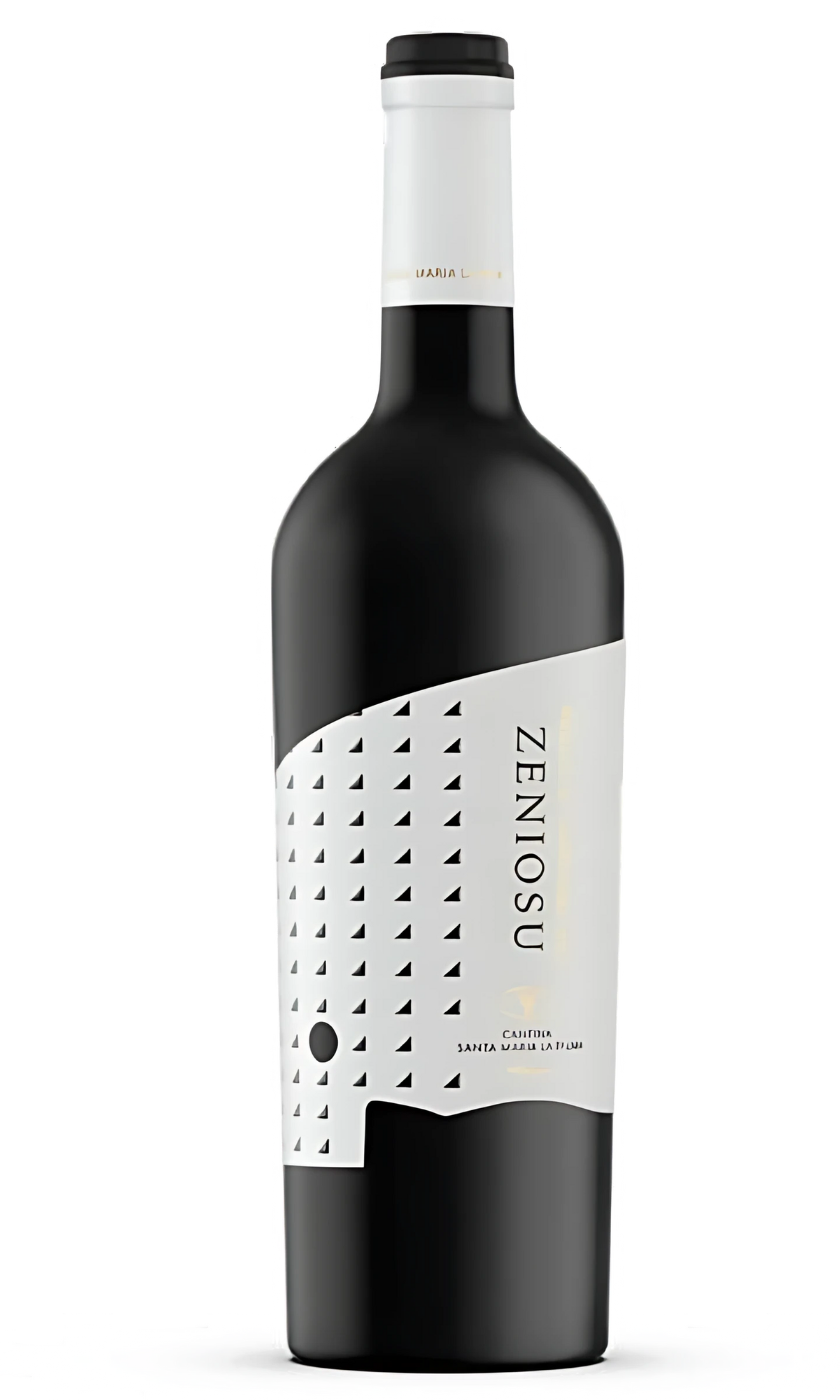
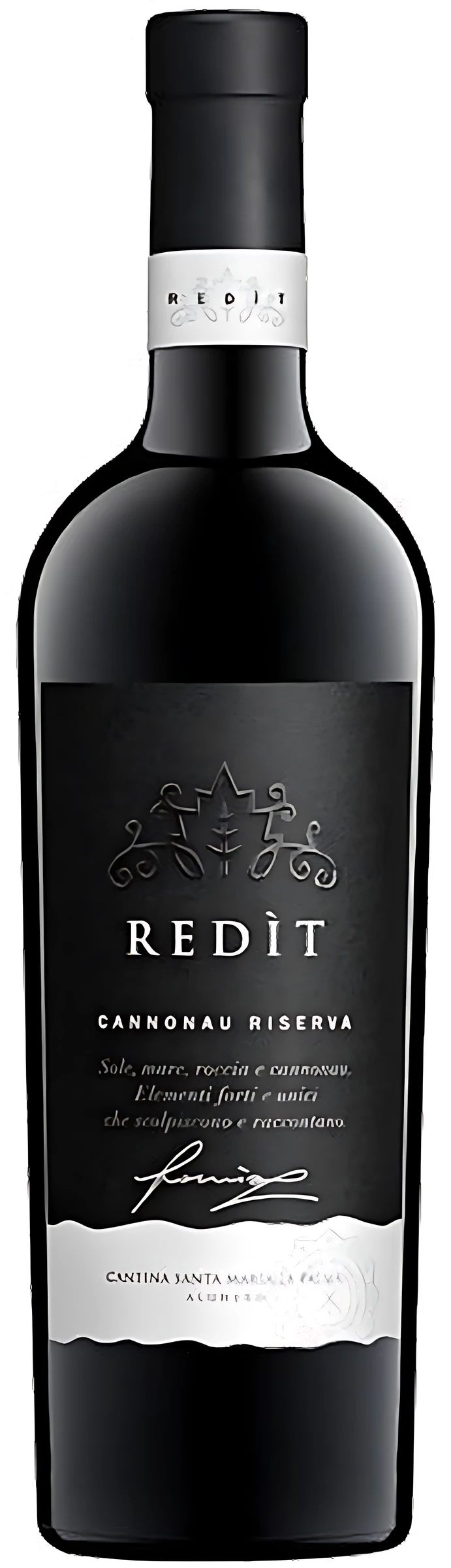
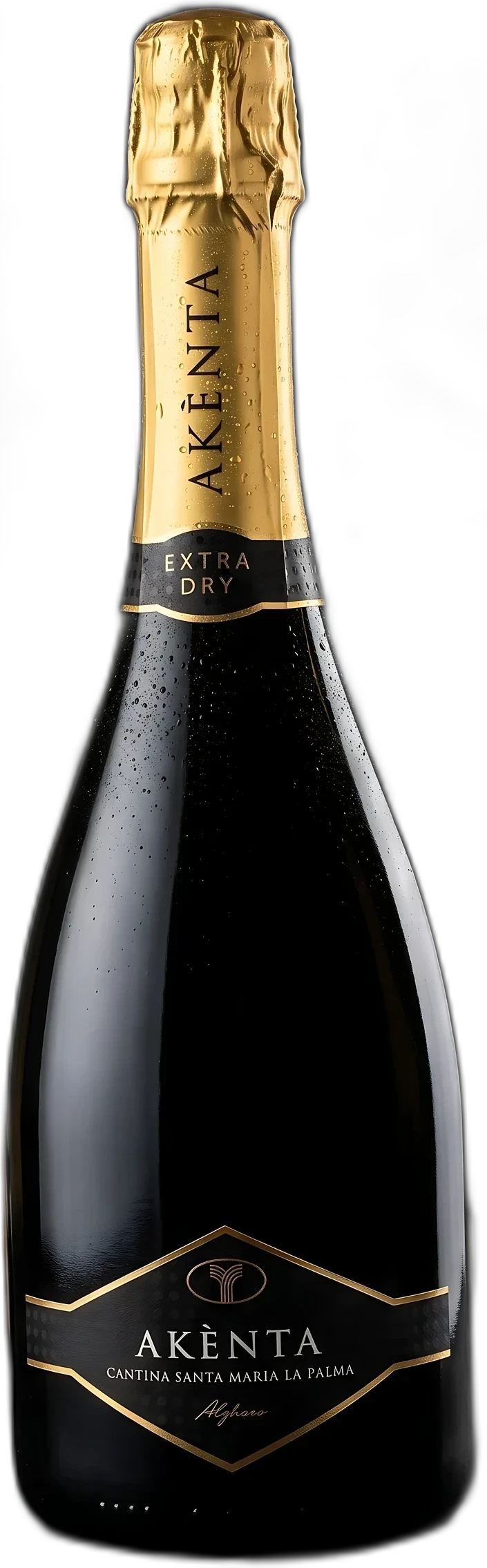
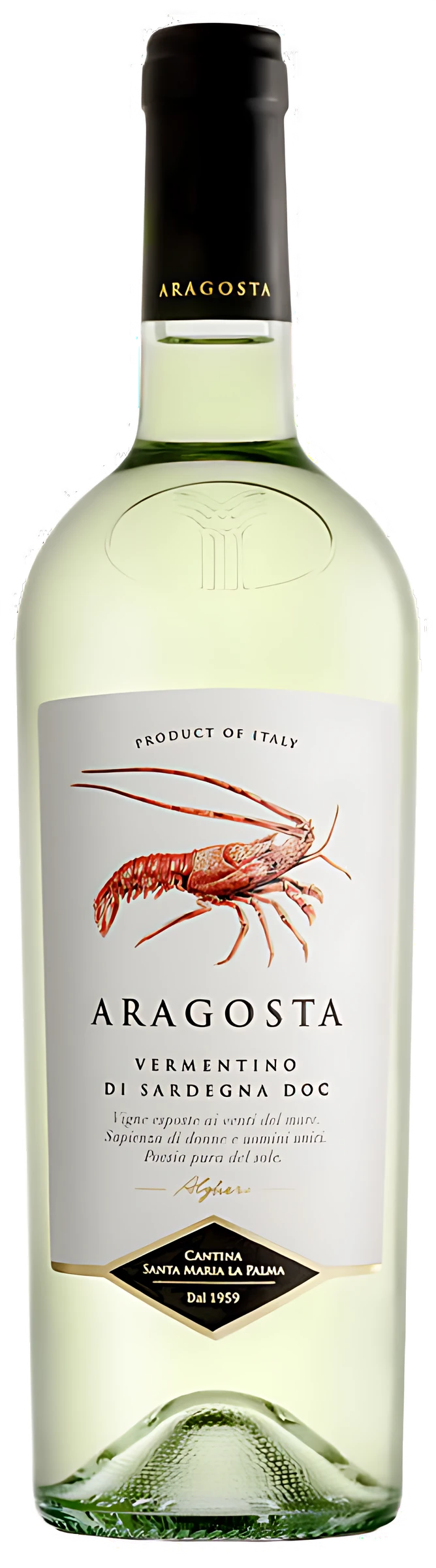
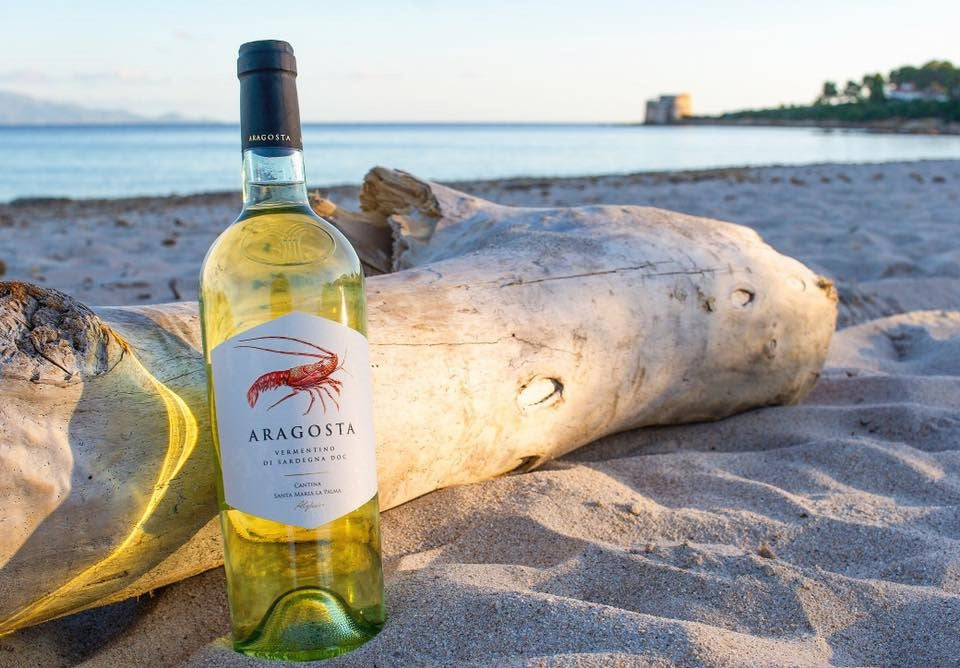
The heart of the range is formed by autochthonous Sardinian grape varieties: Vermentino, Cannonau, and Cagnulari. The Vermentino di Sardegna Aragosta, first bottled in 1967, is now the Cantina's best-known label — a single-varietal Vermentino with salty aromatics, notes of white-fleshed fruits, white flowers, and a fresh, mineral finish that transfers the coastal terroir directly into the glass. The trade magazine Wine Spectator included it in its list of "Top 100 Values." In addition to the Aragosta line, which is also available as a rosé and spumante, the Cannonau di Sardegna — whether in the accessible Le Bombarde style or in the more mature Riserva Redìt — shows the red side of the island: powerful, with aromas of red fruits, Mediterranean maquis, and a spicy, long-lasting finish. The Akènta Spumante rounds off the picture with a sparkling wine made from Vermentino grapes. What all wines have in common is their clear origin: no international style, but Sardinia in the glass.