From bulk wine cooperative to the voice of the Sulcis
In the extreme southwest of Sardinia, not far from the white dunes of Porto Pino, lies Santadi – a small medieval town surrounded by vineyards, holm oaks, and juniper. Here, in 1960, a group of local winegrowers founded a cooperative winery with a simple goal: to vinify grapes together and sell bulk wine. For two decades, the Cantina di Santadi remained exactly that – a solid but inconspicuous cooperative without supra-regional aspirations.
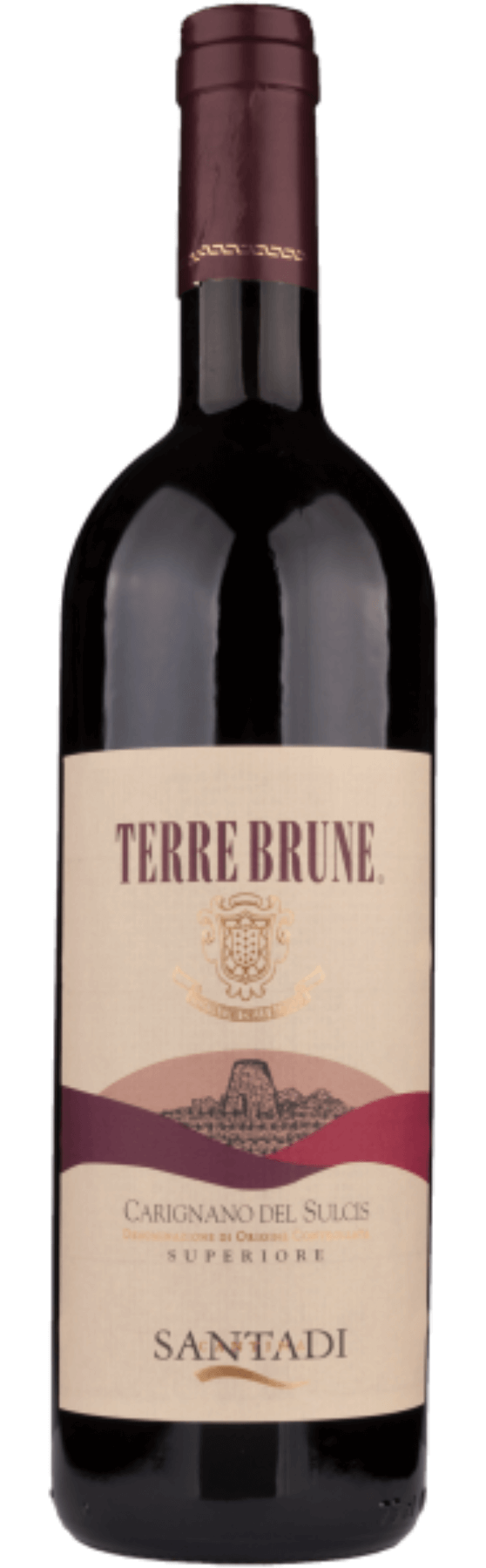
The change was brought about by courage and a decisive personnel decision. Under the leadership of President Antonello Pilloni, the Cantina brought in Giacomo Tachis as a consultant in the 1980s – the same oenologist who had previously shaped Sassicaia, Tignanello, and Solaia. Tachis recognized something in the Sulcis that others had overlooked: the quiet greatness of the Carignano del Sulcis. In 1984, the Terre Brune was created, the first red wine in Sardinia to be aged in barriques – and thus the proof that this island can produce wines of international caliber. The Cantina carries Tachis' legacy to this day: the street where it is located is called Via Giacomo Tachis 14.
Craftsmanship in the vineyard, precision in the cellar
Today, around 150 members of the cooperative manage over 550 hectares of vineyards, all within a radius of about 30 kilometers around the winery. The terroir of the Sulcis is anything but homogeneous: sandy soils alternate with red clay and limestone, and the Mediterranean climate is tempered by the constant north wind, which removes moisture and keeps the grapes healthy. Particularly valuable is the stock of around 150 hectares of ungrafted vines – vines that stand on their own roots and have partly grown for generations in the traditional Alberello training system.
In the cellar, the Cantina relies on controlled fermentation in stainless steel tanks, maceration times, and délestage techniques that are oriented towards the natural rhythm of each must. Malolactic fermentation takes place in concrete tanks. The most significant red wines then mature in French barriques. Photovoltaic systems and an in-house sewage treatment plant are part of the operation. The oenological line is now continued by Giorgio Marone – a student and long-time colleague of Giacomo Tachis – in close coordination with the winegrower members and the in-house analytical laboratory.
Carignano as a guideline – and what else the range has to offer
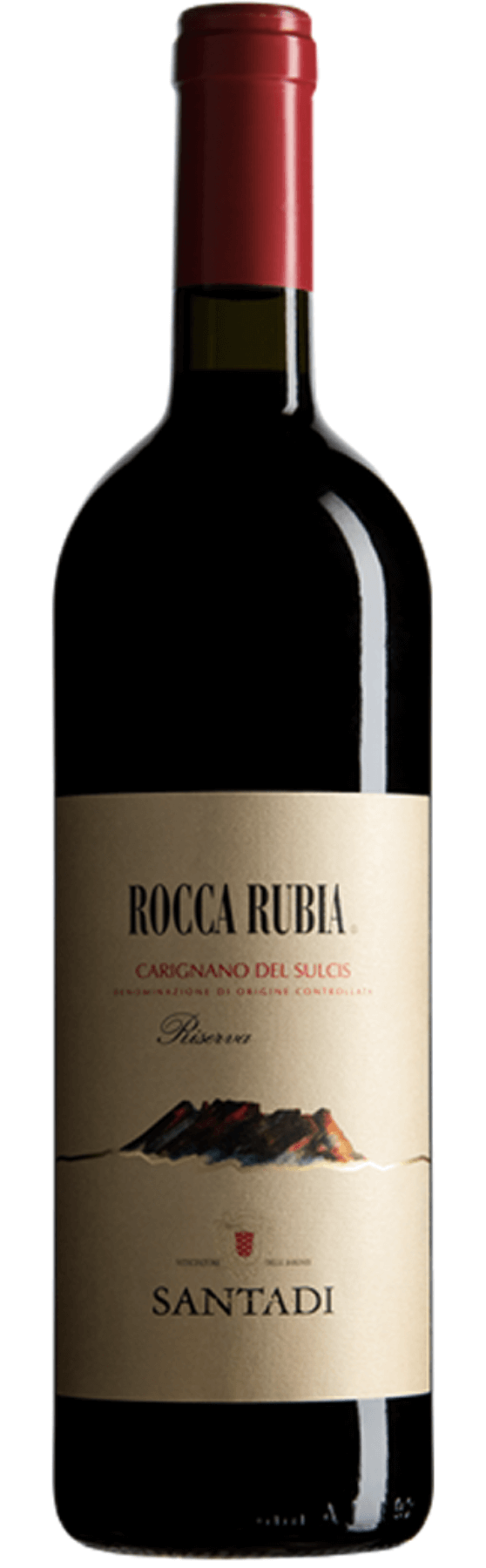
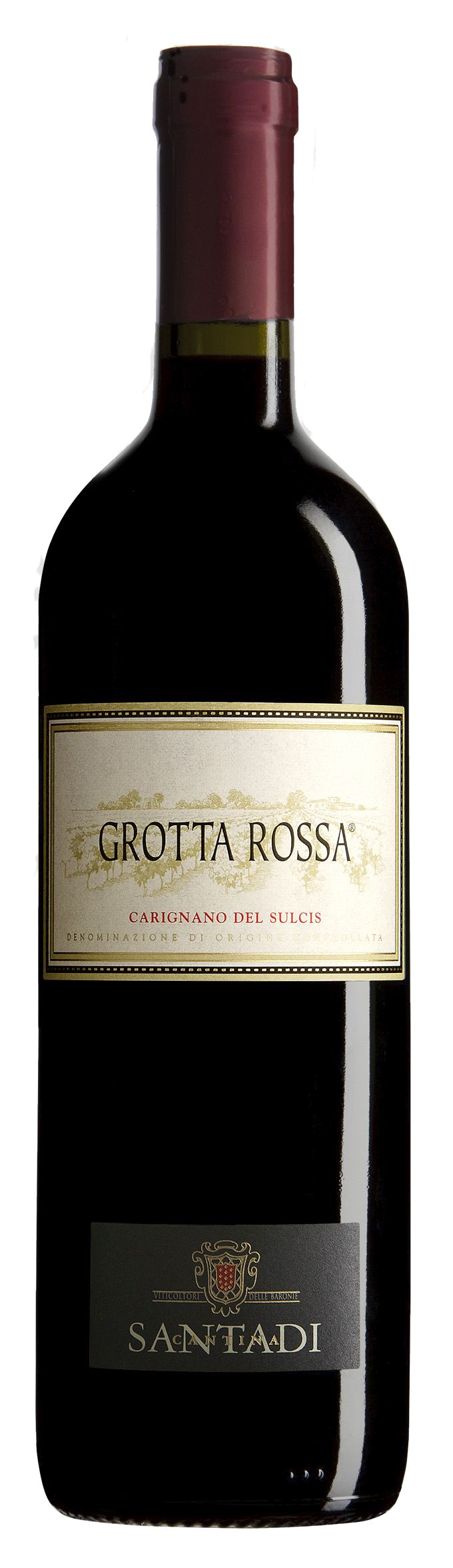
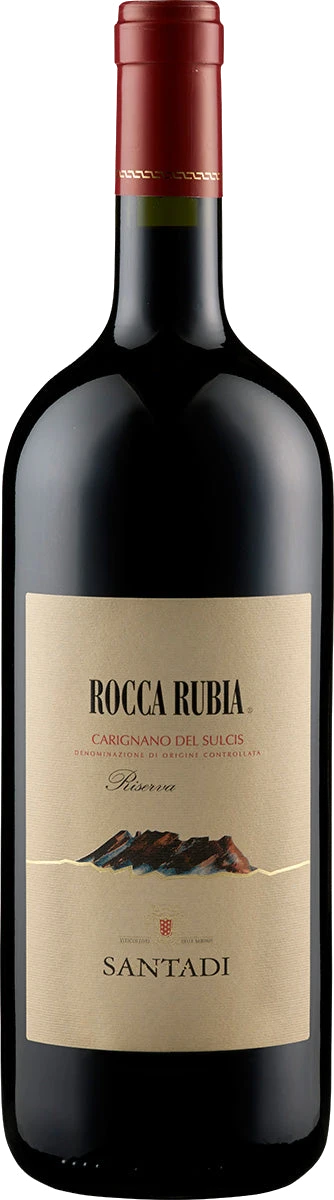
The heart of the range is the Carignano del Sulcis in three expressions: The Grotta Rossa shows the grape variety as youthful and fruit-driven, with dark berries and Mediterranean herbs. The Rocca Rubia Riserva brings longer cellar aging, more structure, and more depth. Finally, the Terre Brune – after 16 to 18 months in new barriques and subsequent bottle aging – combines blackberry, myrtle, licorice, and tobacco with a velvety tannin structure. It is considered the flagship of the Cantina and a reference wine of Sardinian viticulture.
On the white side, the Villa Solais made from Vermentino represents the other face of the Sulcis: fresh, salty, with citrus notes and fine floral aromatics – a wine that transfers the proximity to the sea directly into the glass. The range thus reflects the entire spectrum of a region that is one of the oldest inhabited areas in Europe and whose wines can now be found on five continents.