Marlborough · New Zealand
Villa Maria
Read more Read less
The Villa Maria winery was founded in 1961 by George Fistonich and is located in New Zealand. It has two sites, in Auckland and Marlborough, where winemaker Alastair Maling works. Villa Maria's vineyards are situated in the four regions of Auckland, Gisborne, Hawke's Bay, and Marlborough. Grape varieties cultivated here include Merlot, Cabernet Sauvignon, Cabernet Franc, Malbec, Sauvignon Blanc, Chardonnay, and Pinot Noir.

Filters
13 products

Decanter World Wine Awards 2022
Awarded by Decanter
The Real Review - Top Rank Award 2022
Awarded by The Real Review (Bob Campbell MW)
Decanter World Wine Awards 2023 - Platinum: Best in Show
Awarded by Decanter

About Villa Maria
From one acre of vines to the benchmark of New Zealand
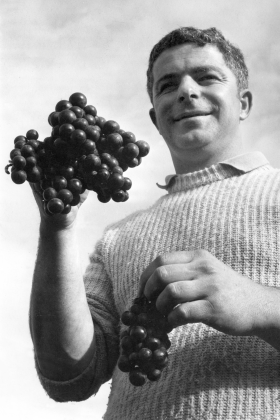
Villa Maria begins with a simple decision: in 1961, Sir George Fistonich, just 21 years old and the son of Croatian-Dalmatian immigrants, leases five acres of land from his father in Māngere near Auckland. He plants a single acre of it with vines. He produces his first wine under the Villa Maria name in 1962. What follows is one of the most defining stories in the New Zealand wine industry. In the 1960s, the winery is still a one-man operation, supported by Fistonich's wife, Gail. From the early 1970s, the company expands rapidly, gradually opening up the regions of Gisborne, Hawke's Bay, and finally Marlborough — today the most important source in the portfolio. In 2000, Villa Maria opens its own winery in Marlborough; in 2005, a completely new production site follows in Auckland, built in the crater of an extinct volcano. In 2009, Fistonich is knighted for his services to the New Zealand wine industry. In 2021, Indevin acquires the company — the Villa Maria brand, with its production sites and broad wine range, remains fully intact.
Sustainability as a principle, not a marketing tool
Villa Maria is one of the founding members of Sustainable Winegrowing New Zealand (SWNZ) — as early as 1995, when sustainability certification in viticulture was still barely widespread. Since 2000, the winery has been actively working on the transition to organic farming. In 2009, Villa Maria was the first large New Zealand winery to receive full BioGro organic certification — from the vineyard to the winery to the export warehouse. Today, around 30 percent of its own vineyards are farmed organically, with the stated goal of having all estate-owned vineyards converted to organic management by 2030. The organic areas do without synthetic pesticides, herbicides, or fertilizers; instead, the team relies on cover cropping with oats, mustard, buckwheat, peas, and clover to nourish the soil and promote biodiversity. In the cellar, Villa Maria has consistently relied on screw caps since 2001 — the first large winery worldwide to bottle its entire range without cork closures. Regarding CO₂ emissions, the company has reduced emissions per bottle by around 30 percent since 2010, partly through fully electric forklift fleets, reduced bottle weights, and rail transport for domestic logistics. From 2024, selected wines will be shipped to the UK in tanks and bottled there, which reduces packaging and transport emissions by a further 27 percent.
Marlborough at the center — style with a clear signature
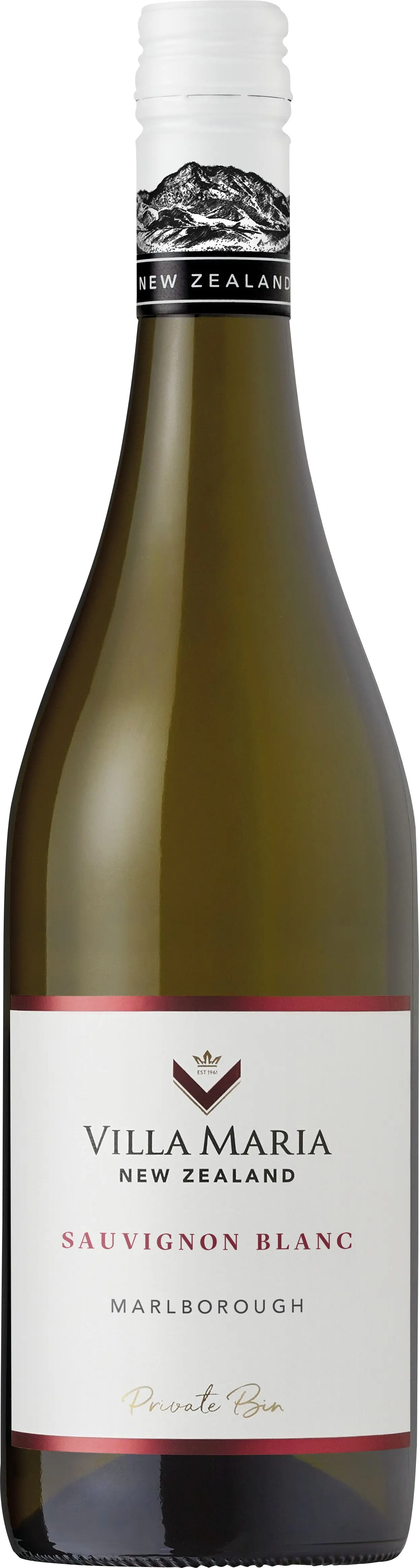
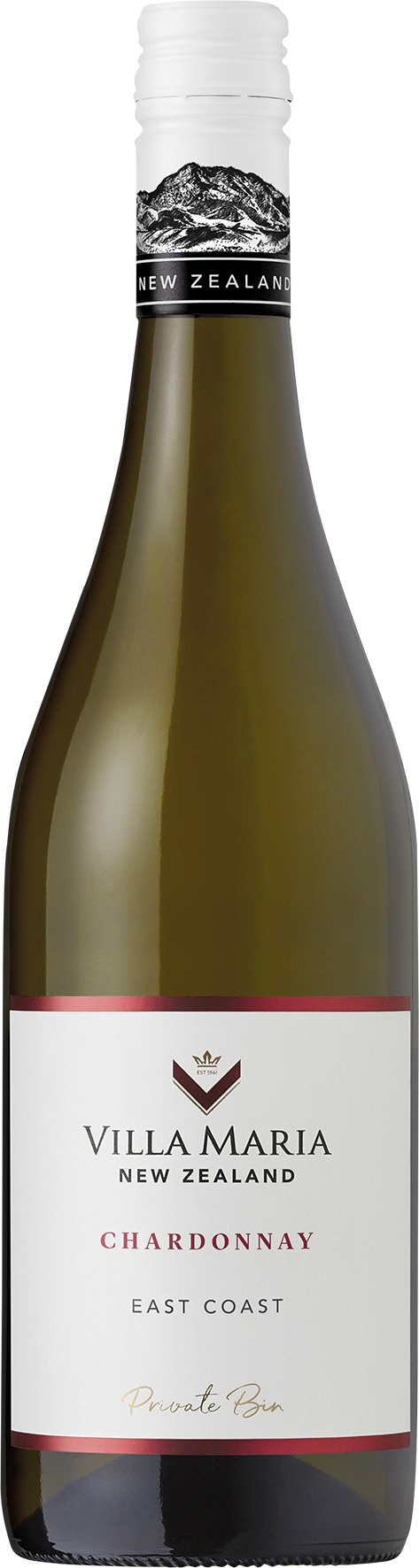
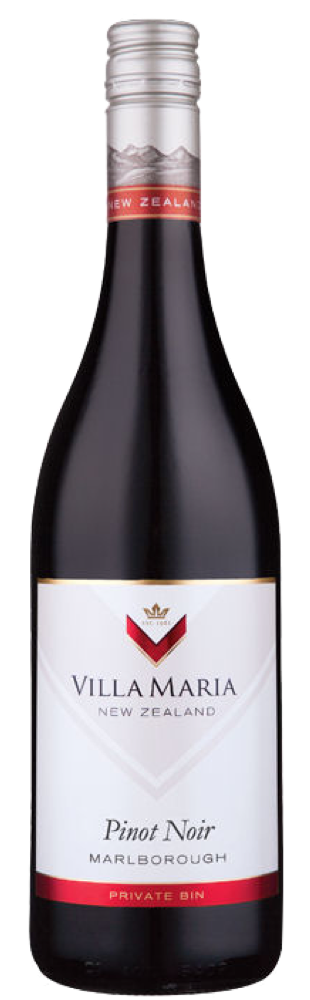
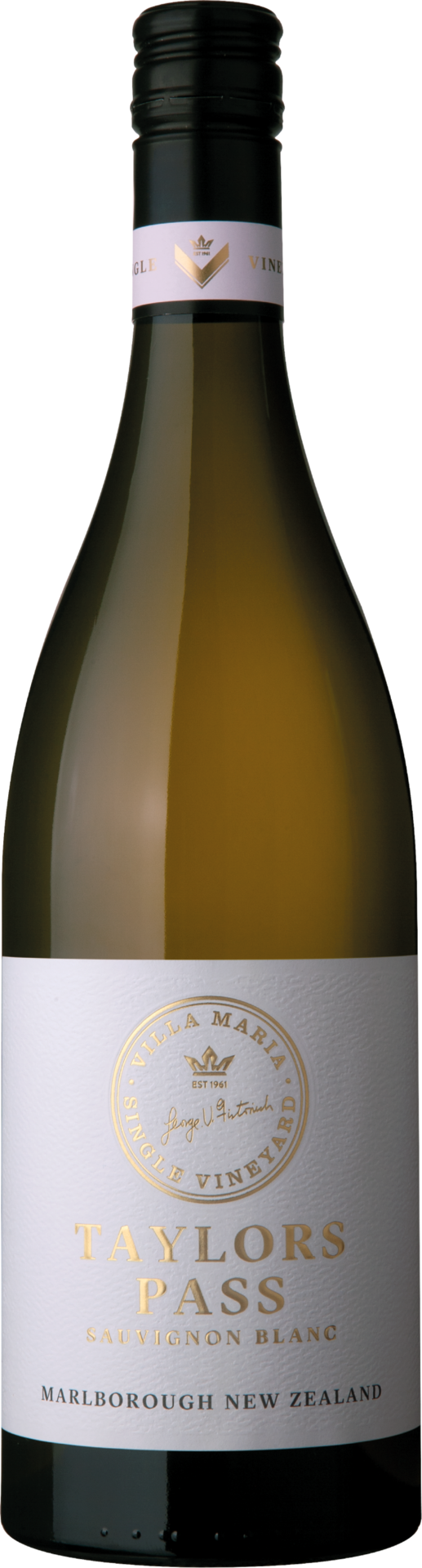
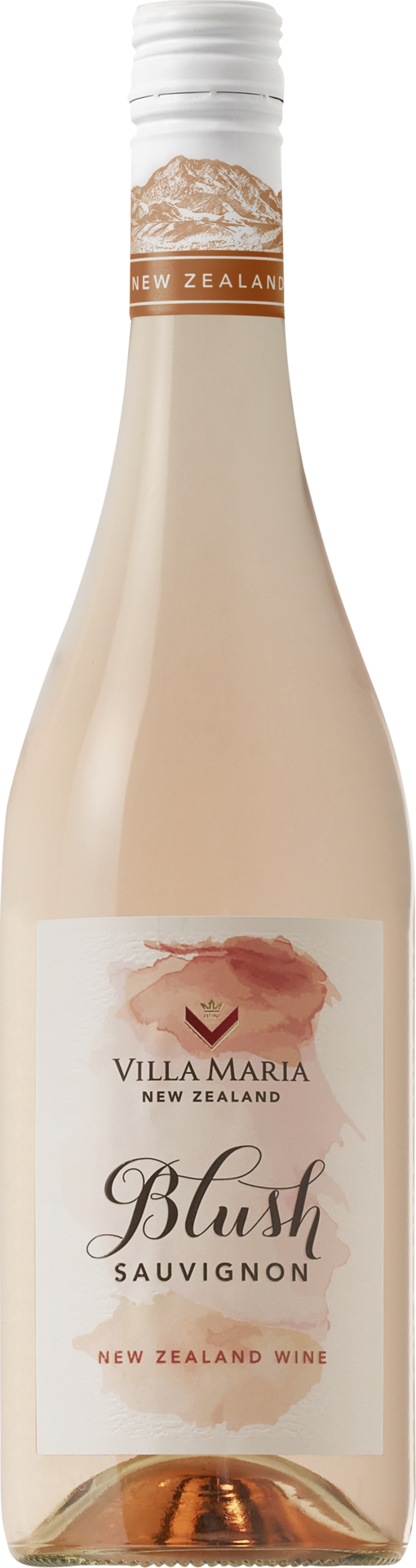
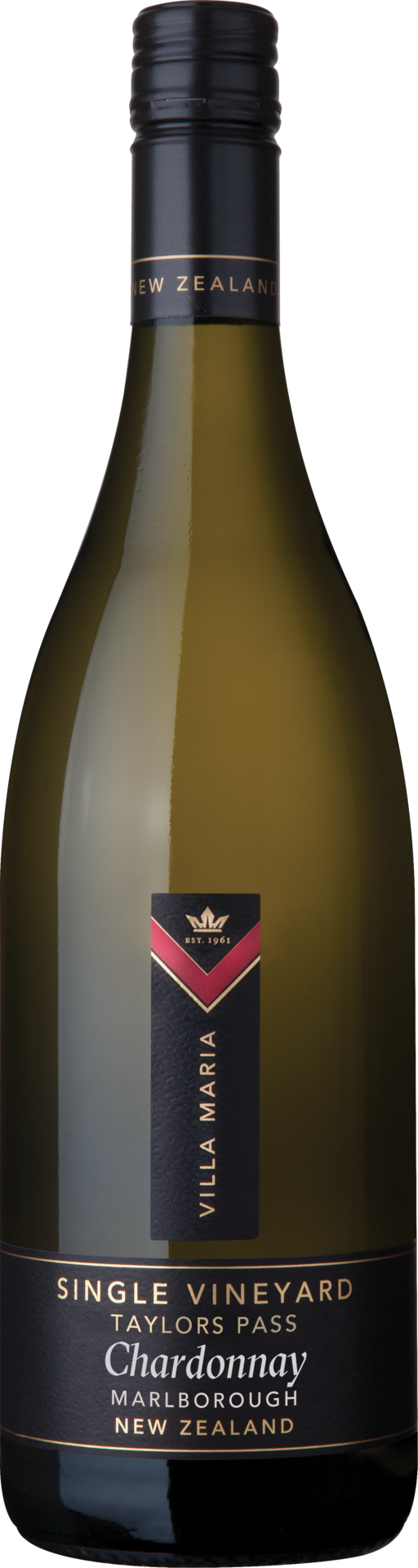
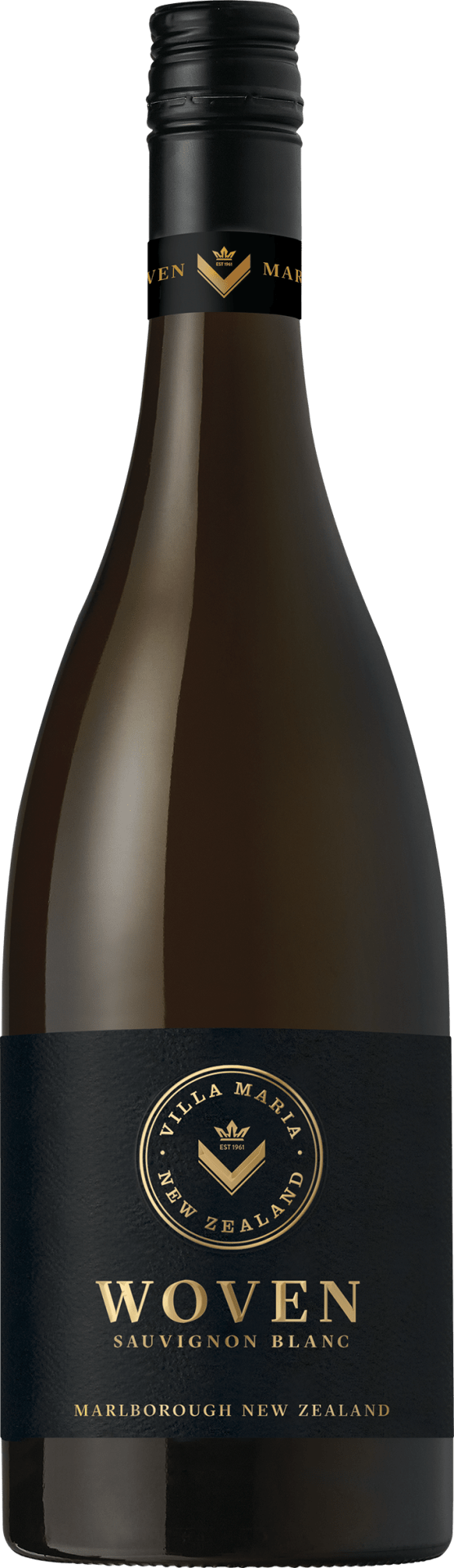
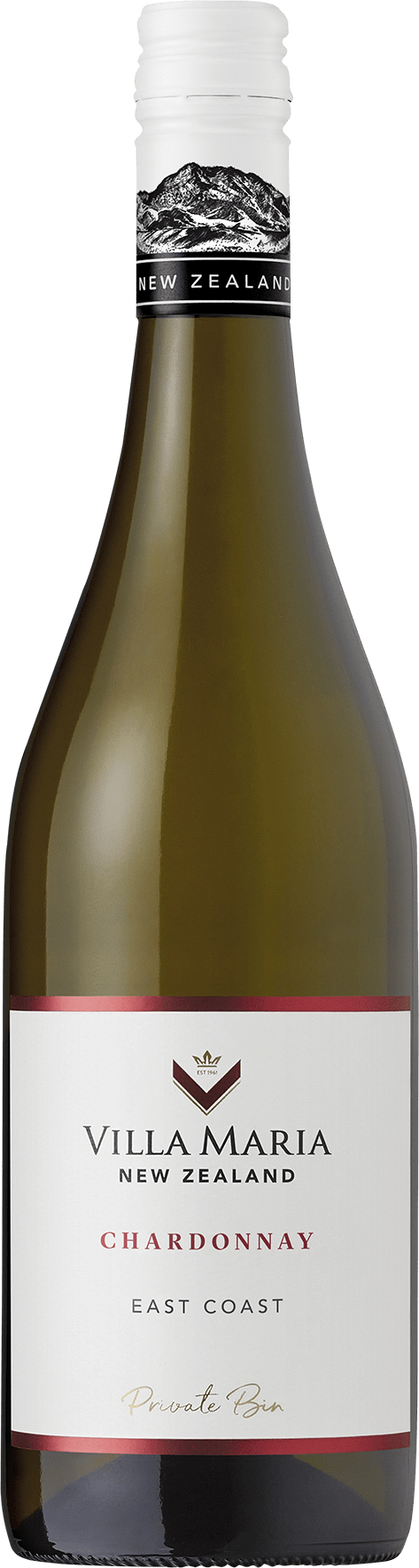
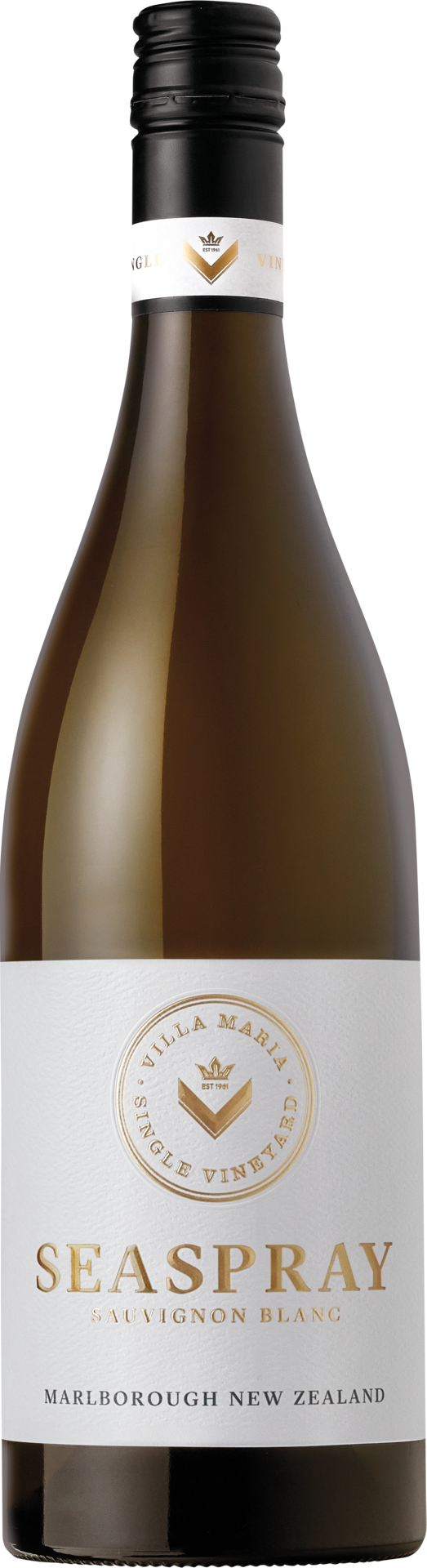
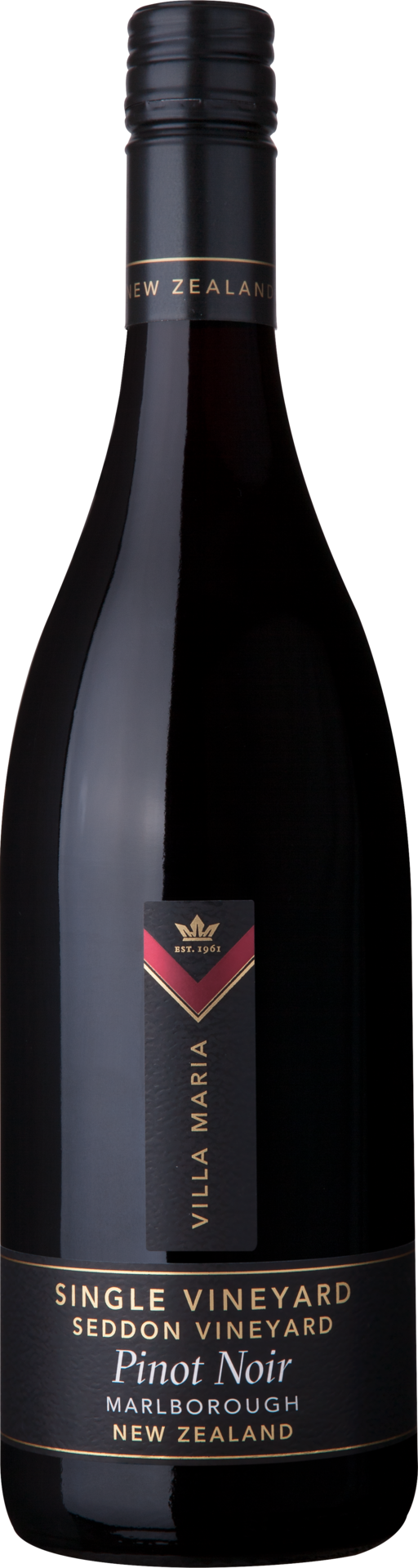
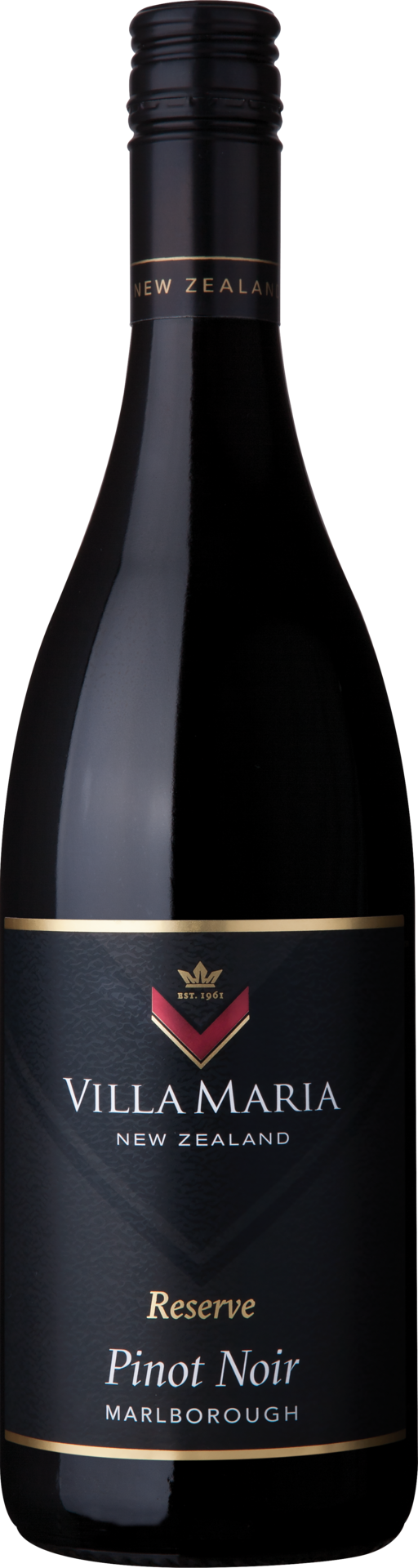
Marlborough is the heart of the Villa Maria range. The vineyards are spread across the region's two main valleys: the warmer Wairau Valley provides Sauvignon Blanc with tropical-fruity aromatics, passion fruit, and grapefruit; the cooler Awatere Valley stands for greener, spicy profiles with lime, lemongrass, and fresh herbs. Villa Maria works with low yields and vinifies parcels separately to keep the origin readable in the glass. The range is clearly structured into quality levels: the Private Bin forms the accessible entry point, followed by Reserve and single-vineyard wines like the Seaspray Sauvignon Blanc or the Taylors Pass Chardonnay, which portray individual sites. At the top are the Icon wines, including the Icon Woven Sauvignon and the Kelten Single Vineyard, where parcel selection and vinification details are in the foreground. In addition to Sauvignon Blanc and Chardonnay, Villa Maria shows with the Reserve Pinot Noir that Marlborough also delivers serious depth for red Burgundy varieties. The range is rounded off by Blush and other styles that cover the broad spectrum of New Zealand's wine-growing regions.
Award-winning wines
Decanter World Wine Awards 2022
Awarded by Decanter
The Real Review - Top Rank Award 2022
Awarded by The Real Review (Bob Campbell MW)
Decanter World Wine Awards 2023 - Platinum: Best in Show
Awarded by Decanter
What our customers say