From the banks of the Ebro to the first league of Rioja
Bodegas RODA was founded in 1987 by Mario Rotllant and Carmen Daurella — two Catalans who wanted to create something of their own in the Rioja. Their surname abbreviation "Ro-Da" became the trademark. They chose the location deliberately: the legendary Barrio de la Estación in Haro, the historic station district that served as a hub for wine exports to Bordeaux in the 19th century. Beneath today's winery, there is still a 12-meter-deep underground cellar from that era. The winery itself was built in several construction phases between 1991 and 2001, most recently expanded in 2018 with a focus on energy efficiency and renewable energy. What began as an ambitious project is now one of the most sought-after addresses in the entire appellation.
Vineyard first — research as a foundation
Roda manages around 120 hectares of vineyards, spread over 17 different plots in the Rioja Alta and Rioja Alavesa — from valleys near the Atlantic to altitudes of around 650 meters. The soils are predominantly sandstone and limestone-clay, the vines are traditionally maintained as bush vines (en vaso) and cultivated dry without irrigation. Yields of an average of 30 hl/ha and manual harvesting by an in-house picking team are standard. Many of the vineyards consist of vines that are up to 100 years old.
What distinguished Roda from other bodegas from the very beginning: the scientific view of the grape variety. As part of a long-term research project, the team led by cellar master Agustín Santolaya and vineyard director Isidro Palacios identified over 550 biotypes of Tempranillo from old Riojan vineyards and created a seed bank from them. This approach — quality begins in the vineyard, not in the cellar — was by no means a matter of course in the Rioja of the late 1980s. Roda permanently invests seven percent of its annual turnover in research and development, also to react to climate change: in 2019, the winery acquired vineyard land in Cellorigo in the cool northwest of the appellation.
Four wines, four characters — Tempranillo in its full breadth
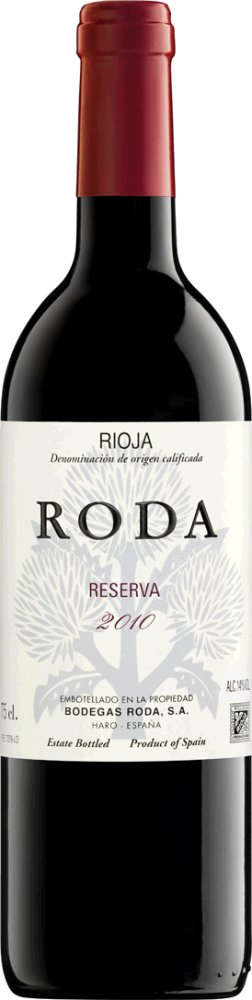
All Rioja wines from Roda are based on Tempranillo, supplemented by Graciano and Garnacha — spontaneously fermented in French oak barrels, aged separately by plot and only then assembled into the final wine. SELA comes from 15 to 30-year-old vines and matures for twelve months in used barriques: red fruit, accessible structure. RODA Reserva draws from older plots with vines over 30 years old on limestone soils — deeper, richer in tannins, with more aging potential. RODA I distills the second Tempranillo character: dark fruit, tighter structure, more freshness in the finish. And then there is CIRSION — born from the discovery that individual vineyards provide grapes whose tannins polymerize on the berry, i.e., in the vineyard rather than in the barrel. The result: silky grip, less wood aging required, more depth. A small production that shows where Roda's curiosity leads.