From the bodega on Cuevas Street to an international brand
It started with a grain store: Ramón Bilbao Murga moved to Haro in 1914, bought plots along the road to Casalarreina, and began planting Tempranillo vines. In 1924, he opened his own bodega on Cuevas Street — exactly there, in the historic center of Rioja Alta, the winery is still located today. Two years after its founding, the Rioja received its Denominación de Origen, and Ramón Bilbao was part of this regulated wine culture from the beginning. Generational changes and changes of ownership followed: after the death of the last family heir without descendants in the 1960s, the bodega was continued as a company before the Zamora Company took over the house in 1999. With the takeover came Rodolfo Bastida — a Riojan, oenologist, and since then managing director of the house — who initiated a fundamental modernization without giving up the classic origin.
Terroir, precision, and a clear commitment to climate protection
Ramón Bilbao now manages around 250 hectares of its own vineyard area — spread across the Rioja Alta, the Rioja Oriental, and the white wine site Finca Las Amedias in Rueda, at an altitude of 770 meters with sandy soils for Verdejo and Sauvignon Blanc. In the Rioja, Bastida's team specifically focuses on high altitudes, where lower temperatures and better ventilation significantly reduce the use of pesticides and herbicides. Organic sheep manure replaces artificial fertilizer, and pheromone traps protect the grapes for the harvest. Precision viticulture with data from local weather stations controls irrigation and treatment needs per plot. In 2018, Ramón Bilbao became the first winery in Spain to be certified by the Wineries for Climate Protection organization for its cellar and vineyards — a milestone on which the bodega has continued to build since then: membership in the International Wineries for Climate Action and conversion to renewable energies.
In the cellar, the team works consistently with traceability: each wine type has its own grape source and processing line. For the flagship Mirto, for example, a short cold maceration is followed by fermentation with daily remontage and pigeage; the wine is only filtered at the end of the process. This attention to detail in the cellar continues in the handling of barrels and maturation time — in American or French oak, depending on the line.
Tempranillo in all states of matter — from Crianza to Mirto
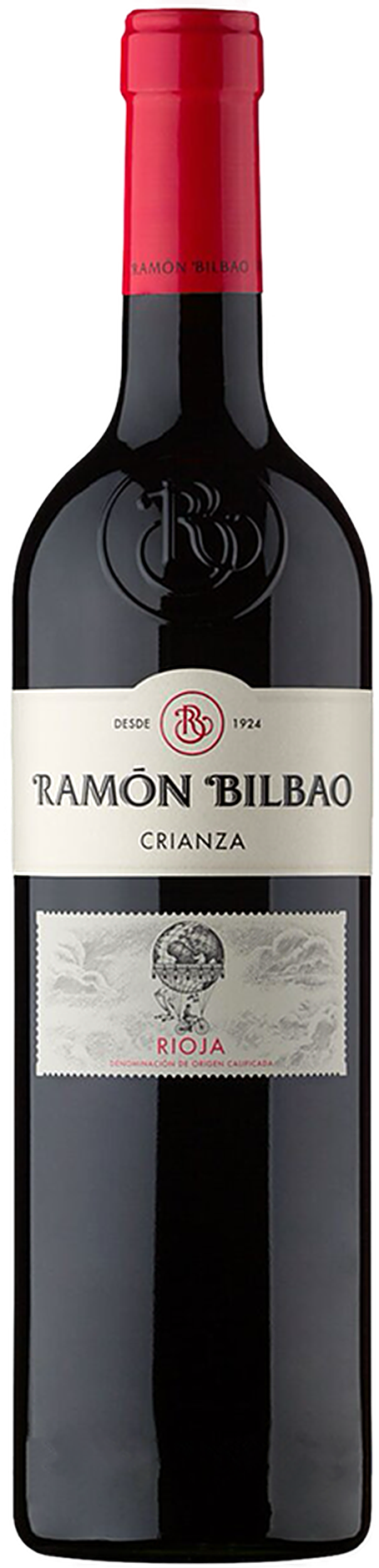
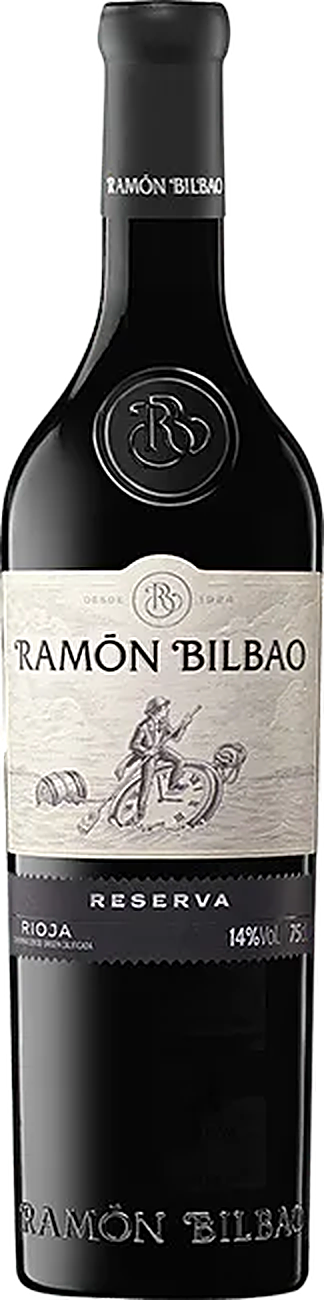
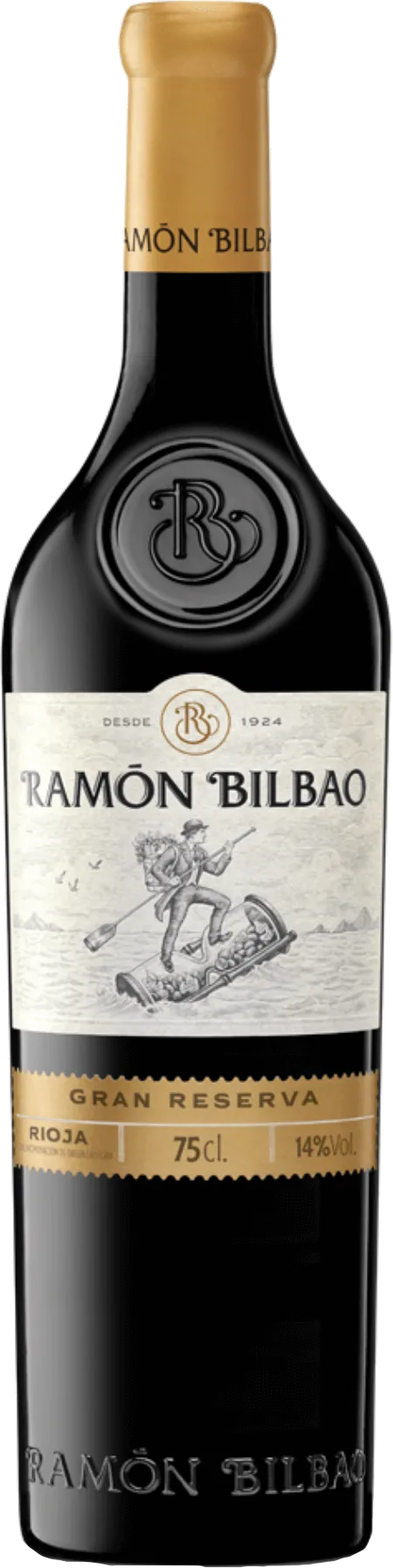
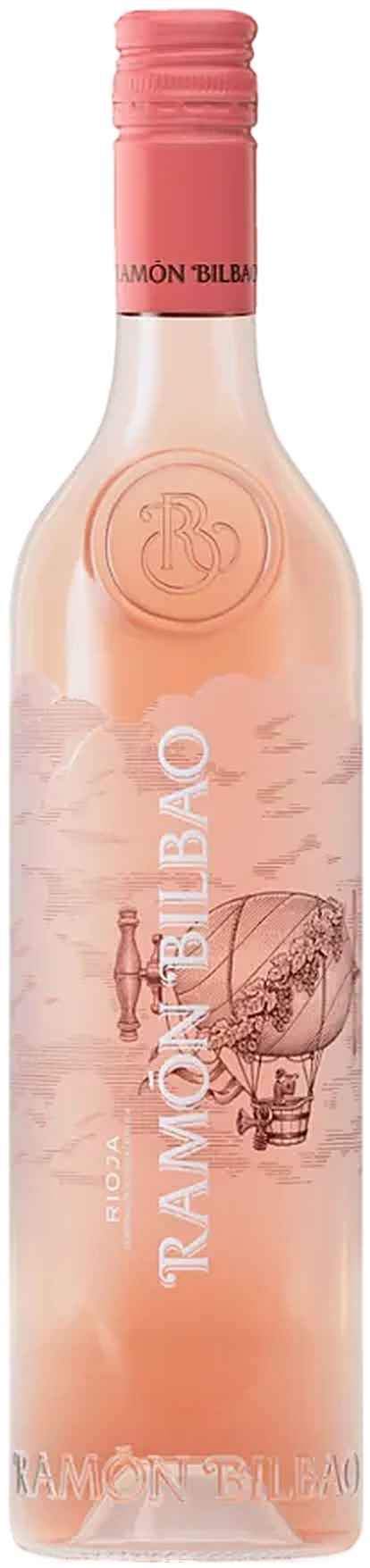
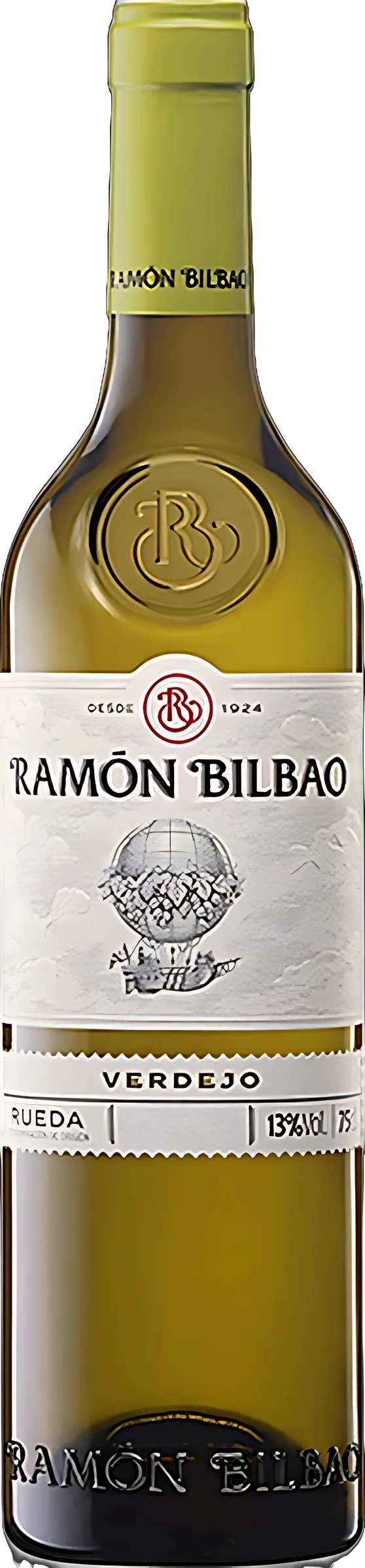
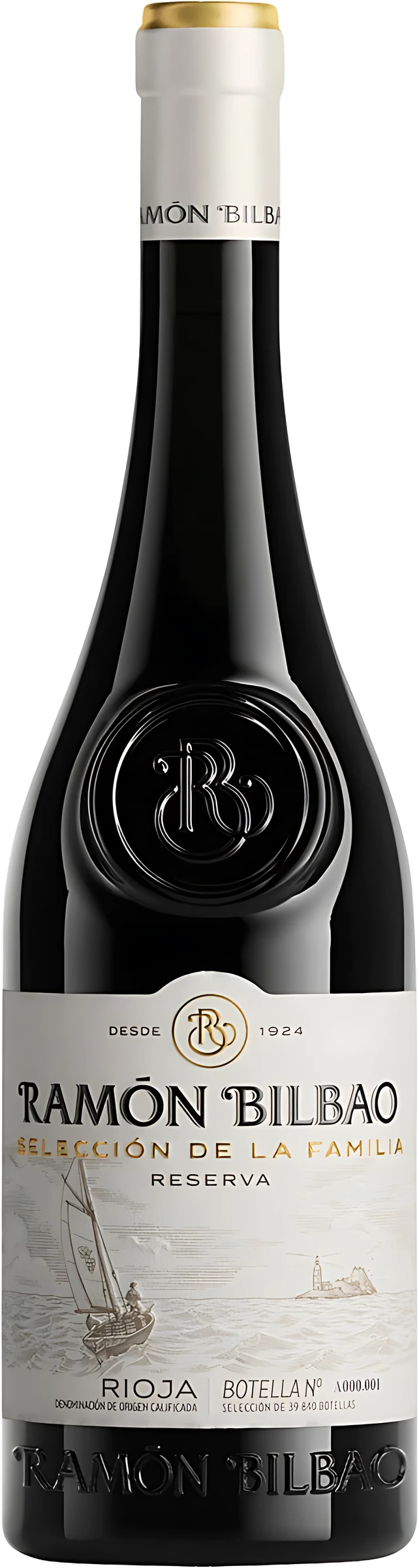
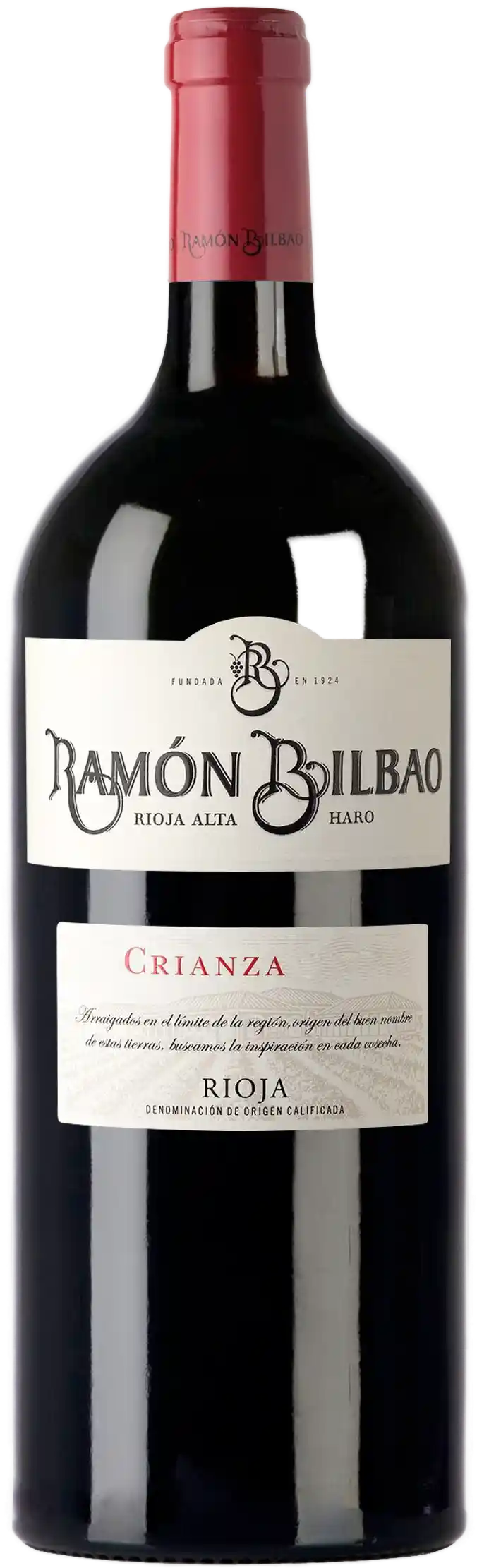
The range spans a wide arc that shows the different faces of the Rioja. The Crianza stands for the accessible, fruit-driven entry into the Ramón Bilbao style: fresh red fruit, soft tannin, a hint of vanilla from the American oak barrel. The Reserva — a cuvée of Tempranillo with portions of Mazuelo and Graciano from over 40-year-old bush vines — spends 20 months in American oak and subsequently shows the classic Rioja tension between red fruit and balsamic notes with a dry, long spice. The Gran Reserva continues this line and remains characterized on the palate by aromas of dried plum, licorice, and cedar wood, without losing freshness. The Mirto marks the ambitious peak: 100% Tempranillo from top sites, aged in French oak, with a more structured body, dark fruit, and a velvety finish. The portfolio is rounded off by the Rosado — fresh and dry for warm evenings — as well as the Verdejo from Rueda, which covers the white wine flank of the house: mineral, with a fine citrus structure. Anyone who drinks their way through the lines gets a complete picture of what an Atlantic-influenced climate, clayey soil, and a consistent craft style can get out of the Tempranillo grape.