

Rioja · Spain
Baron de Ley
Read more Read less
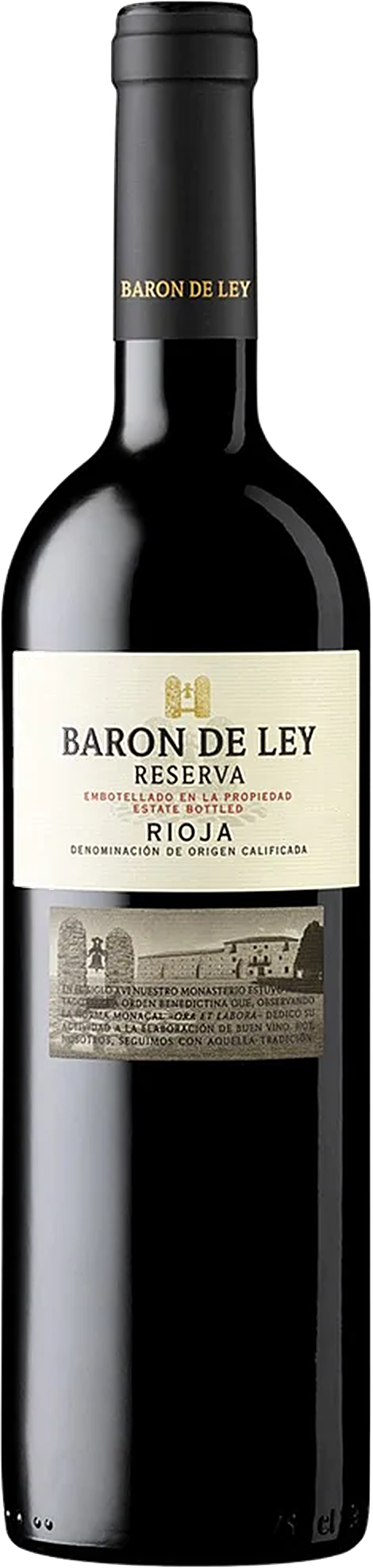
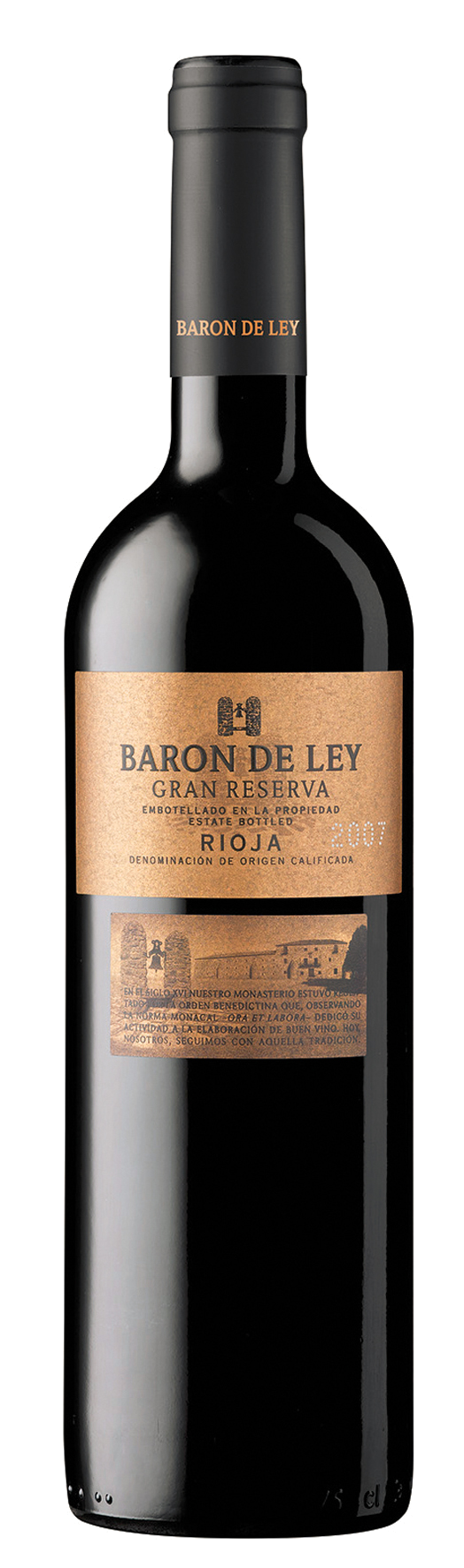
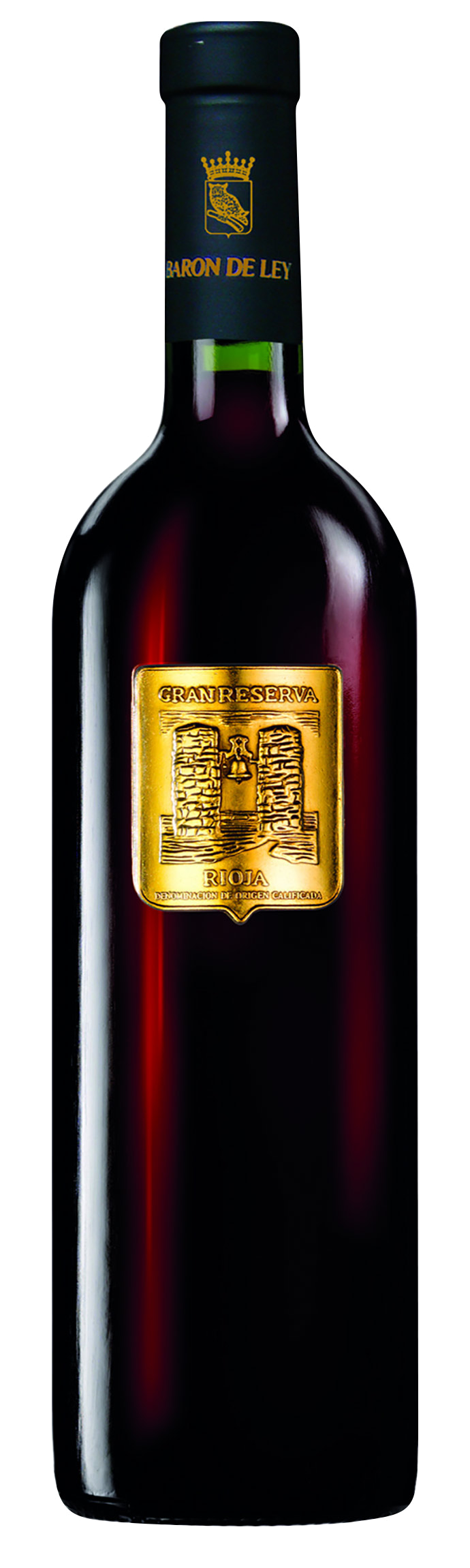
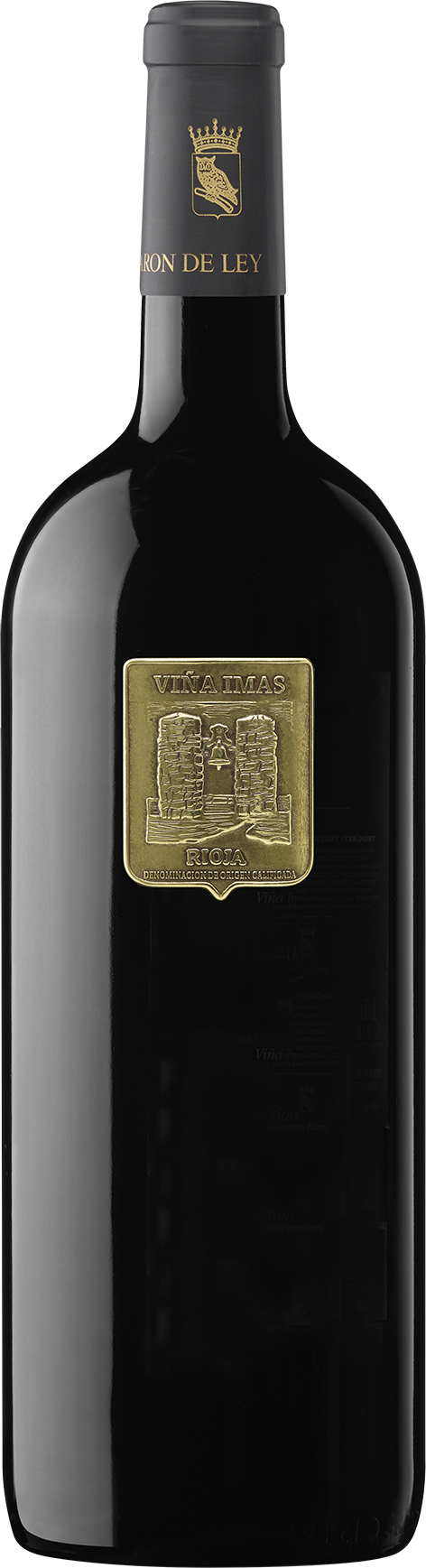
Barón de Ley was founded in 1985 with a clear ambition: to establish a bodega in the DOCa Rioja modeled after the great Médoc châteaux—consistently focused on its own grapes and extended aging. The winery is located in Mendavia, in the Navarrese part of Rioja, in a restored 16th-century Benedictine monastery. Here, only Reserva and Gran Reserva wines are produced—no Jóvenes, no Crianzas, only wines that have been given time. The name says it all: "de ley" means something like "genuine" and "righteous" in Spanish—and that is precisely the standard reflected in every bottle.

Filters
13 products

International Wine Challenge (IWC) 2024
Awarded by International Wine Challenge


Wine Spectator 90 Punkte 2019
Awarded by Wine Spectator

Sakura Awards 2022
Awarded by Sakura Awards

Decanter World Wine Awards 2021
Awarded by Decanter
Expovina Wine Trophy 2022
Awarded by Expovina (Zurich, Switzerland)
About Baron de Ley
A monastery as a foundation: the birth of the Château concept in Rioja
The history of Barón de Ley begins in 1985 with a dilapidated building and a clear idea. Eduardo Santos-Ruiz and his co-founders acquired the Finca Imás in Mendavia — a 16th-century Benedictine monastery complete with surrounding land on the edge of the Ebro plain, in the Navarrese corner of the DOCa Rioja. What began as a construction project was in reality a concept: a winery modeled after the great Médoc châteaux, where the vineyard, cellar, and brand are all under one roof and only the estate's own grapes go into the bottle. That was unusual for Rioja at the time — and remained so for a long time. By the early 1990s, the first bottles appeared: Reserva and Gran Reserva, which immediately attracted international attention. Today, Eduardo Santos-Ruiz holds around 90% of the shares in the Grupo Barón de Ley, which also includes El Coto de Rioja, among others.
Over 600 hectares, 30,000 barrels, zero compromises on the harvest
The vinification philosophy of Barón de Ley begins in the vineyard — and very consistently so. With over 600 hectares of its own vineyards today, spread across several Rioja sub-regions, the estate possesses one of the largest private holdings in the entire DOCa. This includes Los Almendros in Ausejo with around 300 hectares, Carboneras in the Ocón Valley near Tudelilla at an altitude of 850 meters, as well as plots in Arenzana in the Alto Najerilla with more than 230 hectares of Garnacha, Viura, and Tempranillo — many of them over 60 years old. Harvesting is done exclusively by hand; a manual grape and berry selection processes up to 1.8 million kilograms of harvest per vintage. In the cellar, long barrel aging determines the rhythm: the barrique cellar holds around 30,000 barrels, which are renewed annually — American Oak for the classic, spicy Rioja line, French Oak for the finer single-vineyard cuvées. For the Gran Reserva, at least 24 months in wood are followed by a further bottle aging of at least 36 months. Technical Director Pablo Tascón, who joined head winemaker Gonzalo Rodríguez in 2019, is also driving forward work with indigenous yeasts and rare native grape varieties.
Tempranillo as the backbone, site as the argument: what defines the wines
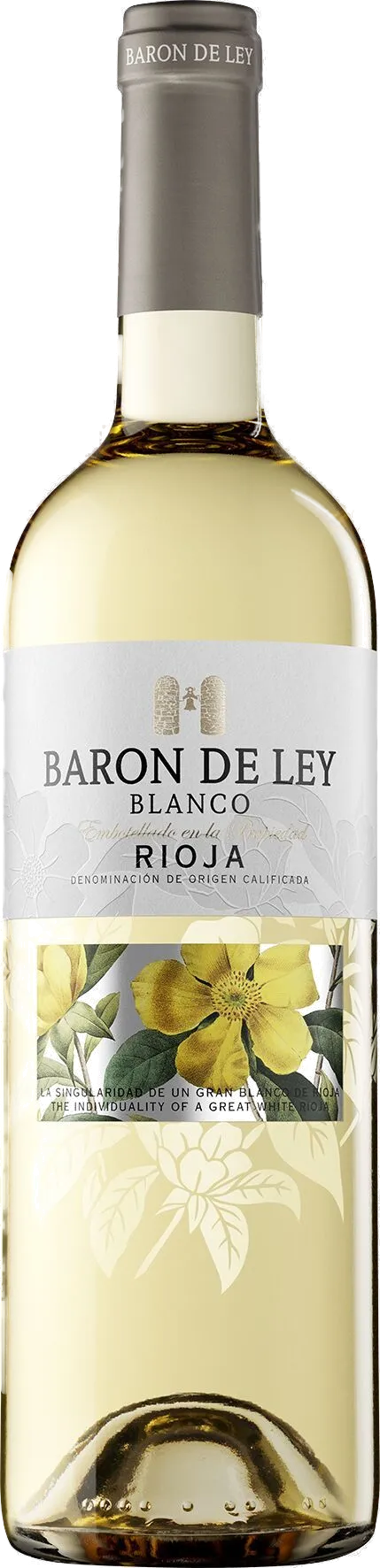
Tempranillo forms the stylistic center of all red wines — dark berries, vanilla, and spice on the nose, balanced acidity and ripe tannins on the palate, which gain mellowness through the long barrel and bottle aging periods. Graciano is added for structure and freshness, as is the rare Maturana Tinta. The flagship Finca Monasterio is a single-varietal Tempranillo from the vineyards immediately surrounding the monastery — those plots that were already planted in 1985. In addition, Barón de Ley has also seriously expanded its white and rosé range in recent years: a dedicated concrete cellar is used for the temperature-controlled vinification of white wines on the lees. Worldwide, around 85% of production goes to export — to over 50 countries. Anyone looking for classic Rioja with long aging, clear site character, and artisanal care in the glass will find one of the most reliable addresses in the entire denomination at Barón de Ley.
Mendaviabarondeley.com
Award-winning wines
International Wine Challenge (IWC) 2024
Awarded by International Wine Challenge
Wine Spectator 90 Punkte 2019
Awarded by Wine Spectator
Sakura Awards 2022
Awarded by Sakura Awards
Decanter World Wine Awards 2021
Awarded by Decanter
Expovina Wine Trophy 2022
Awarded by Expovina (Zurich, Switzerland)
What our customers say
We have been drinking this Rioja for years and ordered it from VinoScout for the first time. Delivery came incredibly quickly and the wine is mega delicious: rounded delicious taste. We will gladly order again.
An excellent wine that comes in handy 0.5 bottles. Just the thing for a cozy evening on the balcony or in front of the TV. Nothing to complain about the delivery as always.
A fruity, light wine with low acidity that reminds one of the refreshing taste of juicy strawberries. Its bouquet and taste only really come into their own when you don't enjoy it too cold.



Barón de Ley –
Rioja modeled after the great Châteaux
Barón de Ley was founded in 1985 with an unusually clear stance: no Jóvenes, no Crianza — exclusively Reserva and Gran Reserva. The model was the great Médoc Châteaux, the location is Mendavia in the Navarrese part of the Rioja, and the home of the bodega is a restored 16th-century Benedictine monastery.
All grapes come from their own vineyards around the monastery. This control over the entire chain — from pruning to bottling — is not a marketing promise, but the foundation for the wines to get the necessary maturity that Reserva and Gran Reserva demand.
The name says it all: "de ley" means something like genuine and righteous in Spanish. Anyone who knows the wines of Barón de Ley knows that this claim is in every bottle — in the structure, the patience, and the respect for the Rioja as one of the great wine regions of Europe.