Rioja · Spain
La Rioja Alta
Read more Read less
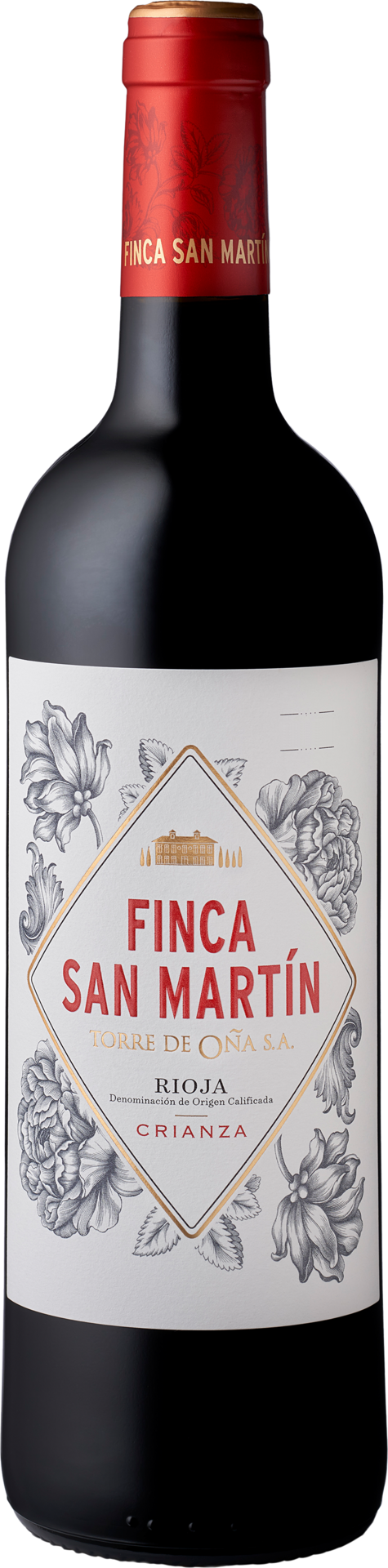
La Rioja Alta, S.A. – behind this name is one of the most venerable addresses in Spanish viticulture. For over 130 years, people have been working here with a clear attitude: patience is not a luxury, but the foundation for great wine. The bodega is located in the heart of the Rioja Alta and has never let itself be driven by trends. Instead, they rely on long barrel aging, hand-picked grapes and a deep understanding of their vineyards. The result? Wines you won't forget – with red fruits, fine spices and a velvety warmth that lingers for a long time. Sustainability is not a buzzword here, but lived practice: organic viticulture, fair-trade corks and sustainable energy sources show that tradition and responsibility go together wonderfully. Four bodegas, four regions – from the Rioja to the Rías Baixas. But no matter where you look: everywhere the same care, the same passion.

Filters
15 products

Decanter World Wine Awards 2022
Awarded by Decanter
James Suckling Bewertung
Awarded by James Suckling
Robert Parker Wine Advocate 2020
Awarded by Robert Parker The Wine Advocate
Decanter World Wine Awards 2022
Awarded by Decanter Magazine

James Suckling Bewertung 2023
Awarded by James Suckling
Proensa Guide 2024
Awarded by Proensa Guide
Decanter World Wine Awards - Goldmedaille
Awarded by Decanter World Wine Awards


Gold Medal International Wine Challenge
Awarded by International Wine Challenge
Wine Advocate Rating 2025
Awarded by Wine Advocate
Tim Atkin, MW 2021 Award
Awarded by Tim Atkin, MW
Robert Parker Bewertung 2004
Awarded by Robert Parker / The Wine Advocate
Falstaff Bewertung 2024
Awarded by Falstaff
About La Rioja Alta
Five families, one goal: the birth of a Rioja legend
On July 10, 1890, five Riojan and Basque families founded the Sociedad Vinícola de La Rioja Alta in the Barrio de la Estación of Haro — right next to the newly opened train station, which first made export to the phylloxera-devastated markets of Northern Europe possible. Doña Saturnina García Cid y Gárate, one of the first women in this role in Spanish viticulture, took over as chairwoman. The founders hired the Frenchman Albert Vigier as the first cellar master, whose first cuvée — the Reserva 1890 — laid the foundation for what is known in the wine world today as the Gran Reserva 890. In 1904, the bodega merged with the winery of co-founder Alfredo Ardanza, thereby gaining access to some of the best sites in the Rioja Alta. Both founding dates live on in the flagship wines: the "890" and the "904" bear the years of their creation — without the first digit, to avoid confusion with the vintage. To this day, the bodega is owned by the founding families.
Own vines, own barrels, manual racking every six months
La Rioja Alta processes exclusively grapes from its own cultivation. The vineyards on calcareous and iron-clay soils around Haro, Briñas, Labastida, and Villalba are consistently managed by the winery itself; there is no purchasing of grapes. In the cellar, the in-house cooperage defines the style: the American oak wood is dried at the company's own site for several years before it is processed into barrels, in which the wines are manually racked every six months — a practice that doses oxidation and gives the wine structure time to breathe. Around 30,000 barrels are in permanent use. Gran Reservas are only released in exceptional vintages and only after complete maturation in the cellar — the 904 spends four years in wood, the 890 a full six.
Sustainability is not an afterthought: the bodega operates a solar plant in Álava that offsets over 41 tons of CO₂ annually, relies on biotechnology instead of chemicals for pest control, and has converted 16 hectares to 100% organic farming. The Artisanal Vineyards project secures centuries-old individual parcels that would otherwise be forgotten. The bodega holds the Wineries for Climate Protection certificate. Through the Viña Ardanza Solidario initiative, more than two million euros have so far flowed into agricultural projects in developing countries.
Classic Rioja style: Tempranillo, American oak, long breath
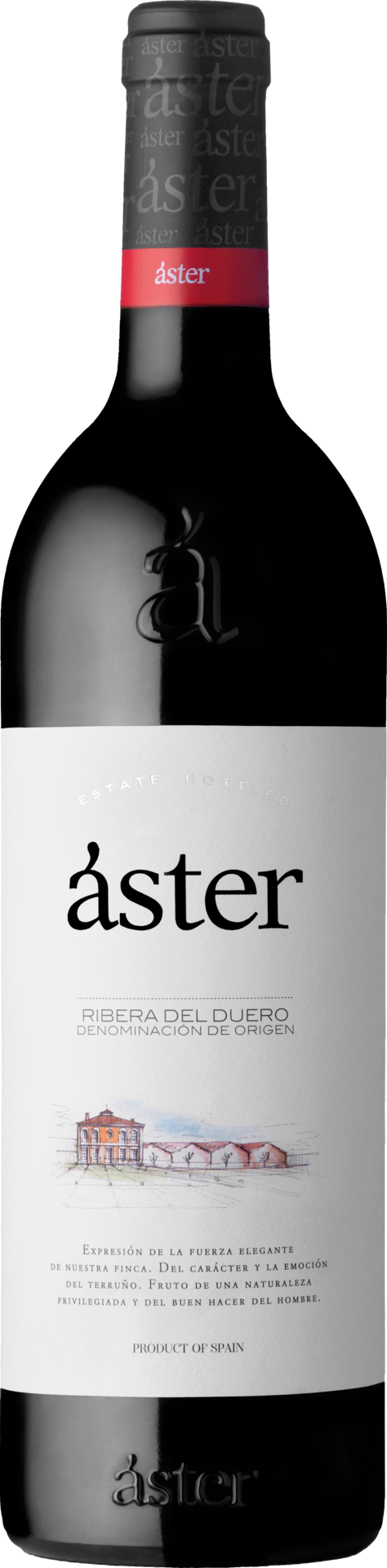
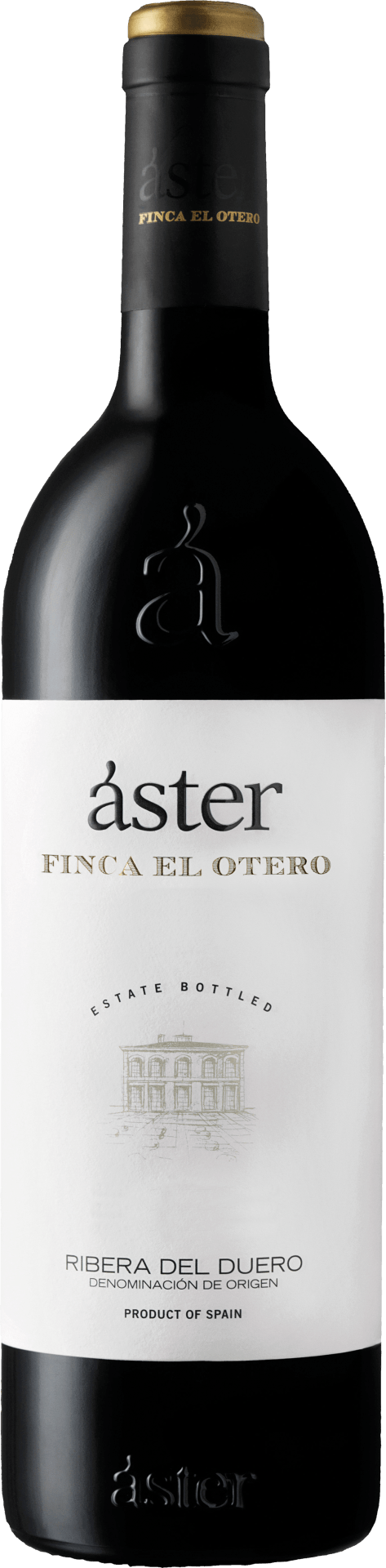
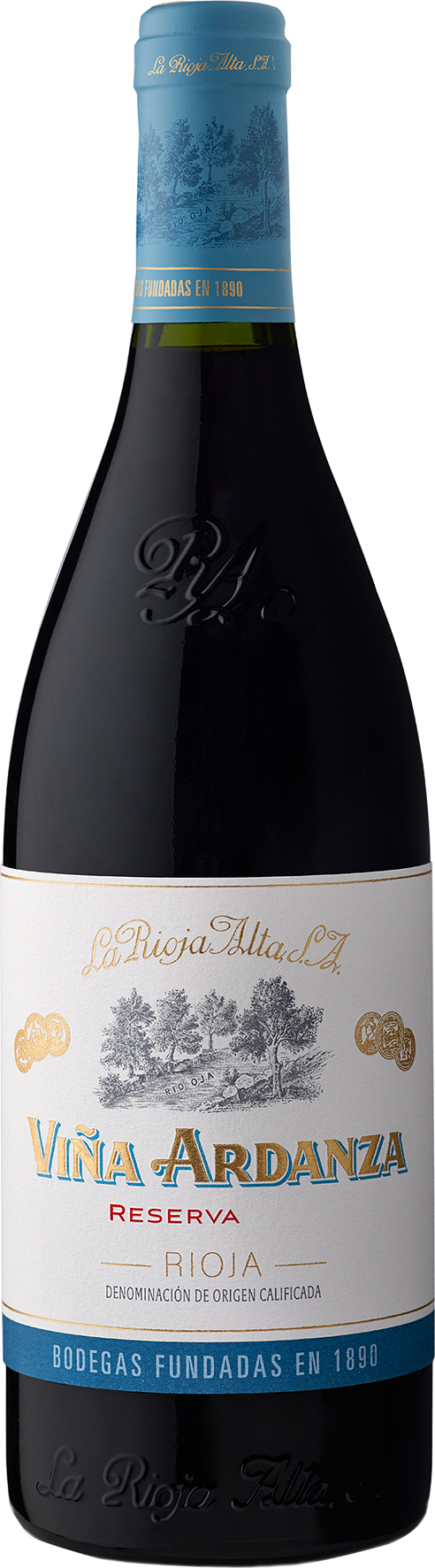
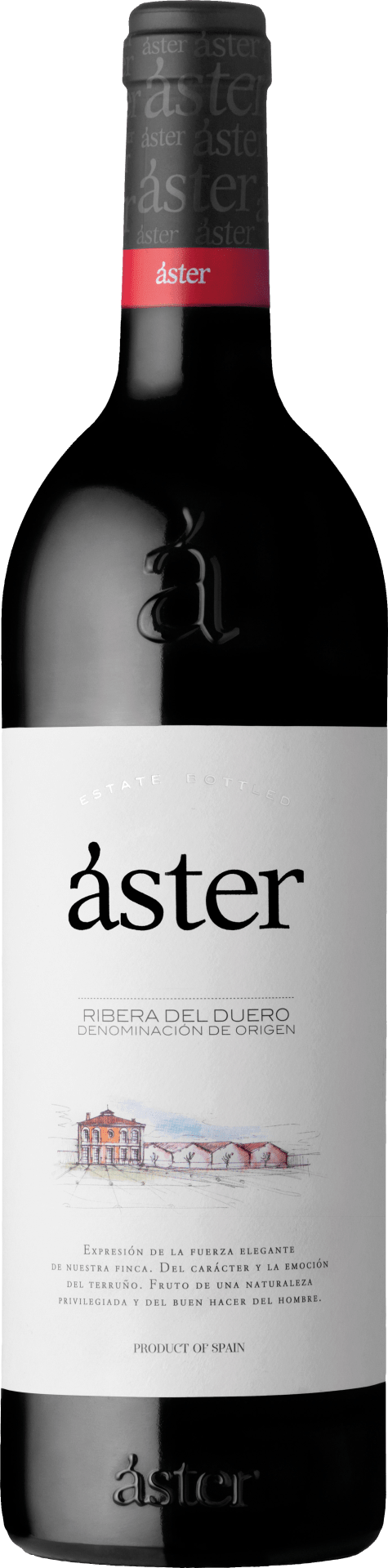
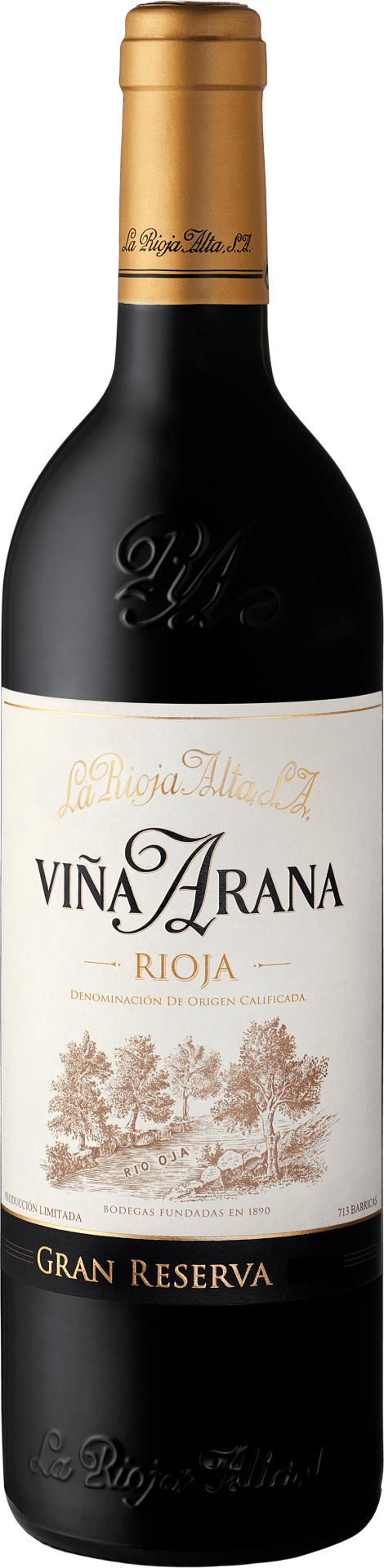
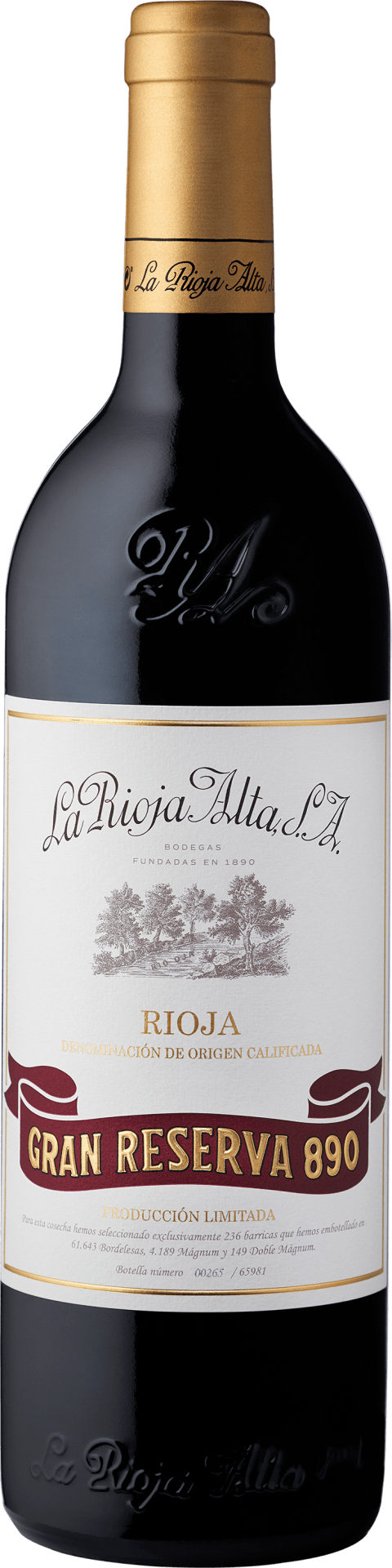
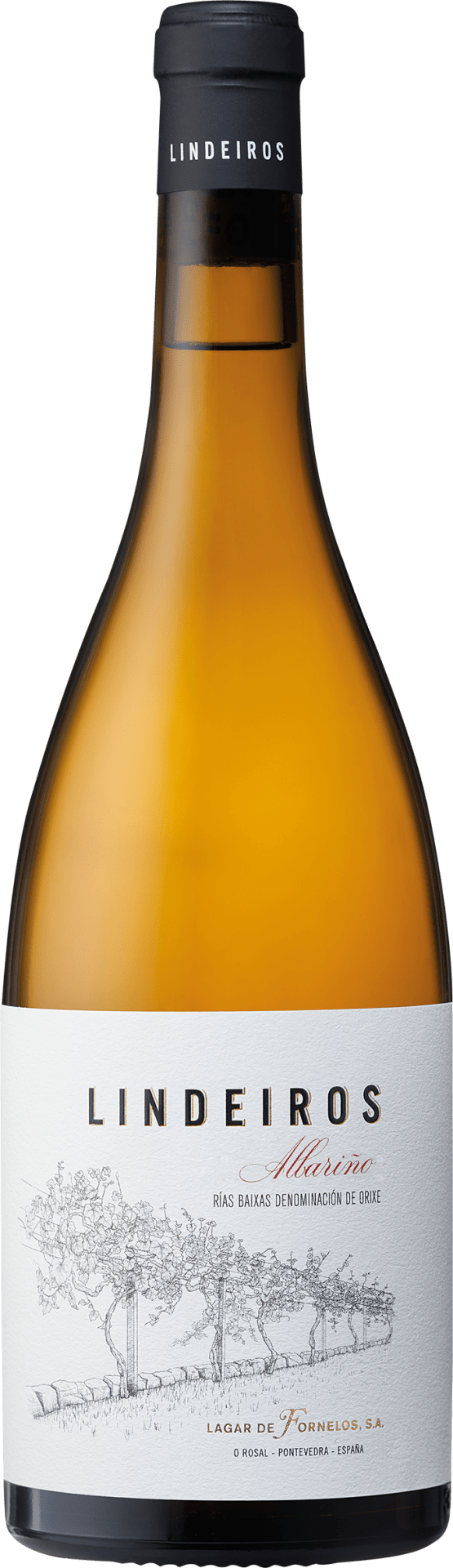
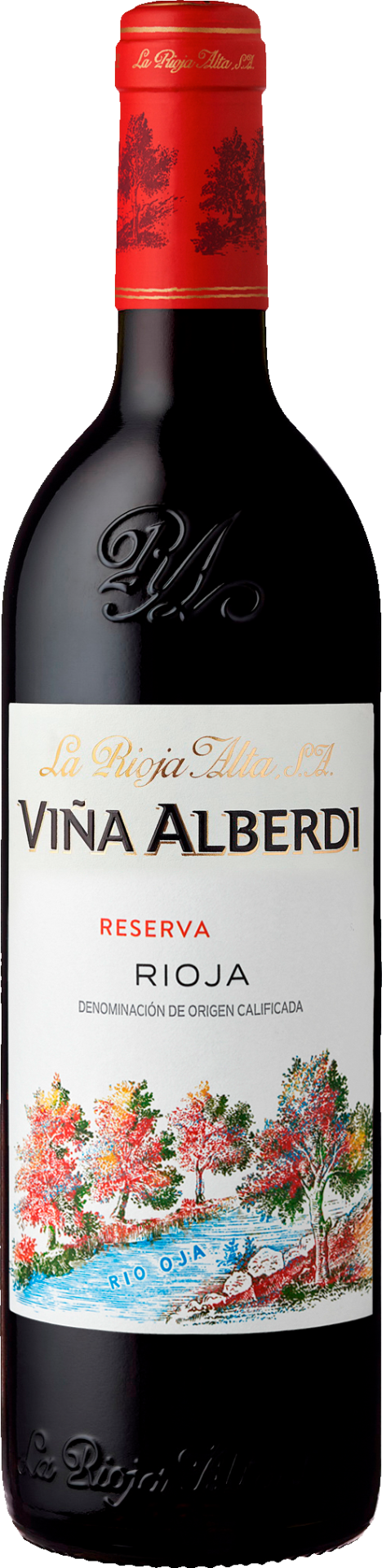
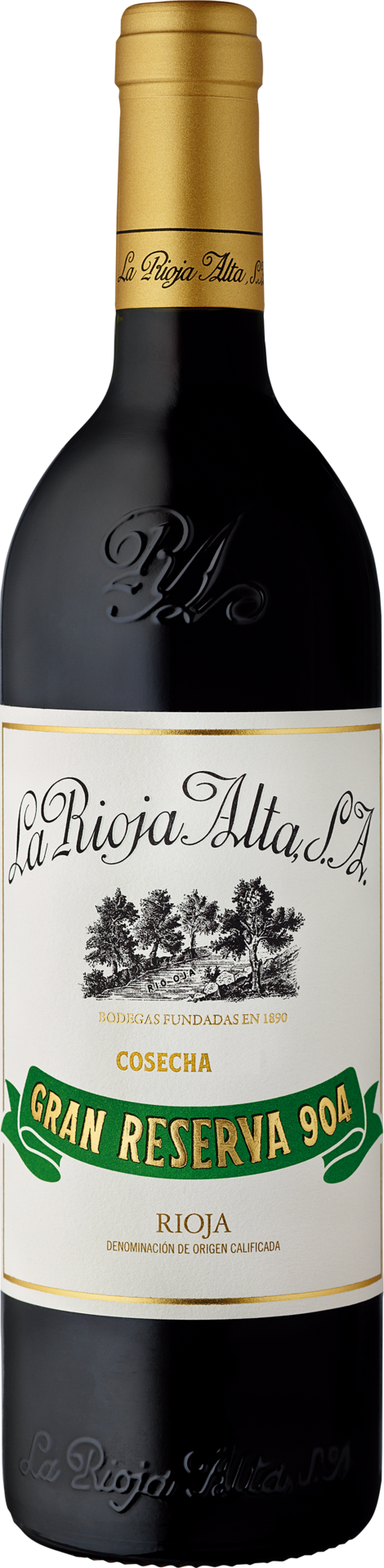
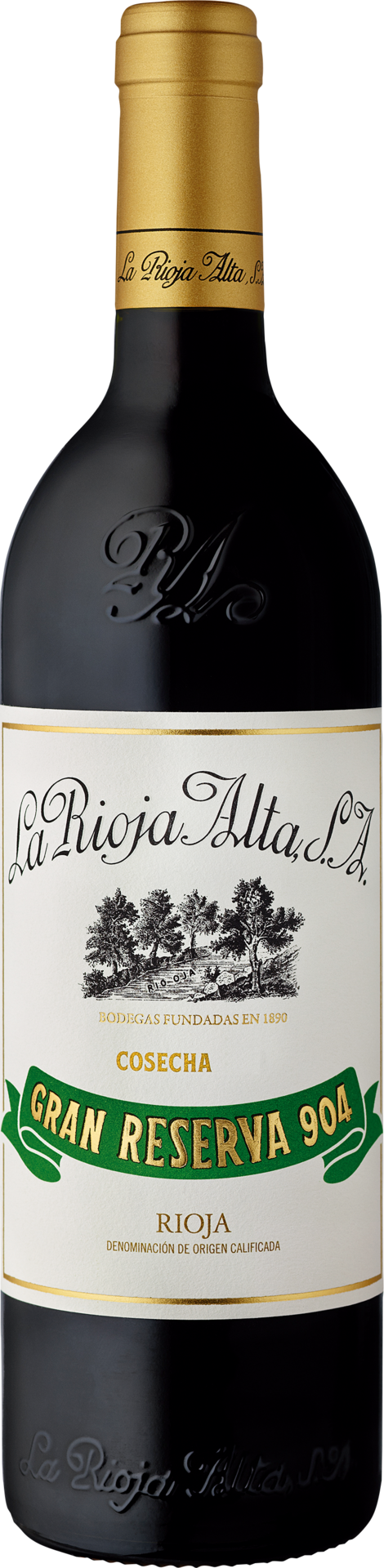
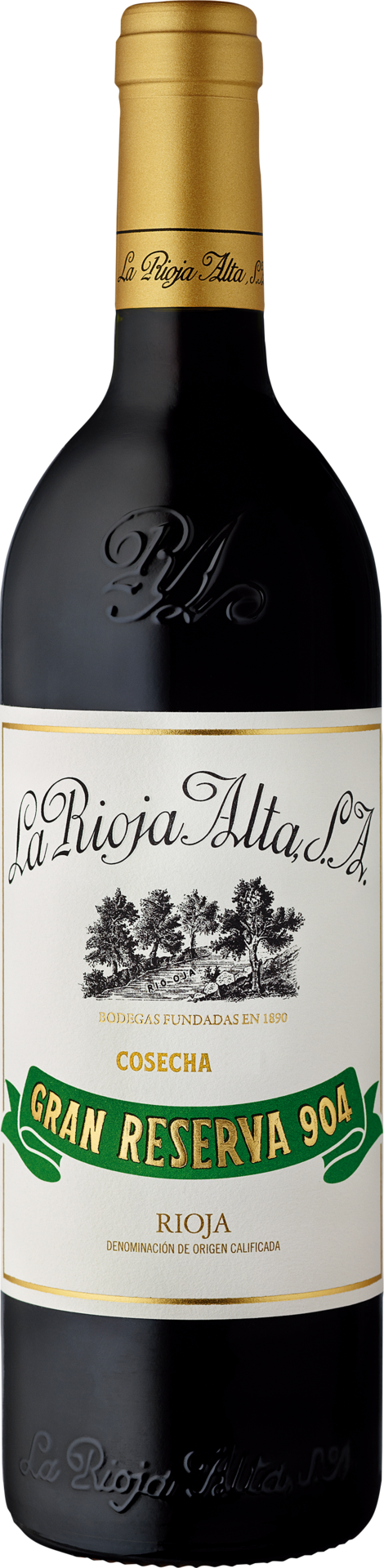
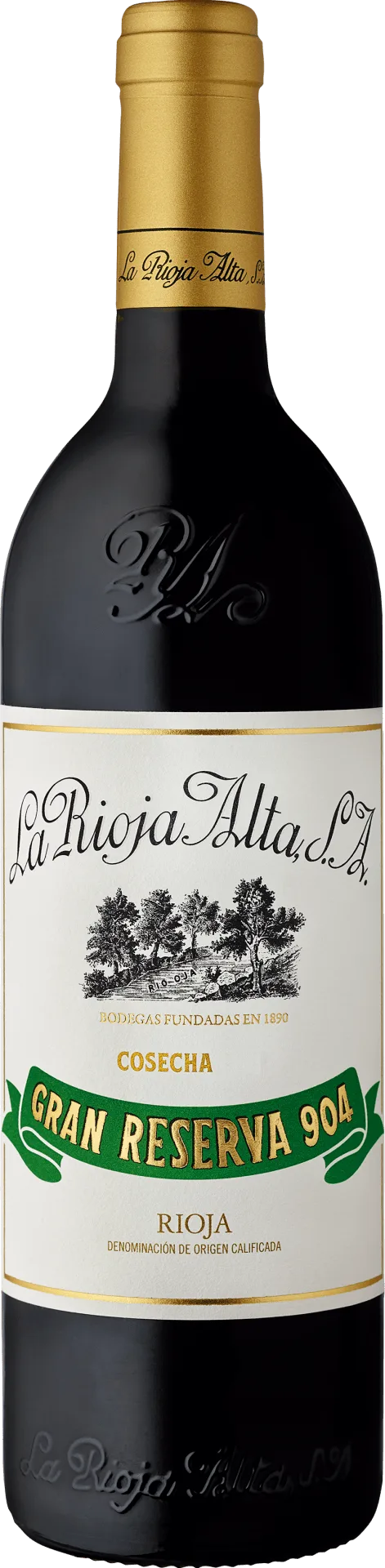
The range of La Rioja Alta stands for a clearly defined style: Tempranillo-dominated, aged in American oak, with tannins that need time and reward with time. The Gran Reserva 904 — 90% Tempranillo, 10% Graciano — shows aromas of cigar box, tea leaf, vanilla, and dark spices after four years of barrel aging, carried by silky tannins and a freshness that signals long storage potential. The Gran Reserva 890, with a small proportion of Mazuelo, spends six years in wood and develops an even denser, more structured fruit: candied plum, cedar wood, cinnamon, and cocoa, the finish long and mineral. Both wines are bottled unfiltered. The Rioja range is supplemented by the Viña Ardanza, a Tempranillo-Garnacha cuvée with more fullness and warmth, as well as by wines from the sister bodegas Áster in the Ribera del Duero and Lagar de Fornelos in the Rías Baixas — each independent, all committed to the same philosophy: patience as a craft.
Haro (La Rioja)riojalta.com
Award-winning wines
Decanter World Wine Awards 2022
Awarded by Decanter
James Suckling Bewertung
Awarded by James Suckling
Robert Parker Wine Advocate 2020
Awarded by Robert Parker The Wine Advocate
Decanter World Wine Awards 2022
Awarded by Decanter Magazine
James Suckling Bewertung 2023
Awarded by James Suckling
Proensa Guide 2024
Awarded by Proensa Guide
Decanter World Wine Awards - Goldmedaille
Awarded by Decanter World Wine Awards
Gold Medal International Wine Challenge
Awarded by International Wine Challenge