How a Peruvian invented Rioja
The history of Marqués de Murrieta is simultaneously the birth story of modern Rioja. Don Luciano de Murrieta, born in Arequipa (Peru) and trained in Bordeaux, produced the first great Rioja wine ever in 1852 — destemmed, fermented in oak barrels, and aged with the goal of long maturation. His ambition went further: in the same year, he shipped his legendary first vintage to Mexico and Cuba, making Rioja the first Spanish wine region to export fine wines internationally. King Amadeo I later awarded him a noble title, with the funds from which he was able to acquire the Finca Ygay near Logroño in 1872 — the estate where the bodega is still based today.
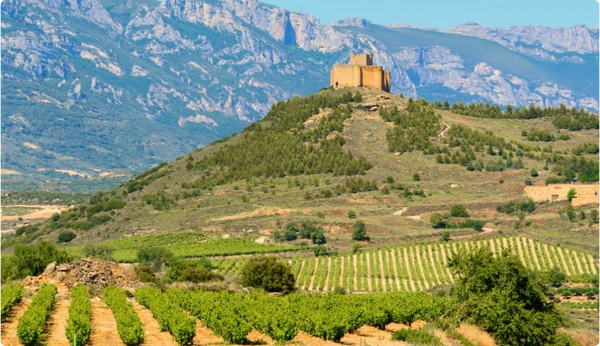
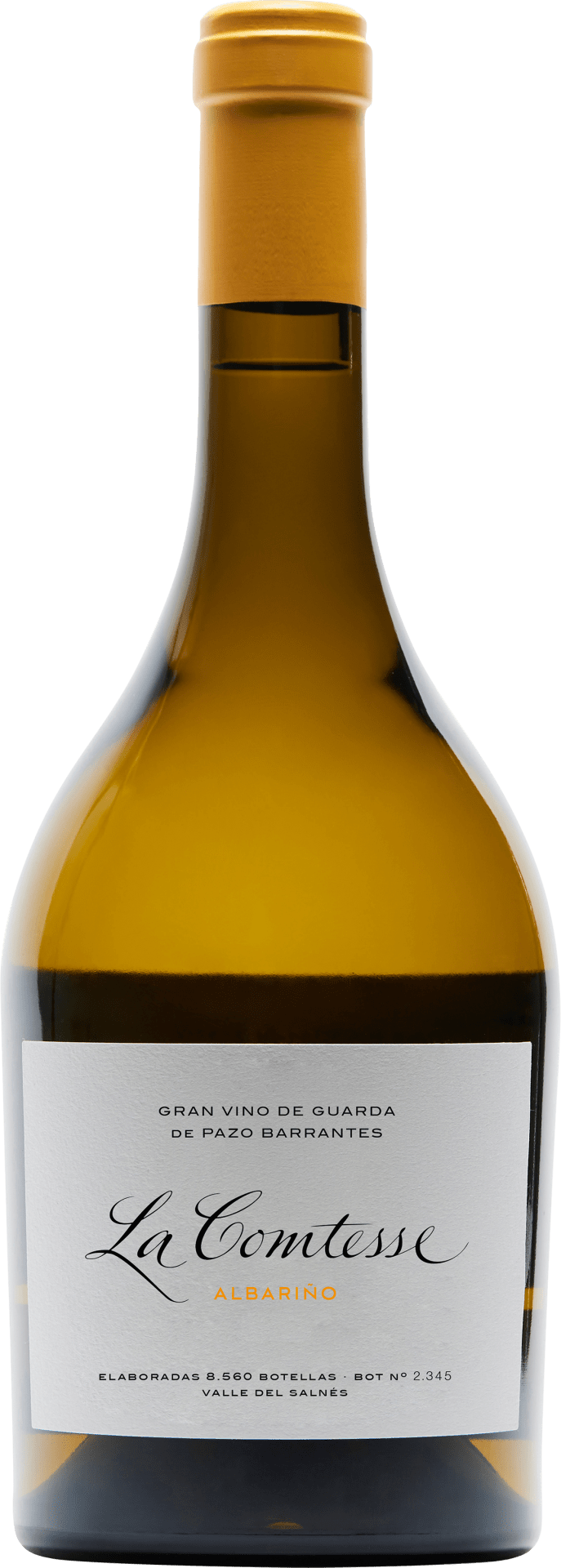
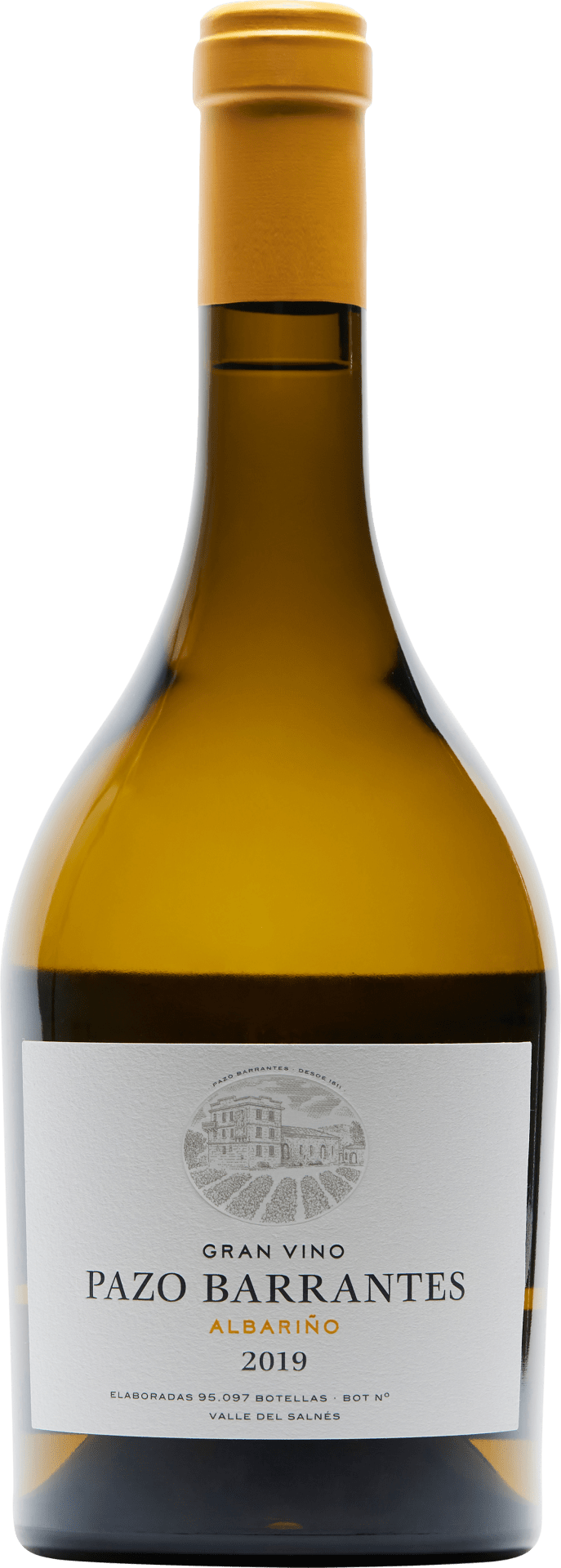
In 1983, Vicente Cebrián, Count of Creixell, acquired the then-neglected winery. His son Vicente Dalmau Cebrián-Sagarriga has been managing it since 1996 and has fundamentally renewed it: from the elaborate restoration of the historic Castillo Ygay to the construction of modern production facilities, which were completed in 2017. The Cebrián family also owns Pazo Barrantes in the Rías Baixas — a heritage that has been in the family since 1511.
One estate, all wines, strict loyalty to origin
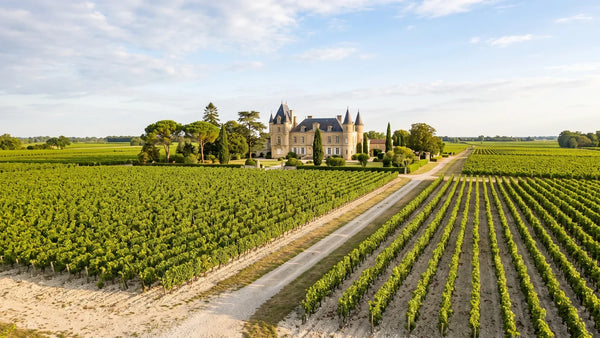
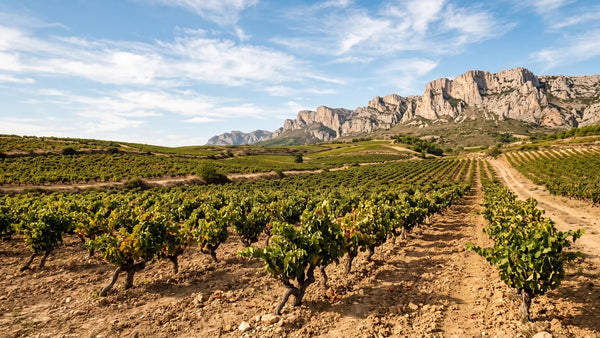
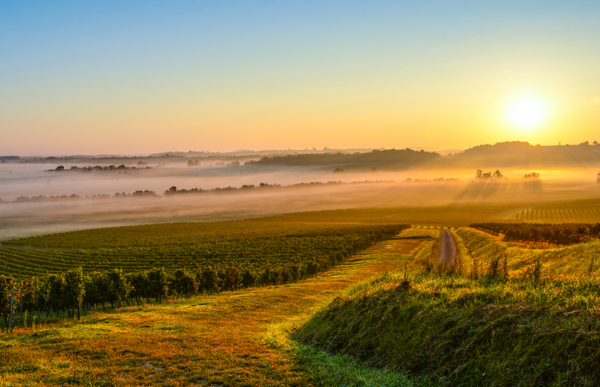
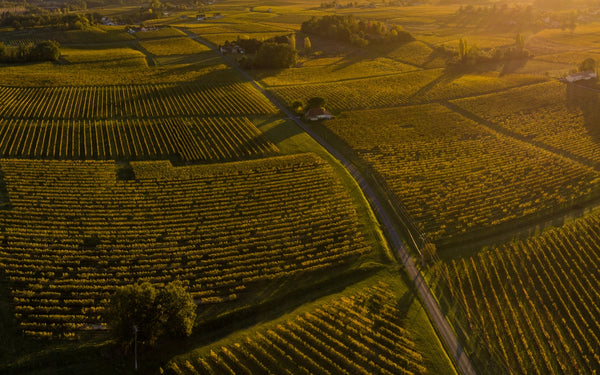
The principle of Marqués de Murrieta is radically consistent: all wines come exclusively from the Finca Ygay, a 300-hectare single estate in the southern Rioja Alta, a few kilometers from Logroño. The lime-rich clay soils lie on three terraces between 320 and 485 meters in altitude. This altitude grading gives each single-vineyard wine a different character — cooler, tauter at the top, fuller and riper in the lower sites.
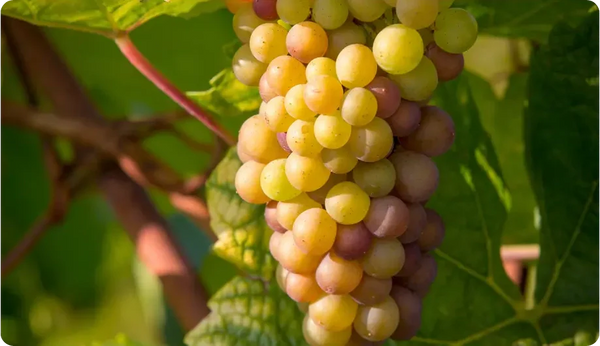
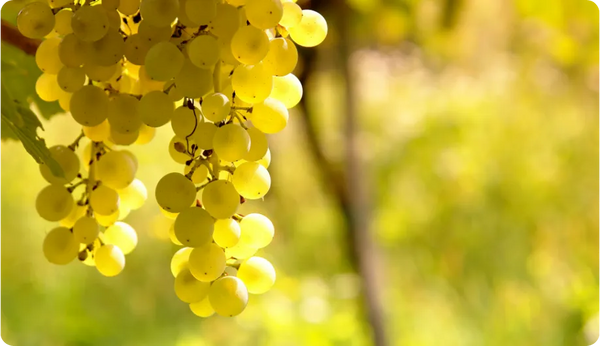
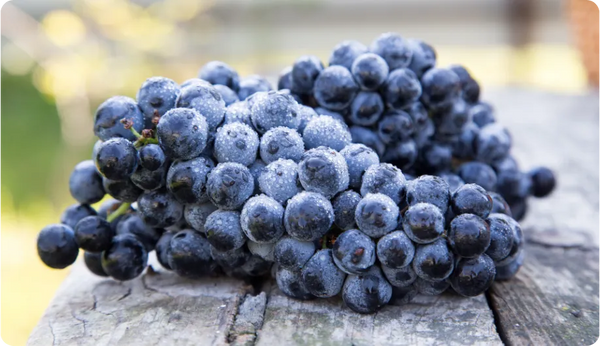
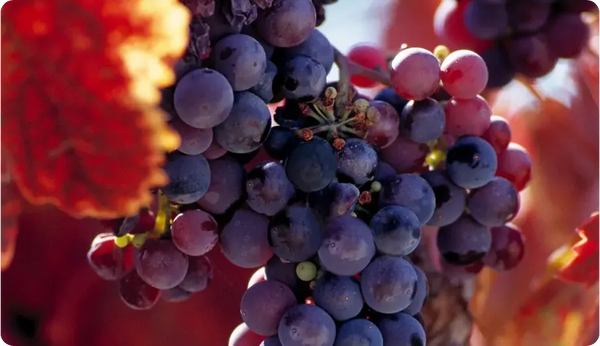
Winemaker María Vargas, who has been with the house since graduating, is responsible for the cellar work together with Vicente Dalmau. Her leitmotif: preserve acidity, maintain phenolic balance, so that the wines mature slowly and without breaks. The traditional grape varieties of the region — Tempranillo, Graciano, Mazuelo, and the white Viura — are consciously cultivated, including stocks that are becoming increasingly rare in Rioja. Low yields and consistent hand-harvesting throughout the estate are the foundation of the quality. The philosophy follows no fashionable shortcut: whoever plants a vine here calculates in decades.
Classic structure, clearly defined single vineyards
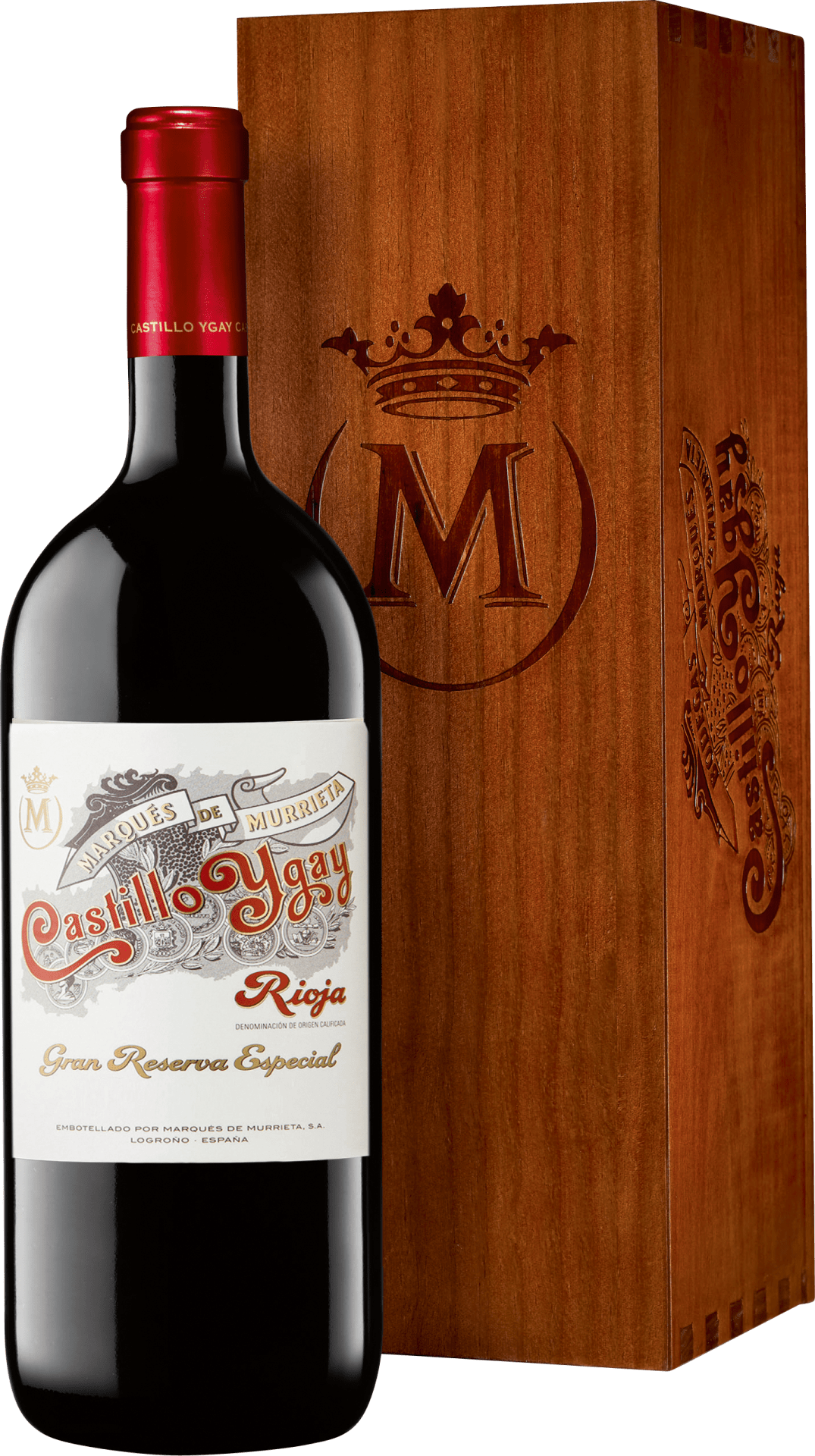
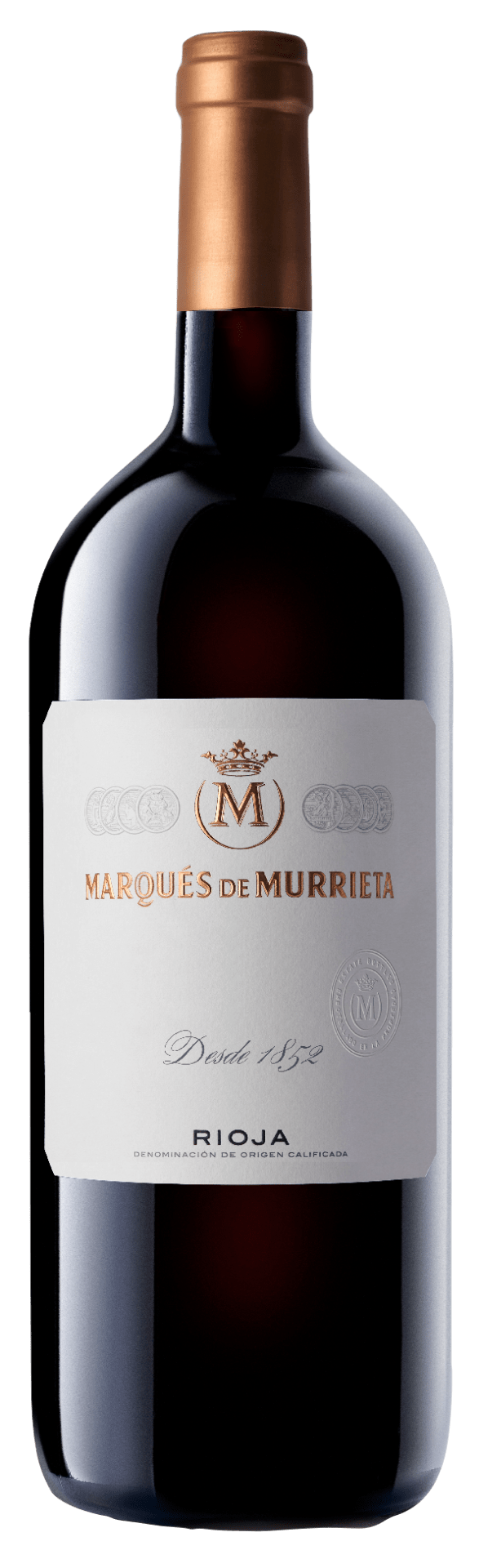
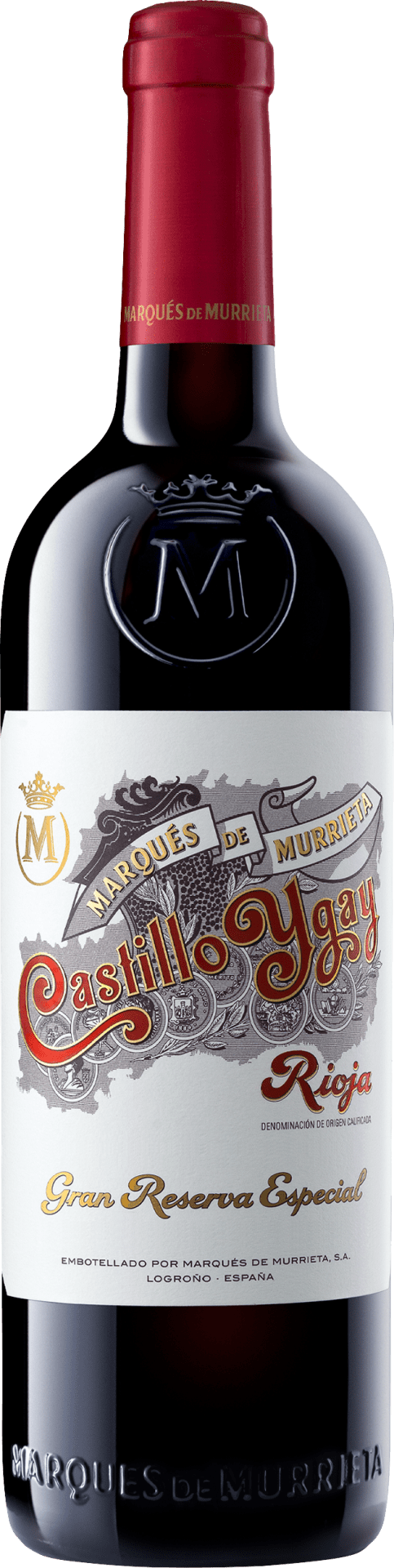
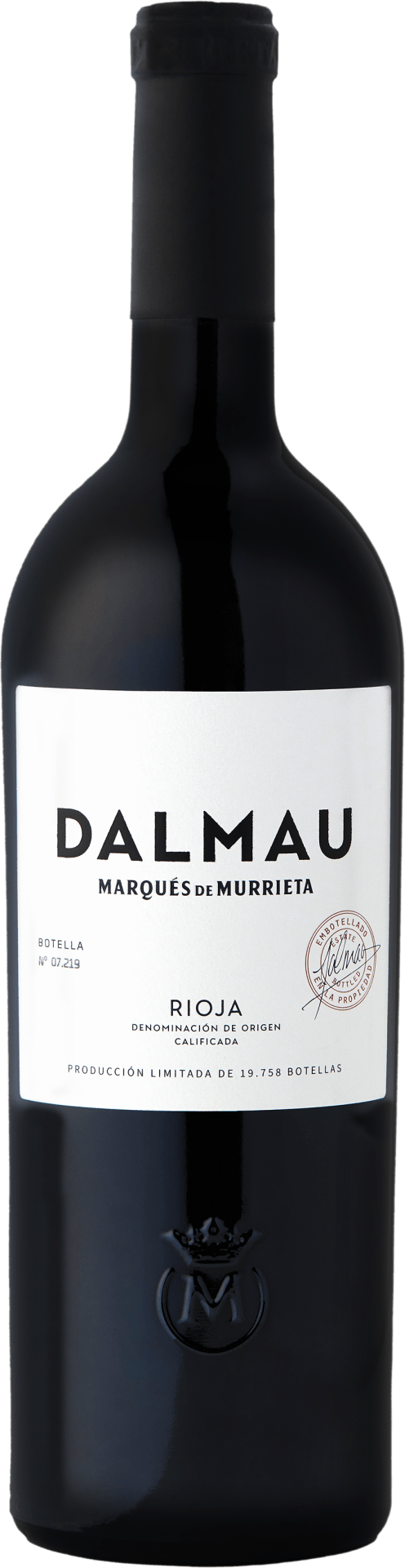
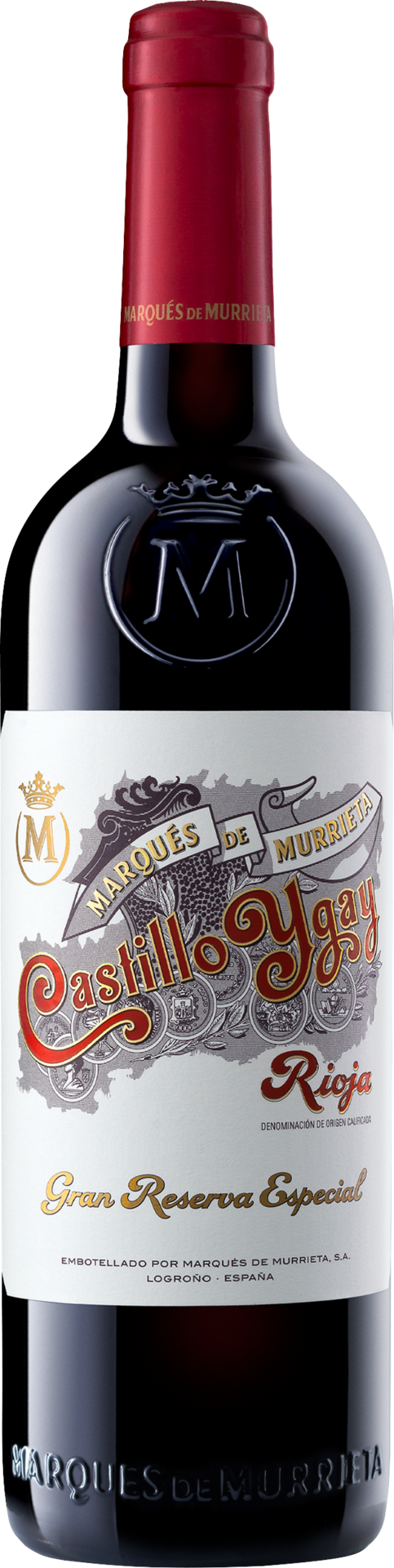
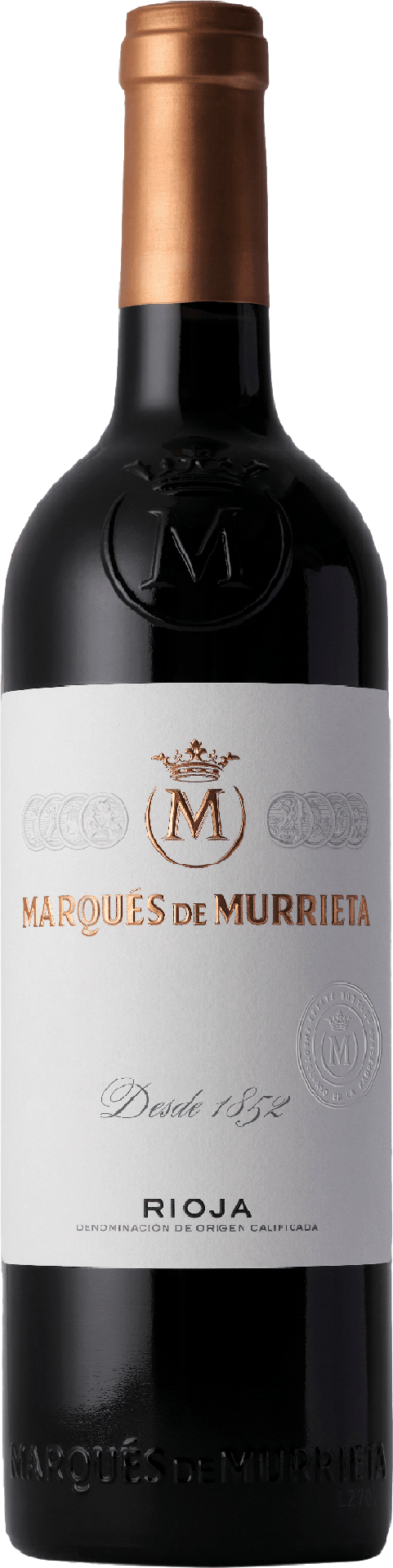
The range spans a wide arc, but shares a common DNA: depth, balance, and the ability to develop in the glass. The Reserva — the heart of the range in terms of volume — combines Tempranillo with Graciano, Mazuelo, and Garnacha and shows the character of each vintage on the Finca Ygay. The Castillo Ygay Gran Reserva Especial, bottled only in selected vintages, matures for at least 36 months in American oak and is considered one of the most complex and long-lived cuvées in Spain. Dalmau, the modern counterpart, comes from the 9-hectare single vineyard Canajas (465 m, iron-clay soils, planted in 1950) and consists of Tempranillo, Graciano, and a portion of Cabernet Sauvignon, aged in French barriques.
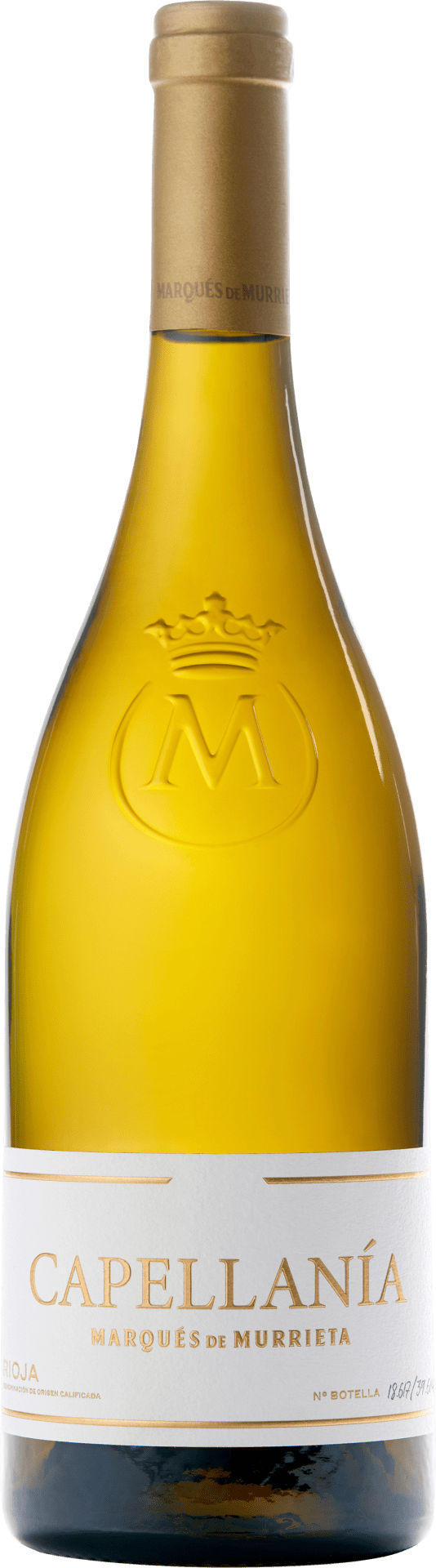
The white Capellanía comes from a 6-hectare plot at 485 meters, planted with Viura vines from 1945, and matures for around 15 months in French oak — precise, gastronomic, far removed from the standard Rioja Blanco. More than 60 percent of production goes to export, to over 75 countries. A winery that began in 1852 to carry Rioja out into the world, and has not stopped doing so to this day.