

Rioja · Spain
Marqués de Riscal
Read more Read less
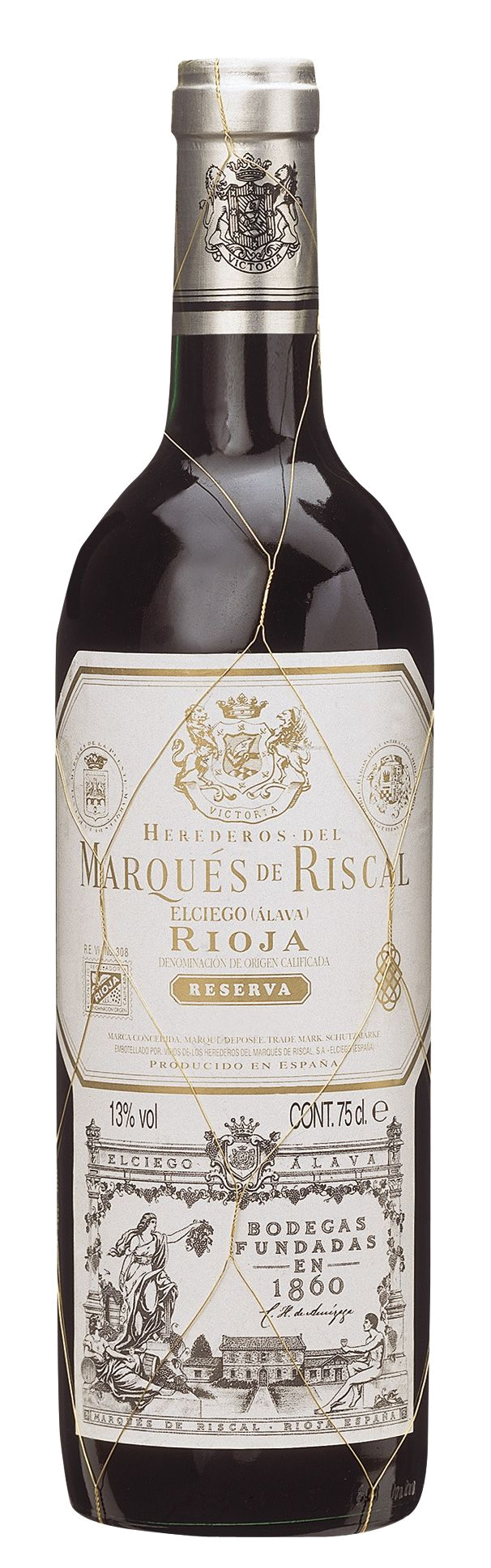
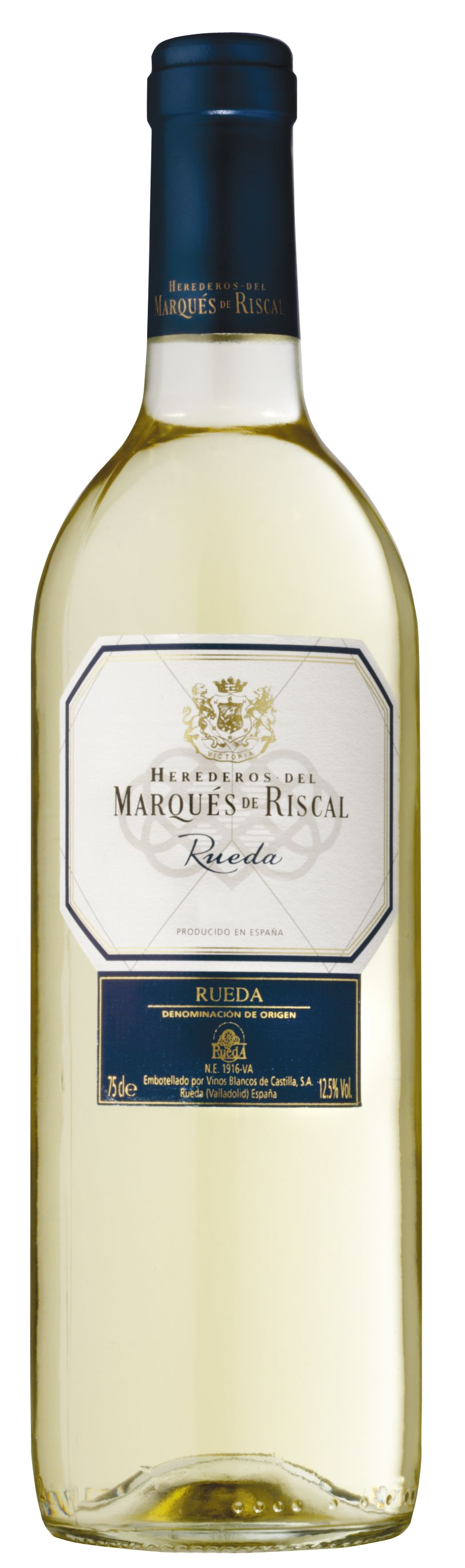
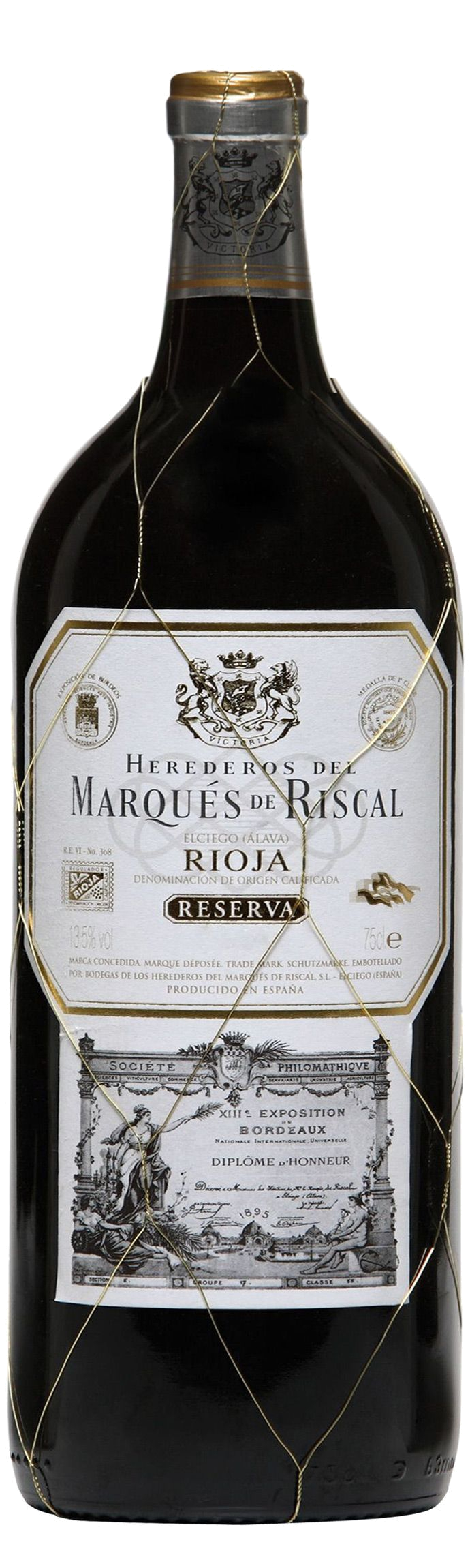
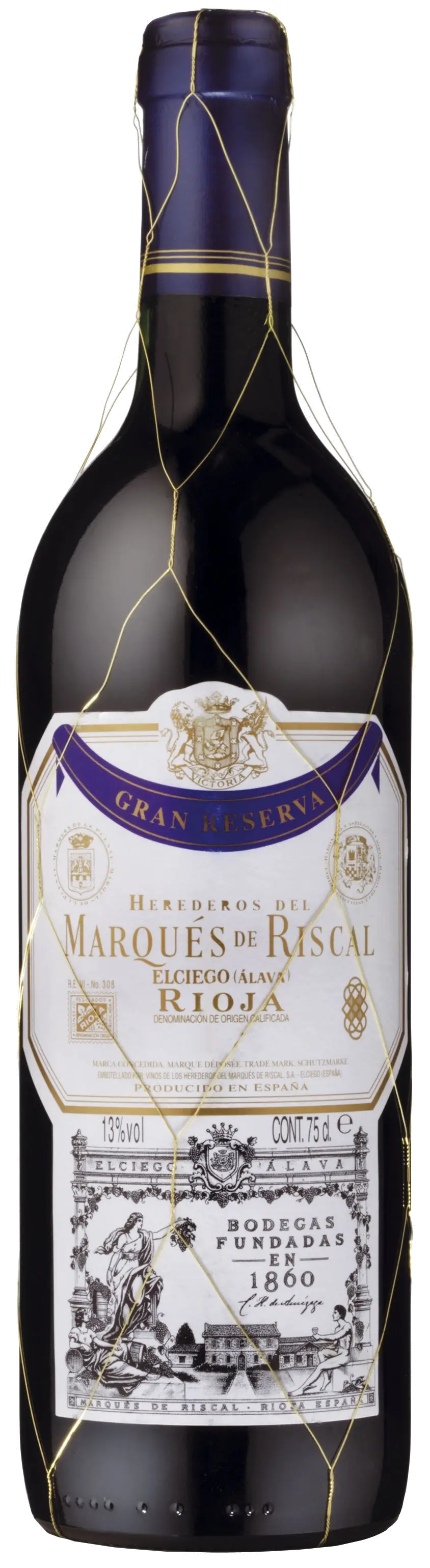
Herederos del Marqués de Riscal is one of the most influential names in Spanish wine: founded in 1858 in Elciego, Rioja Alavesa, the estate was the first to systematically introduce Bordeaux winemaking techniques to Rioja – advised by Château Lanessan's cellar master, Jean Pineau. What began as a bold cultural transfer became an institution: the Reserva has been considered one of the world's most renowned Rioja wines for some 150 years, and since 1972, Marqués de Riscal in Rueda has demonstrated that Verdejo and Sauvignon Blanc can be just as compelling as the classic Rioja red. More than 7 million bottles are exported annually to over 110 countries – tradition and vision united under one roof.
Filters
6 products

Jeb Dunnuck Score
Awarded by Jeb Dunnuck
Premios Ecovino 2024
Awarded by Cultura Permanente
Guía Vinos Gourmets 2026
Awarded by Wines for Gourmets
Mundus Vini Gold 2019
Awarded by Mundus Vini (Internationaler Weinwettbewerb)

About Marqués de Riscal
Elciego - Álavamarquesderiscal.com
Award-winning wines
Jeb Dunnuck Score
Awarded by Jeb Dunnuck
Premios Ecovino 2024
Awarded by Cultura Permanente
Guía Vinos Gourmets 2026
Awarded by Wines for Gourmets
Mundus Vini Gold 2019
Awarded by Mundus Vini (Internationaler Weinwettbewerb)
What our customers say
The is an excellent, highly recommended red wine with an elegant note of full berry aroma and vanilla notes. The fine acidity is very well tolerated and it impresses with its pleasantly woody taste. A highly recommended wine that we will gladly enjoy again.

Frequently asked questions
Which grape varieties are the focus at Marqués de Riscal?
What distinguishes a Reserva from a Gran Reserva from Rioja?
What do red wines from Rioja go best with?
How is Verdejo from Rueda best drunk?
How long do wines from Marqués de Riscal last?
For whom is the selection from Marqués de Riscal suitable?
Marqués de Riscal —
Rioja tradition since 1858, from Elciego to the world
When Jean Pineau, cellar master of Château Lanessan, came to Elciego in the Rioja Alavesa in 1858, he brought more than just Bordeaux technique: he laid the foundation for a house that has sustainably changed Spanish wine. Marqués de Riscal was the first winery in the Rioja to systematically work with barriques and sort grape varieties according to the French model — a cultural transfer that seemed bold at the time and is considered groundbreaking today.
The Reserva, the heart of the house for around 150 years, stands for what Rioja Alavesa can do: Tempranillo with depth, a firm tannin structure, and the maturity that only slow barrique aging provides. Aromas of dark cherry, leather, and vanilla, a long, dry finish — a wine that goes just as well with a leg of lamb as it does with aged Manchego. Rueda was added in 1972: Verdejo and Sauvignon Blanc, which show that the house also works with precision when it comes to white wine.
Today, more than seven million bottles go to over 110 countries annually. What remains is the ambition from Elciego: craftsmanship that does not need to be explained because it speaks in the glass.