From the Finca Alto Buen Grado to a winery with a pioneering spirit
The history of Vinícola de Castilla begins at the Finca Alto Buen Grado, an estate surrounded by vineyards owned by the family. Félix Bellido acquired the estate in 1975, and what started as a manageable family project grew over the decades into one of the most well-known wineries in the D.O. La Mancha. In 1976, the family founded Vinícola de Castilla S.A. — at a time when most businesses in the region produced exclusively bulk wine for the anonymous market. The decision to focus on bottled quality wines from the very beginning was an exception in this environment. Today, Sonia Bellido leads the company in the third generation as CEO — under the umbrella of the parent brand Familia Bellido Viñedos y Bodegas, which, in addition to Vinícola de Castilla, also unites the Alto Buen Grado winery for the premium price segment.
Red soil, continental climate, own vineyard
The vineyards around Manzanares lie on red soils made of Miocene sediments with a predominantly porous limestone subsoil — ideal for controlled root growth and mineral absorption. The climate is strictly continental: winter temperatures down to -5 °C, summer heat up to 42 °C, and low annual precipitation. The vineyards include their own sites around Manzanares, where mainly autochthonous varieties grow, supplemented by international grape varieties such as Cabernet Sauvignon, Syrah, Merlot, Chardonnay, and Verdejo. In the cellar, the winery focuses on precision: Vinícola de Castilla was one of the first businesses in Castile-La Mancha to use cooling technology in the fermentation tanks and was among the pioneers of sparkling wine production in Spain outside of the Penedès. The underground barrique cellar holds over 8,000 barrels — a capacity that is rare in the region and allows for the aging of Crianza and Reserva wines on a relevant scale.
Tempranillo, Cencibel, and a rock star from La Mancha
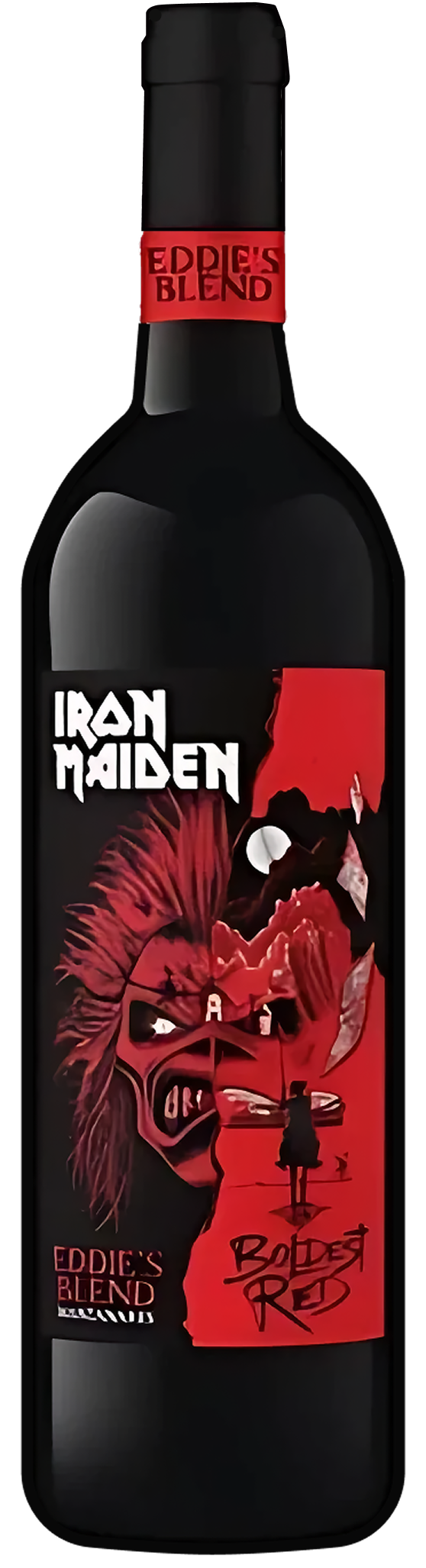
The range spans a wide arc: from fruit-forward young wines based on Airén or Verdejo to aged red wines with wood aging under the brands Señorío de Guadianeja, Finca Vieja, and Pago Peñuelas. The common thread is the Tempranillo — known in La Mancha as Cencibel — often combined with Cabernet Sauvignon or Syrah, which gives the wine structure and dark fruit. For a younger, internationally oriented audience, there is the Iron Maiden Boldest Red: a cuvée of Tempranillo and Cabernet Sauvignon that can be read as a tribute to the spirit of Don Quixote and the British rock band alike. In addition, the family is currently developing new sites under the Alto Buen Grado project: autochthonous varieties such as Tinto Fragoso and Moravia are being tested on the Finca to re-measure the viticultural diversity of the region. La Mancha shows itself here not as a museum, but as a field of work.