In Oyón since 1889: five generations, one bodega
The history of Conde Valdemar begins in 1889 in Oyón, a small town in the Rioja Alavesa near the border to the Basque Country. It was there that the Martínez Bujanda family laid the foundation for what is today one of the most well-known bodegas in the DOCa Rioja – in a simple stone cellar, on a narrow dirt road at the edge of the village. Generation after generation, the family cultivated their own vineyards until Jesús Martínez Bujanda of the fourth generation launched Bodega Valdemar in the 1980s, simultaneously establishing the Conde Valdemar brand as the heart of their classic Rioja range. Today, his children Ana and Jesús Martínez Bujanda run the winery as the fifth generation – with the same sense of home for Oyón and a clear eye on the future.
Pioneering work instead of industry tradition: How Valdemar rethought Rioja
What distinguished the bodega from the very beginning was a pronounced pioneering spirit. In 1985, Valdemar was the first European bodega with temperature control in the cellar – a technical quantum leap at the time. 1989 saw the release of Spain's first-ever barrel-fermented white wine, a milestone that garnered attention far beyond the borders of the DOCa. At the same time, the Martínez Bujandas have consistently worked with almost forgotten grape varieties: Graciano was planted as early as 1982, and the Maturana grape was rediscovered in 2001 and integrated into their range. Tempranillo Blanco and a single-varietal Reserva made from Garnacha are also to their credit – rarities that are now considered groundbreaking for the entire appellation.
Today, the winery manages over 300 hectares of its own vineyards, spread across all three sub-regions of the DOCa: Rioja Alta, Rioja Alavesa, and Rioja Oriental. All grapes are estate-grown – a decision that enables consistent quality control from pruning to harvest. Technical Director Antonio Orte Vellé is responsible for the cellar and knows the peculiarities of each sub-region precisely: soils, slope orientations, and microclimates differ significantly within the appellation – and that is exactly what the range reflects.
Sustainability at Valdemar is not an afterthought or a marketing term. Since 2015, their own biodiversity project has been running in the vineyard, treating the land as a living agricultural ecosystem. The overarching “Sustainability 360°” program includes the reduction of the carbon footprint, the use of renewable energies, and active water management in the cellar – and is being consistently developed further by the fifth generation. Today, the wines are exported to over 55 countries.
Tempranillo as a guide: the Conde Valdemar range
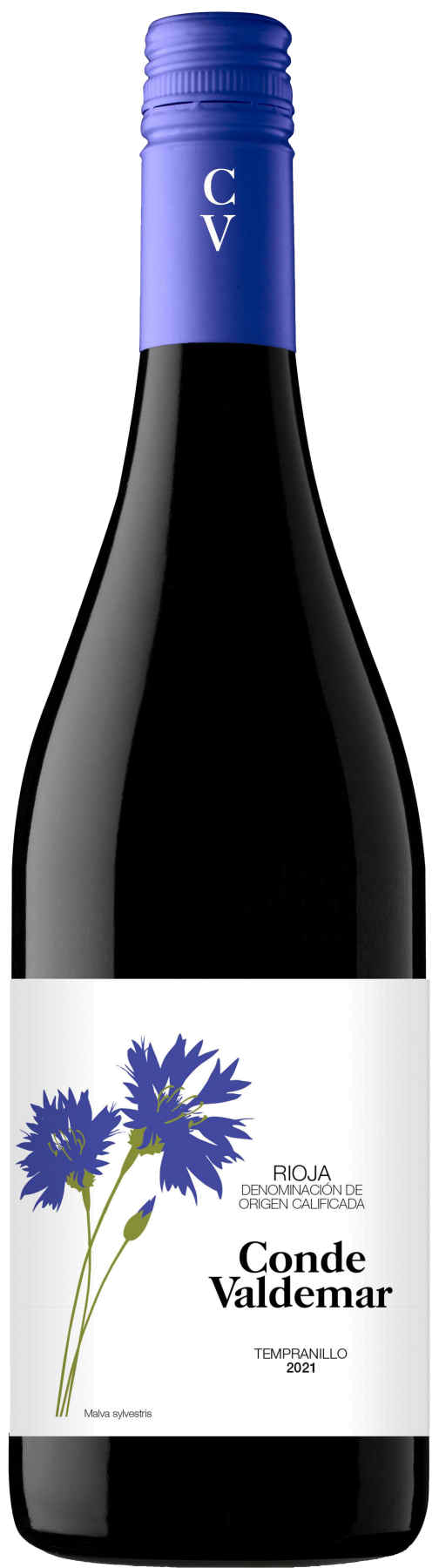
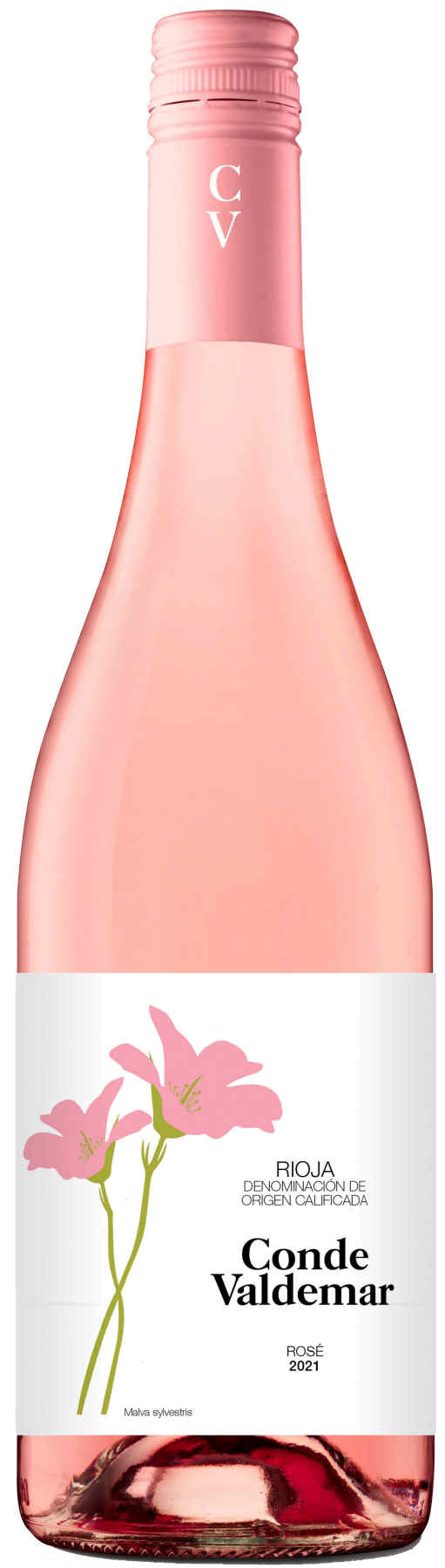
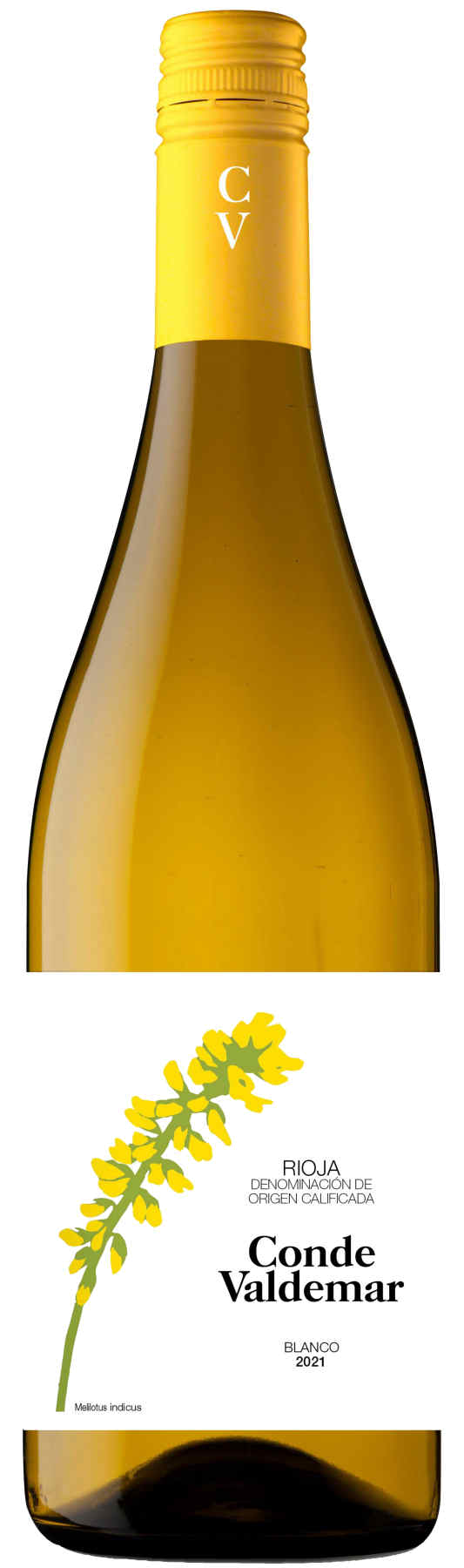
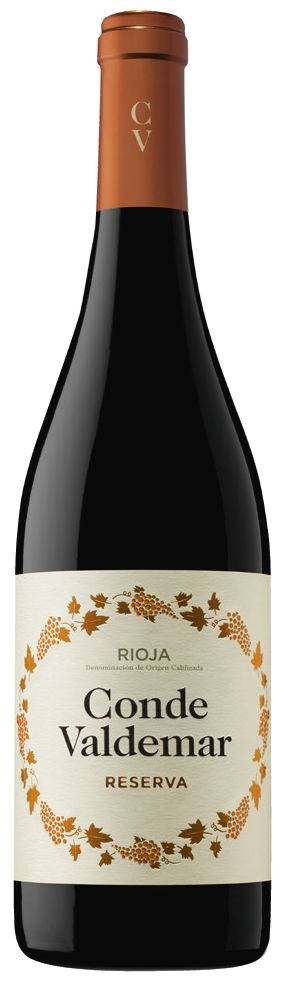
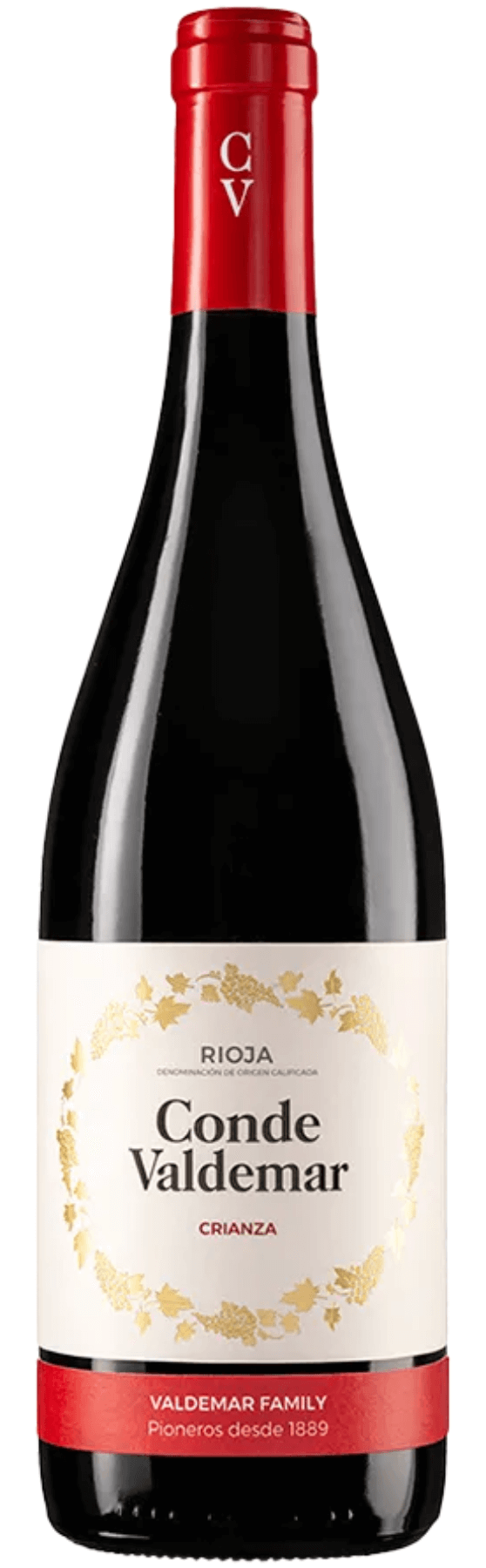
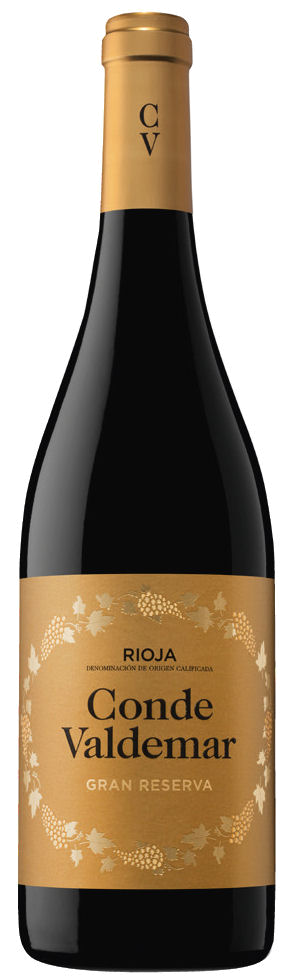
Under the name Conde Valdemar, the bodega gathers its classic Rioja line: a Tempranillo as an entry-level wine, a Rosado made from Garnacha, a Blanco – and the aged levels Crianza, Reserva, and Gran Reserva, which consistently continue the traditional Rioja style. The Tempranillo stands for the direct, fresh character of the region; Crianza and Reserva show what controlled barrel aging does to the basic character of this grape variety – structured tannins, dark fruit, a long finish with spice and tobacco. The Gran Reserva marks the highlight of the line: produced exclusively in strong vintages, with correspondingly longer aging in barriques and in the bottle. Anyone wanting to experience the full spectrum of the DOCa Rioja in one range will find a reliable, characterful starting point at Conde Valdemar – anchored in 135 years of family history and yet not standing still for a moment.