From sugar beet inventor to pioneer of the Ribera del Duero
When Alejandro Fernández and his wife Esperanza Rivera acquired a small 16th-century winery in his hometown of Pesquera de Duero in 1972, the Ribera del Duero was a no-man's-land in terms of viticulture. Sugar beets and grain dominated the Castilian plateau, and apart from Vega Sicilia, there was not a single estate that consistently focused on quality wine. Fernández knew the hard life in the fields from his own experience: he had participated in the sugar beet harvest by hand as a teenager and later invented a mechanical beet harvesting machine, the patent for which provided the necessary capital for his actual dream.
In 1975, he brought the first Tinto Pesquera to market, initially still pressed with an old tree press. The wine was named after the couple's birthplace — a gesture that shows how deeply rooted Fernández was in his homeland. By the early 1980s, Pesquera had caused such a stir that the Spanish wine authorities could no longer look away: in 1982, the Ribera del Duero received its Denominación de Origen, largely due to Fernández's pioneering work. In 1985, Robert Parker placed the Janús, a special selection from the Pesquera range, in the circle of the best wines in the world — and made the bodega internationally famous. In the following years, the family project grew: in 1995, Condado de Haza was added, in 1998 Dehesa La Granja in the province of Zamora, and in 1999 El Vínculo in La Mancha. Today, the next generations of the Familia Fernández Rivera continue to run the company.
Uncompromising signature: Tempranillo, yield control, barrel aging
Alejandro Fernández never earned an academic degree in viticulture — his craft was intuition, observation, and stubbornness against fashion trends. All his bodegas work exclusively with Tempranillo, which is known locally in the Ribera del Duero as Tinto del País. The vines grow on low-trained trellises, which Fernández deliberately aligned close to the ground so that the grapes could benefit from the stored heat of the stony soil. Yield control and hand-picking from their own vineyards are fundamental principles — purchased grapes do not go into the bottle.
In the cellar, Fernández opted for restraint early on: no filtration, no fining with egg white — an unusual decision for Spain at the time, which he justified by saying that every intervention costs aroma. Since 1982, the grapes have been destemmed and macerated for up to 20 days, depending on the vintage. For maturation, he initially relied exclusively on American oak, which gives the wine its characteristic spice; over the years, French barriques were gradually added. The Tinto Pesquera matures for at least 15 months in wood; Reservas and Gran Reservas remain in the barrel for 24 months or longer.
Powerful Tempranillos with depth — from Pesquera to Zamora
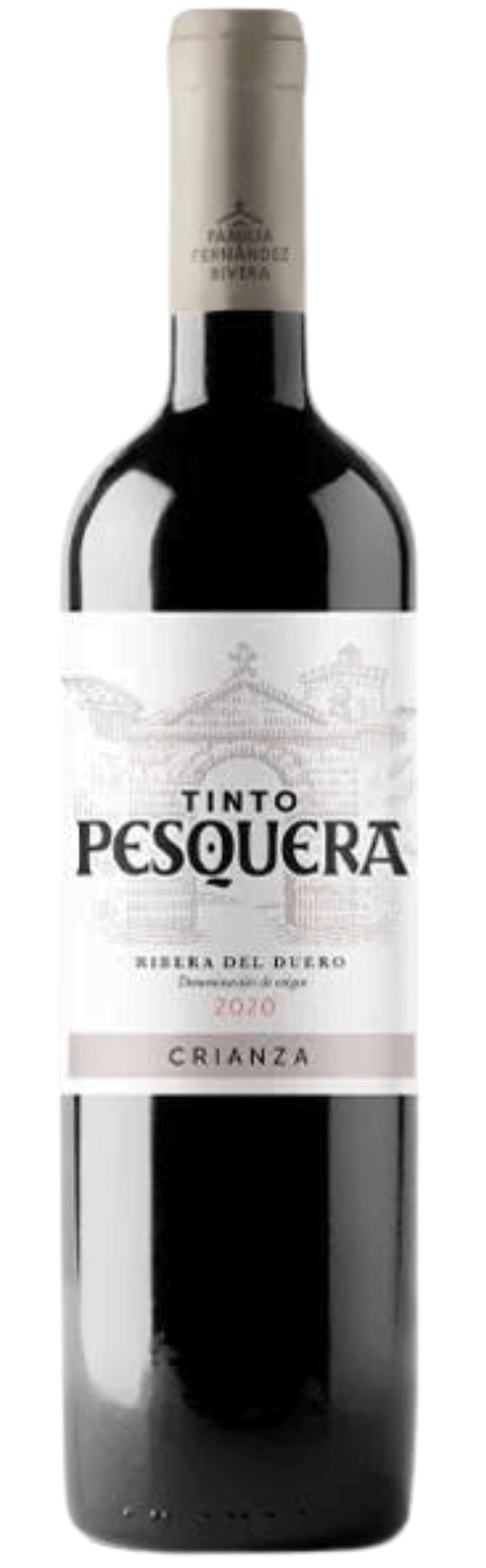
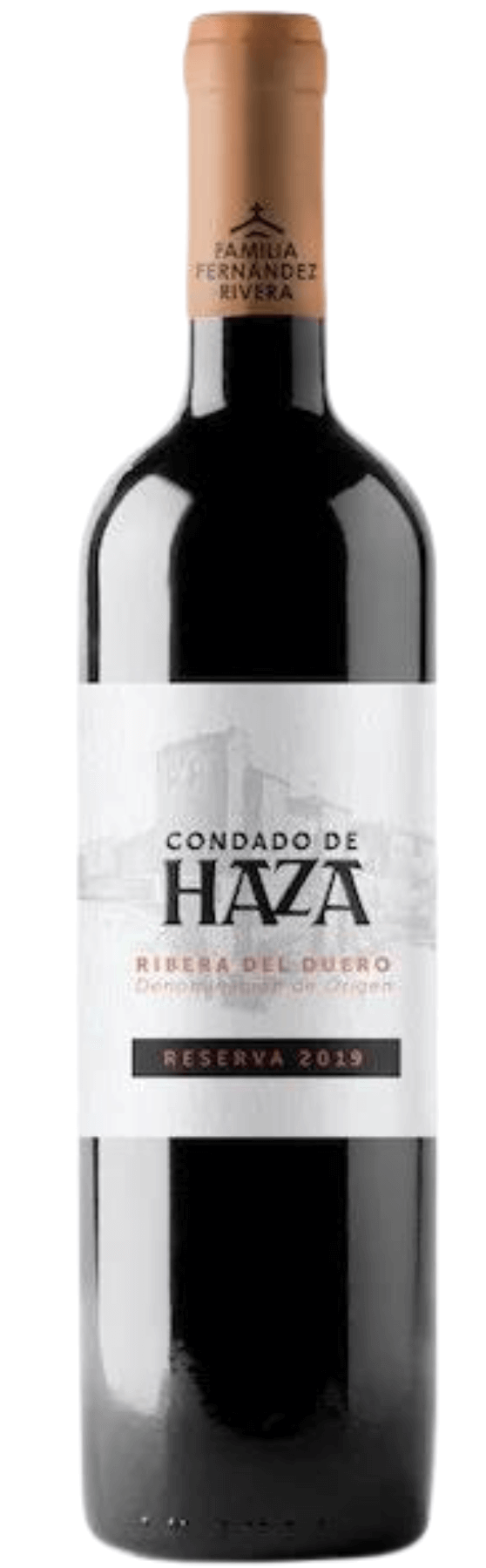
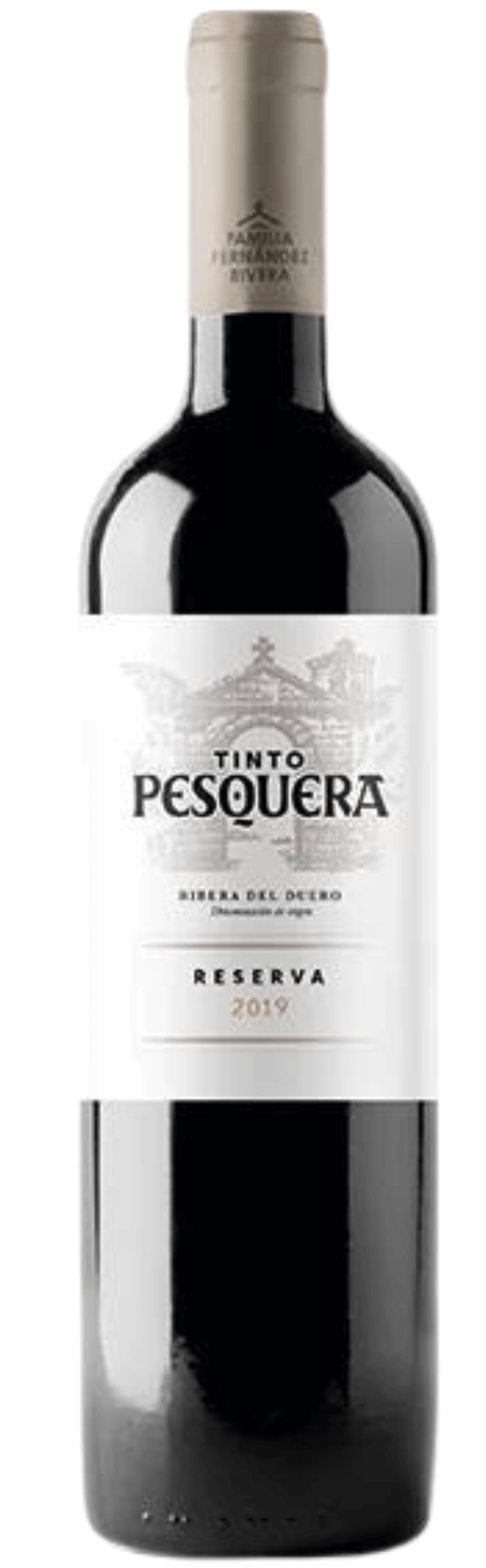
What all the wines of the Familia Fernández Rivera have in common is a clear stylistic commitment: dark fruit fullness, expressive tannins, and oak aging that frames the fruit profile without masking it. The Tinto Pesquera Crianza shows dark cherry, ripe blackberry, and the typical cedar spice of American oak — accessible, yet with a clear structure on the finish. The Reserva bottling gains complexity through longer time in the barrel: leather, tobacco, and dried plum join the fruit, the tannin is polished, and the finish is long. Good with grilled lamb, suckling pig, or strong hard cheese like Manchego.
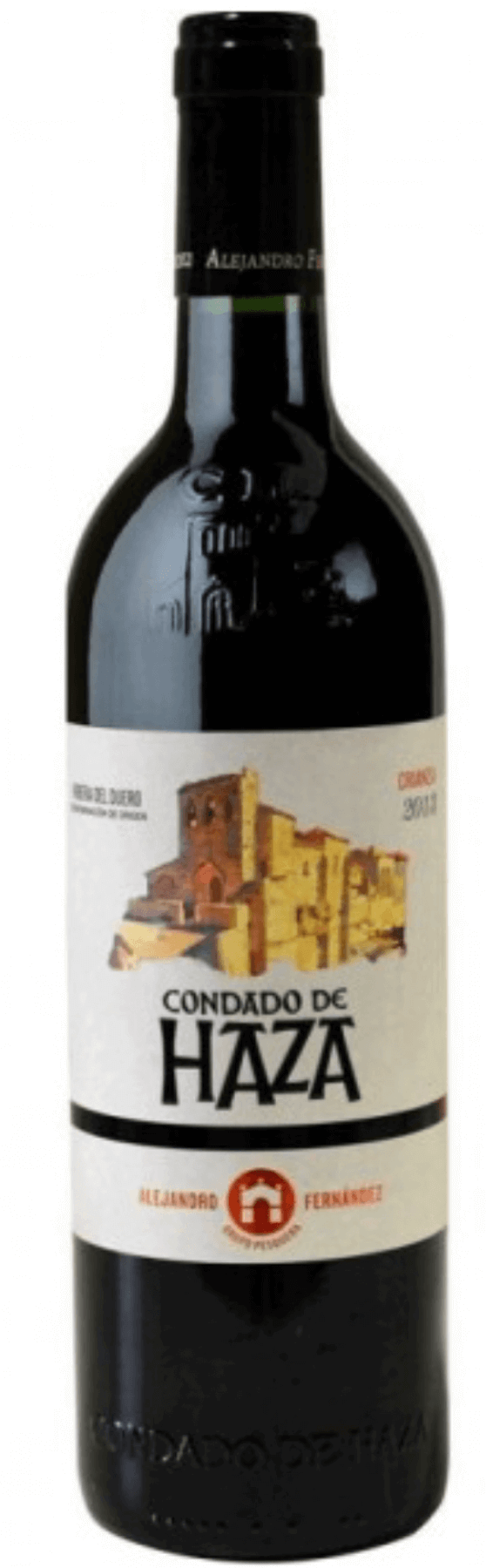
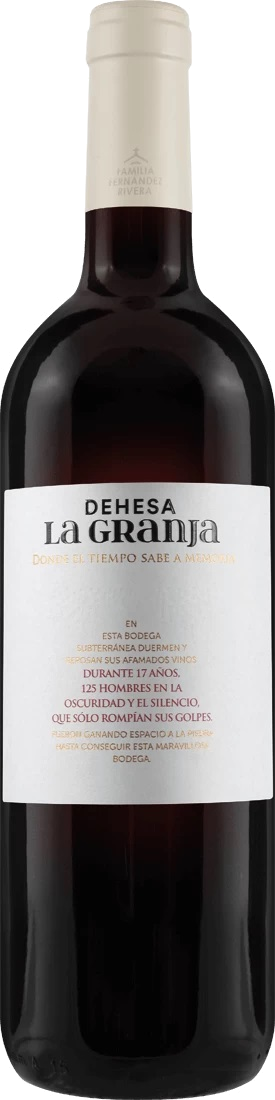
The Condado de Haza, from vineyards on the southern slope of the Duero, works with the same grape variety principle but shows a somewhat cooler, more mineral note — the Crianza goes well with lentil dishes with chorizo or braised beef shoulder. The Dehesa La Granja from Zamora, not far from the Toro region, brings the most intense profile of the group: full body, dense tannins, dark fruit with a hint of eucalyptus on the finish — a wine for a winter evening, with game or aged sheep's cheese.