From Fuenmayor to the world: 150 years of family history in the Rioja Alta
The name says it all: Montecillo — the little hill — refers to the sunny slopes near Fuenmayor, where Don Celestino Navajas Matute founded the bodega around 1870 after inheriting vineyards from his father-in-law. Fuenmayor lies in the heart of the Rioja Alta, nestled between the Ebro River and the rocky ridges of the Sierra de Cantabria — a village that has stood for the region's wine culture like no other since the 19th century. Montecillo is the third-oldest winery in the entire DOCa Rioja.
What distinguished the Navajas family early on was their perspective beyond the Pyrenees: Alejandro Navajas completed his training in Bordeaux and introduced Bordeaux cellar techniques to the Rioja. His nephew José Luis Navajas, trained in Burgundy, later brought cooling during fermentation to the region — a pioneering achievement at the time. Since he had no descendants, he handed the legacy over to the Osborne family, who are known in Spain for their centuries-old sherry business. In 1975, the Osbornes built a new winery in Navarrete — modeled after the historic bodega in Fuenmayor, designed as a gravity-flow cellar to reduce the use of pumps and machinery to a minimum.
Old vines, modern technology, unchanged attitude
Today, Montecillo works with more than 800 vineyard plots, which are primarily distributed across the Rioja Alta and are managed by long-term partners under contract. The collaboration with these winegrowers sometimes spans decades. Modern geolocation technology supports the monitoring of vine health without replacing the artisanal approach. In the cellar, Montecillo relies on Ganimede® tanks, which allow for gentle and selective extraction of aromas, supplemented by small stainless steel containers and flex tanks for small-batch special cuvées. The centerpiece remains the wooden barrel cellar: Montecillo permanently maintains over 20,000 barrels of French and American oak in its inventory and continuously renews the stock. In the underground bottle cellars, vintages dating back to 1926 — the founding year of the DOCa Rioja — rest.
Since 2018, Mercedes García Rupérez has led the winery as chief oenologist and director — one of the first women in this role in the entire Rioja. Her ambition: to keep the wines contemporary without betraying their origin.
Tempranillo, barrel aging, classic hierarchy — and a trip to Rueda
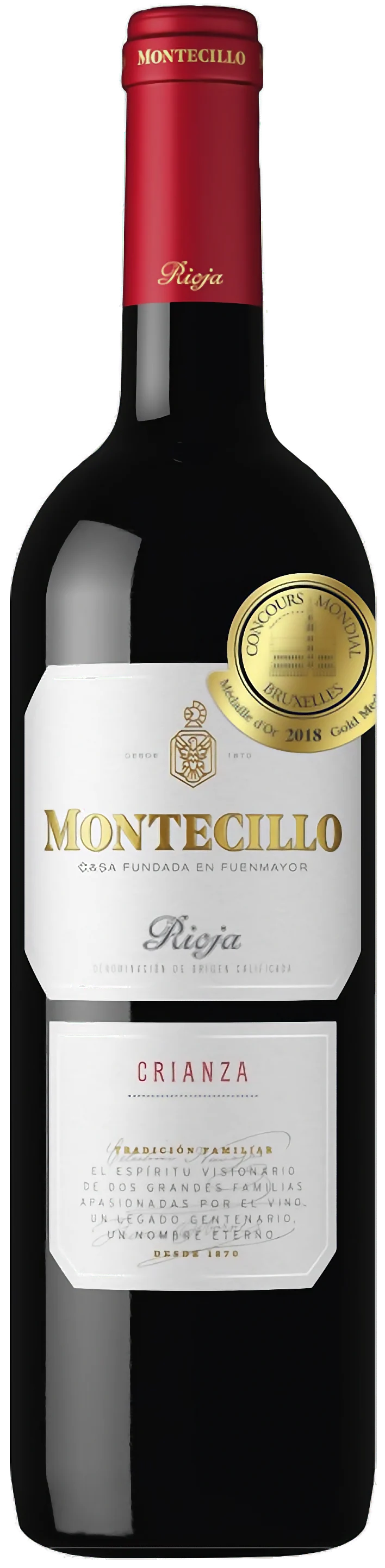
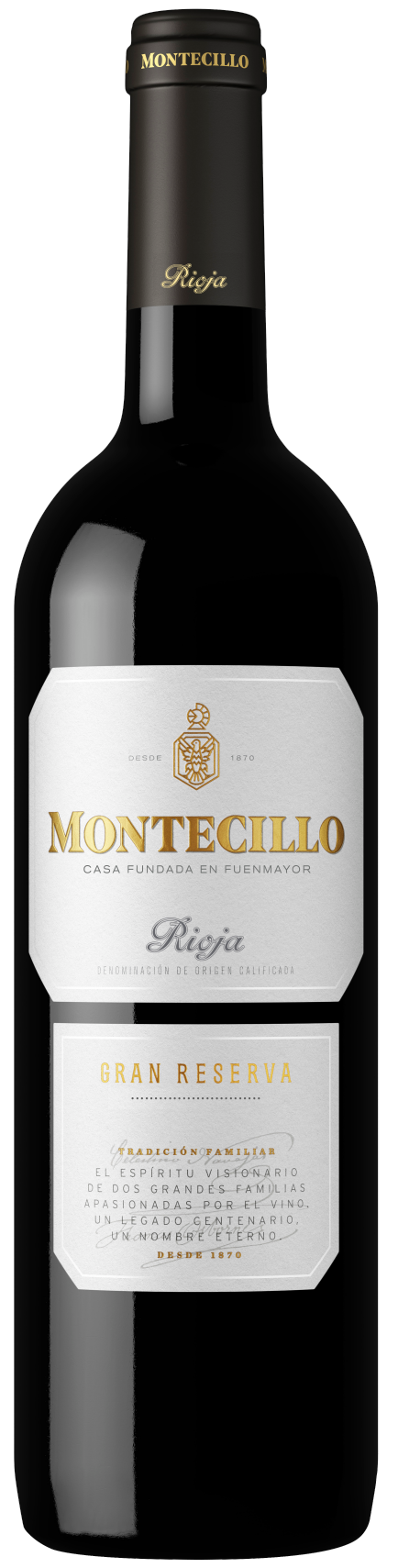
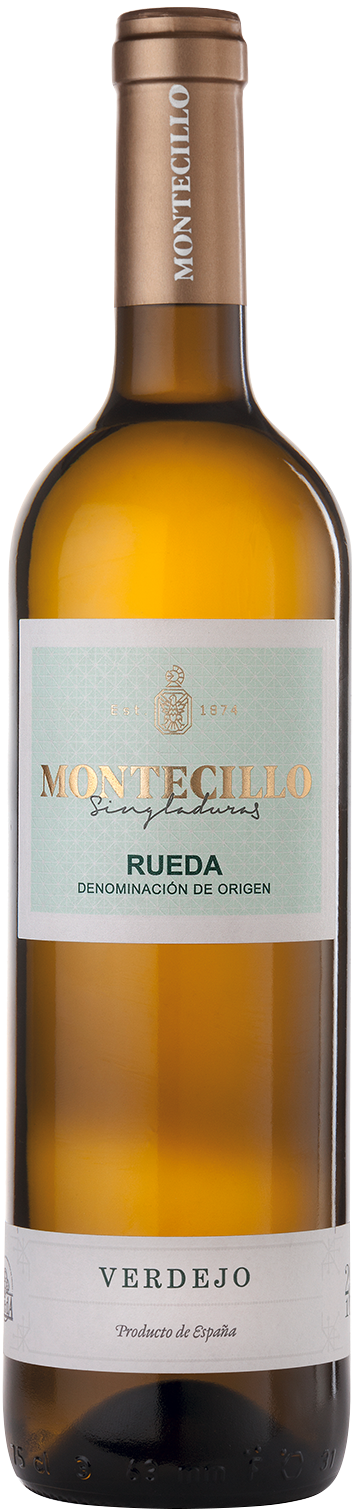
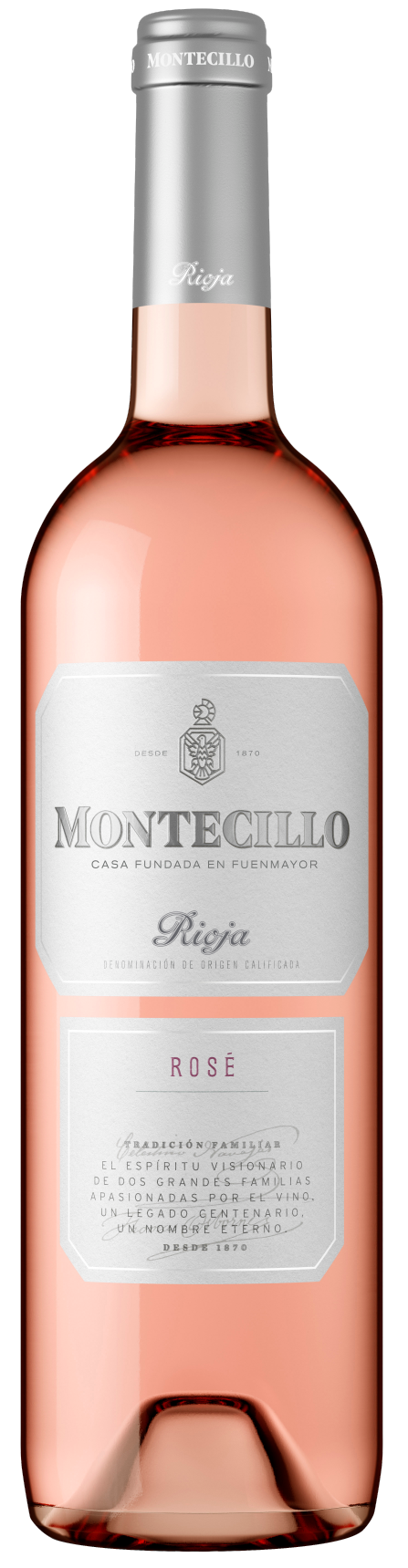
The range follows the classic Rioja hierarchy: Crianza, Reserva, and Gran Reserva, each based on Tempranillo from carefully selected sites in the Rioja Alta. Aging in oak barrels and subsequently in the cool underground cellars shapes the style: structured tannins, fruit with depth, a long finish with wood spice and tobacco. Those who want to get to know the lighter side of the bodega can reach for the Montecillo Rosé or the Verdejo from the DO Rueda — a sign that Montecillo thinks beyond the Rioja today without leaving its core.