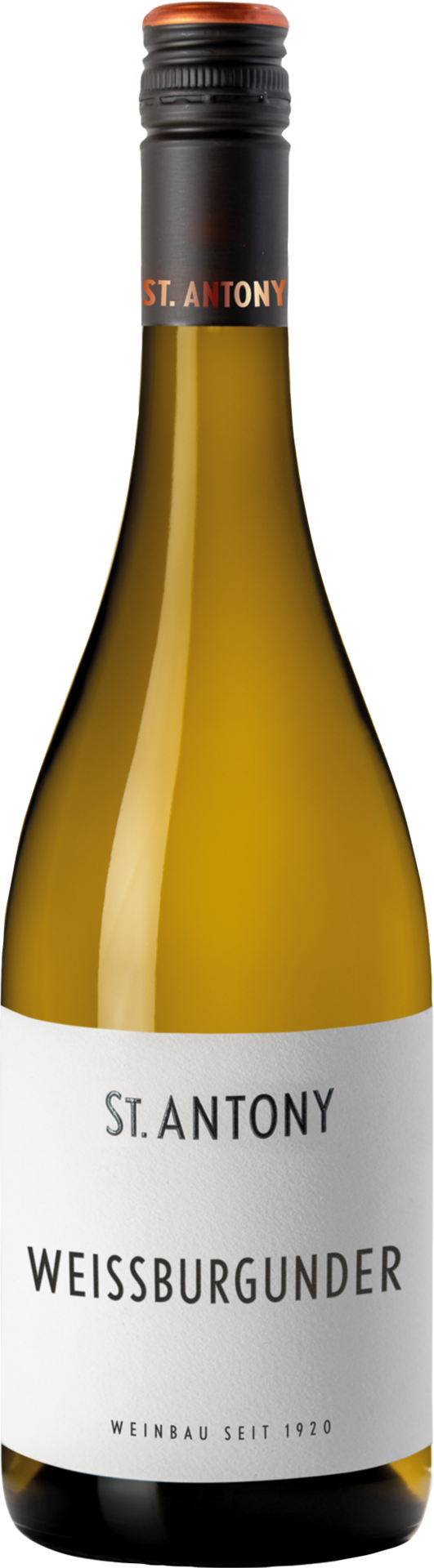
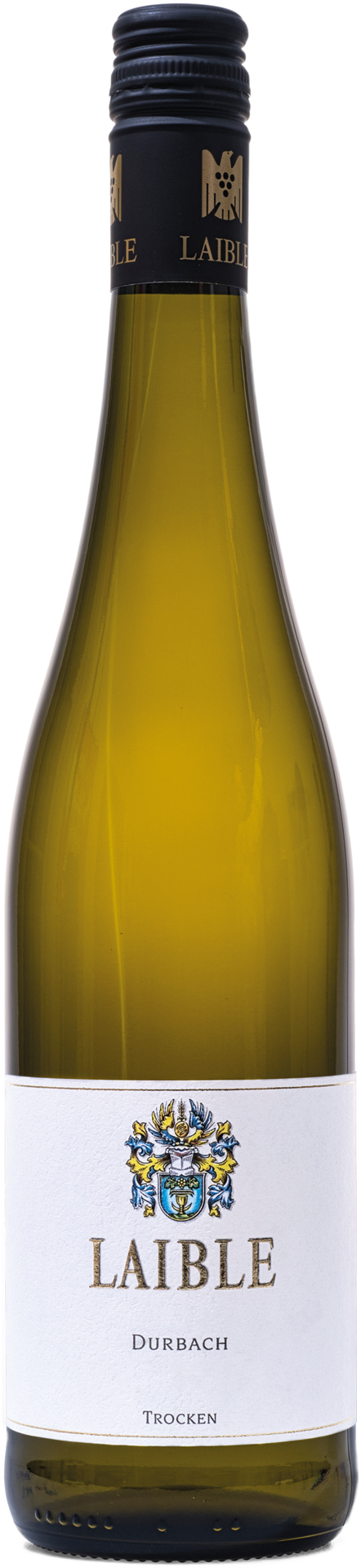
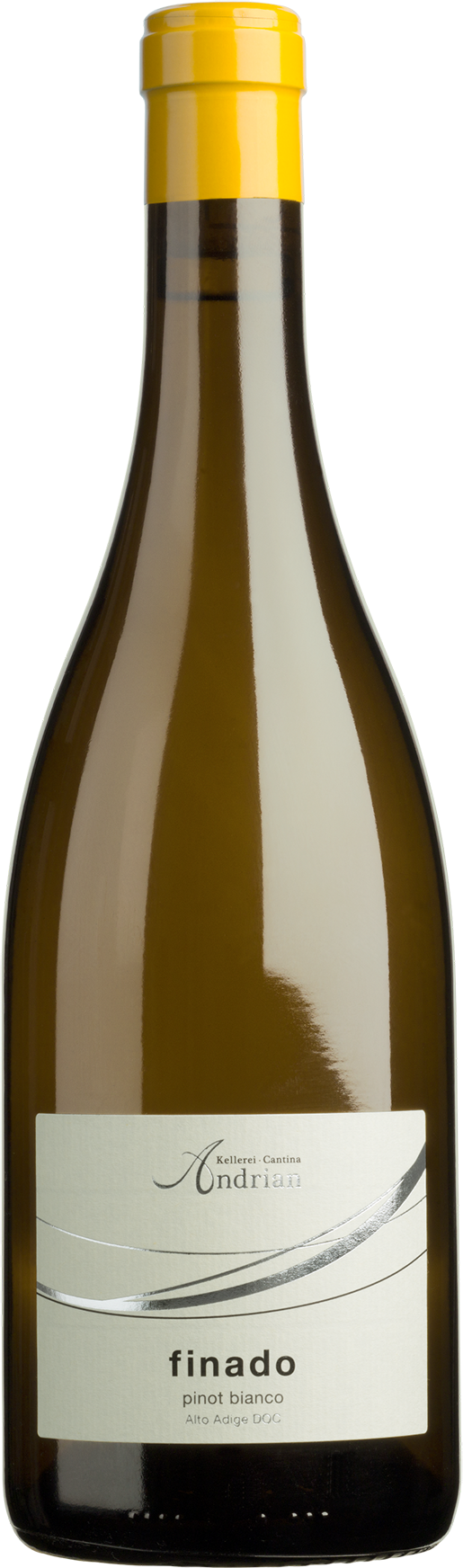
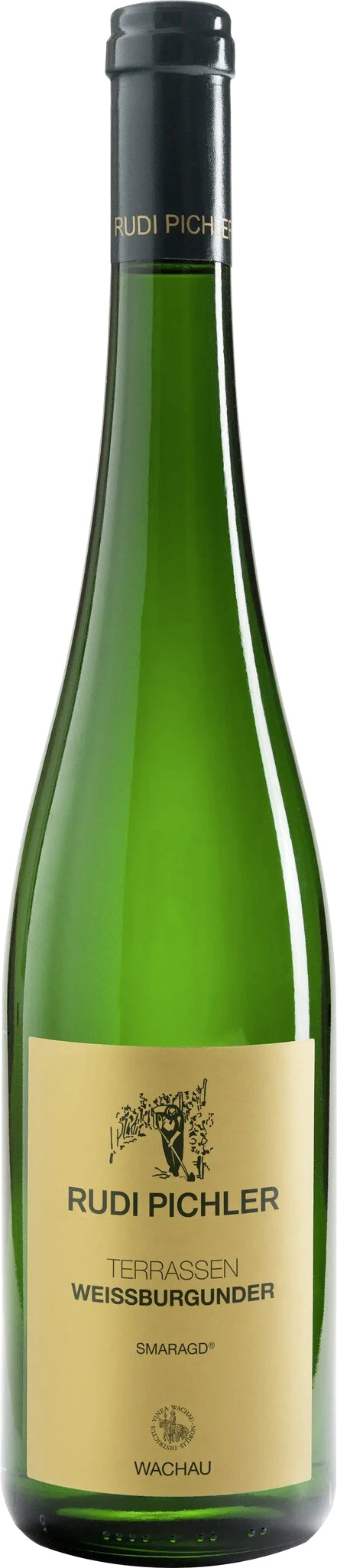
Weißburgunder at Vinoscout: Clear fruit, fine structure, many styles
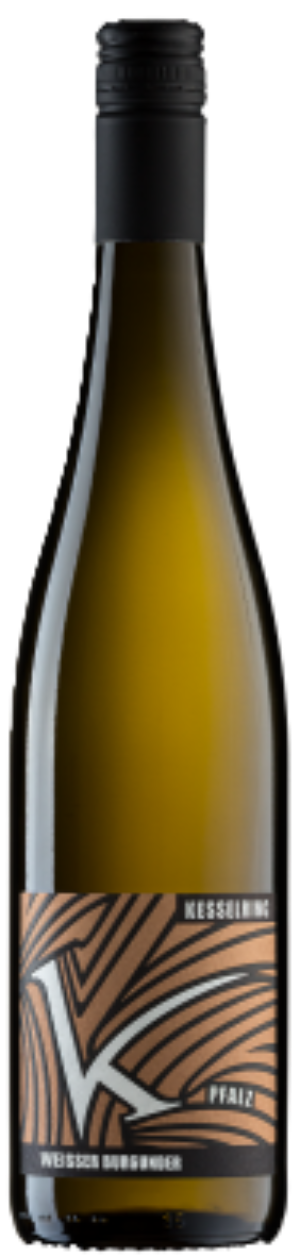
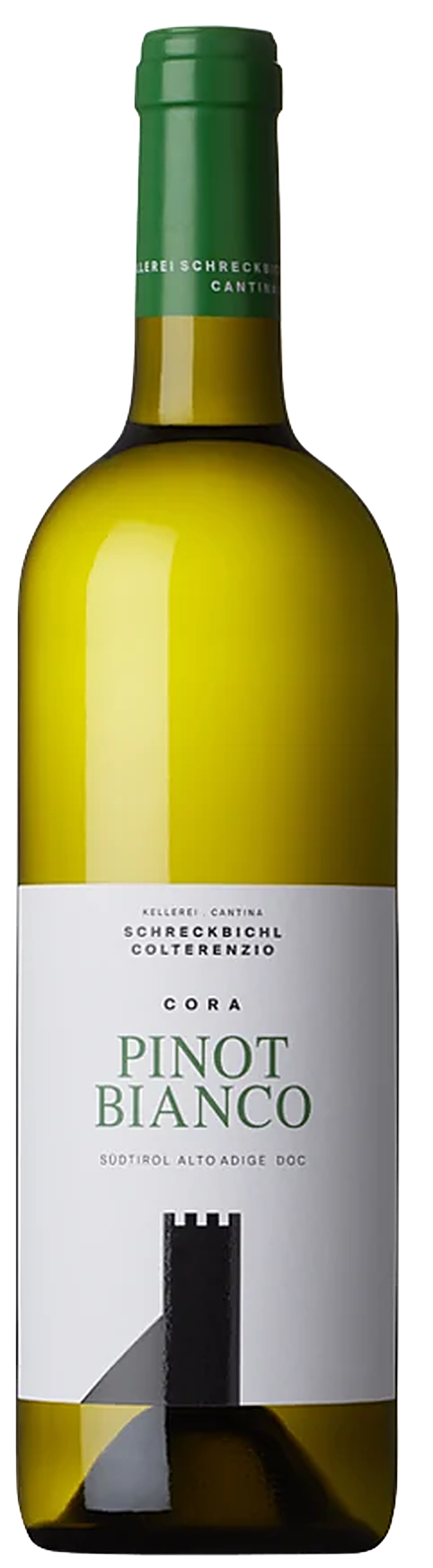
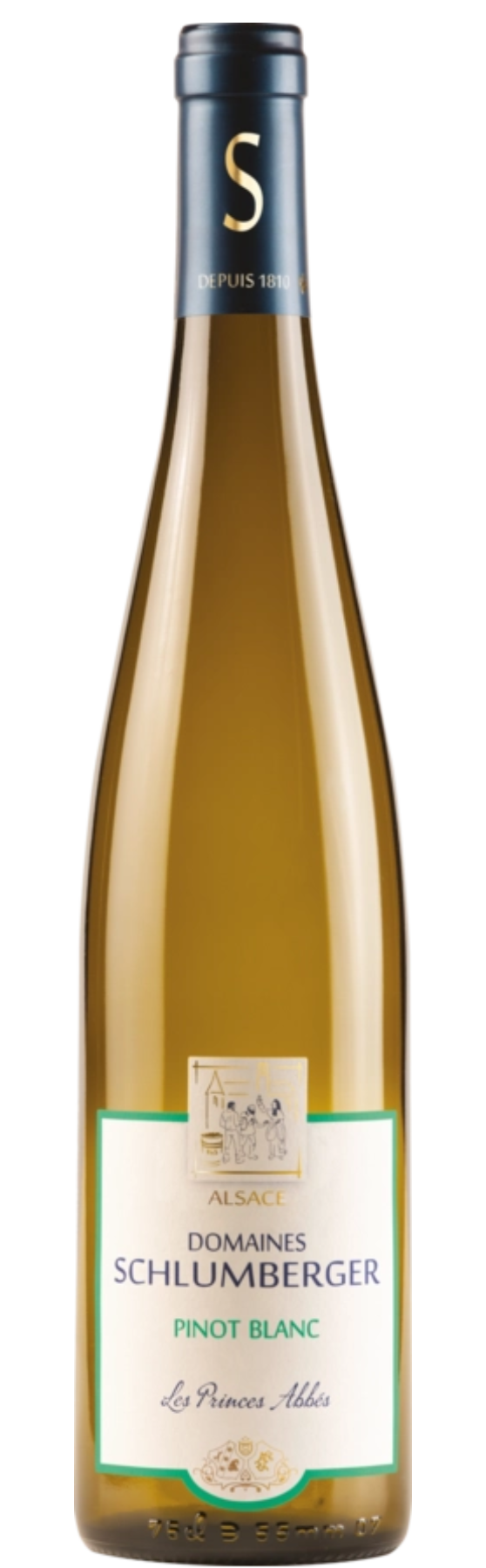
Vinoscout carries over 100 Weißburgunder, primarily dry white wines from Pfalz, Baden, Rheinhessen, Nahe and South Tyrol. The selection ranges from lean steel tank wine to barrique aging and Grosse Gewächs. In addition, there are Auxerrois, Chardonnay and Grauburgunder as related spellings and neighbors in the range.
Style & Taste
Weißburgunder usually tastes of green apple, pear and a hint of nut. The acidity is moderate to lively, the body medium. Compared to Riesling, the grape variety appears rounder and more reserved in its aromatics.
The aging significantly shapes the style. In the steel tank, fresh, clear wines with fruit and drive are created. In wooden barrels or barrique, they become creamier and richer, with notes of nut, brioche and vanilla.
The origin also shows in the glass. Cooler sites provide tighter wines with more acidity. Warmer regions like Baden bring riper fruit and more fullness. The alcohol in the range is between 11.5 and 14% vol.
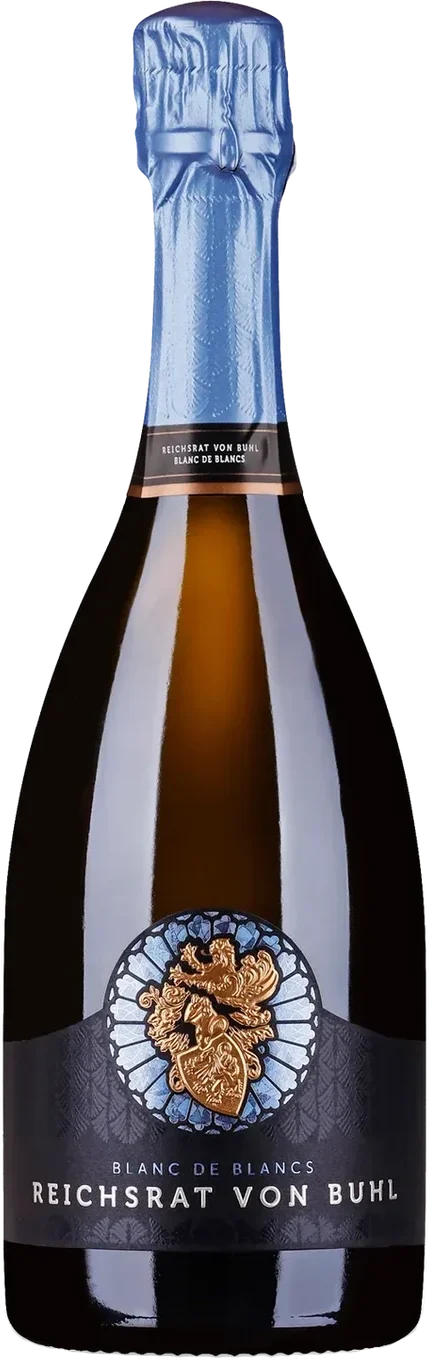
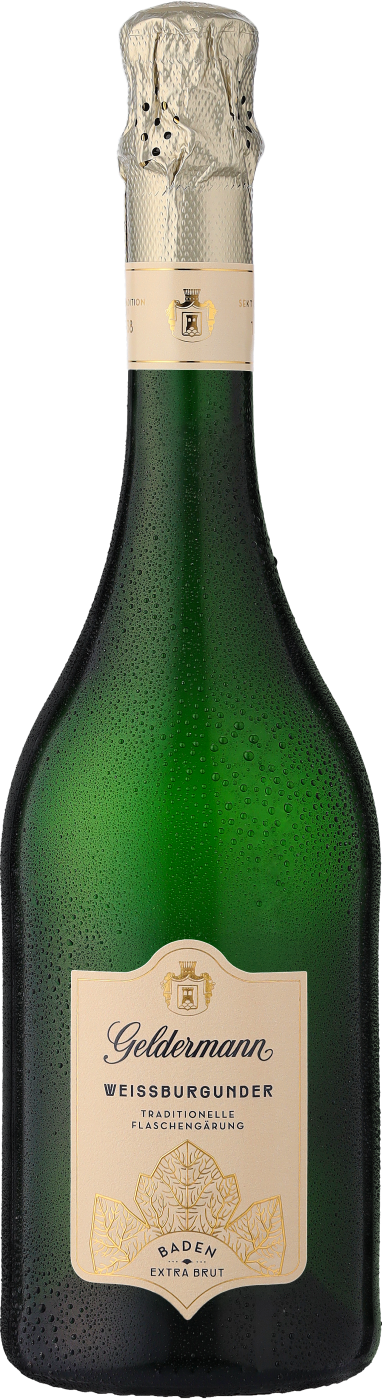
Most wines are vinified dry. Besides that, there are off-dry and sweeter variants. Sparkling wines like Brut and Extra Brut also belong to the range.
Which Weißburgunder suits whom
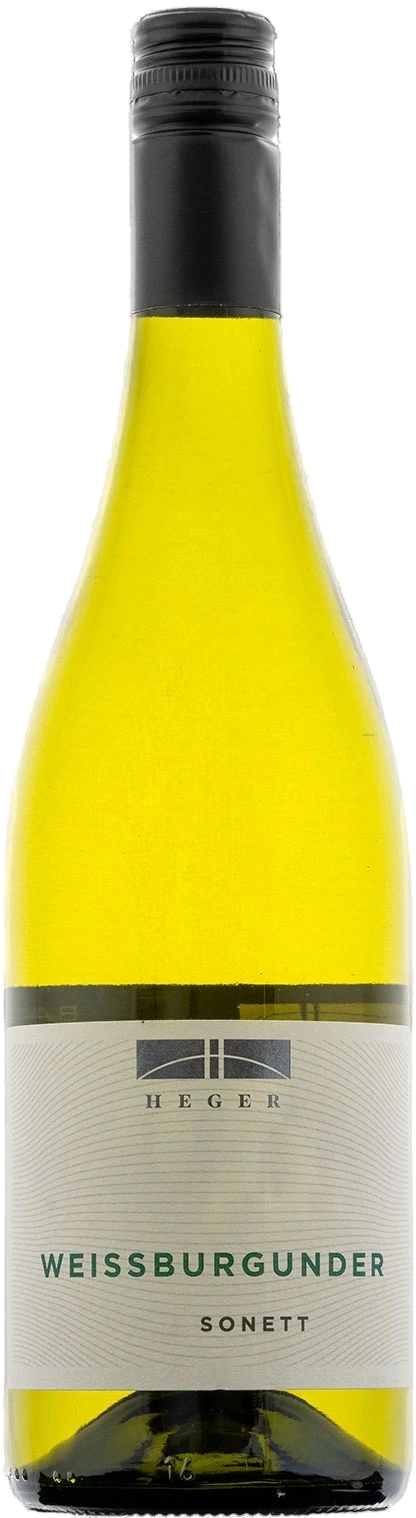
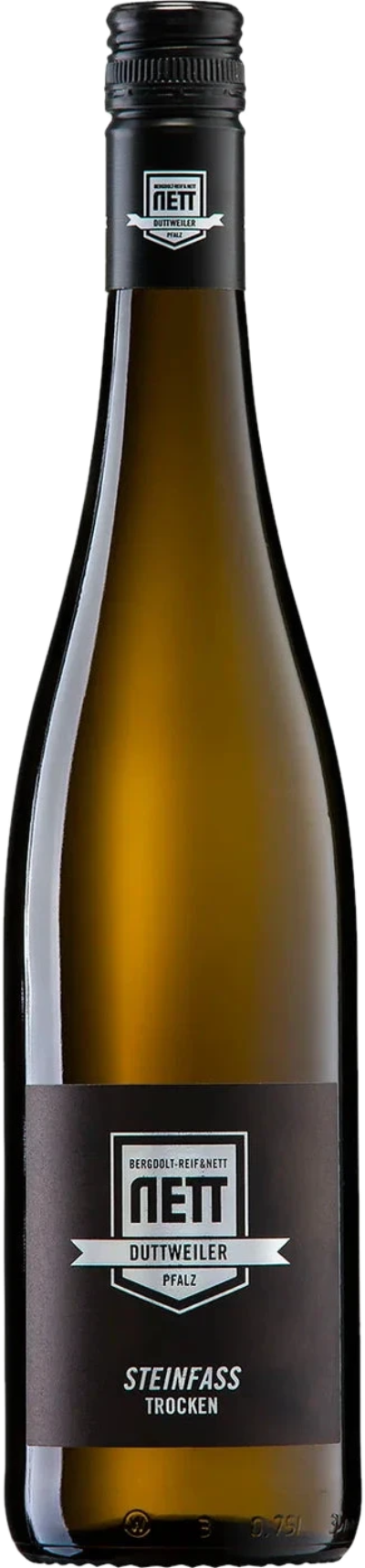
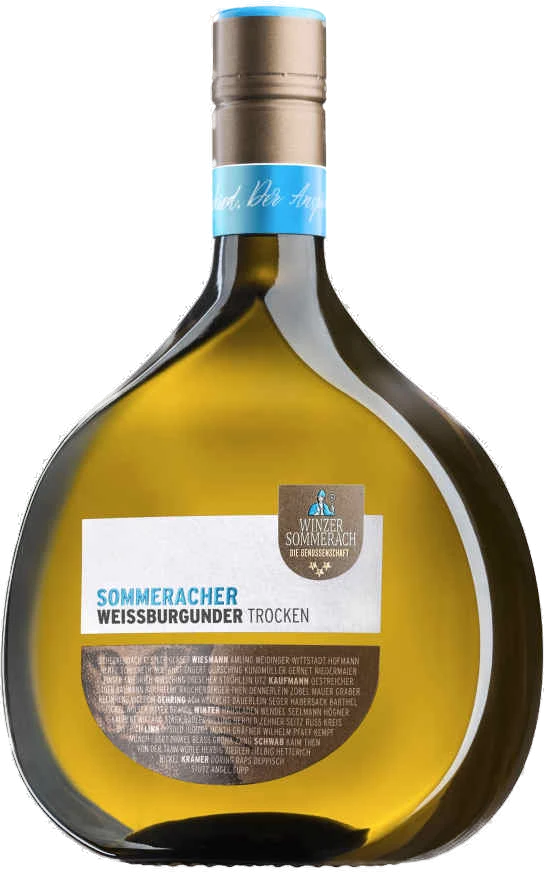
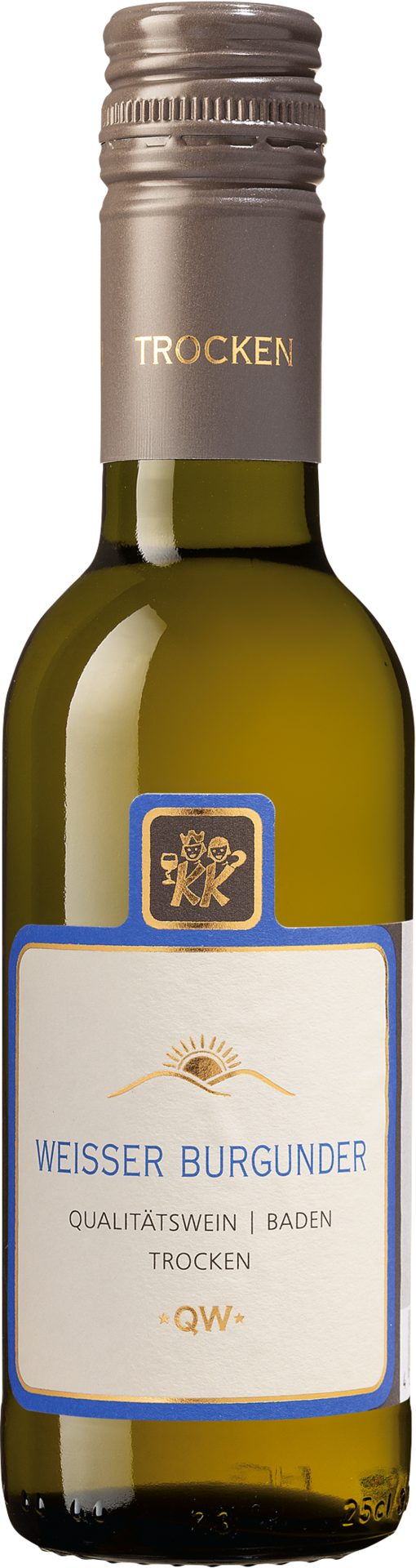
Entry (under €10): This level is aimed at everyone looking for an uncomplicated, fresh white wine for every day. About a third of the range lies here. The wines come from Pfalz, Rheinhessen, Kaiserstuhl and Baden and bear designations such as Qualitätswein, QbA or DAC. Most mature in steel tanks, some in wood. Producers include Wachtenburg Winzer, Weingut Hammel & Cie, Weingut Studier and Kiefer.
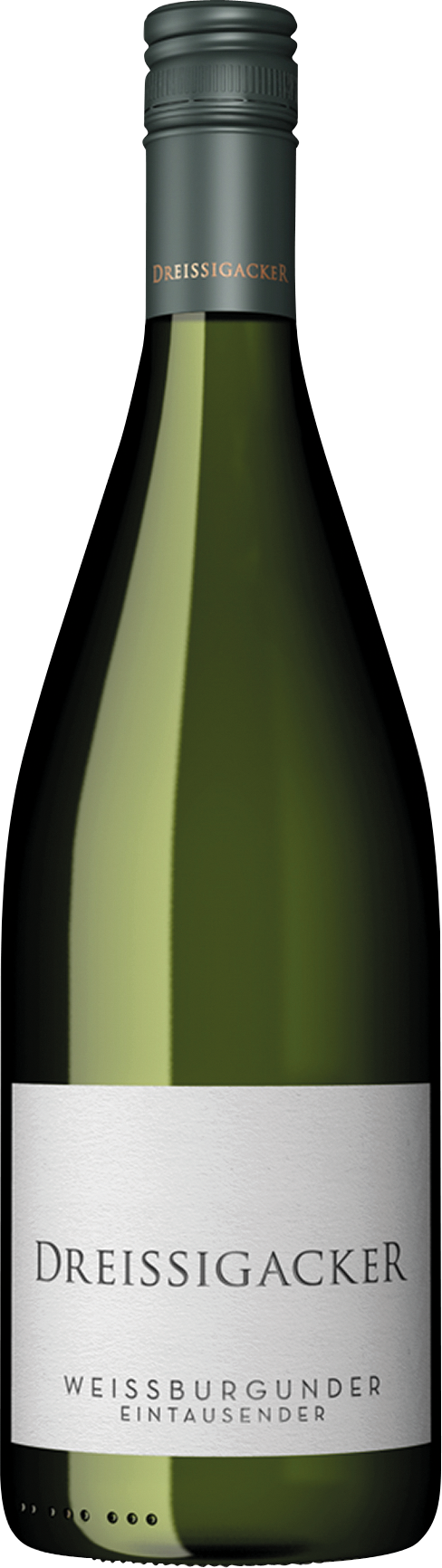
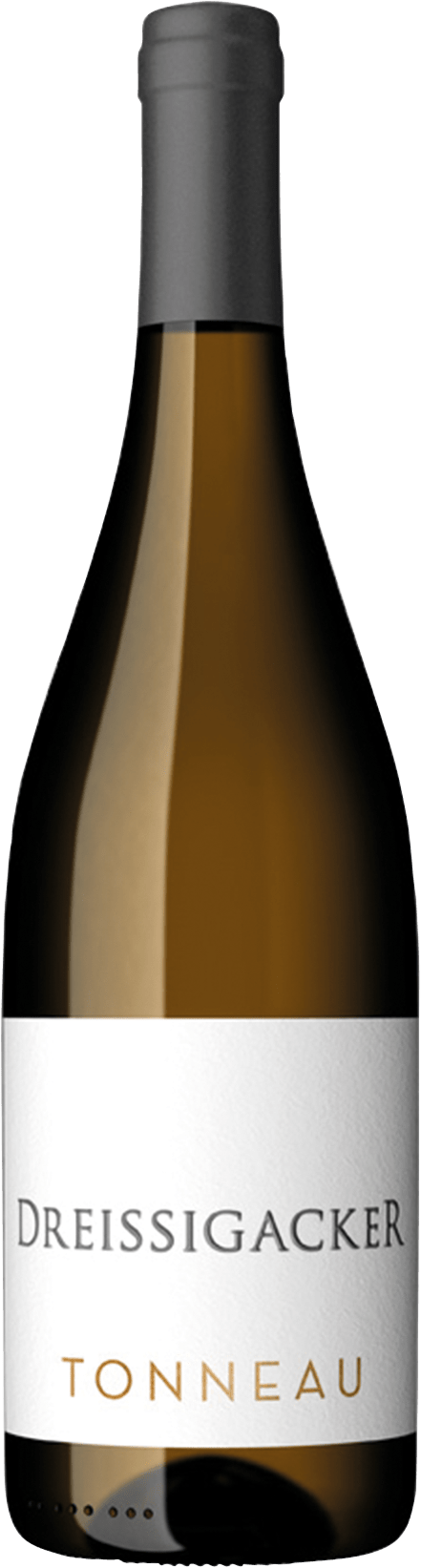
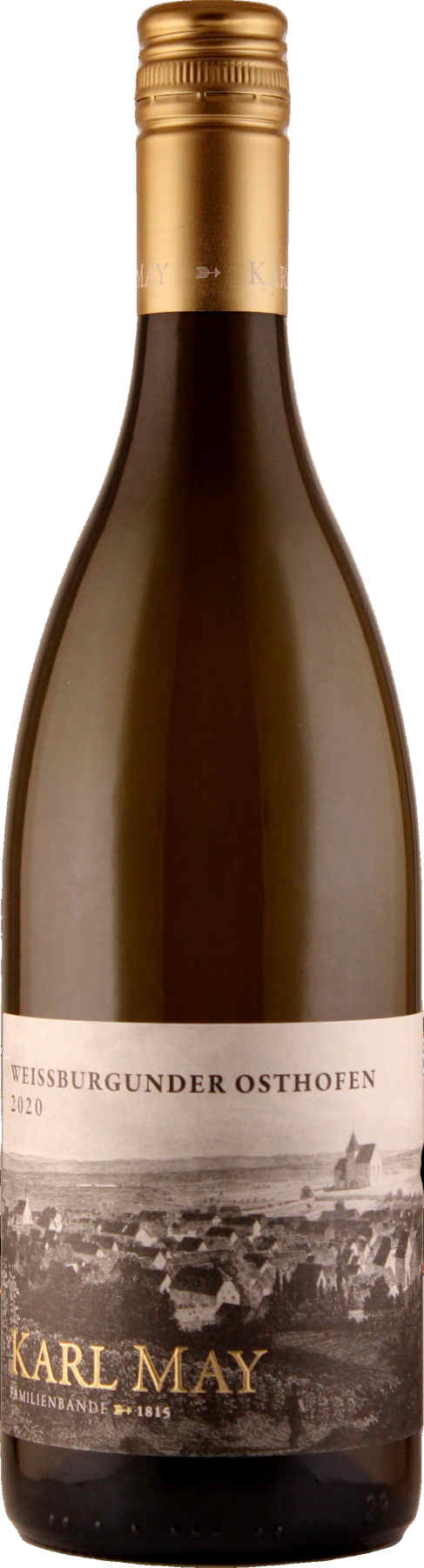
Middle (€10–15): This level suits you if you want more origin and profile. About a third of the range belongs to this. The wines come from Pfalz, Rheinhessen, South Tyrol and the Moselle. In addition to Qualitätswein, DOC and Prädikatswein are also here. Steel tank and wood share the aging. Bassermann-Jordan, Dreissigacker, Heitlinger and Bernhart shape this price level.
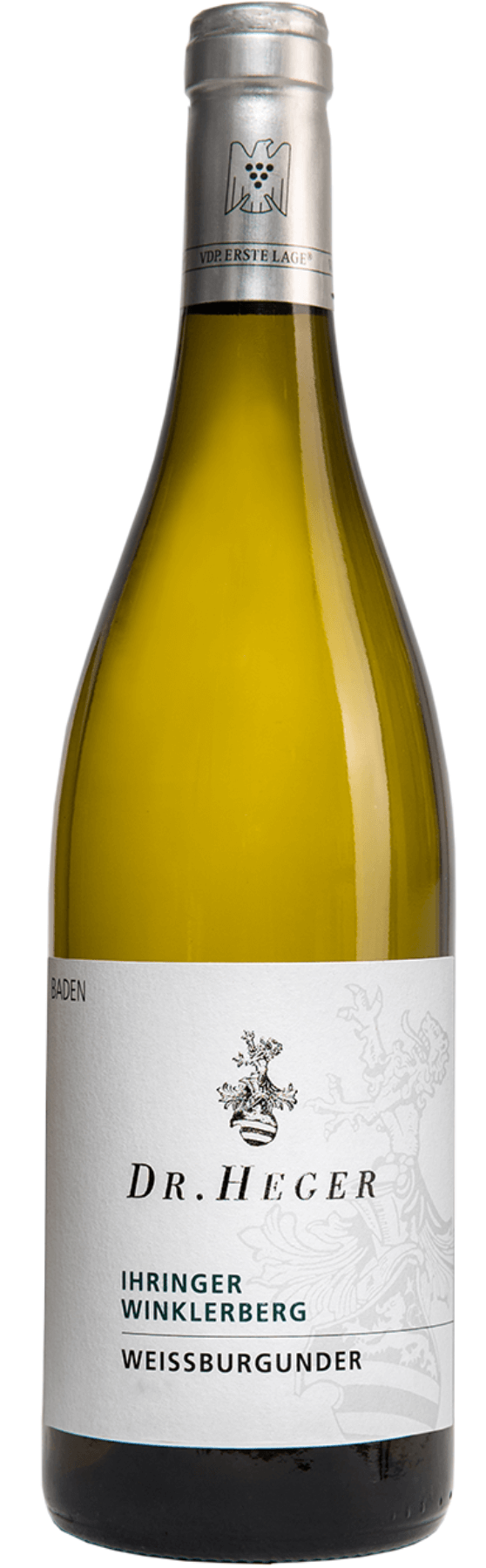
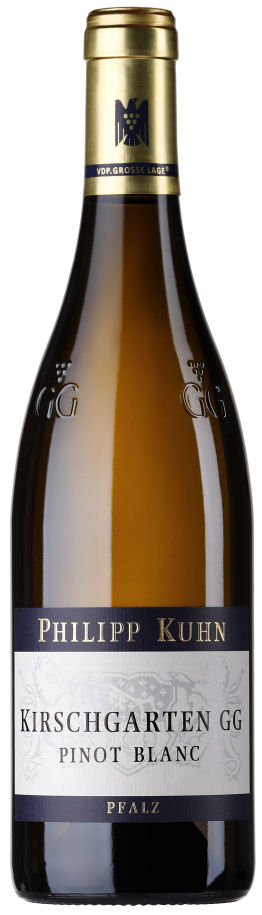
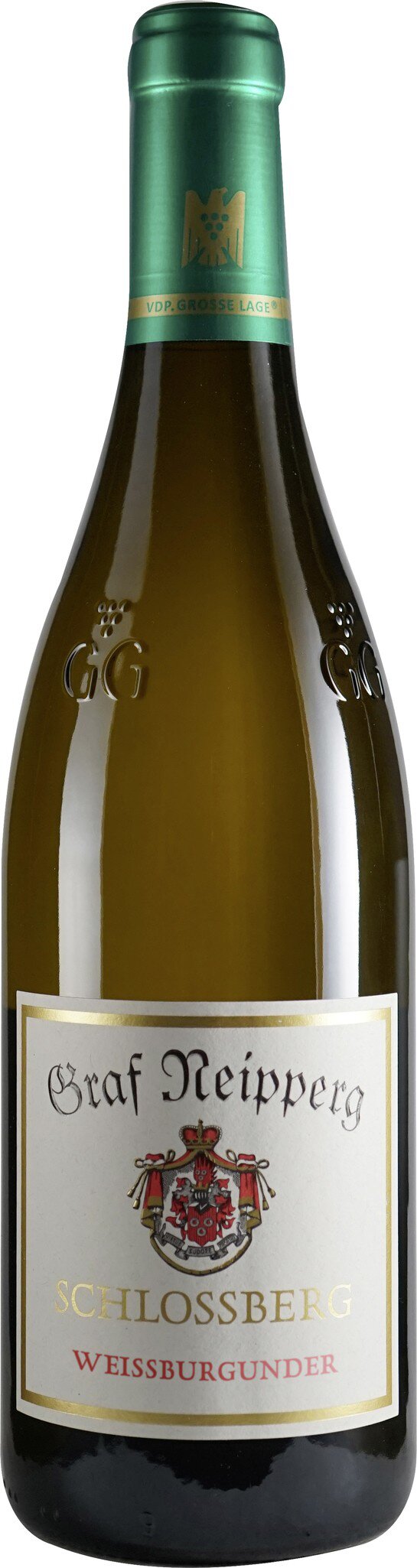
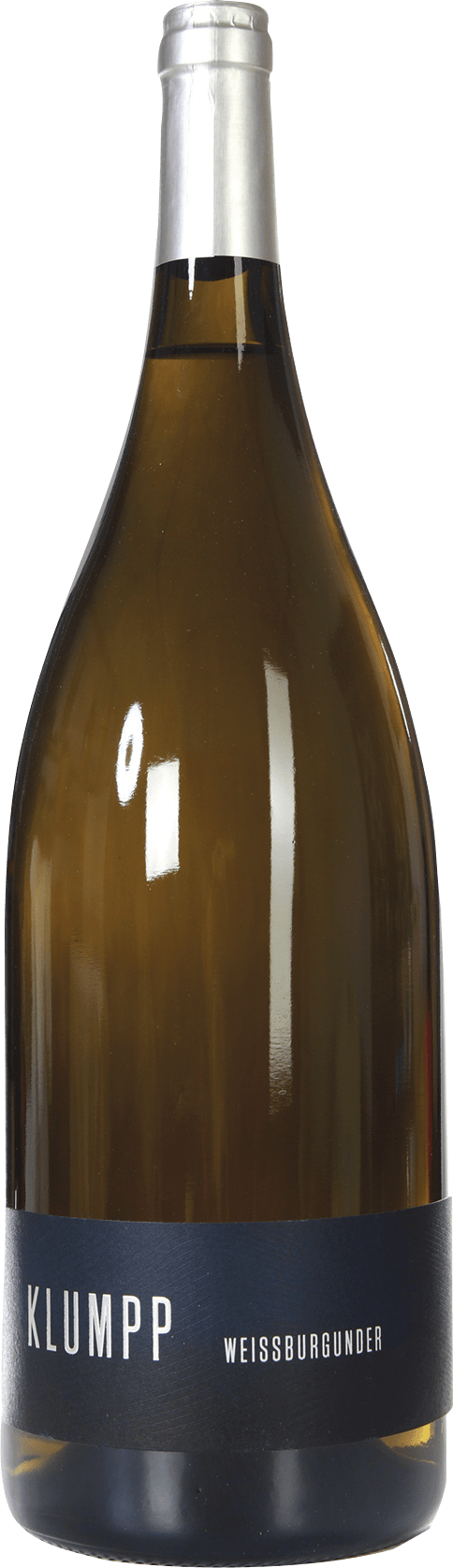
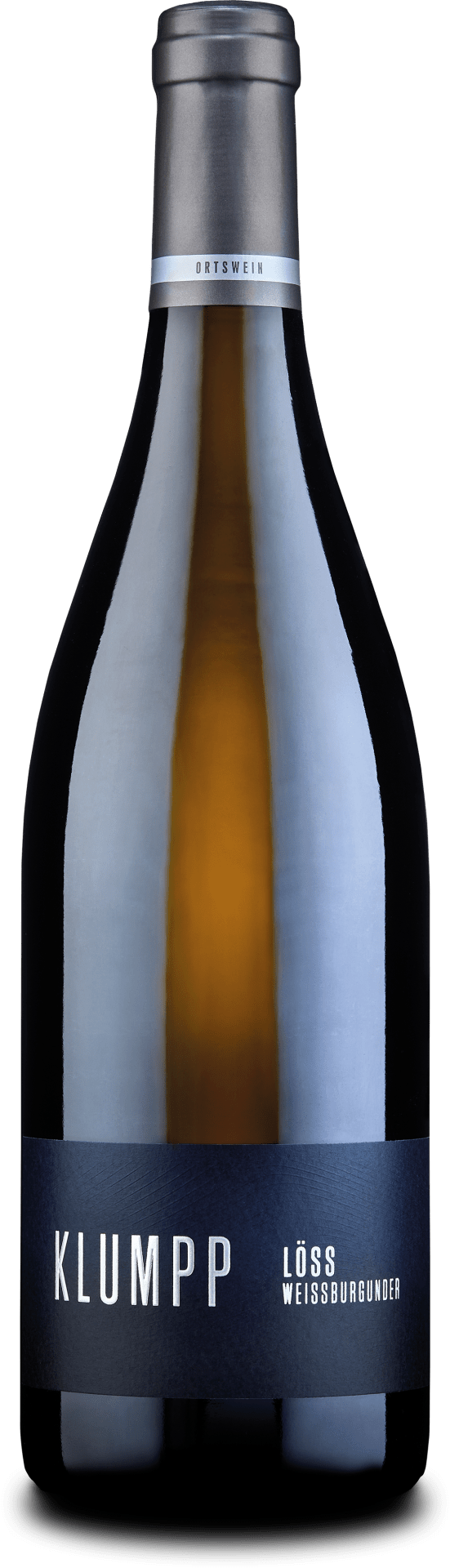
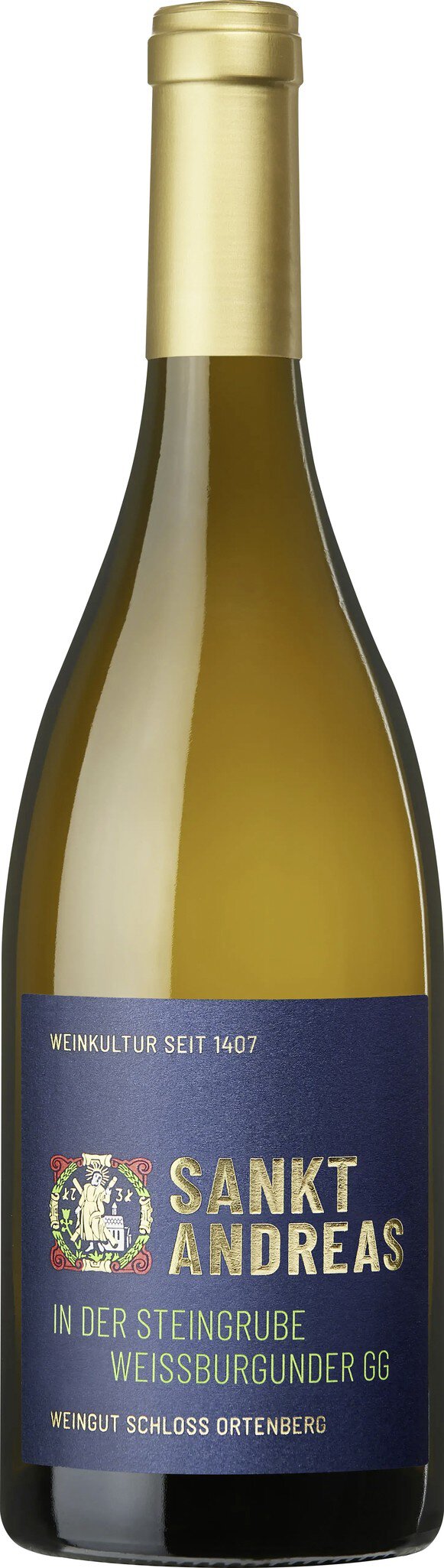
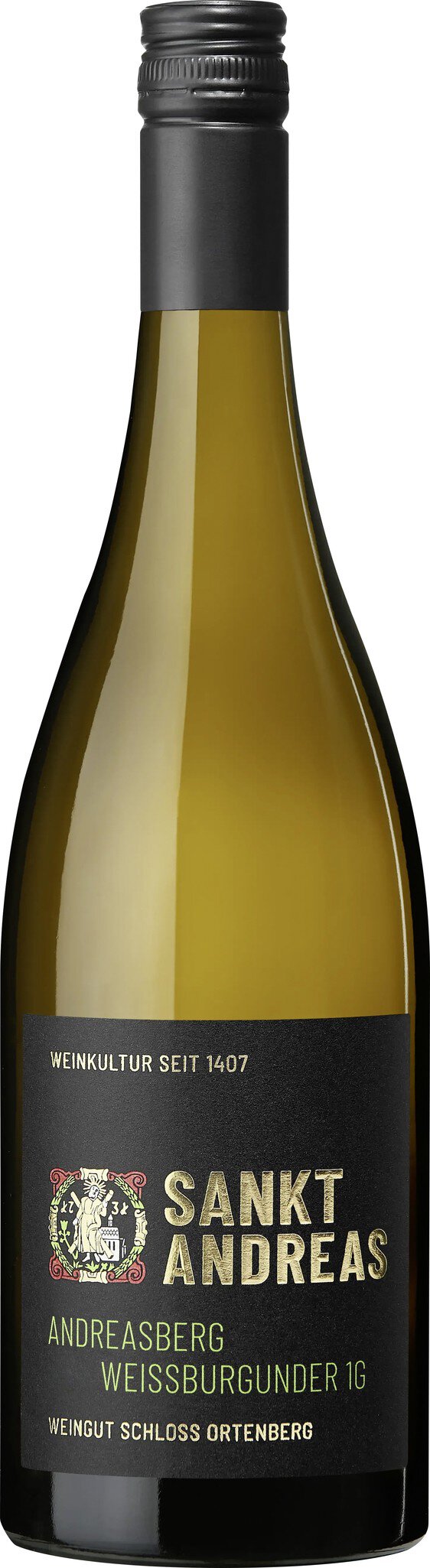
Top (from €15): This level is for connoisseurs who appreciate depth, use of wood and ambition. About a third of the range can be found here. The origins range from Baden and Pfalz via the Nahe to South Tyrol. Typical are Grosse Gewächs, DOC and Qualitätswein, aged in wood, barrique or steel tank. Klumpp, Weingut Schloss Ortenberg, Weingut Philipp Kuhn and Cantina Terlan stand for this level.
Origin & Subcategories
The focus is on Germany, in addition there are wines from Italy, Austria and France. You can find the German Weißburgunder bundled under Germany. Most wines of the range are represented there.
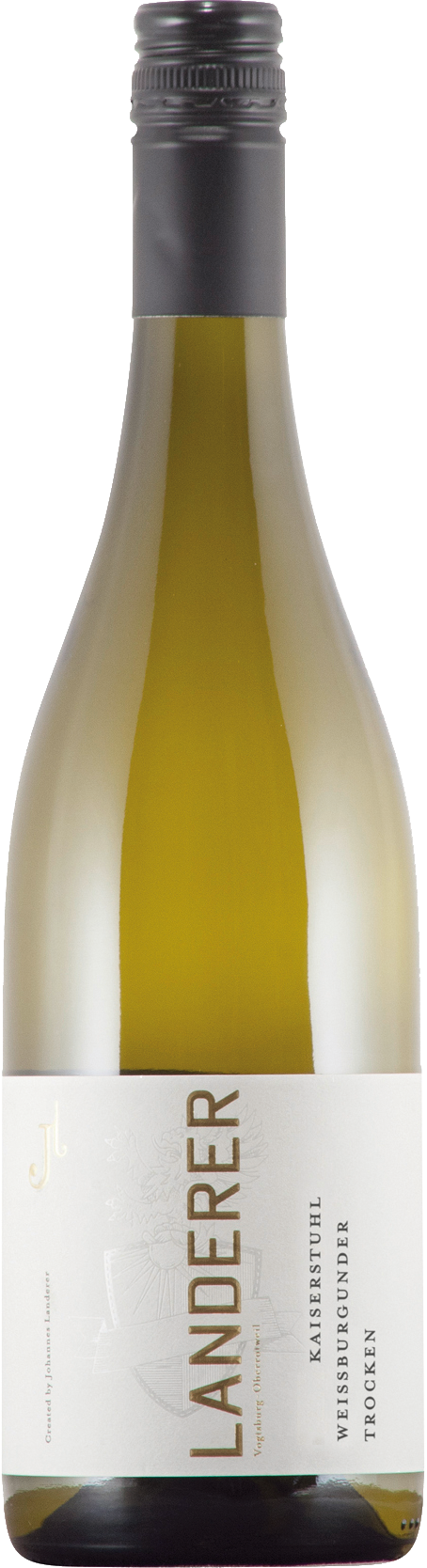
The Pfalz is the largest region in the range. It supplies Weißburgunder from fresh everyday wine to Grosse Gewächs. Fuller, warmth-influenced wines often come from Baden. The Kaiserstuhl is also located there. The Rheinhessen wines are usually accessible and fruit-driven.
Smaller selections come from the Nahe and the Moselle. In Italy, South Tyrol is particularly important, with wines of the DOC designation. Anyone who wants to try related grape varieties should check out Chardonnay.
Pairs with
Weißburgunder goes well with fish, seafood and light poultry. Veal also harmonizes with the subtle fruit and clear acidity. Fresh steel tank wines accompany salad and soup.
Weißburgunder is a classic with asparagus because it does not cover up the fine aromas. Wood-influenced wines with more fullness go well with creamy sauces and stronger dishes. The grape variety also works well with Asian dishes with mild spice. As an aperitif or pure for a sociable evening, it also belongs on the table.