From bulk wine business to VDP address at the Kleine Kalmit
The history of the Kranz winery begins in 1948 in Ilbesheim on the Southern Wine Route—unspectacularly, as Boris Kranz himself says: a plot of land, some vineyards, land, and livestock. Hilda and Willi Dennhart founded the business after the Second World War as a bulk wine operation, together with their daughter Ella and her husband Hugo Leiner. The third generation took the decisive step towards quality viticulture: Lieselotte Kranz decided in the 1970s to bottle the wines and market them herself. Her husband Robert Kranz, who specifically completed a winemaker apprenticeship, expanded the winery together with her—new sites, a new cellar, and a growing customer base throughout Germany.
Today, Boris and Kerstin Kranz run the business in the fourth generation, and with their son Xaver—fresh from Geisenheim University—the fifth generation is already actively involved. In 2012, the winery was admitted to the VDP, the Association of German Prädikat Wine Estates.
Handwork in the vineyard, vintage thinking in the cellar
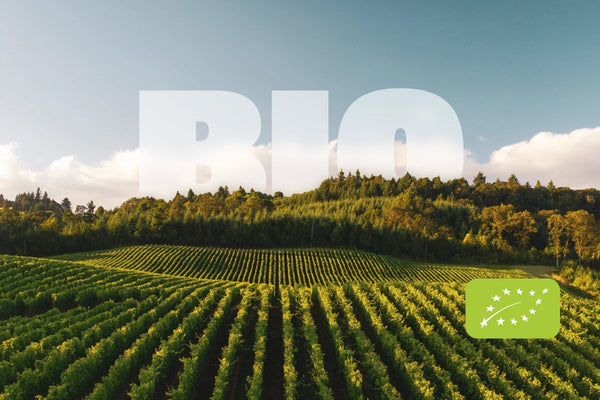
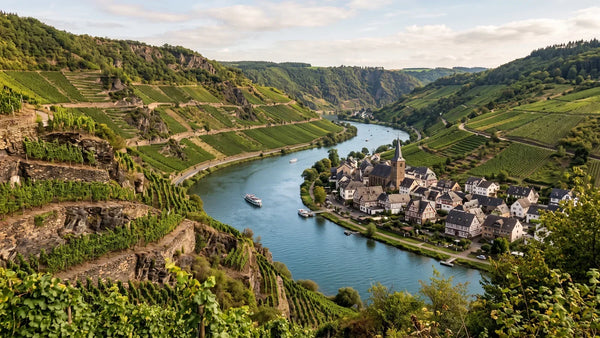
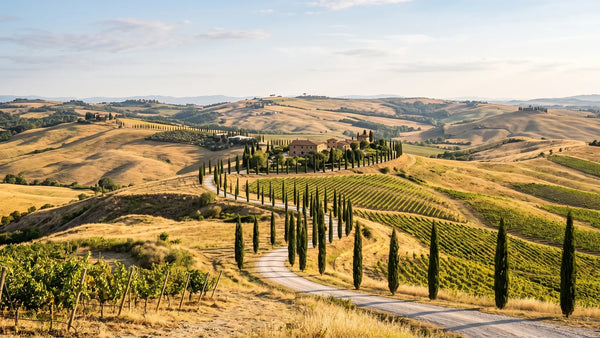
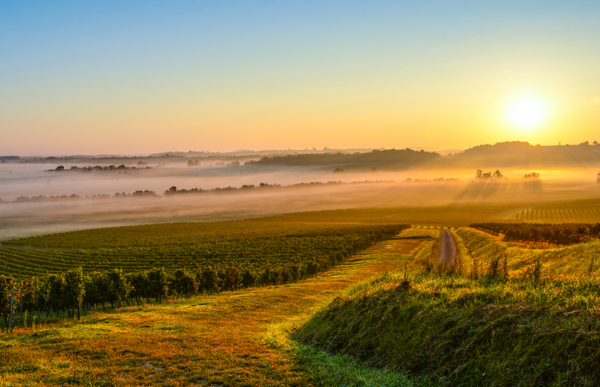
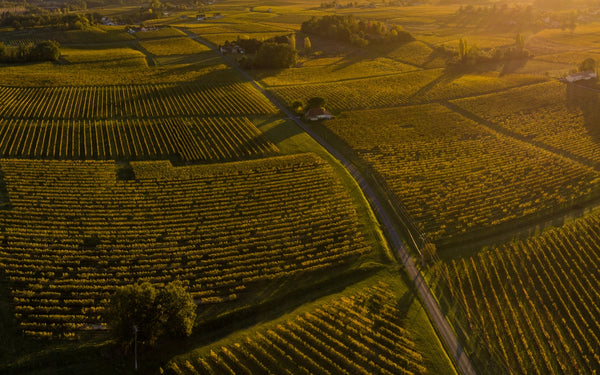
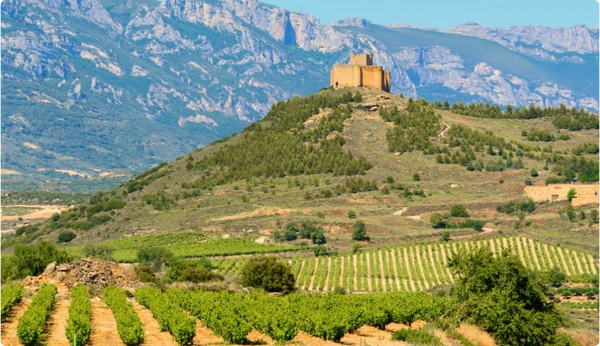
The family manages around 27 hectares of vineyard area according to the guidelines of organic farming. The focus is on the sites around the Kleine Kalmit—a hill that gives Ilbesheim its special character and for which Boris Kranz fought for decades to be recognized as an independent single vineyard. In 2008, he succeeded. Today, the Kalmit holds the status of a VDP.Große Lage, as does the Kirchberg; in addition, the winery holds several VDP.Erste Lagen, including Arzheimer Klingenwingert, Arzheimer Am Fürstenweg, and Ranschbacher Seligmacher. The soils change: fossil limestone around the Kalmit gives the wines a cool, precise structure; the iron-rich Rotliegend in Ranschbach brings spice and substance.
In the cellar, Boris Kranz follows no routine. Whether spontaneous fermentation or controlled fermentation, whether stainless steel or large wooden barrels—the decision is made after the harvest, depending on the vintage and the site. Whole-bunch pressing and several hours of maceration are both conceivable, depending on what the material requires. This consistent vintage thinking is the craft behind every wine from Ilbesheim.
Cool precision: Riesling, Pinot, and the style of the Southern Palatinate
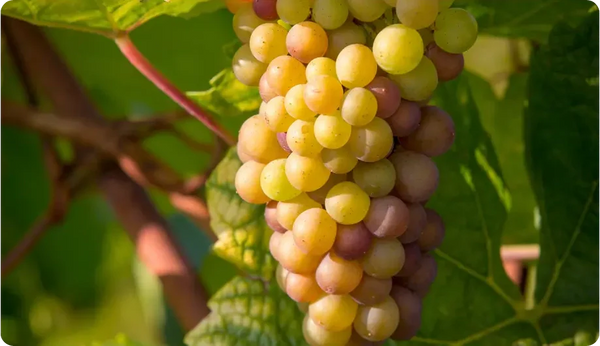
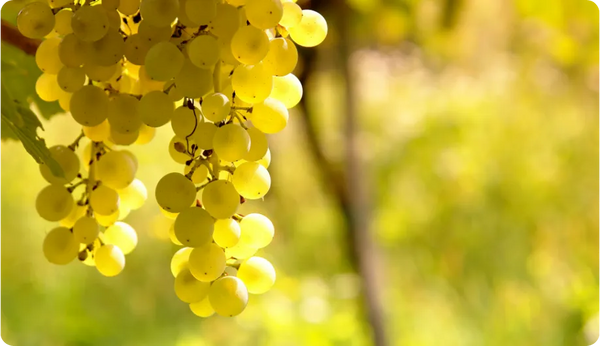
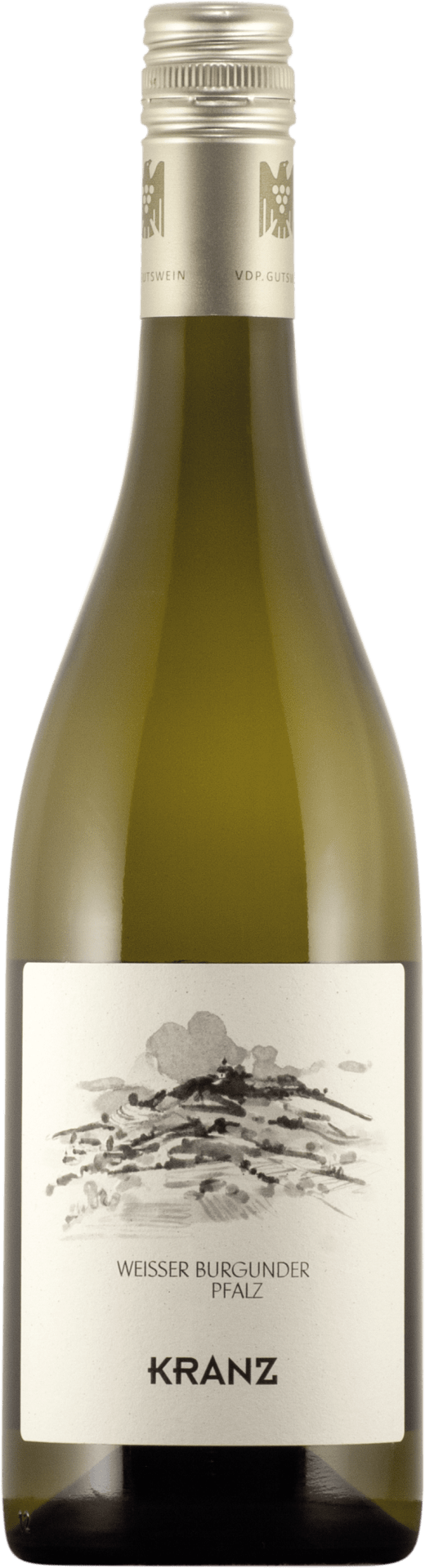
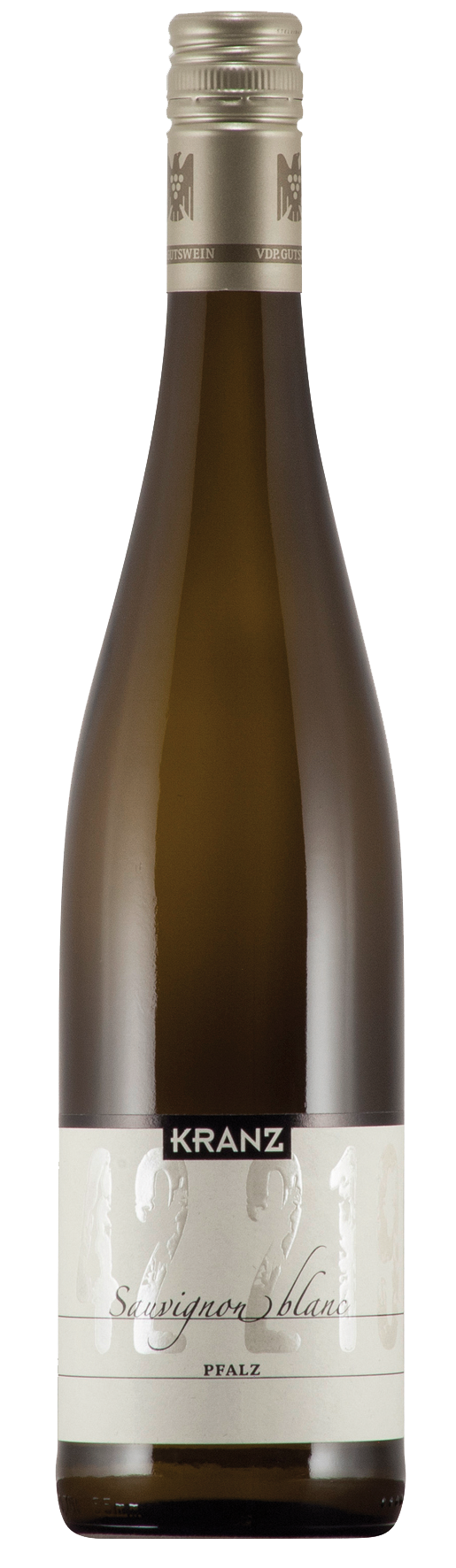
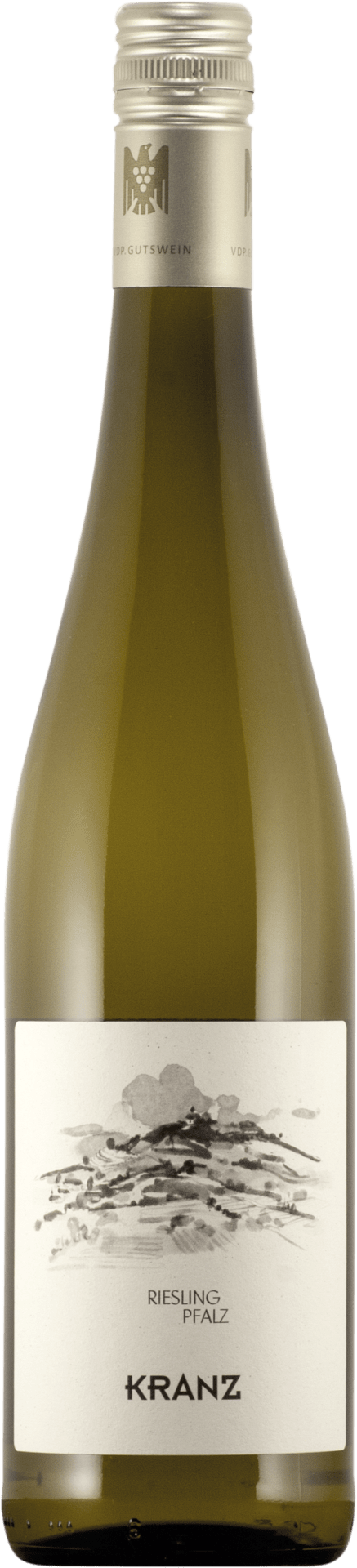
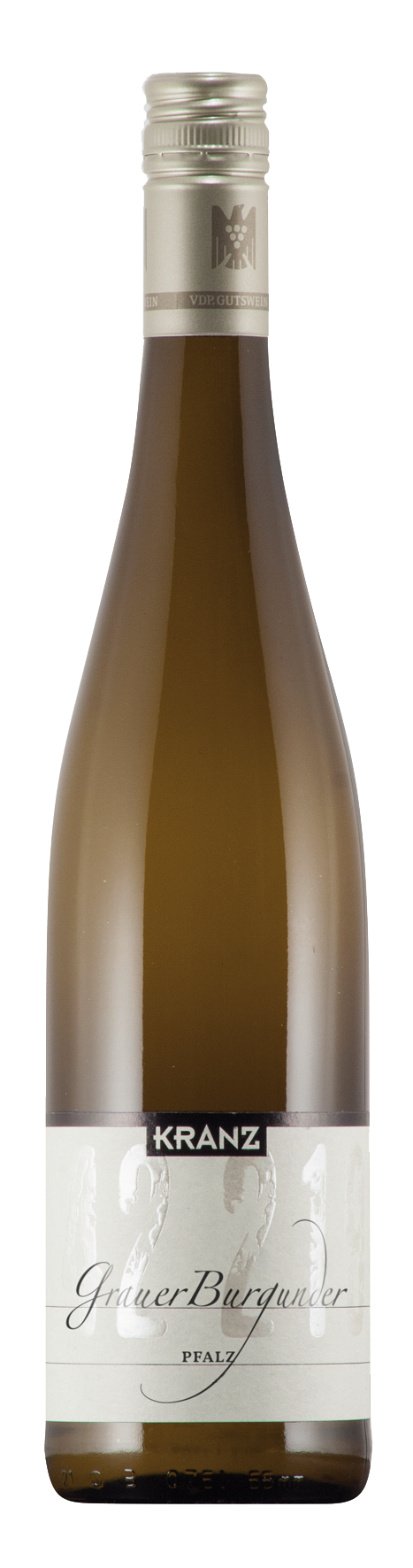
The microclimate around Ilbesheim is somewhat cooler than in other parts of the Palatinate—despite the approximately 1,800 hours of sunshine that the southern location offers annually. The result is wines with a focused acid structure, clear aromatics, and a calm, structured depth that lasts for years. Riesling, Pinot Blanc, and Pinot Noir form the core grape varieties; Pinot Gris, Sauvignon Blanc, and Auxerre complement the assortment. White wines are aged in steel tanks or large wooden barrels, the red site wines in barriques. Those who want to gain a first impression should reach for one of the local wines—such as the Pinot Blanc from fossil limestone, which Boris Kranz himself recommends as an entry point. Those who want to delve deeper will find the full potential of this origin in the Große Lagen of Kalmit and Kirchberg.