Palatinate · Germany
Reichsrat von Buhl
Read more Read less
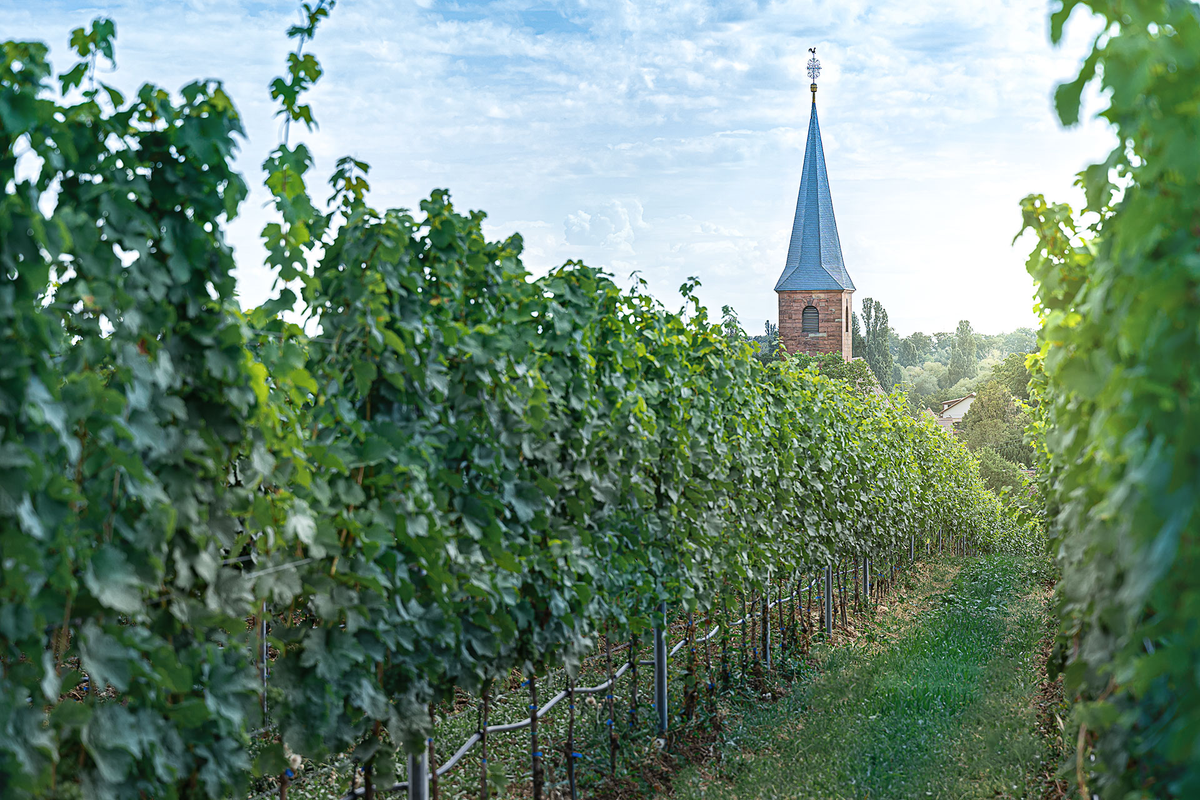
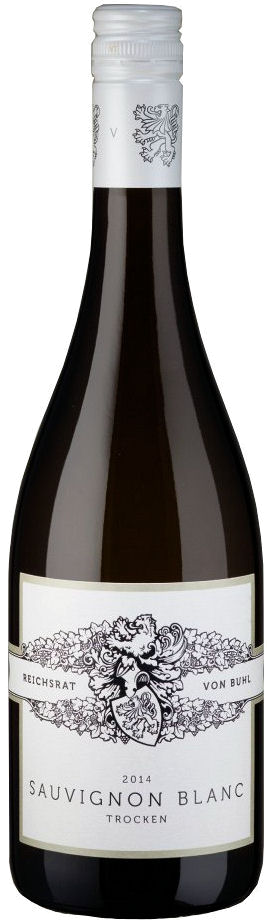
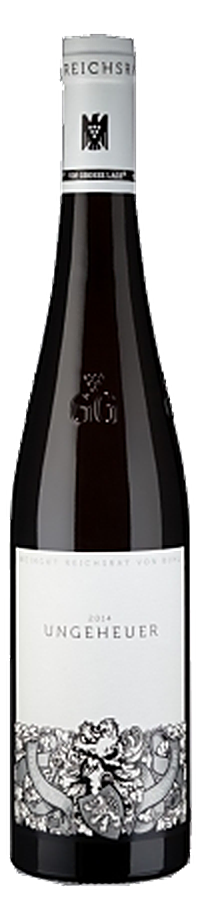
In 1849, Franz Peter Buhl founded the winery in Deidesheim – emerging from the division of the Jordan estate, which also gave rise to Bassermann-Jordan and von Winning. Today, all three belong to the Niederberger Group. On approximately 56 hectares, nearly 90 percent is planted with Riesling. The top sites are located in Forst – Kirchenstück, Ungeheuer, and Pechstein – in addition to parcels in Wachenheim, Ruppertsberg, and Königsbach. The VDP estate has been organically certified since 2009 and operates biodynamically. Since 2013, the style has been shaped by Mathieu Kauffmann, formerly cellar master at Champagne Bollinger. His signature is particularly evident in the sparkling wines, which are produced using traditional bottle fermentation.
Filters
14 products


Falstaff Bewertung
Awarded by Falstaff

Meiningers Deutscher Sektpreis 2020/2021
Awarded by Meiningers (Weinmagazin)

Falstaff Weinguide 2025
Awarded by Falstaff Magazine

Falstaff Weinleitfaden 2025
Awarded by Falstaff

Falstaff Bewertung 2022
Awarded by Falstaff
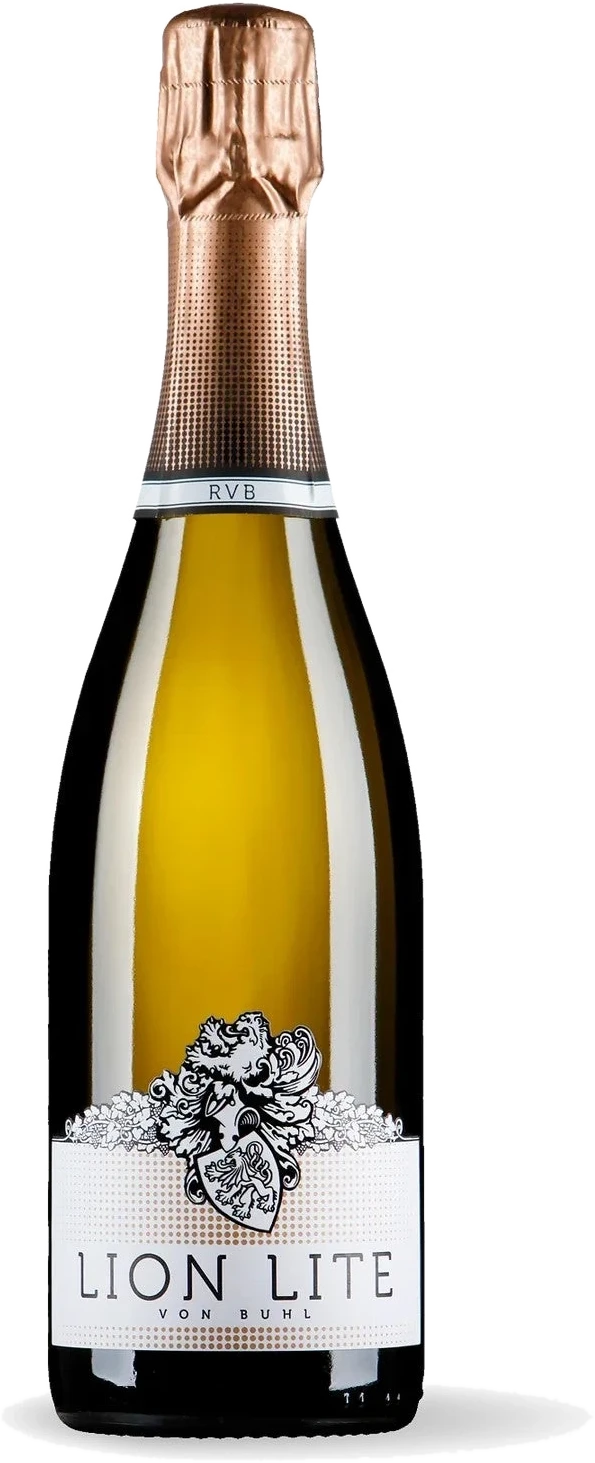
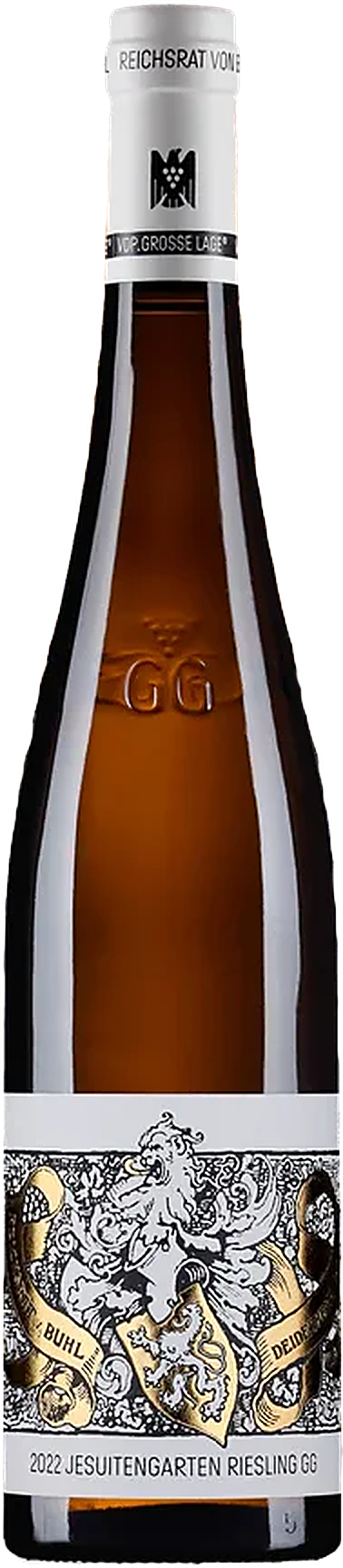
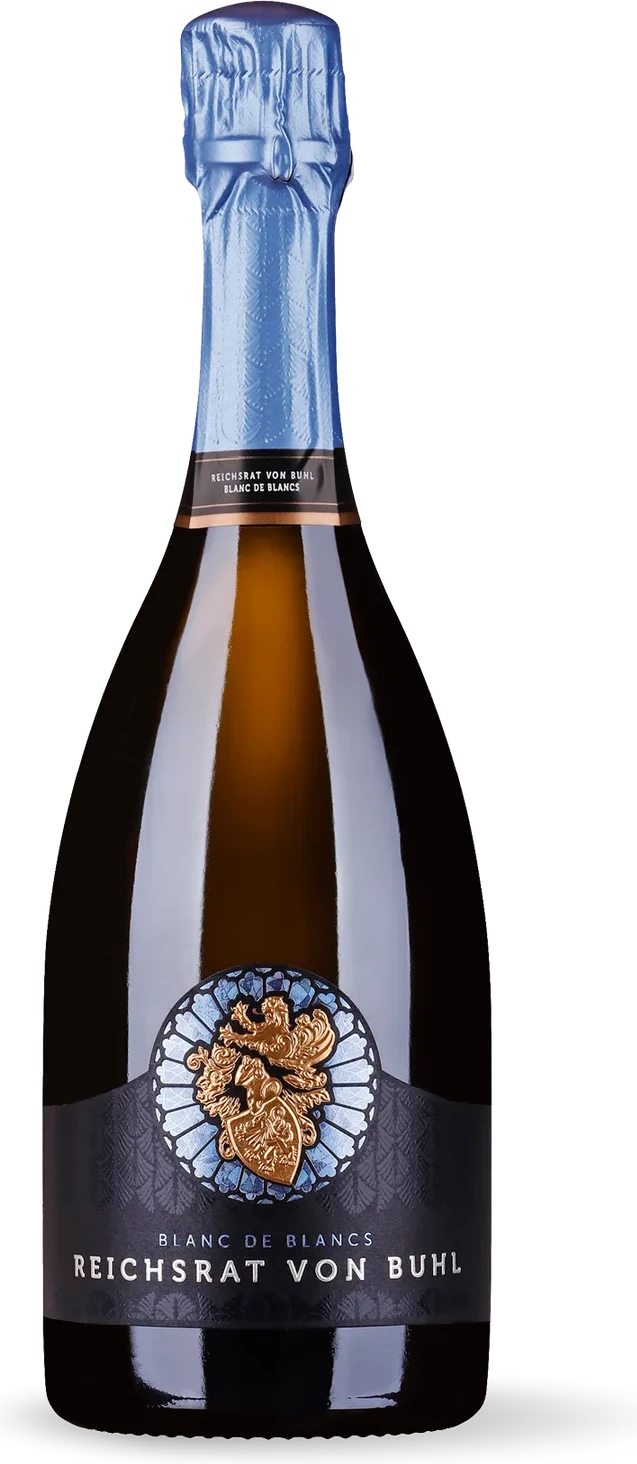
About Reichsrat von Buhl
From the Jordan inheritance to the benchmark estate of the Mittelhaardt
When Franz Peter Buhl's property was entered into the land register in 1849, one of the most significant wineries in the Palatinate was born in Deidesheim – emerging from the division of the Jordan estate, which simultaneously gave rise to Bassermann-Jordan and what is now Von Winning. Franz Peter Buhl had inherited the vineyards through two family lines: his mother was a sister of Peter Heinrich Jordan, and his wife Josefine was the daughter of Andreas Jordan. From this inheritance, he quickly built an internationally renowned business: at the ceremony for the opening of the Suez Canal in 1869, a Von Buhl Riesling was served – at the time, one of the most expensive German wines in the world.
His son Armand von Buhl significantly expanded the estate through marriage: the Forster winegrowing family Schellhorn-Wallbillich contributed parcels in the now-famous Grand Cru sites Kirchenstück, Ungeheuer, and Pechstein. For his services to viticultural policy – he was involved in the founding of the German Winegrowers' Association – he received the title "Reichsrat of the Crown of Bavaria," which has officially been part of the estate's name since 1912. Since 2005, Reichsrat von Buhl has belonged to the Niederberger Group, which also unites Bassermann-Jordan and Von Winning – three former parts of the Jordan inheritance under one roof.
Biodynamics, spontaneous fermentation, and the heritage of Champagne
Reichsrat von Buhl has been organically certified since 2009; starting with the 2018 vintage, the estate has been working entirely biodynamically. The soils are cultivated consistently without synthetic agents; instead, only strengthening preparations are used – with a measurable effect on the robustness of the berry skins and the vitality of the roots. Selective hand-harvesting ensures that only fully ripe, healthy grapes reach the cellar.
The stylistic restart was initiated in 2013 by Alsace-born Mathieu Kauffmann, who had previously worked for twelve years as the head oenologist at Champagne Bollinger in Épernay. He brought the precise craft of traditional bottle fermentation to the Palatinate: the sparkling wines are started spontaneously, yeast density is microscopically controlled, and maturation on the lees is managed according to the Champagne model. Today, the cellar contains tonneau and double-piece barrels made of German oak for the aging of still wines – a sign of the ambition to make terroir visible, not to overwhelm it.
Riesling as the benchmark – and more than just still wines
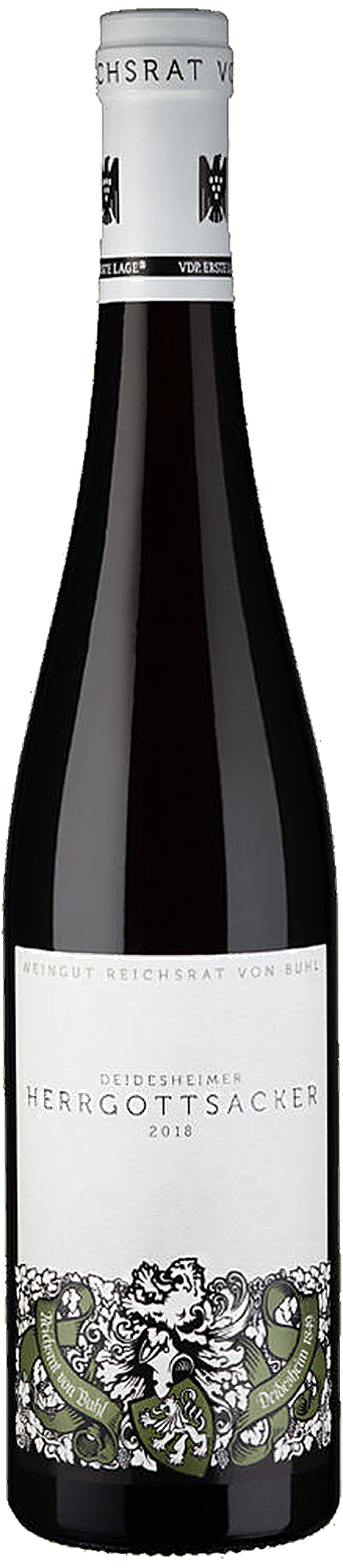
Around 88 to 89 percent of the approximately 56 to 58 hectares of vineyard area are planted with Riesling. The parcels are located in the VDP.Grosse Lage sites of the Mittelhaardt: Forster Jesuitengarten, Ungeheuer, Pechstein, and Kirchenstück, as well as Deidesheimer Kieselberg and Herrgottsacker, and Ruppertsberger Reiterpfad. The soils alternate between calcareous marl, variegated sandstone, and basalt lava – which explains the stylistic differences between the individual site wines despite the same grape variety.
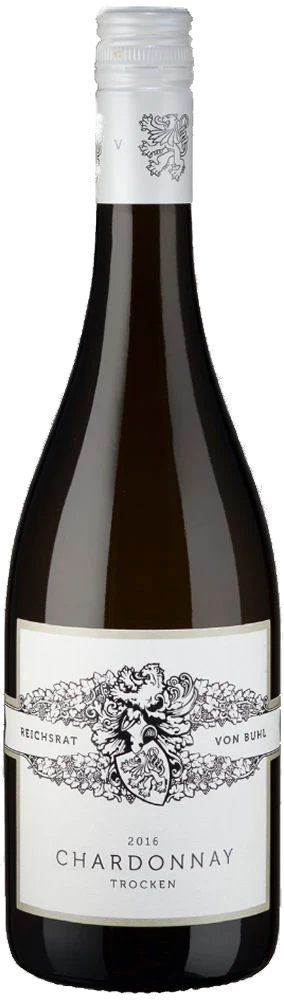
In addition to the dry Rieslings, from the estate wine to the Grosses Gewächs, the range shows what Kauffmann's Champagne experience has achieved: the Riesling Brut and the Blanc de Blancs Prestige brut are created using traditional bottle fermentation and represent an independent German sparkling wine style far removed from industrial cuvées. Pinot Gris and Chardonnay complement the spectrum on a smaller area. Those looking for dry minerality with depth – from the accessible estate wine to the age-worthy Grand Cru – will find a benchmark in Deidesheim for what the Mittelhaardt can achieve.
Deidesheimvon-buhl.de
Award-winning wines
Falstaff Bewertung
Awarded by Falstaff
Meiningers Deutscher Sektpreis 2020/2021
Awarded by Meiningers (Weinmagazin)
Falstaff Weinguide 2025
Awarded by Falstaff Magazine
Falstaff Weinleitfaden 2025
Awarded by Falstaff
Falstaff Bewertung 2022
Awarded by Falstaff