From inn to top-tier address: three generations at the Kaiserstuhl
The roots of the winery date back to the turn of the century, when a wine-growing business began to develop around the "Schwarzer Adler" inn in Oberbergen. Franz Keller senior (1927–2007) became the defining figure for the modern character of the house: As a close friend of Paul Bocuse and Marc Haeberlin, he discovered the great wines of Burgundy, imported them directly to Oberbergen, and simultaneously systematically restructured his own winery. He was one of the earliest proponents in Germany of fully fermented, dry wines and barrique aging — at a time when residual sugar still dominated the market. He fought emphatically against the land consolidation of the 1970s and 1980s, which leveled historic terraces and steep slopes: Preserving these old plots, some of which date back to Roman times, was a matter close to his heart.
In 1990, he handed over the business to his son Fritz Keller, who continues to run the winery together with his son Friedrich — the fourth generation. Friedrich has been managing the winery operationally since 2016. In 2014, it was admitted to the Association of German Prädikat Wine Estates (VDP). The "Schwarzer Adler" restaurant has held at least one Michelin star continuously since 1969.
Volcanic soils, gravity-flow cellar, Burgundy as a benchmark
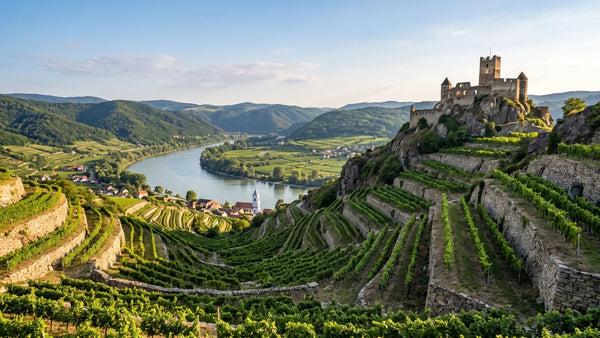
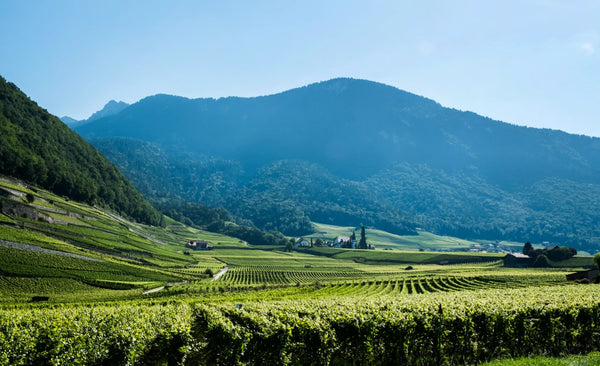
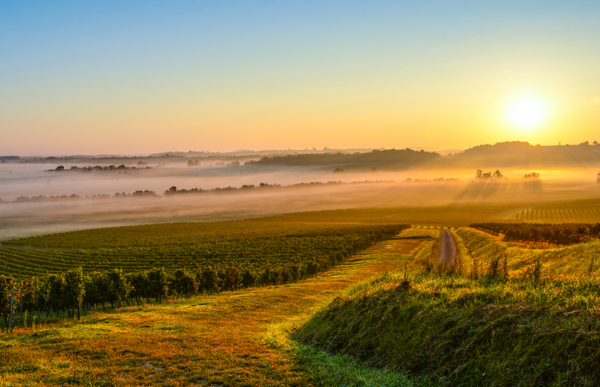
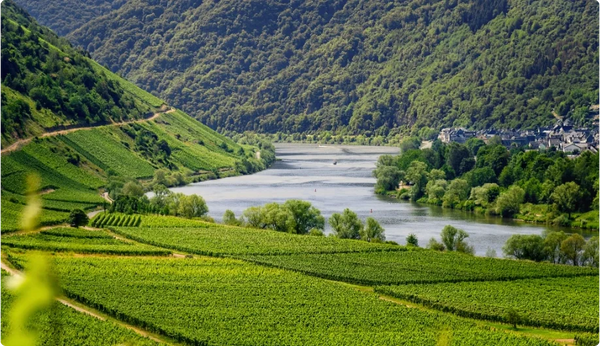
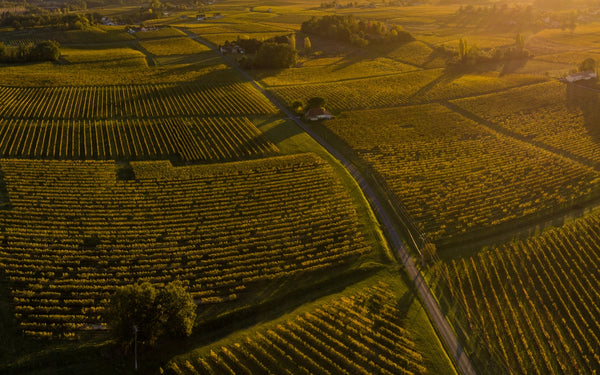
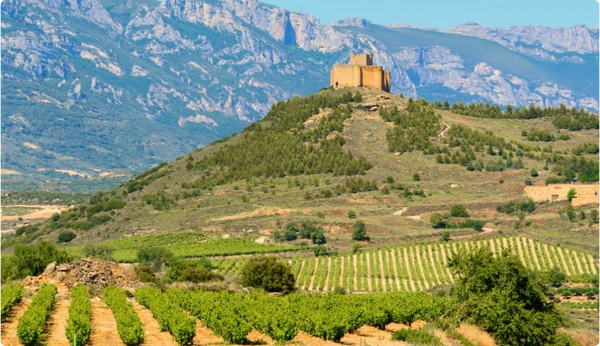
The Kaiserstuhl is an extinct volcano — and the soils show it: basalt weathering, loess, and limestone alternate, sometimes within just a few meters. This combination, together with an above-average number of sunshine hours, provides the foundation for the depth and structure of the Keller wines. In the vineyard, the team works with mechanical soil cultivation, organic fertilization, and cover cropping for biodiversity. Yields are consistently reduced through thinning and green harvesting, and for top qualities, also through bunch thinning. Harvesting is done by hand, often in several passes.
In 2013, a three-story gravity-flow cellar was built into the hillside in Oberbergen: grapes and must move from the harvested fruit to bottling exclusively by their own weight. The Burgundian soil scientist Claude Bourguignon acted as a consultant, and on his recommendation, the best sites were planted with Burgundy clones. Great wines mature in small and large oak barrels; lighter white wines partly in steel tanks to maintain filigree and liveliness.
Spätburgunder as the flagship, Bassgeige as the benchmark
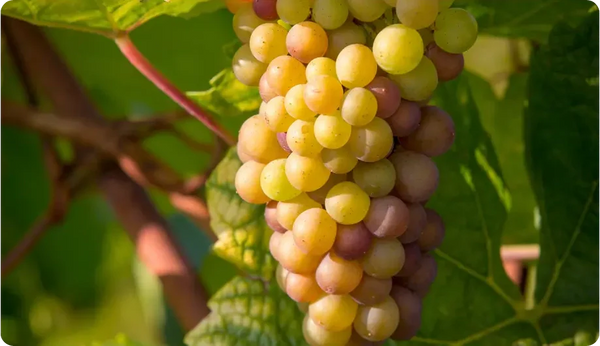
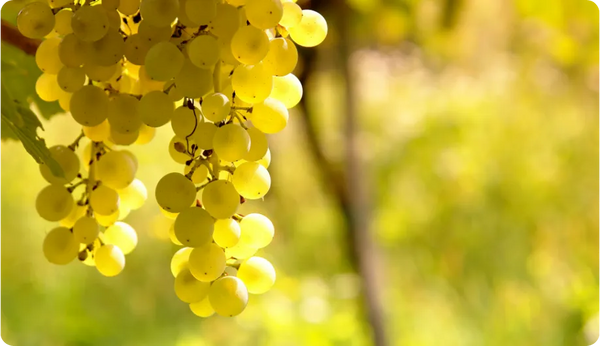
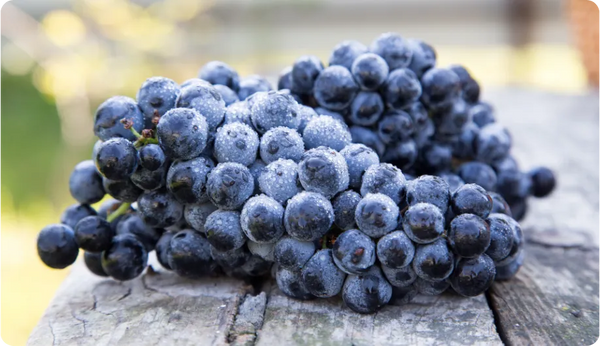
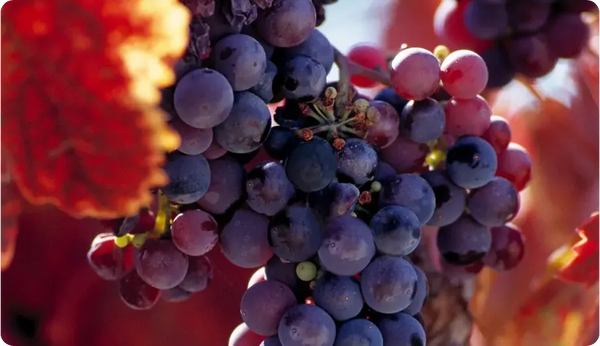
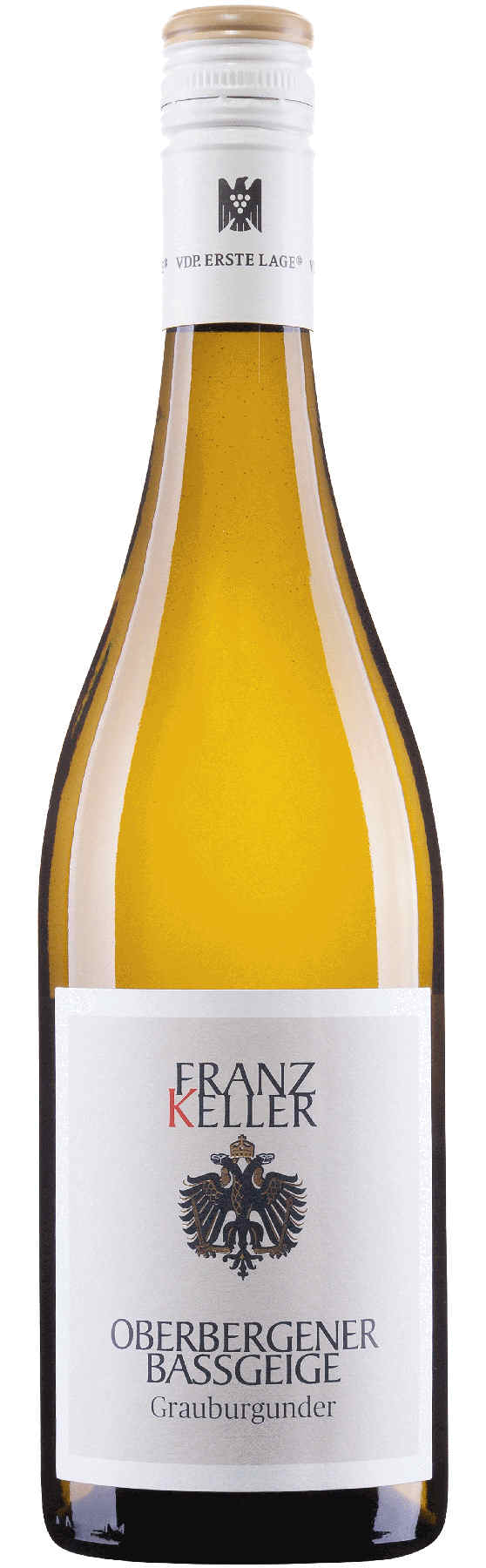
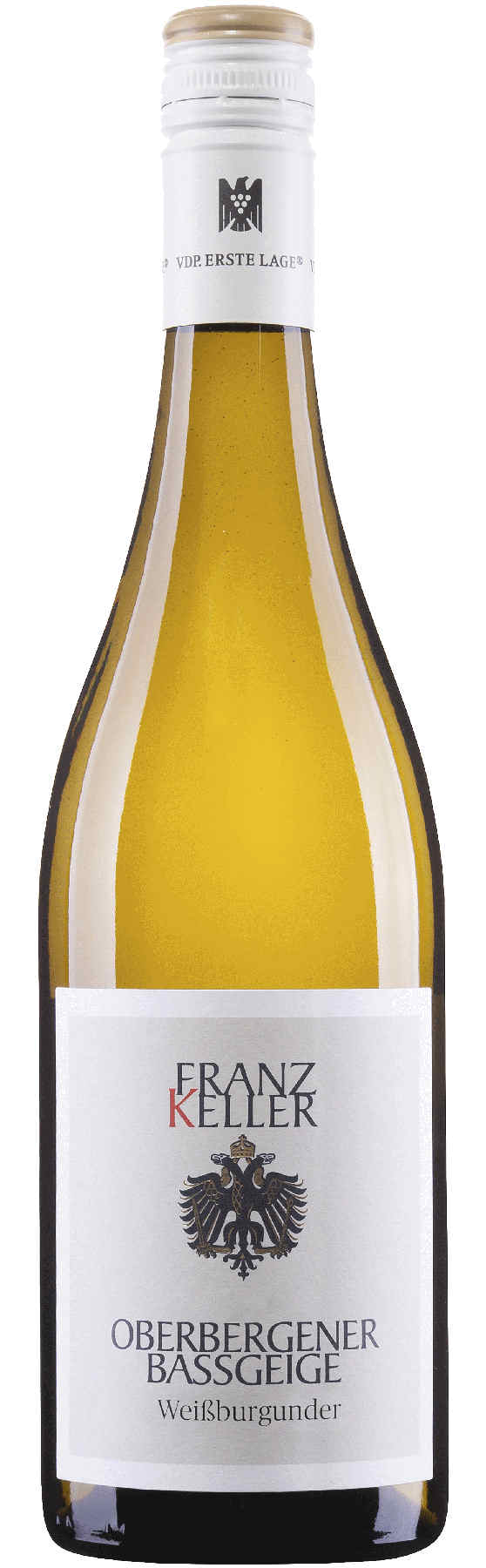
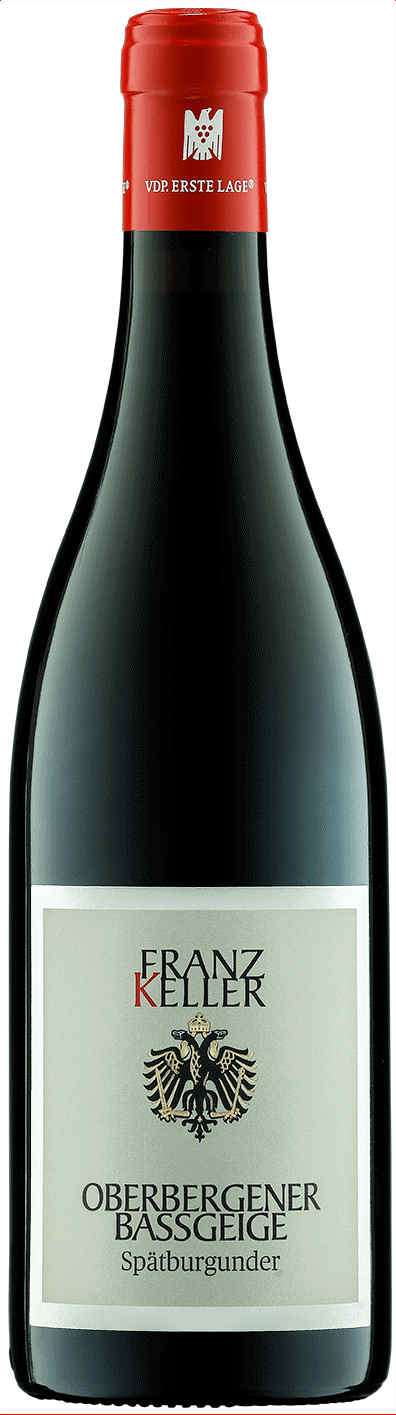
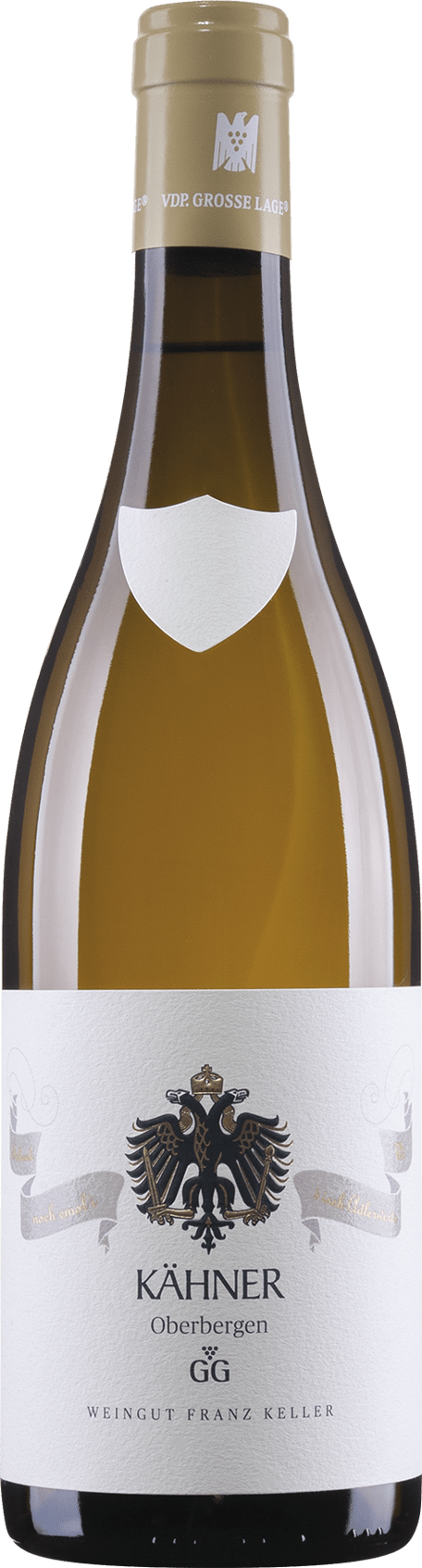
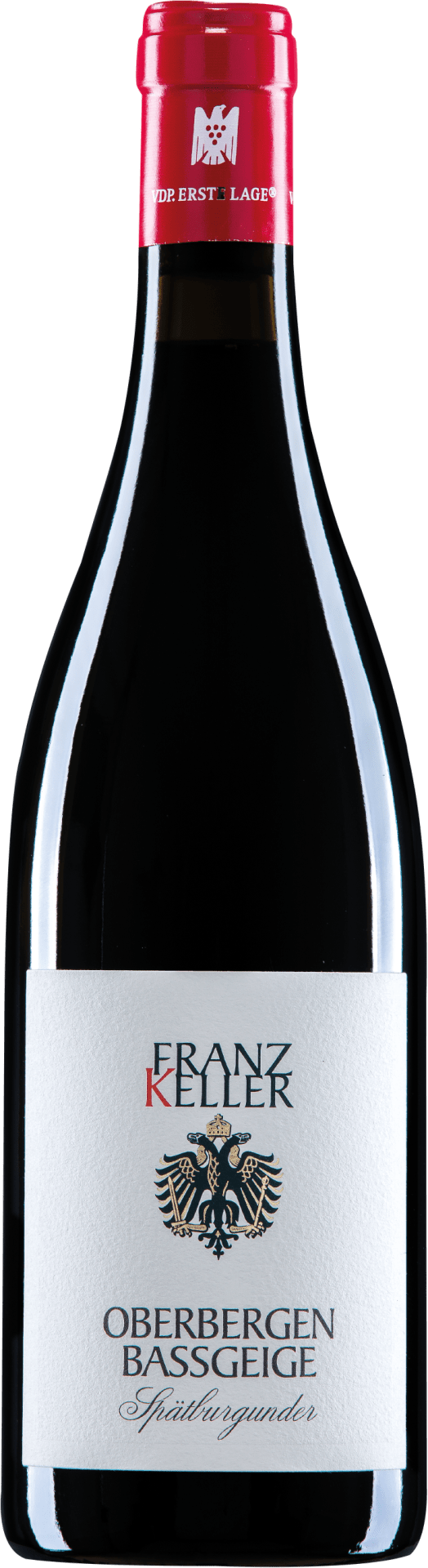
The range revolves around Spätburgunder, Grauburgunder, and Weißburgunder as well as Chardonnay. The central VDP single vineyards are the Oberbergener Bassgeige, the Achkarrer Schlossberg, the Oberrotweiler Eichberg, and the Jechtinger Enselberg. The quality pyramid ranges from accessible estate wines to Grosses Gewächs from the best plots. Spätburgunder is the focus: thought of in a Burgundian way, with precise fruit, well-integrated tannins, and the aging potential that volcanic soils allow. Fritz and Friedrich Keller take care not to harvest the Pinot Noir too late — the wines remain fresh and never heavy.
With Weißburgunder and Grauburgunder from the Bassgeige, other strengths of the house become apparent: melt, minerality, and a lively acidity that combines long yeast aging with freshness. The idea behind it is the same as it has been for generations: to think of wine as a companion at the table — not as an end in itself.