From a Bruchsal backyard to Baden's Pinot address
In 1983, Ulrich and Marietta Klumpp founded their winery as career changers — he an administrative official, she a bank clerk — in a backyard in the middle of Bruchsal. What began back then with around 4.5 hectares of vineyards grew over the years into one of the most respected operations in the Baden wine-growing region. In 1990, a new winery building was constructed on the outskirts of town, and while Ulrich Klumpp trained as a winemaker in evening classes, his sons Markus and Andreas studied viticulture at Geisenheim University — a parallel education that shaped the winery from the beginning.
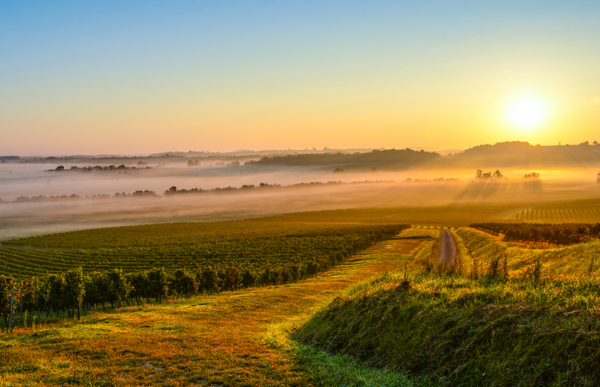
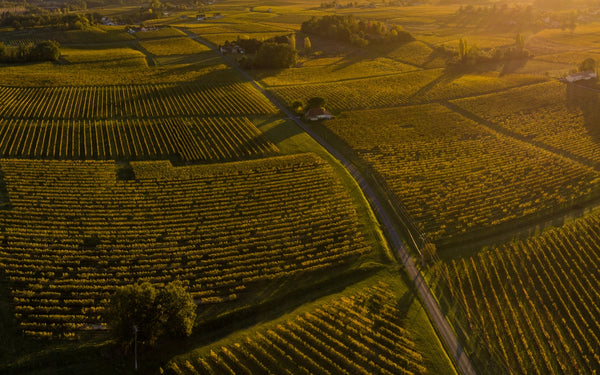
The brothers have been running the estate in the second generation since 2004. Markus joined first, and Andreas followed in 2010. Between 2014 and 2015, the operation was extensively expanded and modernized, including a new vinotheque. Today, the winery manages around 32 hectares of vineyards, distributed across the Rothenberg and Weiherberg sites in Bruchsal, Kirchberg in Unteröwisheim, and Himmelreich in Zeutern.
Biodynamic by conviction — since 1996
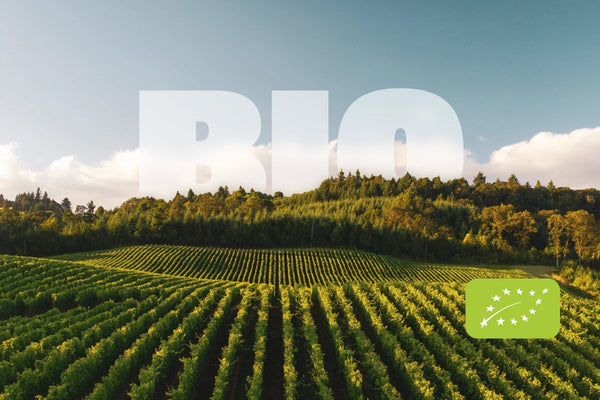
As early as 1996, Ulrich and Marietta Klumpp converted their entire vineyard area to organic viticulture and became members of EcoVin — at a time when this was still the absolute exception in Germany. In the meantime, this has become a consistent further development: in 2024, the complete conversion to biodynamic cultivation took place. They work with their own compost, plant teas, and homemade extracts; the lunar calendar is part of everyday work in the vineyard.
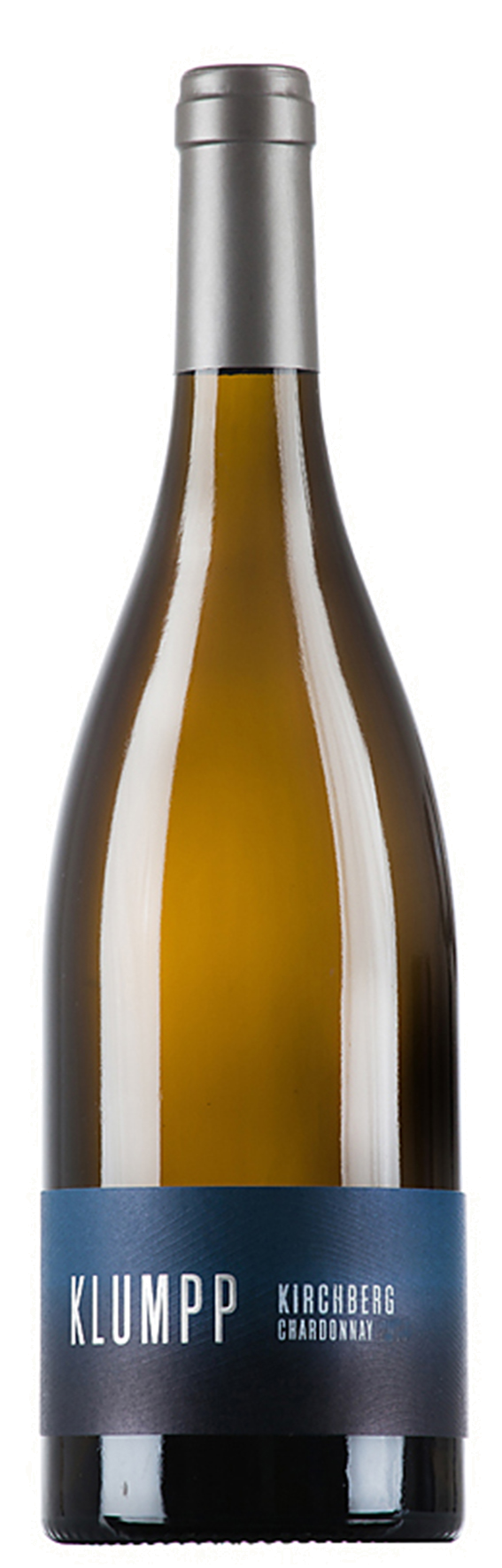
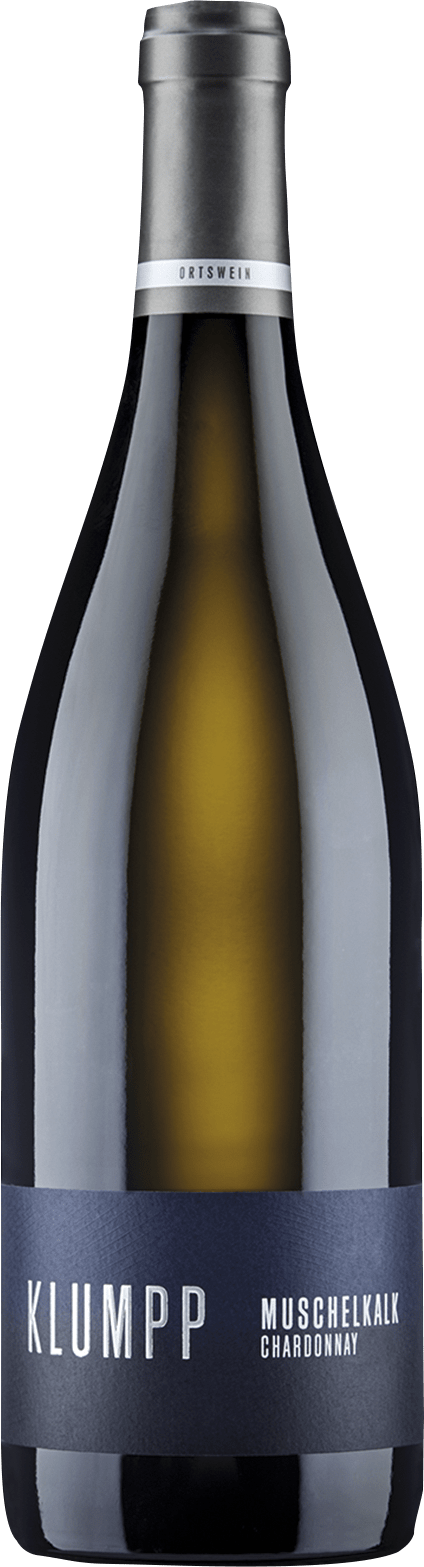
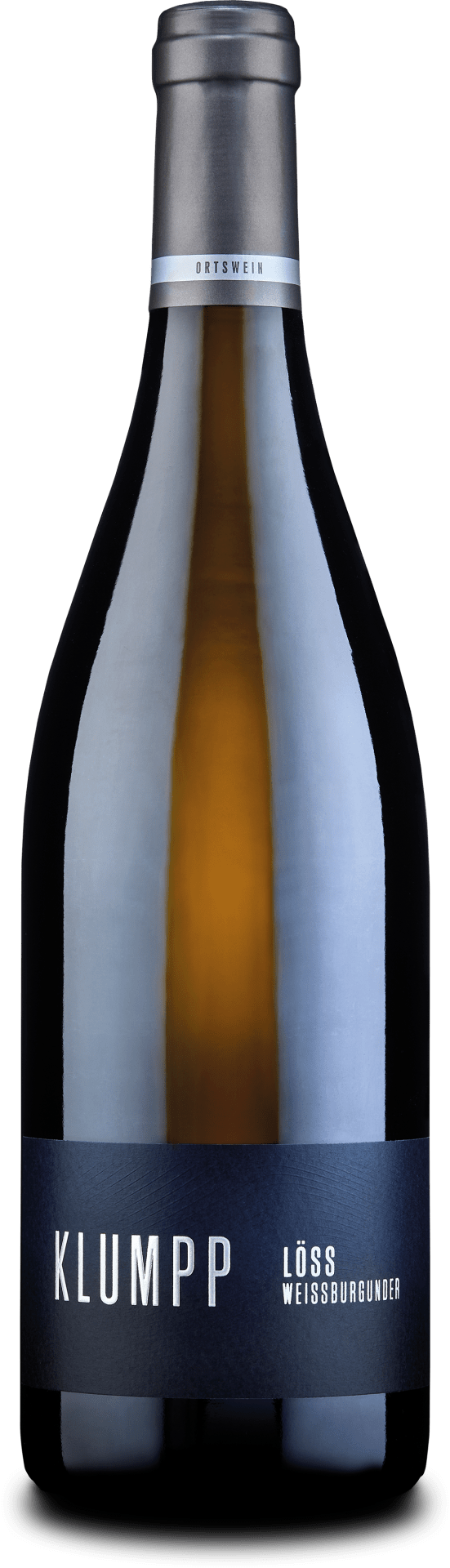
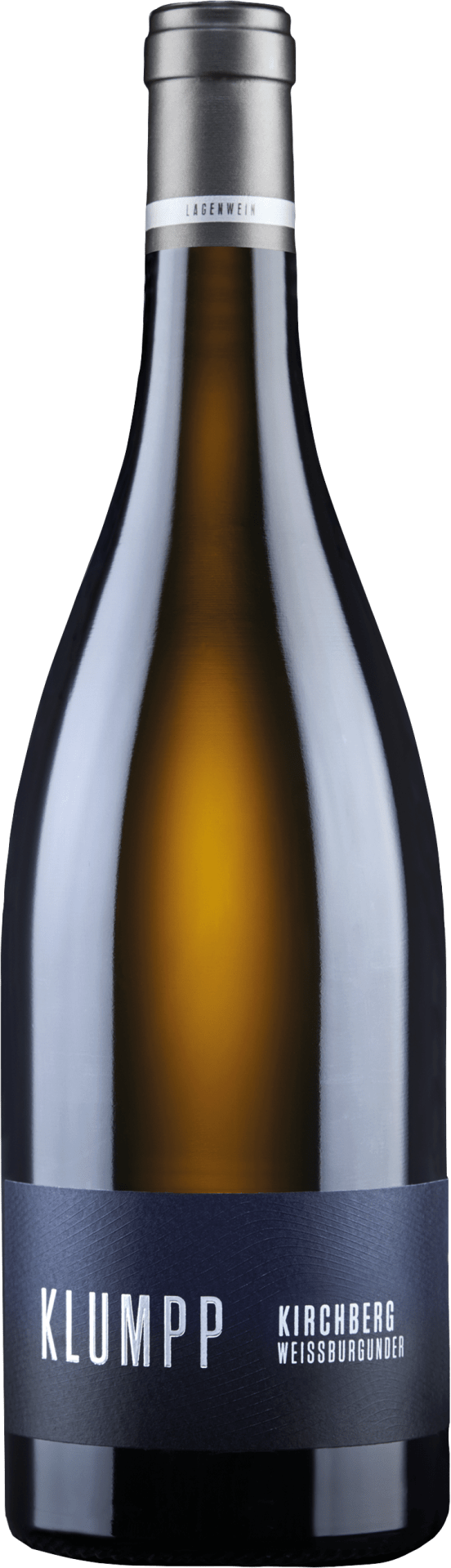
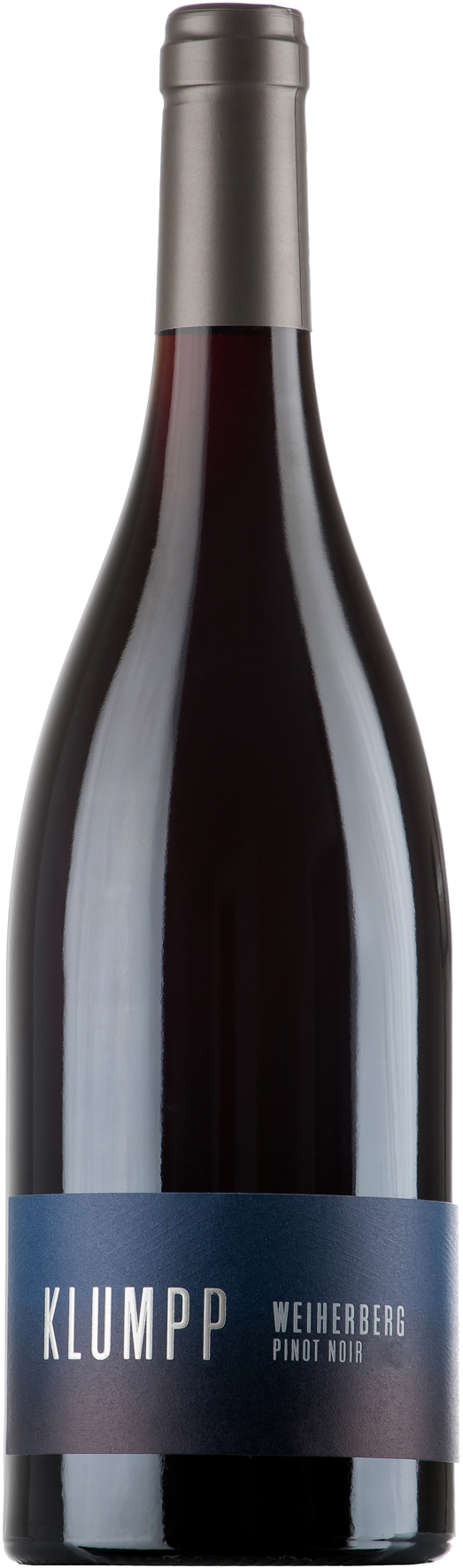
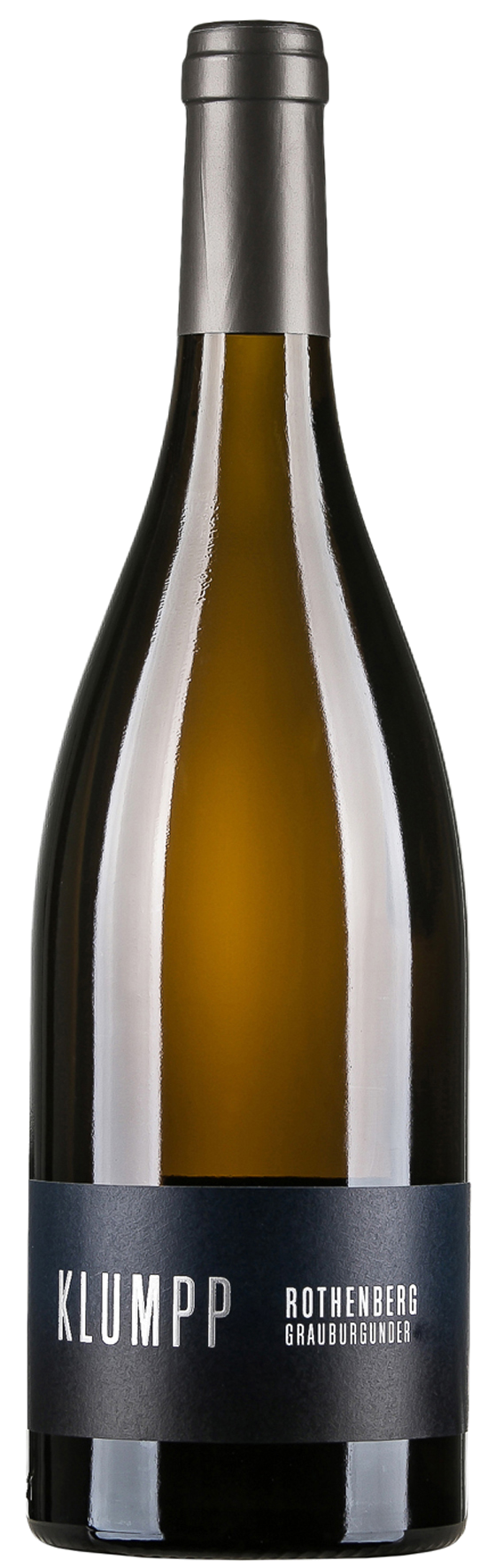
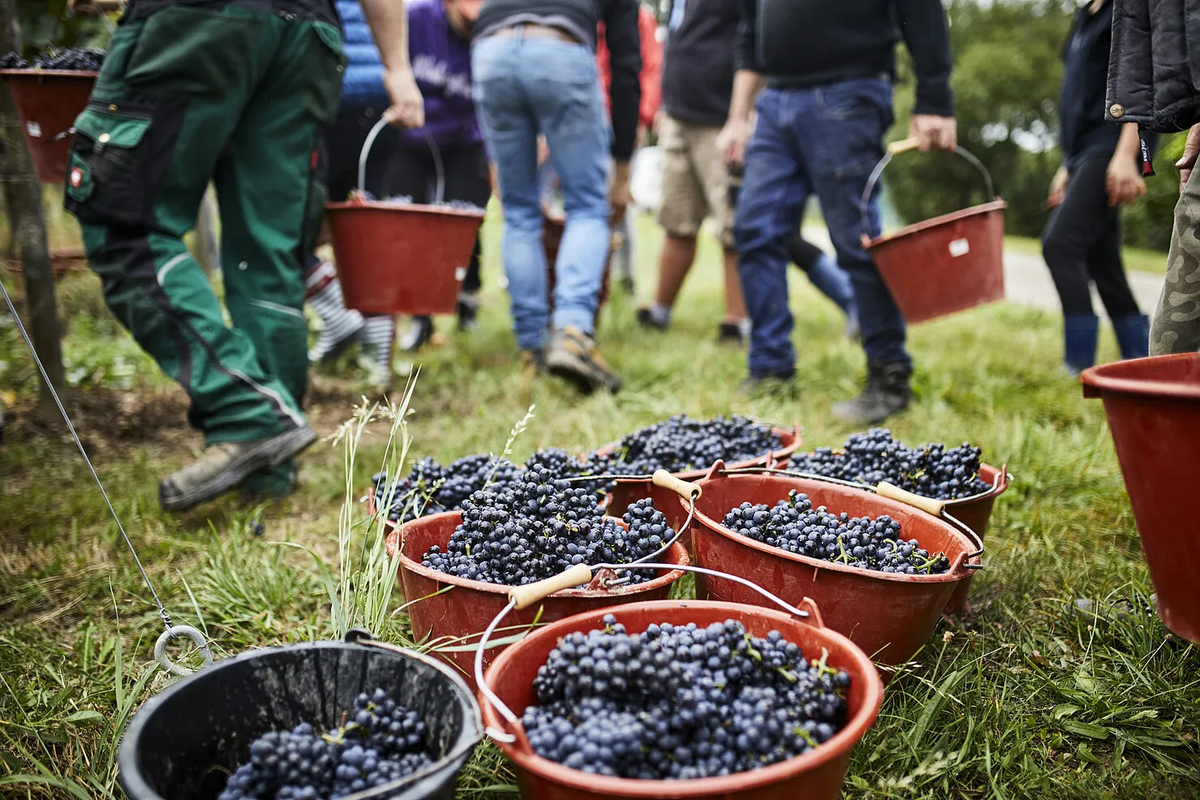
The soils of the Kraichgau are the foundation of this work. In a very small space, shell limestone, gypsum keuper, loess, and clay marl alternate — a geological mosaic that gives the wines their characteristic tension. The Rothenberg, a 2.7-hectare site in sole ownership, has heavy gypsum keuper soils that create density and aging potential. The Weiherberg south of Bruchsal provides the terroir for the Pinot Noir, and the Kirchberg in Unteröwisheim — a wind-exposed southern slope of calcareous sandstone with a high loess layer — the basis for Chardonnay and Pinot Blanc. In the vineyard, the winery relies on low yields and selective harvesting to pick concentrated, small berries.
Precise, mineral, Burgundian — the style of Klumpp wines
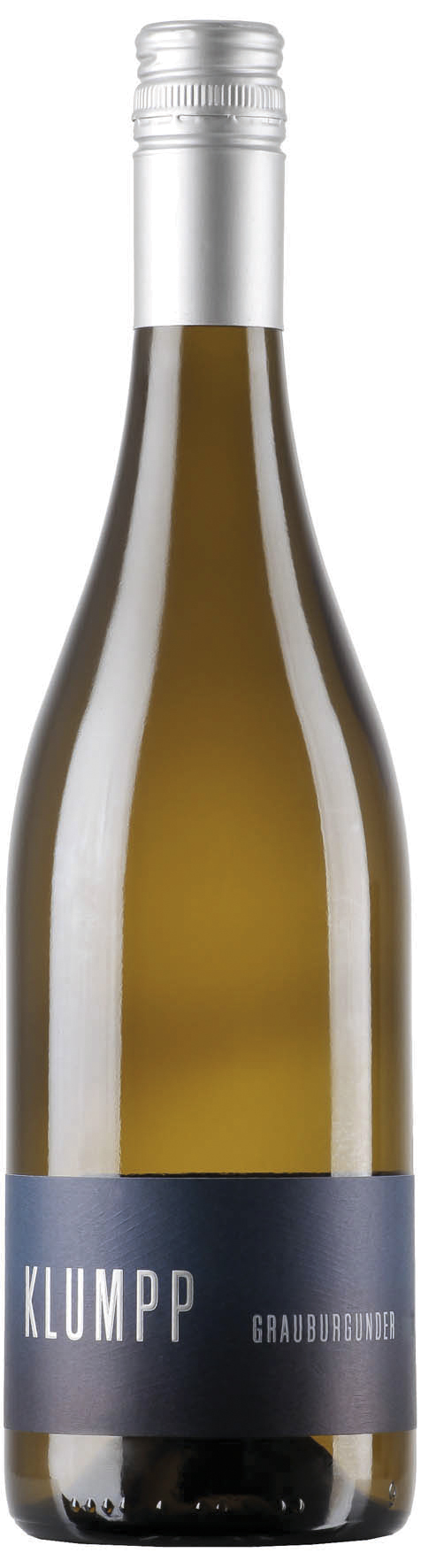
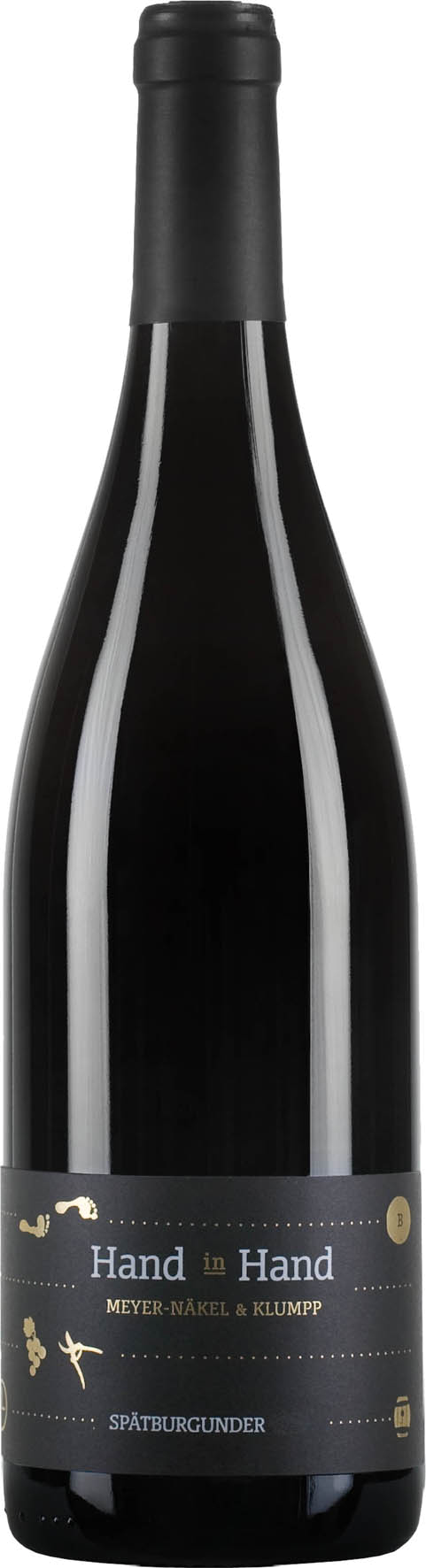
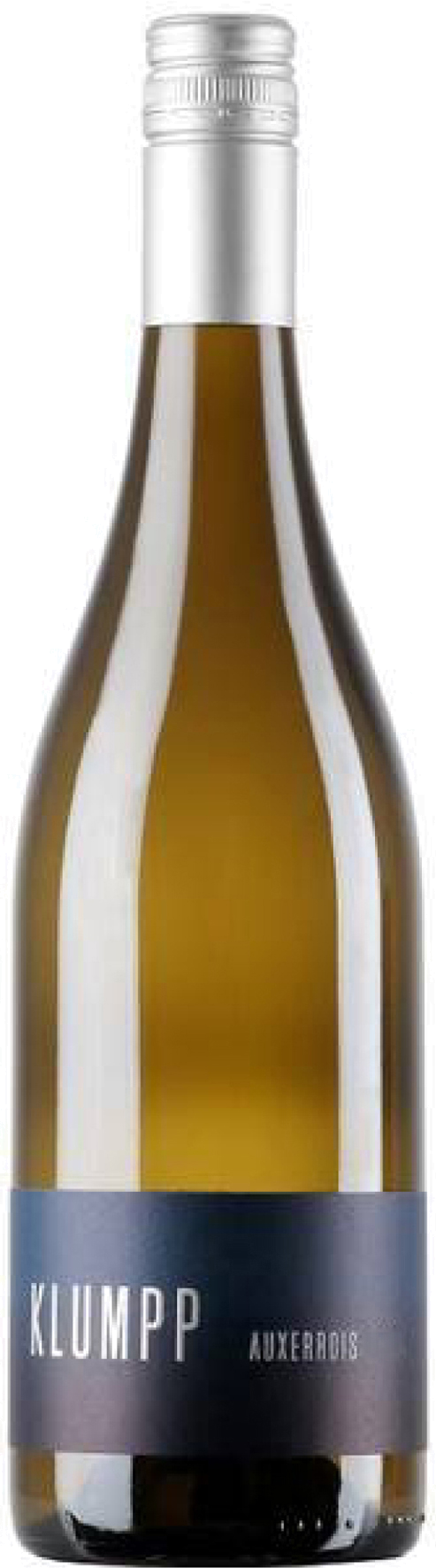
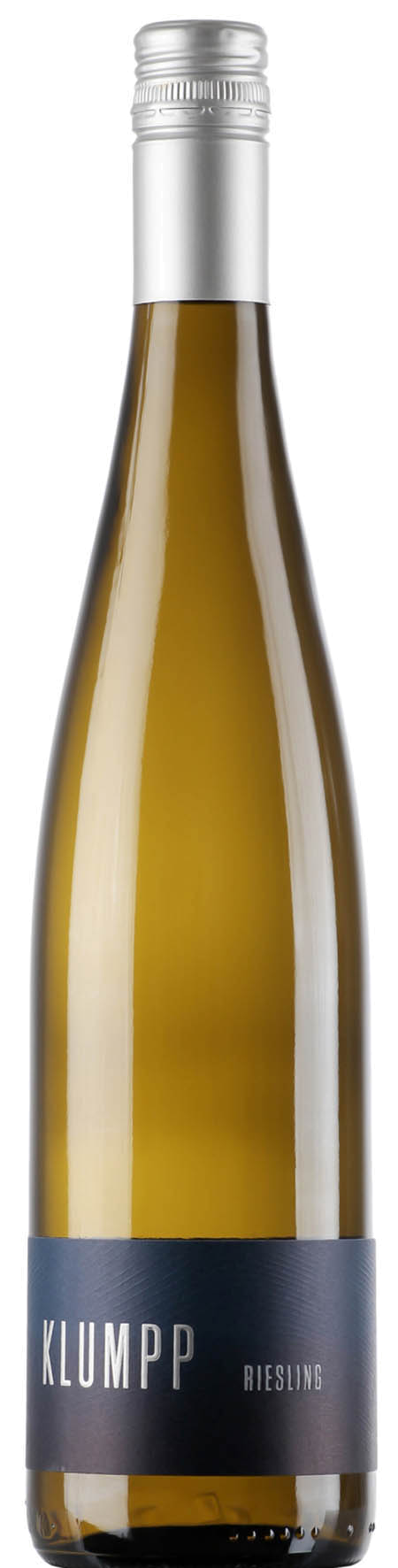
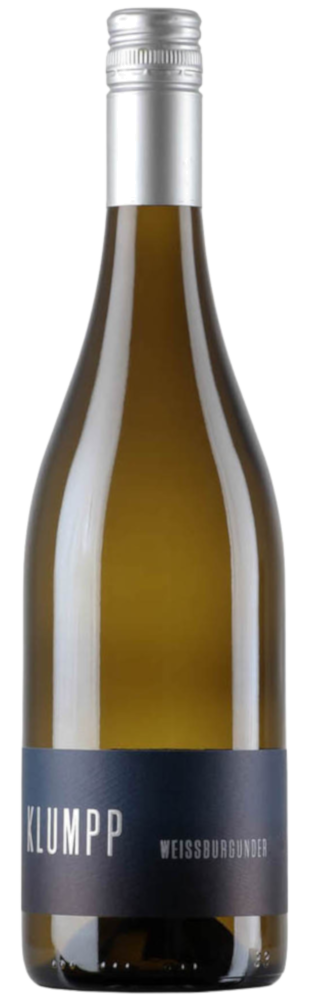
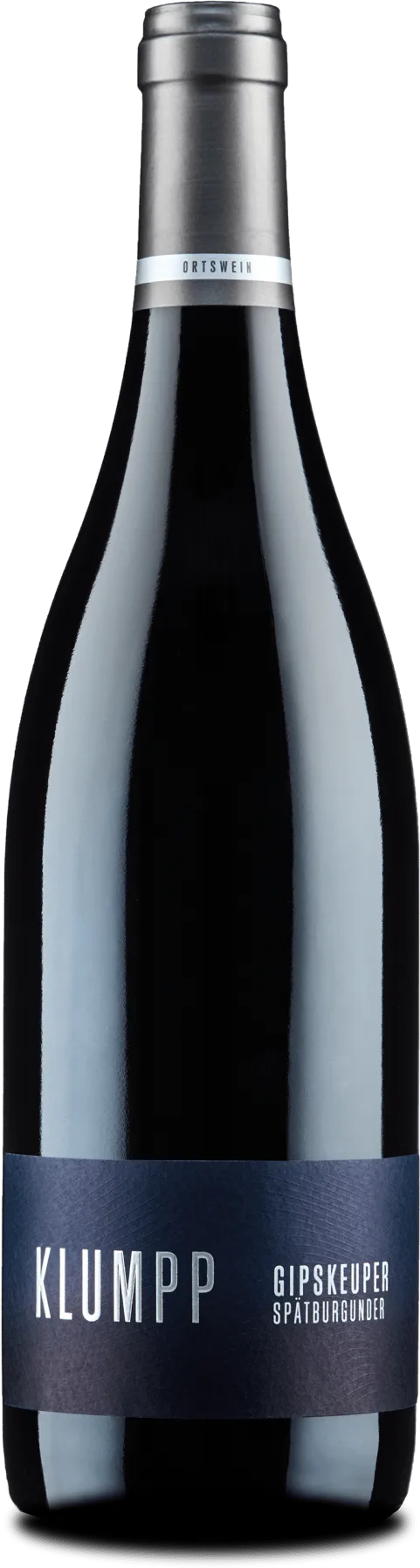
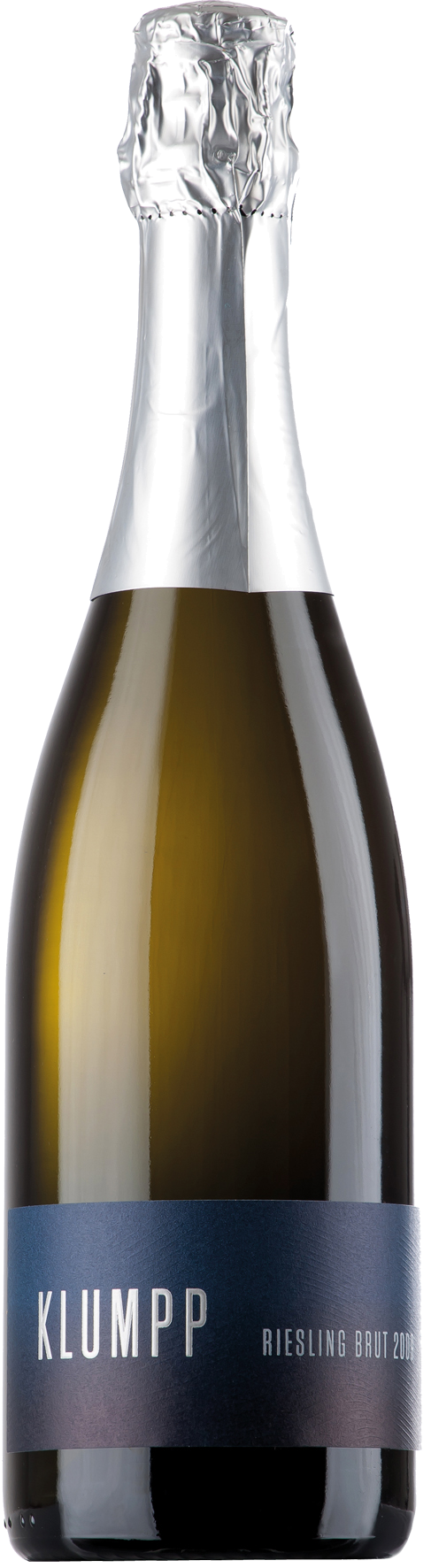
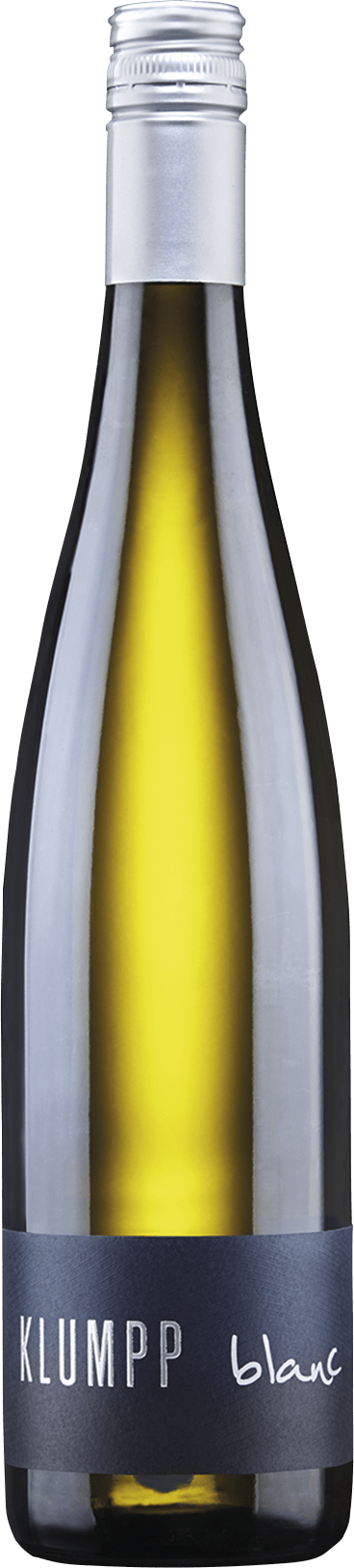
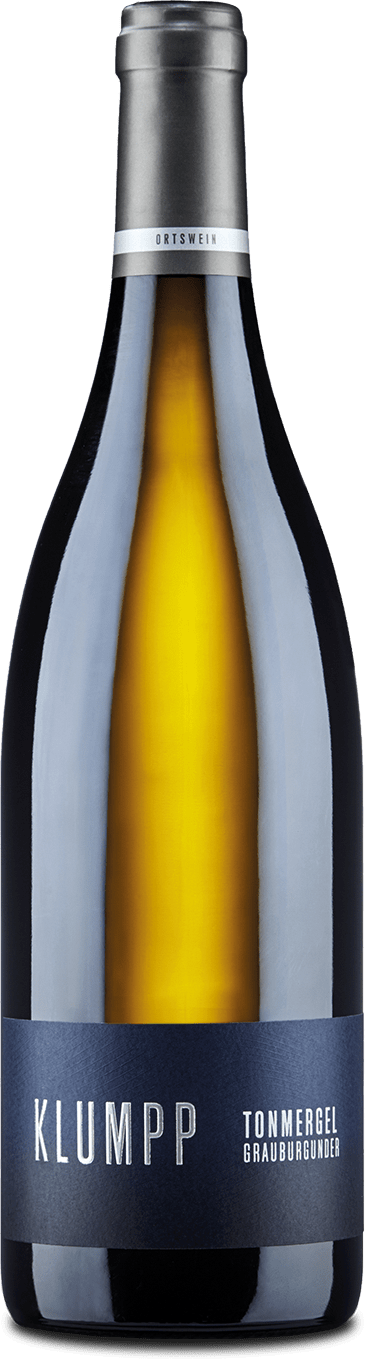
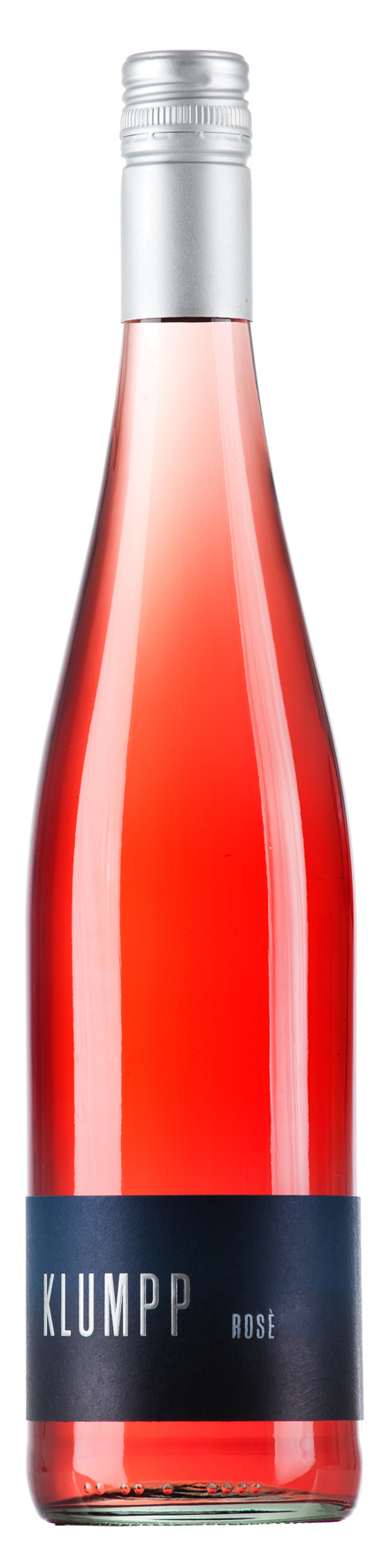
The assortment is divided into estate, local, and site-specific wines. The clear focus is on the Pinot varieties: Pinot Gris, Pinot Blanc, Pinot Noir, and Pinot Noir (Spätburgunder) form the core of the offering, supplemented by Riesling, Chardonnay, Auxerre, St. Laurent, and Syrah. Since 2007, the premium wines have carried site designations. In the Rothenberg, there are over 50-year-old Pinot Gris vines that produce concentrated, full-bodied wines with precise minerality — surprisingly light-footed in the finish despite all the density. The Weiherberg Pinot Noir shows a subtle herbal and spicy note, the St. Laurent from the Rothenberg shows Burgundian structure with its own character.
Falstaff awarded Markus and Andreas Klumpp the Pinot Gris Trophy for the best Pinot Gris of the vintage in 2021. The wine magazine FINE listed the Bruchsal Rothenberg among the ten best Pinot Noirs of the 2019 vintage. Serving temperature white wines: 10–12 °C, red wines: 16–18 °C. The site-specific wines have an aging potential of well over ten years — those who do not want to wait will find clear, easy-drinking Pinots in the estate wine segment that make the house style directly accessible.