
Bathe · Germany
Ziereisen
Read more Read less
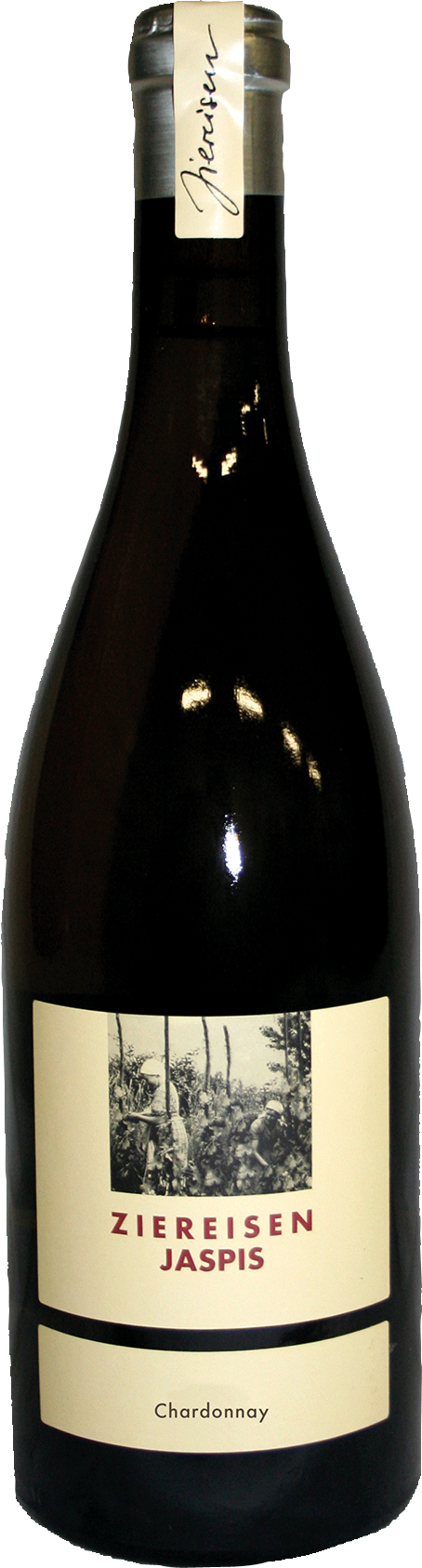
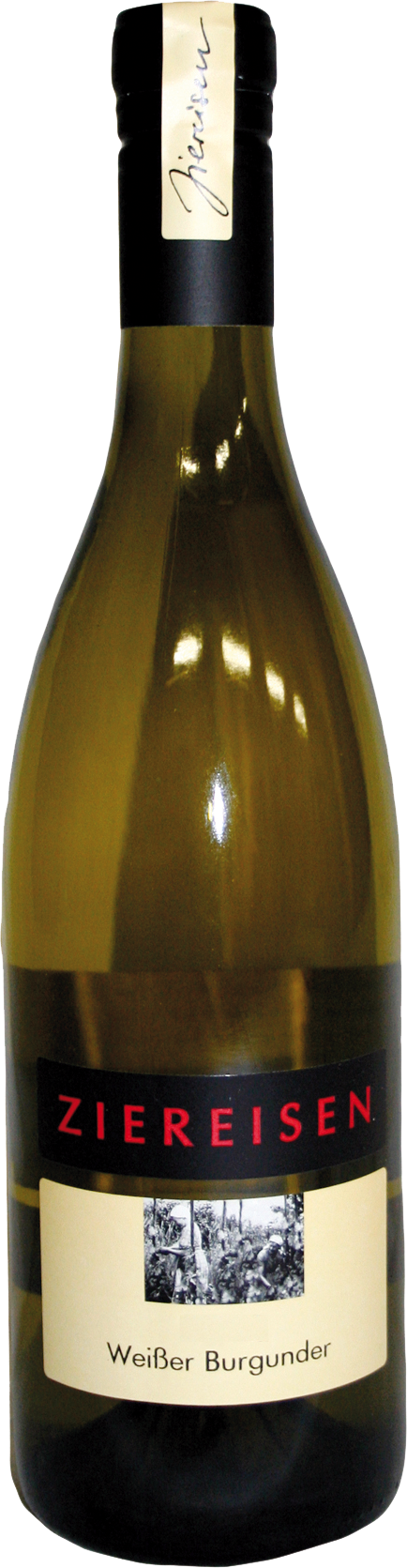
The winery Ziereisen has its roots in the picturesque region of Markgräflerland in the southwest of Germany. Founded in 1991 by Hanspeter and Edeltraut Ziereisen, the family has since dedicated itself with passion and devotion to the production of high-quality wines that reflect the terroir and traditions of the region. It is located in the heart of the Markgräflerland and extends over a multitude of first-class sites that are known for their unique soil conditions and microclimatic conditions. With a combination of traditional viticultural practices and state-of-the-art technology, the winery focuses on quality and innovation in winemaking. The range of Weingut Ziereisen includes a diverse selection of wines that reflect the diversity and quality of the Markgräflerland. Particularly noteworthy are the Pinot wines, for which the winery is known and which are appreciated for their elegance, finesse, and longevity. In addition, the winery also produces other grape varieties such as Chardonnay and Pinot Noir, which perfectly express the terroir and the skill of the winemakers. Weingut Ziereisen attaches great importance to quality and innovation in every step of the winemaking process. From the careful selection of the grapes to the gentle processing in the cellar, the greatest importance is attached to craftsmanship and precision. The winery relies on sustainable viticulture and largely refrains from the use of pesticides in order to produce authentic and characterful wines that reflect the terroir and traditions of the Markgräflerland.

Filters
13 products

Robert Parker Bewertung 2024
Awarded by Robert Parker's Wine Advocate


Gault & Millau 2016 - Bester Rotwein der Kategorie Schnäppchen Rotwein trocken
Awarded by Gault & Millau

Robert Parker 90 Punkte 2021
Awarded by Robert Parker Wine Advocate
About Ziereisen
From carpenter to pioneer: How Hanspeter Ziereisen reinvented the Markgräflerland
Hanspeter Ziereisen is a trained carpenter — not a classic winemaker's son who followed the predetermined path. In 1991, he and his wife Edeltraud decided to consistently focus their parents' mixed farm in Efringen-Kirchen on viticulture. The village is located in the extreme southwest of Germany, just before the Swiss border, in the border triangle between Germany, France, and Switzerland. What drove his decision was an early fascination for great Burgundies: As a young man, he tasted his way through the Côte d'Or and recognized the connection to his own home in Pinot Noir. The fact that the Markgräflerland was known at the time primarily for simple Gutedel and asparagus cultivation left him cold — he saw the potential that others ignored. Today, Hanspeter and Edeltraud manage the winery together with their children Ida and Johann and cultivate around 21 hectares of vineyards.
Jurassic limestone, manual labor, and controlled inactivity
The backbone of the wines lies in the soil: The sites around the Efringer Ölberg stand on Jurassic limestone — the same geological foundation as the Grands Crus of the Côte d'Or. Mountain and hillside sites with a southern exposure, some of them steep slopes, ensure the necessary tension between warmth and minerality. The Burgundian Gate, through which Mediterranean air flows from the Rhône Valley into the Upper Rhine Plain, gives the climate a mildness that is unusual for southwest Germany.
In the vineyard, machine work is virtually excluded: Almost all work on the vine, the harvest, and the subsequent berry selection at the sorting table are done by hand. In the cellar, Ziereisen follows the motto of controlled inactivity. All wines ferment spontaneously without exception. The premium sites mature for 12 to 22 months on the fine lees in wooden barrels — the proportion of new wood depends on the wine, for the top sites up to 30% new barriques, the rest in large neutral containers. Bottling is done without fining, the vast majority without filtration. Ziereisen consciously does not seek certifications; his natural, sustainable way of working is an attitude, not a label.
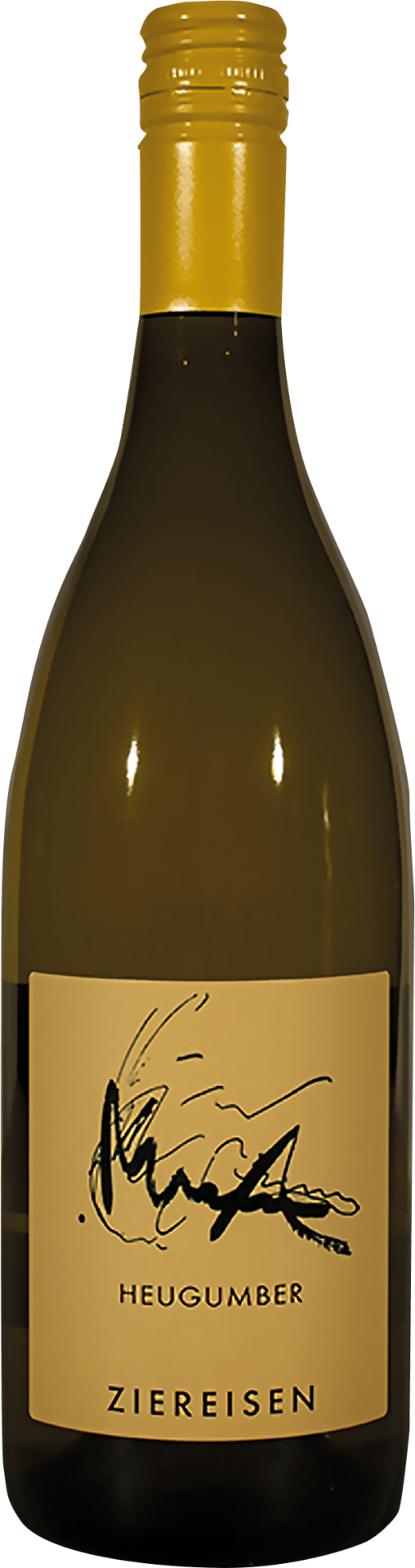
Landwein as a statement: Pinot Noir, Gutedel, and a Baden Syrah
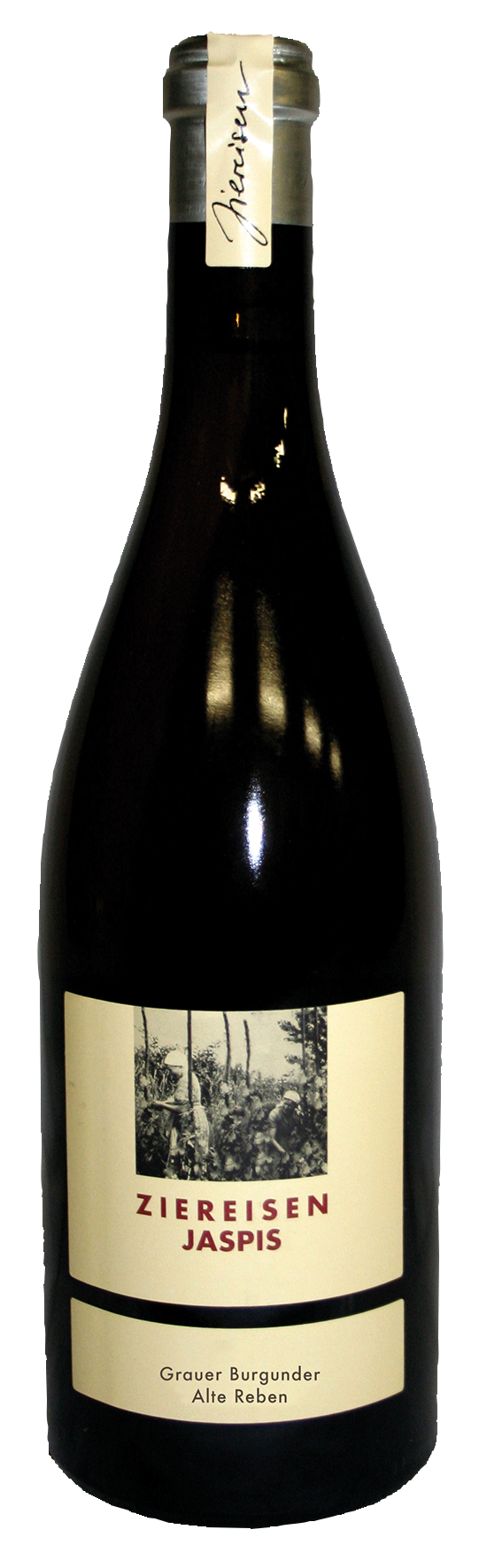
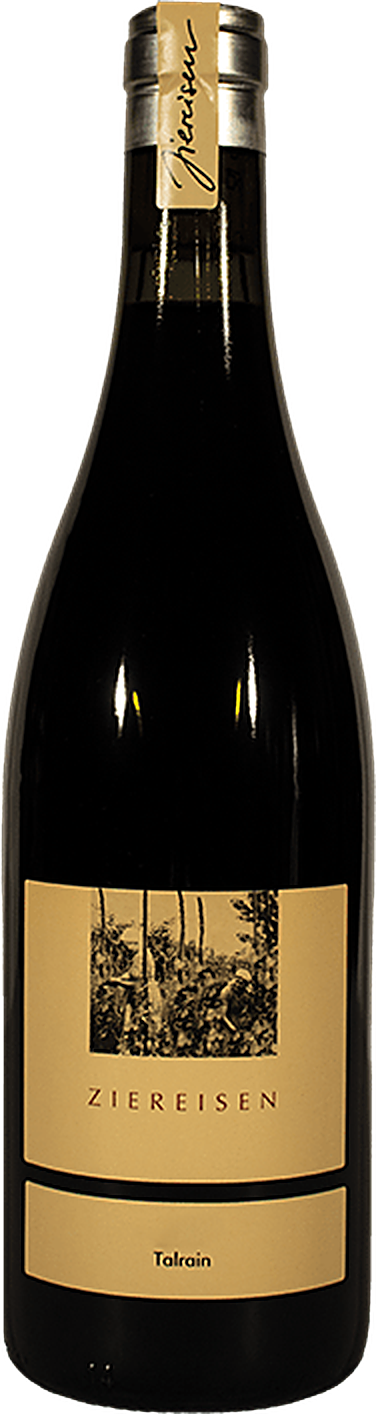
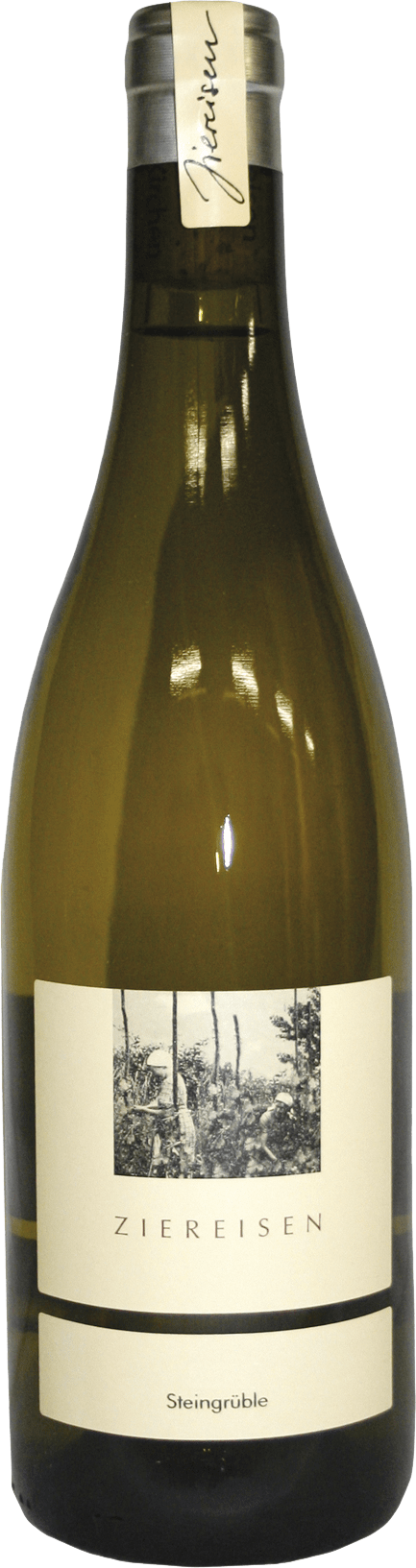
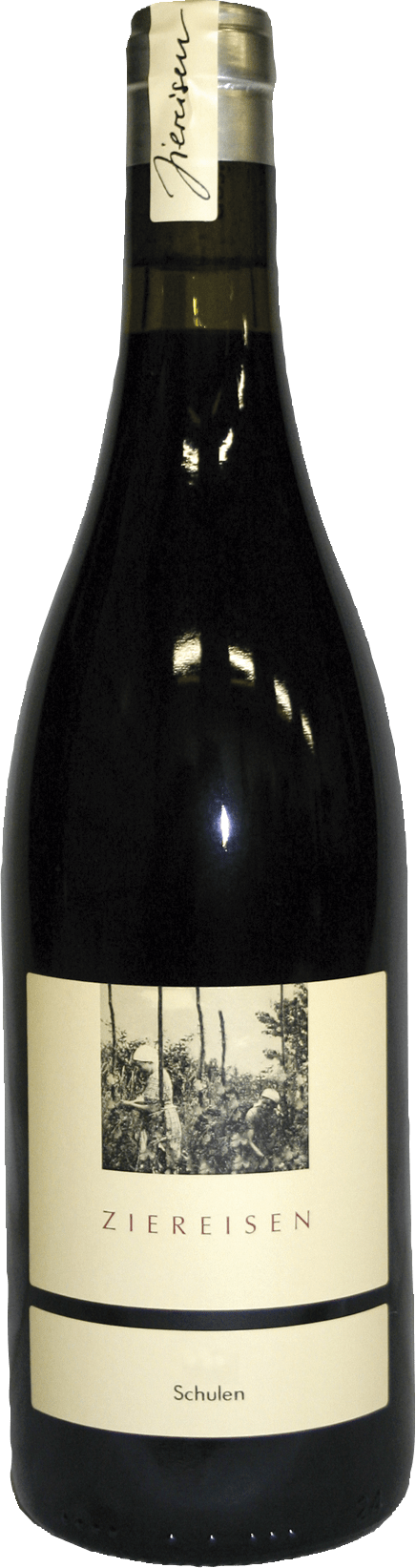
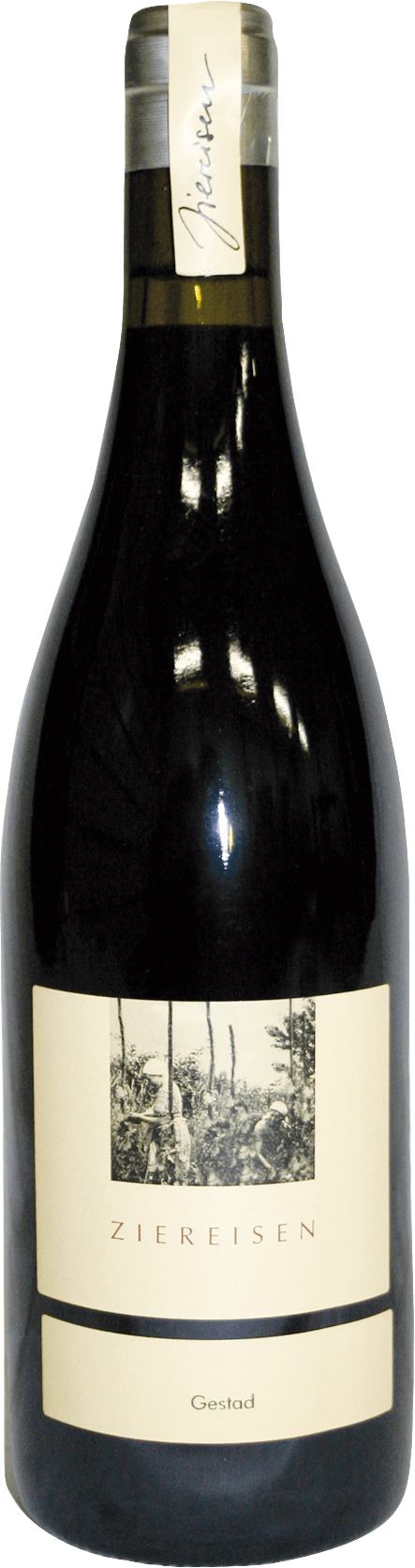
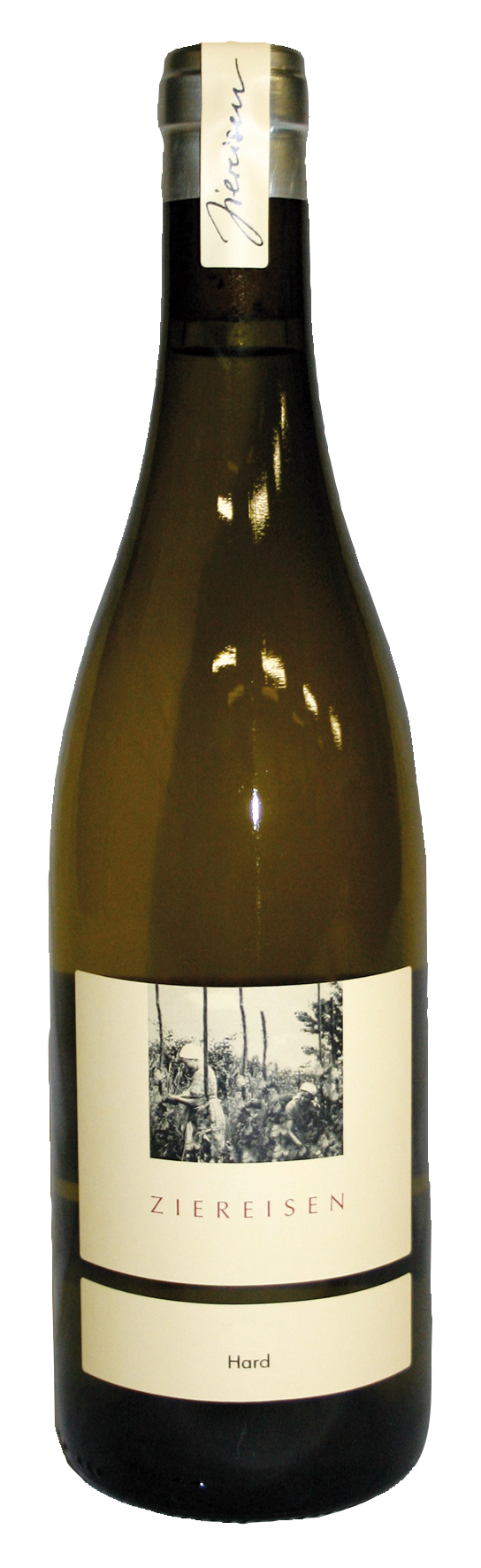
Almost all of the estate's wines bear old district names — Schulen, Tschuppen, Steingrüble, Gestad, Talrain, Hard — and are consciously marketed as Badischer Landwein. What was initially an official requirement because the wines fell outside the classic German testing scheme is today a clear decision: more freedom in the cellar, more expression in the glass, less standardization. Around half of the vineyard area is planted with Pinot Noir, supplemented by Gutedel, Chardonnay, Pinot Blanc, Pinot Gris, and — extremely rare for Baden — Syrah.
What connects the wines is a cool, almost salty minerality, texture, and a tension that only fully unfolds on the palate. The Jaspis line marks the highest level of development: Only when the vintage and site allow it do the Jaspis Pinot Noir Zipsin and the Jaspis Syrah Däublin appear — both unfiltered, both with the aspiration for long aging. Over 50 percent of production goes to export — an indication of how far the estate's reputation has reached in the meantime.
Award-winning wines
Robert Parker Bewertung 2024
Awarded by Robert Parker's Wine Advocate
Gault & Millau 2016 - Bester Rotwein der Kategorie Schnäppchen Rotwein trocken
Awarded by Gault & Millau
Robert Parker 90 Punkte 2021
Awarded by Robert Parker Wine Advocate