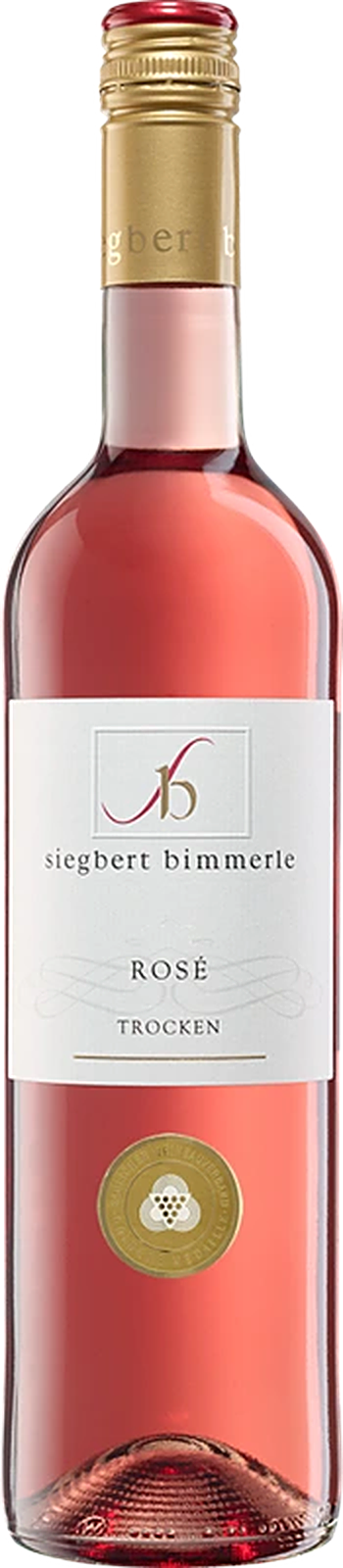
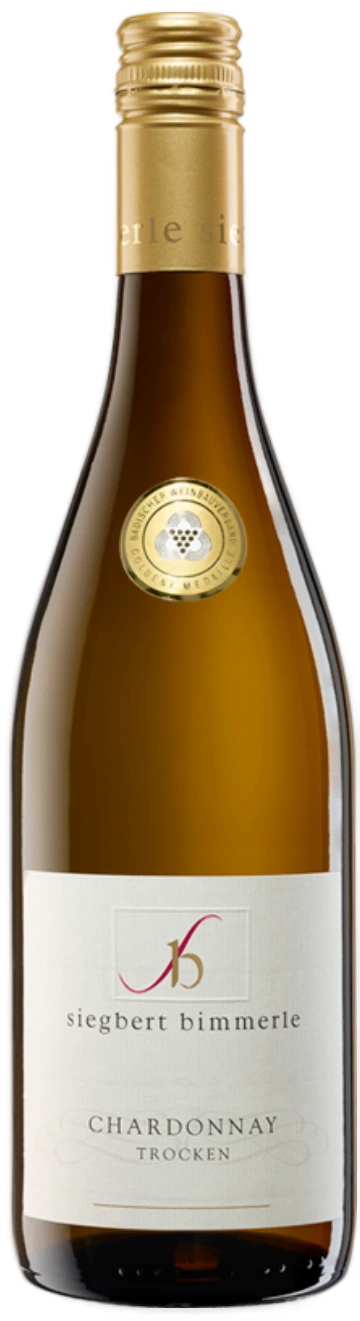
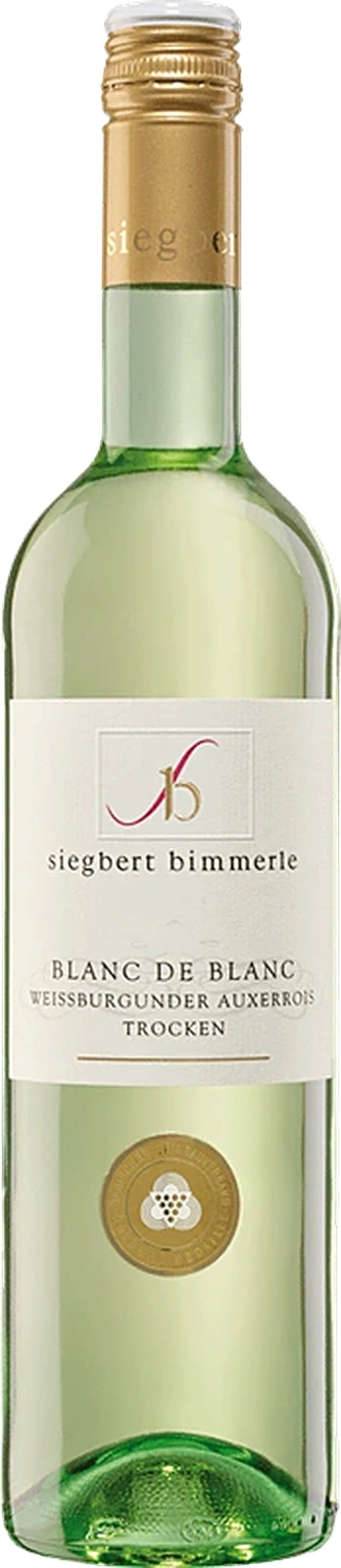
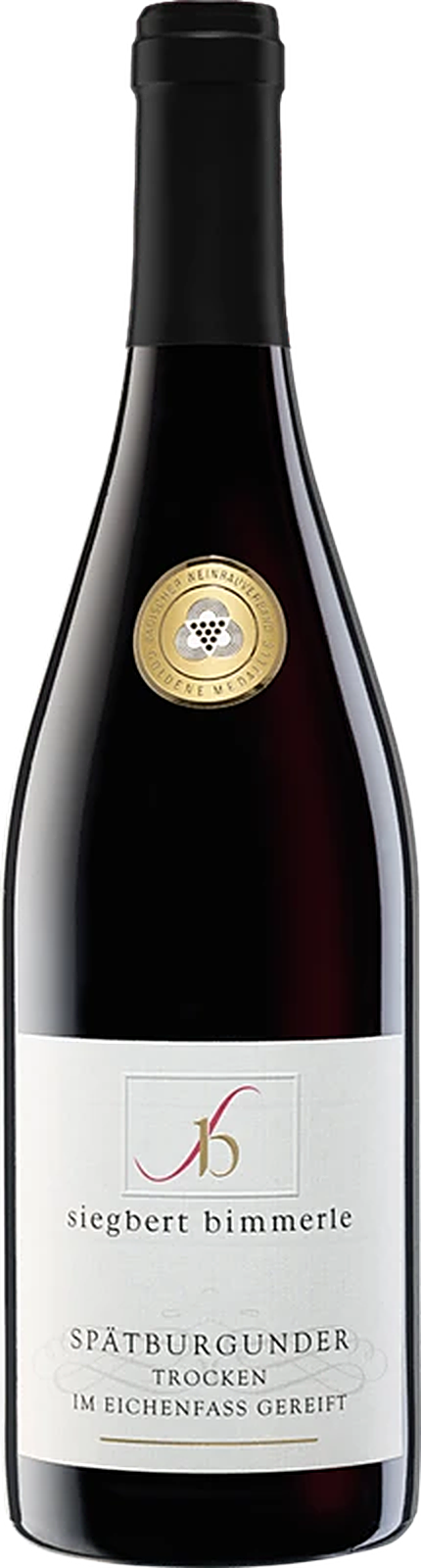
From a wine merchant dynasty to a private winery with DLG award
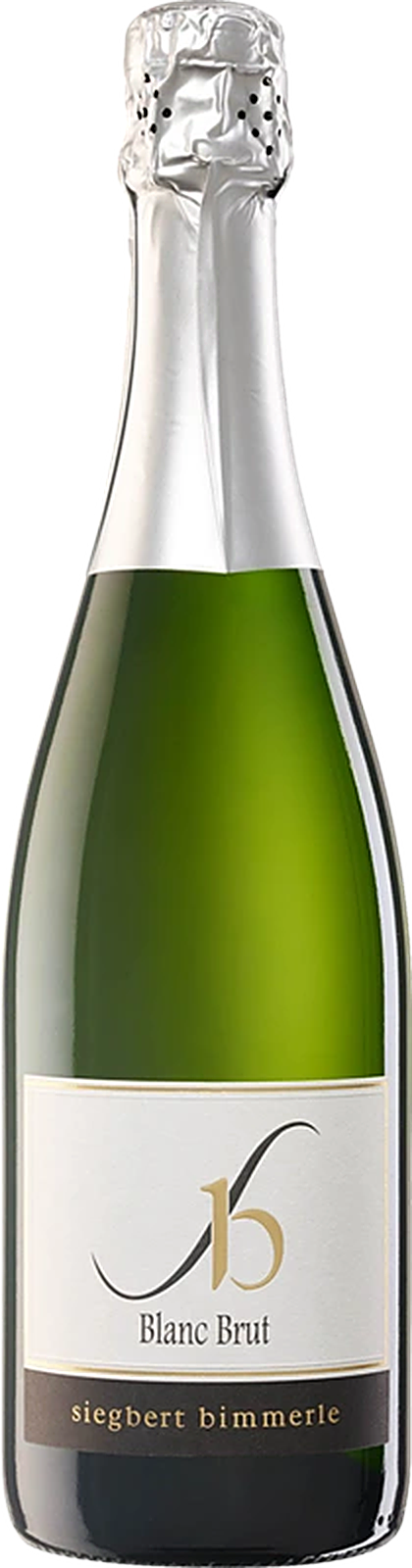
The history of the winery began in 1936 when Josef Bimmerle started in the wine trade in Renchen-Erlach. His son Gerold took the next step: he entered into wine production himself and laid the foundation for today's business. In 1970, he took over the family business, before grandson Siegbert — a trained cellar master — took over the winery in the third generation in 1986. His first and lasting goal was the consistent increase in quality. He implemented this step by step: in 1999, the cellar in Erlach was renovated and converted to small containers, and in 2010, a new company building followed in Renchen with an expanded barrique cellar, modern fermentation tanks, new presses, and a completely renewed grape reception. Today, the winery is one of the Top 100 DLG wineries in Germany and one of the largest private wineries in Baden.
Cellar precision meets site plurality — philosophy and craft
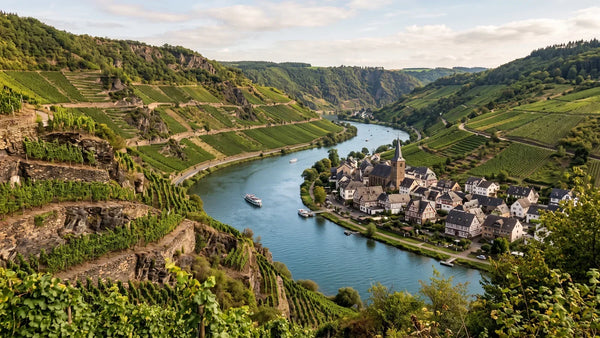
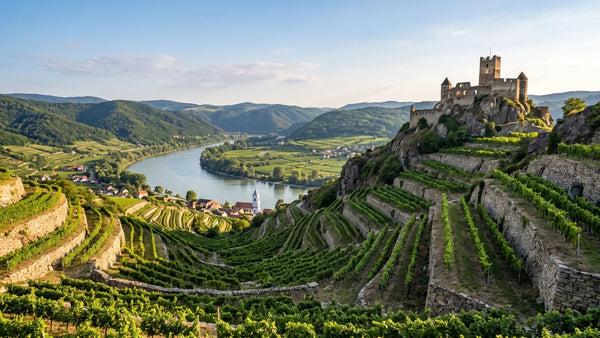
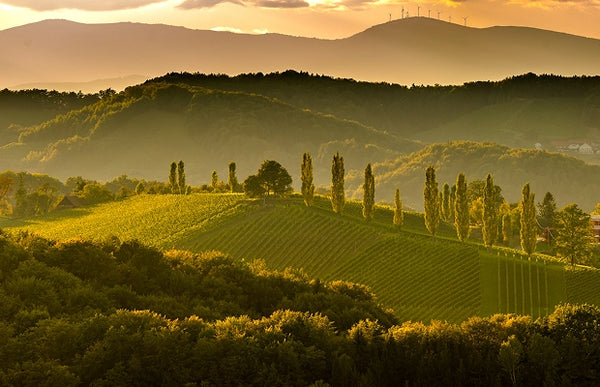
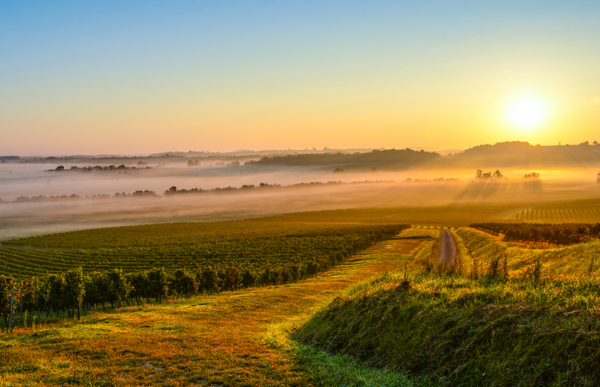
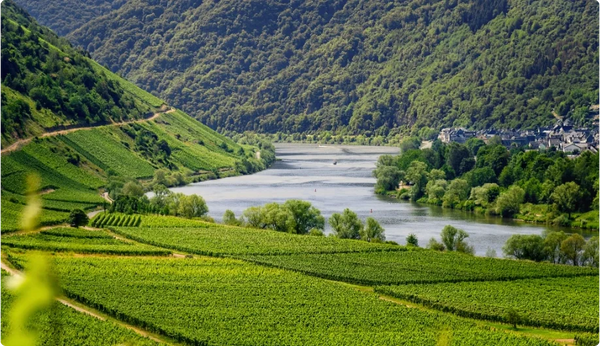
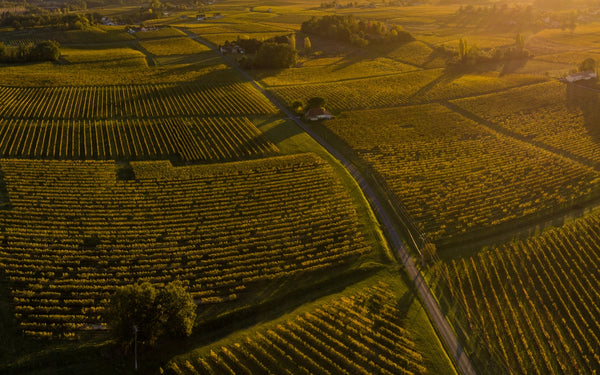
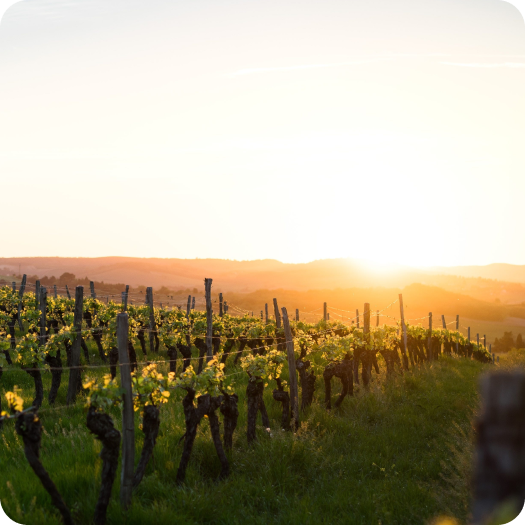
The maxim that has driven Siegbert Bimmerle since 1986 can be summarized briefly: no compromise in terms of quality. The implementation of this philosophy begins in the vineyard: around 40 experienced contract winemakers work according to the house's specifications — with largely no use of chemical fertilizers and pesticides. The grapes are harvested by hand in small containers and processed gently. In the cellar, the investment in a differentiated fermentation tank and barrel infrastructure allows every grape variety and every quality level to be aged individually according to the harvested material — whether in barriques, stainless steel tanks, or classic wooden barrels. The cultivation area extends over more than 90 kilometers as the crow flies, from the northern Ortenau near Baden-Baden via the Renchtal and Durbachtal valleys to the southern Ortenau near Ettenheim and Ringsheim. These four sub-regions provide very different soils: loess, granite weathering, and limestone — this way, every grape variety finds the optimal substrate for it.
The Ortenau is the only German wine-growing region that belongs to the European wine-growing zone B — together with Champagne, Alsace, the Loire, and Jura. The mild, sunny climate with around 128 sunny days per year allows the grapes to reach high Oechsle values without losing freshness and structure.
Pinot heartland and Baden variety
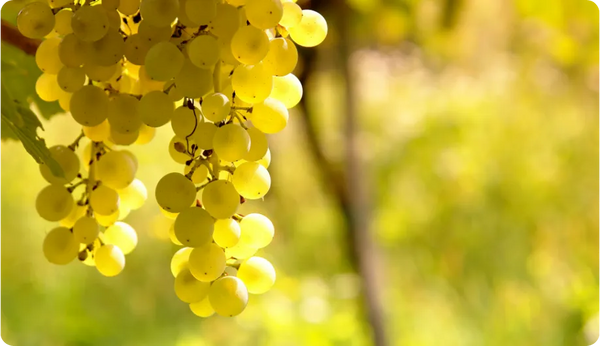
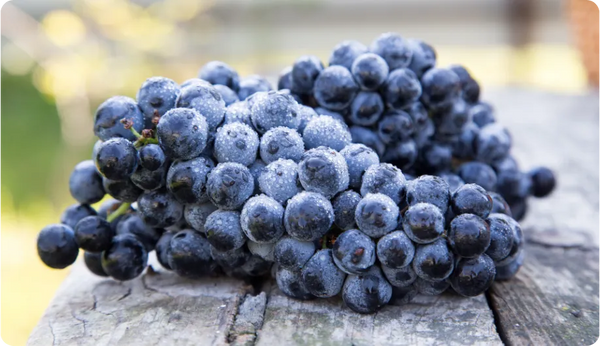
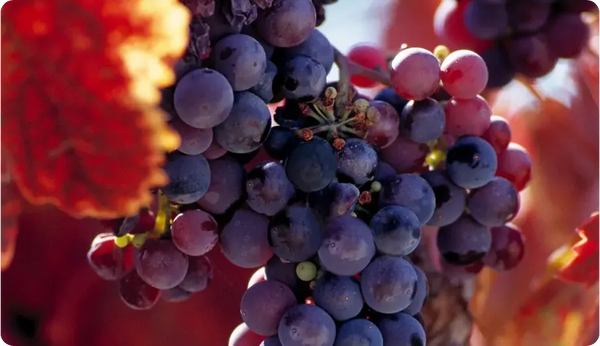
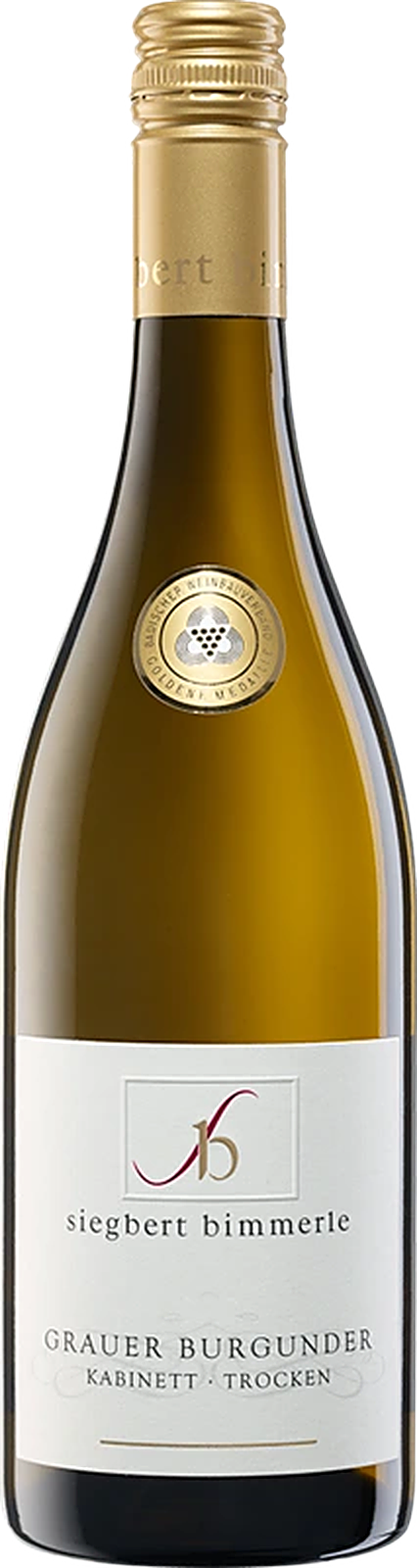
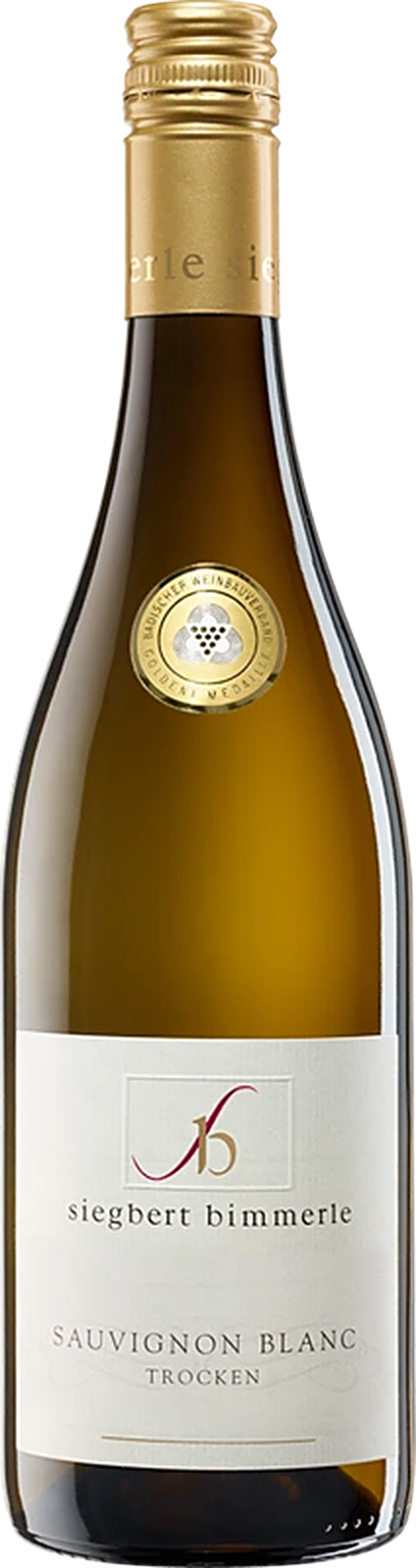
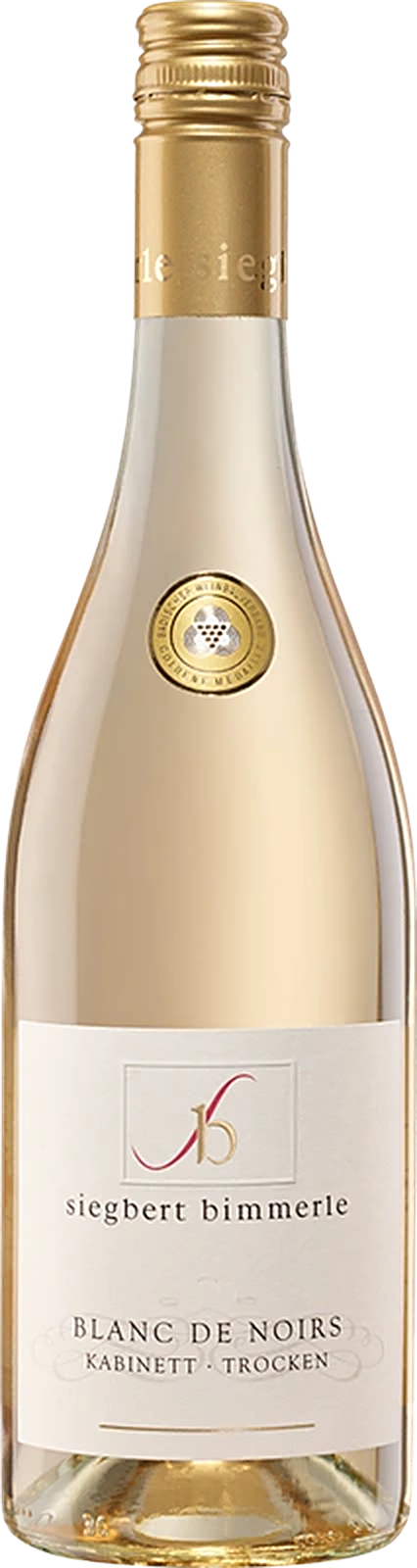
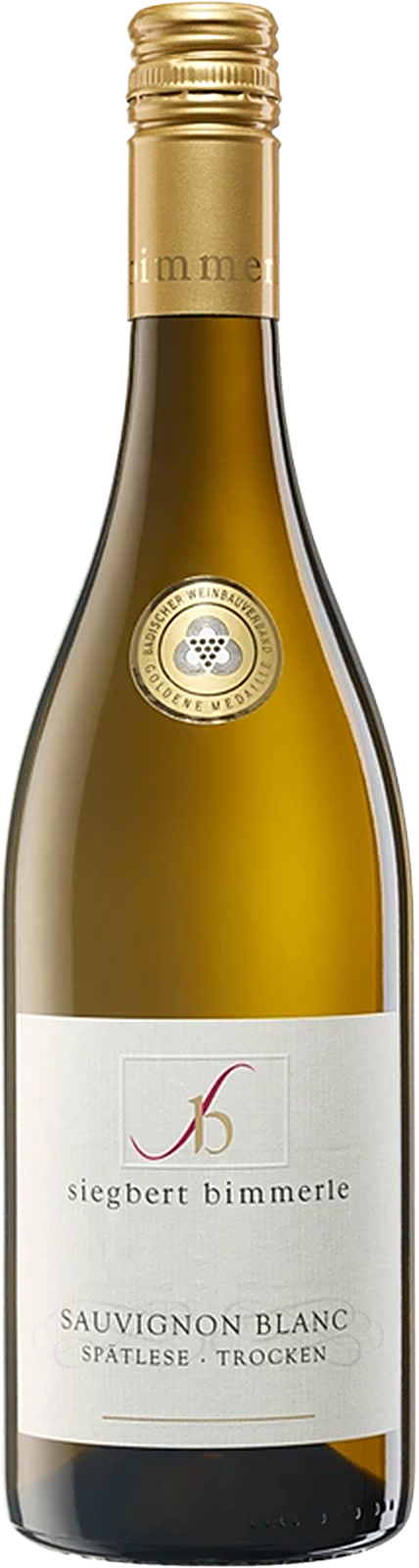
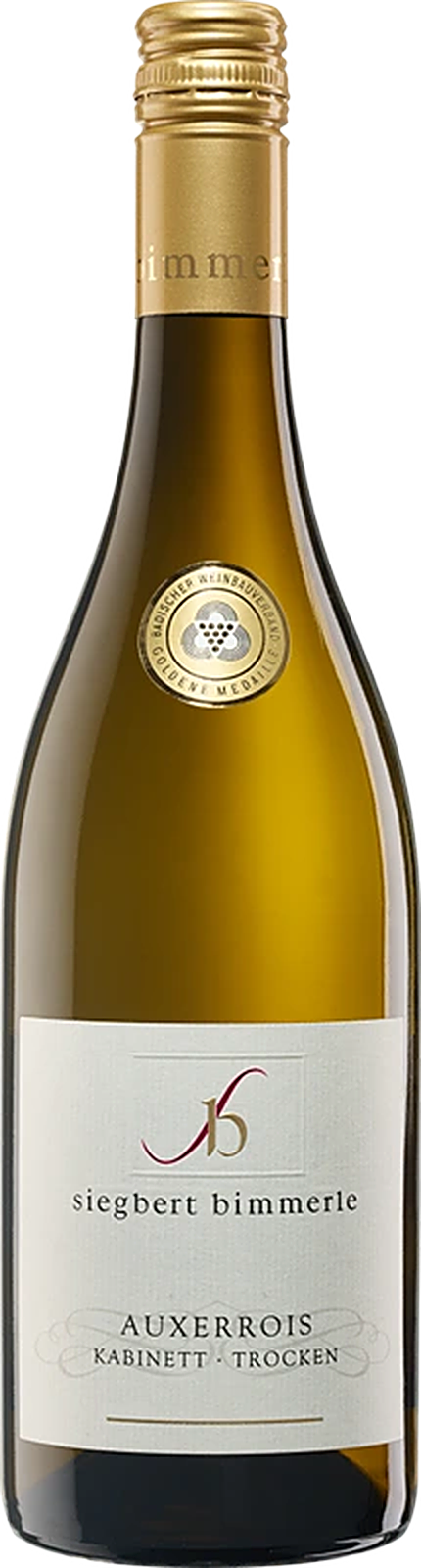
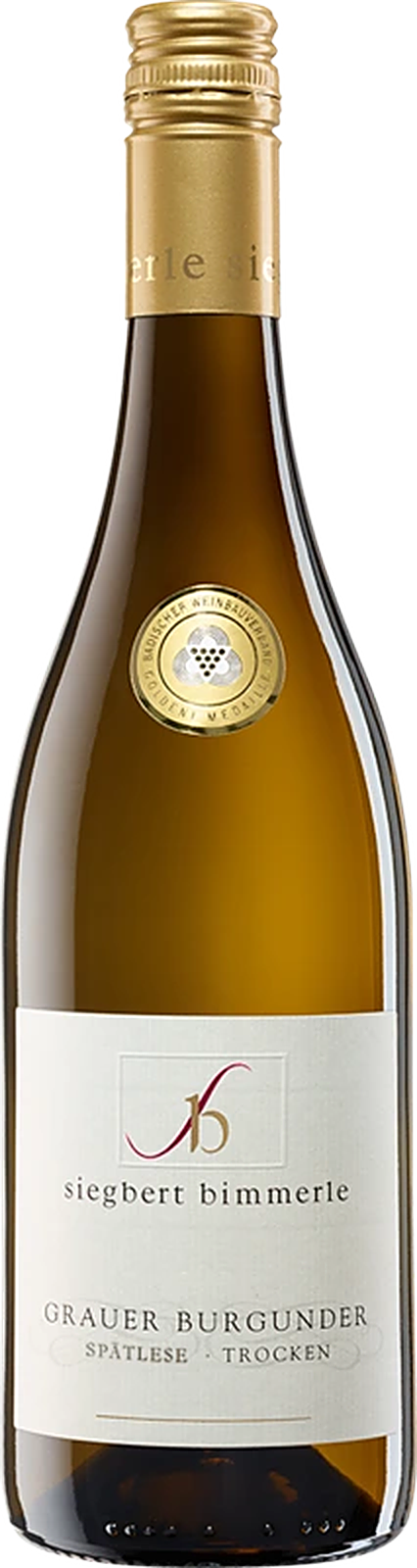
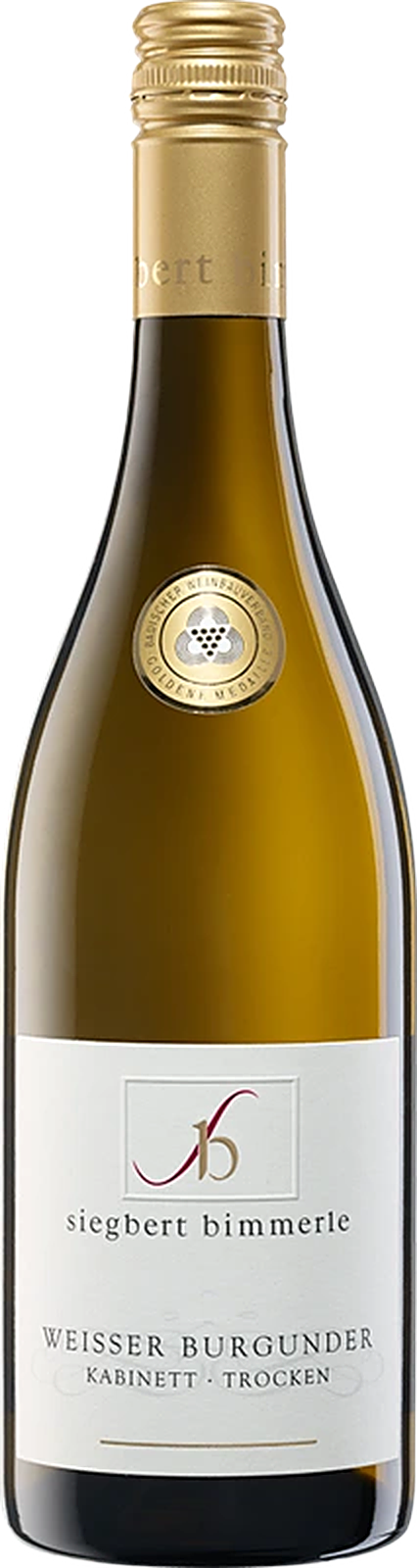
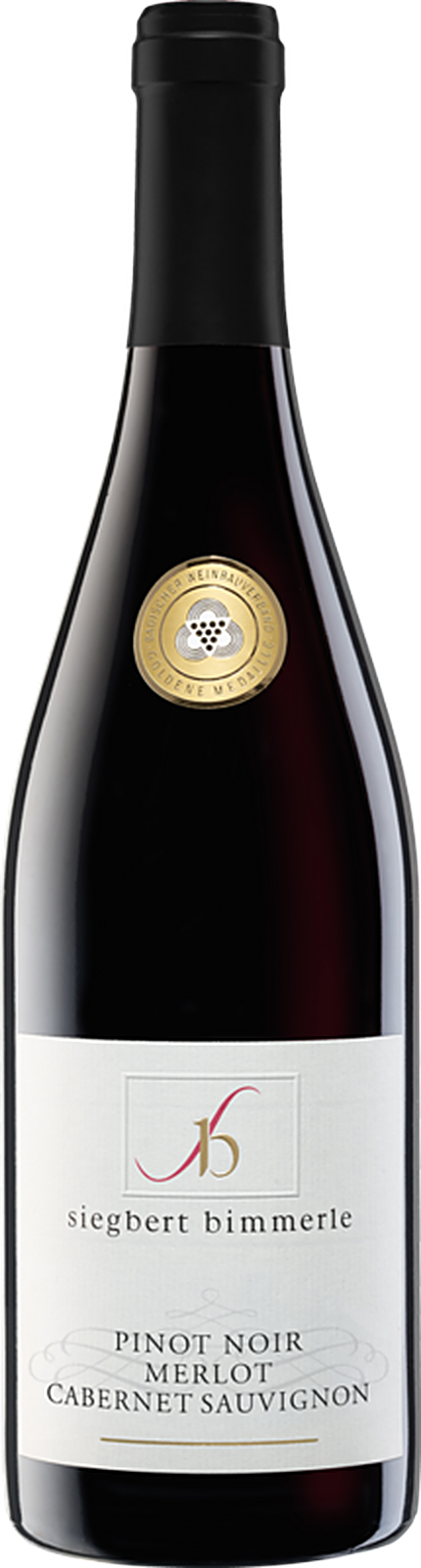
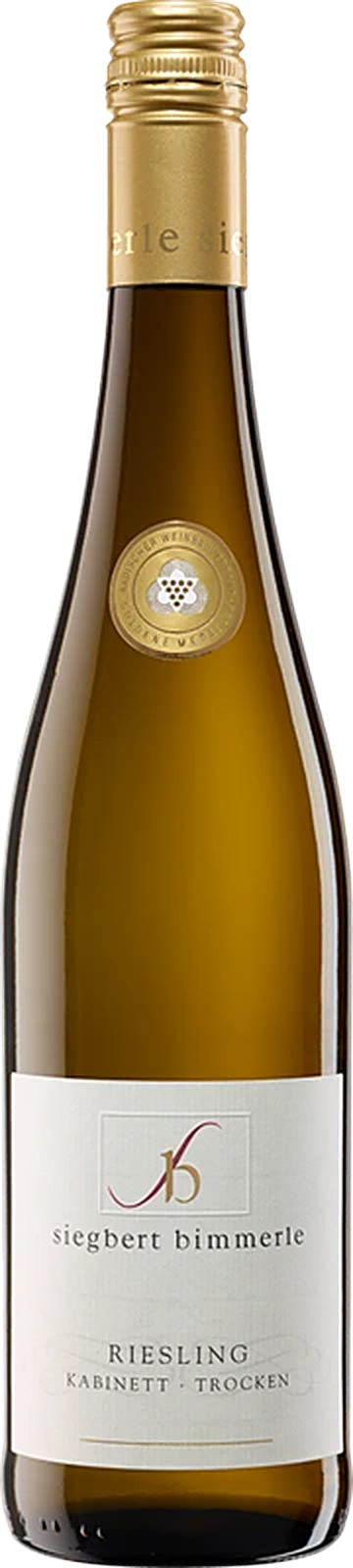
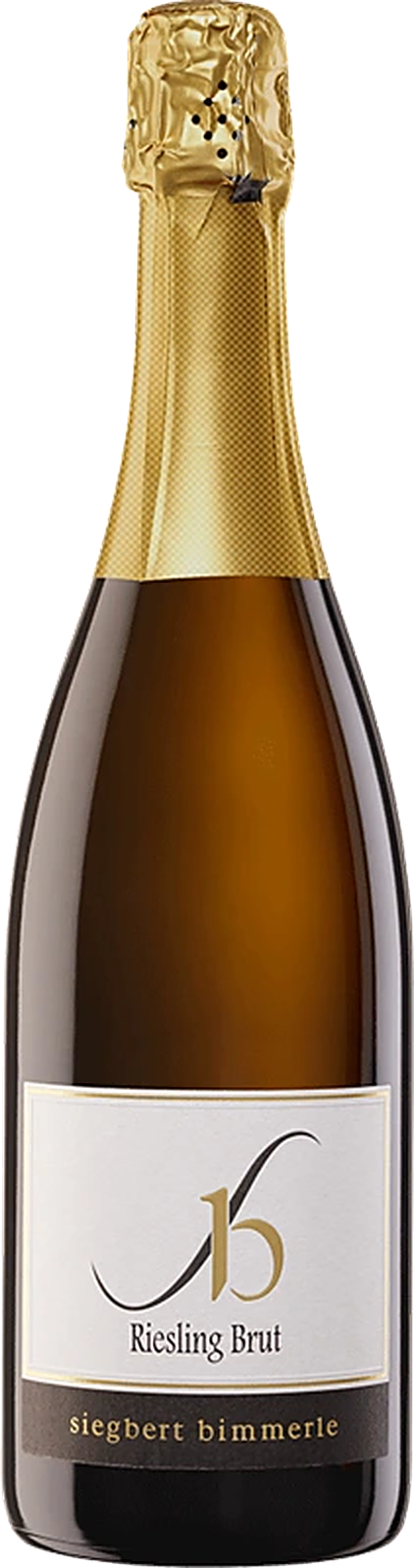
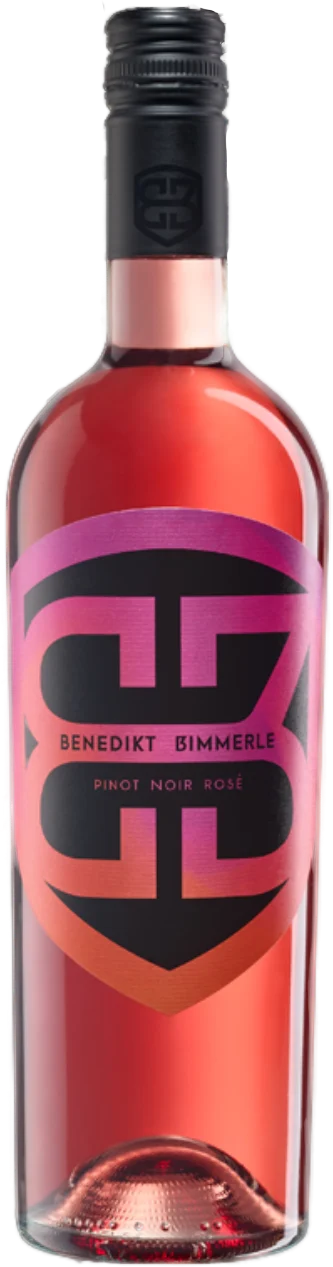
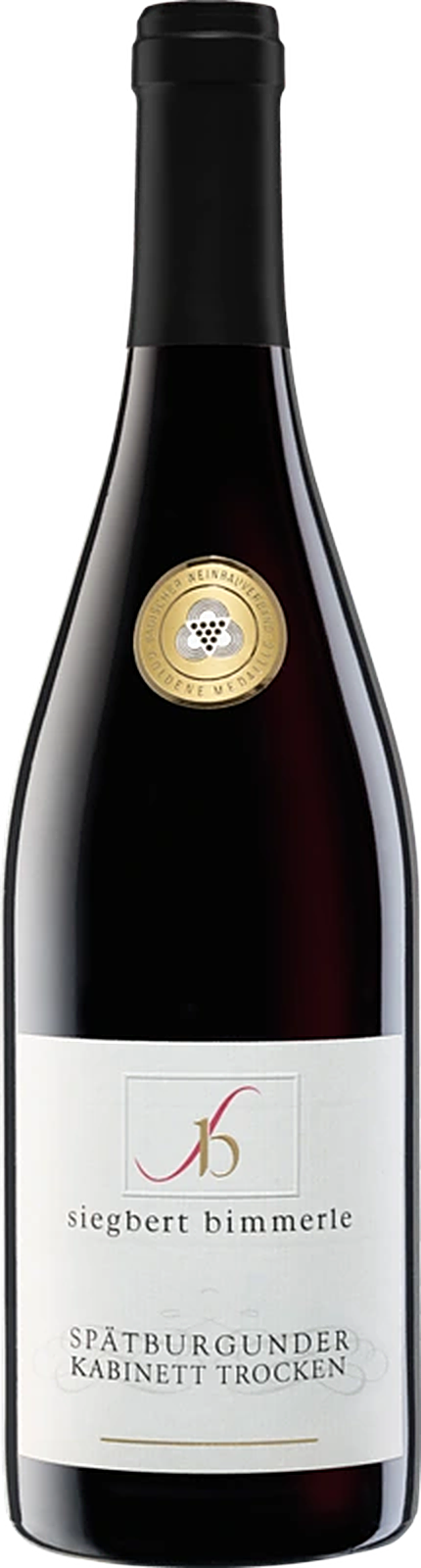
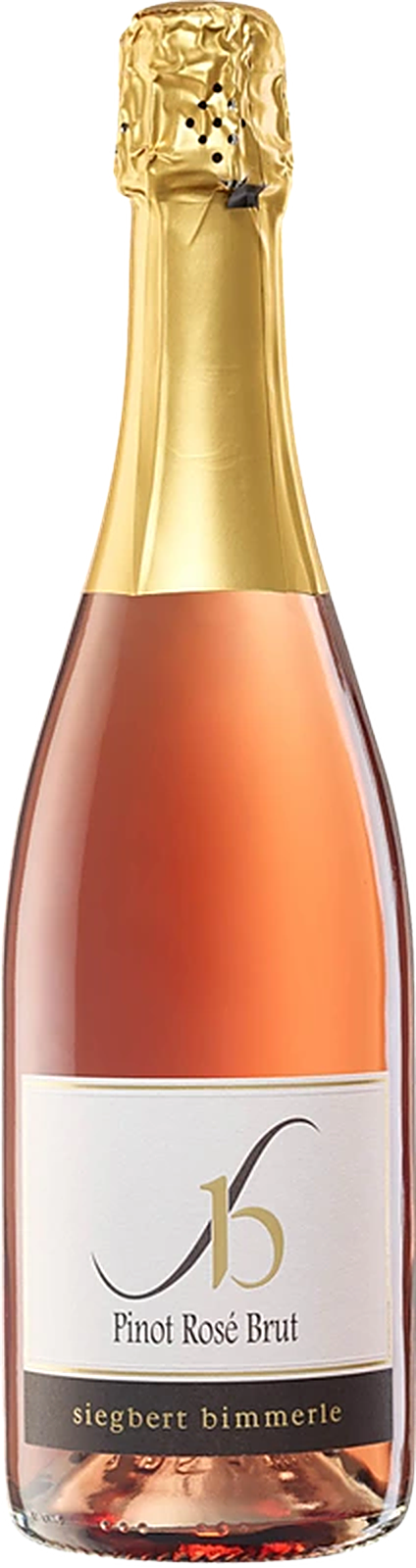
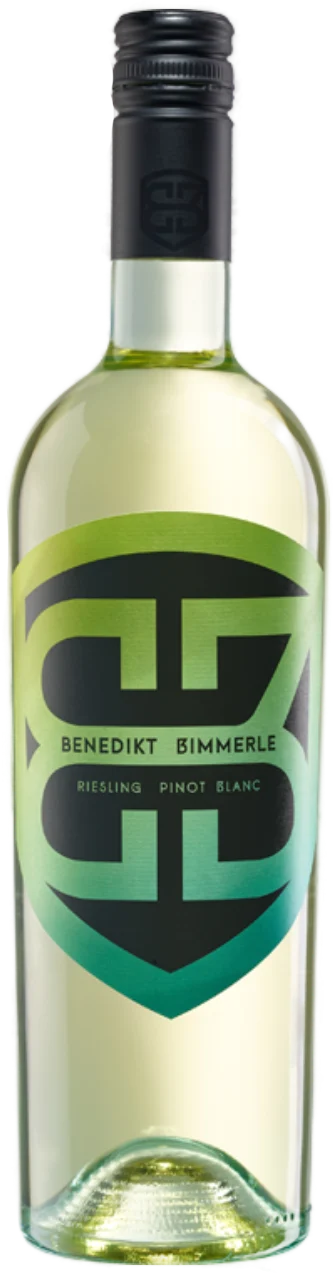
The range reflects the strength of the Ortenau: the focus is on the Pinot varieties — Spätburgunder (Pinot Noir), Grauburgunder (Pinot Gris), Weißburgunder (Pinot Blanc), and Chardonnay. In addition, there is Riesling, which develops a lean, mineral character with vineyard peach aromas in the northern Ortenau, as well as Auxerrois, which remains a Baden niche specialty with mild melt and yellow fruit. The wine line around Benedikt Bimmerle shows the generational connection: cuvées like the Lebensfreude Riesling Pinot Blanc or the Sehnsucht Pinot Noir stand for a somewhat freer, characterful style alongside the classic Kabinett and Spätlese lines. The spectrum ranges from dry-aged Kabinett wines to Prädikat levels such as Auslese, Beerenauslese, and Eiswein — a range that serves both the everyday companion and the cellar candidate for special occasions. Numerous national and international awards — including gold medals at federal and state wine competitions — prove that the combination of site depth, artisanal cellar aging, and family ambition consistently works here.