Viticulture since 1672 – Family pride in the Durbacher Plauelrain
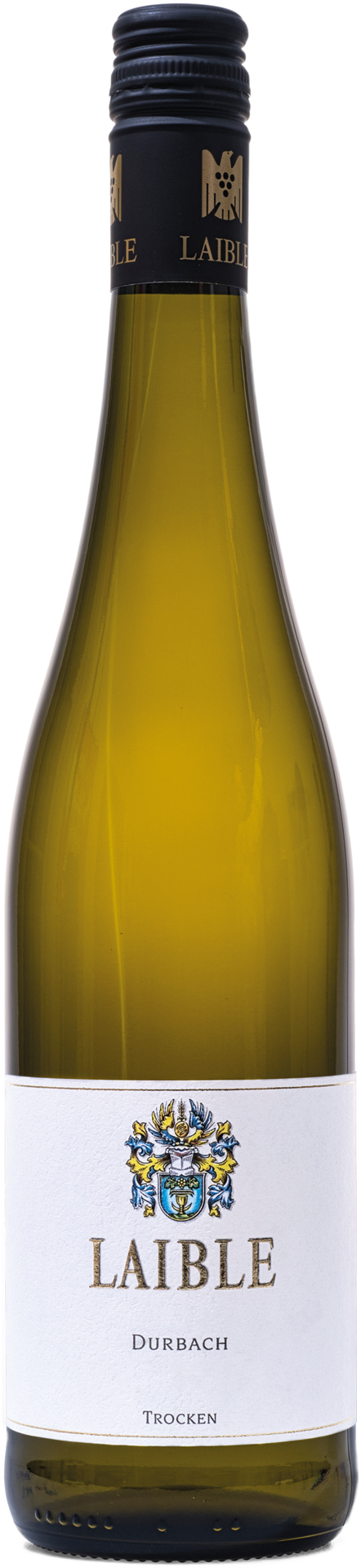
The Andreas Laible winery in Durbach looks back on a viticultural history that dates back to 1672. What began as a family tradition in the Ortenau is today one of the most respected wineries in Baden. Andreas Laible runs the business together with his wife Ingrid and son Andreas Jr. – a cross-generational team that brings stability and renewal into a productive tension. Gault Millau honored this consistency with the praise of "enormous creative power and continuity at a high level." Durbach itself is considered one of the most renowned wine villages in the Ortenau, nestled in the hills on the edge of the Black Forest – far enough from the broad Rhine valley to possess its own cooler microclimate.
Steep slopes, granite, and consistent hand-picking
Almost all of the house's wines come from the steep Durbacher Plauelrain slope, which the winery farms on about 7.5 hectares – six hectares of which are in the best plots with VDP Erste Lage and Großes Gewächs status. The soils consist mainly of weathered granite and gneiss. Granite stores heat, releases it slowly at night, and deprives the vines of water – the result is concentrated grapes with a clear mineral structure. A forest fringe protects the slopes from cold north winds and ensures even ripening.
Harvesting is done exclusively by hand, selectively in several passes. In the cellar, they work gently: fermentation is preferred in stainless steel tanks with natural yeasts, occasionally supplemented by aging in wooden barrels – depending on the grape variety and site. The goal is always to transfer the aromas of the vineyard into the bottle unadulterated, not to over-shape them through cellar interventions. Vines that are sometimes over 50 years old are maintained with corresponding care.
Riesling as the lead variety – Precision throughout the entire range
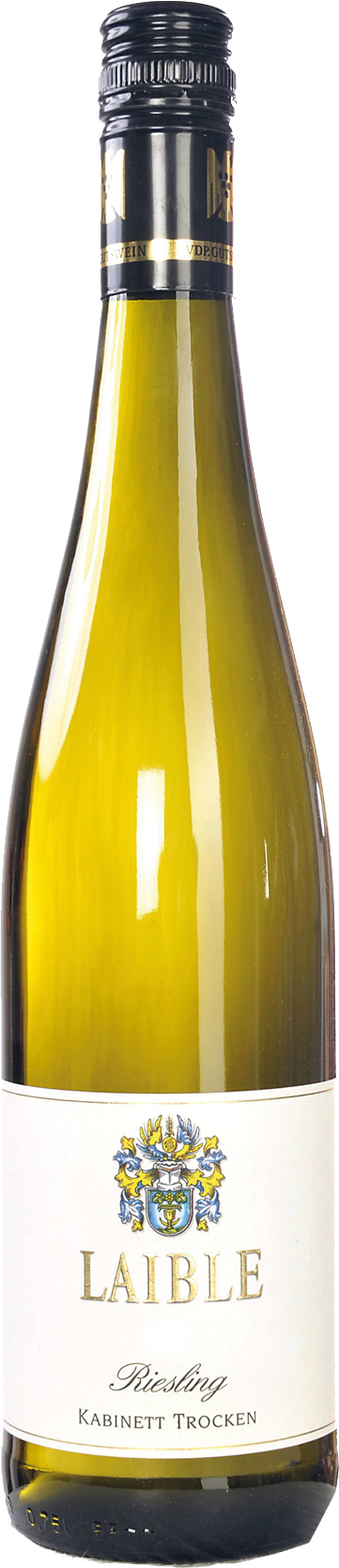
Riesling is the house's lead variety – and for good reason. Durbach has its own Riesling tradition: here, the variety is traditionally called Klingelberger and shows a characteristically spicier, acidity-driven mineral style that differs from Mosel Riesling just as much as it does from the broad Baden style of the plains. Laible's Rieslings – from the accessible Kabinett to the Großes Gewächs "Achat" – are permeated by a clarity and precision that is considered the house signature.
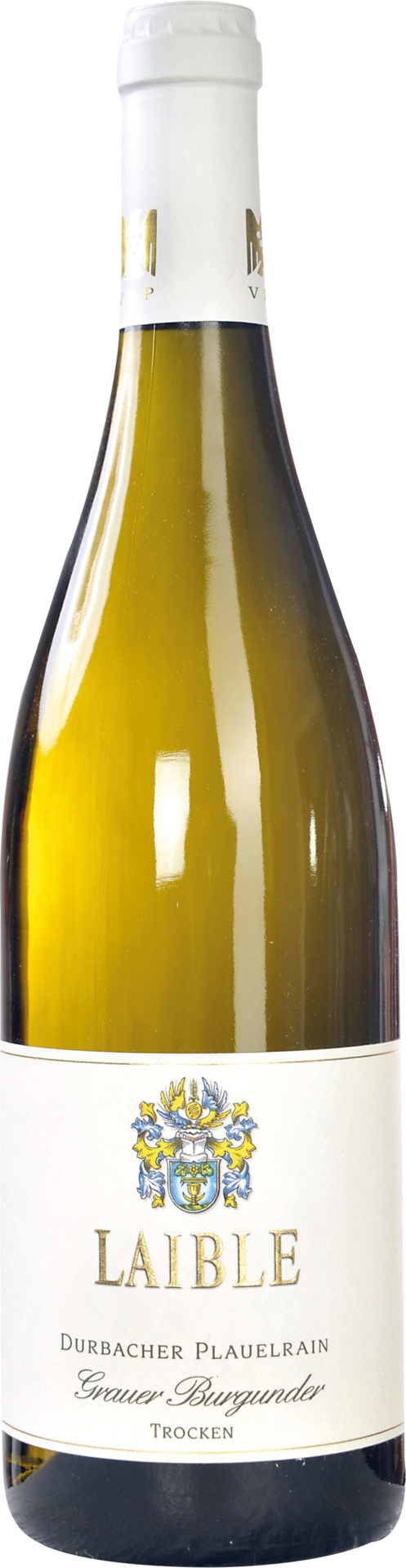
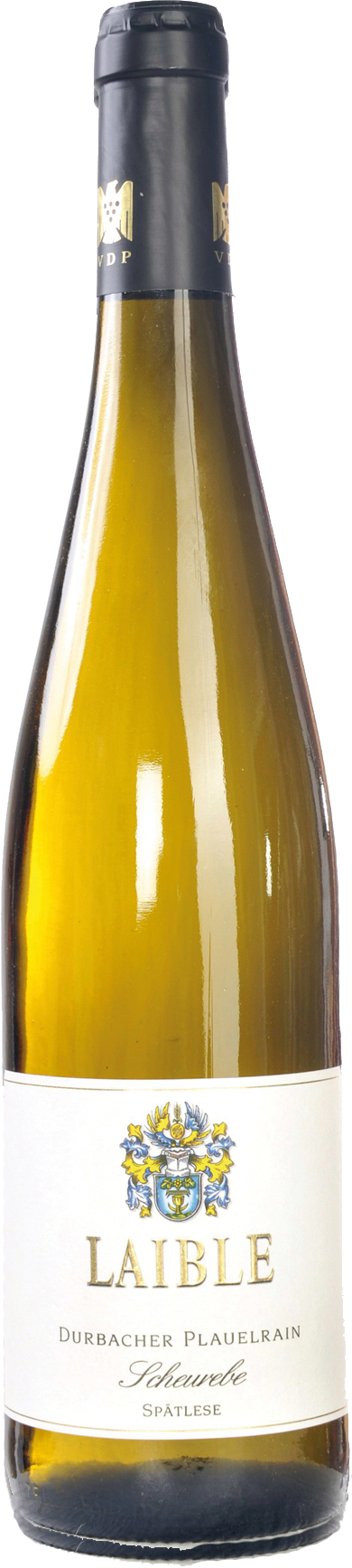
In addition, the winery cultivates Pinot Gris, Pinot Blanc, Pinot Noir, Gewürztraminer, Scheurebe, and Traminer. The Pinot Gris benefits particularly from the heat-storing granite and shows pressure and fine spice; the Pinot Noir impresses with cool red fruit and fine structure instead of oak dominance. The range thus extends from fresh, lively Kabinett styles to age-worthy top sites – all characterized by the terroir of the Plauelrain and the claim that the vineyard character remains recognizable in the glass.