Over 850 years of wine history—and a new beginning with empty hands
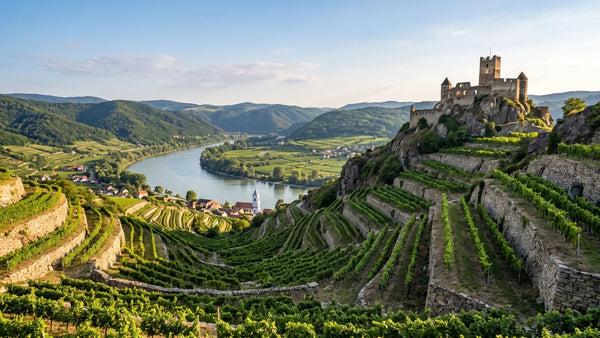
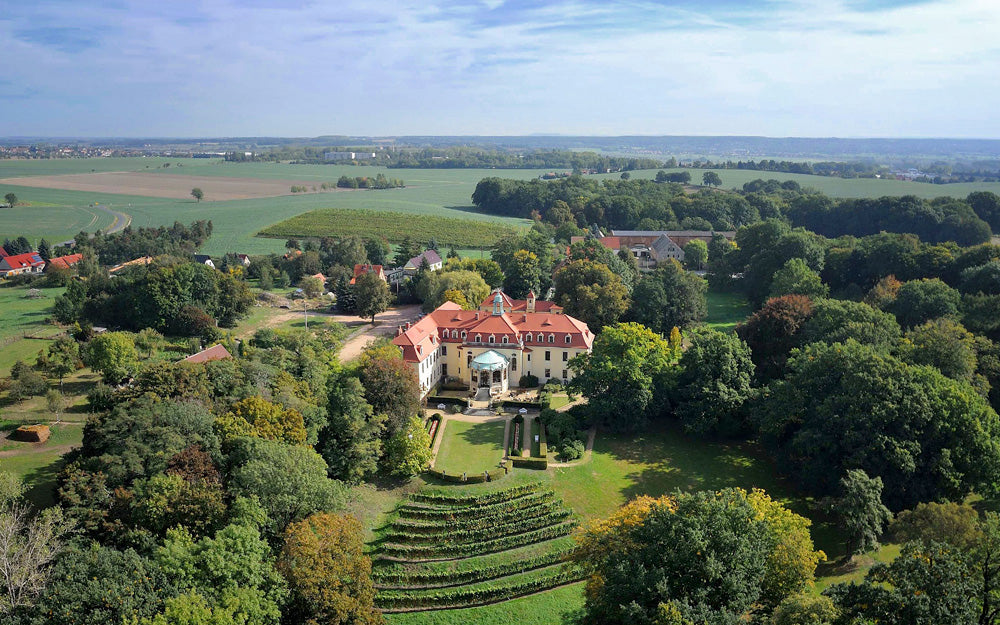
Wine has been cultivated on the slopes above the Elbe near Meissen for more than 850 years—documented, managed by the church, and shaped by generations. The zur Lippe family has been one of the long-established families in this landscape since the 18th century. In 1945, this continuity ended abruptly: the expropriation in the course of land reform was without compensation, the castle was looted, and the vineyards were transferred to LPG (agricultural production cooperative) management. It was Dr. Georg Prinz zur Lippe, the youngest of seven children, who returned after the fall of the Berlin Wall. From 1990, he bought back piece by piece—vineyards, buildings, and finally the castle itself in 1997. "I didn't have a penny of money from home, so I had to take out large loans to buy every bush, every stone here anew." From this new beginning, Saxony's oldest privately managed winery in its current form was created.
In 1996, the estate was admitted to the Association of German Prädikat Wine Estates (VDP)—an early recognition of the consistent quality orientation that Georg Prinz zur Lippe pursued from the beginning. Since 1998, the grapes have been processed in a modern winery in the historic four-sided courtyard in Zadel, which was completely rebuilt after the decay of the LPG years.
Organic viticulture under the sign of the Lippe Rose
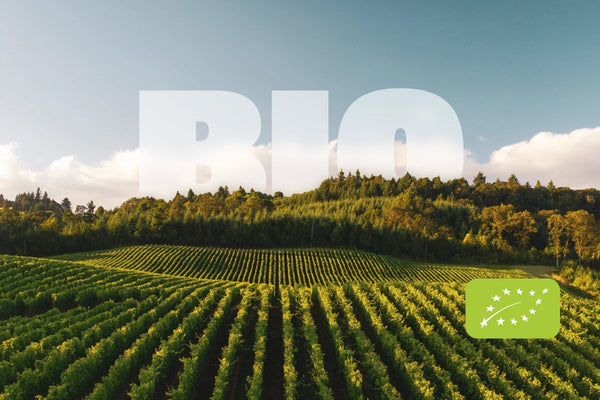
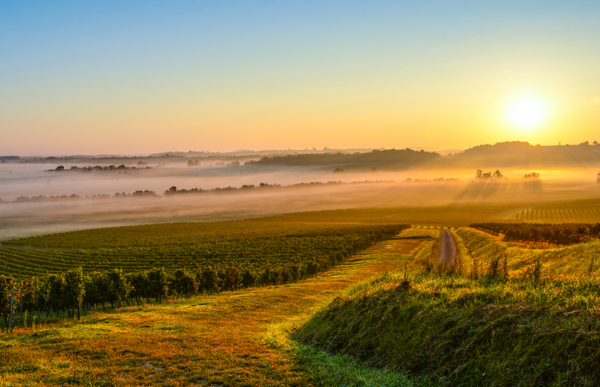
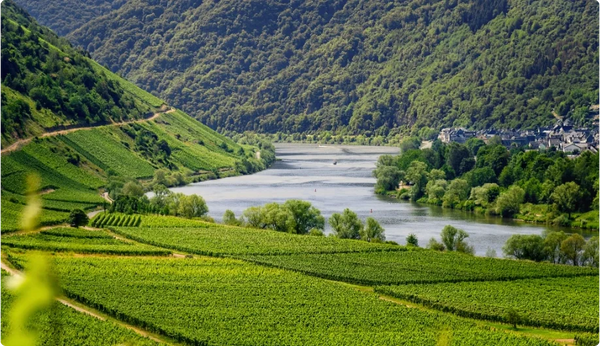
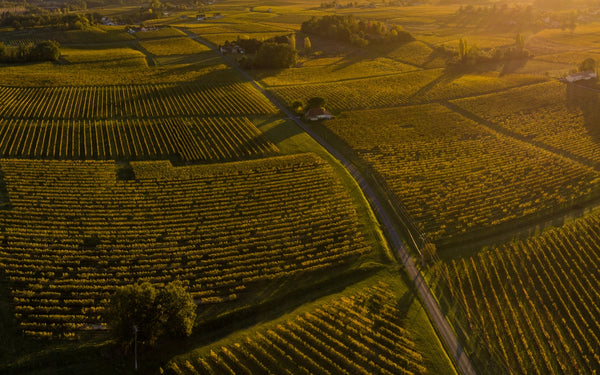
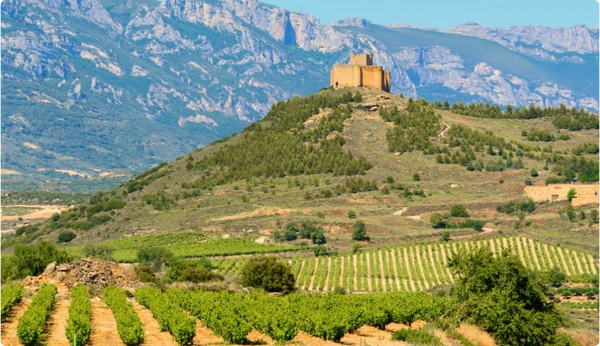
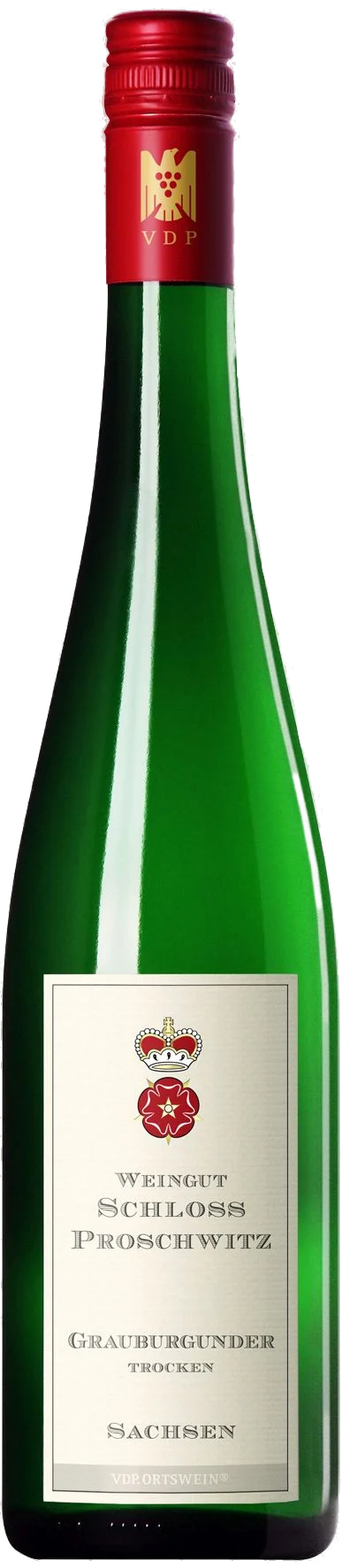
Around 70 hectares of vineyard area are spread over sites above the Elbe, characterized by red granite rock under a layer of loess loam. The two flagship sites—Schloss Proschwitz and Kloster Heilig Kreuz—carry VDP classification as Grosse Lagen. All three wine-growing areas are managed under the sign of the Lippe Rose and have been officially BIO-certified since mid-2024.
In the vineyard, the estate avoids chemical-synthetic pesticides and mineral fertilizers. Flowering strips and dry stone walls create habitats for insects and birds, while rainwater harvesting and energy-efficient technology reduce the ecological footprint. The thinking is intergenerational: the focus is not on the yield of the current vintage, but on the preservation of fertile soils for future cultivation. In the cellar, cellar master Alexey Ryabov works with classic sedimentation, precise cooling during fermentation, and filtration exclusively through natural substances—a gentle approach that brings the fruit of the grapes to the fore.
Clear fruit, mineral edge—the range of the Elbe steep slopes
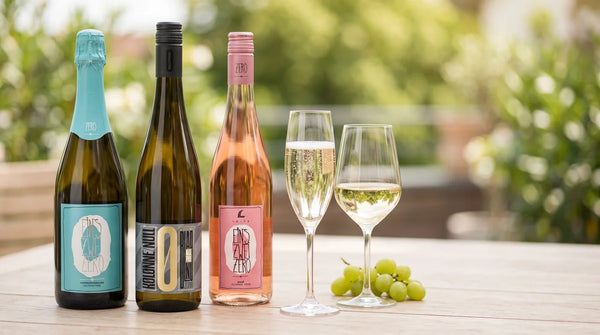
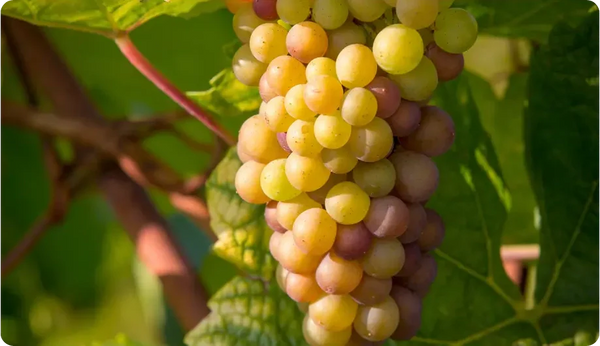
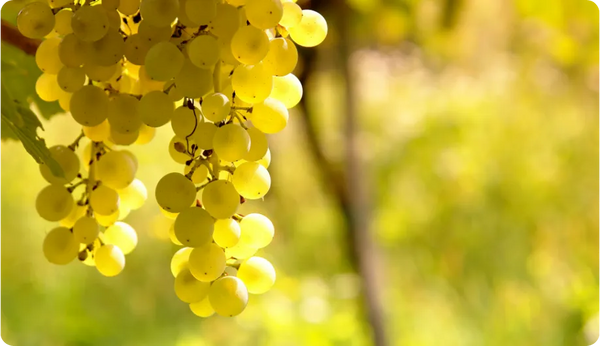
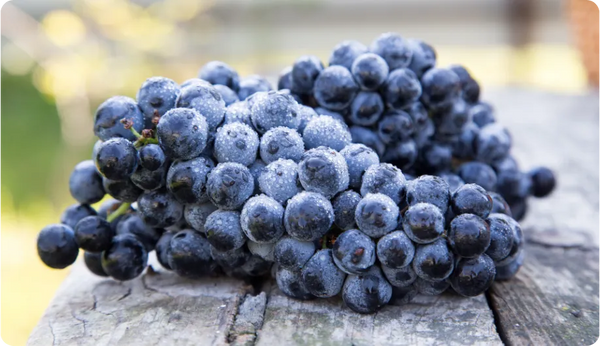
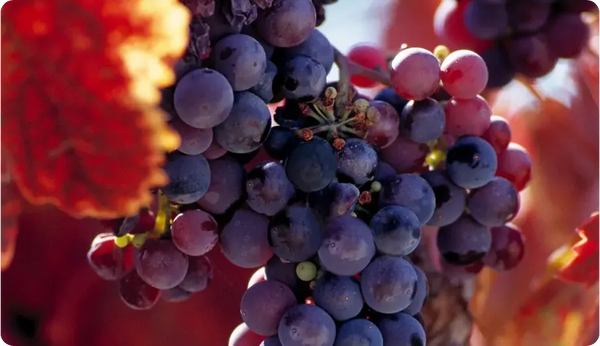
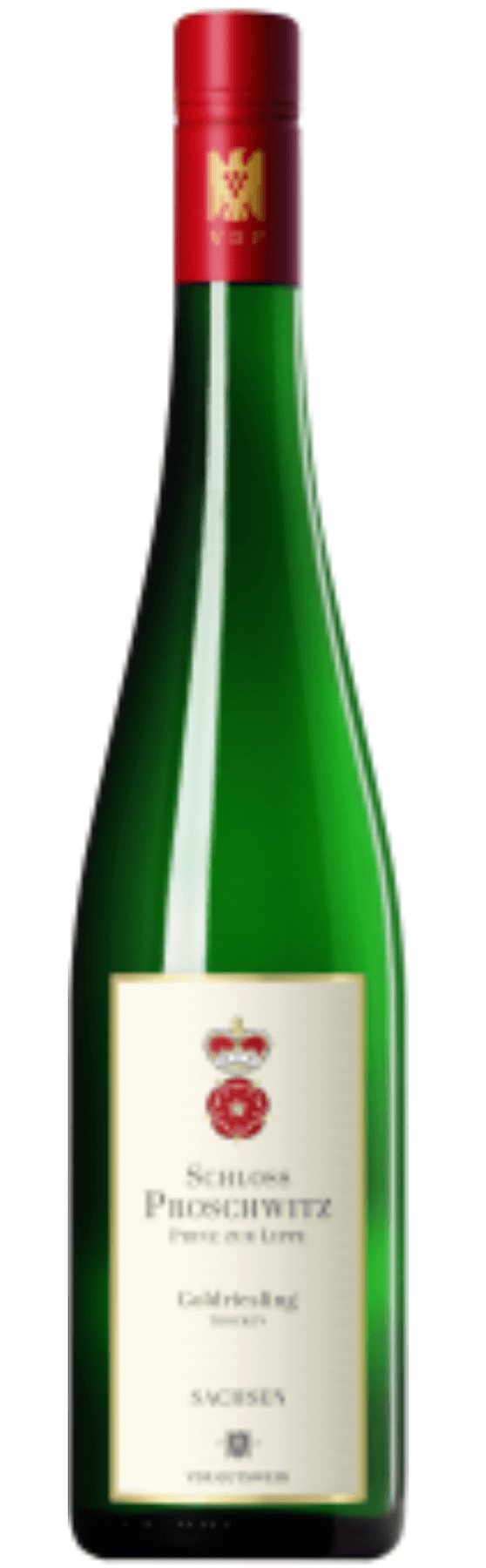
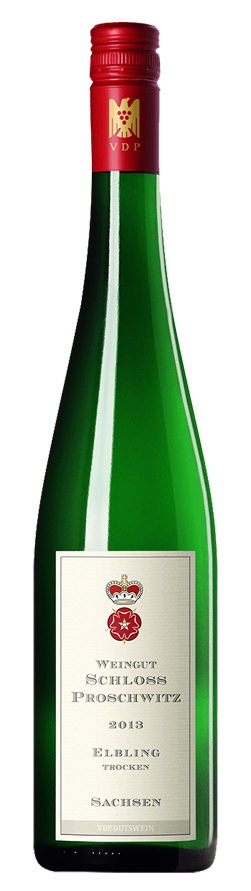
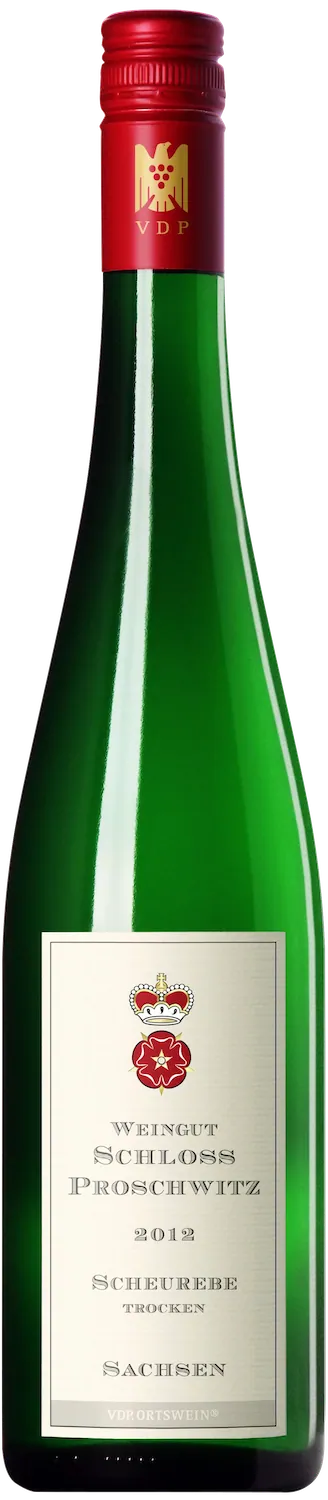
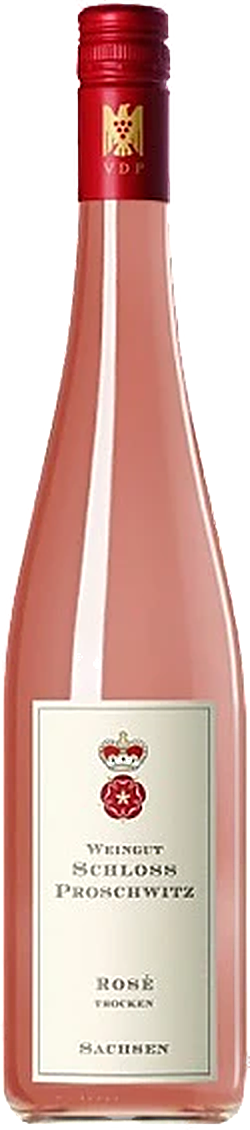
The range reflects the diversity of the Saxon wine-growing region: Pinot Blanc and Pinot Gris as Burgundian anchor varieties, plus Riesling, Scheurebe, and the regionally rooted varieties Elbling and Goldriesling. The Elbling, one of the oldest grape varieties grown in Saxony, shows its inherent acidity structure here on granite. The Goldriesling, a Saxon cross with hardly more than regional significance, develops an unexpected aromatic breadth on loess loam. The Grosse Lage wines—Pinot Blanc and Pinot Noir from the Proschwitz site—are described with apricot and nutty fruit notes, while the Pinot Gris from Kloster Heilig Kreuz expresses the potential of this site on the left bank of the Elbe at a Spätlese level. Around 400,000 bottles are produced annually—from accessible estate wines to classified growths that make the terroir of the Elbe clearly readable.