From Göttlesbrunn to the front row of Carnuntum
The Walter Glatzer winery is located in Göttlesbrunn, east of Vienna, in one of Austria's most historic wine regions. The Romans were already growing wine here — Carnuntum was once the capital of the Roman province of Upper Pannonia. Walter Glatzer senior continued this tradition in 1987 when he founded the business with just four and a half hectares of vineyards. What began as a manageable family business is today one of the region's defining estates. The development of Carnuntum into an independent wine-growing region is closely linked to the name Glatzer: Walter Glatzer senior was one of the driving forces who pushed for this status for the region. Today, Walter Glatzer junior runs the business together with his mother Doris, sister Hanna, and brother Matthias — the winery has remained a family affair in every respect. Since 2019, it has also been a member of the Traditionsweingüter Österreich (1ÖTW), the association of quality-oriented estates with a classified site concept.
Craft between Pannonian climate and state-of-the-art cellar technology
The sites around Göttlesbrunn benefit from an interplay that is rare elsewhere: the warmth of the Pannonian Plain in the northeast meets the cooling air currents of the Danube and the wind protection of the Maria-Ellend forest in the north. These contrasts create distinct temperature fluctuations between day and night — which gives the wines freshness and aromatic tension. The soils change from stony-loamy gravel soils on the hillsides, ideal for red wine, to sandy alluvial soils towards the Danube, where white wine thrives. The most important single sites include Ried Rosenberg, Ried Bärnreiser, and Ried Haidacker — all three classified as 1ÖTW site wines.
In the vineyard, Glatzer relies on around 5,000 vines per hectare and high canopy management, which directs the vine's energy specifically into grape ripening. The winery has been organic-certified since the 2018 vintage. In the cellar, the red wines — which cover around 65 percent of the vineyard area — are fermented on the skins, either in steel tanks or wooden fermentation vats, and subsequently aged for up to 15 months in barriques and large wooden barrels. State-of-the-art cellar technology serves to ensure quality, not to standardize the style.
Zweigelt, Blaufränkisch, and a feel for origin
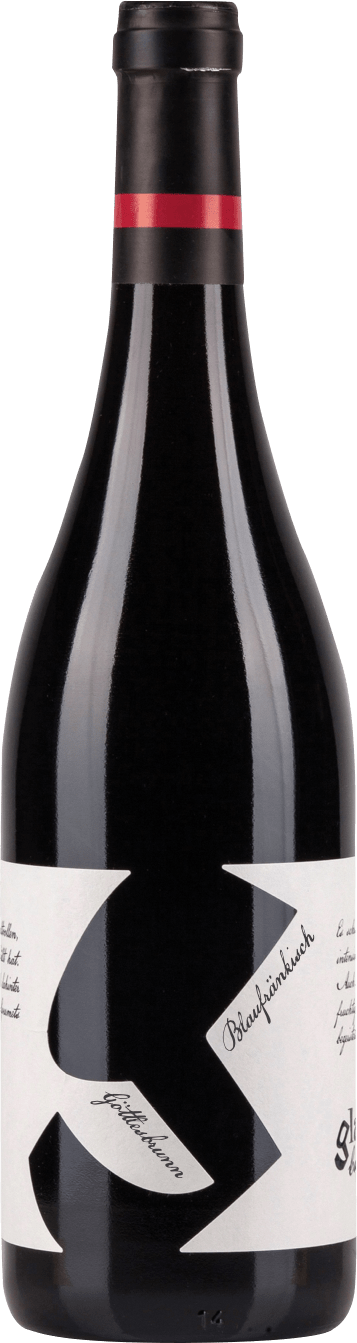
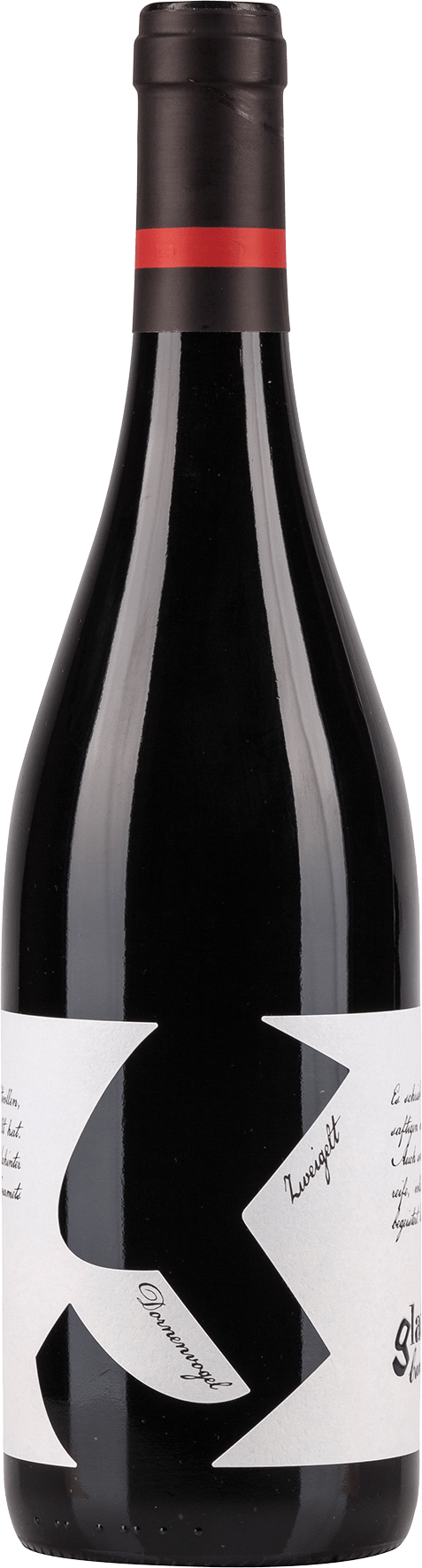
Zweigelt and Blaufränkisch are the house's leading grape varieties, supplemented by St. Laurent, Pinot Noir, and Merlot on the red side, as well as Pinot Blanc, Grüner Veltliner, Sauvignon Blanc, and Chardonnay on the white side. The Zweigelt Dornenvogel is considered one of the estate's most famous bottlings: a site wine with a clear statement of origin that shows what the variety can achieve in Carnuntum. With the Blaufränkisch, which comes from the Ried Bärnreiser, black cherry, spice with clove and allspice, and a dense but soft tannin dominate. The "Gotinsprun" cuvée, which Glatzer has been producing since 1992, is considered a pioneer of local wines in Carnuntum. The white wines — including the Pinot Blanc — are characterized by fruit-driven freshness and fine minerality, which is due to the sandy Danube gravel terroir. Anyone who drinks their way through the range quickly realizes: Glatzer does not make style copies of international models, but wines that call their origin by name.