From 1838 to today: five generations, one place
Duttweiler, a small wine village between Speyer on the Rhine and Neustadt an der Weinstraße, has always been the center of this family business. The foundation stone was laid here in 1838 — two sandstone vaulted cellars that are still in operation today and are used to age some of the wines. The manor house followed around 1900, after which the eventful history of the estate was shaped by inheritance divisions, adoptions, and marriages until it reached its current form. Today, Christian Nett runs the winery in the fifth generation as owner, managing director, and master winemaker — with a team of ten employees and 35 hectares of vineyards. Since 2017, the historic cellar has been complemented by a new building that creates space for creative, flexible work: here, past and present do not exist as a contradiction, but as tools.
Nature as the pace-setter, cellar as a zone of tranquility
The vineyards around Duttweiler are located at an altitude of 120 to 140 meters in a landscape that feels almost Mediterranean: figs, almonds, kiwis, and sweet chestnuts grow between the vines. The soils consist of loess and loam layers over ten meters thick, interspersed with fine veins of limestone — a foundation that gives the wines fullness, structure, and accessibility while bringing heat-loving varieties such as Merlot, Cabernet Sauvignon, and Shiraz to full maturity.
Since 2011, the best plots, including sites in the Duttweiler Mandelberg, have been cultivated exclusively with horses. The soil remains looser, breathes better — and the quality of the grape reflects this. The entire winery has been organic-certified since 2015. In the cellar, there is calm and restraint: gentle pressing, controlled fermentation, and long aging on the fine lees. The wines are given time until each plot has fully brought its character into the bottle.
Clear line, broad spectrum — Palatinate without a template
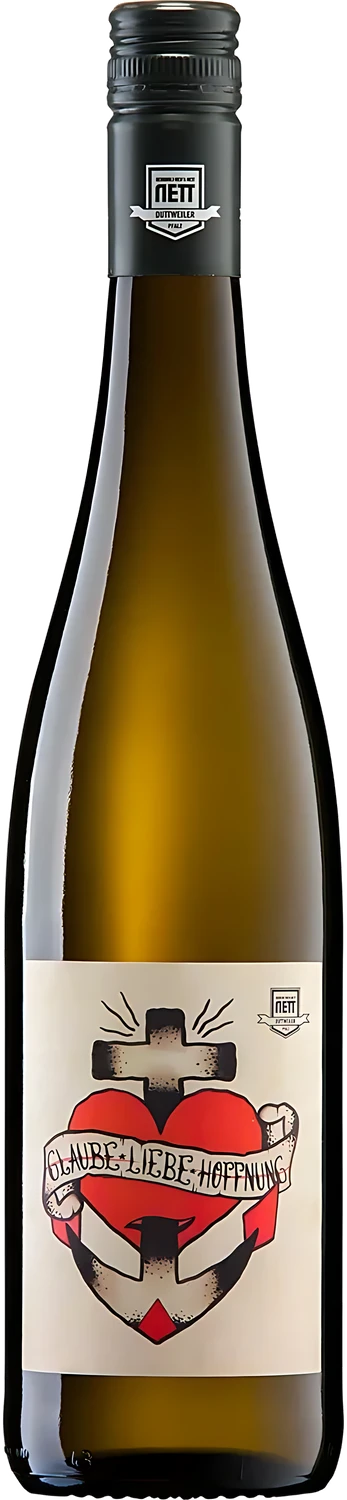
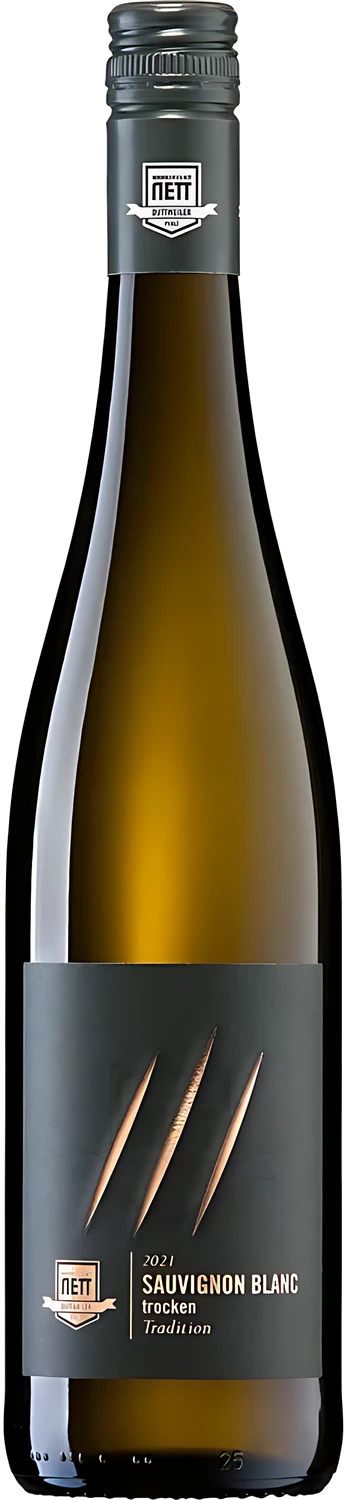
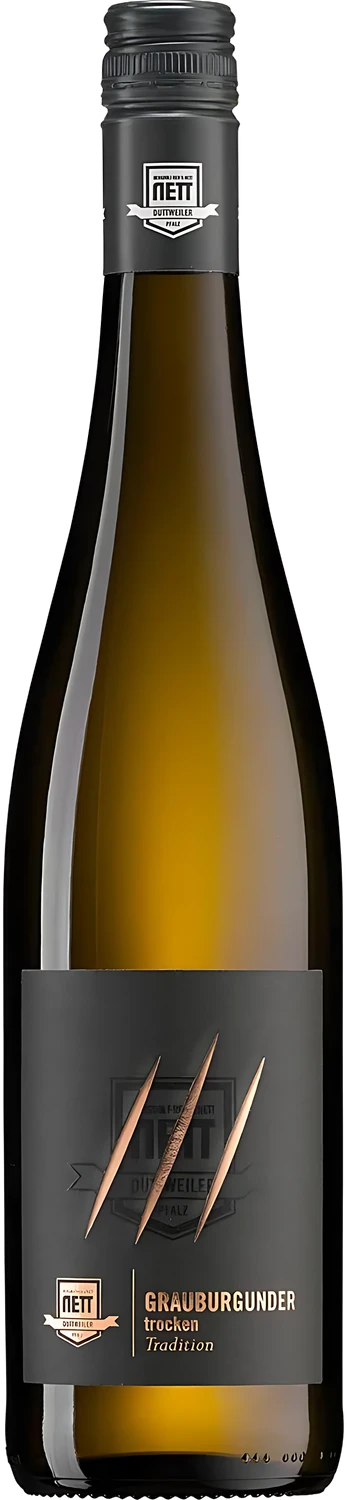
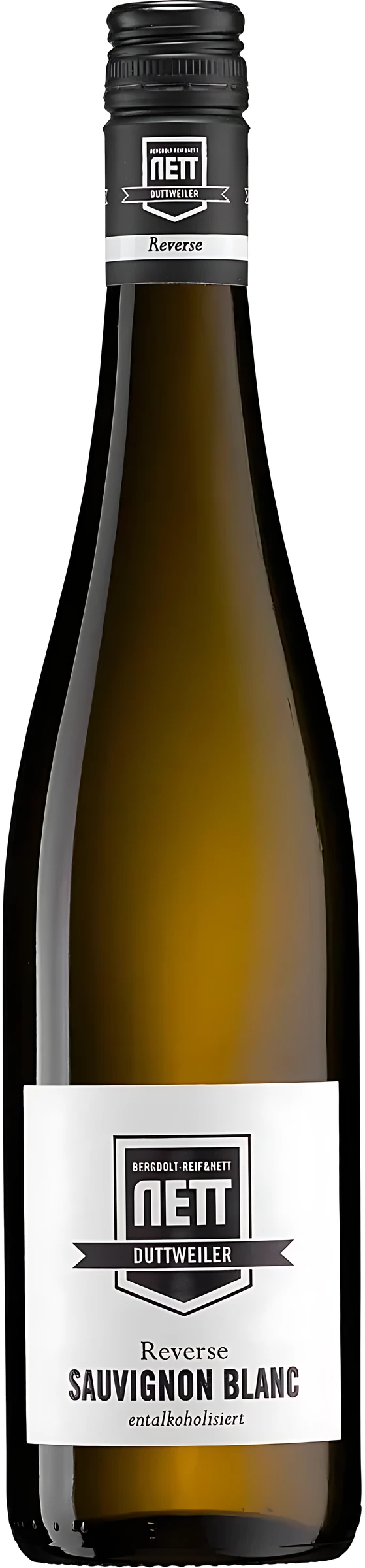
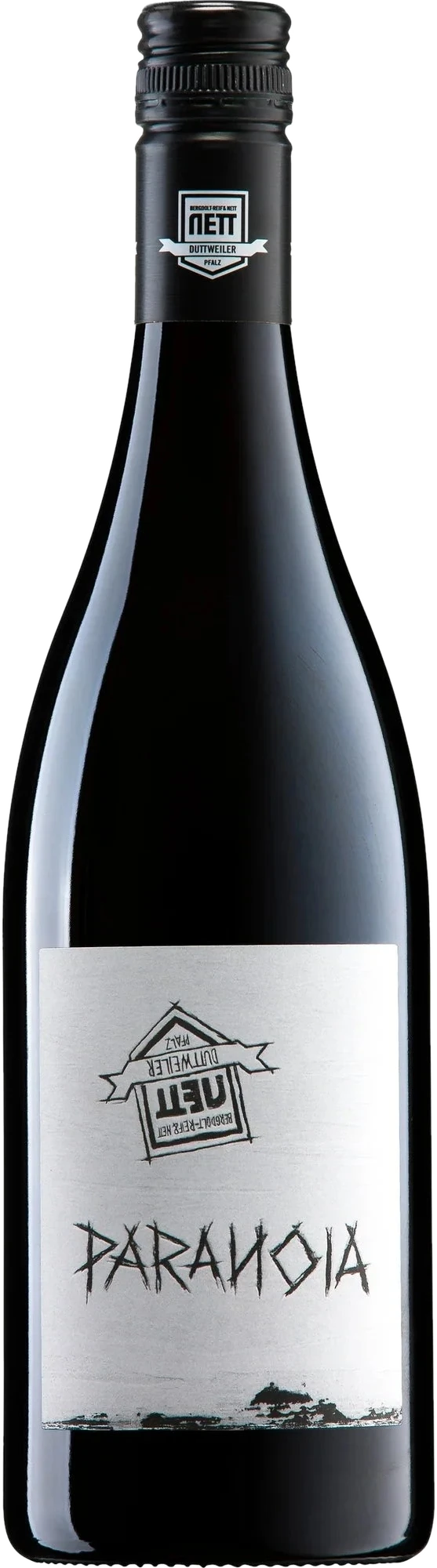
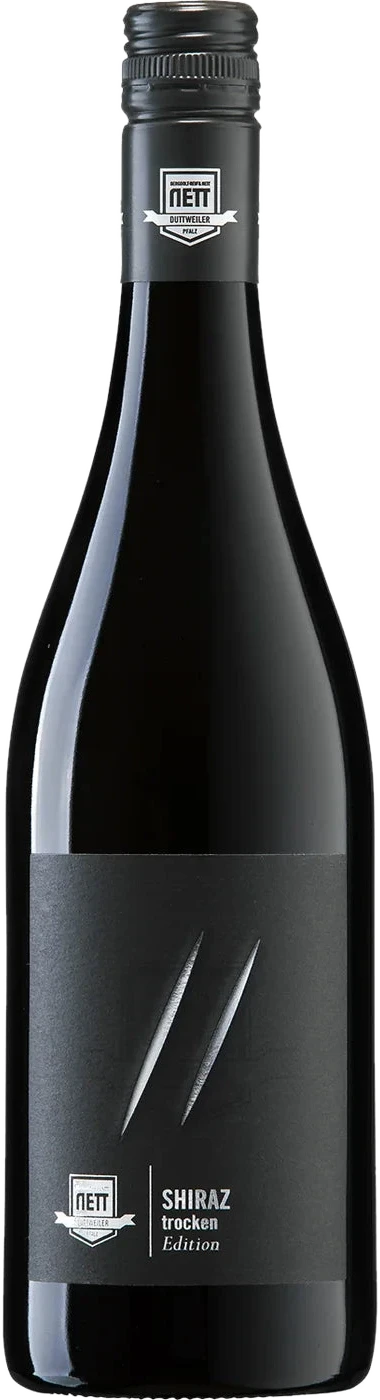
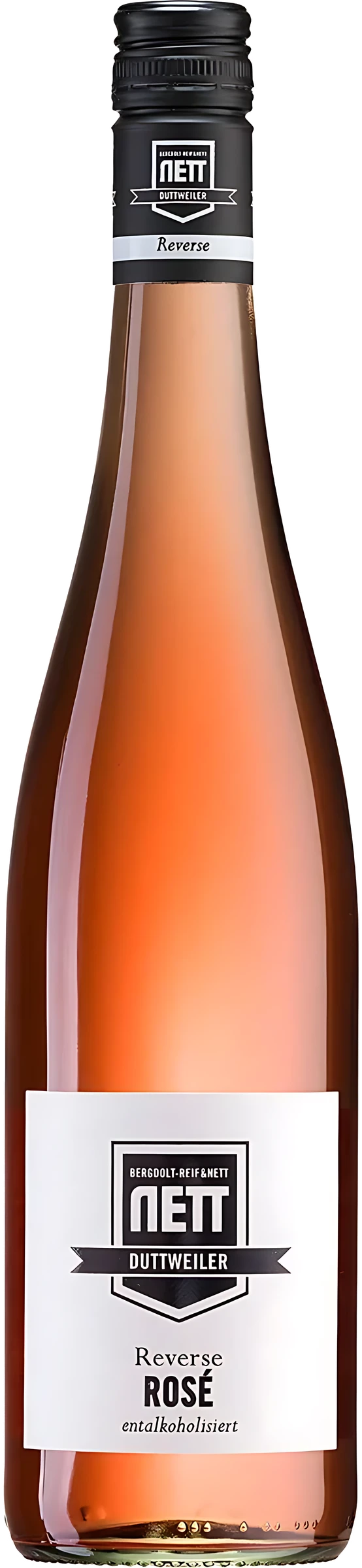
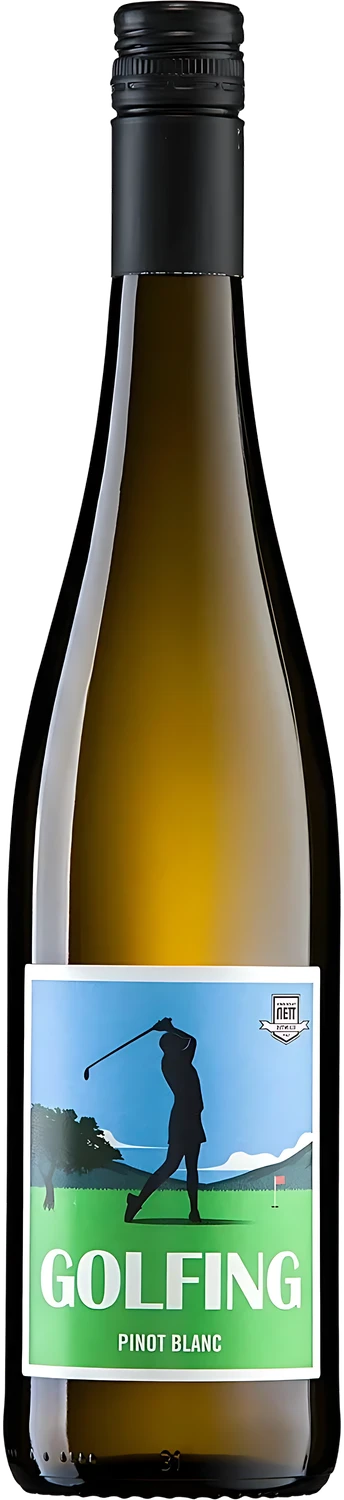
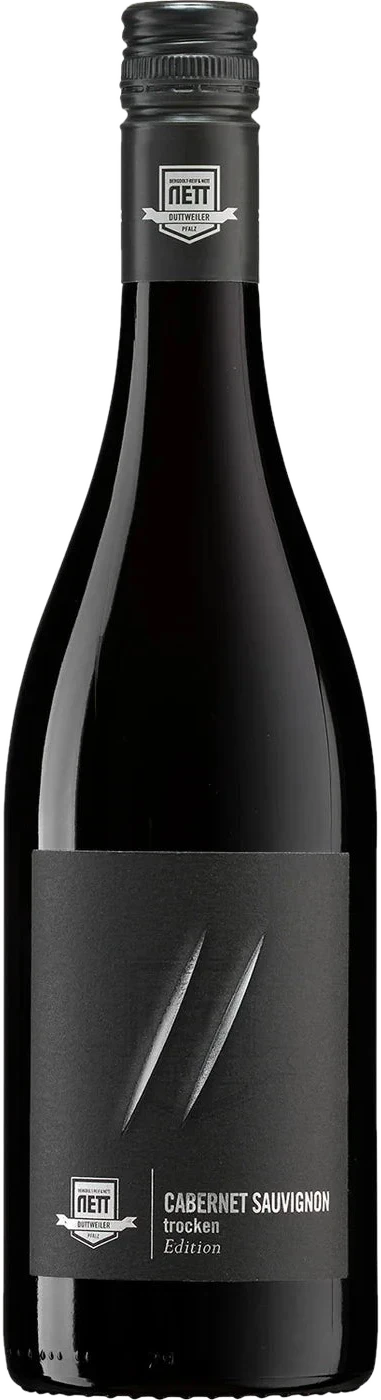
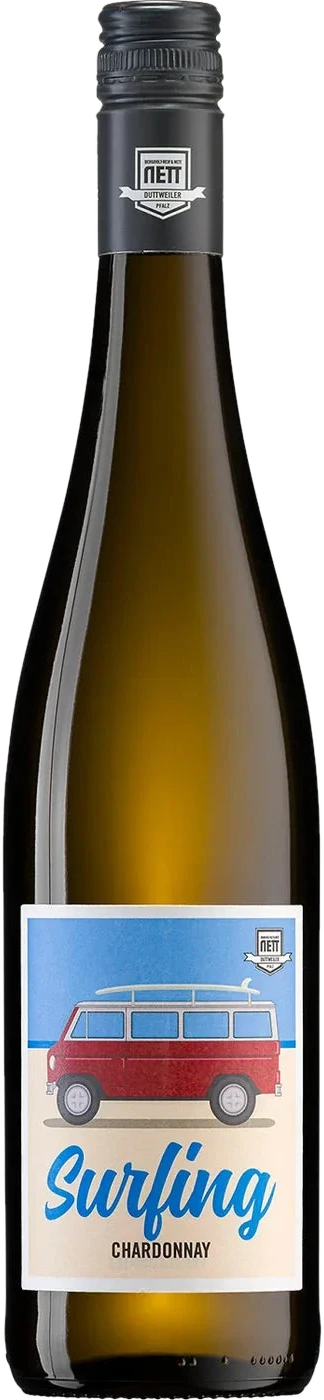
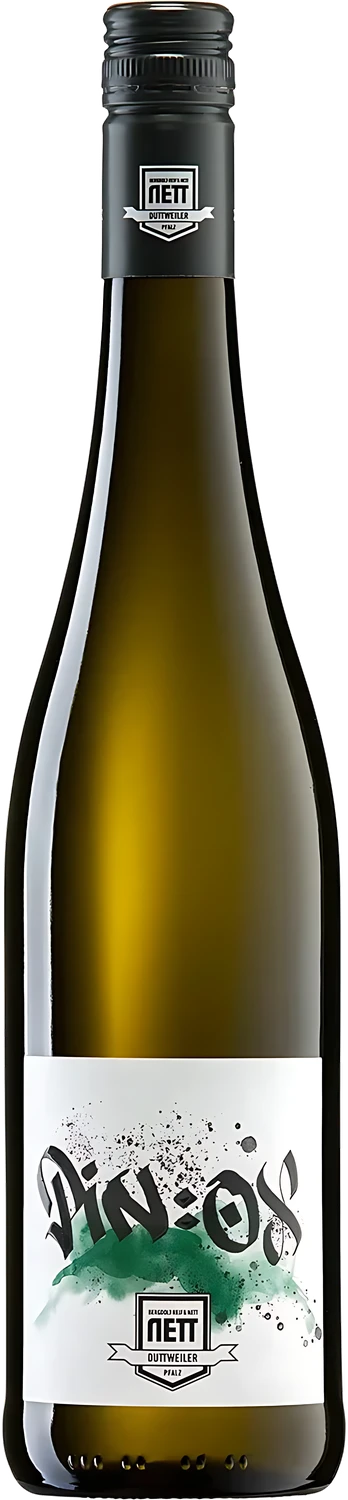
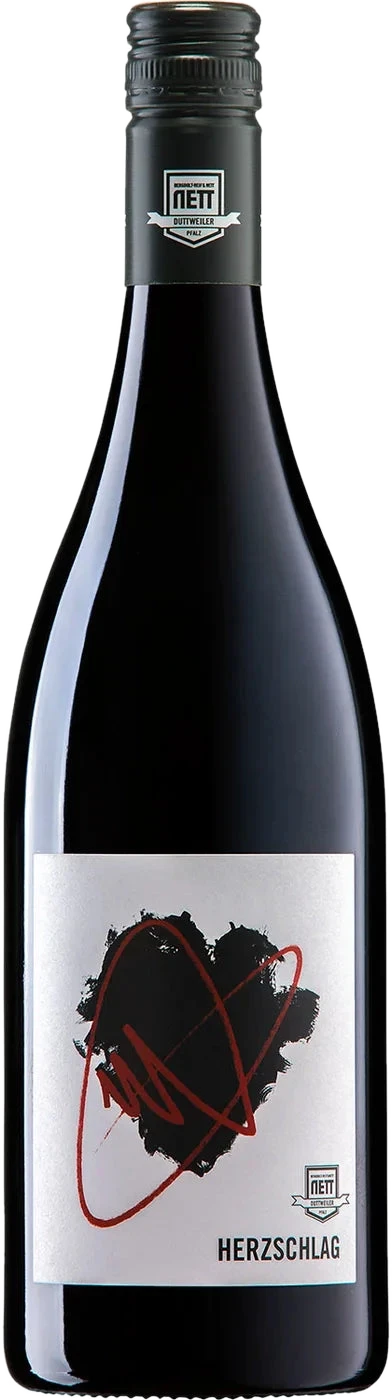
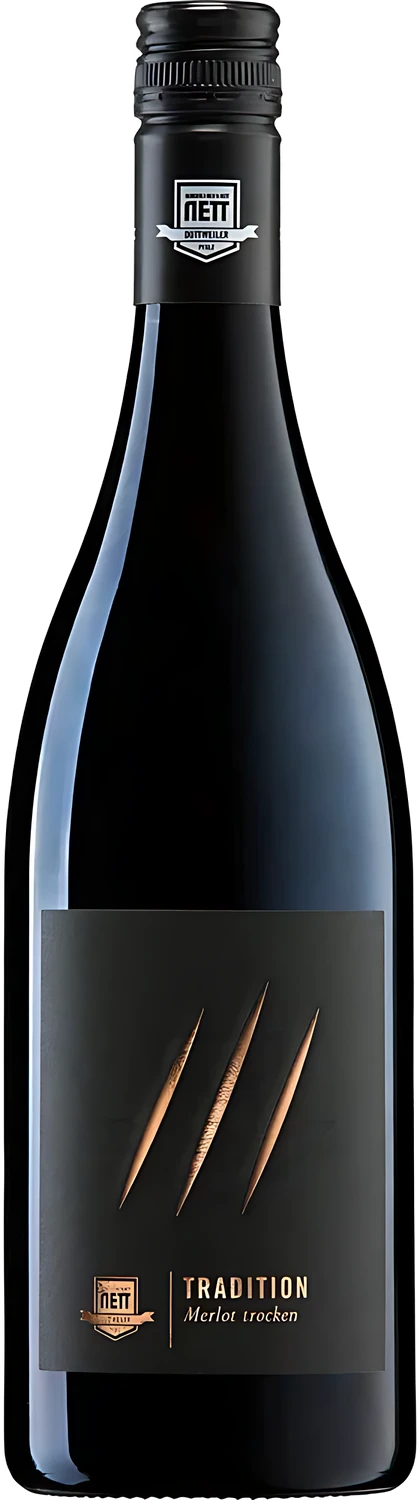
The range is divided into lines that represent different levels of depth: "Tradition" stands for fresh, everyday wines — including Pinot Gris, Merlot, and Cabernet Franc Rosé. "Edition" brings more substantial batches, some of which are aged in wood, such as the Cabernet Sauvignon. The "Avantgarde" wines come from old vines with clear aging potential, while the prestige line comes from the VDP-classified Erste Lage Mandelberg. In addition, there are so-called concept wines, where an idea dictates the style — from the Golfing Pinot Blanc to the Cuvée Leib & Seele to the Glaube-Liebe-Hoffnung Riesling. All wines are produced dry or off-dry. What connects them: clear origin, varietal character, and the ambition to make wines that Christian Nett himself would like to drink — an attitude that can be experienced in the glass.