


Red Wine
Whether you're looking for a casual after-work wine or a large bottle for a special evening – in our most comprehensive category, you'll find the perfect red for every occasion. From light, fruity wines to profound wines with aging potential, we've gathered everything the wine world has to offer.
Our selection ranges from everyday discoveries to coveted icons from the world's most prestigious wine regions. We taste every wine ourselves before adding it to our range – so you can be sure that every bottle is worth it. Order conveniently online; we offer free home delivery on orders over €99.
Filters
2334 products


Wines from Spain Awards 2025
Awarded by Wines from Spain / ICEX
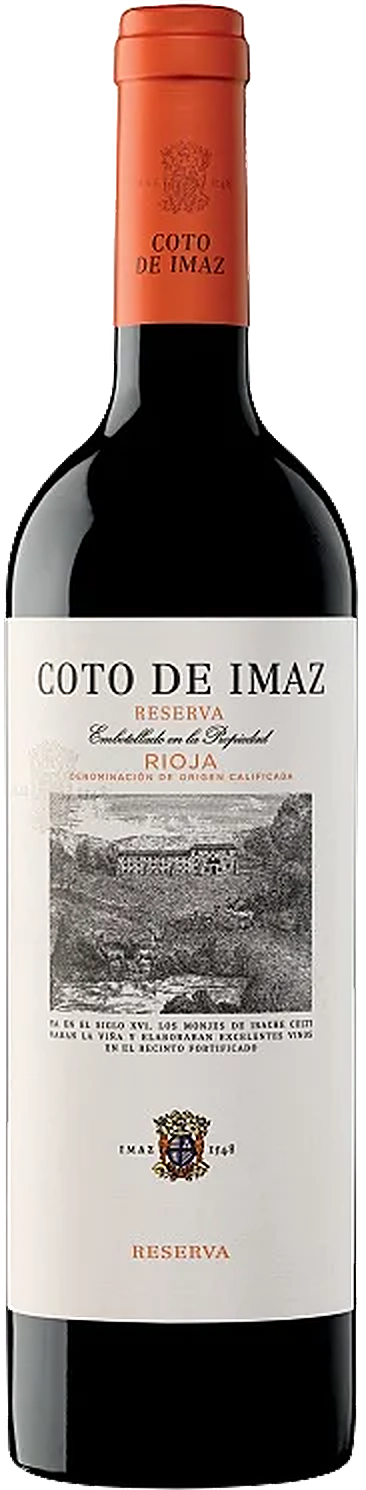

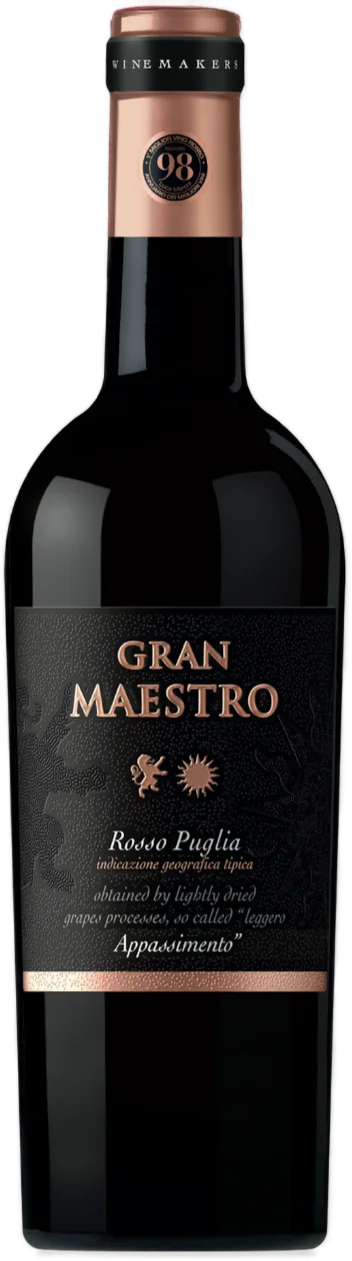
with code PRIMITIVO12, from 100 € order value, up to Sep 07
0,75 l (8,60 €/l)
with code PRIMITIVO12, from 100 € order value, up to Sep 07
0,75 l (9,27 €/l)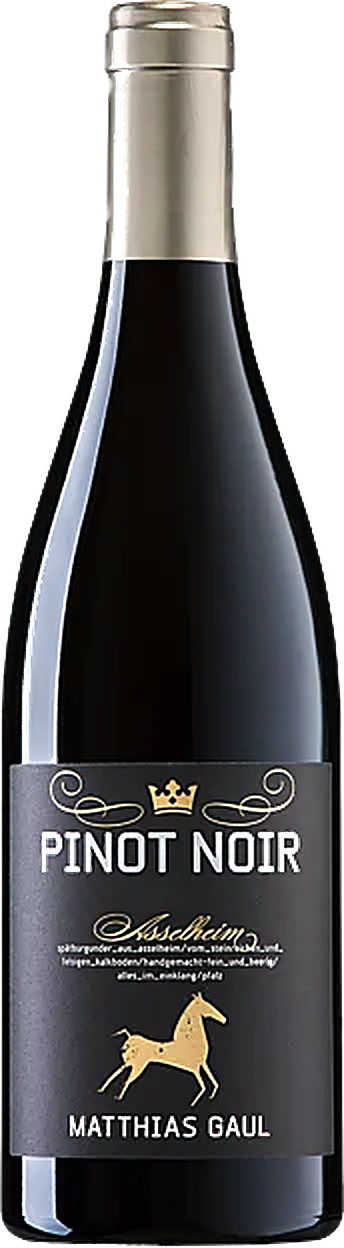

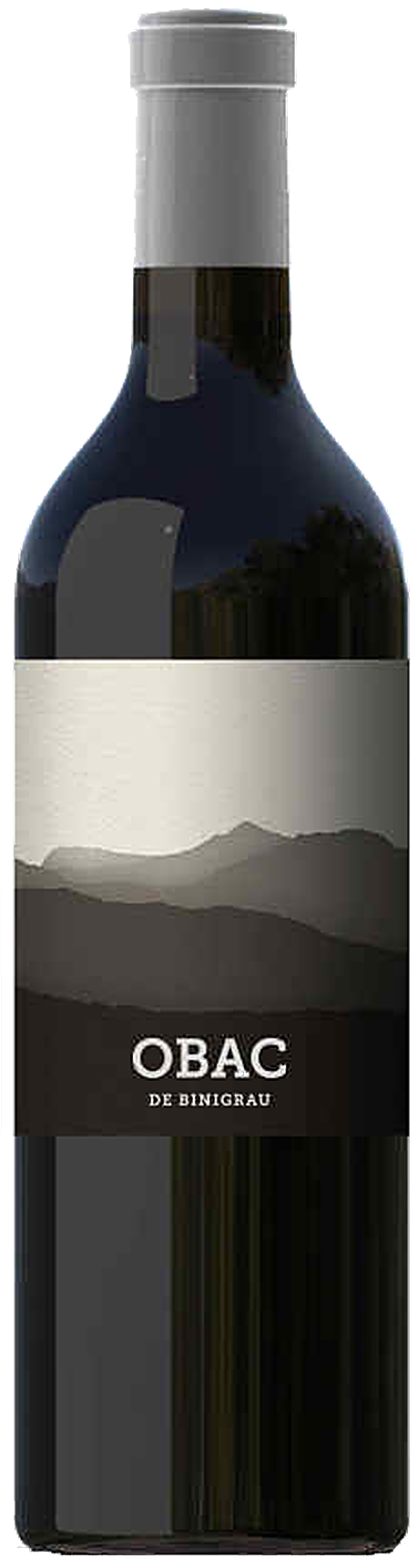
Jeb Dunnuck 2023
Awarded by Jeb Dunnuck

James Suckling 2024
Awarded by James Suckling

Robert Parker's Wine Advocate 2023
Awarded by Robert Parker's Wine Advocate

Silver Medal Mundus Vini
Awarded by Mundus Vini



International Wine Challenge - Bronzemedaille
Awarded by International Wine Challenge
International Wine Challenge 2024
Awarded by International Wine Challenge

International Wine & Spirit Competition 2025
Awarded by International Wine & Spirit Competition (IWSC)
Falstaff Dealcoholized Trophy 2024
Awarded by Falstaff

Falstaff 2025
Awarded by Falstaff
Wein des Jahres 2025
Awarded by Pur Alps internal jury
Mundus Vini 2016
Awarded by Mundus Vini
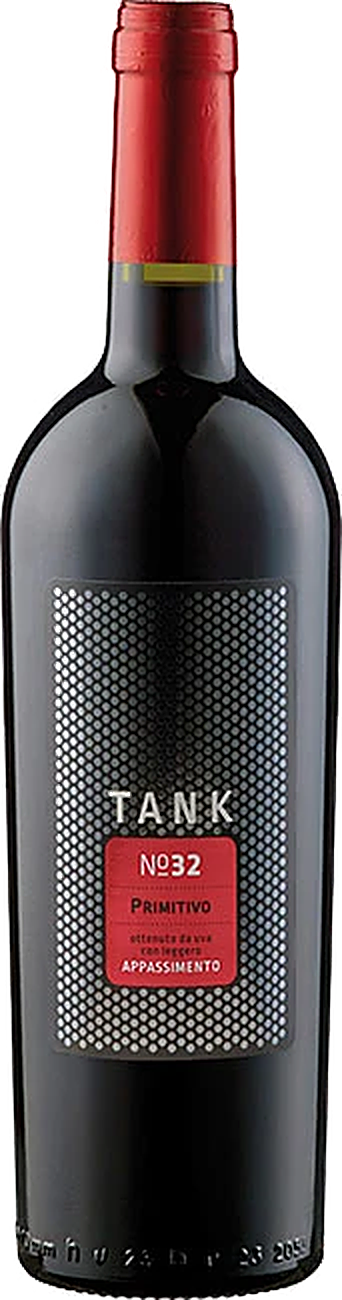
with code PRIMITIVO12, from 100 € order value, up to Sep 07
0,75 l (11,47 €/l)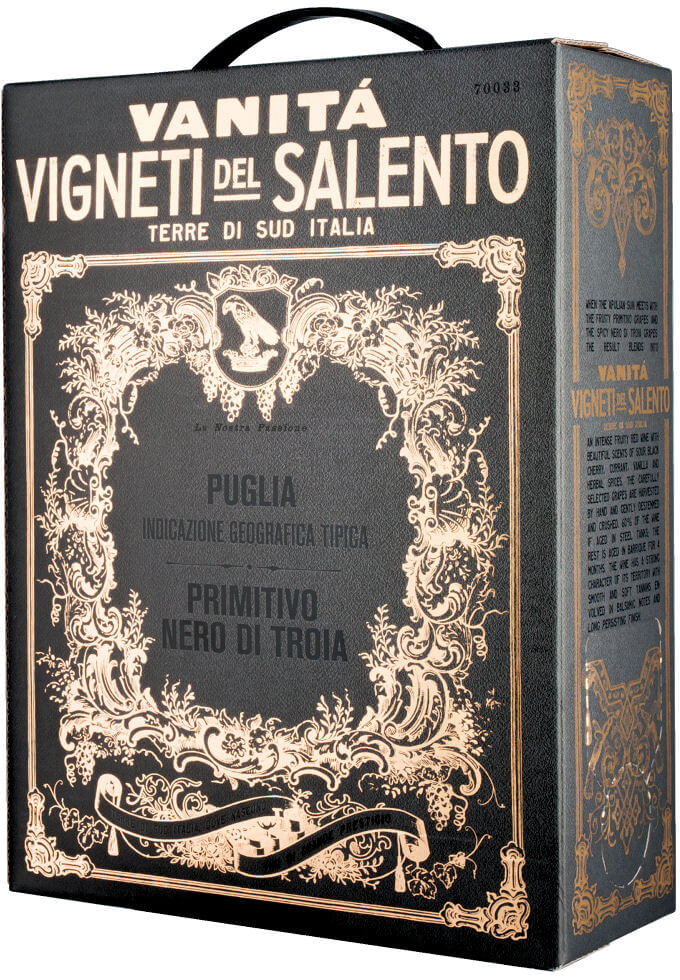
with code PRIMITIVO12, from 100 € order value, up to Sep 07
3 l (4,98 €/l)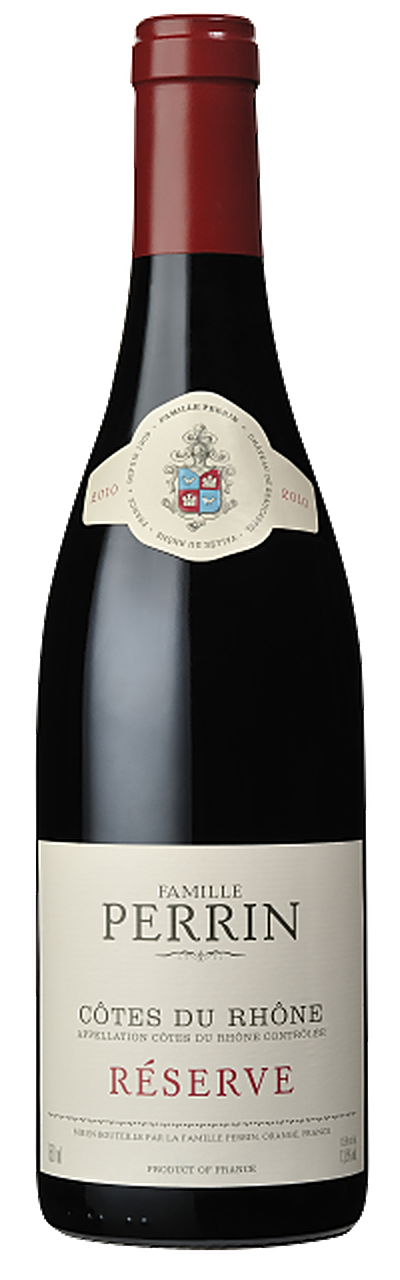
Falstaff Wine Guide Italia 2026
Awarded by Falstaff


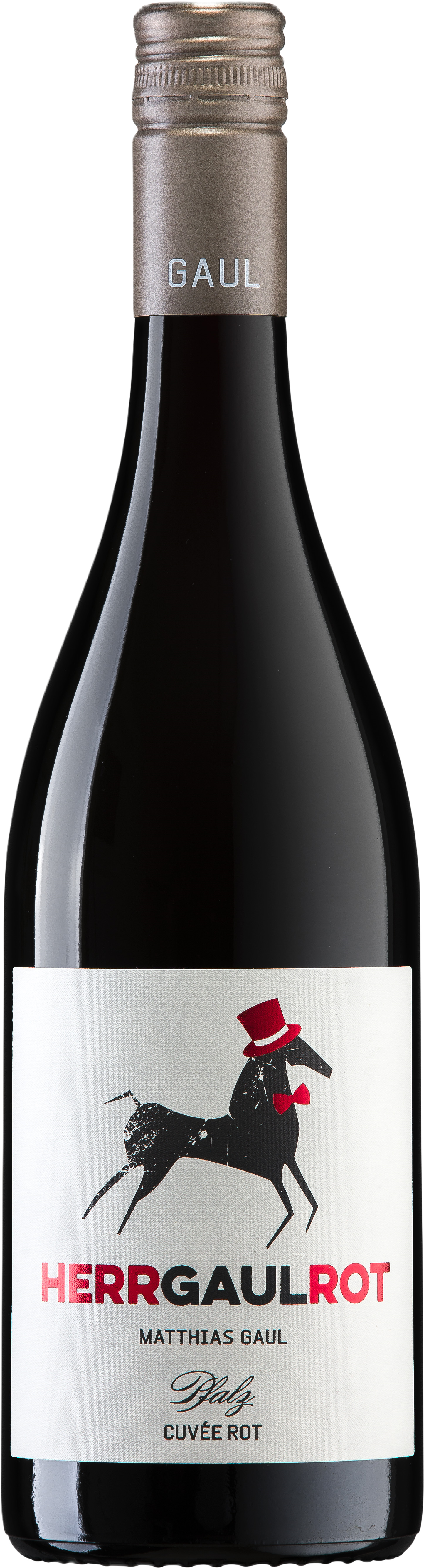
MundusVini 2025
Awarded by Mundus Vini
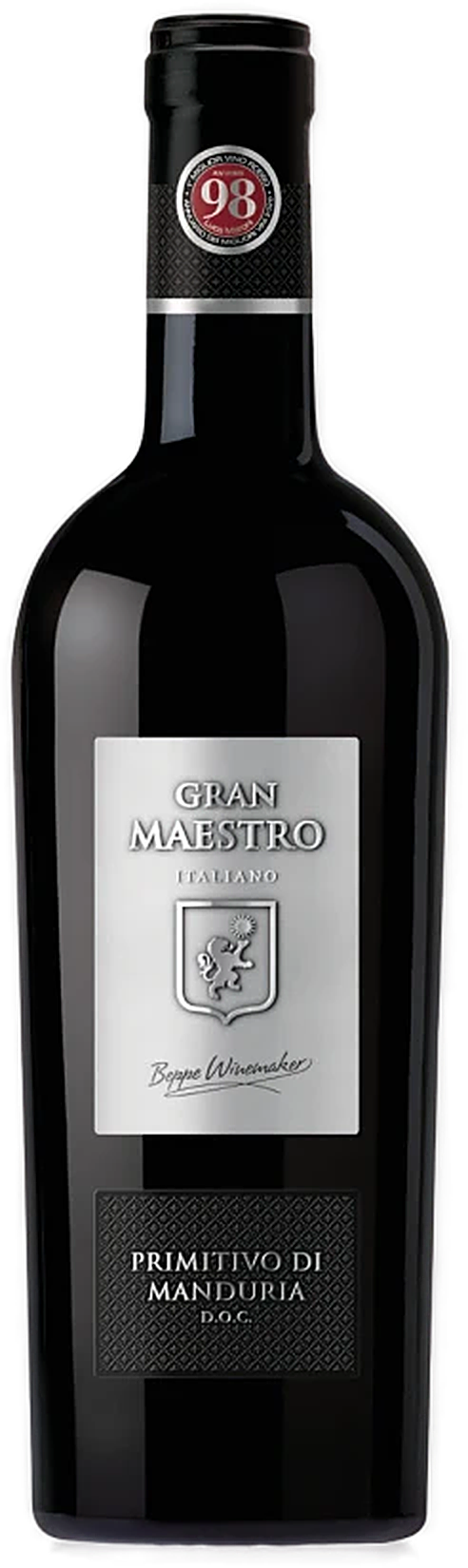
with code PRIMITIVO12, from 100 € order value, up to Sep 07
0,75 l (11,93 €/l)Wine Enthusiast Bewertung
Awarded by Wine Enthusiast

Jeb Dunnuck Score
Awarded by Jeb Dunnuck
DWWA 2024 - Silbermedaille
Awarded by Decanter World Wine Awards



with code PRIMITIVO12, from 100 € order value, up to Sep 07
0,75 l (19,73 €/l)Wine Spectator Top 100 2023
Awarded by Wine Spectator

Concours International de Lyon 2017
Awarded by Concours International de Lyon

Red wine by grape variety
Other wine categories
Frequently asked questions
At what temperature do you drink red wine?
Does red wine need to breathe or be decanted?
What does dry mean for red wine?
Which red wine goes with which food?
How long does an open bottle of red wine last?
How long can you store red wine?
Buy red wine online – from Tuscany to the Cape
Red wine is the largest category in our range: over 2,000 wines from more than 600 producers, from everyday companions for under ten euros to rarities for special occasions. The focus is on Italy and France, closely followed by Germany, Spain, and South Africa. If you don't feel confident here yet: the most important differences can be understood in just a few minutes.
What makes red wine red wine
The difference to white wine is not just the grape, but what happens to it after harvesting. Red grapes are crushed and fermented with their skins – this is known as maceration. During this time, pigments and tannins are released from the skins, giving the wine its color, structure, and shelf life. In contrast, white wine is usually fermented only as juice, without prolonged skin contact.
Only then is the maturation process decided. A wine that matures in a stainless steel tank remains fruit-forward and direct. If it matures in a wooden barrel – such as an oak barrique – aromas of vanilla, cocoa, tobacco, or smoke are added, and the tannins become rounder. Neither is a judgment of quality, but rather a question of style.
The most important grape varieties for us
- Cabernet Sauvignon – powerful, tannin-rich, aromas of blackcurrant and cassis. Our largest varietal group.
- Merlot – softer and rounder, with plum and dark cherry. The accessible partner to Cabernet.
- Pinot Noir and Spätburgunder – the same grape, two names: light in color, delicate, with red berries and forest floor.
- Sangiovese – the backbone of Tuscany, tart and juicy, with sour cherry and herbs.
- Primitivo – from Apulia, lush and warming, often with noticeable residual sugar.
- Tempranillo, Grenache, Syrah, and Nebbiolo – the basis of the great wines from Rioja, the Rhône Valley, and Piedmont.
Origin: Why the region reveals so much
The same grape variety tastes completely different in a cool climate compared to a warm one. A Spätburgunder from the Ahr is lean and cool, a Pinot Noir from California significantly riper and more powerful. In southern growing regions, the grapes ripen more reliably – alcohol and fullness increase, acidity decreases. Cooler locations provide freshness and finesse, but are more dependent on the vintage.
With us, you will find both: the classics from Bordeaux, Burgundy, Tuscany, Piedmont, and Rioja, as well as wines from South Africa, the USA, Australia, Argentina, and Chile.
Serving and storing
The common rule "red wine at room temperature" comes from times of unheated rooms. In fact, most red wines feel most comfortable between 15 and 18 degrees: light, fruity wines rather cooler, powerful wines rather at the upper end. Served too warm, every wine seems alcoholic and broad – when in doubt, it is better to put it in the fridge for half an hour.
Anyone who wants to store wine for a longer time does not need a cellar, but peace, consistent coolness, and darkness. The vast majority of wines are made for immediate enjoyment; only a small portion really improves over the years.