From Hamburg to the Douro: 1815 and the birth of a Port house
Dietrich Matthias Feuerheerd came from a Hamburg merchant family and founded his own wine trading house in Oporto in 1815. From the beginning, his business was geared towards export: he selected, aged, and shipped the best blends of the Douro to Northern Europe. The house grew into a respected boutique producer whose name stood for reliability and artisanal care, especially in connoisseur circles. In 1926, the company was sold to the Barros family — the beginning of a long change in ownership that carried the brand through changing decades without losing its identity.
Today, the name Feuerheerd's is managed by Barão de Vilar – Vinhos, SA, a joint project of the van Zeller and Barros families. The van Zellers are one of the most deeply rooted dynasties in the Douro trade — fourteen consecutive generations in the Port and Douro wine trade, whose roots can be traced back to the 13th century. Álvaro van Zeller, the current cellar master, began his career at Quinta do Noval, one of the most iconic estates in the Douro. This heritage still shapes how Feuerheerd's wines are conceived and made today.
Tradition as a working principle: old barrels, classic grape varieties
Barão de Vilar – Vinhos, SA was formally founded in January 1996, when Fernando Luis van Zeller handed over an inherited stock of aged Port wines to his sons Fernando and Álvaro. The company name itself carries a noble title: Baron of Vilar was an honorary title that Queen D. Maria II bestowed upon Cristiano Nicolau Kopke in 1836 — and which remained in the family through succession. This awareness of history runs through the way they work: Feuerheerd's stands for classic Port production with aged stocks in old wooden barrels, without haste and without shortcuts.
The grapes come from the Douro Valley, which offers ideal conditions for the traditional varieties of the Douro with its terraced steep slopes, extreme continental climate, and nutrient-poor slate soils: Touriga Nacional, Touriga Franca, Tinta Roriz, Tinto Cão, and Tinta Barroca form the basis of the blends. Hand-harvesting on the steeply sloping vineyard terraces is not a luxury, but a simple necessity.
Port wine style and range: balance instead of weight
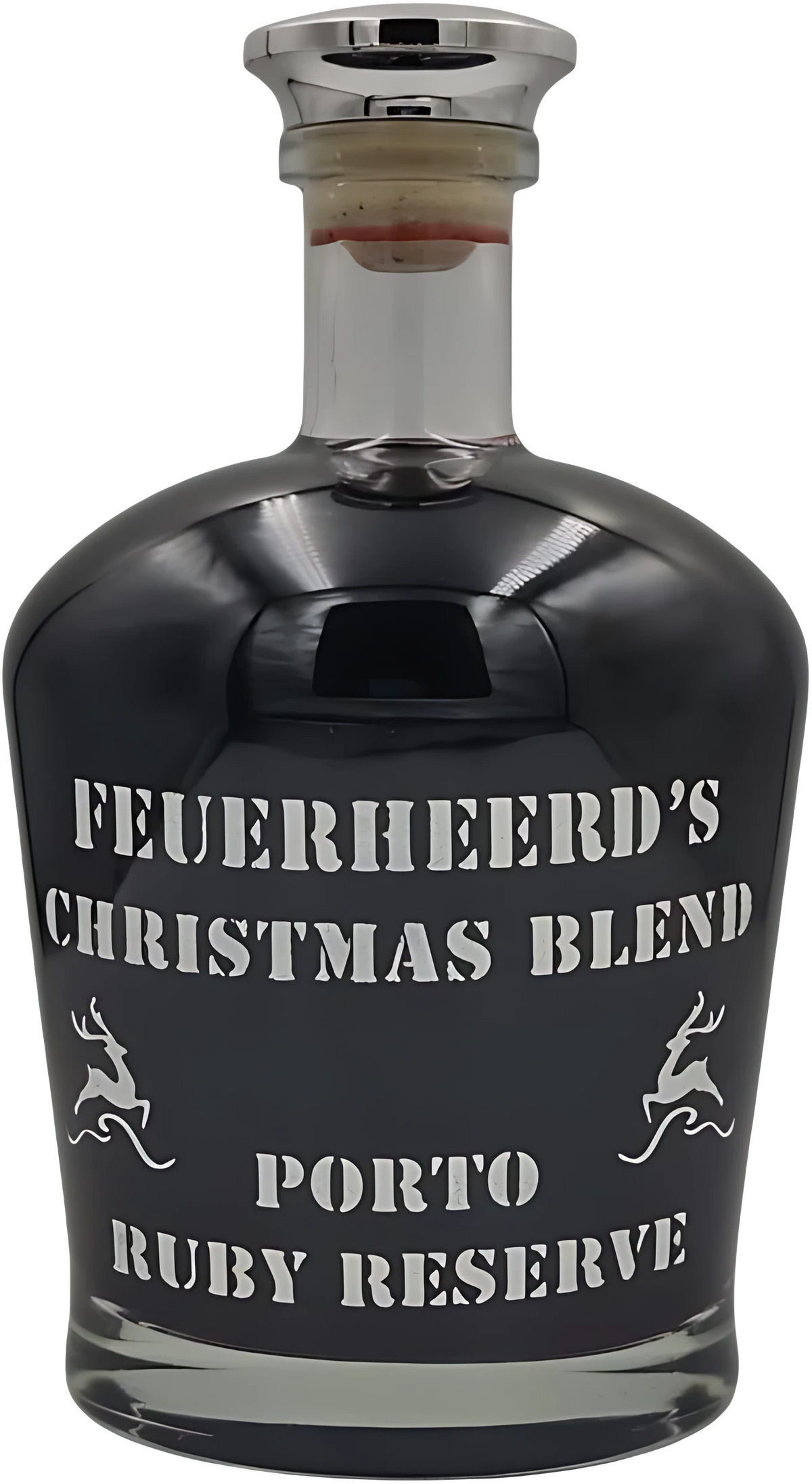
What distinguishes Feuerheerd's wines from many Douro producers is a conscious decision for balance over power. The house was never known for highly concentrated, voluminous Ports, but for an elegant, balanced style with a clear fruit line and a finish that relies on length rather than pressure. Tawny Ports mature in small wooden barrels into nutty wines characterized by oxidative aging; Colheita bottlings from a single vintage spend at least seven years in oak barrels. The aromas range from red fruits, plum, and cherry to chocolate and licorice, and finally to caramel and toasted coconut in the finish.
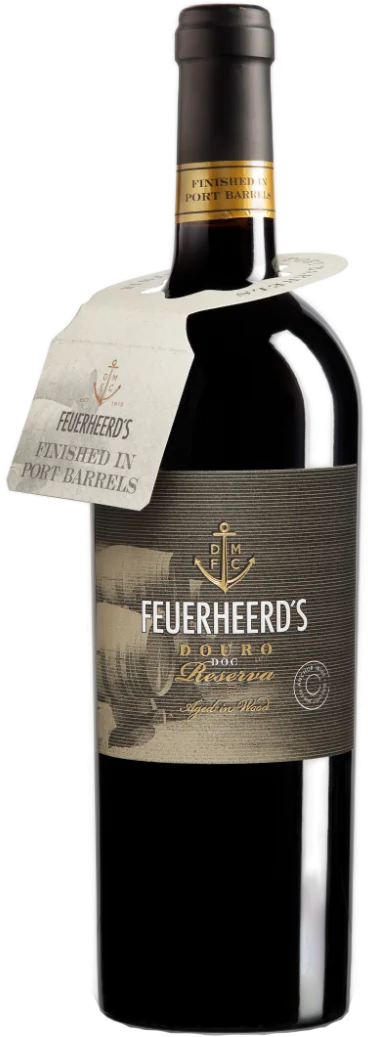
In addition to the classic Port range — Tawny, Ruby, LBV, Vintage, and Colheita — the house also produces still wines from the Douro under the Feuerheerd's label, including the Douro Reserva aged in Port barrels: a still red wine that is aged in former Port barrels, thus consciously crossing the boundary between the two worlds of the house.