From Rozendal to Kaapzicht: four generations on the Bottelary
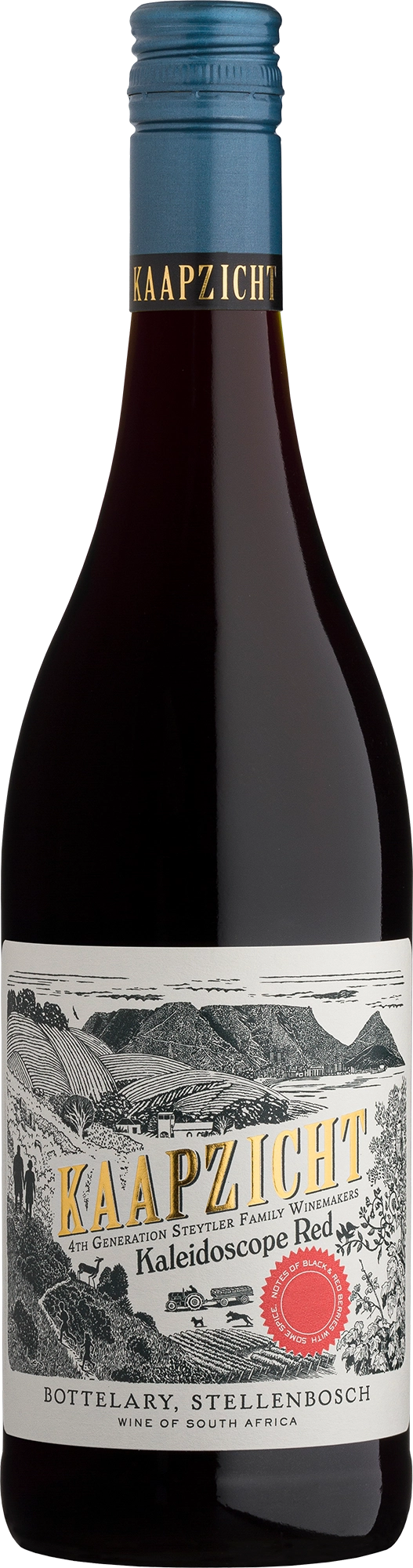
The history of the winery begins with a Karoo sheep farmer: David Steytler returned from the Second World War in 1946 and traded his farm for the Rozendal estate in the Bottelary Hills of Stellenbosch — the seed of what is known today as Kaapzicht Estate. The farm itself dates back historically to the early 18th century, when it measured over 400 hectares under the name Vriesland and included the later Kaapzicht grounds. For four decades, the Steytler family supplied grapes and bulk wine to other wineries in the Cape region. It was not until 1984 that the first wine appeared under their own label — and with the new name: Kaapzicht, Afrikaans for "Cape view," a reference to the clear view from the hills over Stellenbosch to Table Mountain and False Bay.
Today, the fourth Steytler generation manages the estate: Danie Steytler Jnr. and his wife Carin have taken over Kaapzicht from Danie's father, Danie Snr., who shaped the winery as cellar master for over 40 years. The fifth generation is already active: Danie and Mieke Steytler have already aged their first own barrels of Cabernet Sauvignon together with their grandfather — a sign that the continuity of this family business is planned and lived across generations.
Granite, sea breeze and the path to regenerative agriculture
The Bottelary Hills, the westernmost ward of Stellenbosch, provide Kaapzicht with its climatic backbone: the vineyards are located on north-west facing slopes up to 200 meters above sea level, cooled by the Atlantic wind from False Bay, about 18 kilometers away. The soil — weathered granite with sandstone components — forces the roots deep, and the plots remain unirrigated. The result is consistent yields with concentrated fruit even in difficult years. Danie Jnr. describes the Bottelary style as follows: warmer afternoon sun due to the north-west orientation, riper tannins, body with melt — a different character than the tighter wines from the cooler Helderberg.
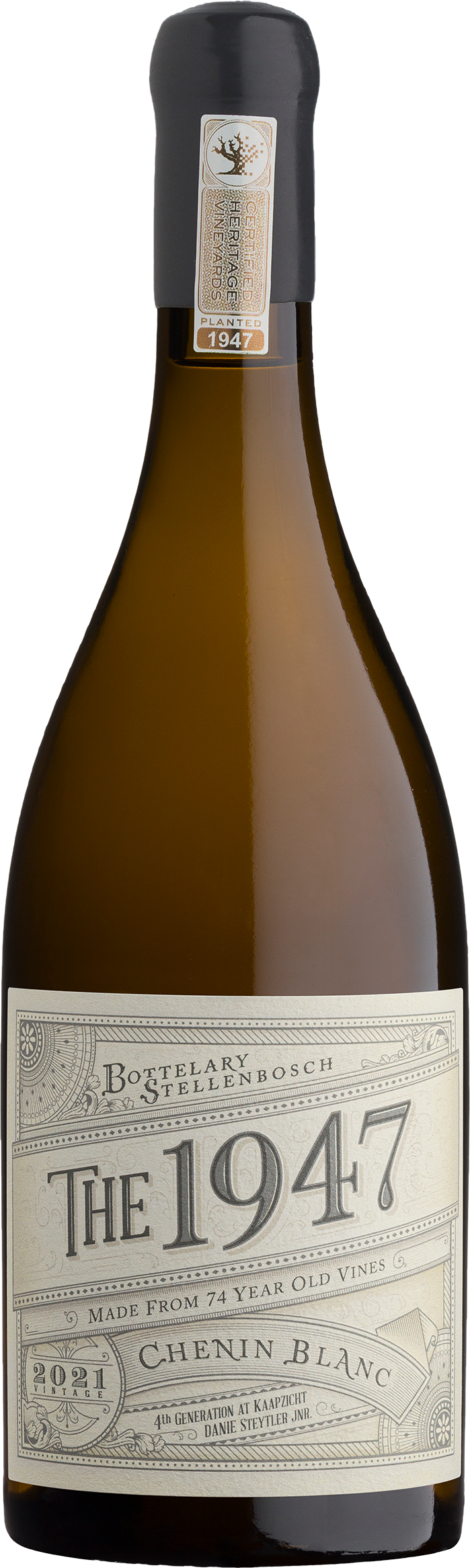
Danie Jnr. studied oenology and viticulture at Stellenbosch University and gained experience in Saint-Émilion, the Languedoc, New Zealand, the Napa Valley, as well as in Italy and Greece before officially joining the family business in 2009. In the vineyard, Kaapzicht is consistently moving towards organic and regenerative agriculture. The philosophy behind it is direct: what benefits the soil strengthens the plant — and what benefits the plant improves the wine. They are particularly proud of the old bush vines: the Chenin Blanc vineyard from 1947 is considered the second oldest of its kind in all of South Africa.
Pinotage, Chenin Blanc and the Cape Blend — the range of the Bottelary Hills
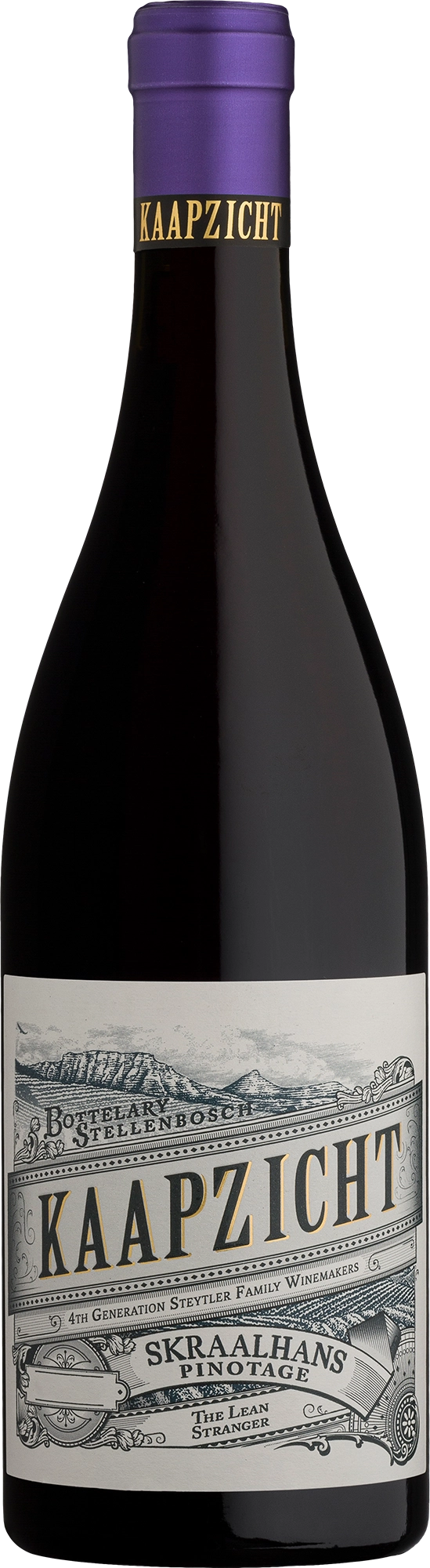
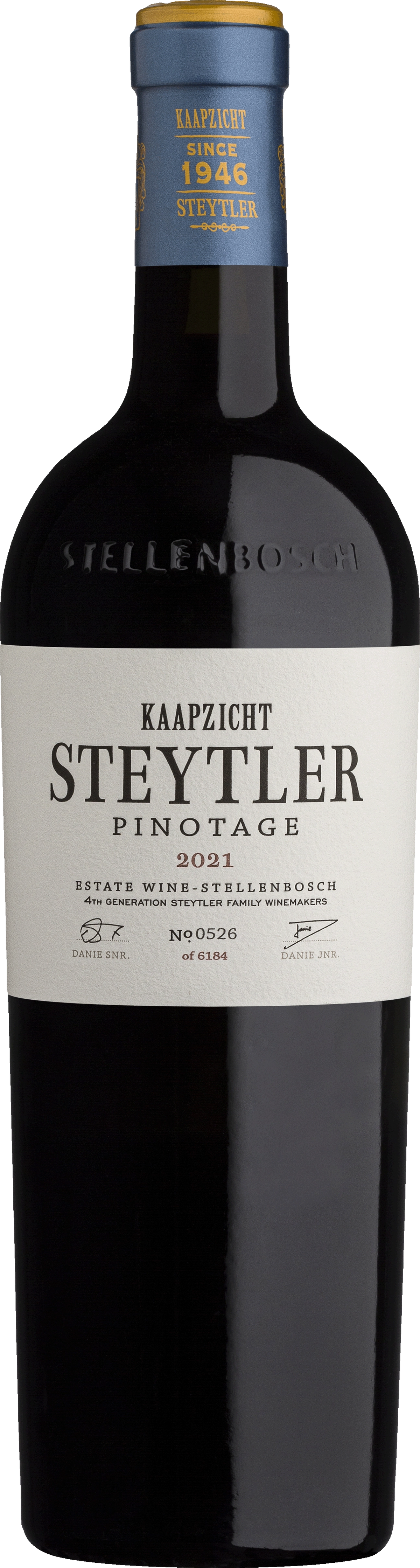
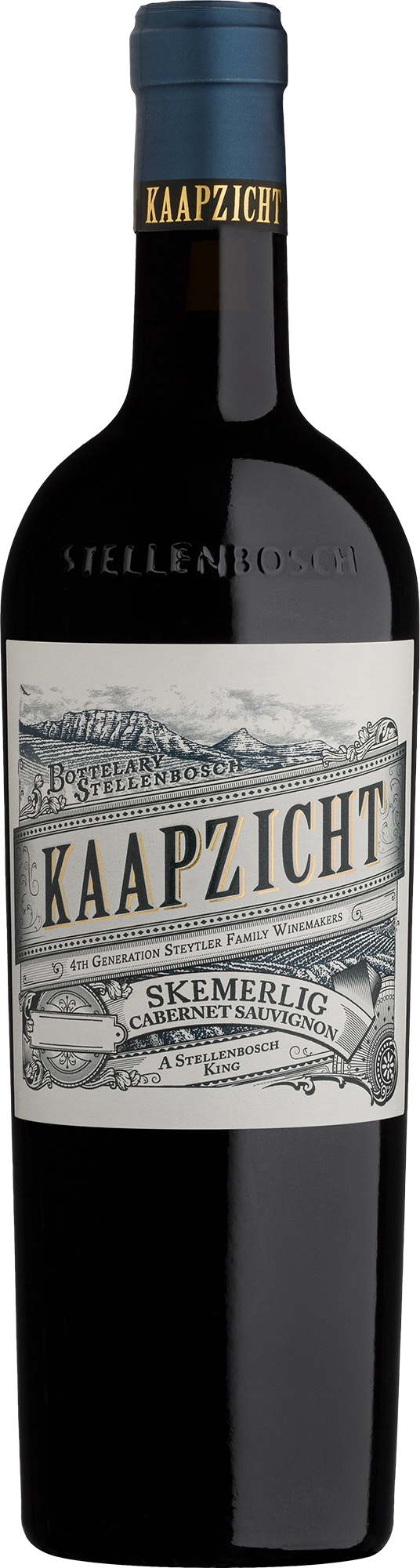
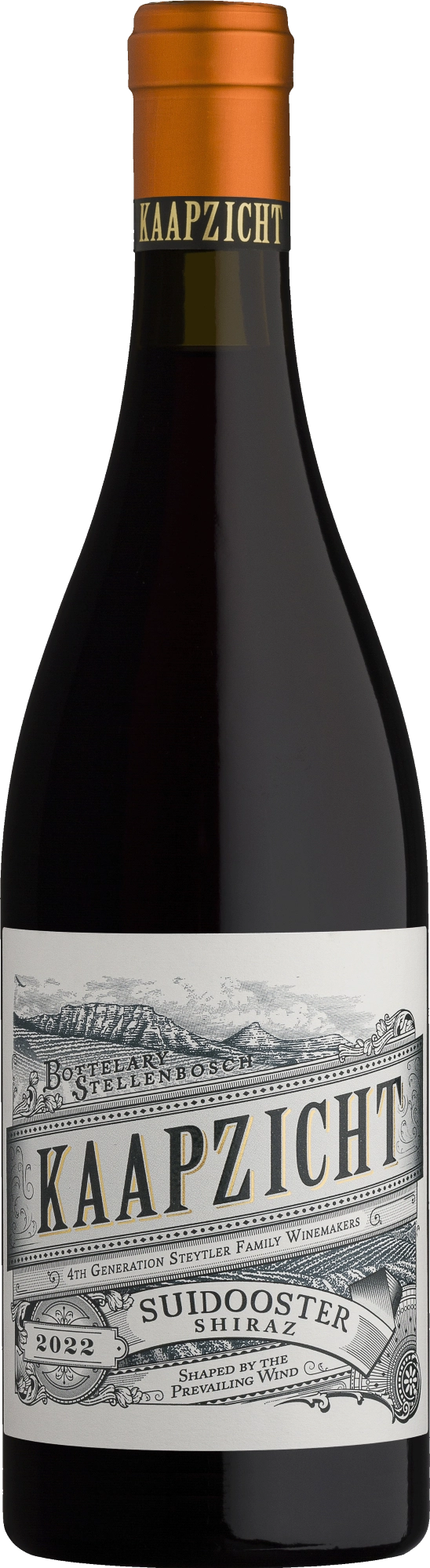
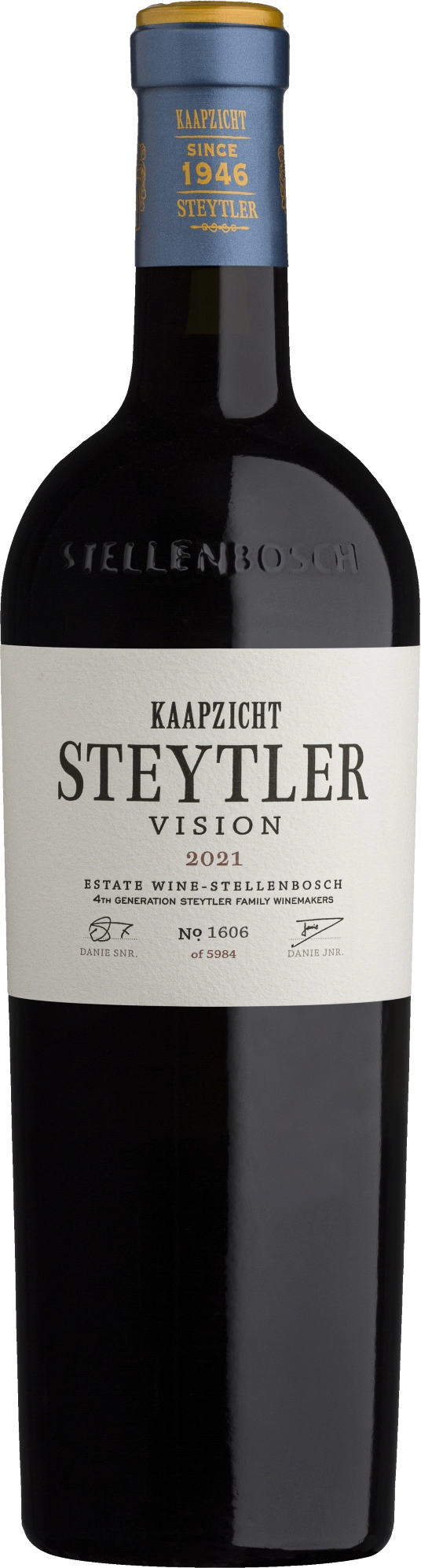
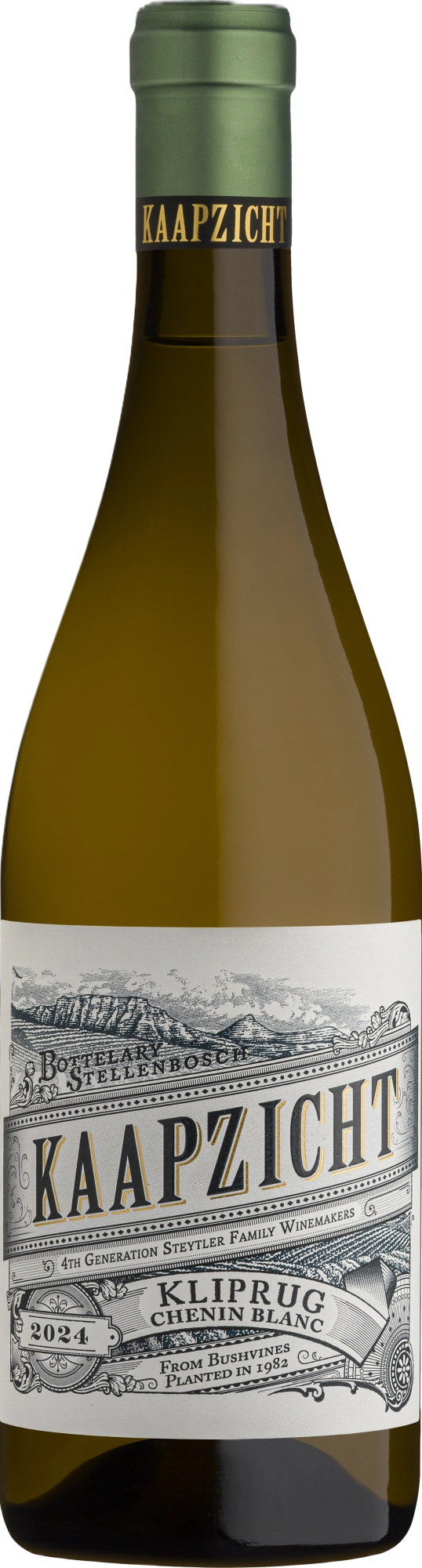
Kaapzicht has made a name for itself internationally with three grape varieties: Chenin Blanc, Pinotage and Cabernet Sauvignon. The Kaapzicht The 1947 Chenin Blanc — pressed from that historic vineyard — received the coveted five-star rating in the Platter's Wine Guide. The Pinotage, a South African cross between Pinot Noir and Cinsault, delivered the Decanter Award for the world's best red wine in 2006 with the Steytler Pinotage. The Steytler Vision, a Cape Blend of Cabernet Sauvignon, Merlot and Pinotage, was the first Cape Blend ever to win the Pichon-Lalande Trophy for the best red wine in the world at the IWSC in 2001. In the Vinoscout range, in addition to the Kaapzicht The 1947 Chenin Blanc, you will find the full-bodied Kaapzicht Rooiland Pinotage, the Kaapzicht Bottelary Rooi Estate Blend and the accessible Kaapzicht Chenin Blanc — a cross-section of what the Bottelary Hills have to offer in terms of depth, fruit concentration and texture.