Ten years of searching, an amphitheater on the Schapenberg
In 1993, British wine merchant Paul Boutinot began a search that would occupy him for a decade: a vineyard site with the potential to produce truly characterful, origin-driven wines. The great classic sites — Côte d'Or, Chablis, Barolo — were out of reach. So a new classic terroir had to be found. In 2003, he found it: on the south-facing slopes of the Schapenberg, immediately above Somerset West, where a steep valley leads into a hidden amphitheater of vineyards. In October 2003, Boutinot took over the estate, the first vintage under the name Waterkloof comes from the 2005 harvest. Today, Cellarmaster Nadia Langenegger manages the cellar — a Stellenbosch graduate with harvest experience in France, Australia, and New Zealand.
The name "Waterkloof" — Afrikaans for water ravine — says it all: Atlantic winds are funneled up from the sea through the gorge and spread over the natural amphitheater of the vineyards. The result is one of the coolest sites in the entire Stellenbosch growing region, with long, slow ripening times and naturally low yields.
Biodynamics, living soils, and a winery without pumps
What began in 2008 as a conversion to biodynamic methods under farm manager Christiaan Loots is now the core of the entire operating philosophy. Waterkloof is ECOCERT-certified organic and works consistently biodynamically: At least 300 tons of own compost annually, enriched by Nguni cattle, sheep, chickens, and workhorses used in the vineyard to make chemicals completely unnecessary. Fungi, bacteria, and plant extracts from own compost replace synthetic fertilizers. The water comes from a natural spring and is treated via a bioreactor; the vines are cultivated largely without artificial irrigation. The facility runs on solar power. More than half of the land — around 83 of 146 hectares — is designated as a nature reserve and protects the Fynbos flora of the Cape Floral Kingdom. For this, Waterkloof received the Champion status of the WWF Biodiversity and Wine Initiative, one of the first companies in South Africa with this award.
In the cellar, the minimalism philosophy continues. The facility works gravity-fed — without pumps, to treat the grapes as gently as possible. Red wines ferment in open wooden vats, white wines are pressed as whole bunches. The only fermentation agent is wild, naturally occurring yeasts. Sulfur is used, if at all, only in small doses as a preservative — no more intervention is needed when the raw material is naturally in balance.
Two lines, one terroir: from the accessible False Bay to the site-focused Circumstance
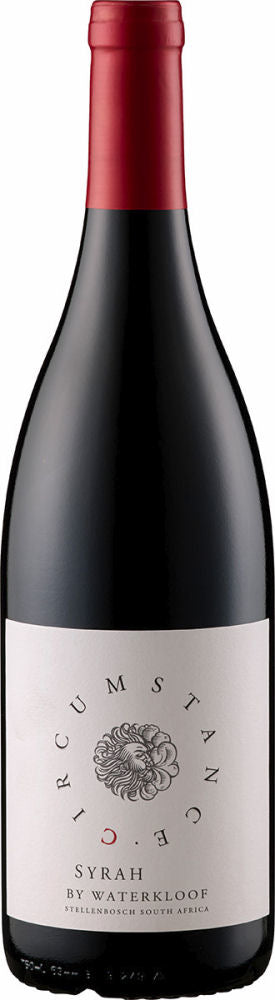
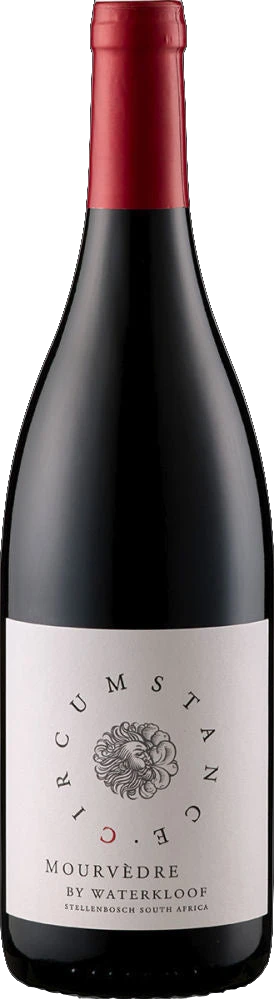
Waterkloof produces under two roofs. The False Bay Vineyards line — including the Bush Vine Pinotage, the Old School Syrah, the Slow Chenin Blanc, the Whole Bunch Cinsault Mourvèdre Rosé, and the Windswept Sauvignon Blanc — sources grapes from sustainable coastal sites and stands for accessible, lively-fresh wines with clear varietal and origin character. All wines in this line are hand-harvested, fermented with wild yeasts, and treated without animal fining agents. The Waterkloof Circumstance range, on the other hand, works plot-specifically: Mourvèdre and Syrah from the steep slopes of the Schapenberg show what the Atlantic-influenced location on sandstone soils gets out of cool-climate-capable grape varieties — structured acidity, depth, and a cool, spicy character that is more reminiscent of the Rhône than the New World. Anyone looking for wines that make soil, wind, and sea air directly palpable in the glass will find one of the most consistent representatives of natural viticulture in South Africa at Waterkloof.