From cannon fire to cult brand: 100 years of the Sauer-Krige family
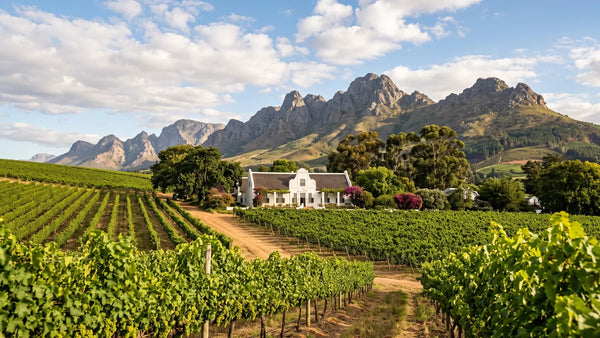
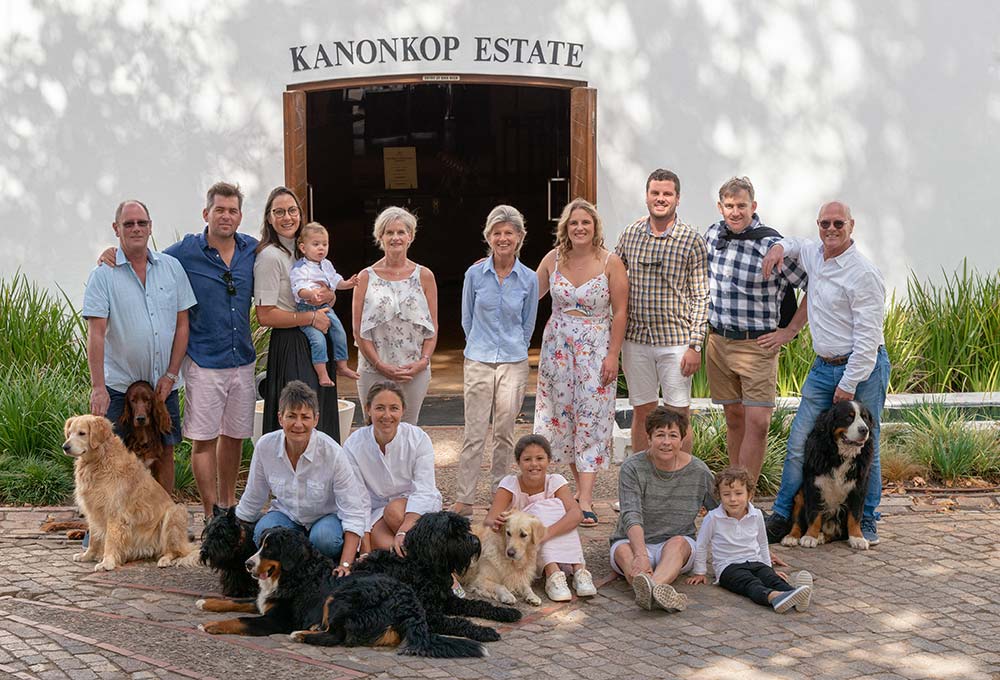
Kanonkop traces its roots back to J.W. Sauer, a member of parliament in the Union of South Africa, whose family acquired the land at the foot of the Simonsberg in the early 1920s. His son, Cabinet Minister Paul Oliver Sauer, kept the core property and laid the foundation for viticulture in the 1940s — initially with grapes that he sold in bulk to the Stellenbosch Farmers Winery. Paul Sauer had studied agronomy and oenology under Abraham Izak Perold, the breeder of the Pinotage grape, and was one of the very first to have this new variety planted on the estate. After Sauer's death in 1976, his daughter Mary inherited the business; she and her husband Jannie Krige, together with the first cellar master Jan 'Boland' Coetzee, had already released the first estate-bottled bottles under the name Kanonkop in 1973. Today, sons Johann and Paul Krige run the winery in the fourth generation, and a fifth — including Suzaan's studies in oenology in Stellenbosch — is already in the starting blocks. The name itself tells Cape history: from a hill (kop) above the estate, a cannon (kanon) was fired in the 17th and 18th centuries to signal the arrival of merchant ships in Table Bay to farmers.
Granite, bush vine culture, and craftsmanship without compromise
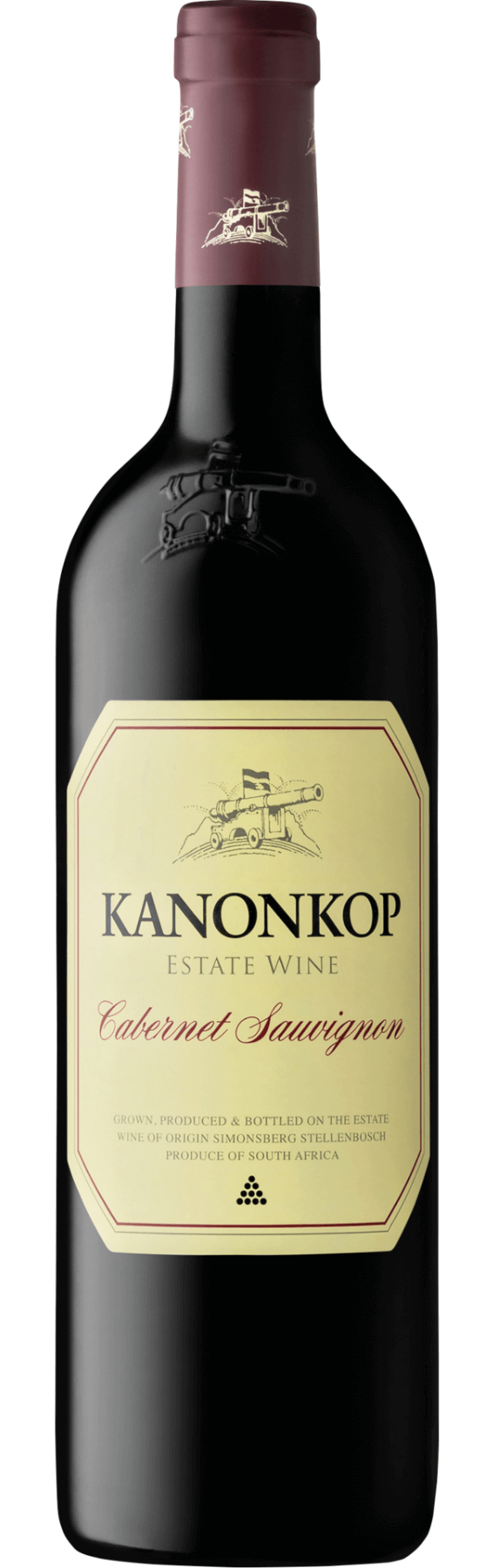
The estate covers 125 hectares on the southwest slope of the Simonsberg, of which about 95 hectares are planted. The weathered granite soils and the cooling Atlantic wind create conditions that benefit structured red wines with long development. Pinotage — 50 percent of the vineyard area — grows exclusively as free-standing bush vines, many of them over 50 years old; trellising the variety increased the berries by 20 to 30 percent and was therefore consistently abandoned. Cabernet Sauvignon, Merlot, and Cabernet Franc complement the range on trellises.
In the cellar, the principle has remained unchanged for decades: manual harvesting, optical selection, whole-bunch destemming, followed by fermentation in open concrete tanks with manual punch-down every two hours. The flagship wines mature for 18 to 24 months in 100 percent new French oak. This framework has supported four cellar masters for over 50 years: Jan 'Boland' Coetzee, Beyers Truter, Abrie Beeslaar — three-time winner of the IWSC International Winemaker of the Year (2008, 2015, 2017) — and since November 2024, François van Zyl, who continues the tradition after years of apprenticeship in Rioja, Margaux, and Pomerol.
Pinotage as a benchmark — and a Bordeaux blend that made history
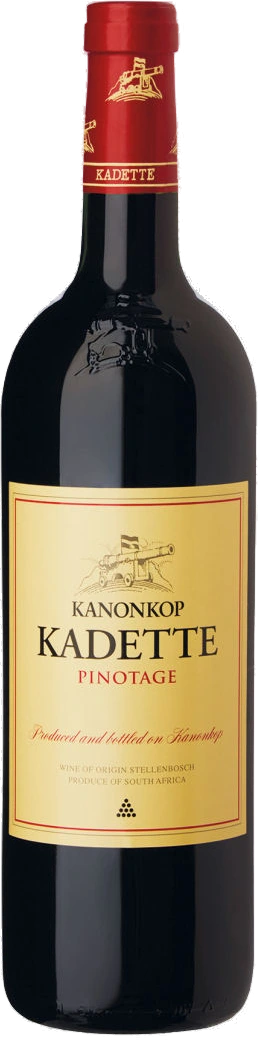
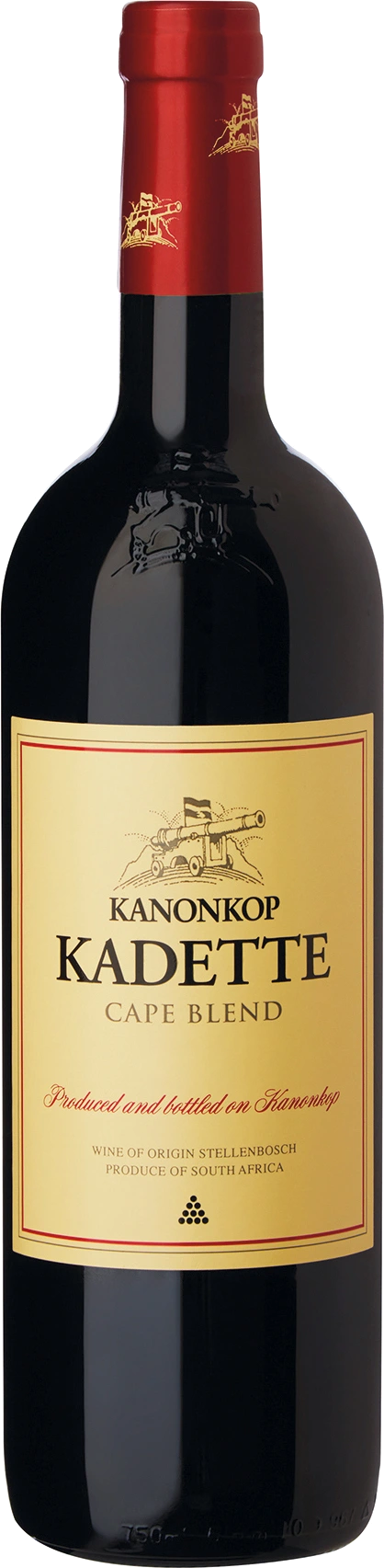
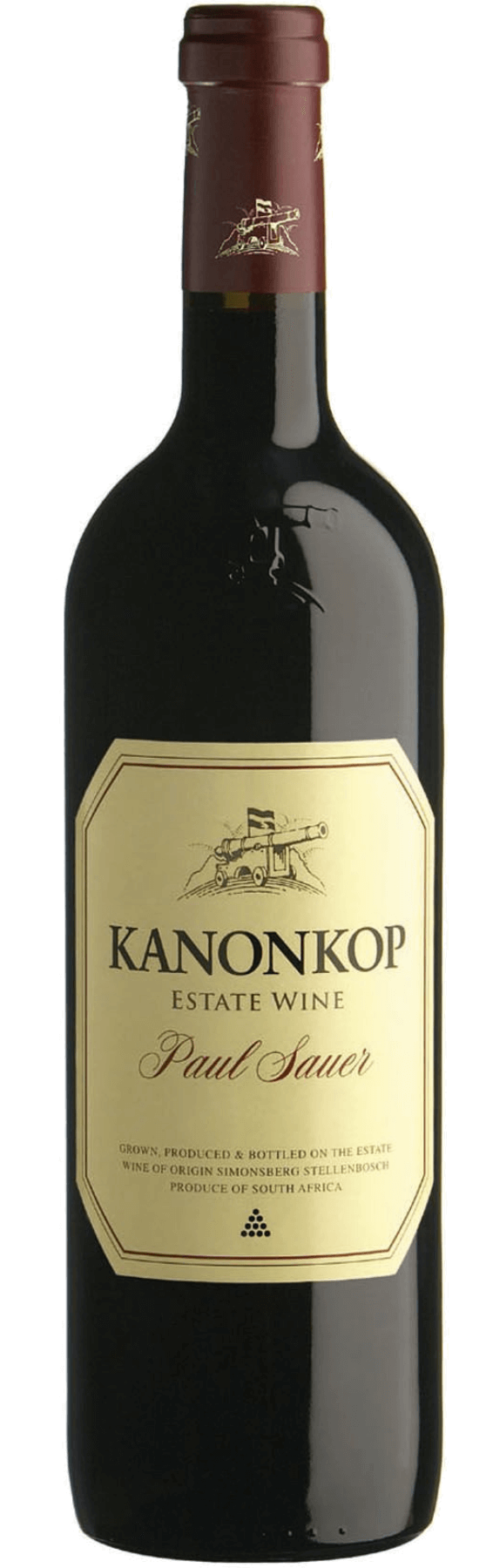
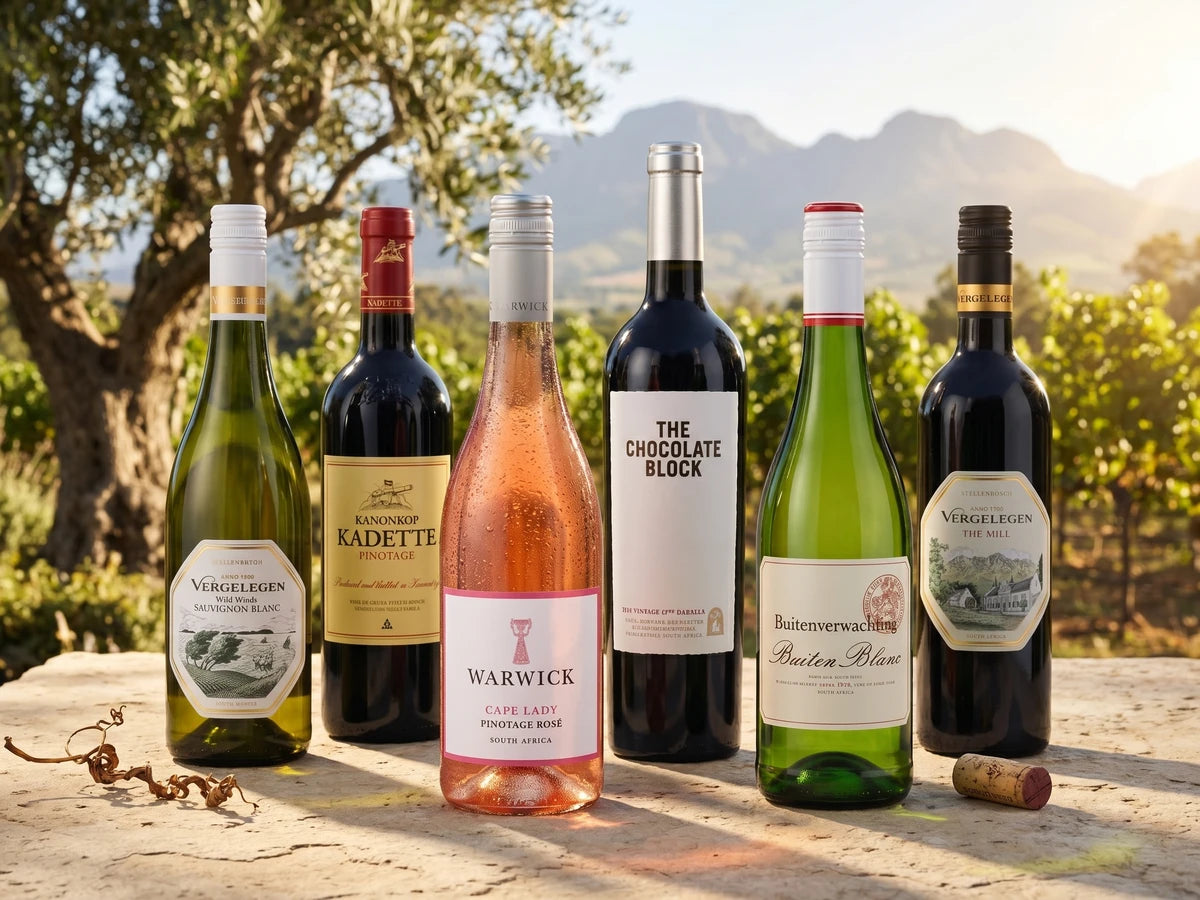
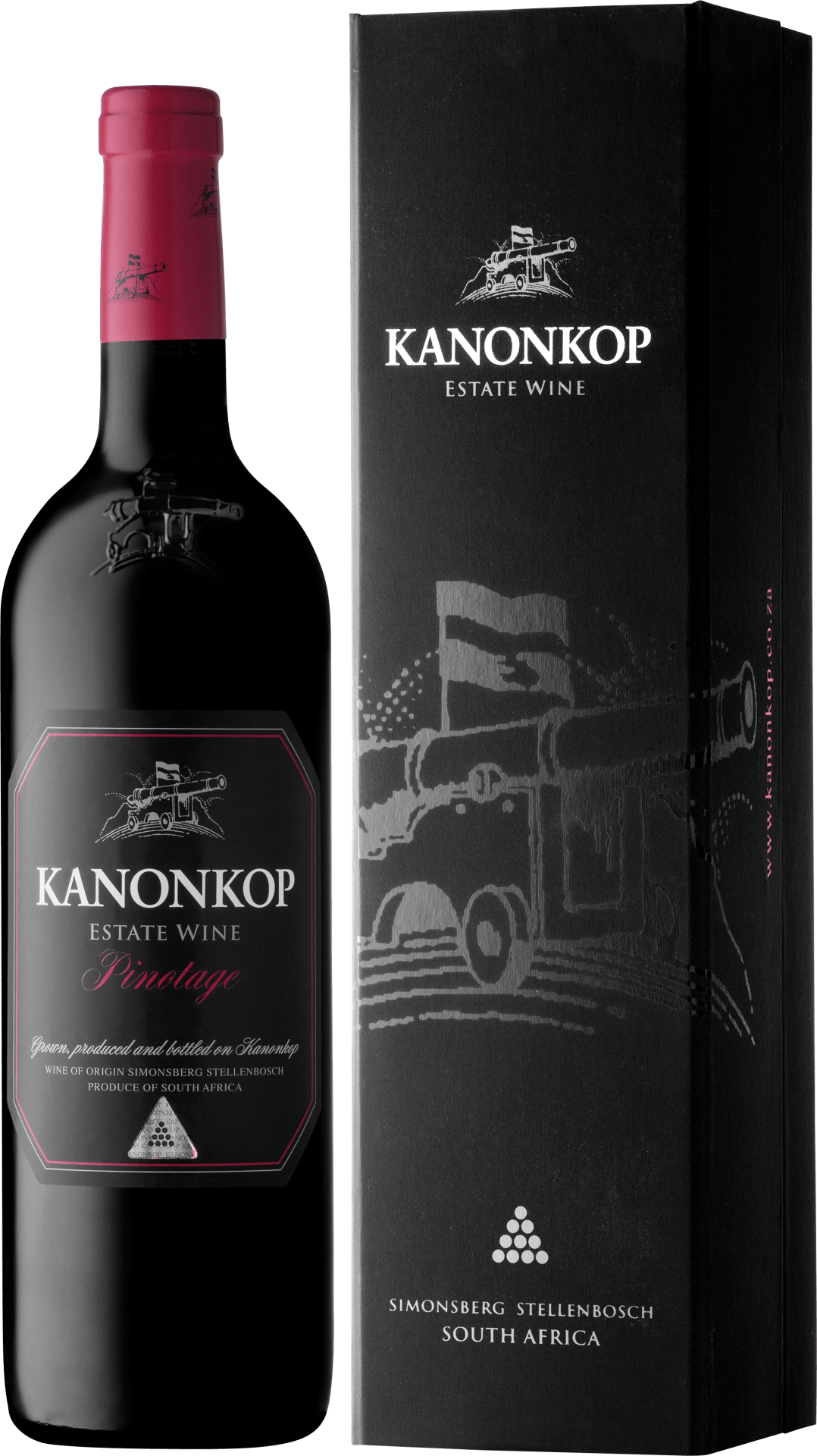
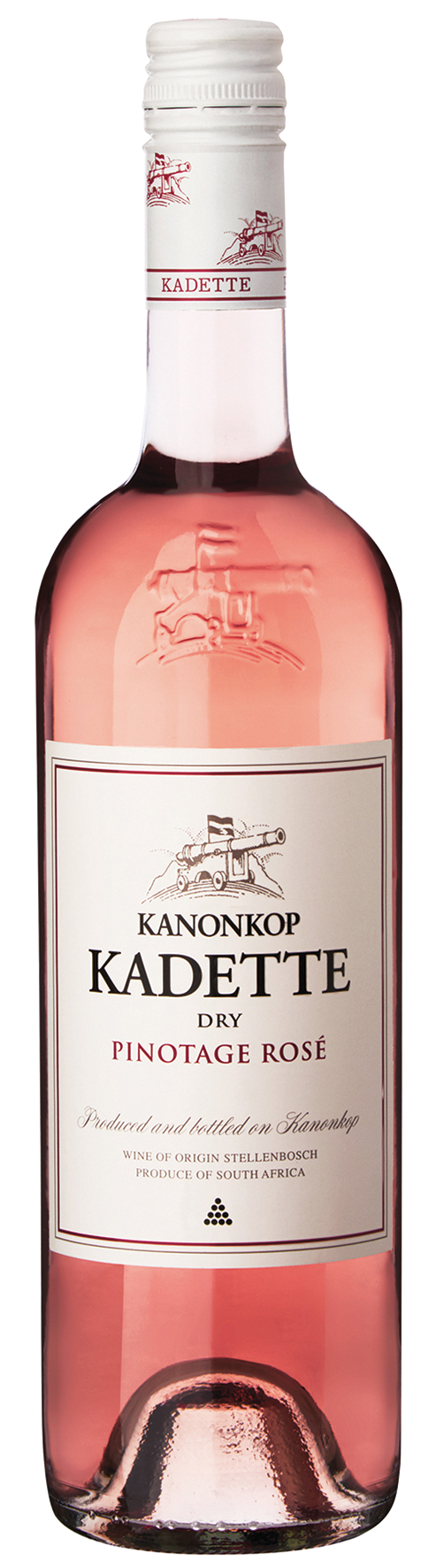
Kanonkop produces exclusively red wines. The range extends from the accessible Kadette Cape Blend to the varietal Estate Pinotage and the Black Label Pinotage, which is vinified from a single block planted in 1953 and is one of the most discussed red wines on the continent. Next to it is the Paul Sauer: a Bordeaux blend of Cabernet Sauvignon, Merlot, and Cabernet Franc, whose 2015 vintage was the first South African wine ever to receive 100 points from critic Tim Atkin MW. In 2024, Kanonkop was listed in the Drinks International ranking as the most admired wine label in Africa and the Middle East — and was the only South African winery to climb into the global top 12. Anyone who has these wines in their glass gets dark berry fruit, firm, well-integrated tannins, and a finish that shows why Pinotage from bush vines on granite is a completely different argument than the variety in the rest of the world.