From Driesprong to Delheim: A German-South African family history
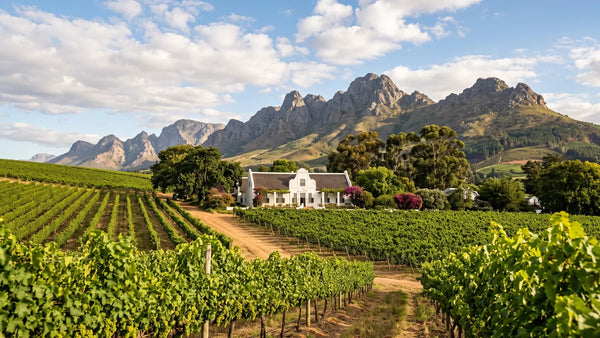
The history of Delheim begins in 1938, when Alfred Hoheisen acquired the Driesprong farm property at the foot of the Simonsberg in Stellenbosch. His son Hans converted it into a winery in the late 1940s — driven by German friends who assured him that the soil and climate on the Simonsberg were made for vines. Hans renamed the farm after his wife Deli: Delheim, simply "Deli's Home". The first concrete cellars were built in 1944 by Italian prisoners of war — a detail that shows how much history is contained within these walls.
The decisive step was taken in 1951 by Michael Hans "Spatz" Sperling, who arrived in Cape Town by ship as a 20-year-old from Tettnang on Lake Constance with barely more than ten pounds in his pocket. He taught himself winemaking — through trial, error, and the advice of neighbors and German winemakers who came to visit. Spatz became a key figure in South African wine history: he helped drive the first wine route in South Africa (the Stellenbosch Wine Route) and the first public wine auction. In 1969, at the legendary sauerkraut lunch at Delheim, the decision was made to legally anchor designations of origin for Cape wines. Today, Spatz's children Victor Sperling and Nora Sperling-Thiel continue to run the winery in the third generation — Victor is responsible for vineyards and cellars, Nora for marketing and export.
Vineyards as a habitat: Nature conservation as an operating principle
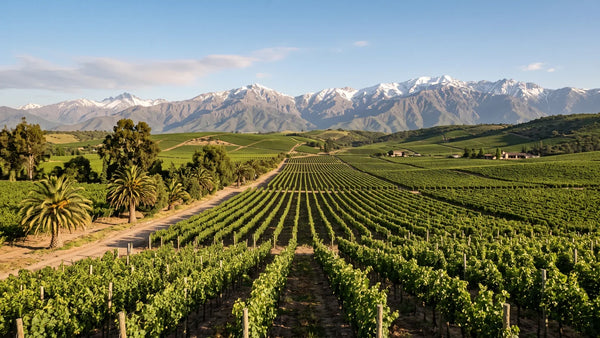
Delheim today comprises 375 hectares in the Simonsberg Ward of Stellenbosch, of which 89 hectares are reserved exclusively for nature conservation. This is not a marketing promise, but a lived practice for decades: since 2008, Delheim has held the Conservation Champion status from the WWF — as one of the few South African wineries. The vineyards are spread over two sites: the main farm Delheim and the higher-lying Vera Cruz — named after Spatz's wife Vera, supposedly because of the "cross" she had to bear with her husband.
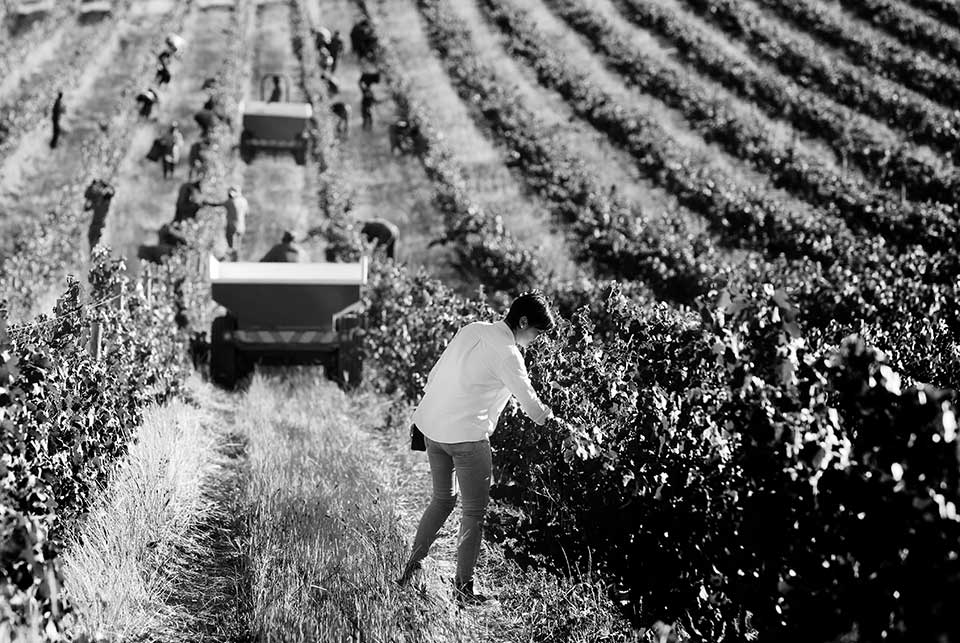
In the vineyard, Delheim works with fynbos corridors between the vines: the native shrubbery attracts beneficial insects and keeps pests away without the use of chemicals. Around half of the vineyard area is dry-farmed; irrigation only occurs as needed and is precisely controlled by pressure measurements. Wastewater is treated and reused; the old sprinkler system was replaced by drip irrigation, which significantly reduces water consumption. Anyone traveling on the grounds will encounter over 50 bird species, Cape foxes, caracals, and a native yellowwood tree over 300 years old.
Simonsberg in the glass: Pinotage, Chenin Blanc, and a legend named Spatzendreck
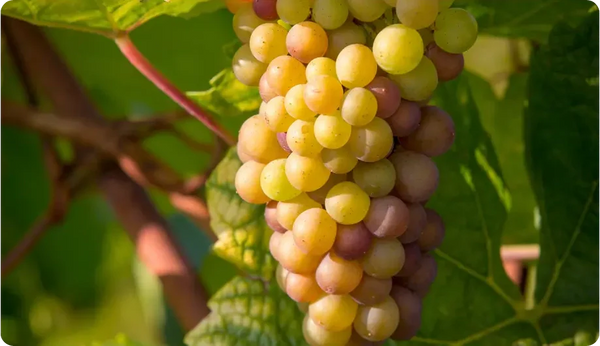
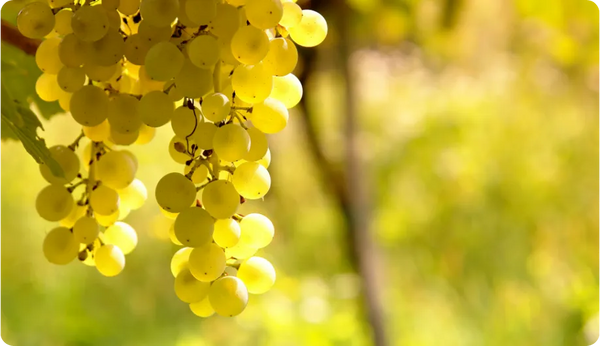
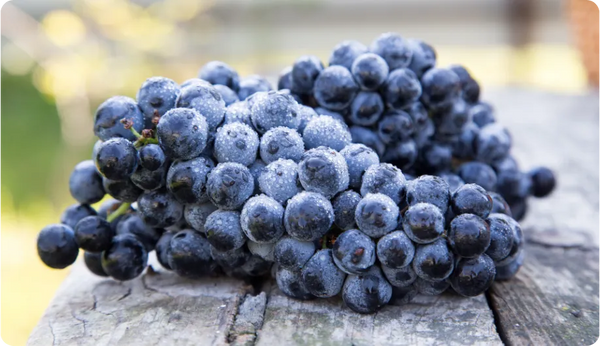
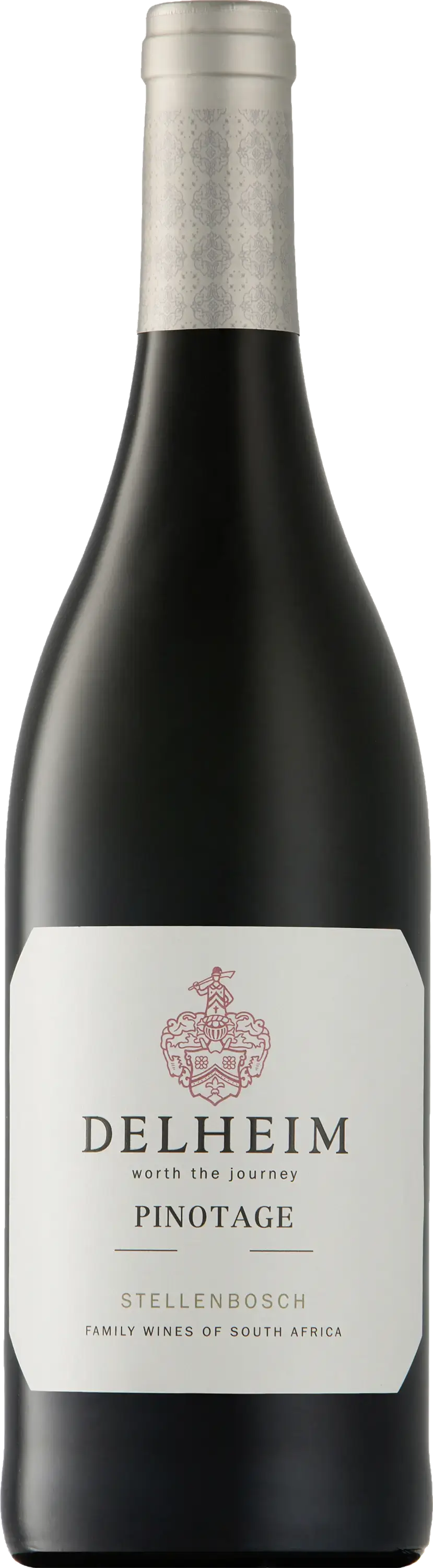
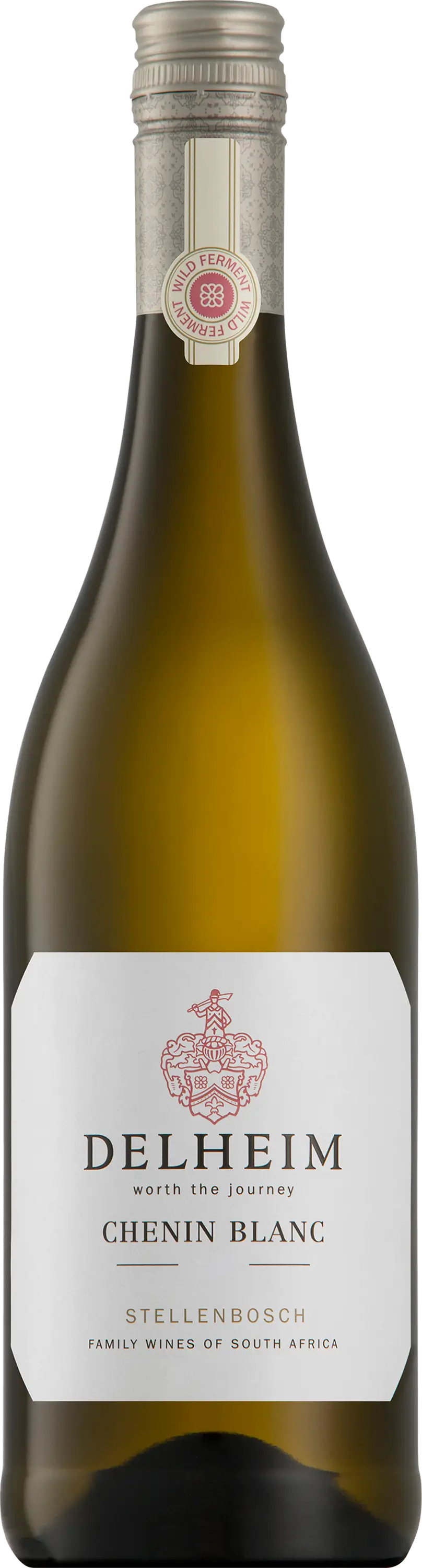
Delheim grows a wide spectrum of varieties — Chenin Blanc, Pinotage, Cabernet Sauvignon, Shiraz, Chardonnay, and others — and thus shows how versatile the Simonsberg is as a terroir. The vineyards are located at different altitudes, which ensures natural aromatics and acidic structure. The style is characterized by a mixture of accessibility and substance: the wines should be fun without being flat. This has tradition — the legendary Chenin Blanc "Spatzendreck", which came onto the market in 1970 with arguably the most idiosyncratic label in South Africa, still stands today for Spatz Sperling's mixture of artisanal seriousness and self-irony.
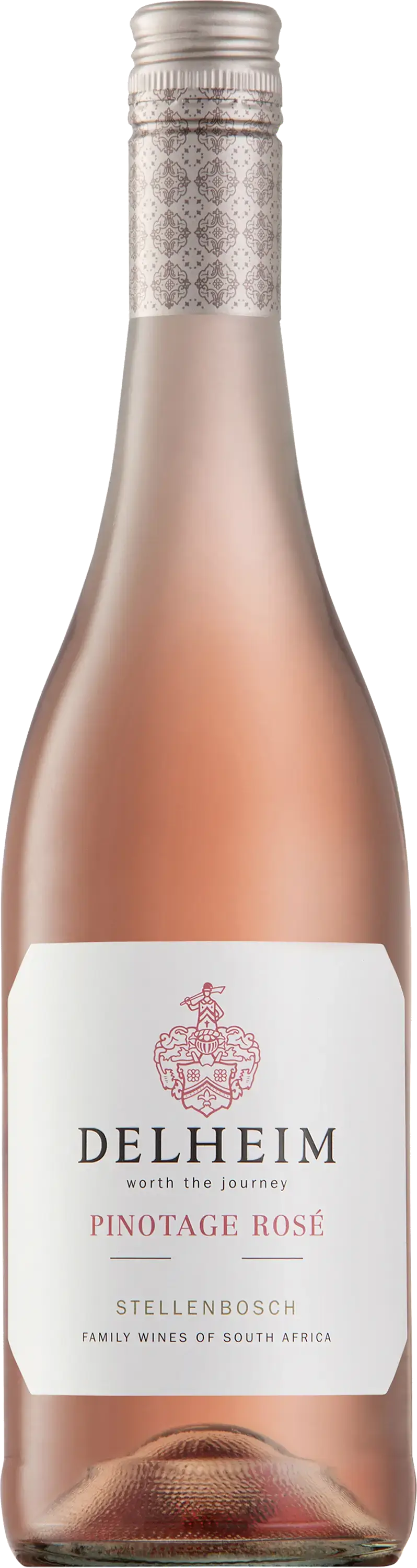
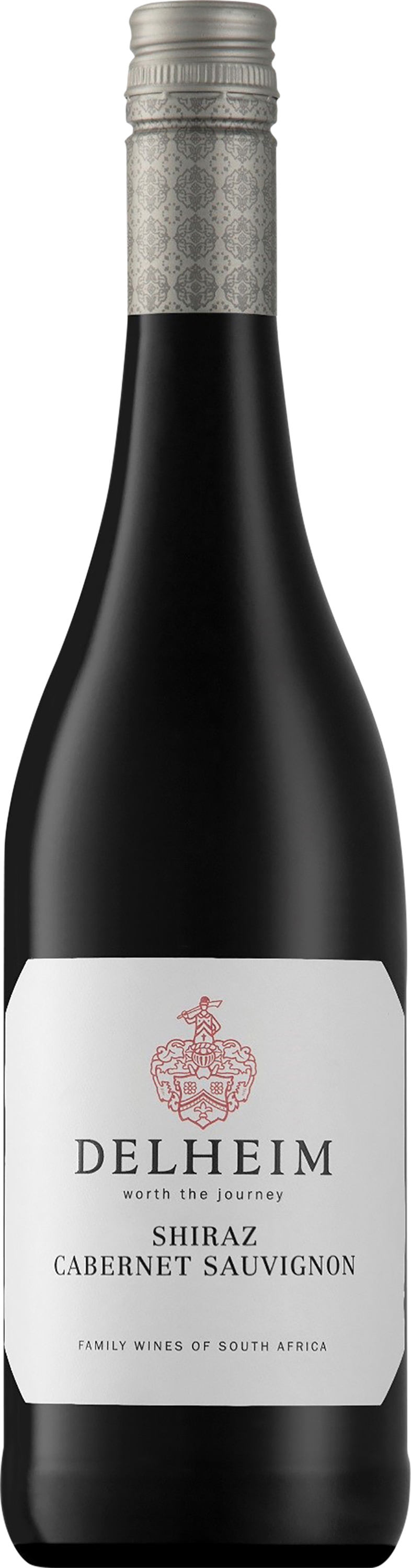
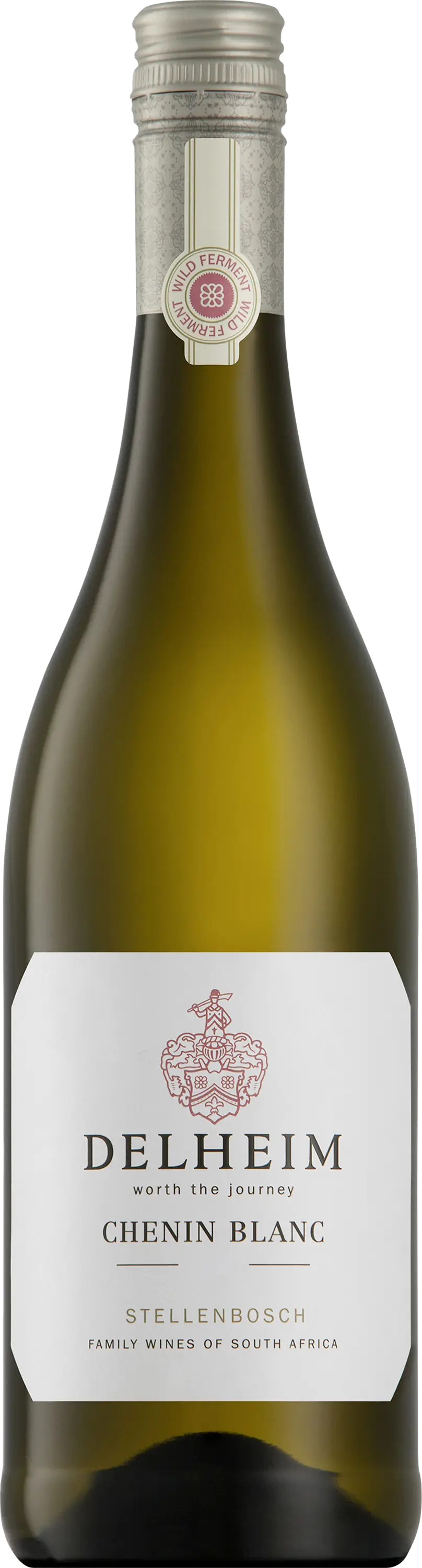
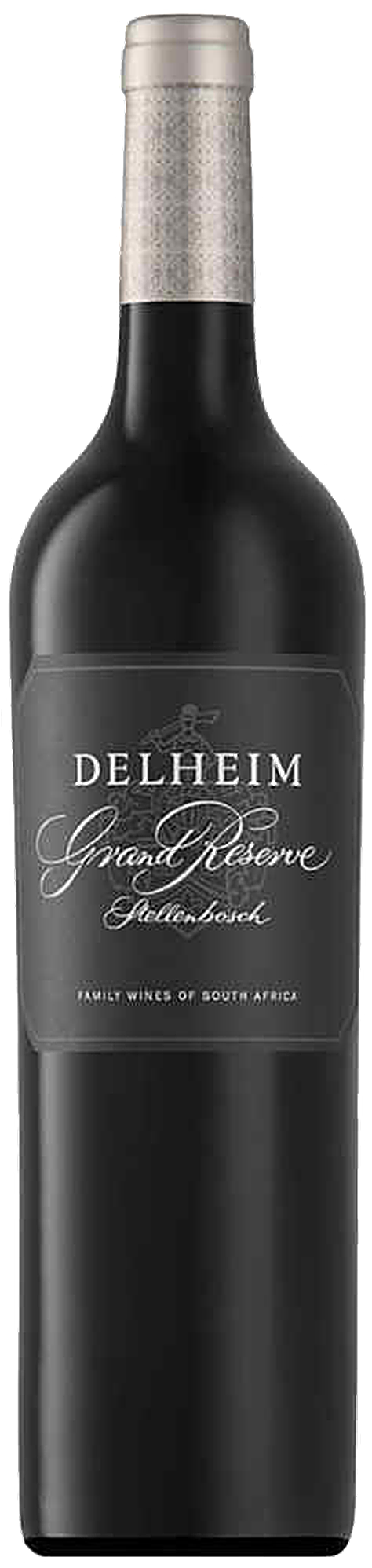
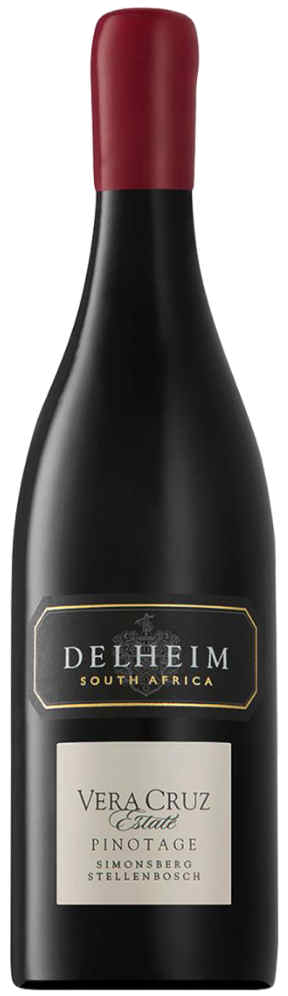
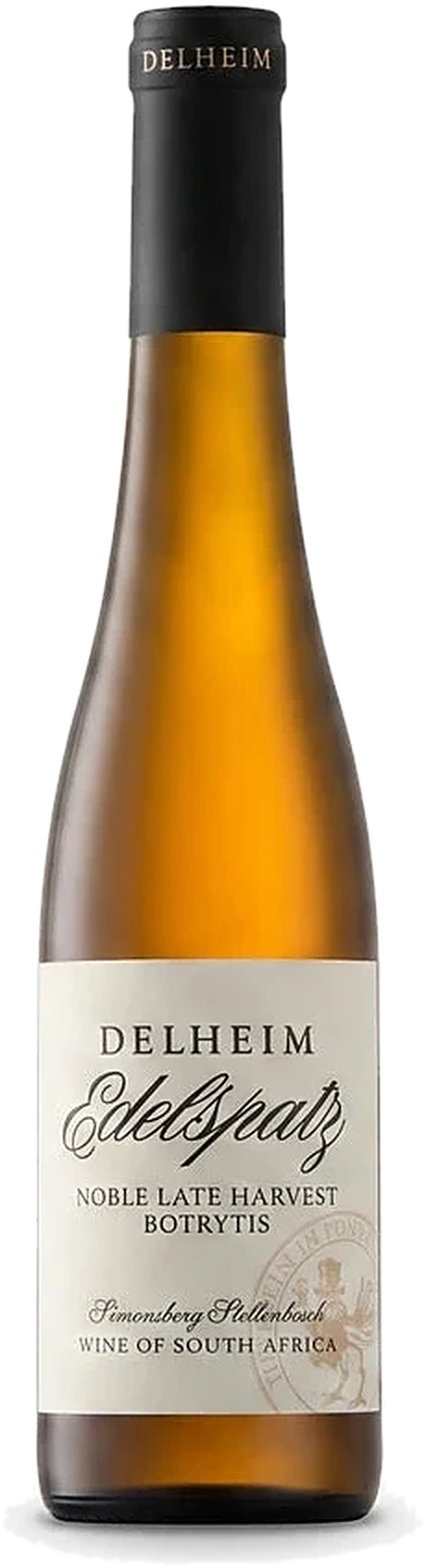
In our assortment, you will find not only the fresh Pinotage Rosé and the spicy Shiraz Cabernet Sauvignon, but also the Chenin Blanc Wild Ferment with spontaneous fermentation as well as the Grand Reserve Cabernet Sauvignon from the best sites on the farm. The Edelspatz Noble Late Harvest shows what overripe grapes on the Simonsberg can achieve: concentrated sweetness with lively acidity that carries the wine. Vera Cruz Pinotage, in turn, comes from the higher-lying mountain site — more structured, darker, with more depth than a simple estate wine.