
Old Mutual Wine Trophy Awards - Silbermedaille 2022
Awarded by Old Mutual Wine Trophy Awards
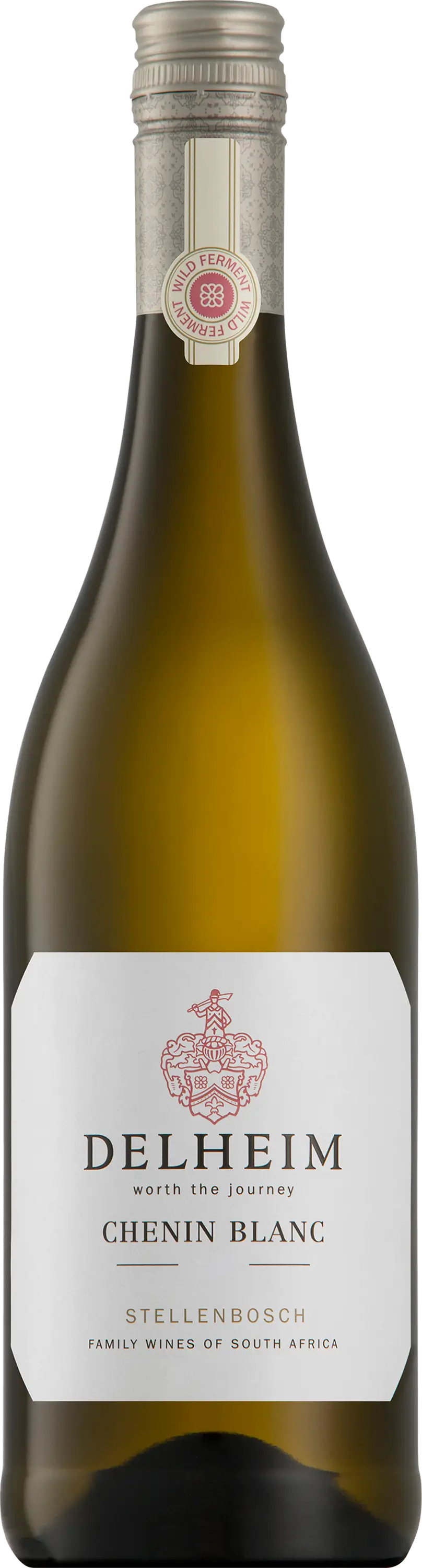
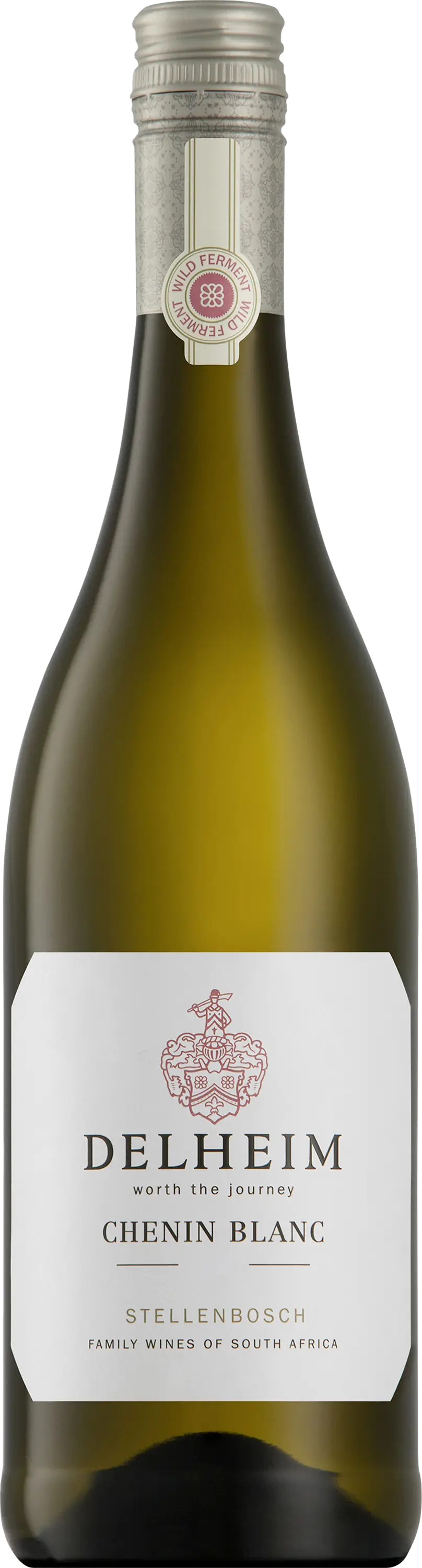
Delheim Chenin Blanc Wild Ferment

Delheim Chenin Blanc Wild Ferment
Spontaneous fermentation as a stylistic device: Delheim's Wild Ferment Chenin Blanc demonstrates what happens when nature is given more leeway. The result is a white wine with noticeable depth and a clear Stellenbosch terroir.
Delheim is one of the traditional wineries on the Simonsberg – one of the cooler, windswept sites in the Stellenbosch region. The natural yeast brings more complexity to the glass than cultivated pure yeast cultures: more unpredictable, but with more character.
On the nose, grapefruit, orange, and white peach, along with a delicate herbal note (savory) and a subtle oak frame. On the palate, the wine displays a lively acidity supported by juicy fruit – not a broad, heavy style, but rather taut with volume. The finish is fresh and clean.
John Platter awarded four stars for the 2016 vintage.
Serving suggestion: 10–12 °C, goes well with grilled cod, roast chicken with herbs, or a mature goat cheese. Also a good choice as an aperitif with some olives and focaccia.
Nutritional values per 100 ml
Legal & trade information
Review this product
Log in to review this product.
Delheim – South African wines with a German heart. Founder Hans Otto Hoheisen came to South Africa from Germany in the 1930s, established a farm and vineyards on the Simonsberg, and built a cozy living room for his wife Deli – "Deli's Home" became the name. He had a thirst for adventure, but lacked winemaking expertise. Giving up? Not an option. Somehow, he managed to produce his first Cabernet Sauvignon. From 1958, "Spatz" Sperling took over the cellar – with ambition, humor, and a Chenin Blanc with the ugliest label of 1970: "Spatzendreck" (Sparrow Droppings). A piece of German-South African wine history.
Bremendelheim.com
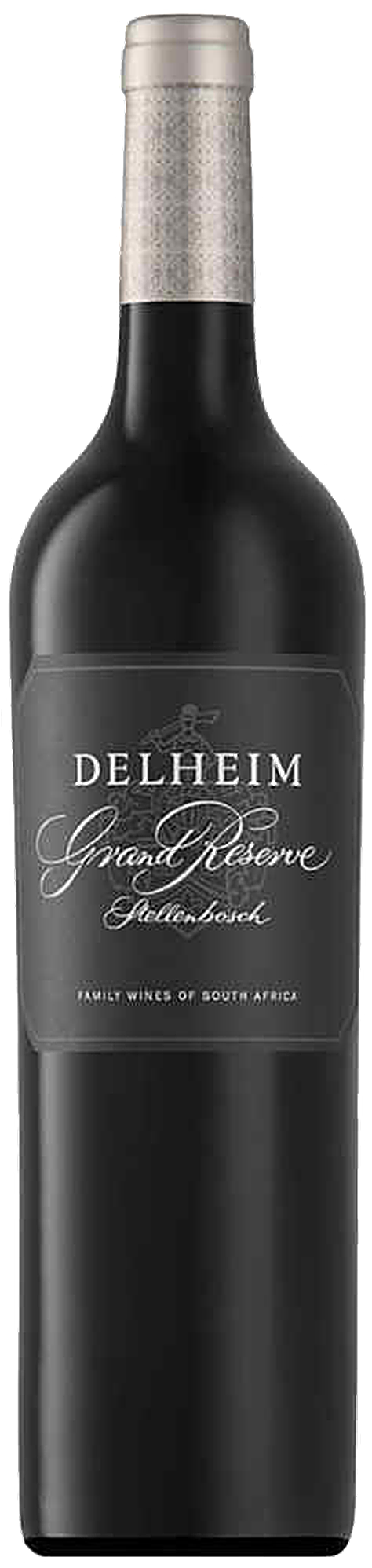
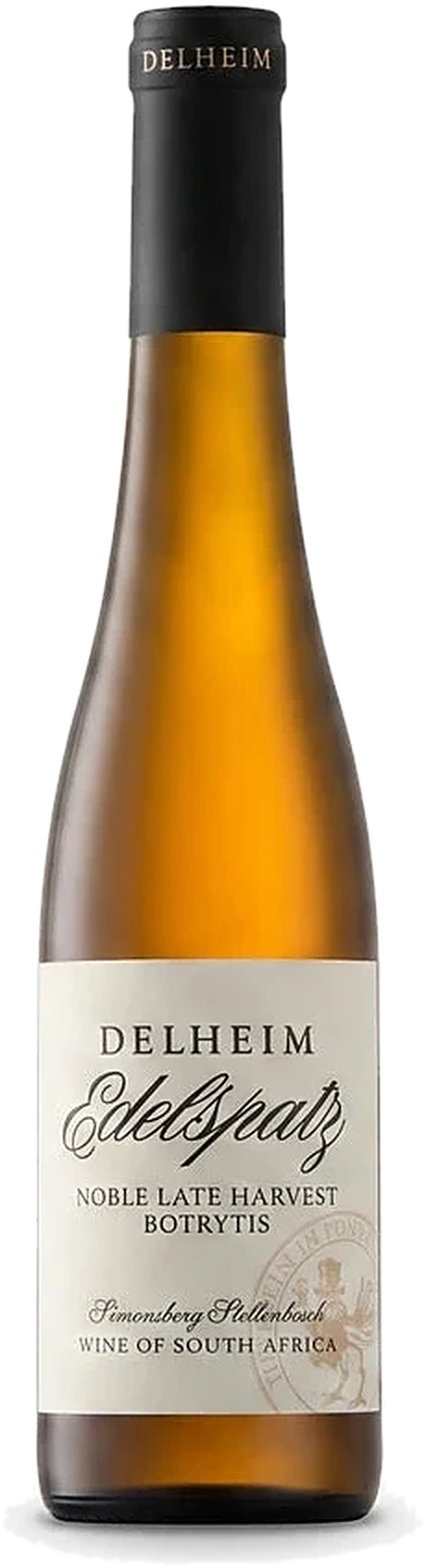
More from Delheim

John Platter Rating 2025
Awarded by John Platter (South African Wine Guide)
Tim Atkin Master of Wine 2022
Awarded by Tim Atkin MW

Platter's Wine Guide 2024 - 5 Sterne
Awarded by Platter's Wine Guide


Only Good News!
Promise!
Only Good News!
Promise!
Similar products
Wine Enthusiast 2024
Awarded by Wine Enthusiast
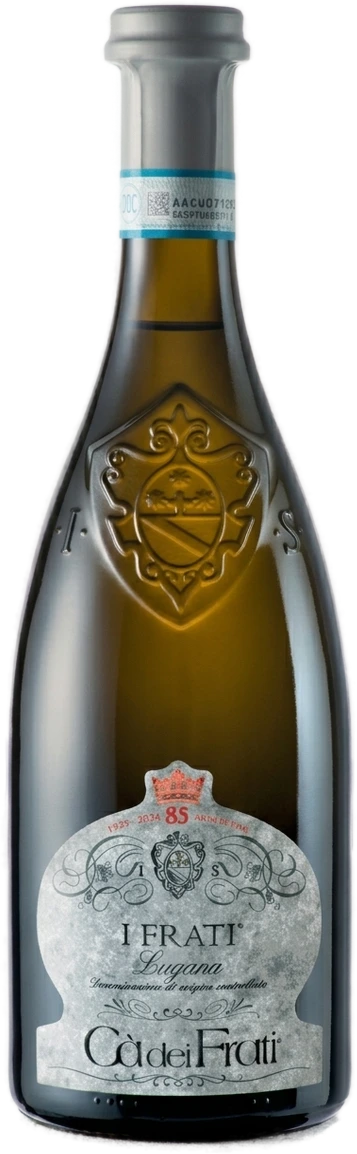
Sauvignon Blanc Trophy DE 2025
Awarded by Falstaff
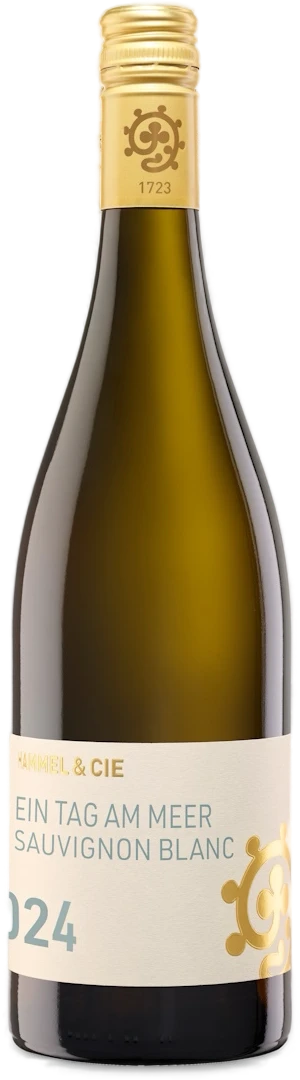
Gilbert & Gaillard 2023
Awarded by Gilbert & Gaillard
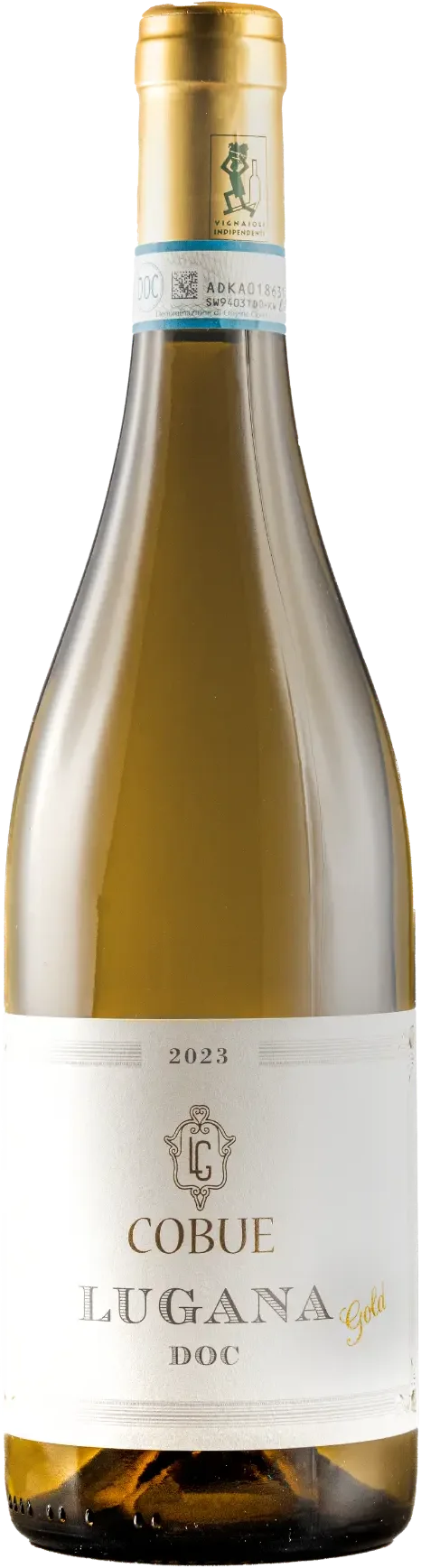
Weinzeche-Punkte 2025
Awarded by Weinzeche GmbH