From governor's land to South Africa's reference winery
On February 1, 1700, Vergelegen — Dutch for "situated far away" — was assigned as land to the Governor of the Cape Colony, Willem van der Stel. This makes the estate older than many traditional wineries in Europe. Vergelegen has been owned by Anglo American since 1987, one of the largest mining corporations in the world, which had the then-fallow estate fundamentally restored and the vineyards replanted. After two years of intensive climate and soil analysis, the first new vines were planted in 1989; the first vintage appeared in the bottle in 1991. Since then, the estate in Somerset West, on the eastern shore of False Bay, has solidified its place among the leading addresses of the Cape. The Cape Dutch manor house and the surrounding 18 gardens were declared a provincial cultural monument of the Western Cape Province in 2019.
Vineyard, cellar, and a nature reserve as an operational basis
Vergelegen extends over about 3,200 hectares between the Helderberg and the Hottentots-Holland Mountains. Of this, 133 hectares are planted with vines, predominantly Bordeaux varieties, on soils of granite, shale, and alluvium, at altitudes between 140 and 310 meters above sea level. False Bay is only six kilometers away: the Atlantic sea breeze keeps temperatures cool, extends the growing season, and drives up natural acidity — in cool years, Cabernet Sauvignon is harvested only at the beginning of May, significantly later than in the rest of Stellenbosch. The modernly designed gravity-flow cellar works according to the gravity principle to minimize mechanical intervention in the mash. Cellar master Luke O'Cuinneagain, who followed the long-serving André van Rensburg in 2022 and previously worked at Glenelly, Screaming Eagle, and Château Angélus, among others, streamlined the assortment from 17 to 10 wines in 2024, with a clear focus on terroir expression and minimal intervention.
The estate's sustainability work extends far beyond the vineyard. As early as 1995, Vergelegen started a program to remove invasive vegetation — the largest private project of its kind in South Africa. The resulting 1,900-hectare nature reserve is managed jointly with CapeNature and enjoys the same protection status as Kruger National Park. The number of bird species increased from 50 in the year 2000 to 146, including four pairs of the endangered blue crane. Since its first award in 2005, Vergelegen has been a continuous WWF Biodiversity and Wine Initiative Champion — longer than any other winery worldwide. At the Drinks Business Amorim Biodiversity Award, the estate won against four international competitors in 2024. The winery runs entirely on solar power: a system of 500 panels has disconnected the estate from the public grid.
Bordeaux depth with Atlantic freshness
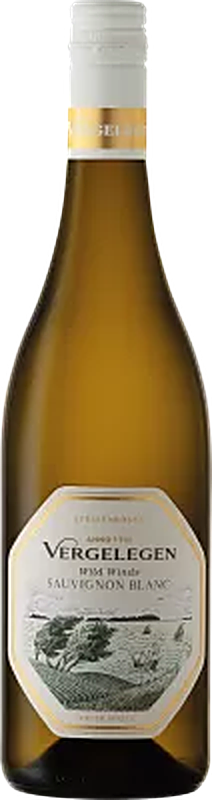
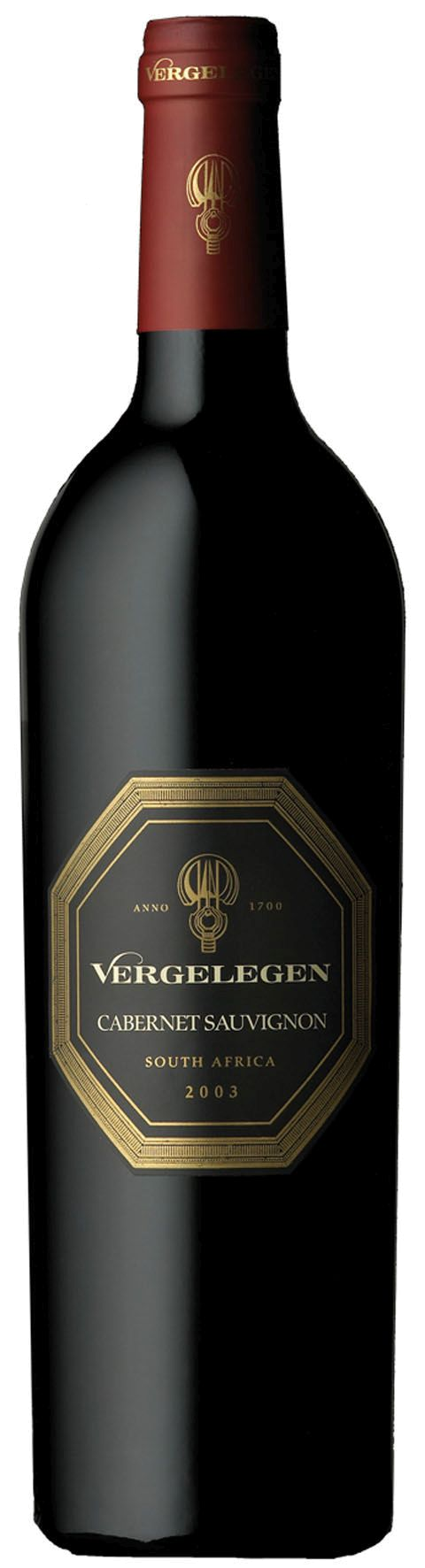
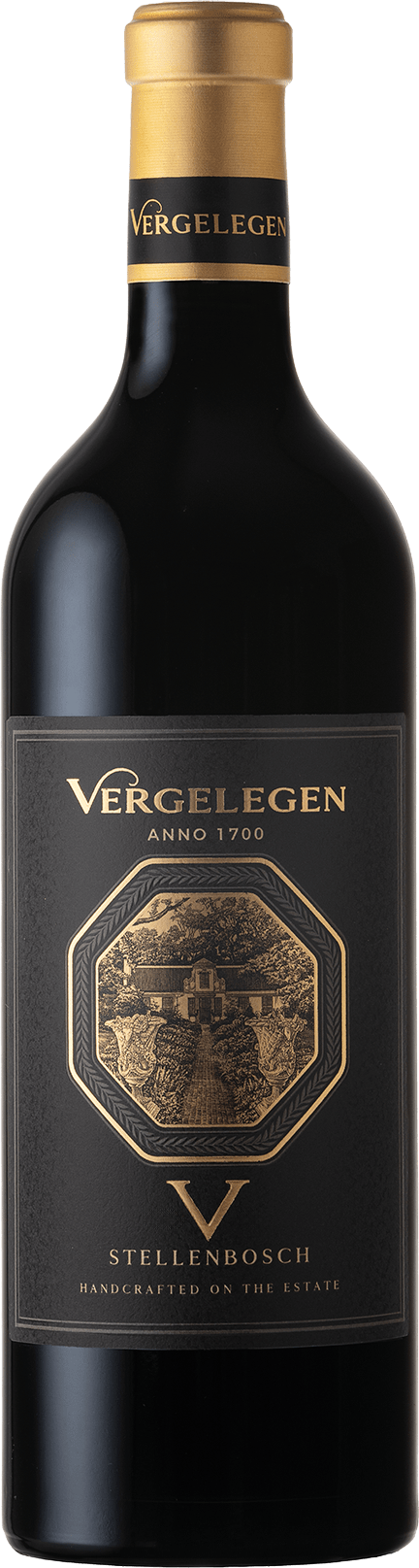
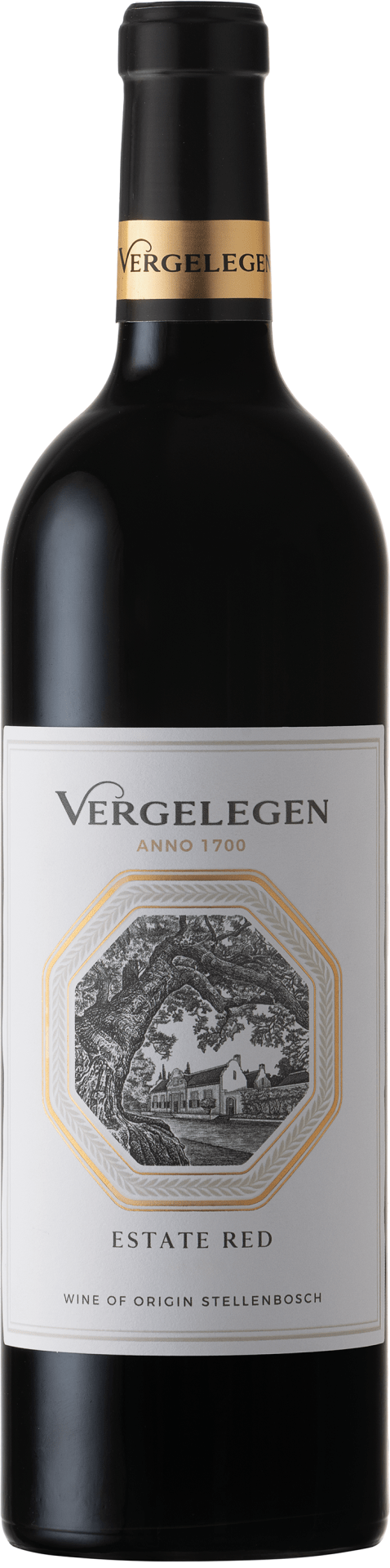
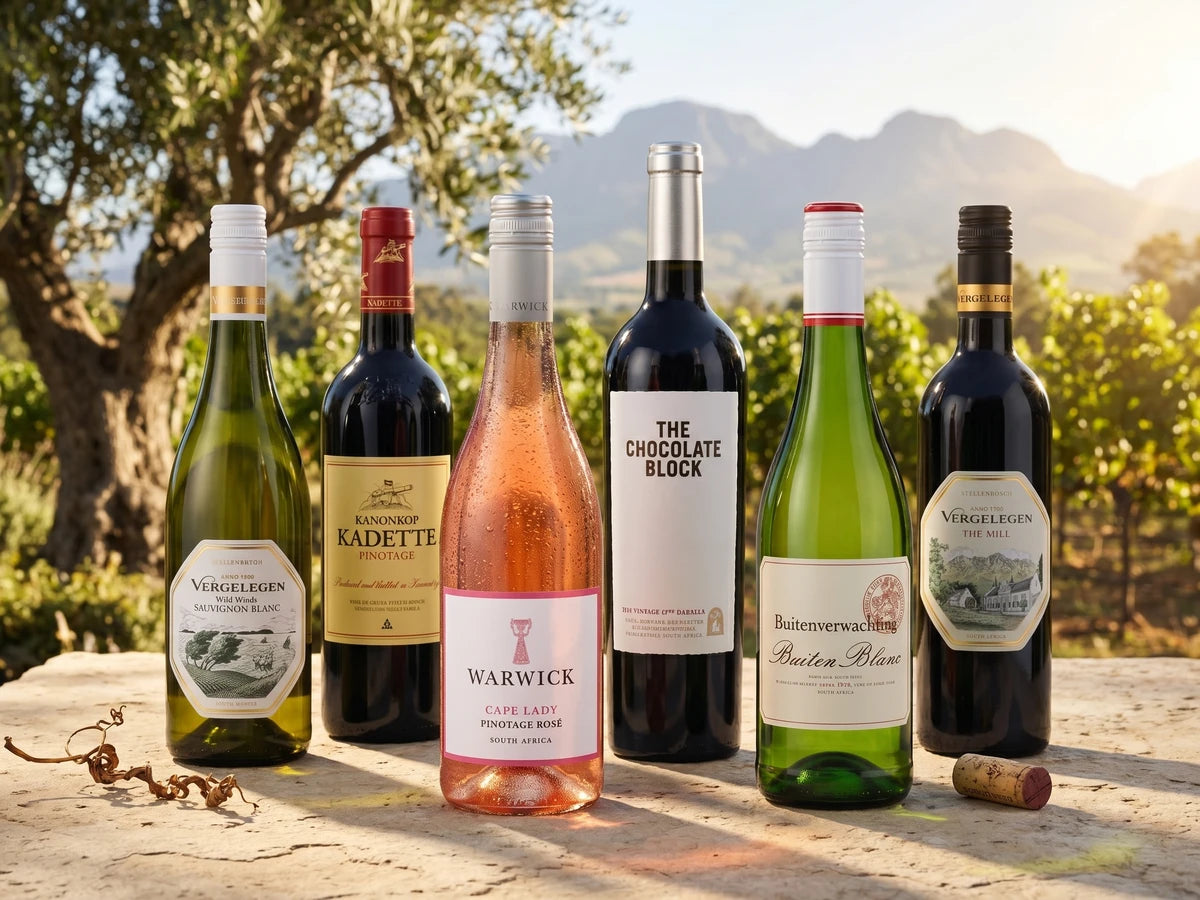
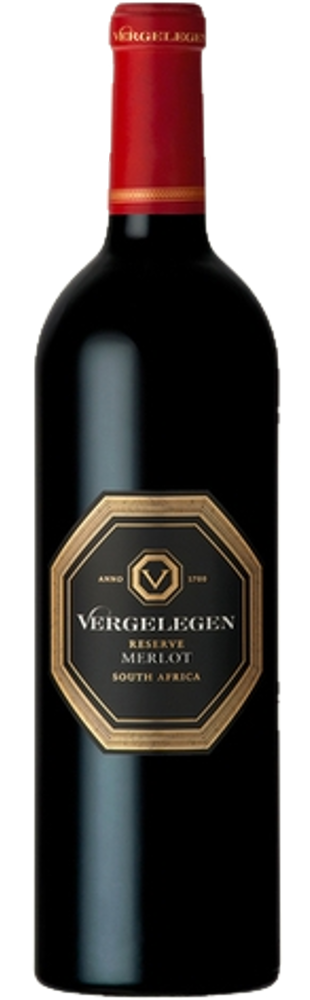
The assortment revolves around Cabernet Sauvignon, Merlot, and Cabernet Franc as the leading red grape varieties, as well as Sauvignon Blanc, Chardonnay, and Sémillon on the white side. The flagship red wines — above all the Estate Red, a cuvée with a Cabernet Sauvignon dominance — show aromas of dark cassis, plum, graphite, and cedarwood, supported by a firm, Atlantic-influenced acidity structure and age-worthy tannins. The white wines benefit from the long, cool ripening cycle: the Chardonnay Reserve develops citrus and ripe pear with fine graininess, while the Wild Winds Sauvignon Blanc remains precise and cool despite its body. The style overall: classically influenced, designed for harmony between fruit and structure — without the opulence that warmer sites of the Cape produce.