In Deutschkreutz since 1719: A family writes Burgenland history
Weingut Gesellmann from Deutschkreutz is one of the oldest wineries in Central Burgenland — the first documented mention of the estate dates back to 1719. Since then, many generations of the family have passed on their knowledge and constantly redefined it in exchange with the times. Engelbert Gesellmann made the decisive leap into modernity in the 1980s: as one of the first winemakers in the region, he planted international grape varieties such as Cabernet Sauvignon and Merlot and aged them in French barriques — a step that sustainably shaped the entire viticultural landscape of Central Burgenland. From this pioneering work, the two now-legendary cuvées Opus Eximium (first in 1988) and Bela Rex (first in 1992) were created. Since 1993, Albert Gesellmann has managed the winery together with his wife Silvia, and the next generation — daughter Francesca and son Konstantin — is already in the starting blocks, gaining international experience and bringing in new perspectives.
Organic by conviction: Work in the vineyard and cellar
50 hectares of vineyards around Deutschkreutz form the basis of the operation — a size that is deliberately chosen to supply wine lovers worldwide in limited quantities rather than serving the mass market. Since 2015, all vineyards have been organically certified, driven not by a trend, but by the ambition to leave healthy soil for the next generation. Some of the old vines are up to 90 years old — they regulate the yield naturally, which benefits the concentration of the grapes. Harvesting is done exclusively by hand, and the berries are carefully selected. The Pannonian climate does the rest: hot, sunny days and cool nights ensure that the grapes ripen slowly and evenly and retain their natural acidity structure. In the cellar, Albert Gesellmann relies on modern technology without losing sight of regional stylistic features — the focus is on wines with pepperiness, spice, and precise acidity rather than a heavy, overly fruit-forward style.
Blaufränkisch at the center — and a range with attitude
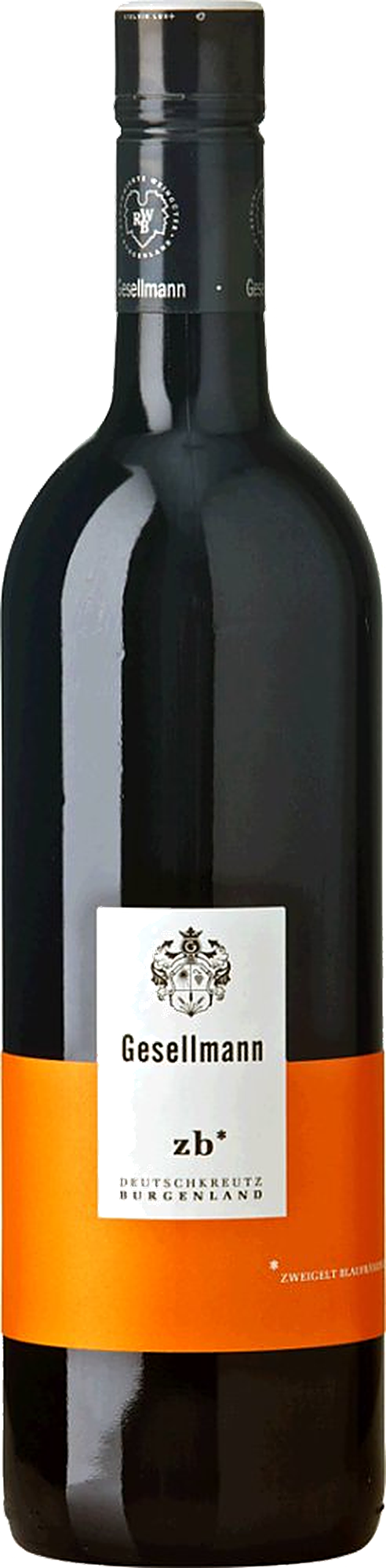
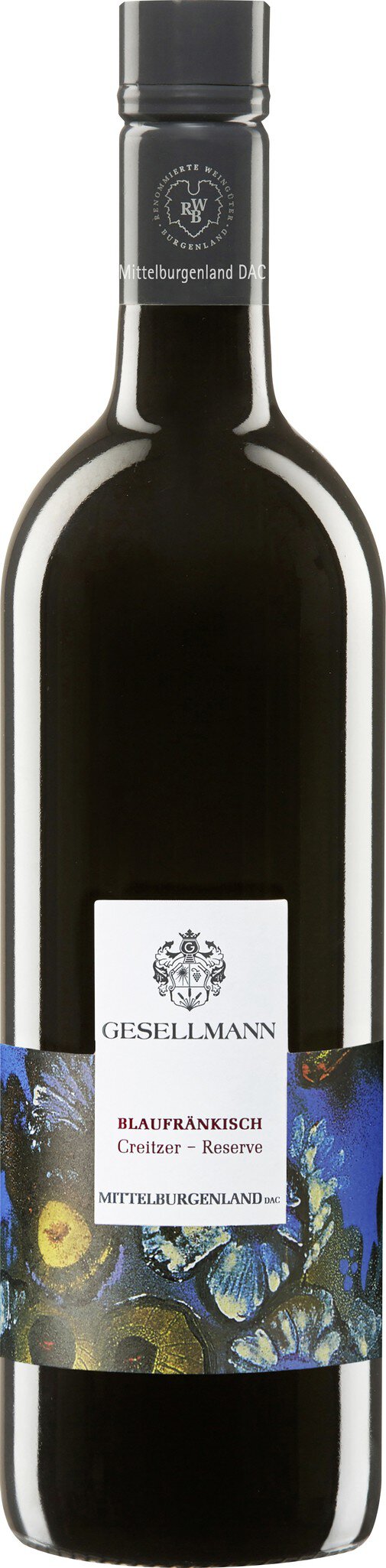
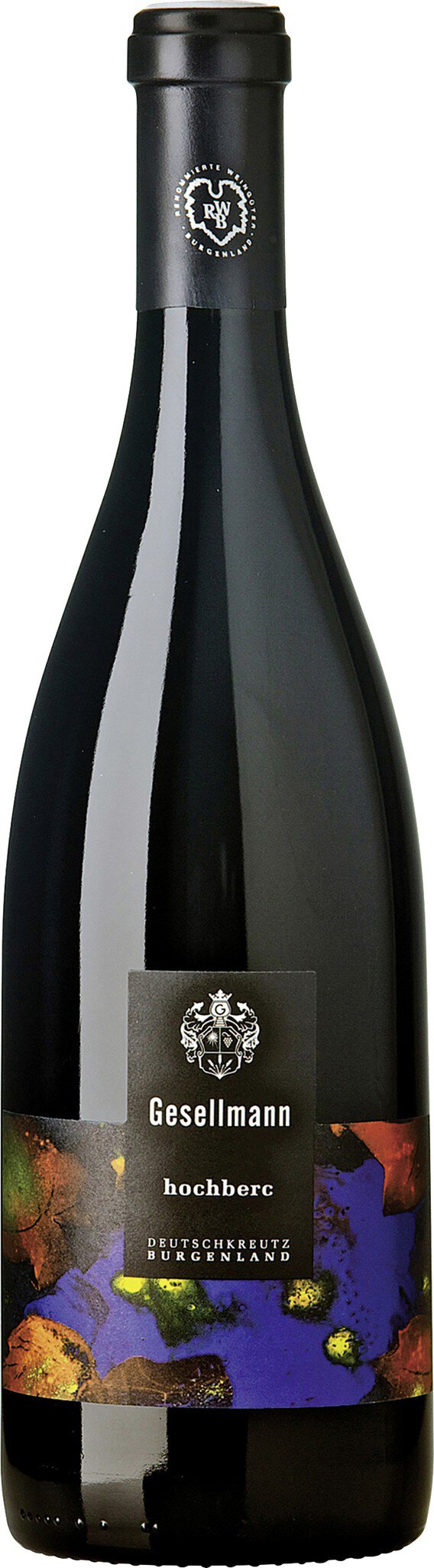
90 percent of the vineyard area is planted with red varieties, and Blaufränkisch is clearly at the center. Alongside it grow St. Laurent, Zweigelt, Merlot, Cabernet Sauvignon, Syrah, and Pinot Noir, and among the whites, primarily Chardonnay and Sauvignon Blanc. The portfolio spans from the accessible Blaufränkisch vom Lehm and the site-driven Blaufränkisch Hochberc to the autochthonous cuvée G made from Blaufränkisch and St. Laurent, and finally to the international cuvées Bela Rex and Opus Eximium. The cuvée G — in the range since 1997 and sourced from the estate's oldest vines — is considered a prime example of what Blaufränkisch can achieve in its purest form: depth, spice, and salty minerality. Those who drink their way through the Gesellmann range experience how a family has learned over centuries to truly understand a soil.