

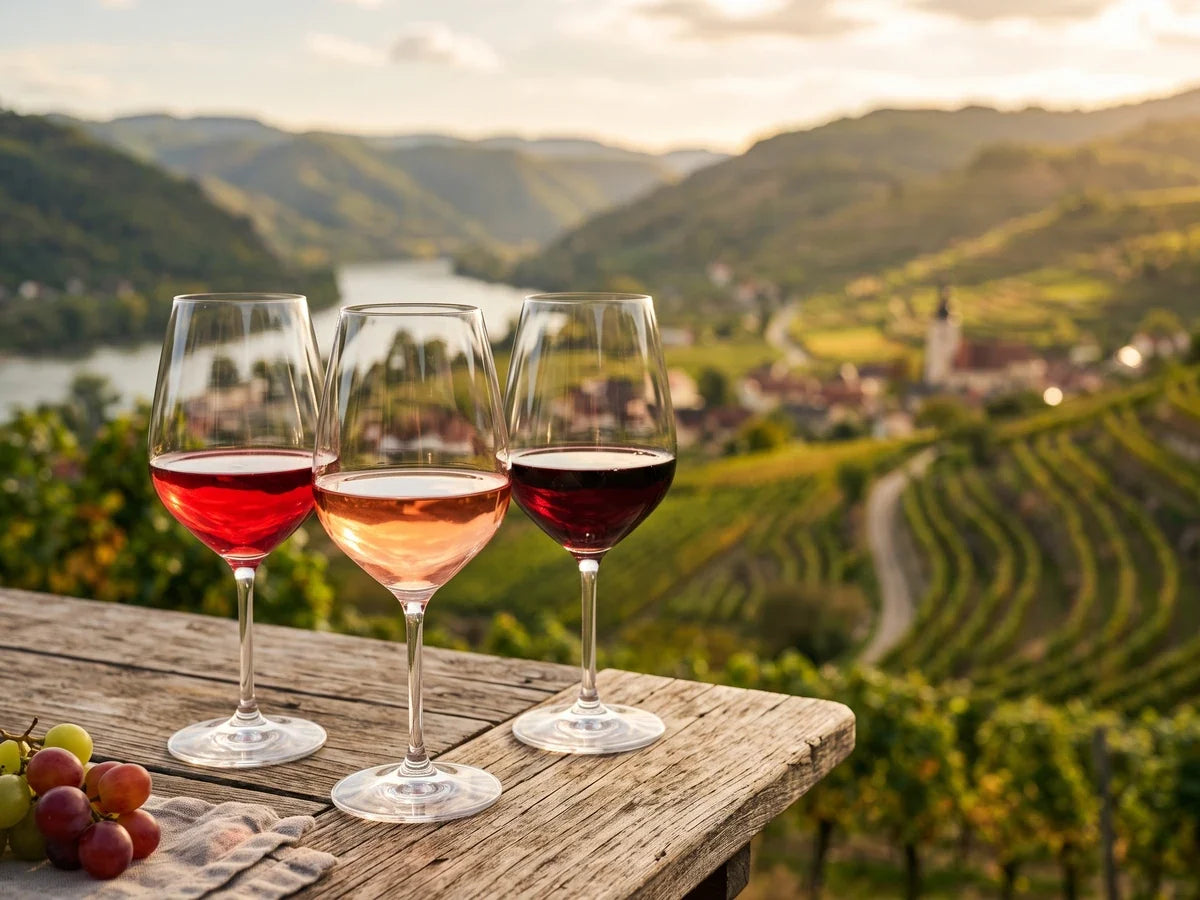
Austria is one of the most exciting wine nations in Europe. In a comparatively small area, wines of enormous precision and individuality are produced here – above all the world-famous Grüner Veltliner, but also deep, spicy red wines and fine sparkling wine. In keeping with our Wine & Dine “Wines from Austria”, we will take you from the Wachau to Burgenland.
Grüner Veltliner – the Austrian world star
No grape variety represents Austria as much as the Grüner Veltliner. It is the most widely planted variety in the country and a true ambassador: crisp, dry, with aromas of green apple, white pepper, and a spicy freshness that makes it unmistakable. From light, zesty everyday wine to deep, age-worthy top-tier wines, it covers the entire spectrum – and is one of the best food companions of all.
In addition to Veltliner, Austria shines with racy Riesling, which reaches world-class status especially on the steep terraces of the Danube, as well as with Pinot Blanc, Chardonnay, and the aromatic specialty Gelber Muskateller.
The great white wine regions on the Danube
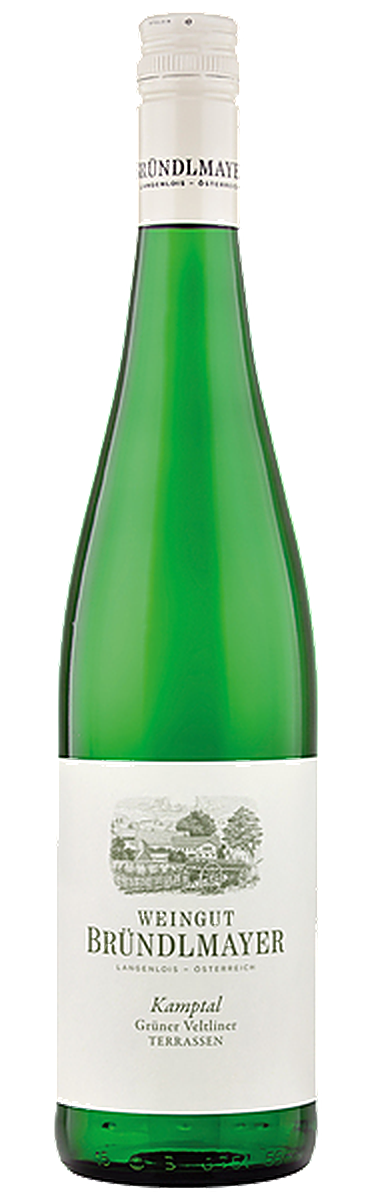
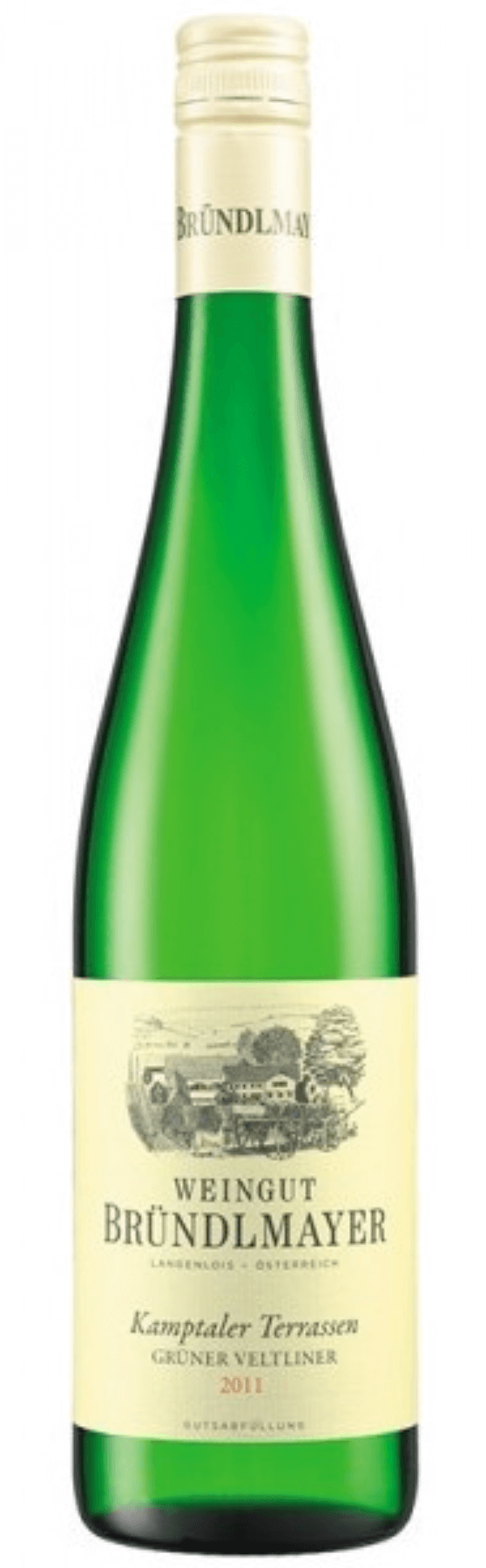
The heart of Austrian white wine beats in Lower Austria, along the Danube. The Wachau is the most famous region: spectacular stone terraces above the river, where Grüner Veltliner and Riesling ripen into great, mineral wines. Its own quality levels apply here – Steinfeder, Federspiel, and Smaragd – which describe the degree of ripeness. Directly adjacent are the Kamptal and Kremstal, home to star winemakers like Bründlmayer and famous vineyards like the Zöbinger Heiligenstein.
The DAC system serves as a guide: it identifies region-typical wines with a protected origin profile – such as “Kamptal DAC” for the typical Veltliners and Rieslings of the region.
Red wine country Burgenland
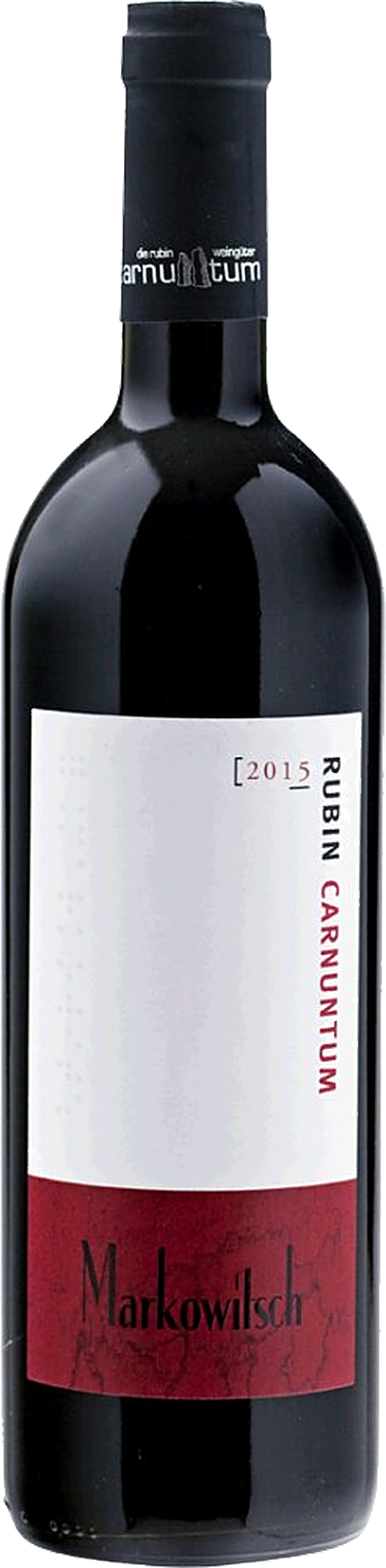
The fact that Austria can also produce great red wines is proven above all by Burgenland in the east, around the shallow, heat-retaining Lake Neusiedl. The most important red varieties are native: Zweigelt – the most widely planted red wine variety in the country – produces juicy, cherry-fruited wines. Blaufränkisch stands for deep, spicy, age-worthy red wines with character, and St. Laurent for velvety, Burgundy-like wines. Names like Paul Achs, Gesellmann, or Markowitsch (from the neighboring Carnuntum) stand for this new class of red wine.
Burgenland is also home to great sweet wines: thanks to ideal conditions, luscious rarities of world renown are created around Lake Neusiedl.
Sweet treasures from Lake Neusiedl
An Austrian specialty of world-class status are the luscious wines around Lake Neusiedl in Burgenland. In autumn, the shallow steppe lake provides humid mists that favor noble rot (Botrytis) – ideal conditions for concentrated Beerenauslesen, Trockenbeerenauslesen, and the legendary Ruster Ausbruch. These golden-yellow rarities are dense, honey-sweet, and yet carried by a lively acidity – a perfect conclusion to any festive menu.
From scandal to quality renaissance
A brief look back explains why Austrian wine is so good today: in 1985, a wine scandal shook the industry. The reaction was radical – Austria gave itself one of the strictest wine laws in the world and focused on quality instead of quantity. The crisis turned into an unprecedented rise: today, Austrian wine is among the absolute best in the world and is considered a prime example of consistent quality work.
Sparkling: Austrian Sekt
Austria also has a lot to offer when it comes to sparkling wine. The Sekt g.U. is its own strictly regulated quality pyramid, and houses like Schlumberger have been producing fine Sekt using traditional bottle fermentation for over 175 years – a sparkling start for any occasion.
Wine culture you can touch: the Heurige
A lived wine culture is part of Austria like almost nowhere else: the Heurige. In these rustic wine taverns, winemakers serve their youngest vintage directly from their own cellar – accompanied by hearty platters with spreads, bacon, and cheese. A green pine branch hanging over the door signals: open. From the outskirts of Vienna to the wine villages of Lower Austria, the Heurige is the most comfortable way to experience Austrian wine where it is created – down-to-earth, warm, and always in good company.
These Austrian wines you should know
- Bründlmayer Grüner Veltliner Kamptaler Terrassen – Veltliner in its purest form from one of the best estates in the country.
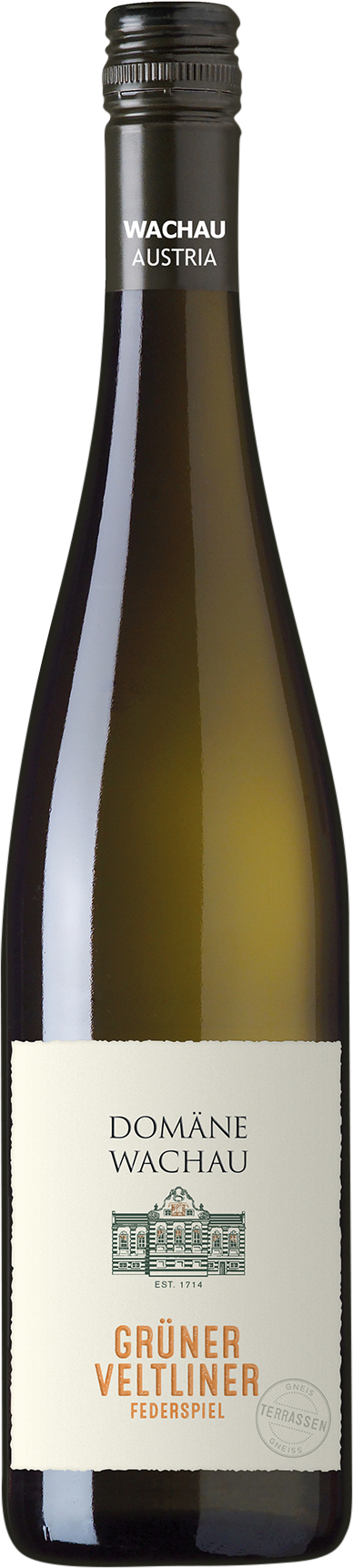
- Domäne Wachau Grüner Veltliner Federspiel – classic Wachau Veltliner, fresh and spicy.
- Bründlmayer Kamptal Terrassen Riesling DAC – racy Riesling from the terraces of the Kamptal.
- Paul Achs Blaufränkisch Heideboden – Burgenland red wine with depth and spice.
- Markowitsch Rubin Carnuntum – a juicy, modern Zweigelt cuvée.
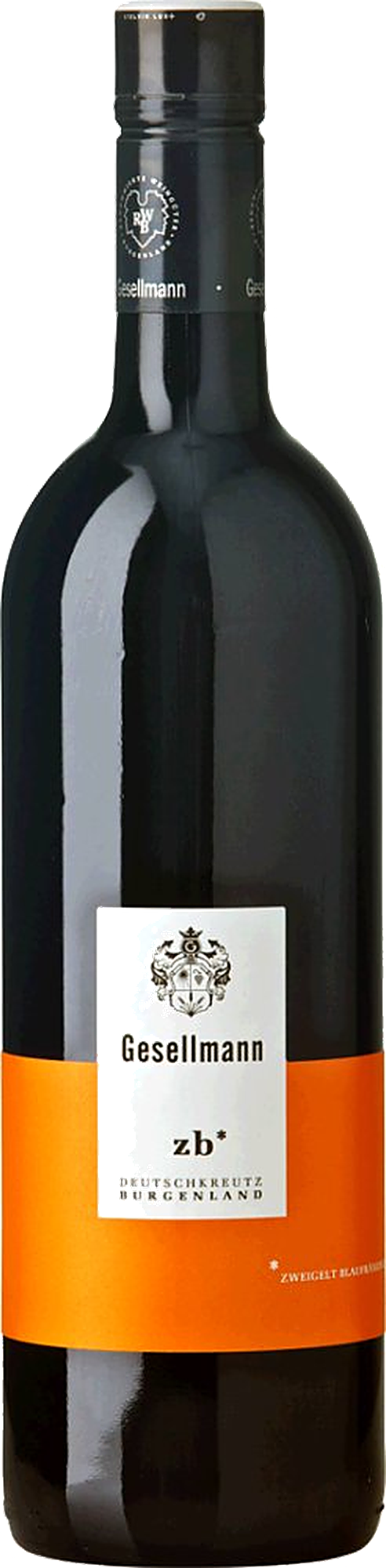
- Gesellmann ZB Zweigelt Blaufränkisch – accessible and fruit-forward.
- Schlumberger Sparkling Sekt Brut – the sparkling classic.
- Bailoni Marillenschnaps – as a digestif, a piece of Wachau apricot tradition.
Which Austrian wine is right for you?
The variety can be overwhelming at first – here is a little orientation. If you are looking for a fresh, versatile white wine for every day, a Grüner Veltliner from the Kamptal or the Wachau is the safe choice. If you like it mineral and racy, reach for the Riesling from the Danube terraces. For red wine lovers, a juicy Zweigelt is the ideal entry point, while the deeper Blaufränkisch is for special occasions. And if you want it to sparkle festively, there is no way around an Austrian Sekt. This way, everyone finds their wine, from everyday life to celebrations.
What do the wines go with?
The Grüner Veltliner is an all-round talent: it goes well with Wiener Schnitzel, asparagus, fish, and even difficult candidates like Asian cuisine. Riesling accompanies fish and poultry, the Burgenland red wines harmonize with grilled food, game, and strong cheese. And a glass of Austrian Sekt is the perfect aperitif for any festive occasion.
Experience Austria at our Wine & Dine
Want more? At our Wine & Dine “Wines from Austria” on 18.09.2026, we will taste the variety of the country – from the Wachau to Burgenland – accompanied by a suitable menu. The ideal opportunity to experience Grüner Veltliner, Riesling, and Blaufränkisch in a direct comparison.
Our conclusion
Austria combines precision, variety, and character like hardly any other wine nation: crisp white wines from the Danube terraces, deep red wines from Burgenland, and fine Sekt. Anyone who loves clear, honest, and expressive wines cannot ignore Austria – a country that always surprises in the glass.





We would love to hear what you think
What did you make of this article? Drop us a few lines — we read every comment.
Log in to join the conversation. Log in now