Rethinking the Starhemberg Domain as a cooperative
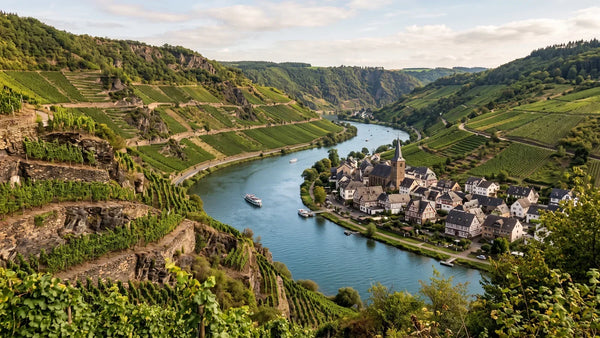
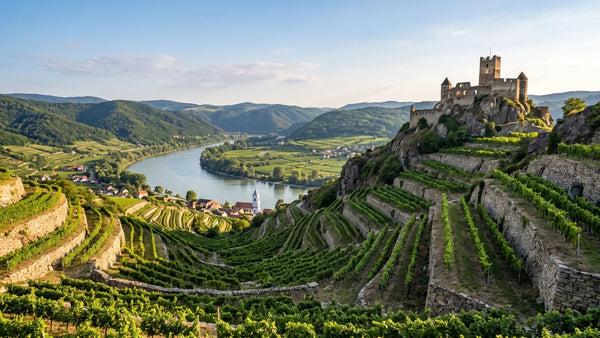
The history of the Domäne Wachau dates back to the year 1137, when the winery of the Dürnstein estate was first mentioned in writing. The owners changed over the centuries – including a short period under the Habsburgs – until the estate came into the possession of the Starhemberg family. Around 1790, the Starhembergs purchased the vineyards and the Kellerschlössel from the estate of the secularized Dürnstein monastery. The year 1938 marked the decisive turning point: Ernst Rüdiger von Starhemberg sold the domain to the vineyard tenants, which led to the creation of the Wachau winegrowers' cooperative. In 1990, the company operated under the name "Freie Weingärtner Wachau" before the current name, Domäne Wachau, was introduced in 2008. The headquarters are in Dürnstein – at the foot of the legendary Kellerberg, in the middle of the UNESCO World Heritage site of Wachau.
Cooperative as a quality model: 200 winegrowers, one signature
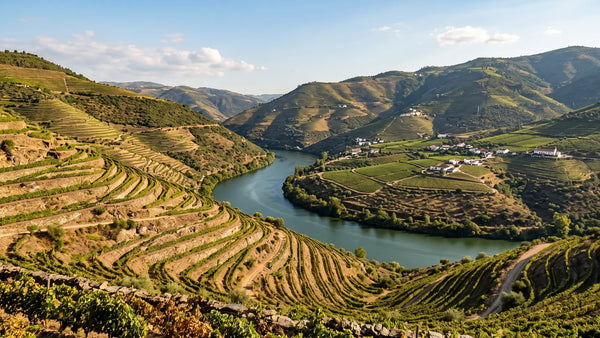
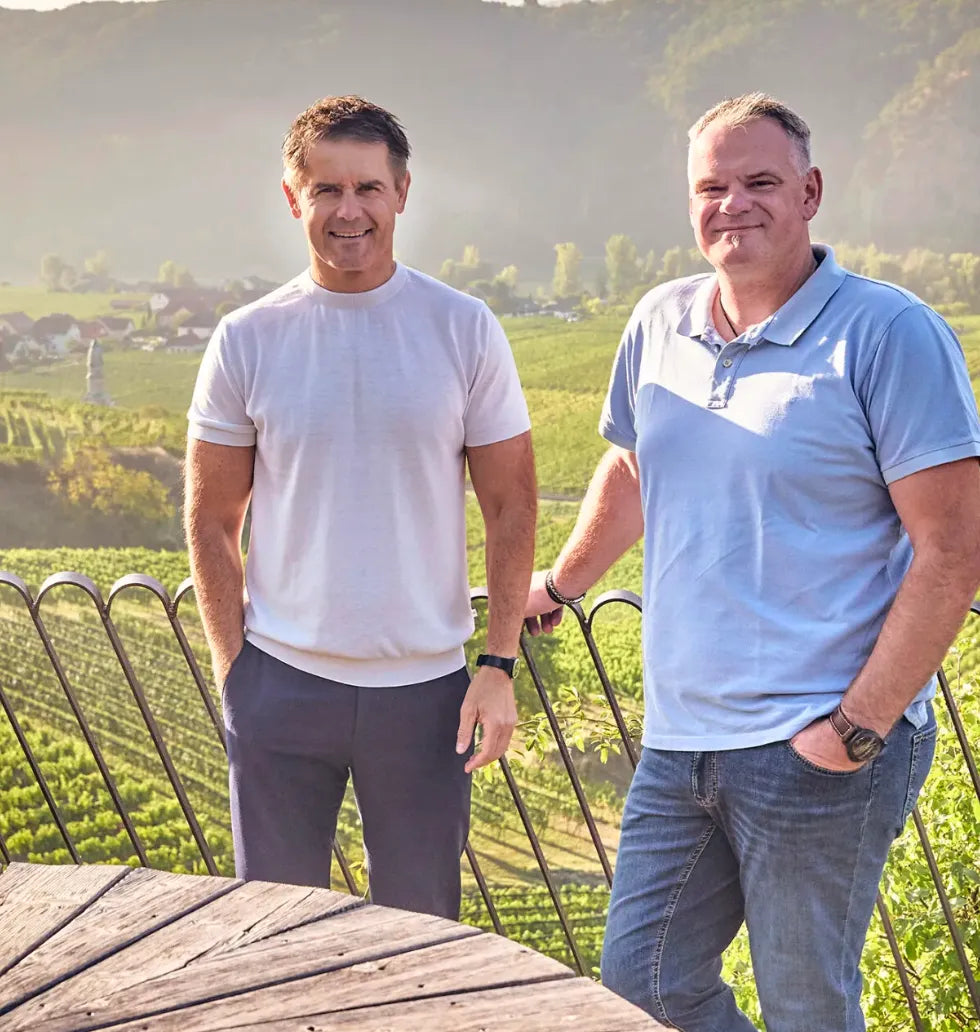
What Roman Horvath MW as winery manager and Heinz Frischengruber as cellar master have built over the past two decades is not a classic cooperative model – it is a counter-design. Around 200 winegrowers manage their plots independently, on average less than two hectares per farm, largely by hand. No work step on the steep stone terraces can be done by machine; hand-picking and targeted selection are mandatory. Cellar master Frischengruber acts as a mentor to the winegrowers, and each plot has a defined cultivation concept. In the cellar, the domain works according to the principle of "controlled non-intervention": as little interference as possible in the winemaking process so that the origin, vintage, and variety remain as precisely readable as possible. Over 150 hectares are already farmed organically; the goal is 100%. Biodiversity, cover cropping, and the avoidance of herbicides are not marketing formulas, but a prerequisite for vineyard maintenance in a Natura 2000 protected area.
Economic fairness is also a central concern: the domain strives for a fair grape price that compensates for the difficult working conditions on the terraced slopes and the preservation of the cultural landscape. The old wine archive, which dates back to 1947, underscores the long-term thinking of the house.
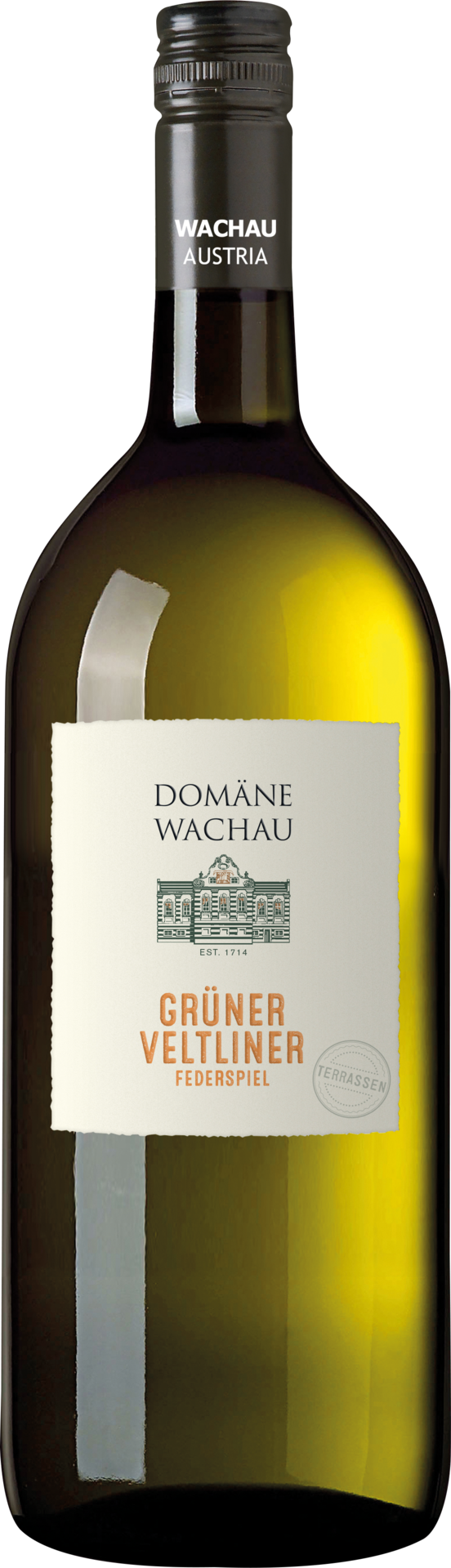
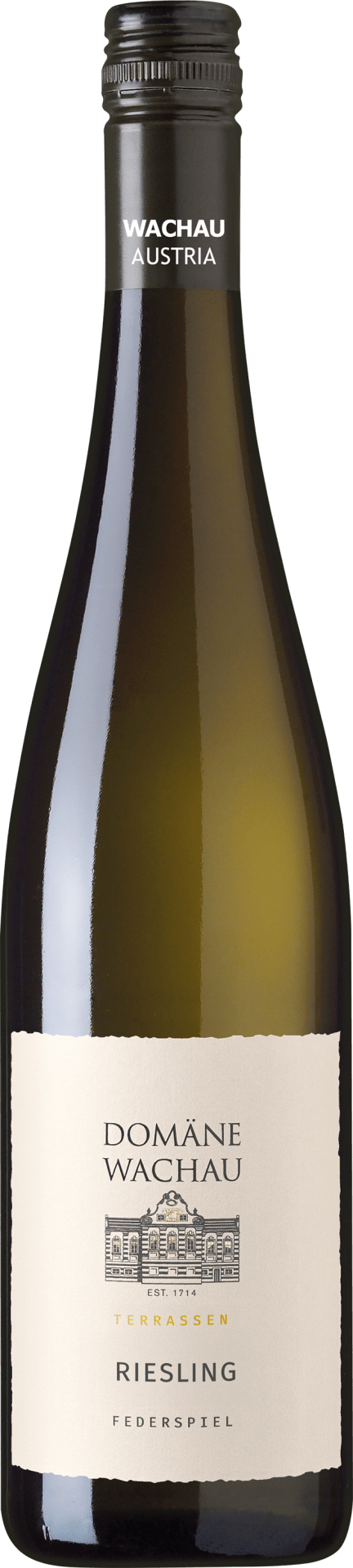
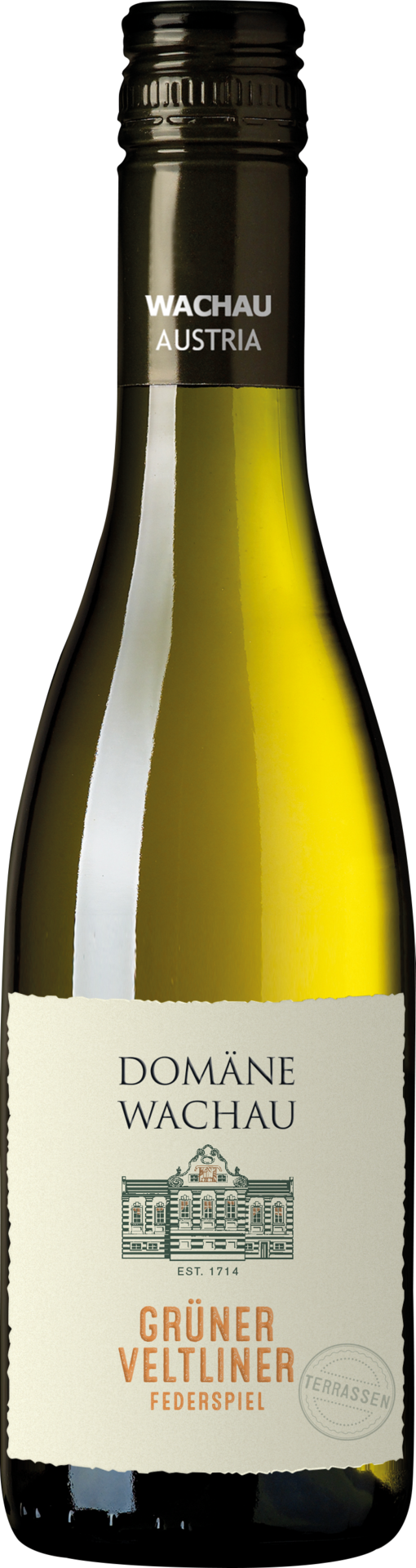
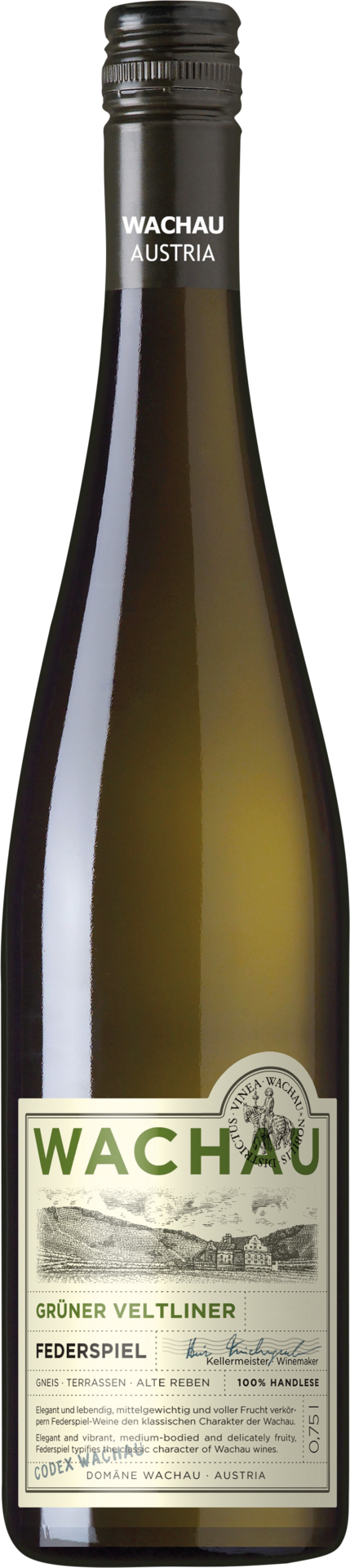
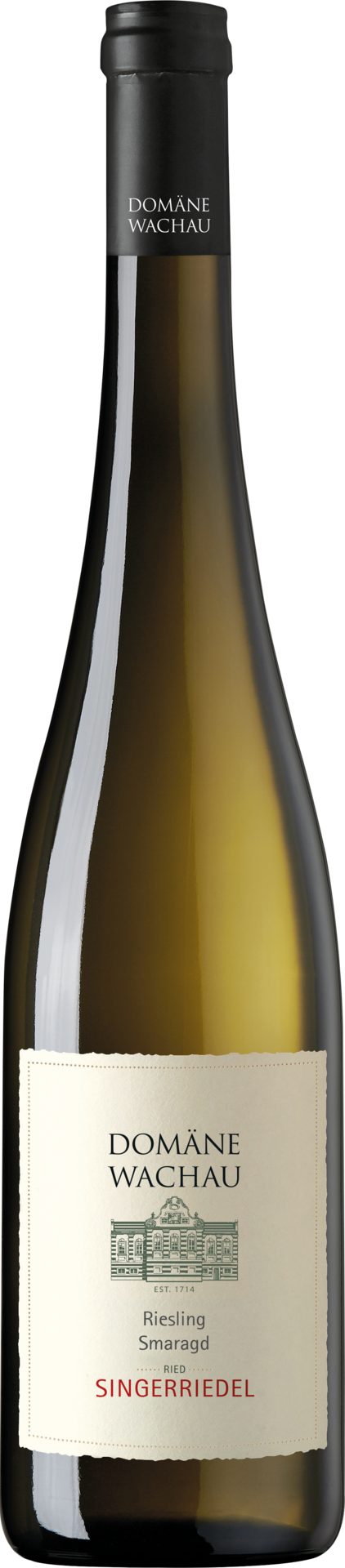
Grüner Veltliner and Riesling in all Wachau categories – from terrace Federspiel to the Smaragd of the top sites
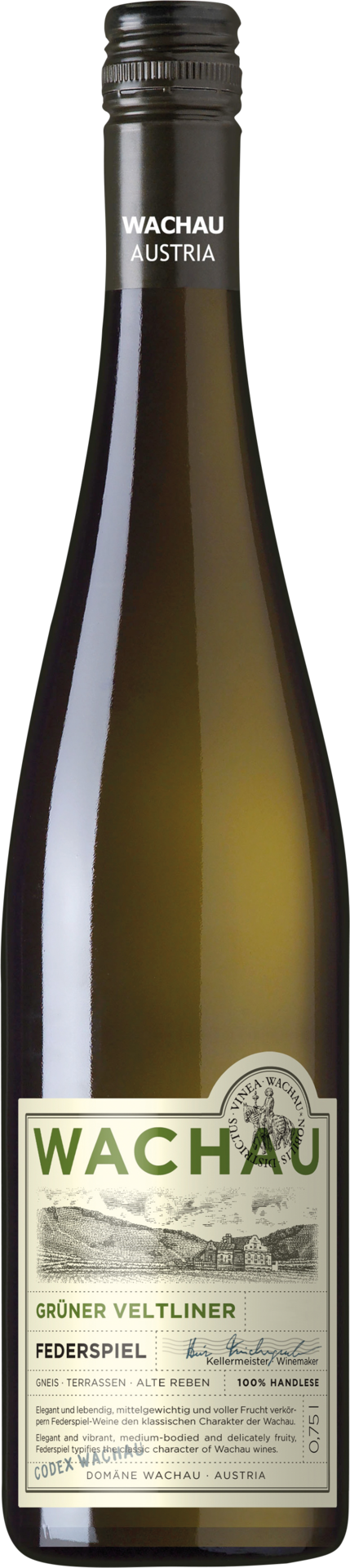
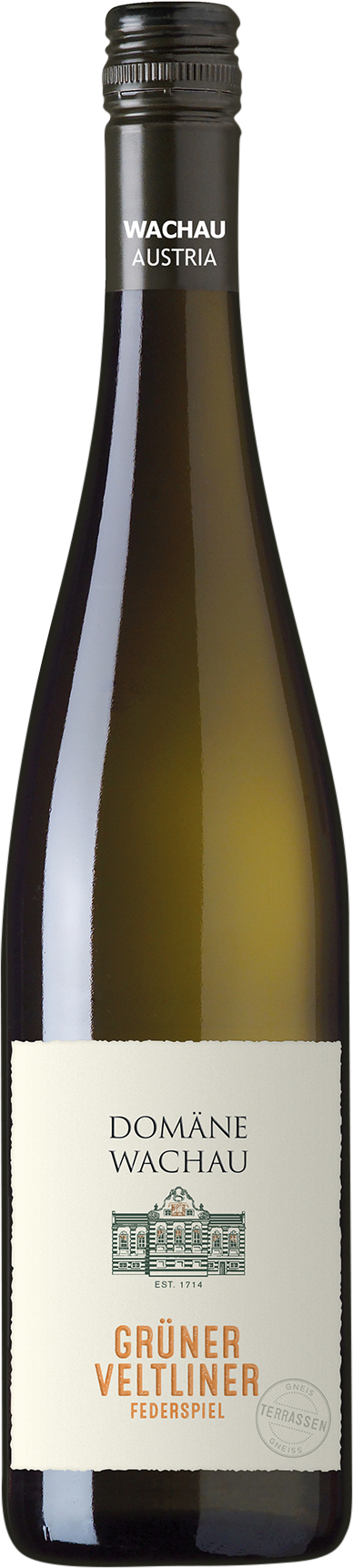
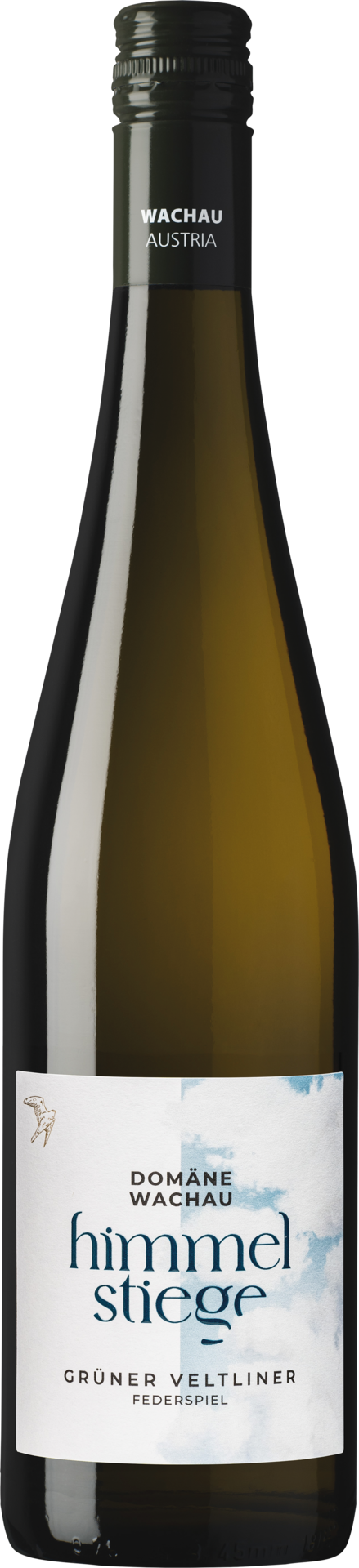
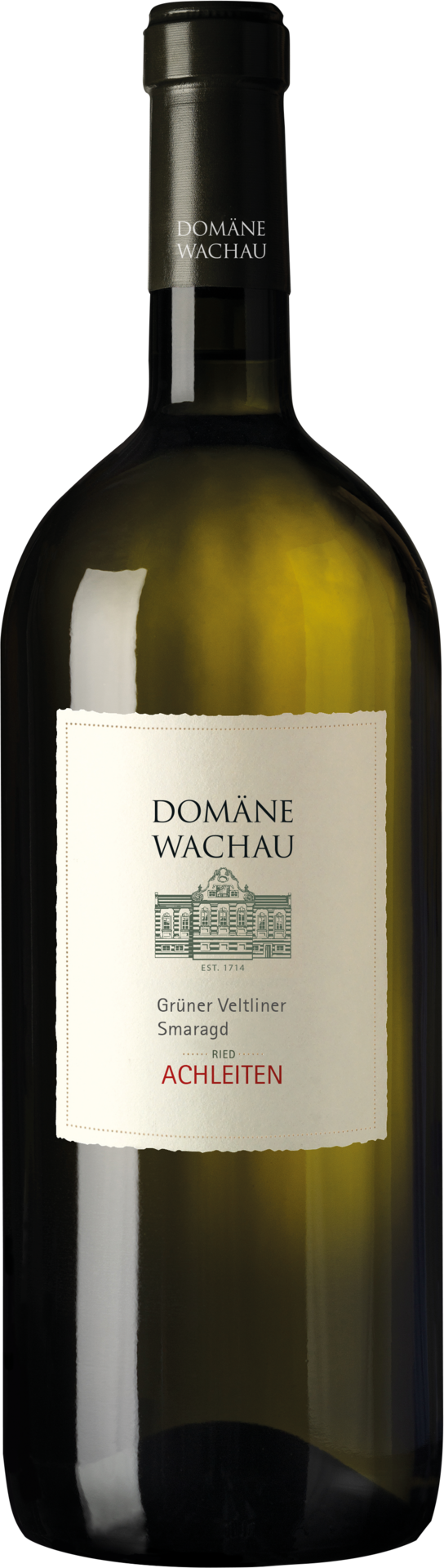
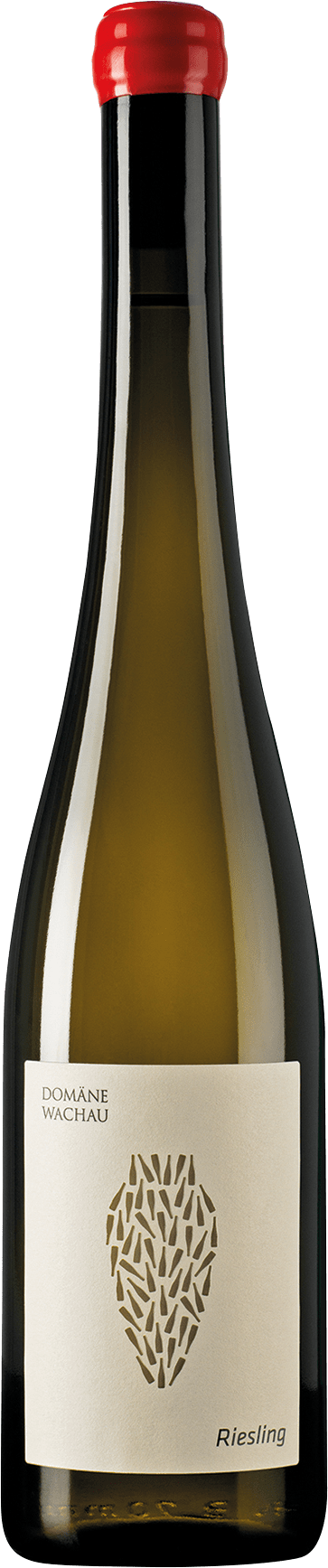
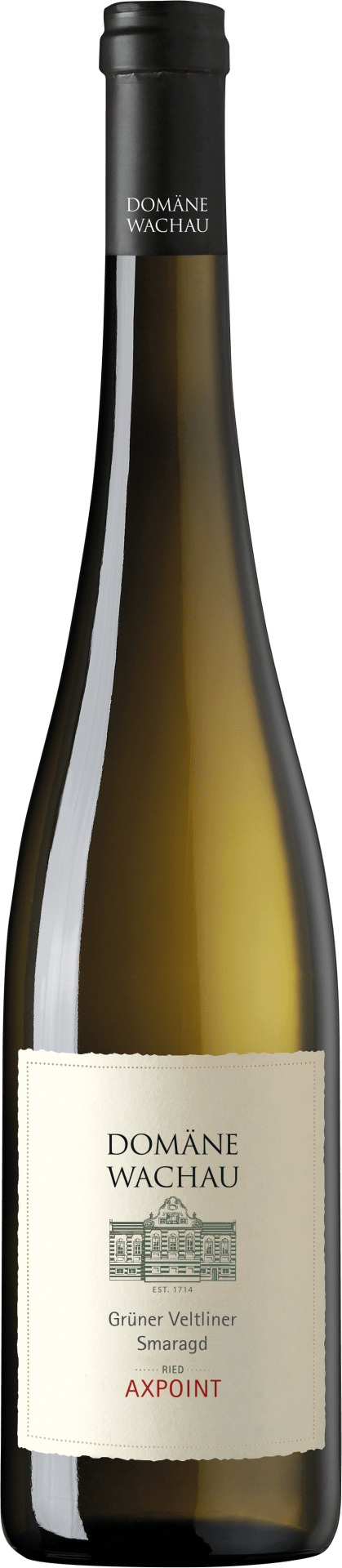
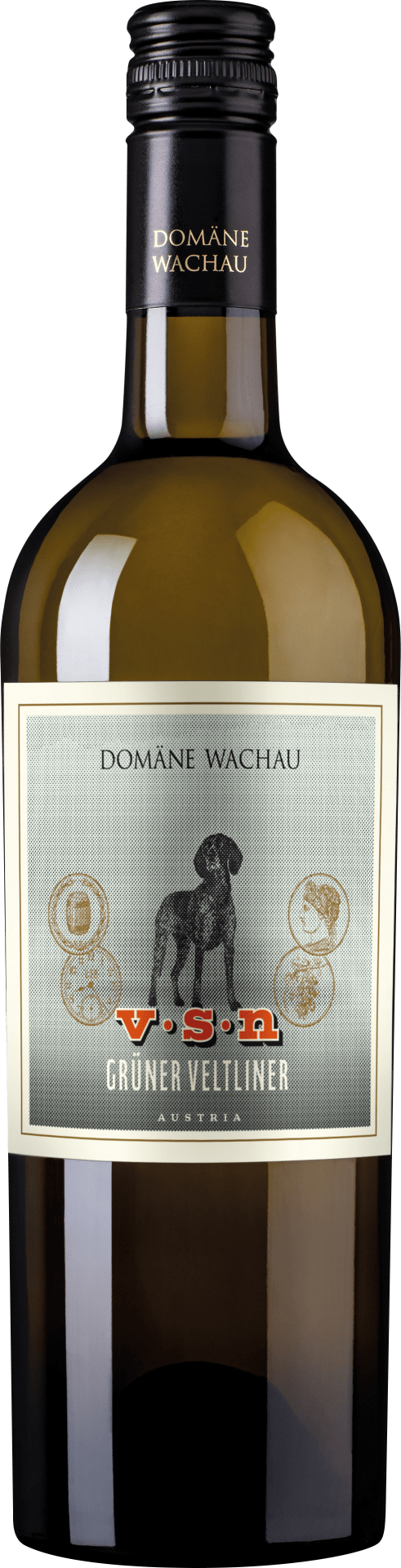
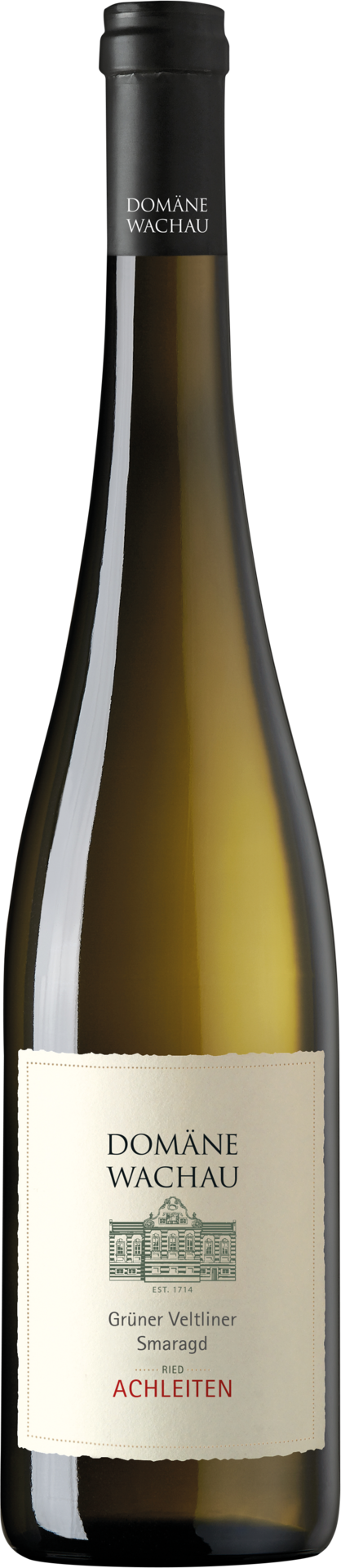
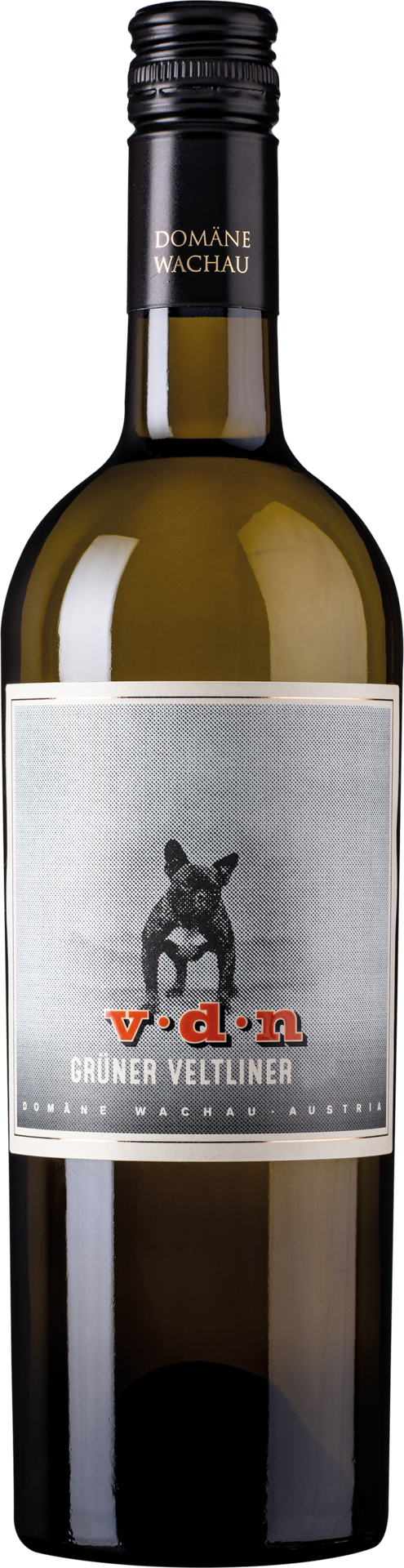
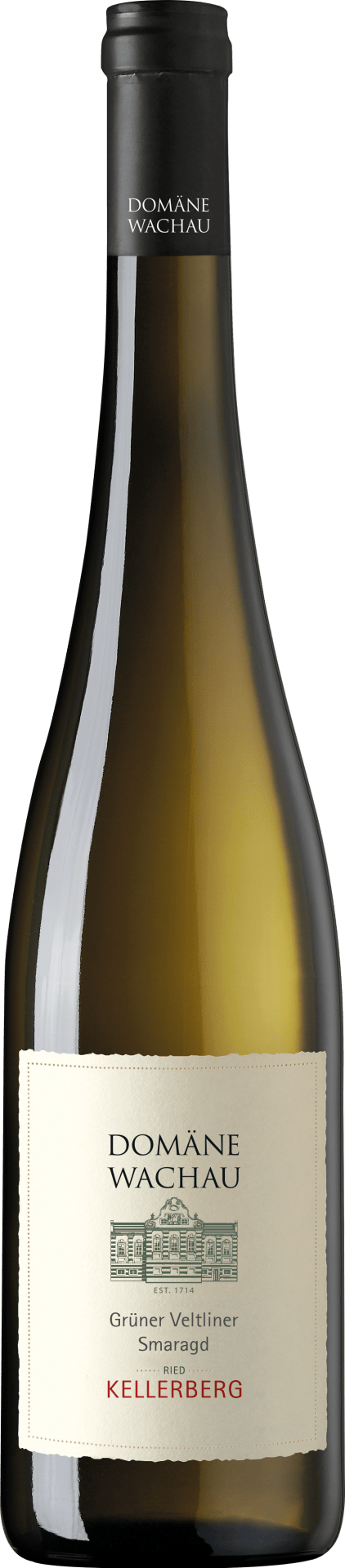
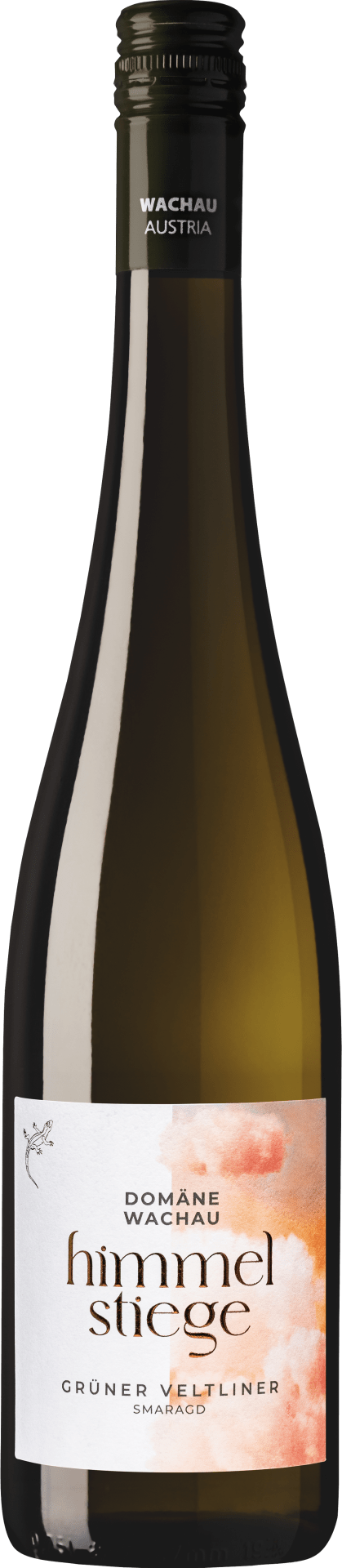
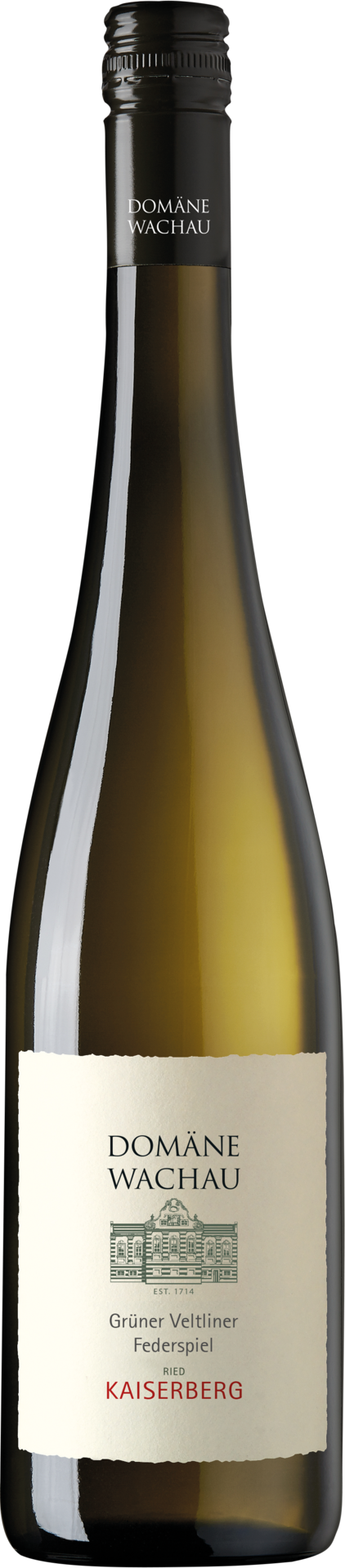
Grüner Veltliner and Riesling form the backbone of the range, produced in all three Wachau quality levels: Steinfeder, Federspiel, and Smaragd. The Terrassen-Linie brings together cuvées from the smallest primary rock plots, whose individual vinification would not be economically viable – origin-focused, drinkable, accessible. The Rieden wines go a step further: single vineyards such as Achleiten, Kellerberg, Loibenberg, or Kaiserberg are vinified separately, each with its own geological signature of gneiss, slate, or loess. The barren primary rock soils force the vines to root deeply; what they bring up from there is mineral density and an acidity structure without edges. The Backstage series complements the program with wines outside of classic Wachau styles – spontaneously fermented, aged in amphorae, concrete eggs, or granite and marble barrels, bottled unfiltered. The domain has been awarded, among other things, "International Winery of the Year" and in 2024 with the Falstaff title "Winemaker of the Year".