From 1581 to today: How a Langenlois family shaped Kamptal viticulture
The roots of the Bründlmayer winery reach back to the year 1581 — a family history that has helped write the story of viticulture in Langenlois for centuries. The current character of the estate goes back to Willi Bründlmayer, who took over management in 1980 and developed it into one of the most well-known addresses in Austrian viticulture. Since 2016, Andreas Wickhoff MW has been at his side as managing director, co-responsible for the further development of the estate in the vineyard and cellar. The historic ensemble in Langenlois also includes a Heurigenhof from the 16th century — a Renaissance building that makes the family's rootedness in the town and landscape visible to this day.
Terraced sites at the intersection of two valleys
Langenlois is located where the Kamp and Danube valleys meet — a geographical feature that significantly determines the climate of the vineyards. The wooded hills of the Waldviertel shield the sites from cold northwest winds; during the day, the stony terraces store the sun's heat, at night cool forest air flows through the valley and ensures distinct temperature differences between day and night. It is precisely this diurnality that gives Grüner Veltliner and Riesling from Langenlois their freshness and structure.
Willi Bründlmayer began as early as the late 1970s with an approach in the vineyard without synthetic fertilizers: instead, green manure, cow manure, and composted plant waste. This path consistently led to the conversion to organic-biological cultivation. The wines carry the organic certification AT-BIO-402. In the cellar, the Grüner Veltliner wines mature briefly in old acacia barrels for refinement — a restrained tool that leaves room for the site profile without over-shaping it.
Grüner Veltliner as a guideline — from terrace wine to Erste Lage
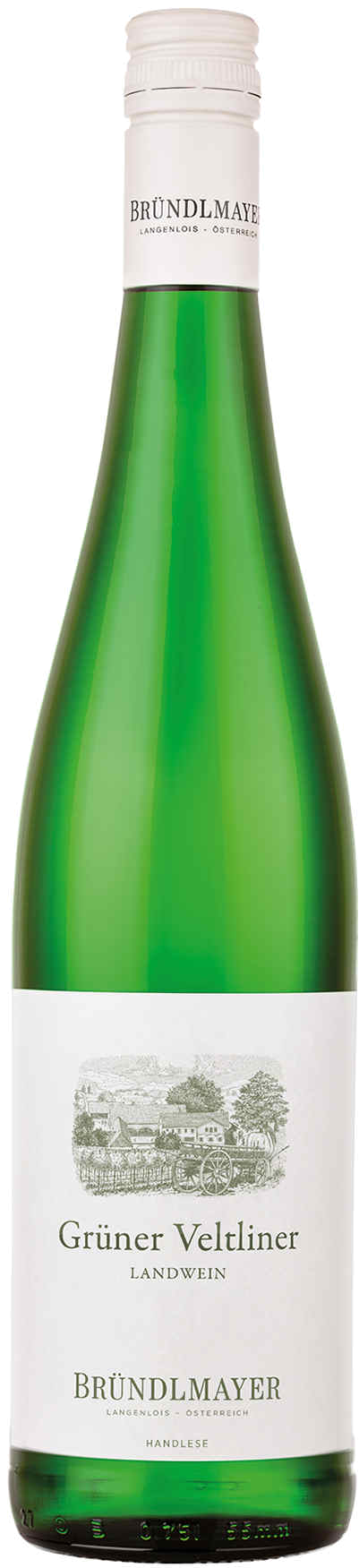
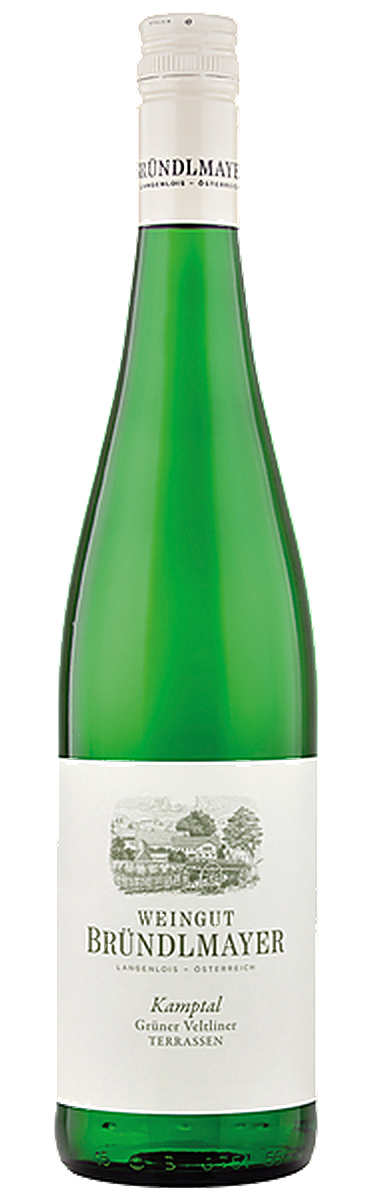
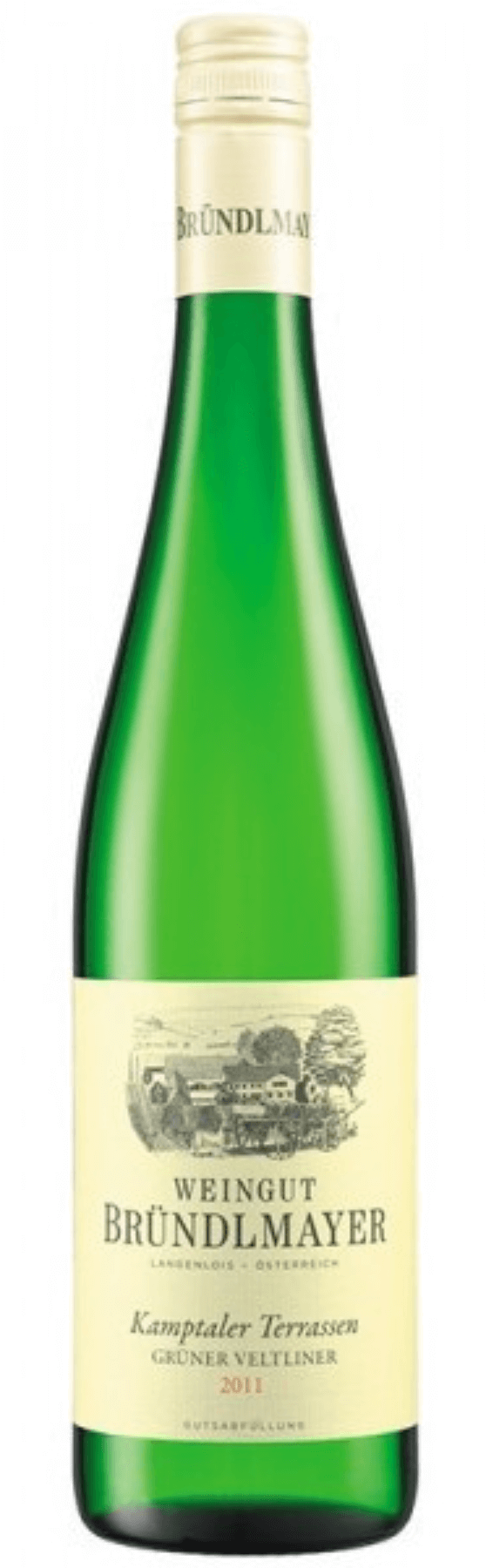
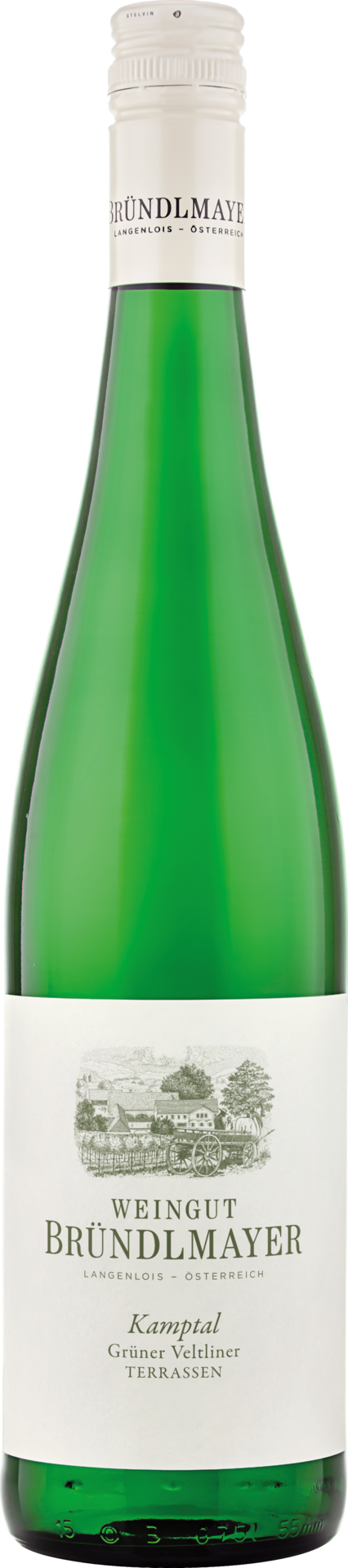
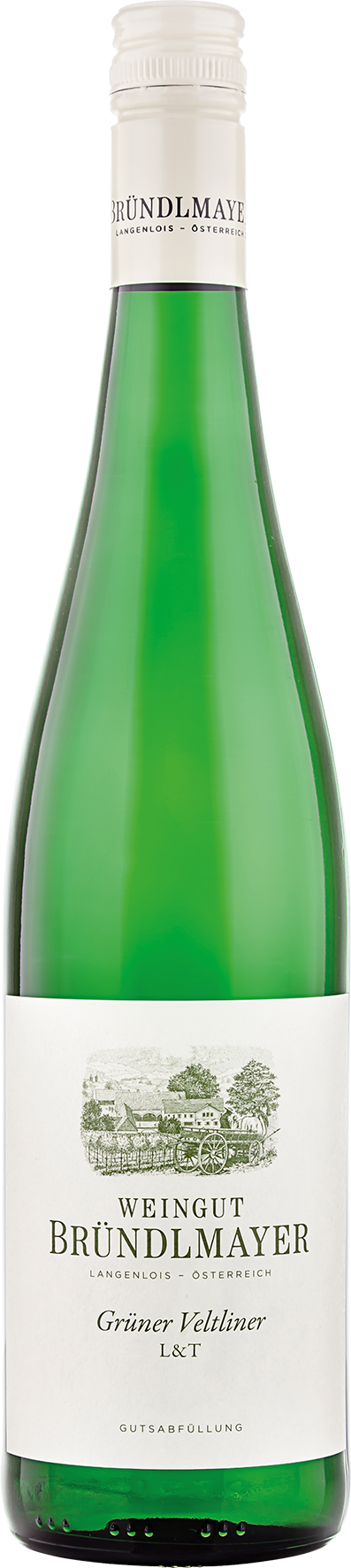
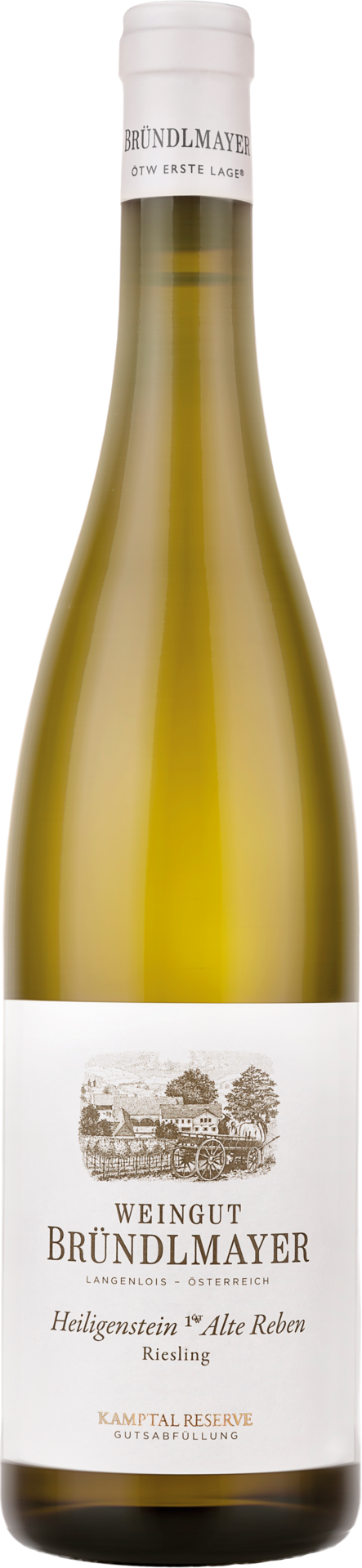
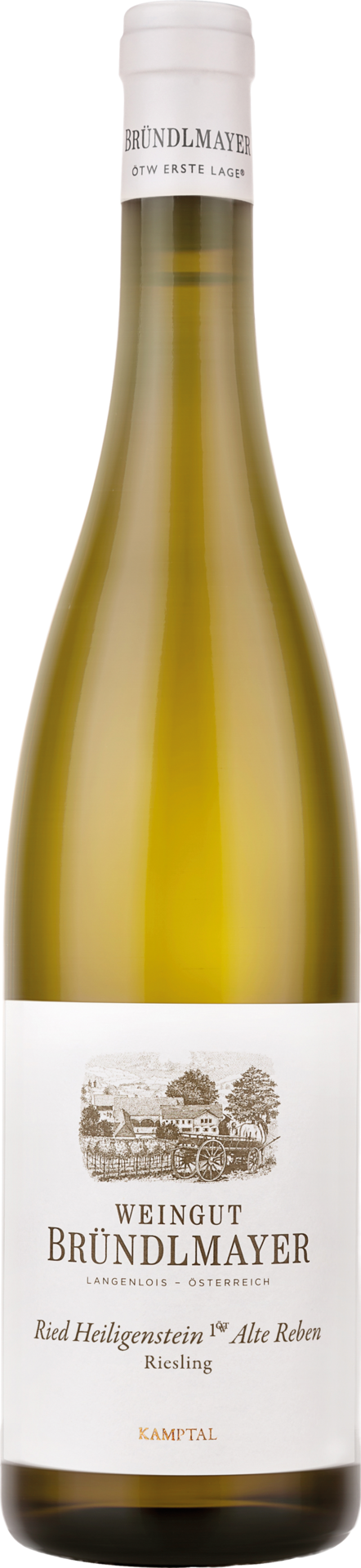
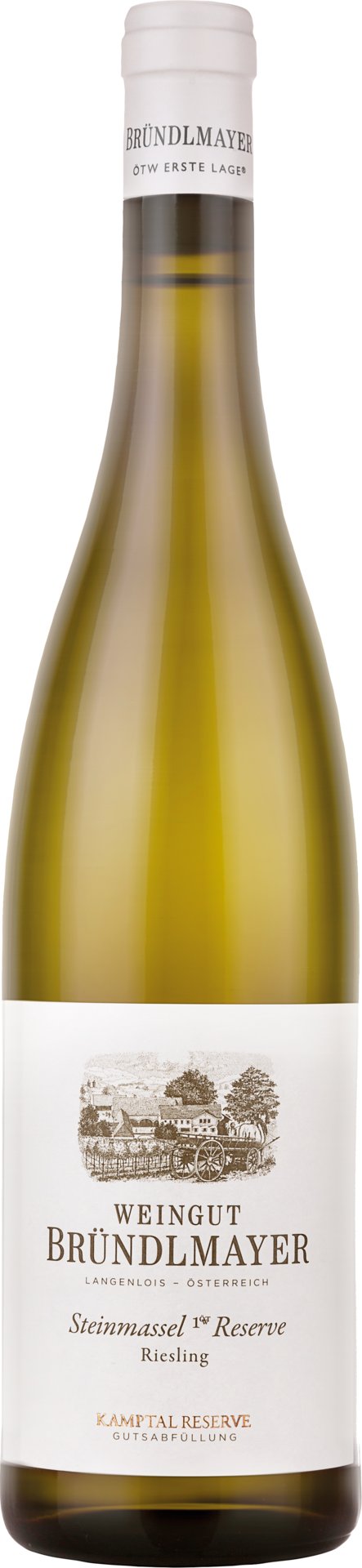
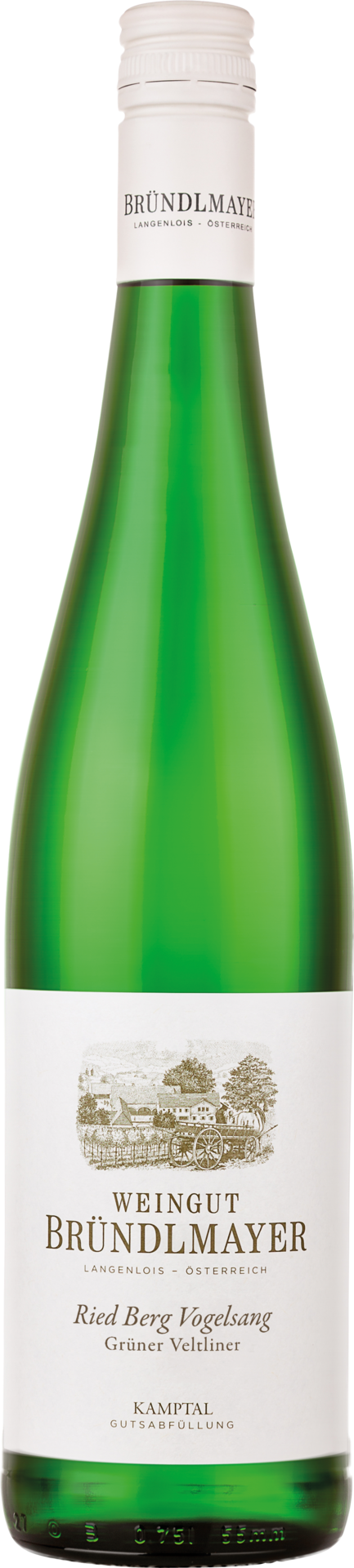
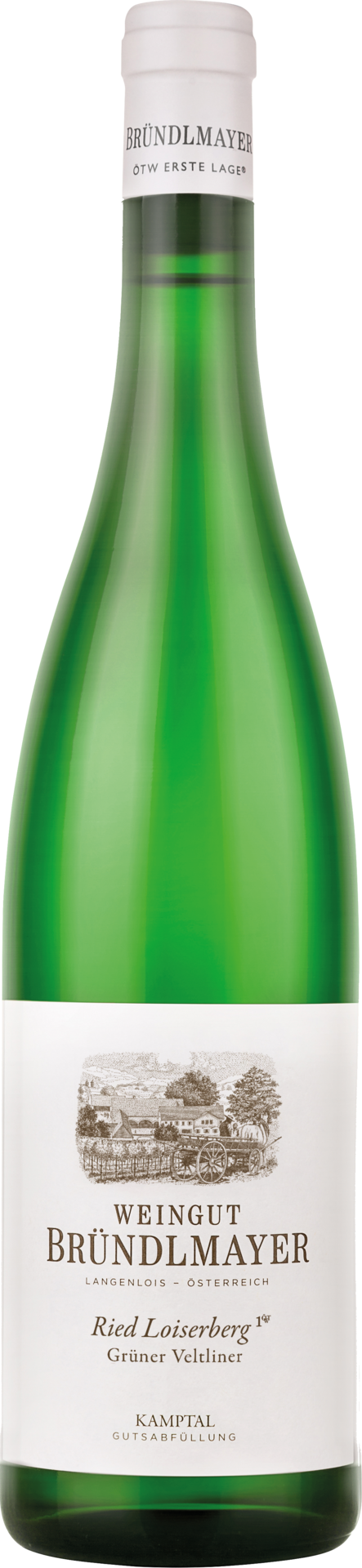
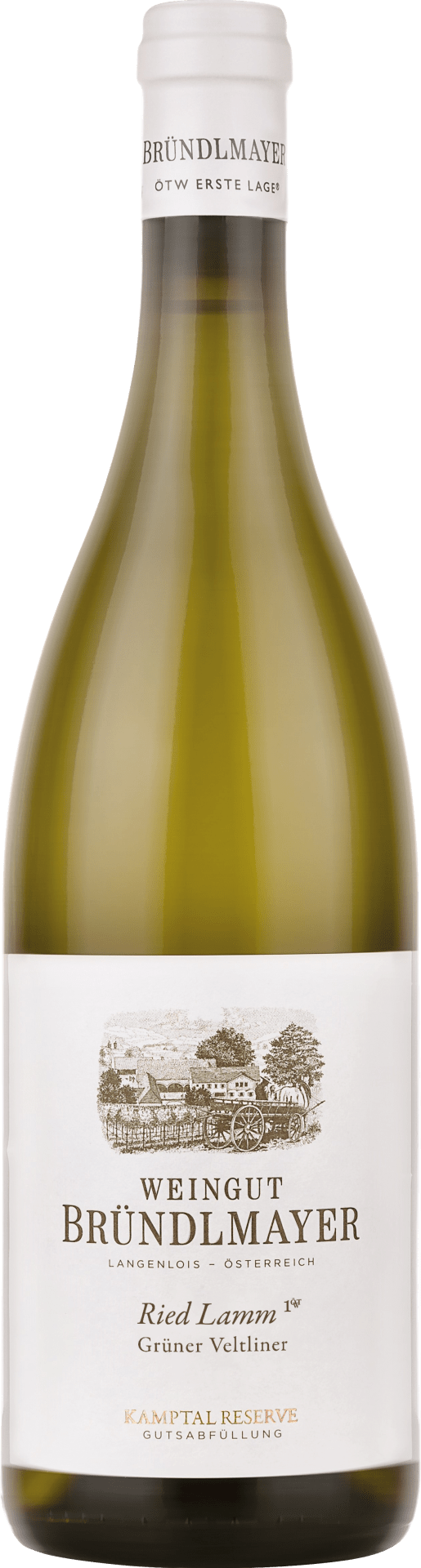
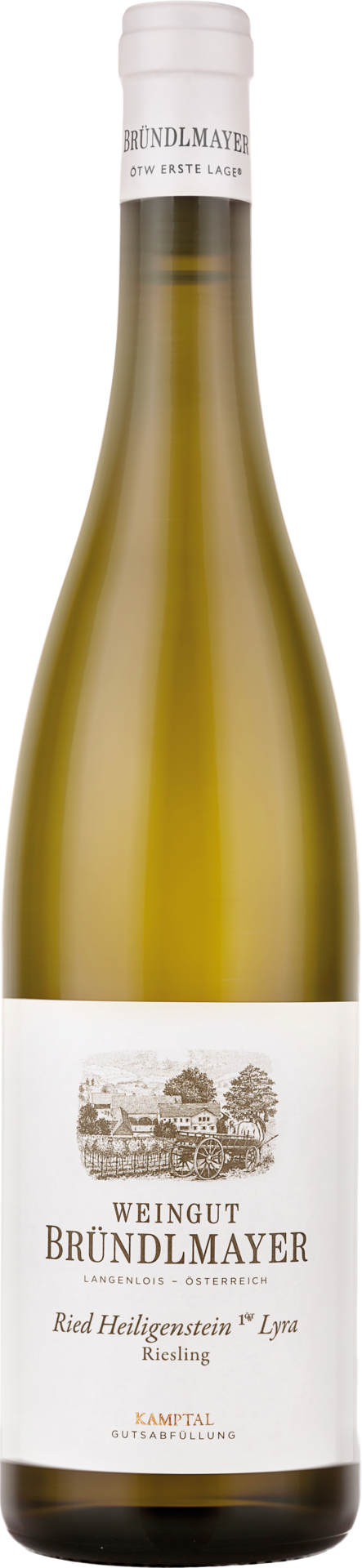
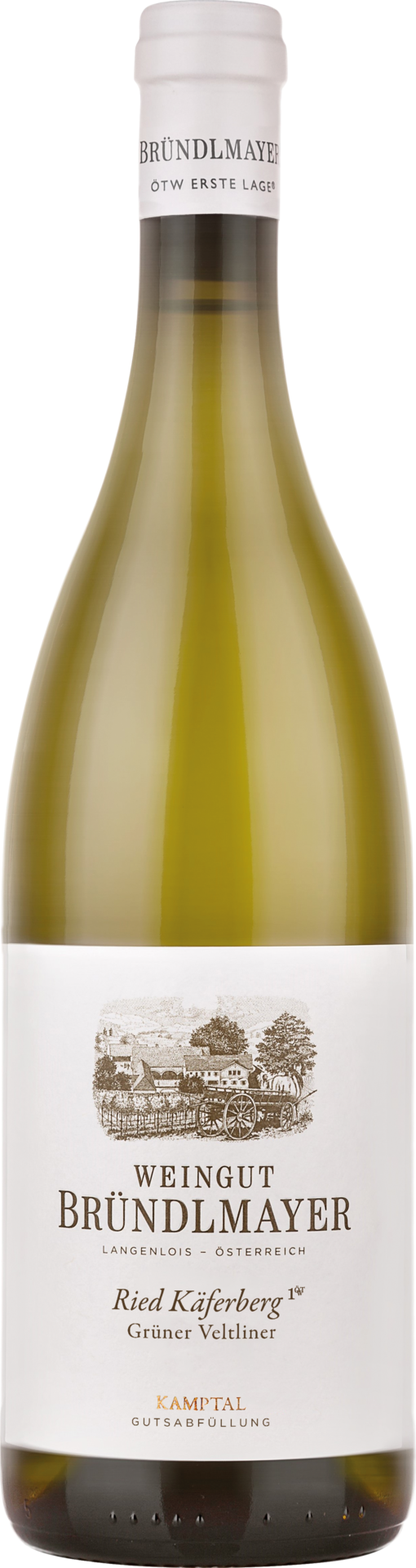
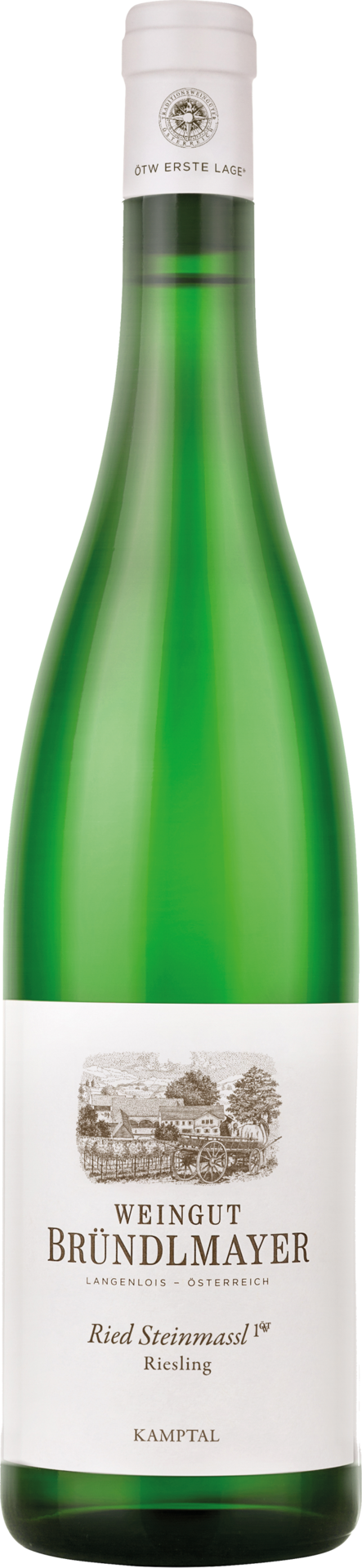
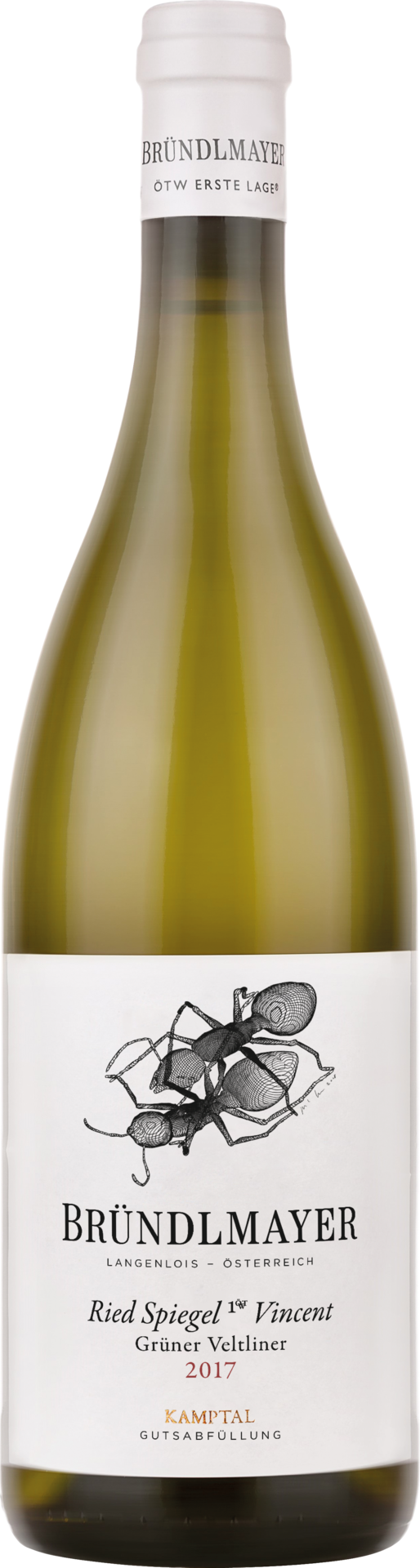
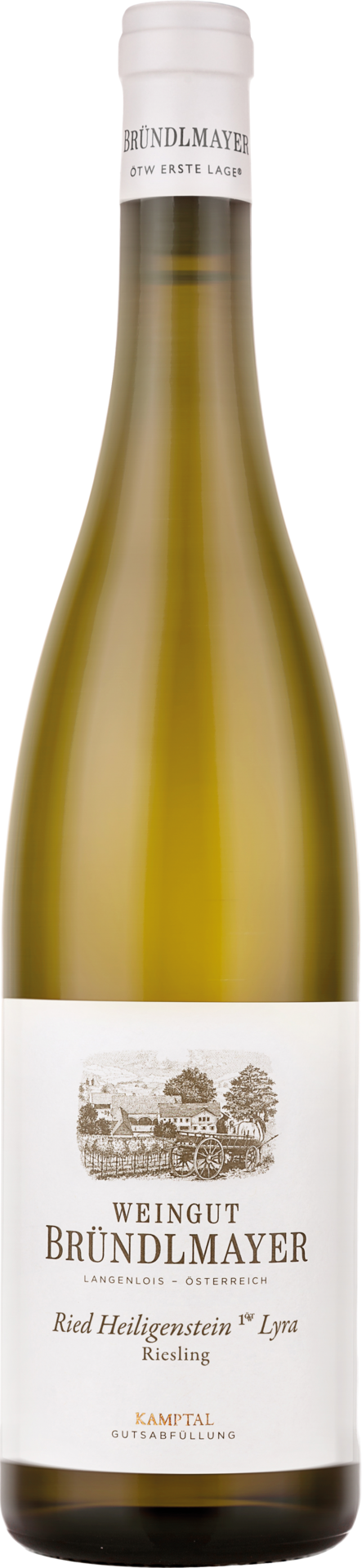
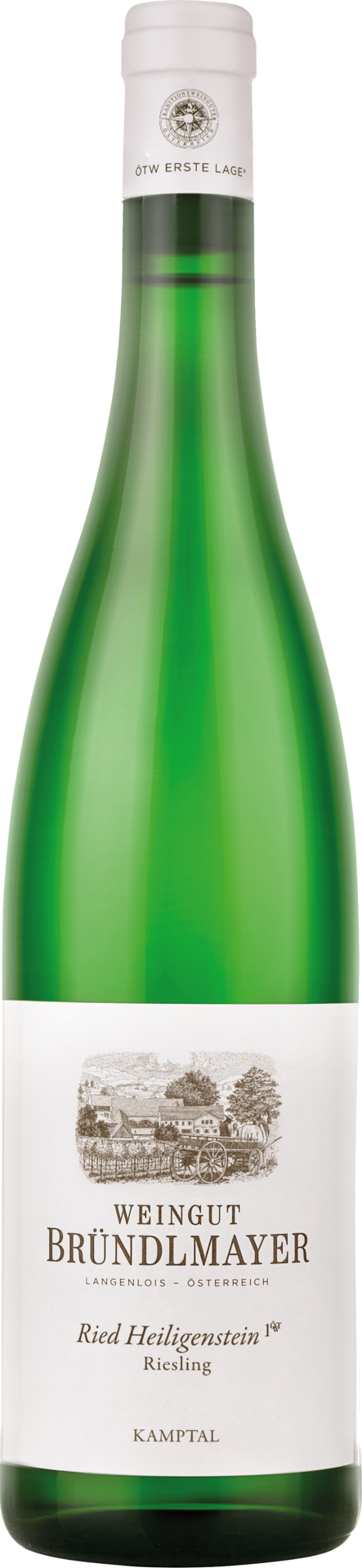
The assortment follows a clear hierarchy: from fresh, site-typical terrace wines to the classified Erste Lagen of the Austrian Traditional Wine Estates (ÖTW), in whose founding Willi Bründlmayer himself participated in 1991. The most important vineyards — Lamm, Käferberg, Loiserberg, Berg Vogelsang, Heiligenstein, and Steinmassl — provide different characters depending on the soil profile: The Käferberg stands for primary rock with clay deposits and thus for density and texture, the Ried Lamm (named after the old word for loam) for full-bodied, structured Veltliner, the Berg Vogelsang with silicate and mica schist for mineral precision. Entry into the assortment is achieved via the L&T and the Kamptaler Terrassen — accessible wines that clearly reflect the climatic basic profile of the region: lively acidity, spice, clear finish. Those who want to delve deeper will find wines with proven aging potential of ten years and more in the site-specific wines.