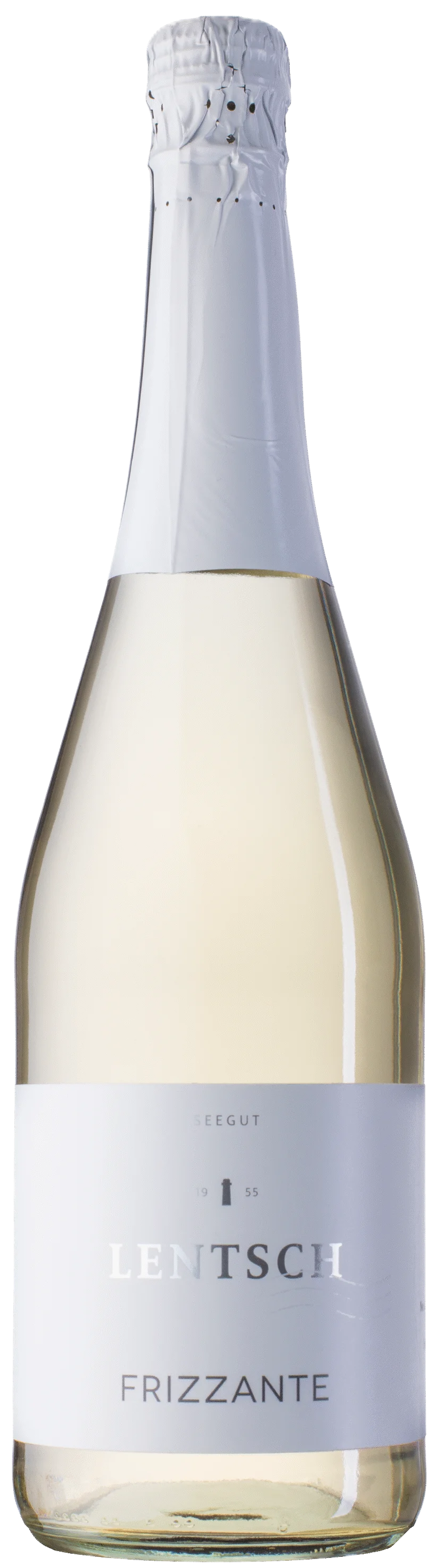
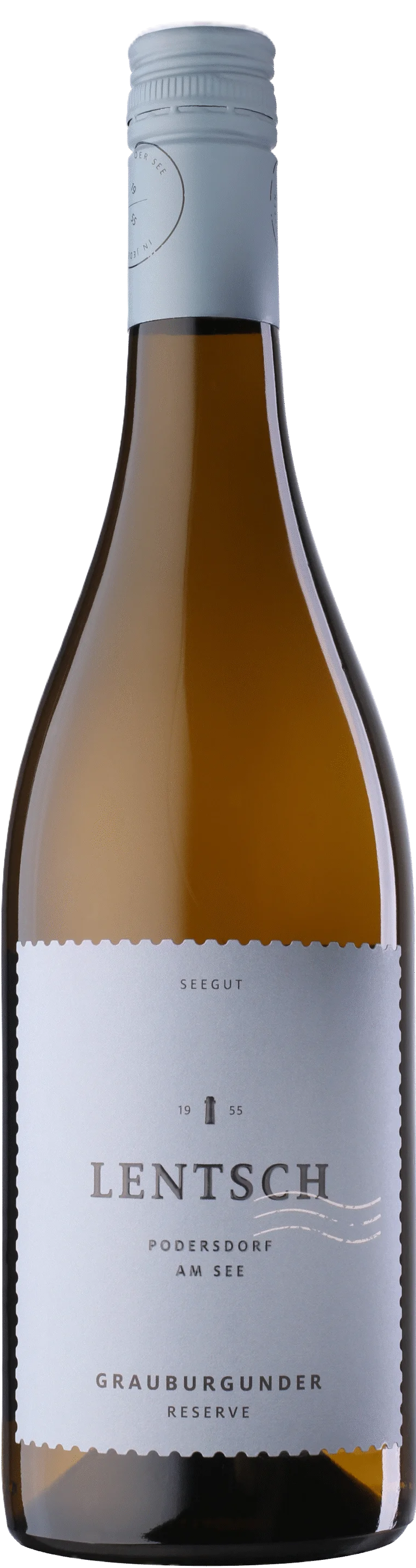
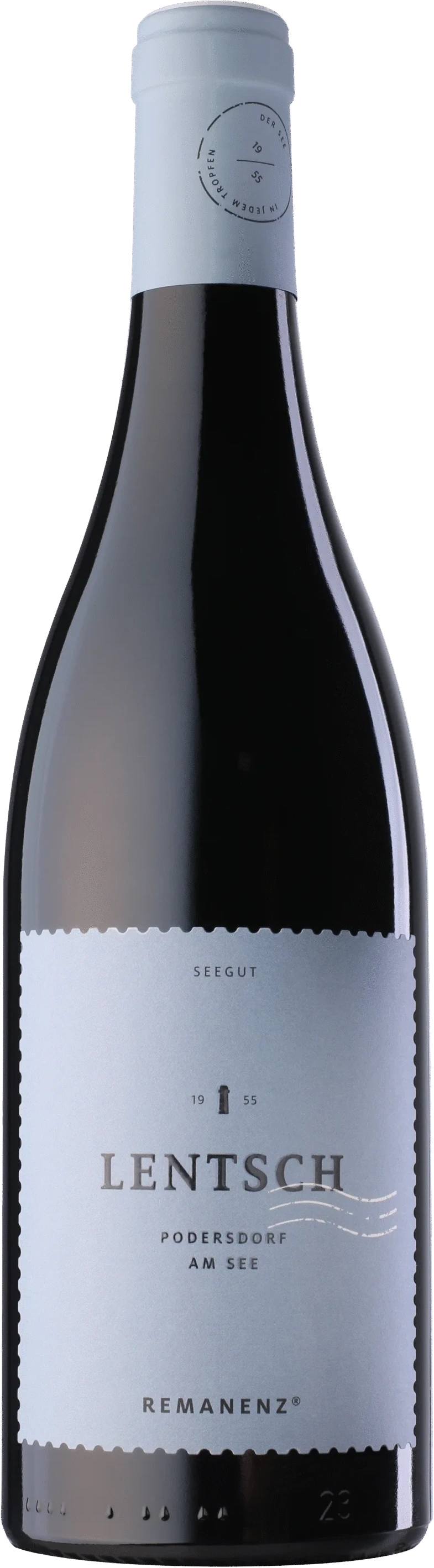
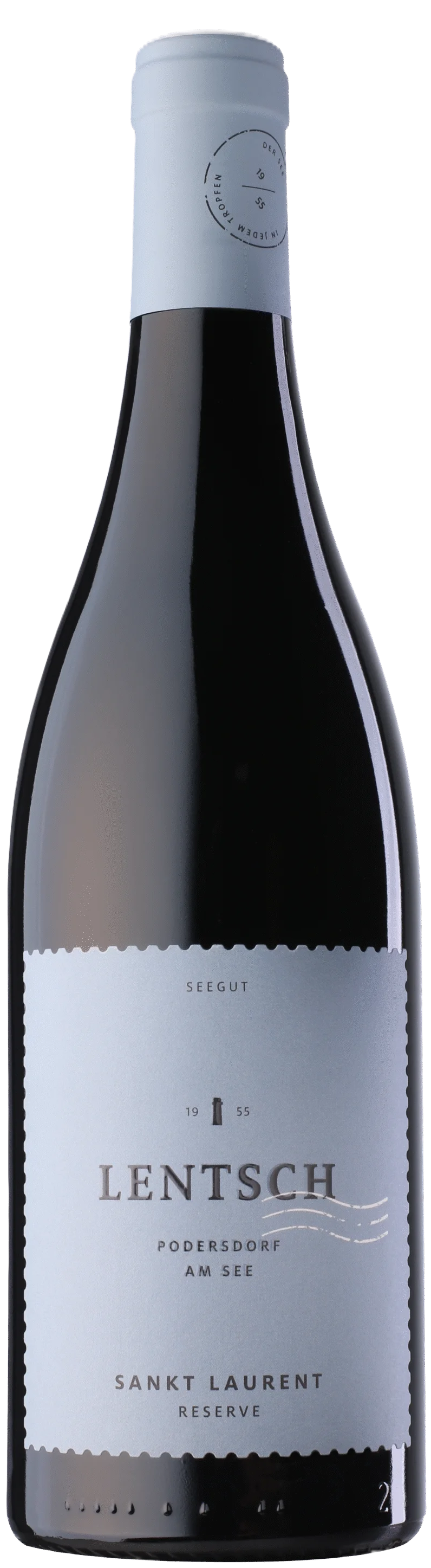
From great-grandfather to brother duo: Family history at Lake Neusiedl
The roots of the Seegut Lentsch reach deeper than the official founding year: the passion for viticulture began in the family even before 1955, when the business was formally registered as a family winery. The decisive foundation for today's business was laid by Franz Lentsch Senior, who had a 30-meter-long brick vaulted cellar built in 1962 — still the largest of its kind in Podersdorf am See today. His sons and grandsons have carried on the legacy: today, brothers Thomas and Markus Lentsch run the winery in the third generation, with a clear eye for quality and at the same time for what the place has always had to offer.
Podersdorf is not just any location. Viticulture in the Ried Rohrjoch — today the largest site of the business with 5.7 hectares — is already documented for the years 1782 to 1785, when Cistercian monks cultivated Pinot Gris here. This historical depth can also be felt in the Ried Lüss, which was planted in 1974 and whose grapes produced the winery's first barrique wine over three decades ago.
Working on sand, gravel, and salt soils
The Seegut Lentsch manages 15.3 hectares of vineyards, divided into five Rieden in Podersdorf am See: Seeweingärten, Prädium, Rohrjoch, Lüss, and Römerstein. The soil diversity is remarkable — from light, sandy gravel soils in the Ried Prädium to the saline calcareous chernozem directly on the lakeshore in the Seeweingärten. Salt pans and the salt soils typical of the Seewinkel run through the entire growing area and leave a mineral signature in the wines.
The Pannonian-continental climate does the rest: hot summers, cold winters, distinct day-night temperature fluctuations — and the lake itself as a natural temperature buffer that dampens extreme heat and brings cool nights into the vineyards.
Three lines, 14 grape varieties, one clear style
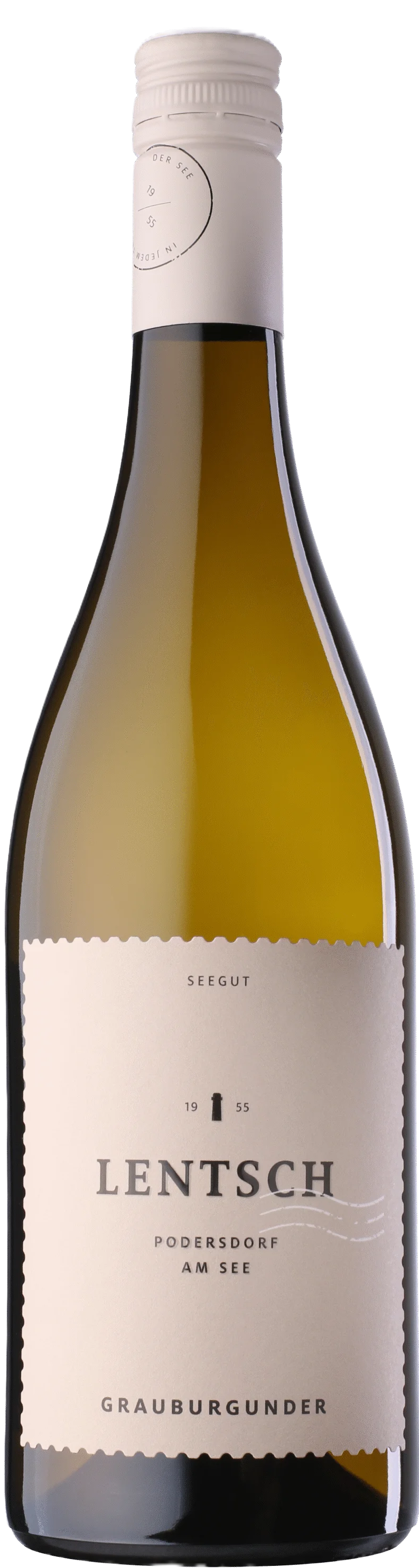
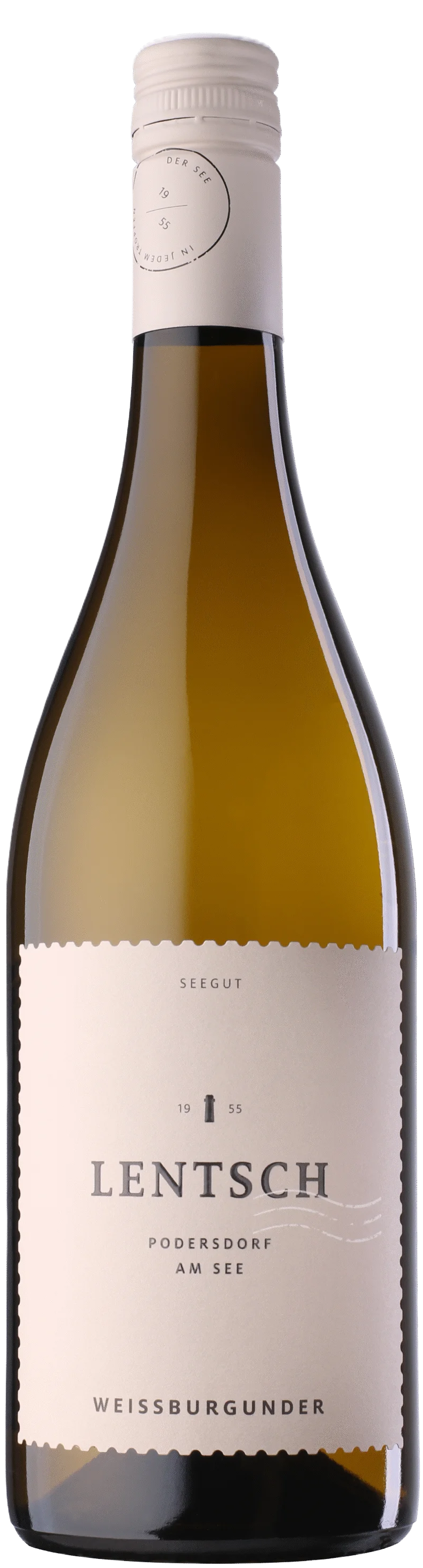
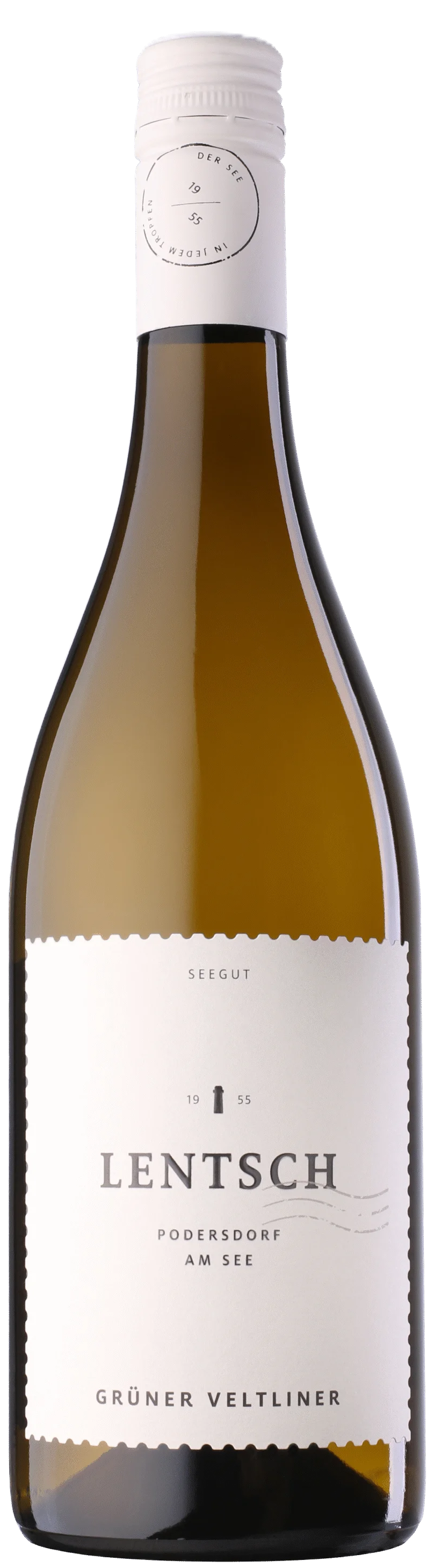
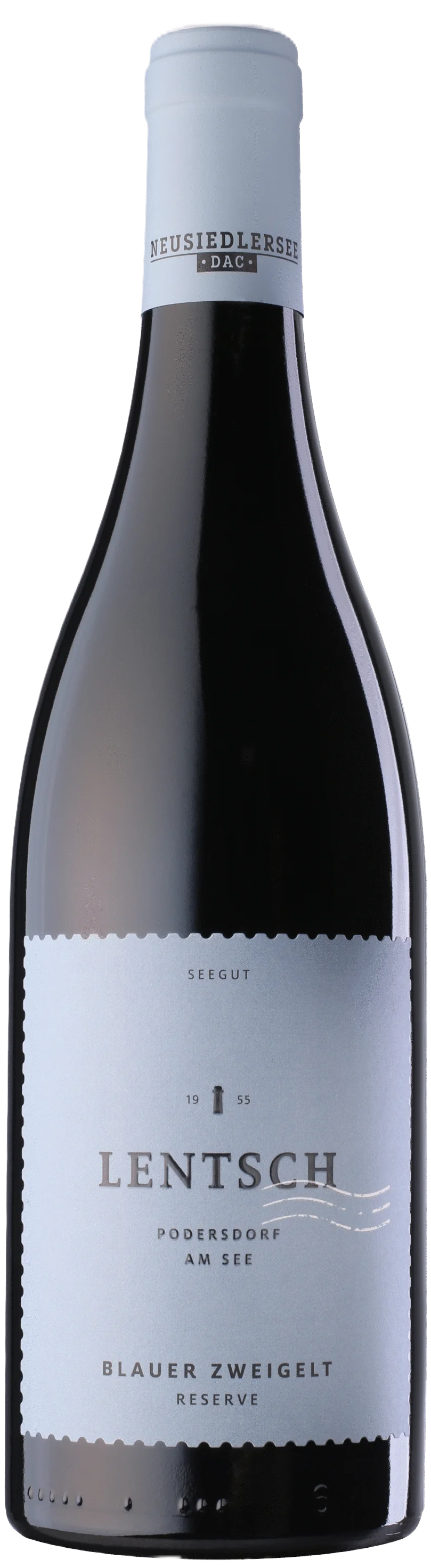
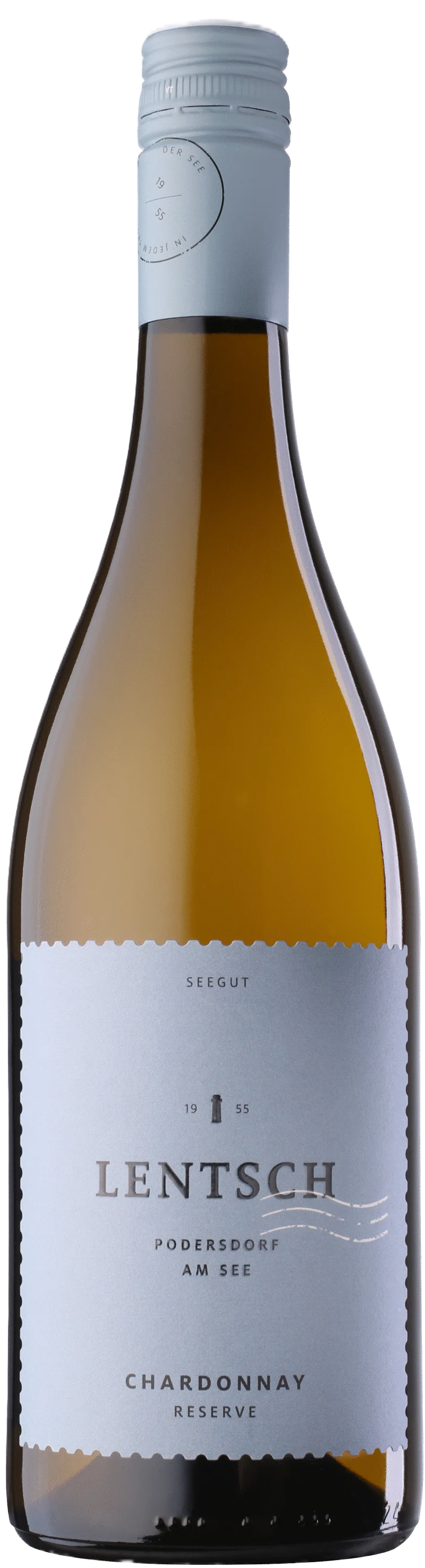
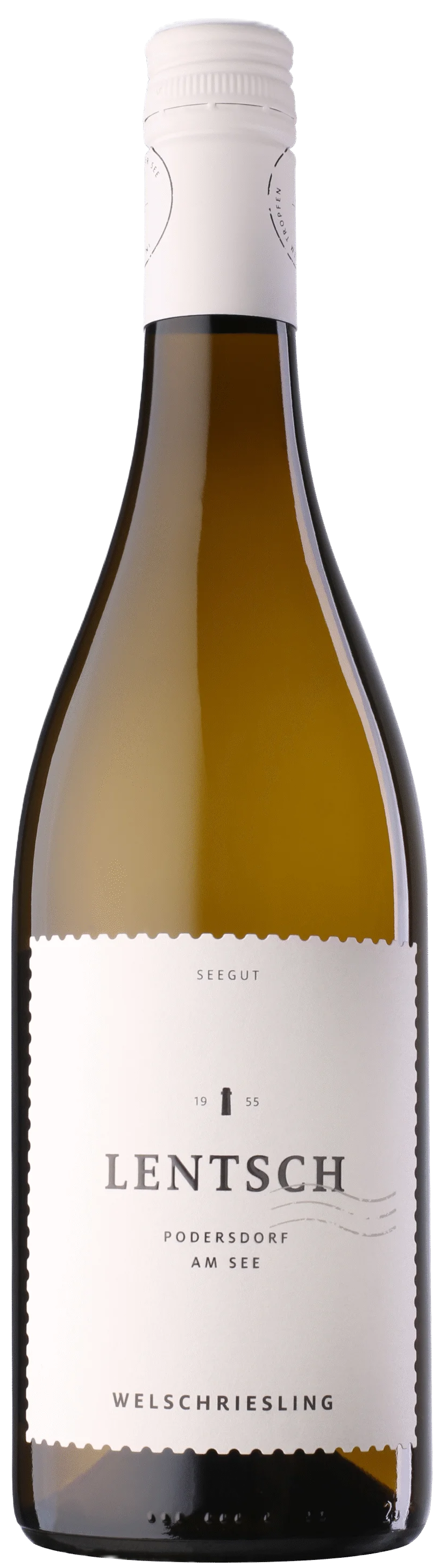
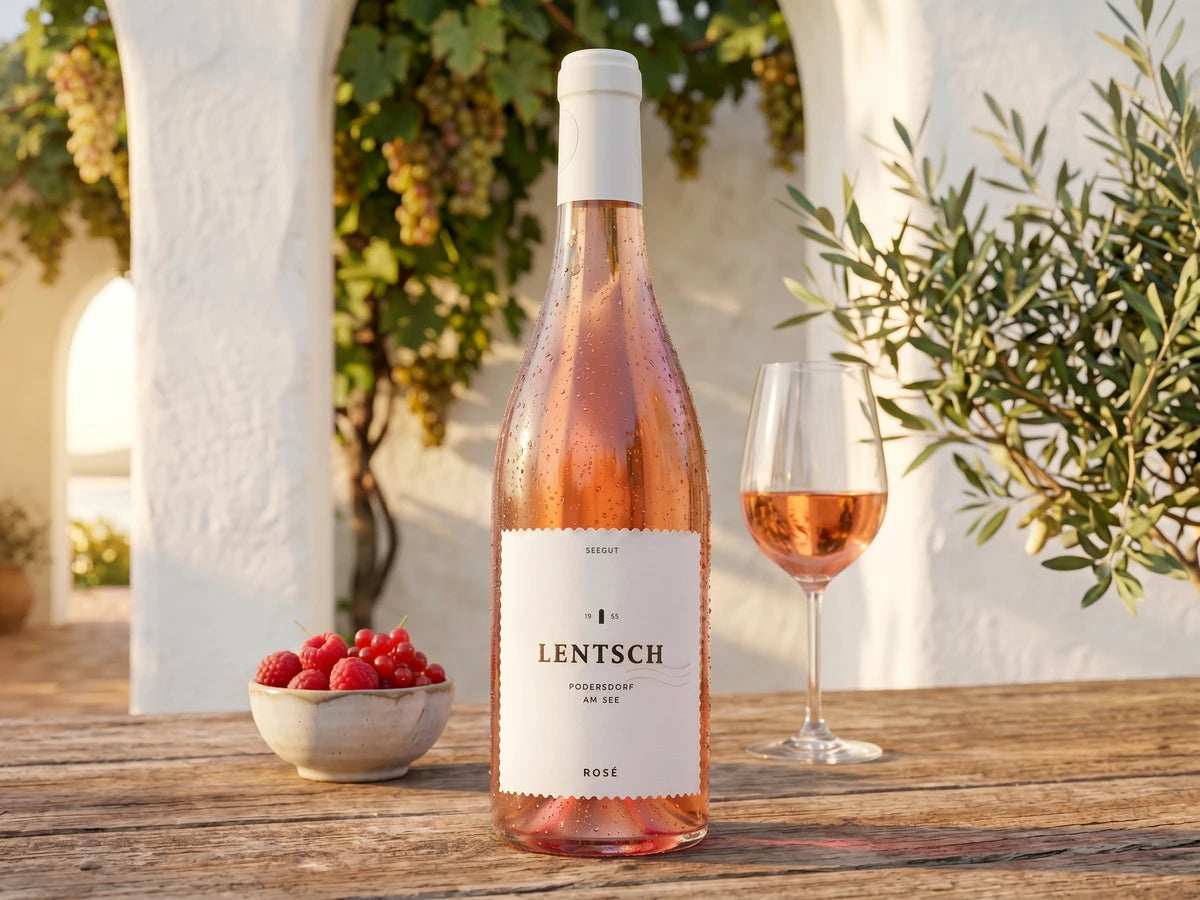
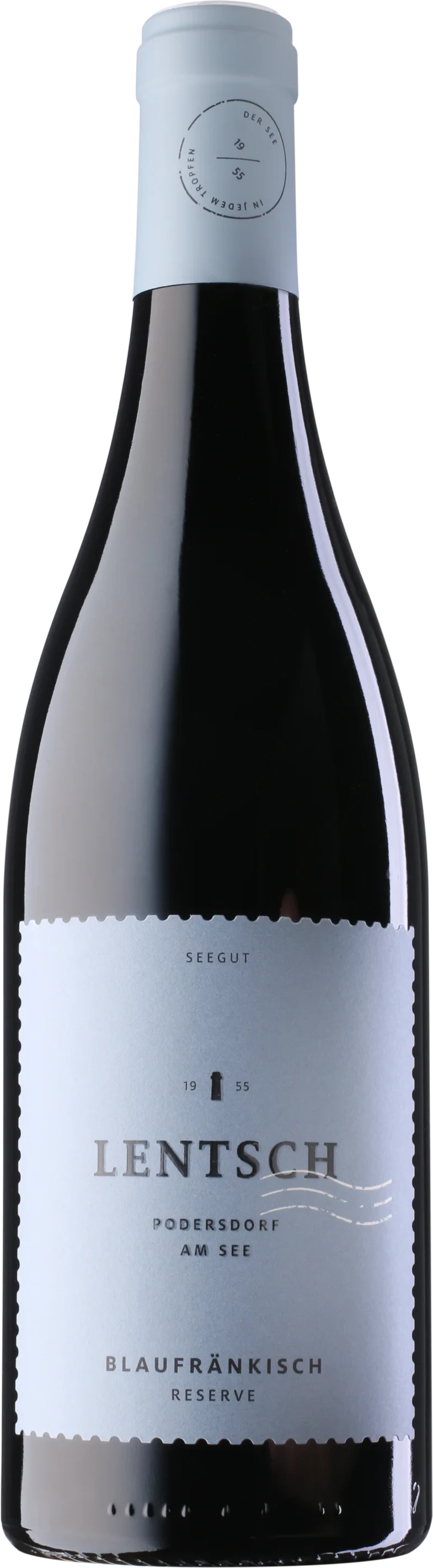
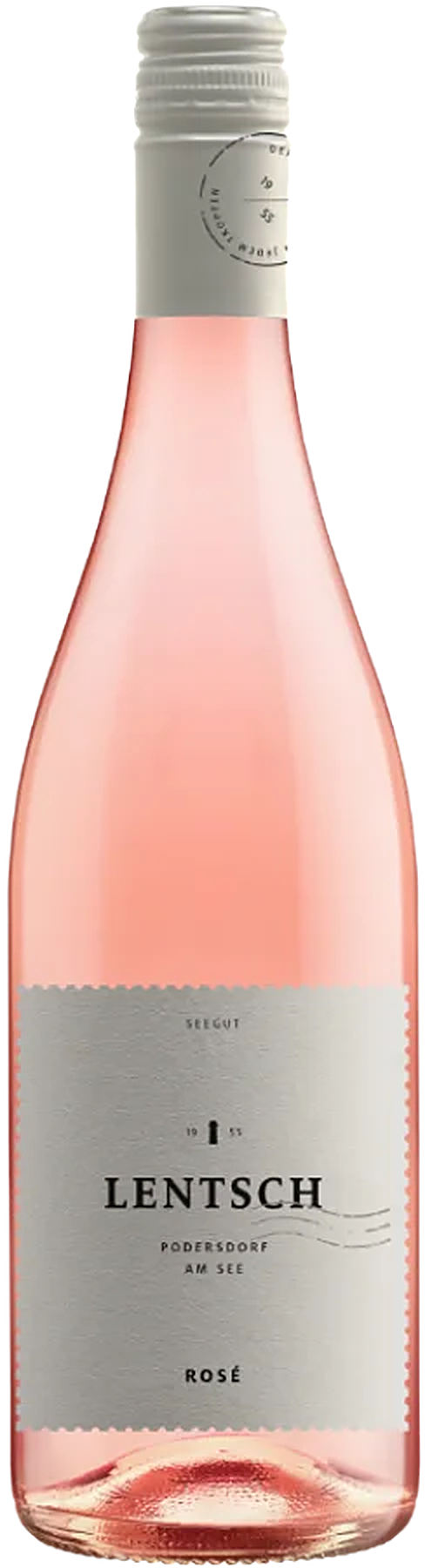
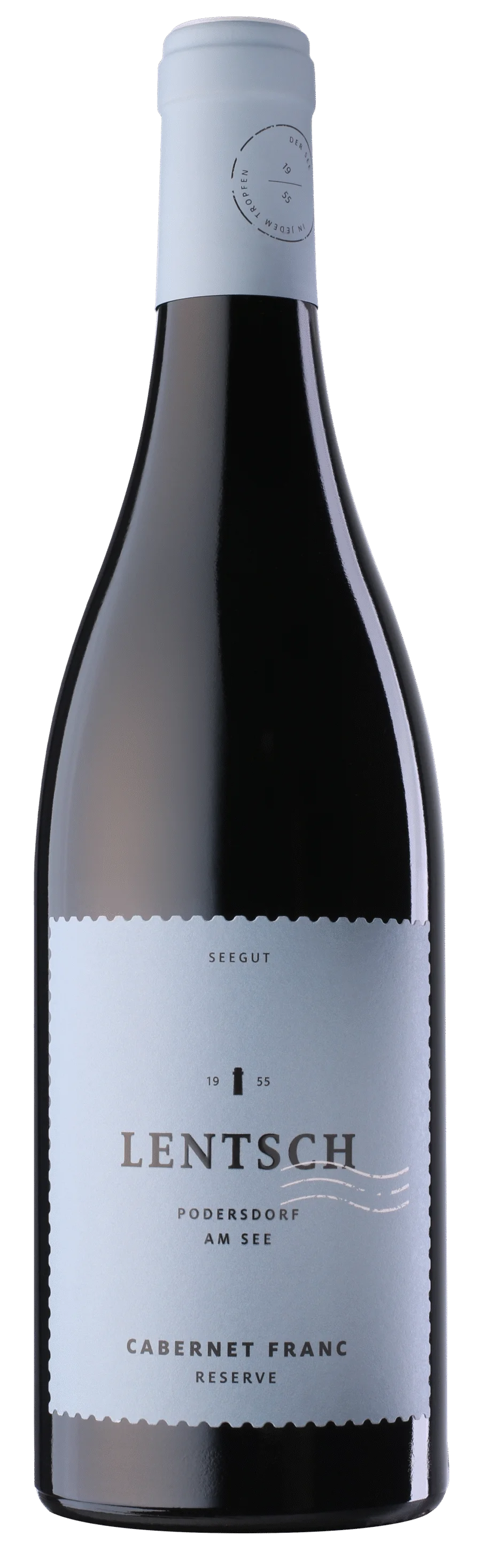
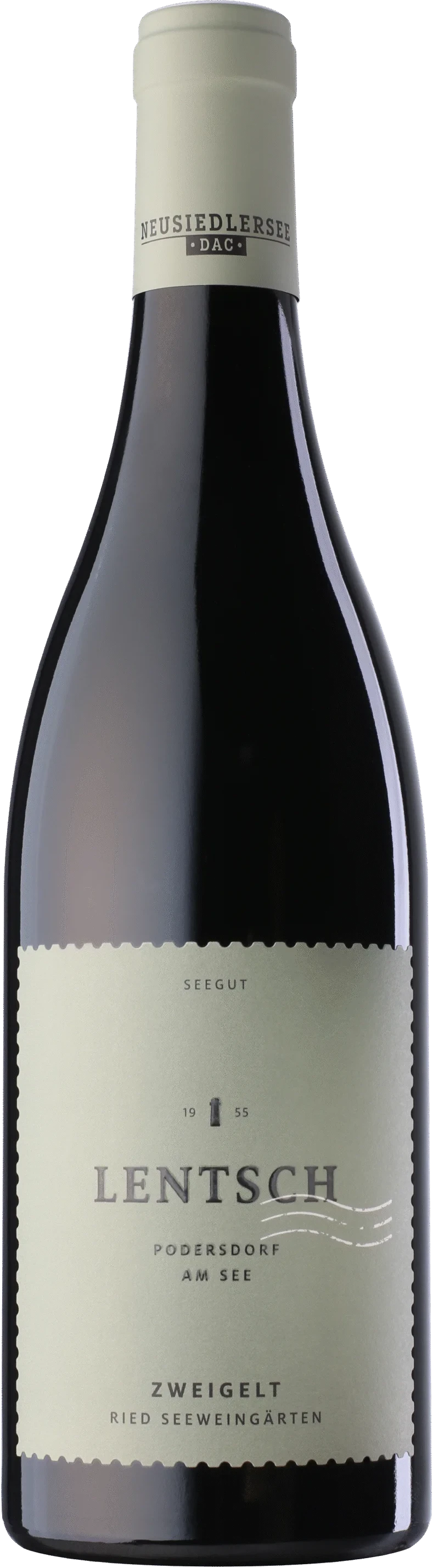
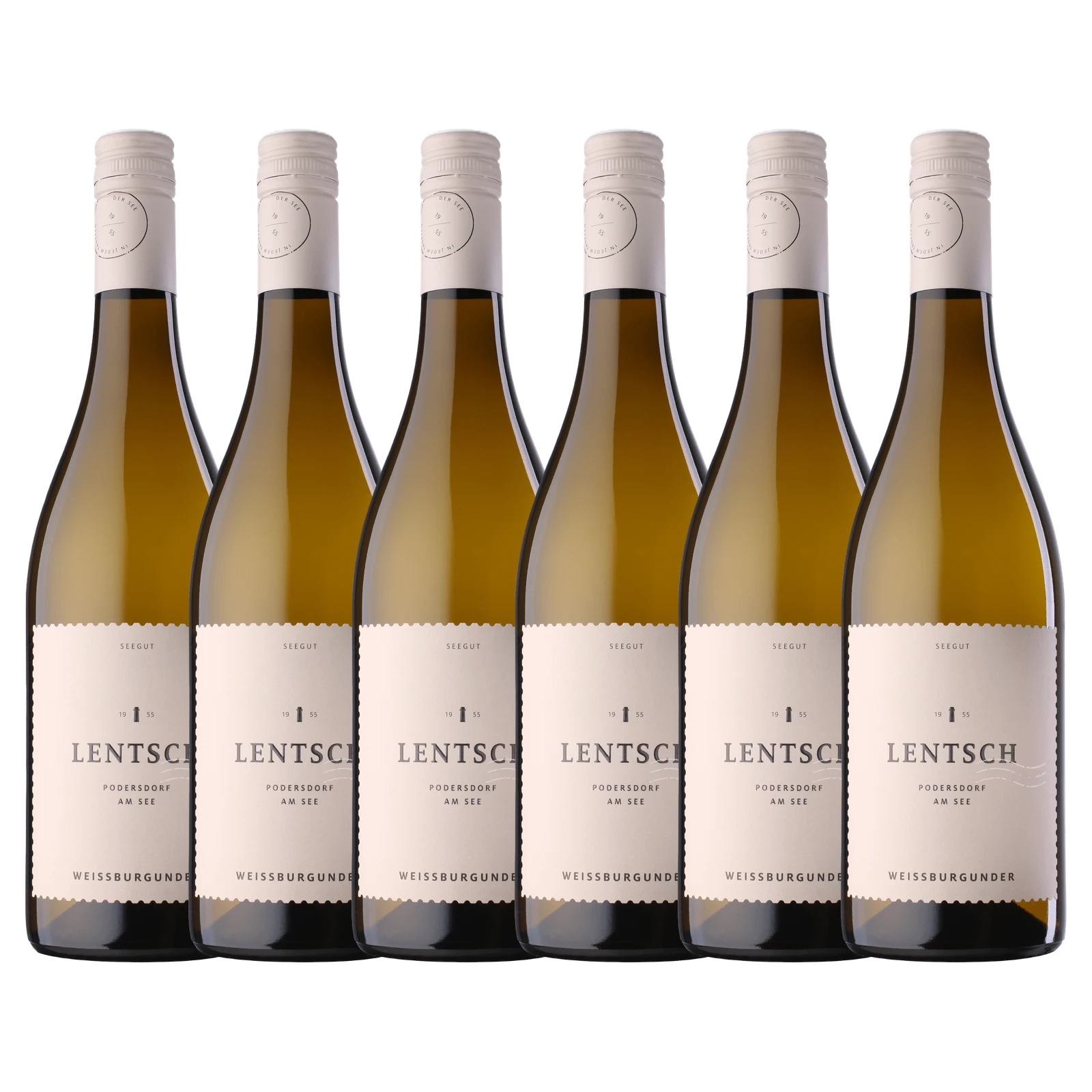
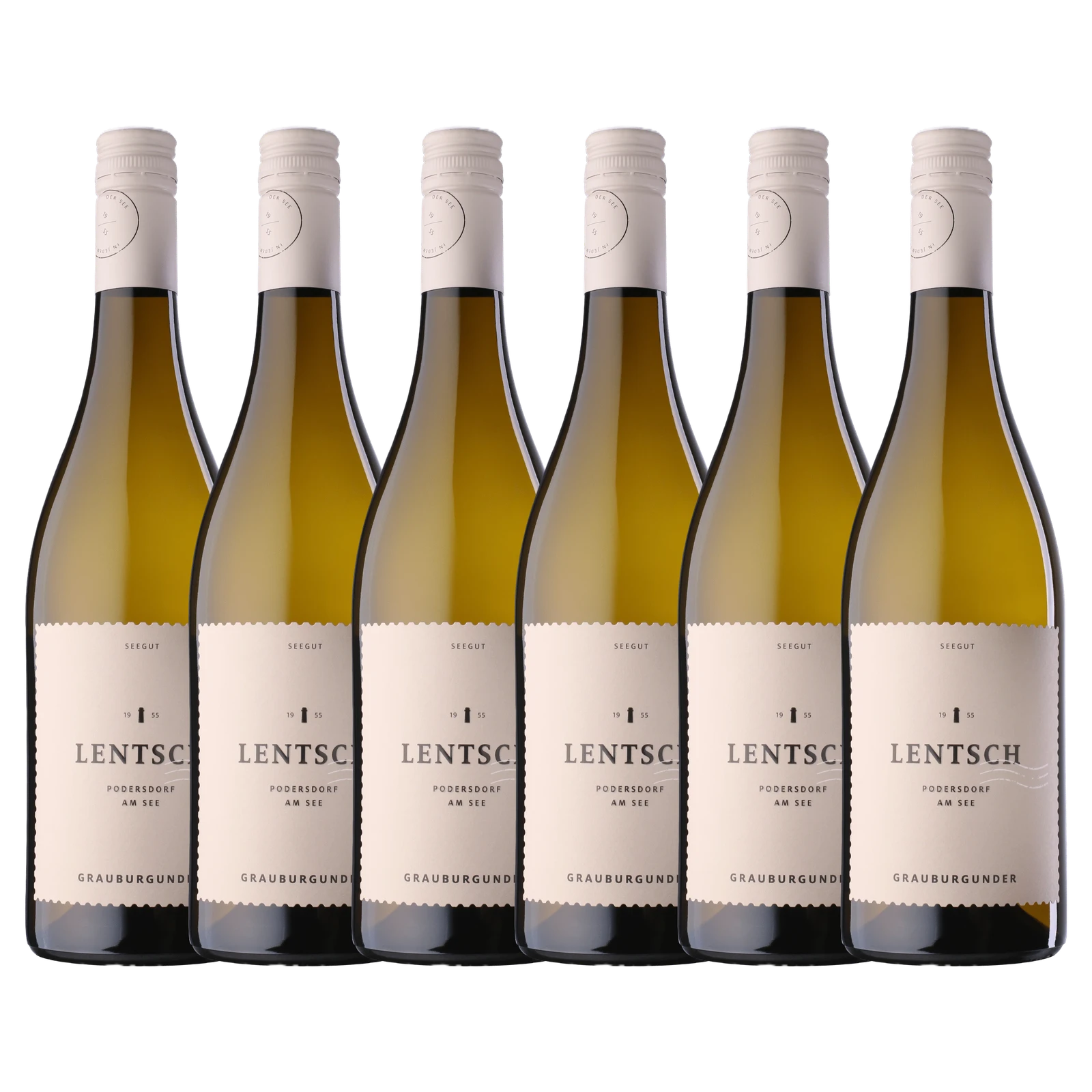
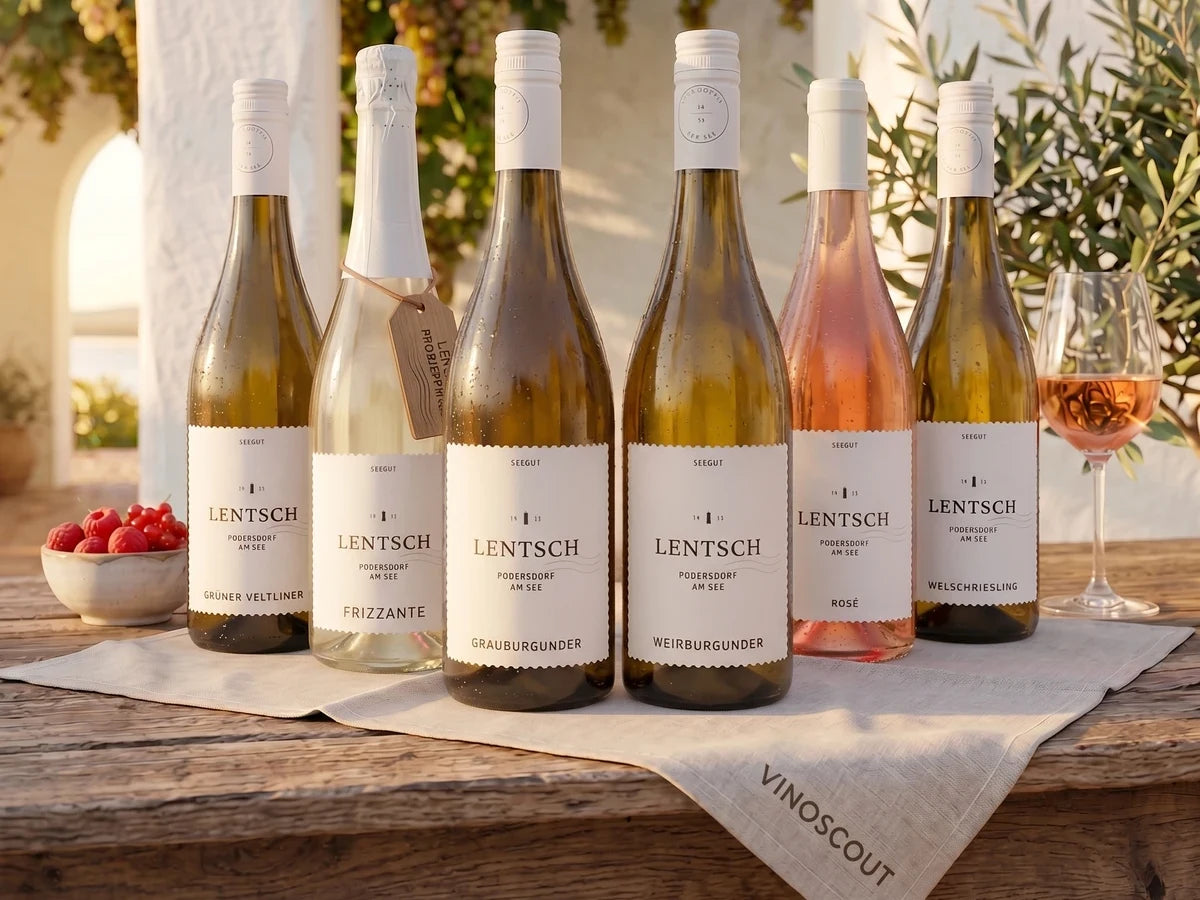
The range of the Seegut Lentsch is divided into three lines — Classic, Reserve, and Single Vineyard — and includes 14 grape varieties. In white wine, the focus is on the Pinot varieties: Pinot Gris, Pinot Blanc, and Chardonnay are the leading varieties, supplemented by Grüner Veltliner, Welschriesling, and aromatic varieties such as Muskat Ottonel and Blütenmuskateller. For the red wines, the family relies on Austrian classics — Zweigelt, Blaufränkisch, and Sankt Laurent — as well as Cabernet Franc, which is also vinified as an independent rosé.
The spectrum ranges from the fresh-fruity Classic wine, aged in steel tanks or large wooden barrels, to the age-worthy single-vineyard wine with distinct origin typicity. Those who want to get to know the wines of Lentsch should start with the Pinot Gris Ried Rohrjoch — the variety with the longest history at the estate — and then work their way up to the Reserve wines, which show what aging and wood maturation can get out of this special terroir.