

Franschhoek · South Africa
Boekenhoutskloof
Read more Read less
Boekenhoutskloof was founded around 1776 in the remotest corner of the beautiful Franschhoek Valley. The "French Corner" (Franschhoek) has preserved much of the French way of life, and thus the winemaking tradition is also rooted in French traditions. The name "Boekenhoutskloof" means "Valley of the Cape Beeches" and was popularized under this name by winemaker Marc Kent. The most well-known grape variety is Syrah, but Cabernet Sauvignon, Cabernet Franc, Grenache, Semillon, and Viognier are also part of the portfolio.
Filters
18 products

Robert Parker's Wine Advocate 2023
Awarded by Robert Parker's Wine Advocate



International Wine Challenge 2024
Awarded by International Wine Challenge
Berlin Wine Trophy 2020
Awarded by Berlin Wine Trophy

Tim Atkin Bewertung 2016
Awarded by Tim Atkin MW
Platter's Wine Guide 2024 - 5 Sterne
Awarded by Platter's Wine Guide
James Suckling Bewertung 2021
Awarded by James Suckling
Winemag.co.za Bewertung (Christian Eedes)
Awarded by WineMag.co.za
Tim Atkin Report 2021
Awarded by Tim Atkin MW

The Wine Advocate Rating
Awarded by The Wine Advocate (Robert Parker)
James Suckling 2024
Awarded by James Suckling
About Boekenhoutskloof
From 1776 to the heart of modern Cape wine
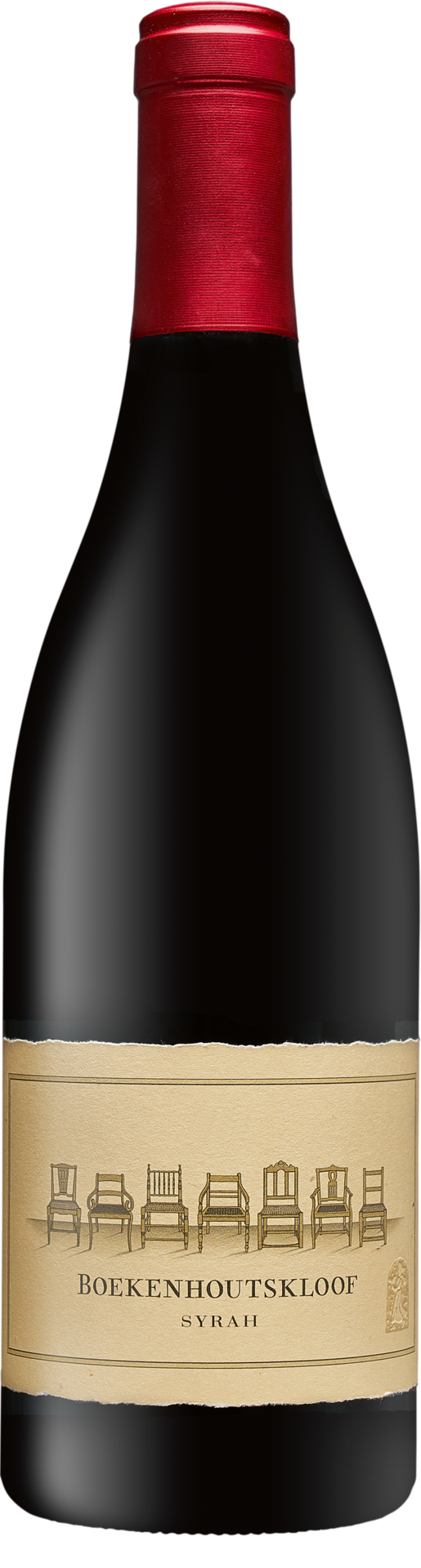
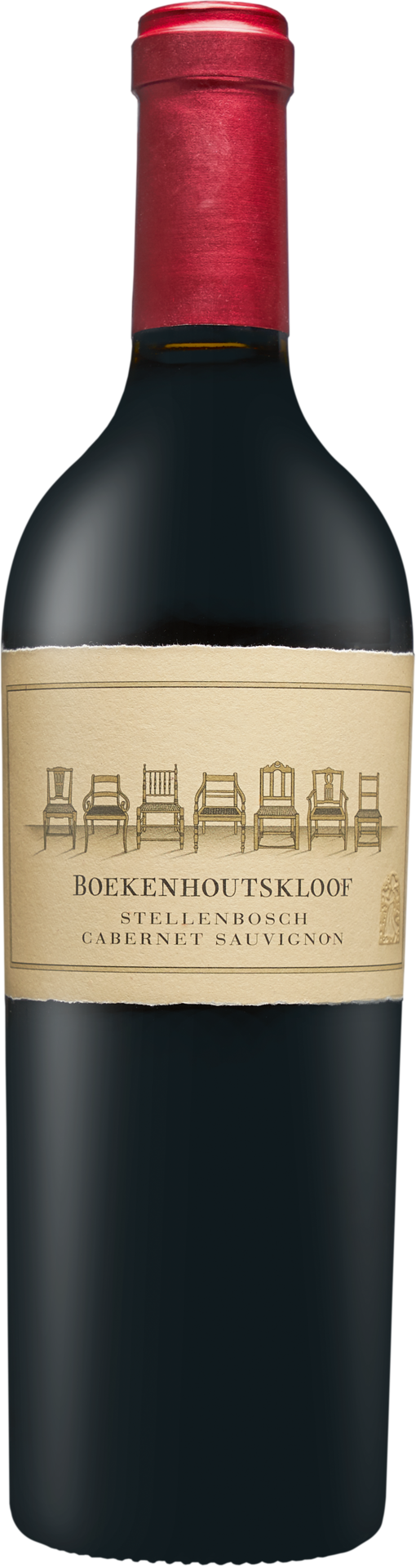
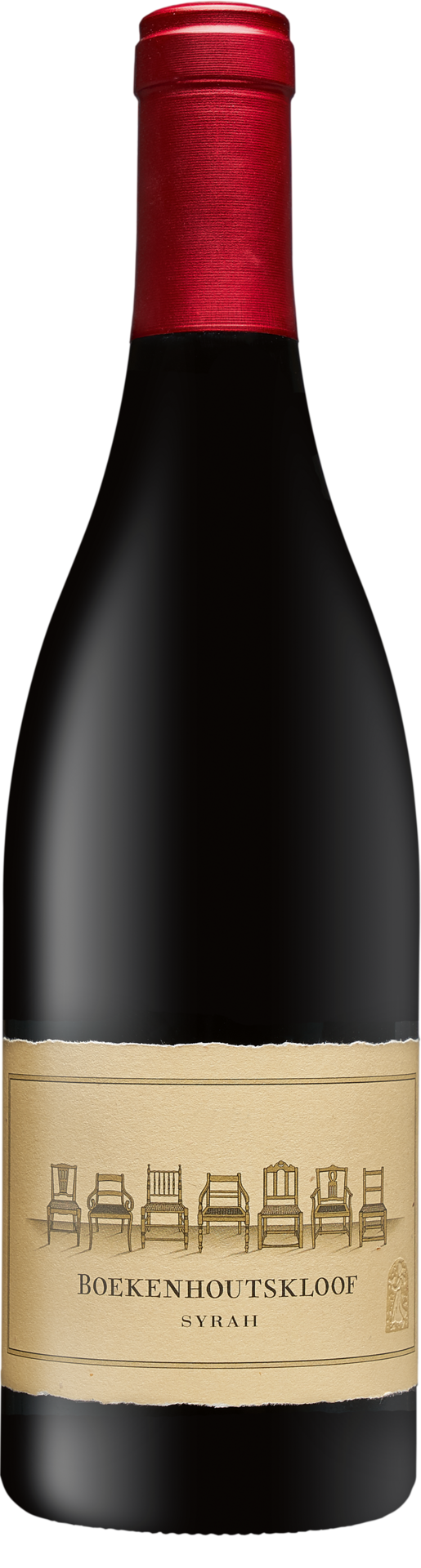
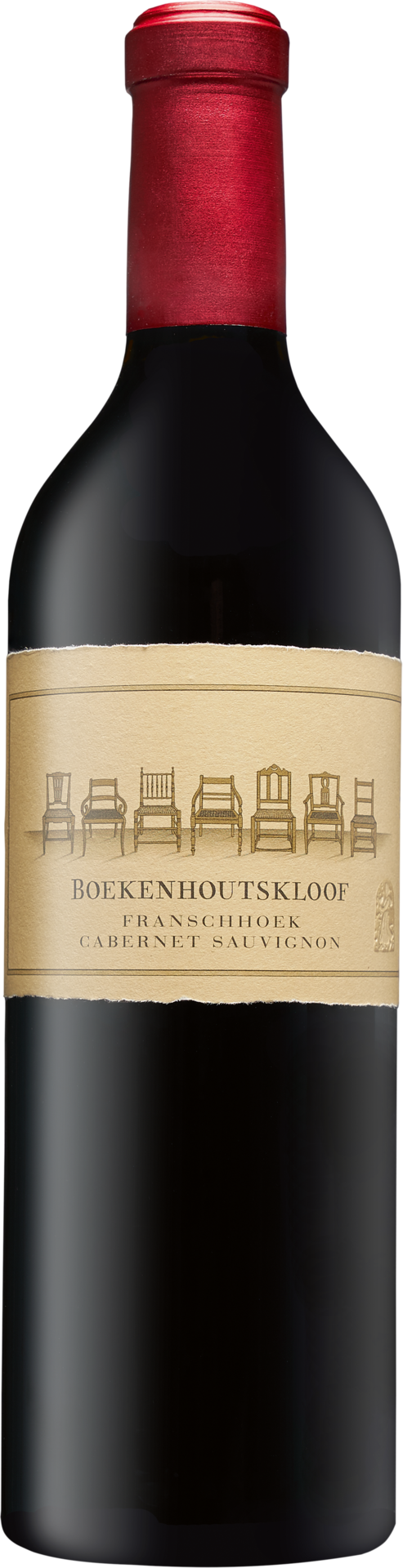
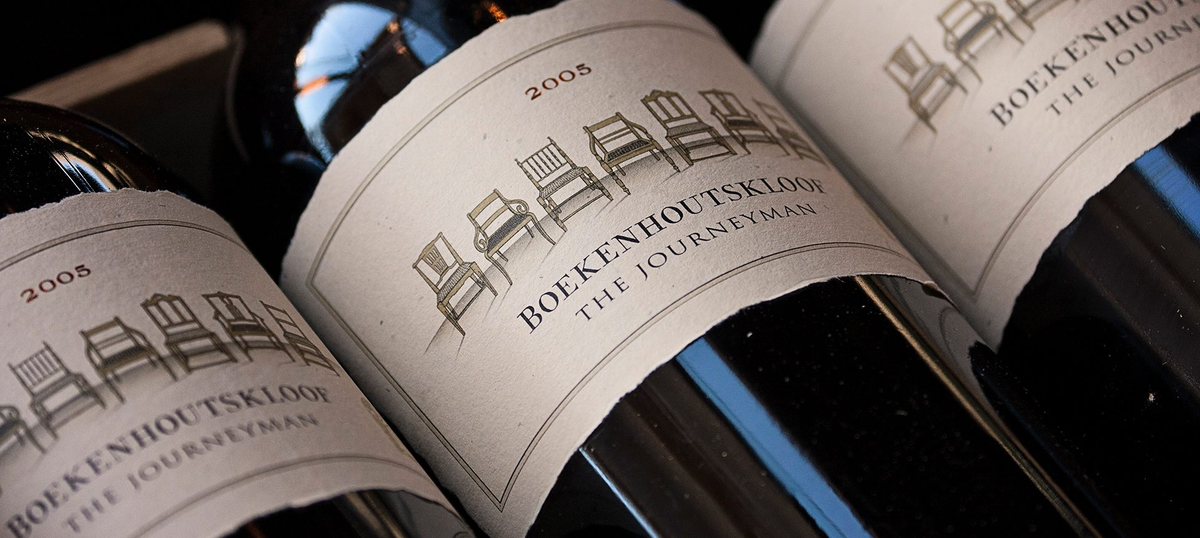
The land on which Boekenhoutskloof stands was first documented in 1776 — in the furthest, quietest corner of the Franschhoek Valley. The name literally means "ravine of the Boekenhout," a native Cape beech tree that was once sought after for furniture wood. The winery still carries this reference on its label today: seven Cape Dutch chairs made of Boekenhout wood, one for each of the seven founding partners who bought, restored, and re-established the dilapidated estate as a serious winery in 1993.
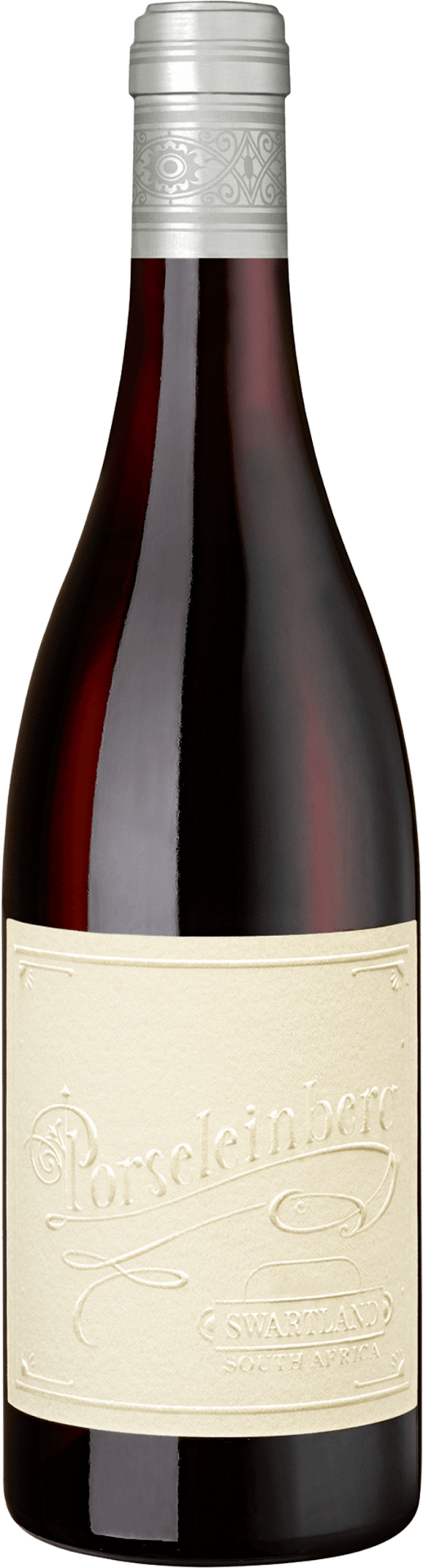
One of these partners was Marc Kent, fresh from the Elsenburg Agricultural College, who joined as cellar master and gradually shaped the winery into a dominant force in the South African wine scene. At his side was businessman Tim Rands of Vinimark, who laid the commercial foundation. Over the years, Kent rose to become managing partner and technical director, driving the house's expansion with a series of targeted vineyard acquisitions — including the 2009 purchase of Porseleinberg in the Swartland.
Terroir hunting instead of cellar magic: Vineyard first, always
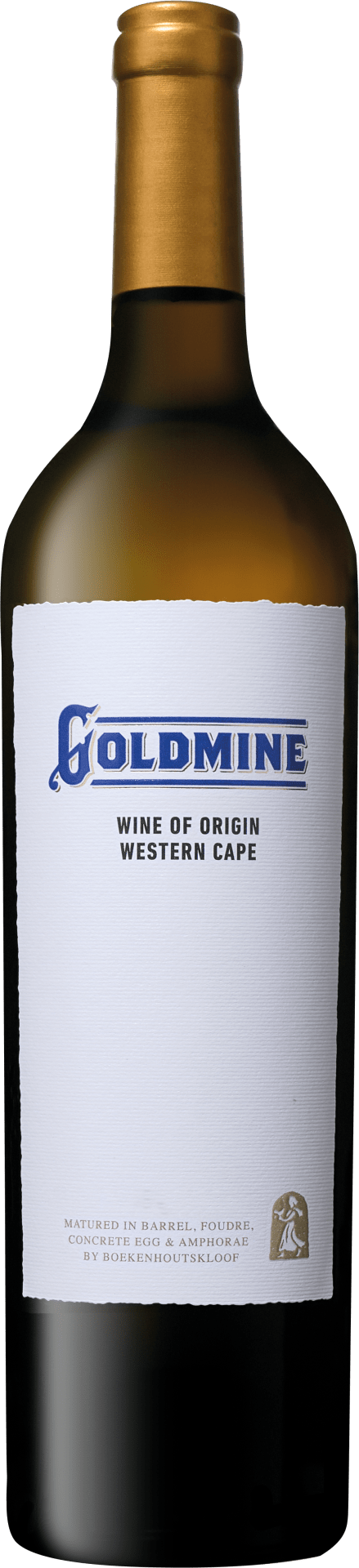
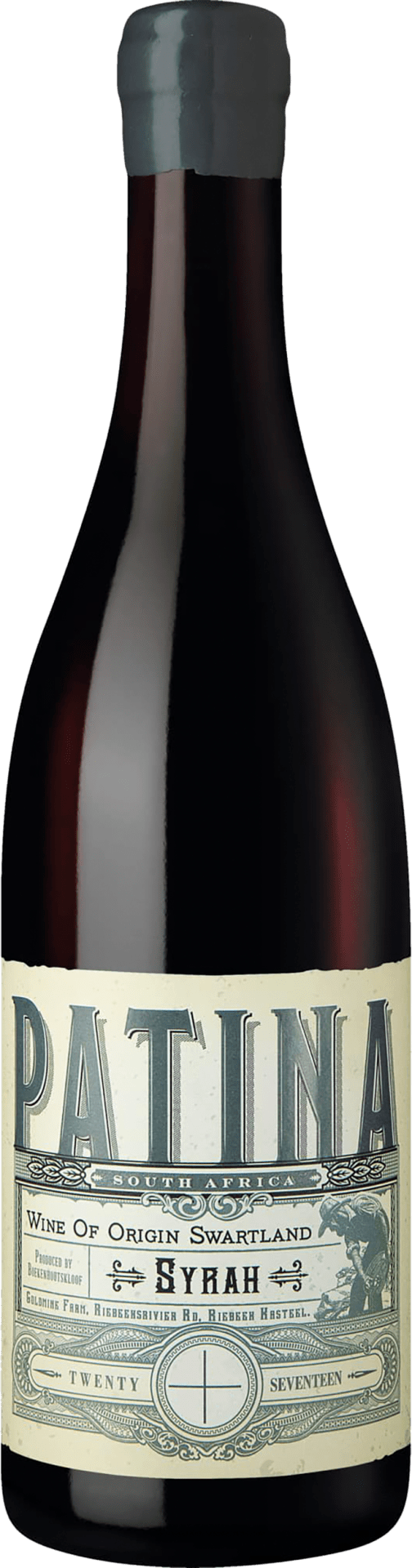
What distinguished Boekenhoutskloof from many contemporaries from the start was the early decision to source grapes from the best sites across the entire Western Cape instead of limiting themselves to the home estate. The Franschhoek estate provides Syrah, Cabernet Sauvignon, Cabernet Franc, Grenache, Sémillon, and Viognier; the Swartland properties Porseleinberg and Goldmine contribute Syrah from slate and mica-schist soils, which are known for their lean minerality. In the Hemel-en-Aarde Valley, the Cap Maritime project provides Pinot Noir and Chardonnay from the cool coastal climate.
The cellar philosophy follows the principle of minimal intervention: spontaneous fermentation, working with whole-berry fractions, concrete vessels instead of new wood — weighted differently depending on the site and label, but always with the goal of letting the vineyard speak rather than overwriting it. Boekenhoutskloof is certified sustainable according to the IPW standard; the winery is one of the founding members of the Franschhoek Mountain Conservancy, which coordinates fire protection and fynbos conservation in the valley. Invasive alien plants are actively removed on the home estate.
Syrah as a signature — and an assortment with a clear hierarchy
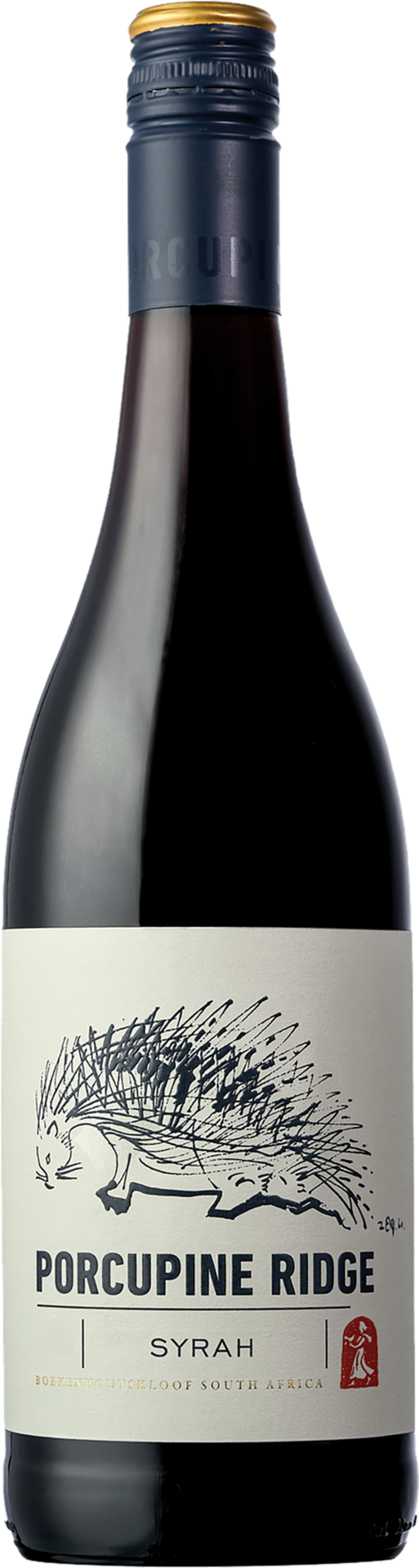
The Boekenhoutskloof Syrah is considered one of the wines that triggered South Africa's modern Syrah boom. It comes 80% from Porseleinberg and 20% from Goldmine, is hand-picked, spontaneously fermented — usually with a high proportion of whole berries — and matures without the use of new barrels. Alongside it stands the Porseleinberg Syrah as an independent project: winemaker and viticulturist Callie Louw works there according to the "farming first" principle, relies on 100% whole-bunch fermentation in concrete vessels, and ages exclusively in foudres and concrete eggs. The result is structured, cool-climate Syrahs with aging potential that are reminiscent of the northern Rhône.
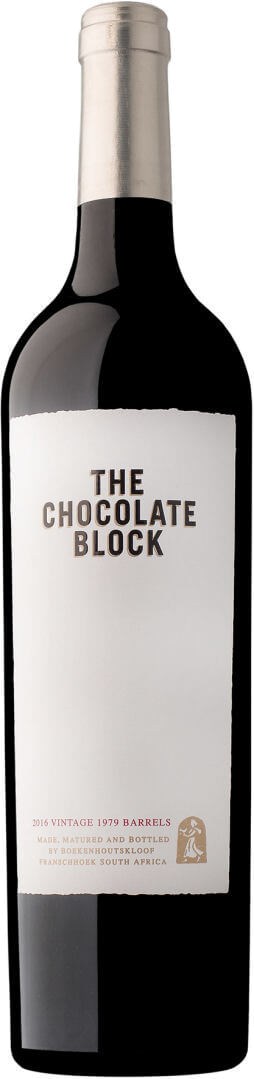
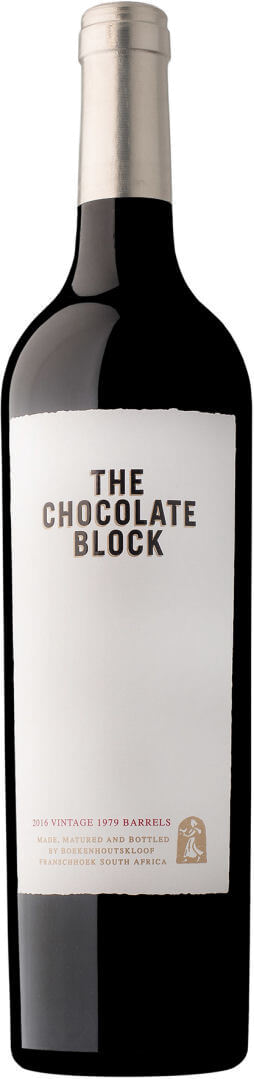
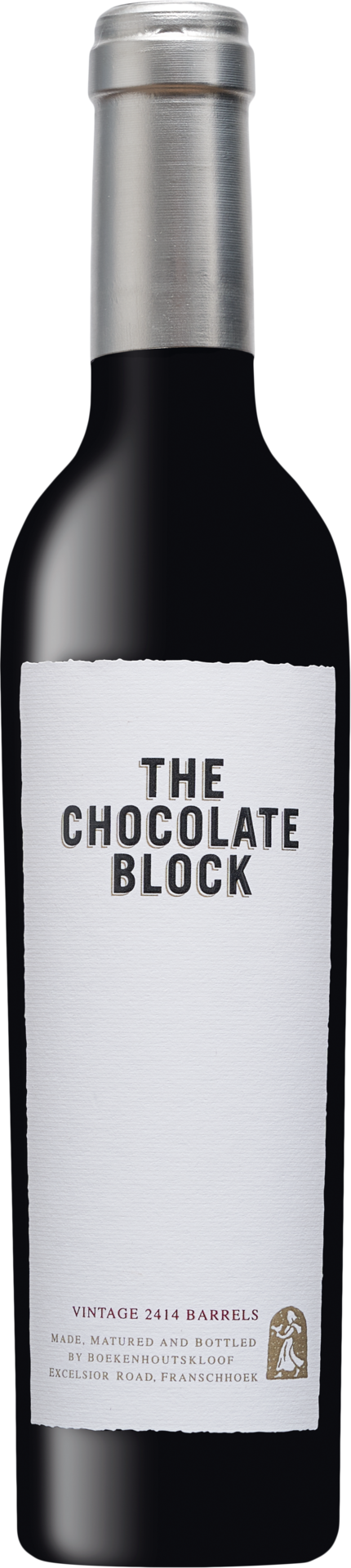
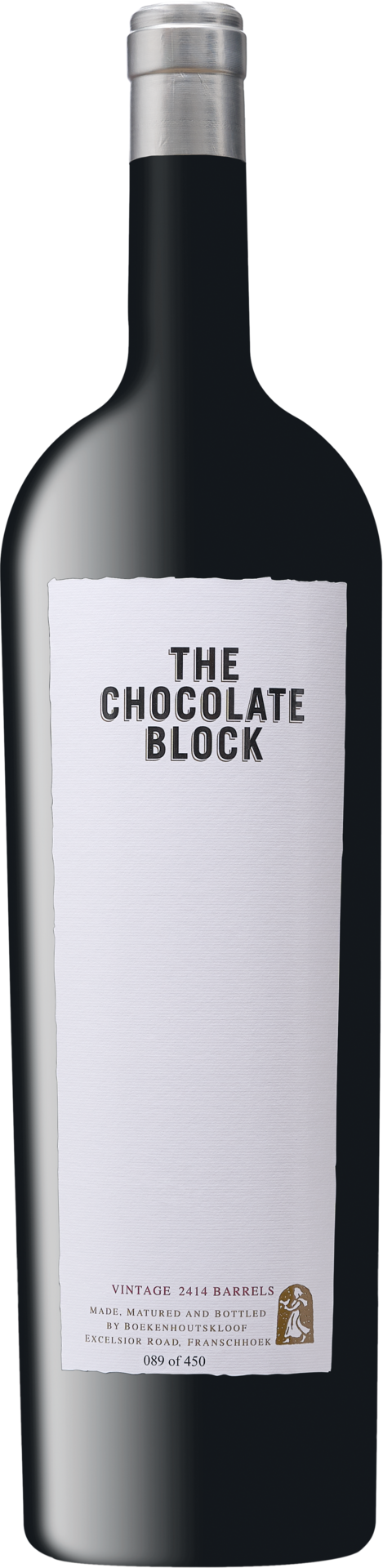
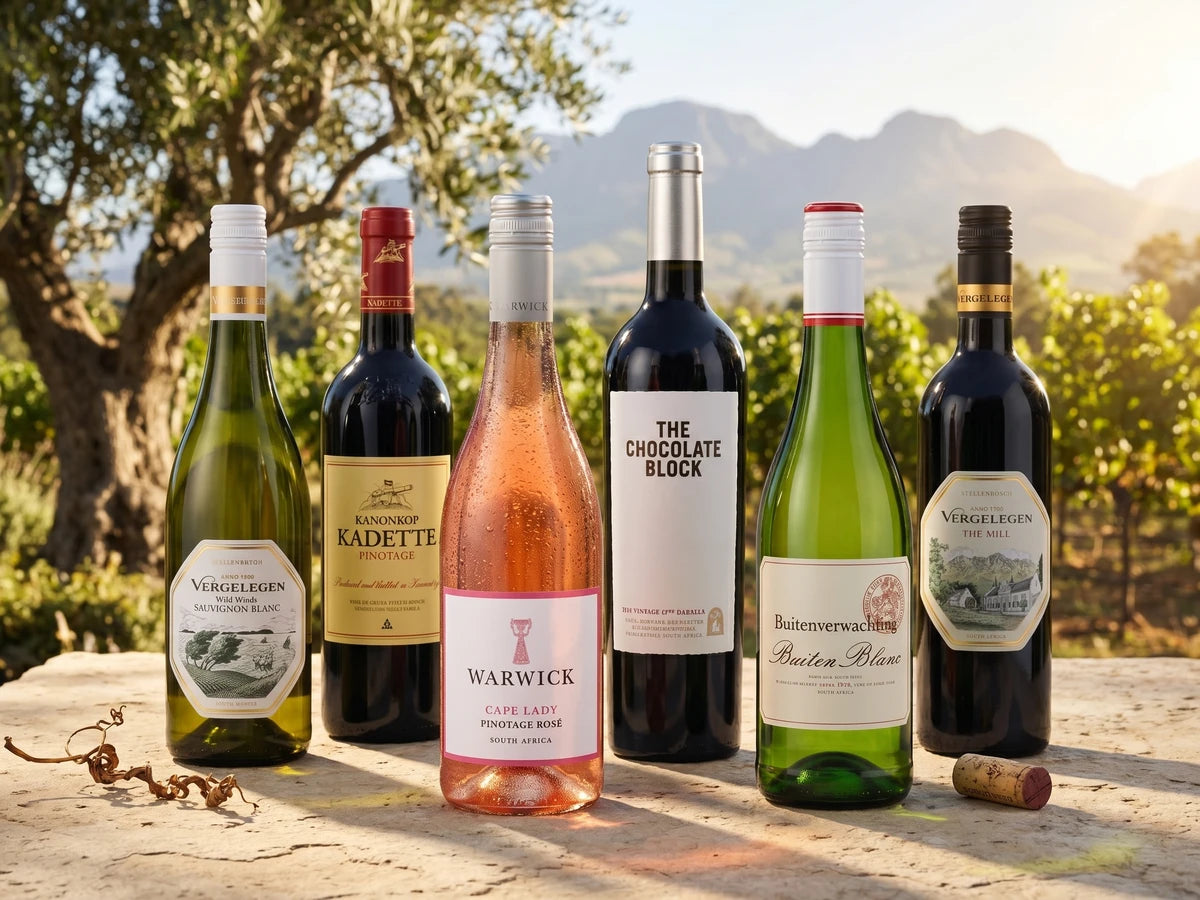
The range extends from the voluminous The Chocolate Block — a Swartland cuvée for broad enjoyment — to the site-specific Cabernet Sauvignons from Franschhoek and Stellenbosch, and the Cap Maritime Pinot Noir from Hemel-en-Aarde. Each label follows its own internal logic: origin, climate, grape variety — and as little as possible in between.
Hamburgboekenhoutskloof.co.za
Award-winning wines
Robert Parker's Wine Advocate 2023
Awarded by Robert Parker's Wine Advocate
International Wine Challenge 2024
Awarded by International Wine Challenge
Berlin Wine Trophy 2020
Awarded by Berlin Wine Trophy
Tim Atkin Bewertung 2016
Awarded by Tim Atkin MW
Platter's Wine Guide 2024 - 5 Sterne
Awarded by Platter's Wine Guide
James Suckling Bewertung 2021
Awarded by James Suckling
Winemag.co.za Bewertung (Christian Eedes)
Awarded by WineMag.co.za
Tim Atkin Report 2021
Awarded by Tim Atkin MW

Boekenhoutskloof —
Franschhoek wines with French heritage
Boekenhoutskloof is located in the furthest corner of the Franschhoek Valley, a region that bears its name — "French Corner" — for a reason. Huguenots brought viticulture here in the 17th century, and this tradition is still palpable today: in the choice of grape varieties, in the style of the wines, and in the seriousness with which work is done here. The winery itself dates back to 1776 and is thus one of the oldest addresses in the valley.
Winemaker Marc Kent has made Boekenhoutskloof one of the most well-known names in South Africa — especially with Syrah, the house's flagship variety. The cool slopes around Franschhoek give the Syrah a structure and depth that is more reminiscent of the northern Rhône than the New World: dark berries, peppery spice, a long finish. Alongside this, Cabernet Sauvignon, Cabernet Franc, and Grenache stand for red cuvées, while Semillon and Viognier characterize the white wine portfolio.
The wines are suitable for hearty meat dishes — leg of lamb, braised beef brisket — but the Semillon also shows that Franschhoek produces equally convincing white wines: full-bodied, with texture, made for the table.