From the family winery Macià Batle to their own bodega in Biniali
The wine history of the Batle family on Mallorca goes back a long way — for more than 150 years they have been growing vines on the island, at times exclusively for their own needs. In the 1990s, several family members joined forces with other shareholders to found the Bodega Macià Batle in Santa Maria del Camí, which quickly developed into one of the larger Mallorcan wineries. However, the brothers Miquel and Matías Batle did not see themselves in this direction. In 2002, they separated from Macià Batle, acquired vineyards around Biniali — the place with which the family has felt connected for generations — and began their own project. In 2005, Bodega Binigrau officially opened its doors. Miquel, a trained oenologist, took over the vineyard and cellar; Matías is responsible for marketing and external relations.
In the limestone plateau: vineyard, cellar, and organic farming
Binigrau manages around 14 hectares of its own vineyards in Biniali, Sencelles, and Santa Maria, in addition to leased sites. The vineyards are located on a plateau with calcareous soils that give the wines their characteristic minerality. The Mediterranean climate — hot days, cool nights — slows down ripening and preserves acidity and aromatics in the grapes. Part of the area is farmed organically; in the vineyard, they work with biodynamic principles for care, pruning, and harvesting, without the use of pesticides or artificial fertilizers. All grapes are harvested by hand.
The cellar at the entrance to Biniali — designed by architect friends, restrained from the outside, open on the inside with exposed concrete, glass, and wood — combines modern cellar technology with artisanal care. In the area of white wine production, Binigrau ferments Chardonnay directly in French oak barrels instead of stainless steel tanks — a method that gives the wine creaminess and texture without breaking the fruit line. The intervention in the cellar remains minimal overall: the wines should let the terroir and grape variety speak, not oenological technology.
Mallorcan grape varieties as a backbone — with an international horizon
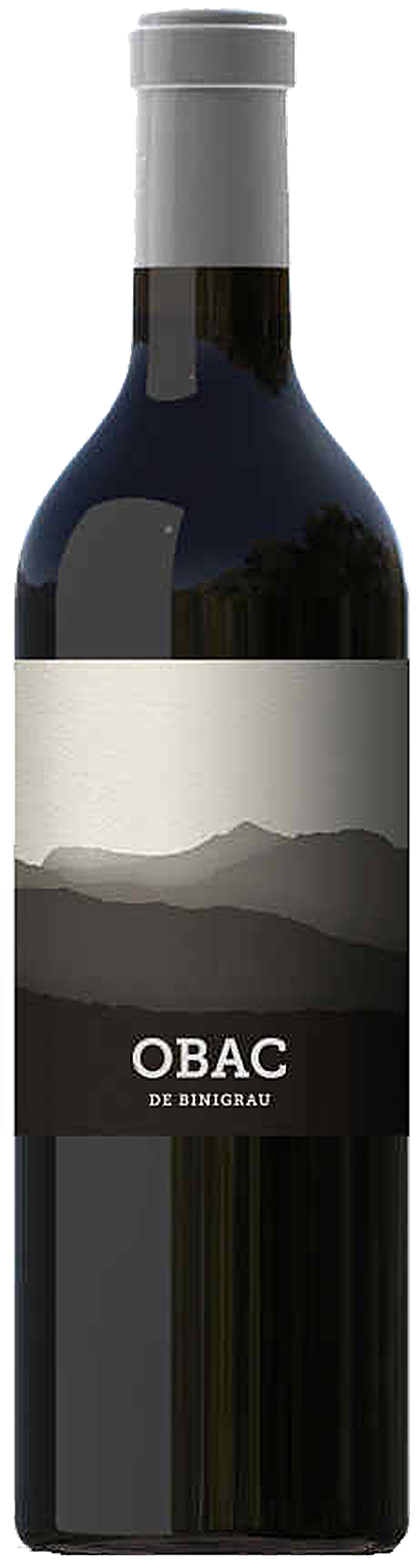
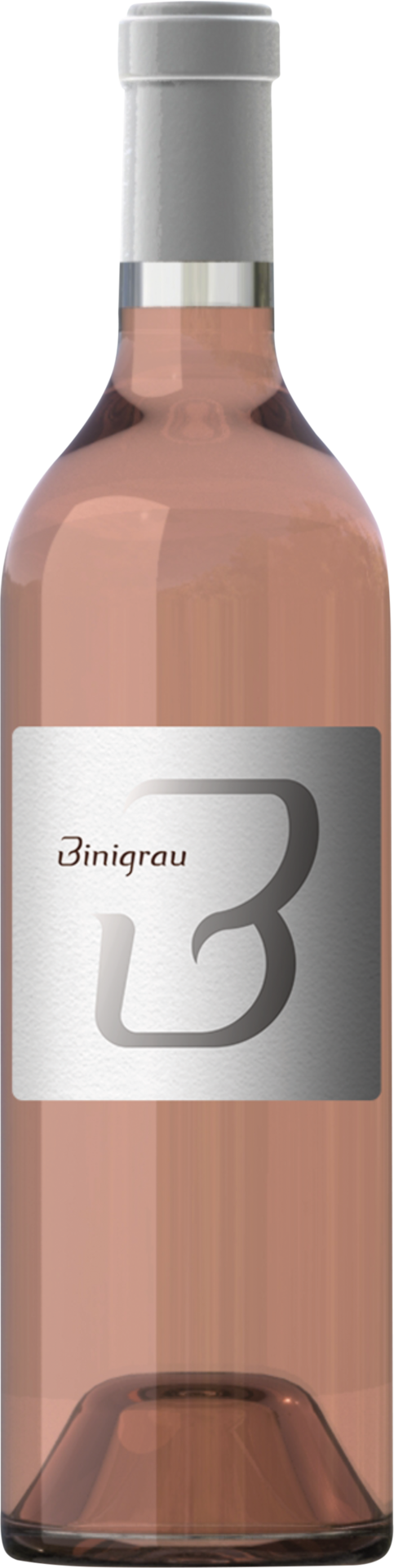
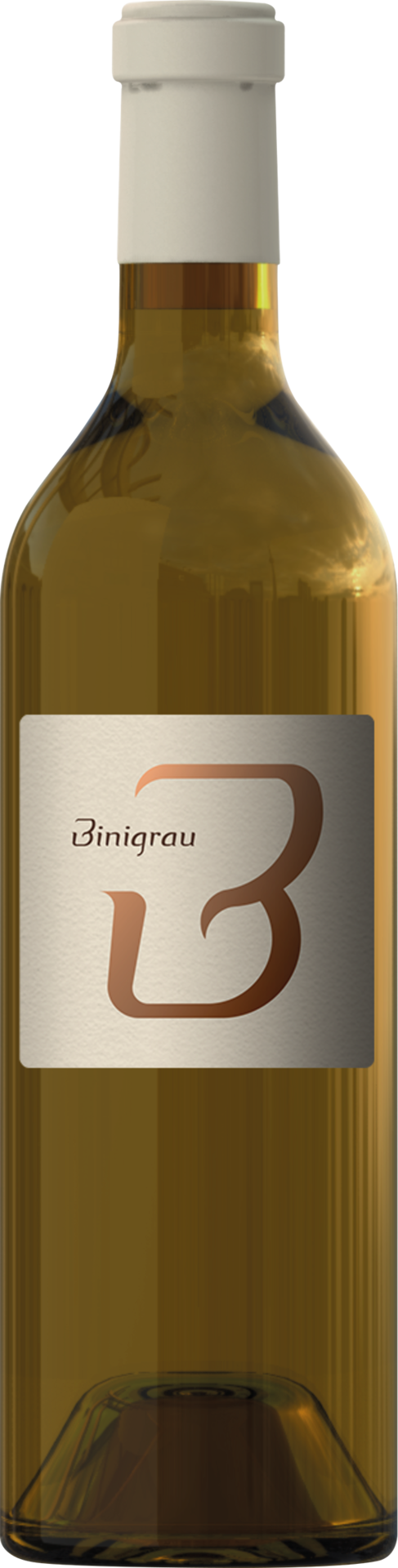
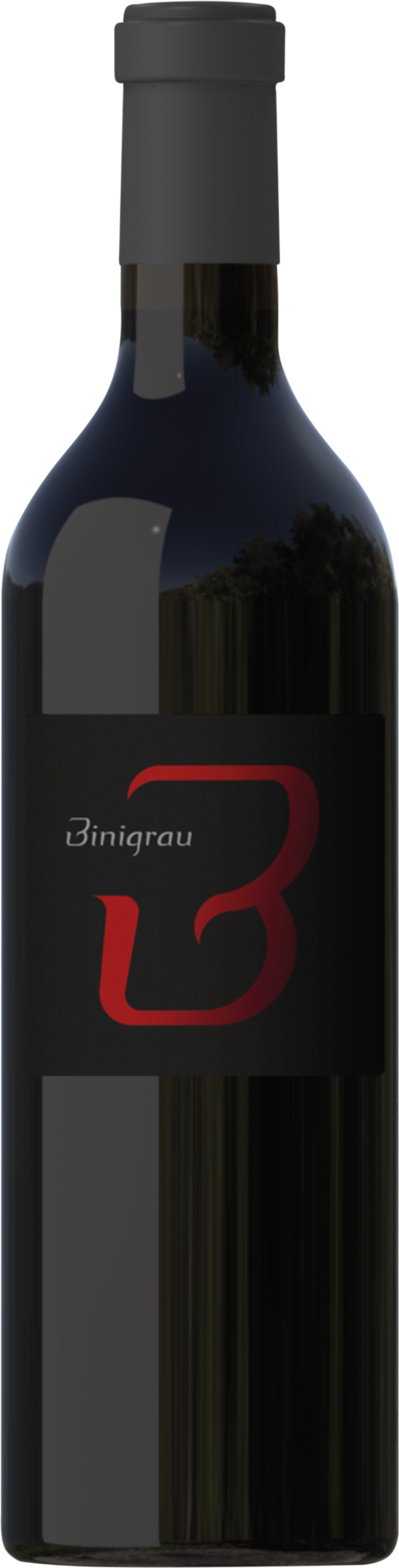
The assortment is based on the island's autochthonous varieties: Manto Negro and Callet for the reds, Prensal Blanc for the whites. Manto Negro, the defining red grape variety of Mallorca, brings aromas of dark cherry, tobacco, and Mediterranean herbs to Binigrau, with a velvety body and spicy finish. Callet complements with depth and structure. As international companions, Syrah, Cabernet Sauvignon, Merlot, and Chardonnay are added — integrated, not dominating. The Nounat combines Prensal Blanc with Chardonnay to create a fresh, mineral white with almond and citrus notes. The B-Rosat combines Manto Negro and Merlot to create a salmon-colored rosé with lively fruit. In the Obac, the most complex red in the program, local and international varieties meet; aging in small oak barrels brings notes of plum, dark tobacco, and a long, velvety finish. Binigrau produces around 80,000 to 100,000 bottles per year — manageable enough to maintain the artisanal standard in every single one.