From the Maremma to the world elite: How Lodovico Antinori reinvented Bolgheri
In 1981, Marchese Lodovico Antinori — a scion of the Florentine Antinori wine dynasty — bought land near the small town of Bolgheri on the Tuscan Tyrrhenian coast and had the first vines planted there. His goal was clear: to produce Bordeaux-style red wines on a terroir that until then hardly anyone had taken seriously in viticulture. 1985 saw the release of the first vintage of the flagship wine Ornellaia — and thus heralded a new chapter in Italian wine history. The 1998 vintage was voted the best red wine of the year by Wine Spectator and cemented the estate's reputation on the international stage. After an intermezzo as a partner in the Robert Mondavi Winery, the Tuscan entrepreneurial family Frescobaldi took over the winery completely from the mid-2000s. Since then, they have continued to lead Ornellaia with qualitative consistency — supported by Bordeaux consultant Michel Rolland.
Plot by plot: Vineyard and cellar as a system of precision
The approximately 97 hectares of vineyard area, divided into about 50 independent plots, are spread over two sites: the historic core site around the wine cellar and the Bellaria estate located further north. The soils alternate between marine, alluvial, and volcanic origin; in higher-lying plots, clayey soil with limestone gravel is added. In summer, a constant sea breeze cools the vineyards, and in winter, the surrounding hills protect the vines from cold snaps from the north — a microclimate that offers the Bordeaux varieties Cabernet Sauvignon, Merlot, Cabernet Franc, and Petit Verdot optimal ripening conditions.
In the cellar, this plot logic continues consistently: every grape variety and every plot is vinified separately. The grapes are harvested by hand in 15-kg crates and sorted on double sorting tables both before and after destemming. Alcoholic fermentation takes place in steel tanks or cement vats, and malolactic fermentation mainly in new oak barriques. The subsequent maturation lasts around 18 months. Up to 80 base wines are tasted daily to decide during the assemblage which of the estate wines each plot will flow into. Ornellaia relies on reduced pesticide use and the active promotion of biodiversity in the vineyard.
A range with a clear hierarchy — from entry-level to icon wine
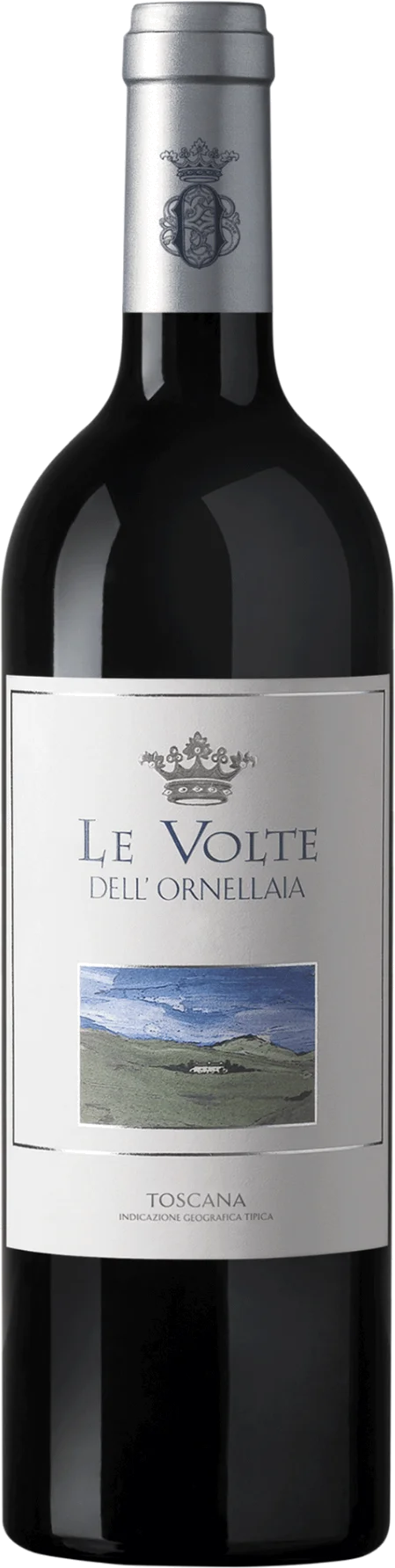
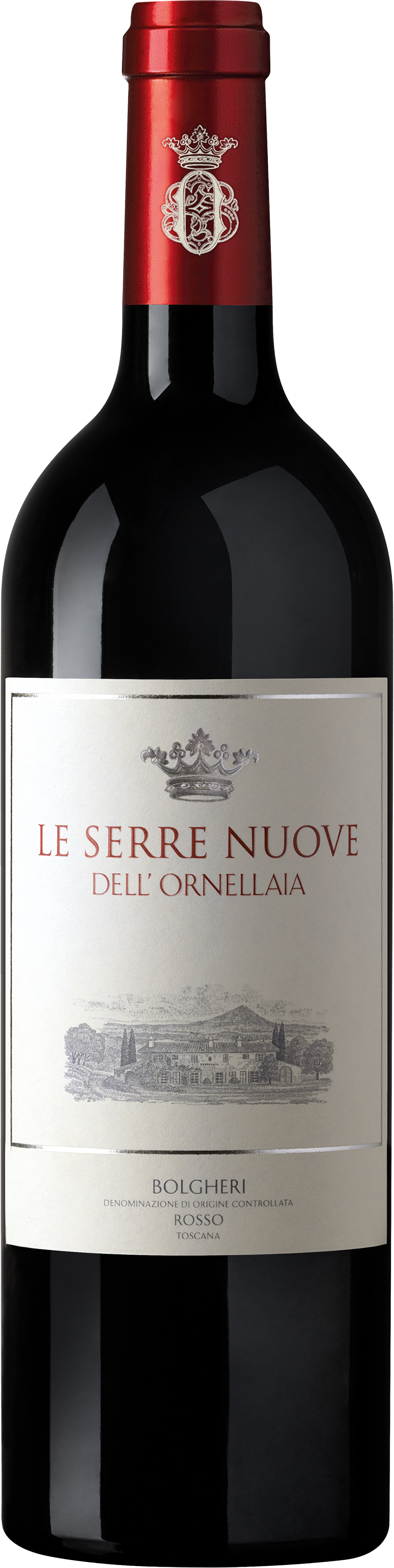
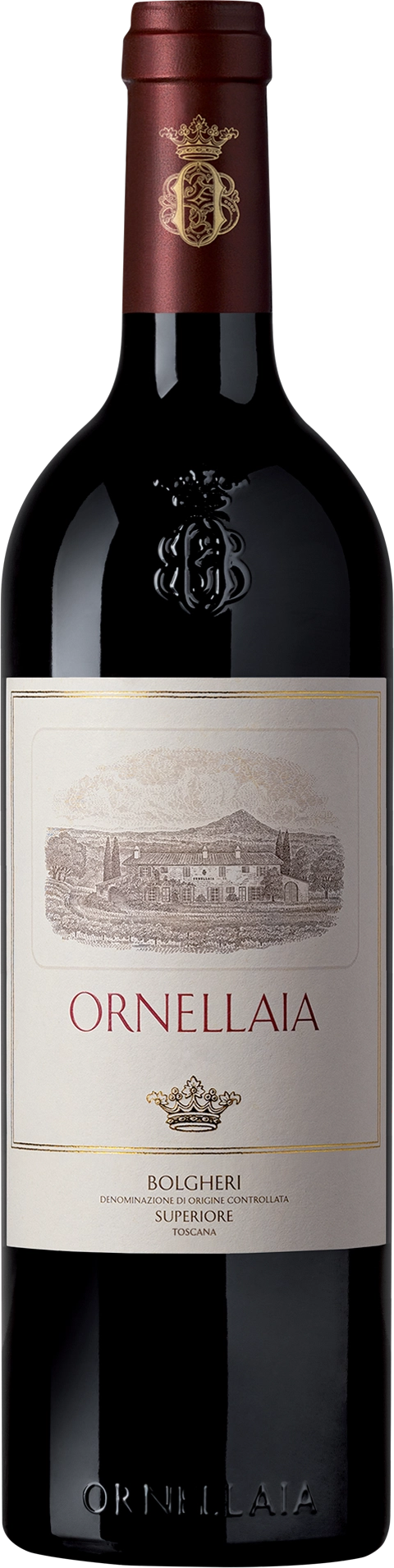
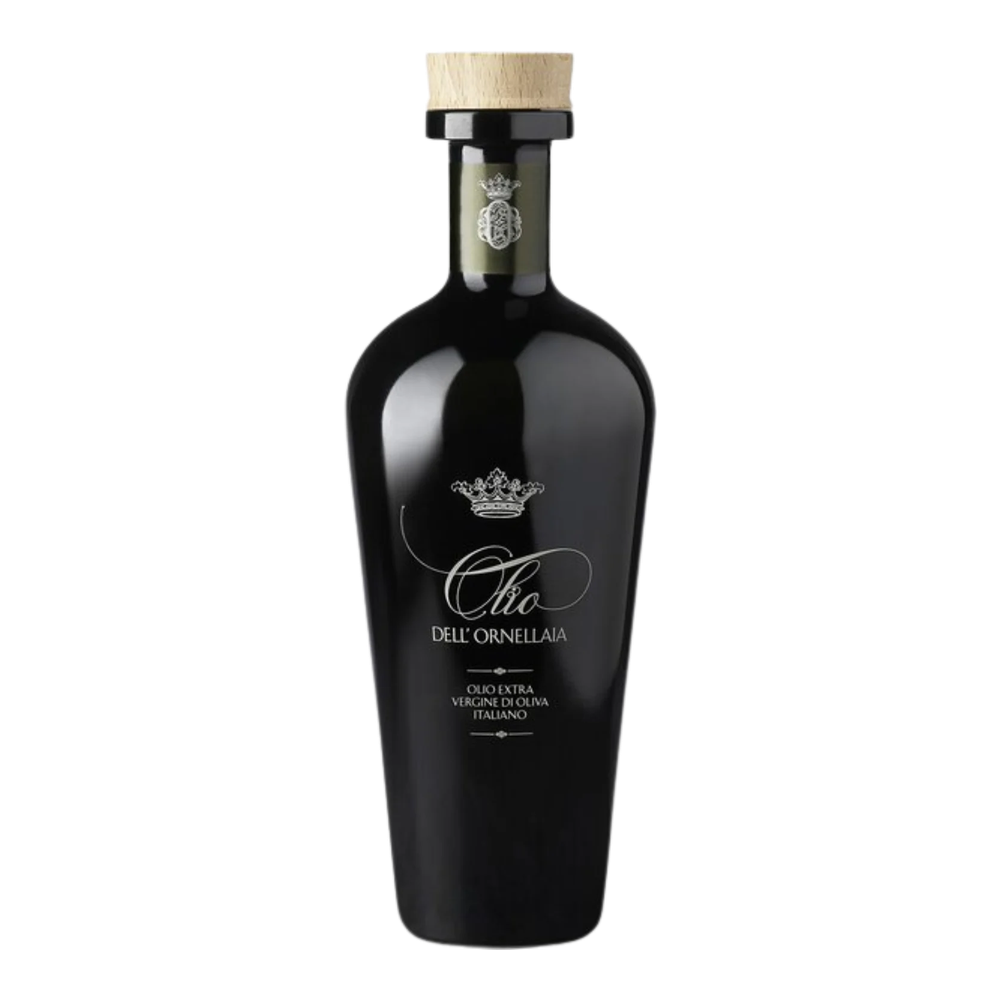
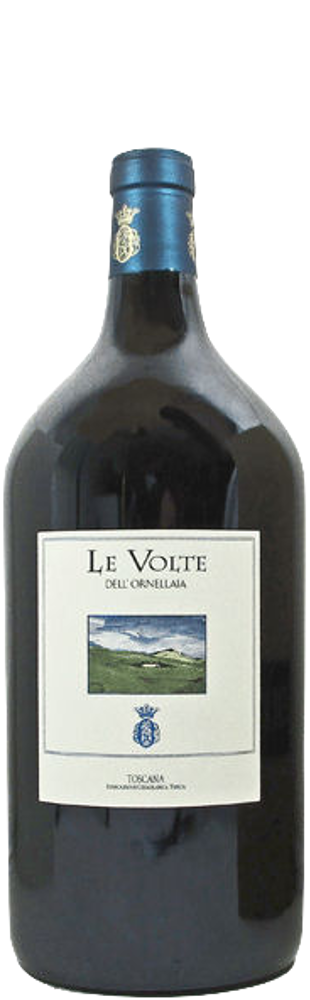
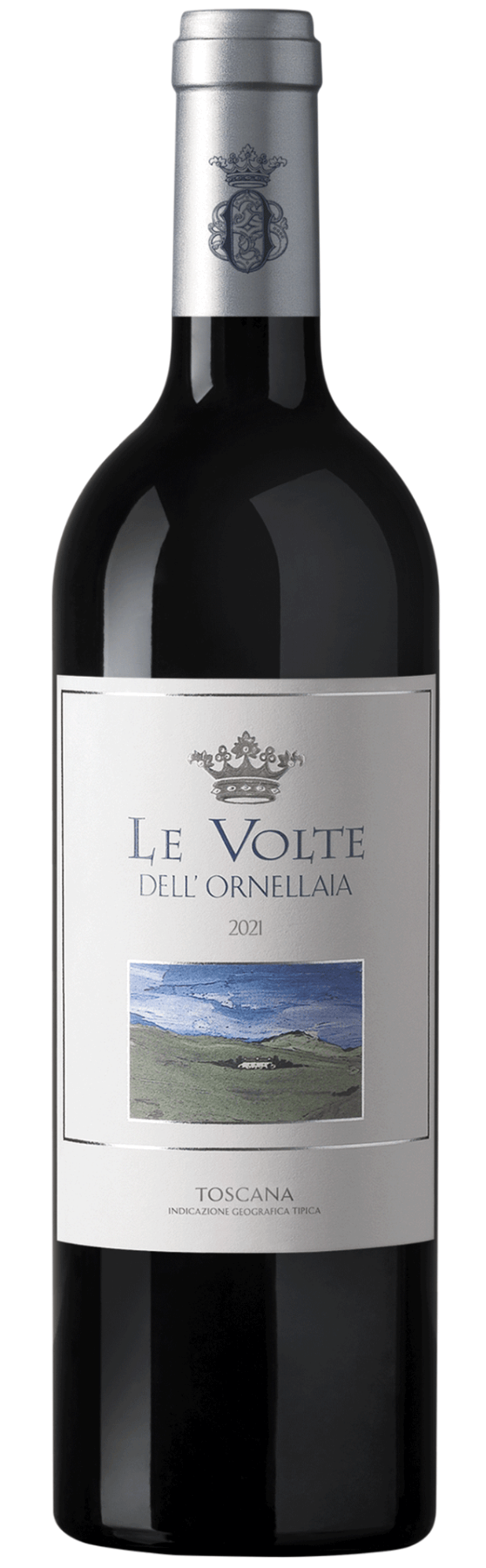
The range follows a well-thought-out tiered logic that makes meaningful use of all the estate's plots. The Ornellaia Bolgheri Superiore DOC — the cuvée from the best, ripest plots, dominant Cabernet Sauvignon with Merlot, Cabernet Franc, and Petit Verdot — is the reference wine of the house: dense, structured, with dark berry fruit, cedar wood, and the typical salty-mineral length of the coastal location. Le Serre Nuove dell'Ornellaia, produced since 1997, comes from younger plots of the same terroir and is vinified according to an identical principle — with a higher Merlot content, which gives the wine earlier accessibility and Mediterranean melt. Le Volte dell'Ornellaia, the third line, complements the cuvée of Merlot, Cabernet Sauvignon, and Sangiovese: fruit-driven, easy-drinking, a direct expression of the coastal climate without the long barrique maturation of its big siblings. Anyone who would like to get to know the estate beyond the wine will find an olive oil from the same region with the Olio Extra Dell'Ornellaia — consistently thought through with the same demand for terroir and craft.